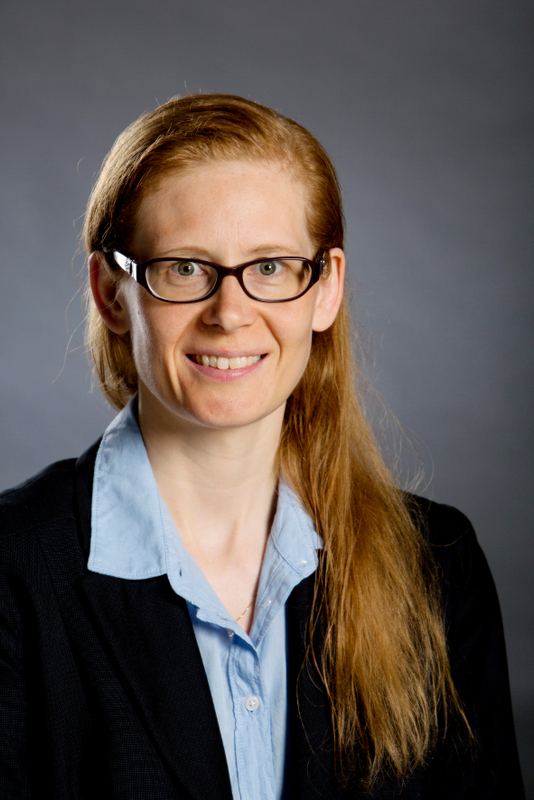
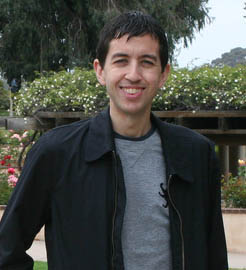
Senior Lecturer Outi Salo-Ahen is affiliated with Åbo Akademi University's Faculty of Natural Sciences and Engineering , Department of Pharmacy. Her research focuses on computational pharmacology, drug design, and pharmaceutical chemistry, particularly targeting chemokine receptors (CCR5/CXCR4) and transient receptor potential channels (TRPA1) for therapeutic applications. Doctor of Pharmacy (2006, University of Kuopio/UEF) MSc in Pharmaceutical Chemistry (2001, UEF) BSc in Pharmacy (1999, UEF) University Pedagogy Modules 1-5 (2012-2015) Her work contributes to UN Sustainable Development Goals through education and pharmaceutical innovation . Recent research trends include: Antimicrobial resistance solutions TRPA1 channel modulation Nanotechnology-enabled drug delivery Multi-target HIV-1 inhibitors 3D printing of biocompatible materials Computational analysis of nucleic acid frameworks She actively supervises doctoral projects, serves on assessment panels, and leads collaborations like Nordic Pharmaceutical Translation and Innovation. Her 60+ publications demonstrate expertise in molecular modeling and drug discovery.
Dr. Igor V. Pivkin is a Full Professor at the Institute of Computing within the Faculty of Informatics at the Università della Svizzera italiana (USI) in Lugano, Switzerland. His academic journey includes degrees from Novosibirsk State University (B.Sc./M.Sc. Mathematics), Brown University (M.Sc. Computer Science and Ph.D. Applied Mathematics), and postdoctoral research at MIT's Department of Materials Science and Engineering. His research focuses on multiscale/multiphysics modeling , numerical methods , and large-scale simulations of biological and physical systems. Key areas include biophysics, cellular/molecular biomechanics, stochastic modeling, and coarse-grained molecular simulations. He leverages high-performance computing (HPC) and particle-based methods to address complex biological phenomena. His work spans diverse applications, from understanding cellular mechanosensitivity and biofilm engineering to modeling cancer cell behavior and red blood cell dynamics in the spleen. His contributions bridge computational science, biotechnology, and biomedical research. He has published extensively in top-tier journals, with recent work advancing automated biofilm analysis, deep learning for microbial classification, and systems biology approaches to metal bioleaching. His lab collaborates on interdisciplinary projects, emphasizing computational innovation for real-world biological challenges.
James C. Gumbart is an Adjunct Professor in the School of Physics at Georgia Institute of Technology, with additional affiliation to the School of Chemistry and the Institute for Bioengineering and Bioscience . His research leverages molecular dynamics simulations to decode the atomic-level mechanisms of bacterial proteins and cellular structures. B.S., Physics and Mathematics, Western Illinois University, 2003 Ph.D., Physics, University of Illinois at Urbana Champaign, 2009 Dr. Gumbart's work bridges computational biophysics and biochemistry to understand: Mechanisms of bacterial membrane protein insertion and nutrient import Structural dynamics of cell wall mechanics SARS-CoV-2 spike protein interactions with ACE2 Free-energy calculations for protein-ligand binding Applications of machine learning in biomolecular simulations His publications reflect trends in membrane protein biophysics , viral dynamics , and computational drug design , with a strong emphasis on interdisciplinary techniques. Awards include multiple fellowships and grants from NSF , DOE , and NIAID . He has mentored numerous PhD students, including Zijian Zhang , David Ryoo , and Andrew Pang , whose work has advanced understanding of bacterial systems and viral proteins. The Gumbart Lab integrates high-powered supercomputing and advanced software to model biomolecular processes, fostering collaborations with institutions like the National Institutes of Health and Argonne National Laboratory .
Konstantinos Kalogeropoulos is an Assistant Professor at the Department of Biotechnology and Biomedicine, Technical University of Denmark (DTU), leading research at the Cell Diversity Lab. His work bridges proteomics, computational biology, and snake venom research. Current projects: "The Proteomic Landscape during Influenza Infection" (2022-2025) Supervisor for PhD projects on protease network rewiring in psoriasis and wound exudate degradomics Research interests include: Proteomic analysis of inflammatory diseases Snake venom toxin structure prediction Extracellular matrix biomechanics De novo peptide sequencing algorithms Computational modeling of protease networks Recent article trends demonstrate his work in • Database-free proteomics (InstaNovo/InstaNexus) • Snake venom pathophysiology (V-ToCs clustering) • Inflammatory disease biomarkers (psoriasis, impaired healing) • Extracellular matrix mechanics (fibronectin tension, gut inflammation) Advising: Supervises PhD students Polhaus, C. J. M. and Haack, A. M., focusing on protease networks and wound healing.
André Bardow is a Full Professor at the Department of Mechanical and Process Engineering, ETH Zürich. His research focuses on energy systems optimization, life cycle assessment, computer-aided molecular design, and CO2 capture/utilization. Professor (ETH Zürich, 2020–present) Head of Institute of Technical Thermodynamics (RWTH Aachen University, 2010–2020) Visiting Professor (University of California, Santa Barbara, 2015/16) Part-time Director (Forschungszentrum Jülich, 2017–2022) Associate Professor (TU Delft, 2007–2010) Research Interests: His work spans energy and process systems engineering, with emphasis on sustainable technologies. Key areas include: Computer-aided molecular and process design Machine learning for chemical engineering Carbon capture and utilization (CCU) Life cycle assessment (LCA) of industrial processes Thermo-economic modeling of energy systems Multiphase equilibrium analysis Publication Trends: Recent articles focus on integrating machine learning with process design, optimizing CO2 capture in steel production, and advancing electrochemical cooling technologies. Subfields include sustainable plastics, ORC working fluids, and solvent mixture design. Scientific Awards: Fellow of the Royal Chemical Society Recent Innovative Contribution Award (EFCE, 2019) PSE Model-Based Innovation Prize (2018) Covestro Science Award (first recipient) Arnold-Eucken-Award (VDI-GVC) Highly Cited Researcher (Clarivate, 2024) Advising and Grants: Professor Bardow mentors students in process optimization and leads projects like Systemic expansion of territorial CIRCULAR Ecosystems for end-of-life FOAM (Grant 101036854, EC).
Minsu Kim is a CIFAR AI Safety Post-doc Fellow at KAIST and Mila, collaborating with Prof. Yoshua Bengio, Prof. Sungjin Ahn, and Prof. Sungsoo Ahn. His work bridges System 2 Deep Learning, Bayesian posterior inference, and combinatorial optimization. Ph.D., Industrial Engineering, KAIST (2025) M.S., Electrical Engineering, KAIST (2022) B.S., Mathematics and Computer Science (Dual Degree), KAIST (2020) Kim's research focuses on enabling AI systems to measure uncertainty, represent causality, and perform sequential reasoning for safety-guaranteed planning. His methodology integrates GFlowNets and diffusion models with off-policy amortized inference, targeting applications in scientific discovery , hardware design optimization , and large language model alignment . Recent work explores Bayesian posterior inference through GFlowNets, aiming to unify deep learning with probabilistic reasoning. His 15 most recent publications (2025–2024) reveal a trend of combining combinatorial optimization with generative models for tasks like molecular graph discovery, vehicle routing, and neural architecture search. He also investigates diffusion samplers for Bayesian inverse problems and symmetry-based neural methods (Sym-NCO) to enhance sample efficiency. Jang Yeong Sil Fellowship (2025) KAIST Presidential Best Ph.D. Thesis Award (2025) Qualcomm Innovation Fellowship (2023) DesignCon Best Paper Awards (2021–2022) Kim's collaborations span KAIST's Industrial Engineering department and Mila's AI research groups. He actively contributes to academic peer review for top conferences (NeurIPS, ICML, ICLR) and journals (IEEE TNNLS, TPAMI), emphasizing the intersection of AI safety , uncertainty quantification , and systemic reasoning .
Anders Krogh is a Professor at the Department of Computer Science, University of Copenhagen, and also holds a position at the Department of Public Health in the Section for Health Data Science and AI. He serves as the head of the Center for Health Data Science (HeaDS) in the Faculty of Health and Medical Sciences. Previously, he was affiliated with the Department of Biology at the University of Copenhagen until 2020. Dr. Krogh earned his PhD in theoretical physics but transitioned into machine learning and bioinformatics during his doctoral studies. His research spans both theoretical foundations and practical applications in these fields. He is particularly renowned for his pioneering work on hidden Markov models for biological sequences, which has had significant impact in computational biology. In recent years, Krogh's research has focused on deep generative models applied to gene expression data and other biomedical applications. His work bridges computer science with healthcare, developing AI-driven approaches for precision medicine, cancer diagnostics, and analysis of complex biological systems. His current research integrates machine learning with quantum computing applications in biomolecular modeling. Analysis of his recent publications reveals a strong trend toward applying artificial intelligence to healthcare challenges, particularly in rare diseases, cancer diagnostics, and personalized medicine. His work increasingly incorporates federated learning approaches to address privacy concerns while enabling collaborative research across institutions. There's also a growing emphasis on quantum computing applications in biomolecular modeling and drug discovery. As head of the Center for Health Data Science, Krogh leads interdisciplinary research efforts that bring together computer scientists, medical researchers, and clinicians. His team develops novel computational frameworks like MOSAIC for multimodal analysis of rare cancers and multiDGD for multi-omics data integration. These tools are designed to translate AI innovations into clinical practice while addressing the unique challenges of medical data.
Stephen Bach is an Assistant Professor in the Computer Science Department at Brown University, where he leads the BATS (Bach's Awesome Team of Students) research group. His research focuses on improving how humans teach computers through programmatic weak supervision and methods for learning from fewer examples like zero-shot and few-shot learning. His primary research interests include weak supervision, data programming, probabilistic soft logic (PSL), statistical relational learning (SRL), information extraction, zero-shot learning, and few-shot learning. Bach's work often focuses on exploiting high-level, symbolic or semantically meaningful domain knowledge, with applications in information extraction, image understanding, scientific discovery, and data science. Bach's recent publications show a strong focus on language models, weak supervision techniques, and multimodal learning, particularly examining the capabilities and limitations of models like CLIP. His research has increasingly emphasized practical applications in low-resource settings and cross-lingual scenarios. Best Paper Award at NeurIPS Workshop on Socially Responsible Language Modelling Research (SoLaR) 2023 Larry S. Davis Doctoral Dissertation Award Selected for oral presentation at ICLR 2024 Best of VLDB 2018 paper selection Bach advises numerous Ph.D., Master's, and undergraduate students, many of whom have gone on to positions at leading tech companies, research institutions, and graduate programs. His research group has developed several influential frameworks including Snorkel (for weak supervision), PSL (Probabilistic Soft Logic), T0 (for zero-shot task generalization), ZSL-KG (for zero-shot learning with knowledge graphs), TAGLETS (for semi-supervised learning with auxiliary data), and WISER (for programmatic weak supervision in sequence tagging).
Michael John Janik is a Professor in the Department of Chemical Engineering at Pennsylvania State University, with significant affiliation to the Institute of Energy and the Environment (IEE). His academic profile demonstrates exceptional research productivity with 270 research outputs, 25 funded projects, and substantial scholarly impact reflected in 17,238 citations and an h-index of 61. His research expertise centers on computational chemistry with particular focus on Density Functional Theory applications to catalysis and electrocatalysis. The fingerprint analysis of his work reveals strong concentrations in Density Functional Theory (76%), Oxidation Reactions (36%), Carbon Dioxide research (29%), Adsorption phenomena (27%), and First Principles Chemistry (22%). His work significantly contributes to UN Sustainable Development Goals related to clean energy and climate action. Analysis of his recent publications (2020-2025) reveals a strong research trajectory in electrocatalysis, particularly examining cation effects on CO 2 reduction mechanisms, intermetallic catalyst design, and computational modeling of electrochemical systems. His work bridges fundamental computational chemistry with practical applications in sustainable energy conversion. h-index of 61 17,238 total citations Multiple high-impact publications in journals including Nature Catalysis, Journal of the American Chemical Society, and Science Advances Professor Janik actively leads and collaborates on numerous research projects, particularly with Dr. Rioux and other colleagues, focusing on advanced catalyst development and electrochemical energy conversion systems. His current research portfolio includes multiple active NSF-funded projects extending through 2027 that address critical challenges in electrocatalysis, CO 2 reduction, and intermetallic catalyst design. His research group maintains strong connections with the Institute of Energy and the Environment, positioning his work at the intersection of fundamental computational chemistry and applied energy solutions. Current projects include combining DFT with classical simulations to predict solvation effects, developing high-entropy alloys for catalysis, and studying oxide overlayers in CO 2 reaction systems.
Max Lau is an Assistant Professor in the Department of Biostatistics and Bioinformatics and the Department of Epidemiology at Emory University. His research focuses on integrating machine learning and computational methods with epidemiological and genomic data to study infectious disease dynamics. He teaches courses such as BIOS 790R (Advanced Seminar in Biostatistics) and DATA 534 (Applied Machine Learning). Dr. Lau's work emphasizes scalable Bayesian inference, graph neural networks, and stochastic modeling to address challenges in disease transmission, outbreak control, and pathogen evolution. His recent research includes developing tools like ScITree and Epilearn, and he has contributed to understanding measles dynamics, tuberculosis treatment, and livestock disease management. His academic contributions span over 30 publications since 2010, with a particular focus on phylodynamics, epidemic modeling, and vaccine strategy evaluation. His interdisciplinary approach bridges computational methods with public health applications, aiming to enhance disease prediction and intervention efficacy.
Scott E. Denmark is the Reynold C. Fuson Professor of Chemistry at the University of Illinois, Department of Chemistry, within the College of Liberal Arts & Sciences. He earned his S.B. from MIT (1975) and D.Sc. Tech. from ETH-Zürich (1980) under Albert Eschenmoser. His research focuses on synthetic organic chemistry, organoelement systems (Si, P, Sn, S, Li), palladium catalysis, and chemoinformatics. He has pioneered methods in asymmetric catalysis, total synthesis of natural products, and tandem cycloaddition reactions. Denmark chairs editorial boards for top journals and leads the Denmark Group, mentoring over 100 students. Awards include the Paracelsus Prize (2020), Noyori Prize (2019), and membership in the National Academy of Sciences (2018). Education: S.B., Massachusetts Institute of Technology, 1975 D.Sc. Tech., ETH-Zürich, 1980 (Advisor: Albert Eschenmoser) Research Interests: Design of new organic reactions and catalysts Structure-reactivity relationships in organoelement systems Total synthesis of alkaloids, polyenes, and glycosides Machine learning for catalyst optimization Asymmetric phase transfer catalysis Green chemistry using water-based systems Recent Research Trends: Recent work emphasizes indium-catalyzed allylations of carbohydrates (Nature, 2025) and chemoinformatics-driven catalyst design. Collaborations with MIT and industry (e.g., Pfizer, Amgen) highlight applied impact. Awards: Paracelsus Prize (2020) Ryoji Noyori Prize (2019) Member, National Academy of Sciences (2018) Member, American Academy of Arts and Sciences (2017) Advising & Grants: Mentored 40+ PhD students and 60+ postdocs. Active in funding initiatives for chemoinformatics and sustainable catalysis. Recent grants include Pines Fellowship (2025) for student Matthew Albritton. Labs/Teams: Leads the Denmark Group at UIUC, known for interdisciplinary projects merging organic synthesis with computational methods. Collaborates globally, including with ETH-Zürich and Hiroshima University.
Professor Stefan Goedecker is a distinguished faculty member in the Department of Physics at the University of Basel, Faculty of Science. He holds the position of Professor of Computational Physics and leads an active research group focused on developing advanced computational methods for materials science and quantum physics. Dr. Goedecker received his physics education at the Technical University Munich and the College of William and Mary, followed by a Ph.D. from EPFL Lausanne. His postdoctoral training included positions at Cornell University and the Max-Planck Institute in Stuttgart. In 2003, he was appointed Professor of Computational Physics at the University of Basel, where he has established himself as a leading researcher in computational methods development. His research interests center on computational physics with emphasis on electronic structure calculations, atomistic simulations, and the development of novel algorithms for materials science applications. His work has strong interdisciplinary connections spanning physics, mathematics, material sciences, chemistry, and computer science. Current research directions include machine learning applications in catalysis, fourth-generation neural network potentials for molecular chemistry, and methods for quantifying material synthesizability. Analysis of his recent publications reveals a strong focus on advancing computational methods for electronic structure calculations, with particular emphasis on machine learning potentials, molecular dynamics optimization, and accurate modeling of material properties. His work bridges theoretical physics with practical applications in materials science and nanotechnology, with increasing integration of artificial intelligence techniques into traditional computational physics frameworks. Machine learning for Catalysis (Ongoing) Fourth-Generation Neural Network Potentials for Molecular Chemistry (Completed) Towards Quantifying the Synthesizability of Materials (Completed) Professor Goedecker's research group operates within the Department of Physics at the University of Basel, which is part of the NCCR SPIN initiative focused on silicon-based quantum computing development. The department hosts over 20 research groups with more than 180 teaching staff members, creating a vibrant research environment for computational physics and quantum technologies.
Jerelle A. Joseph is an Assistant Professor at Princeton University , affiliated with the Department of Chemical and Biological Engineering and the Omenn-Darling Bioengineering Institute . They also hold associated faculty roles in the Department of Chemistry , Andlinger Center for Energy and the Environment , Princeton Institute for Computational Science and Engineering , and the Biophysics Graduate Program . Research Interests : The Joseph Group investigates the physicochemical principles governing biomolecular condensate formation, dissolution, and misregulation . Their work focuses on phase separation mechanisms , computational modeling of protein-RNA interactions , and engineering condensates for biomedical and sustainability applications , including therapeutic targeting of neurodegenerative diseases and design of synthetic microreactors . Scientific Awards : NIGMS MIRA (R35) Award (2024) Biophysical Society Award Lecture (2024) Chan Zuckerberg Initiative Investigator (2023) Postdoctoral Award, Biophysical Society IDP Subgroup (2022) Rising Star in Soft and Biological Matter (University of Chicago, 2020) Advising : Dr. Joseph advises graduate students including Ananya Chakravarti , Dominic Curtis , and Pablo Garcia . The group develops chemically-specific coarse-grained models using molecular dynamics , Monte Carlo sampling , and machine learning to study condensate microstructure , aging dynamics , and surface electrostatics .
Professor Manolis Gavaises is a leading academic in the field of mechanical engineering and computational fluid dynamics at City St George's, University of London, where he holds the position of Professor in the School of Engineering and Mathematical Sciences. He earned his PhD from Imperial College London and has been a faculty member since 2001, progressing to full Professor in 2009. His research is centered on advanced modeling of multi-phase flows, cavitation, and fuel injection systems, with extensive collaborations across Europe and industry partners such as Delphi, Caterpillar, and BP. Education: DIC, Mechanical Engineering, Computational Fluid Dynamics, Imperial College London, 1997 PhD, Mechanical Engineering, Computational Fluid Dynamics, Imperial College London, 1997 Diploma (5 years), Mechanical Engineering, National Technical University of Athens, 1992 His research interests span computational fluid dynamics, cavitation, fuel injection, atomization, high-pressure and supercritical flows, and alternative fuels . He has developed advanced numerical models and experimental techniques, including X-ray phase contrast imaging and high-pressure test rigs. His work integrates fundamental DNS and LES simulations with industrial applications in automotive, marine, aerospace, and medical devices such as heart valves. The recent publications reflect a strong trend toward real-fluid thermodynamic modeling (e.g., PC-SAFT), multi-component fuel behavior, cavitation erosion, and advanced diagnostics . His research increasingly incorporates machine learning and high-fidelity imaging to understand complex flow phenomena across energy, transportation, and biomedical domains. Scientific Awards and Recognitions: Richard Way Prize (1998) Arch T. Collwell Merit Award (1998) Best Oral Paper, SAE World Congress (2006) PE Publication Award, IMechE (2007) Best Presentation Award, Engine Combustion Processes (2009) Fellow, IMechE (2013) Fellow, IMA (2015) As a dedicated mentor, Professor Gavaises has supervised 13 PhDs to completion and currently guides 23 doctoral students. He has secured over €16 million in EU and UK funding, including multiple Horizon 2020 Marie Skłodowska-Curie ITN projects (CAFÉ, HAOS, IPPAD), which support 46 early-career researchers globally. He has created academic opportunities for post-docs and junior faculty, significantly advancing the research profile of his institution. He leads the International Institute of Cavitation Research (IICR), co-founded in 2011 with partners from Loughborough University, TU Delft, and Imperial College, supported by The Lloyd’s Register Foundation. His lab maintains strong experimental capabilities, including a 2000bar pressure flow rig with micro-transparent nozzles and collaborations with Argonne National Laboratory for X-ray imaging.
Prof. Peter Müller-Buschbaum is a Full Professor and Head of the Chair of Functional Materials at the Physics Department of the Technical University of Munich (TUM). He has held this position since April 2018 and also served as Scientific Director of the Research Neutron Source Heinz Maier-Leibnitz (FRM-II) and the Heinz Maier-Leibnitz Center (MLZ) from 2018 to 2023. His leadership extends to multiple roles including Core Member of the Integrated Research Institute Munich Institute of Integrated Materials, Energy and Process Engineering (MEP) since 2021, and Head of the Renewable Energies Network (NRG) at MEP. Full Professor (W3), Head of the Chair of Functional Materials at TUM School of Natural Sciences (since 04/2018) Deputy Editor of "ACS Applied Materials & Interfaces" (since 01/2024) Supervising Professor "Electronics Laboratory" at TUM School of Natural Sciences (since 11/2023) Member of TUM Sustainability Board (since 05/2023) Core Member of MEP Institute (since 10/2021) Head of Renewable Energies Network at MEP (since 10/2021) Prof. Müller-Buschbaum's research spans energy materials for photovoltaics and battery technologies, smart responsive materials that adapt to environmental stimuli, and nanocomposite materials with tailored properties. His group employs advanced scattering techniques to characterize materials at the nanoscale, providing insights into structure-property relationships critical for developing next-generation energy technologies. His extensive publication record demonstrates particular expertise in perovskite solar cells, lithium-ion battery technologies, and polymer-based functional materials, with recent work focusing on improving device stability and efficiency while understanding fundamental degradation mechanisms. His publications reveal a strong emphasis on energy conversion and storage technologies, with particular attention to interfacial engineering in both photovoltaic and battery systems. The research shows sophisticated integration of materials synthesis, advanced characterization, and device engineering to address critical challenges in renewable energy technologies. His work bridges fundamental science with practical applications through collaborations with major international research facilities. Scientific Service and Recognition Member of the Council of the Cluster of Excellence "ORIGINS" (since 01/2019) Spokesperson of the Chemical Physics and Polymer Physics Association of DPG (03/2021-10/2022) Member of the European Spallation Source Scientific Advisory Panel (since 03/2011) German representative at the European Polymer Federation for polymer physics (since 03/2011) Chairman of the Keylab "TUM.solar" in the Bavarian research project "Solar Technologies Go Hybrid" (since 03/2012) Prof. Müller-Buschbaum actively contributes to academic community through editorial work, having served as Associate Editor (2012-2022), Executive Editor (2023), and currently Deputy Editor (2024-present) of "ACS Applied Materials & Interfaces". He maintains strong international collaborations with synchrotron and neutron facilities worldwide, reflecting his expertise in advanced materials characterization techniques essential for cutting-edge materials research.