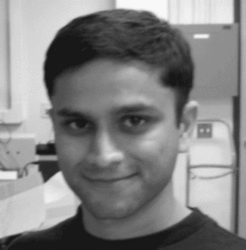
Sachin Shanbhag is an Associate Professor in the Department of Scientific Computing and Department of Chemical & Biomedical Engineering at Florida State University (FSU), affiliated with the FAMU-FSU College of Engineering. His research focuses on polymer rheology, complex fluids, and multiscale modeling with applications in biomedical materials and nanotechnology. He holds a PhD in Chemical Engineering from the University of Michigan and a B.Tech from IIT Bombay. Research interests include polymer dynamics, constitutive modeling, and inverse problems. Notable awards include the NSF Early Career Award (2010) and the Petroleum Research Fund New Faculty Award (2006–2008). His work bridges computational methods with experimental data, advancing understanding of polymer networks and viscoelastic behavior. Education: B.Tech, IIT Bombay (1999); PhD, University of Michigan (2004) Affiliations: FSU-FAMU College of Engineering, Department of Scientific Computing Key Projects: Multiscale modeling for tissue engineering, nanotechnology applications, and polymer dynamics His publications emphasize analytical and numerical approaches to rheological challenges, with contributions to software tools like pyReSpect for relaxation spectrum analysis. Current research trends include nonlinear rheology, surrogate modeling, and data assimilation in polymer systems.
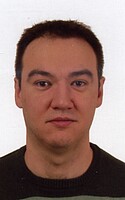
Douglas W. Carter is an Assistant Professor in the Department of Mechanical, Materials, and Aerospace Engineering at the Armour College of Engineering, Illinois Institute of Technology. He leads the Experimental Turbulent Flows Lab, focusing on advanced experimental techniques for fluid dynamics research. Education: Ph.D., University of Minnesota, 2019 M.S., University of Minnesota, 2017 B.S., University of New Hampshire, 2014 Research Interests: Dr. Carter investigates experimental turbulent flows, particle-turbulence interactions, and noise generation in separated flows. His expertise spans particle tracking velocimetry, hypersonics, compressible flows, and data-driven methods for fluid systems. Research emphasizes experimental validation of turbulence models and development of novel diagnostic tools like FLEET velocimetry. Publications: Recent work explores hypersonic flow diagnostics, pressure reconstruction in stalled airfoils, and turbulence cascade dynamics. Publications demonstrate consistent focus on experimental fluid mechanics, high-speed flow measurements, and low-order modeling for aerodynamic prediction. Laboratory: The Experimental Turbulent Flows Lab (Rettaliata Engineering Center) develops cutting-edge techniques for turbulent flow analysis, including multi-scale imaging and optical diagnostics for high-speed applications.
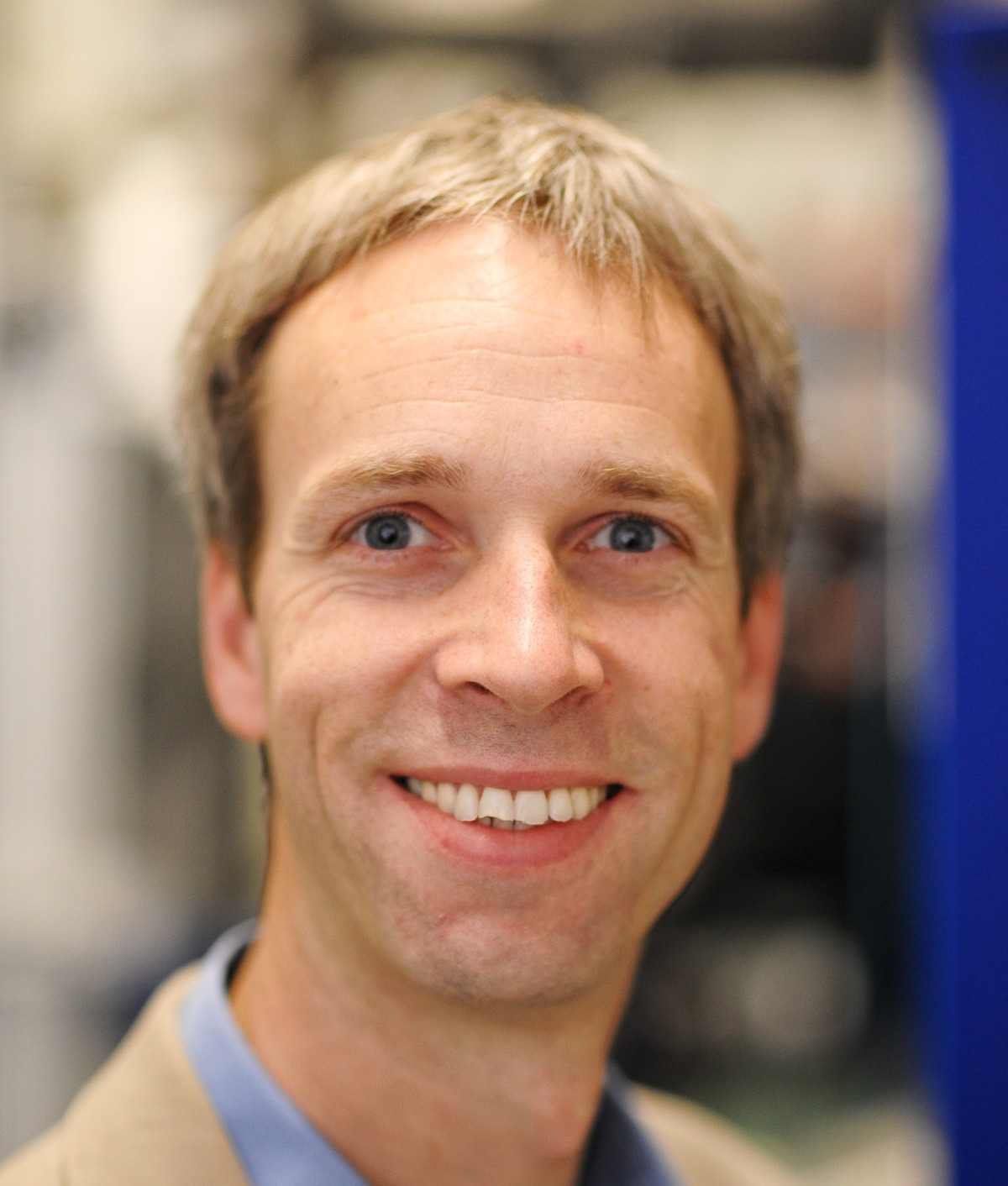
Filippo Malandra is an Assistant Professor in the Department of Electrical Engineering at the University at Buffalo, part of the School of Engineering and Applied Sciences. His research focuses on Internet of Things (IoT), wireless communications, 5G/4G cellular networks, network performance analysis, smart grid communications, optimization, and machine learning applications. PhD in Electrical Engineering from École Polytechnique de Montréal Master of Engineering in Telecommunications Engineering from Politecnico di Milano Bachelor of Engineering in Telecommunications Engineering from Politecnico di Milano His research interests include experimental testbed development for 5G-enabled smart grids, analytical modeling of cellular network delays, and machine learning frameworks for optimizing network performance under environmental factors. He has contributed to tools like WTTool for 5G network simulation and PeRF-Mesh for RF-mesh network analysis. Recent work emphasizes 5G testbed experimentation (e.g., ExTODS), weather-based signal prediction, and CBRS spectrum analysis. He has explored synergies between federated learning and O-RAN architectures for elastic network services. Active service roles include TPC Member for IEEE SECON 2019 and reviewer for IEEE journals and conferences like DRCN. Recipient of NSF CRII grant (2021) for CNS research on IoT-aware dynamic spectrum sharing. Collaborates on projects like UBSpot (aerial-ground wireless networks) and smartDESC (distributed energy storage control).
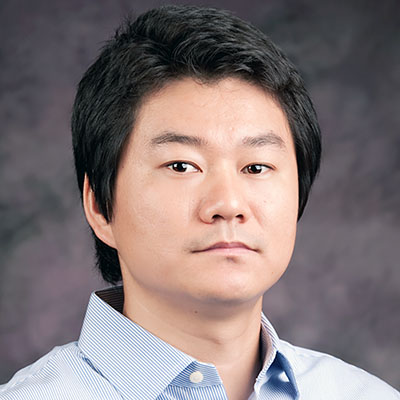
George N. Karystinos is currently a Professor and Dean of the School of Electrical and Computer Engineering at the Technical University of Crete , Greece. He joined TUC in 2005 and was promoted to full Professor in 2019. His academic journey began with a Ph.D. in Electrical Engineering from SUNY Buffalo (2003) and a Diploma in Computer Engineering and Science from the University of Patras (1997). Specialty: Communication theory, coding theory, adaptive signal processing Key research areas: Wireless communications, signal waveform design, L1-norm principal component analysis Leadership: Dean of School of ECE (2021–present) His work focuses on noncoherent detection for RFID/IoT systems and L1-norm PCA for robust signal processing. Recent publications explore power line communication and low-complexity sequence detection . Scientific Awards: 2003 IEEE Transactions on Neural Networks Outstanding Paper Award 2001 IEEE ICT Best Paper Award 2018 IEEE MOCAST Best Student Paper Award 2015 IEEE ICASSP Best Student Paper Award 2013 IEEE ISWCS Best Paper Award 2011 IEEE RFID-TA Second Best Student Paper Award He is affiliated with the Telecommunications Laboratory at TUC and has supervised award-winning research in wireless systems and signal processing.
Martin Diehl is a computational materials scientist affiliated with KU Leuven (Departments of Computer Science and Materials Engineering) and the Max-Planck-Institut für Eisenforschung GmbH in Germany. His work focuses on crystal plasticity simulations, computational materials engineering, and multi-physics modeling of metallic systems. Research interests include: Crystal plasticity finite element method (CPFEM) and spectral solvers Microstructure evolution and damage mechanics Machine learning applications in materials design Development of the DAMASK simulation toolkit Multi-phase steel alloys and heterogeneous deformation Integrated computational materials engineering (ICME) Key trends in his publications since 2021 highlight advancements in: Multi-physics DAMASK framework for coupled chemo-mechanical and thermal simulations AI-driven inverse design of steel microstructures Damage modeling in dual-phase steels Collaborative software development for materials science Experimental-simulation integration for stress-strain partitioning High-resolution spectral methods for finite strain analysis He actively collaborates with institutions like Harbin Institute of Technology, University of Oxford, and research groups across Europe and Asia.
Prof. Sebastian Kaiser is a full professor at the University of Duisburg-Essen's Institute for Combustion and Gas Dynamics, where he leads research on reactive fluid dynamics since 2011. His academic background includes a Bachelor's from Dartmouth College, Diplomingenieur from RWTH Aachen, and PhD from Yale University, followed by postdoctoral work at Sandia National Laboratories. Research Focus: Kaiser specializes in optical diagnostics for reactive systems with emphases on: High-speed imaging of combustion processes Nanoparticle synthesis via spray-flame techniques Tribology and fluid-structure interactions Engine diagnostics using laser-based methods His work bridges experimental techniques and simulation development for energy and propulsion systems. Publication Trends: Recent articles (2023-2025) demonstrate consistent focus on advanced optical diagnostics applied to combustion systems, nanoparticle synthesis, and engine research. Key methodologies include laser-induced fluorescence, high-speed imaging, and machine learning for fluid dynamics analysis. Awards & Honors: Harding-Bliss Prize for Engineering Excellence (Yale, 2005) SAE Excellence in Oral Presentation Award (2008) NRW Returning Scientists Grant (2010) Professional Affiliations: Member of Society of Automotive Engineers (SAE) and The Combustion Institute, with extensive experimental facilities for reactive flow characterization.
Jorge Alberto Guzman Jaimes is a Research Assistant Professor at the University of Illinois, affiliated with the Department of Agricultural and Biological Engineering and the Lemann Center for Brazilian Studies. His work focuses on environmental and agricultural engineering, with a strong emphasis on hydrological modeling, climate change impacts, and sustainable land management. Key research areas include: Climate-driven changes in soil erosion and water resources Evapotranspiration modeling and land cover dynamics Groundwater storage trends and headwater basin analysis Nitrogen transport in grassed watersheds under grazing and climate pressures Land use strategies to mitigate hydrological droughts in tropical regions Recent contributions include the DyLEMa evapotranspiration model and studies on the Washita River Experimental Watersheds. His interdisciplinary work bridges environmental science, computational methods, and agricultural practices, addressing pressing global challenges in sustainability and resource management. Publications span over 59 peer-reviewed articles, with recent highlights focusing on Brazil’s Minas Gerais groundwater trends and climate adaptation strategies in South America. He collaborates internationally on hydrological modeling frameworks and risk assessment for agroecosystems.
Kun Chen is a Professor in the Department of Statistics at the University of Connecticut's College of Liberal Arts and Sciences. His research bridges advanced statistical methodology with critical applications in healthcare, environmental science, and mental health. His research focuses on large-scale statistical learning , machine learning optimization , and healthcare analytics , particularly in suicide risk prediction using electronic health records and health information exchanges. Recent work integrates natural language processing with social determinants of health for veteran suicide prediction and develops novel tensor regression methods for longitudinal data with missing observations. Analysis of his 15 most recent publications reveals a dominant trend in mental health data science (73% of articles), with significant contributions to statistical methodology (53%) including reduced-rank regression extensions and sparse factor modeling. His environmental statistics work (20%) focuses on nanomaterial applications in contaminated agriculture and microbiome-environment interactions. Scientific Recognition: Co-authored seminal 2023 Springer monograph Multivariate reduced-rank regression: theory, methods and applications (2nd Edition) Developed rrpack R package for reduced-rank regression (2019) His collaborative work spans UConn Health, Veterans Affairs, and multiple national consortia, with recent grants supporting data fusion techniques for suicide prevention and Parkinson's disease progression modeling. Current projects include transfer learning frameworks for hospital suicide risk prediction and gut microbiome analysis in neurological disorders. Dr. Chen maintains active leadership in statistical ecology applications and serves on editorial boards for biostatistics journals, with recent work on quantum dot analysis demonstrating methodological versatility across physical and health sciences.
Wenlong Mou is an Assistant Professor at the University of Toronto's Department of Statistical Sciences, with additional affiliation at the Vector Institute for AI. His research develops optimal statistical methods and efficient algorithms for data-driven decision-making, focusing on reinforcement learning, stochastic approximation, and causal estimation. He teaches advanced courses in theoretical statistics (STA3000) and stochastic processes (STA447/2006). Education: Ph.D. in EECS, University of California, Berkeley (2023) B.Sc. in Computer Science and Economics, Peking University Research Focus: Mou's work bridges statistical theory with machine learning practice. Key areas include: Theoretical foundations of reinforcement learning (e.g., Bellman equations, continuous-time systems) Efficient algorithms for semi-parametric estimation and debiasing Non-asymptotic analysis of stochastic optimization and MCMC methods High-dimensional statistical inference and causal modeling Publication Trends: Recent articles (2023–2025) emphasize reinforcement learning theory (policy evaluation, adaptive interpolation), causal inference (debiased estimators, propensity scores), and statistical computing (diffusion processes, Langevin algorithms). Methodological rigor and non-asymptotic guarantees characterize his work. Awards: INFORMS APS Student Paper Competition Finalist (2022) Advising and Labs: Actively recruiting PhD students with backgrounds in mathematics or deep learning. Students access GPU clusters via the Vector Institute. Grants unspecified in sources.
Belen Masia is a tenured Associate Professor in the Computer Science Department at Universidad de Zaragoza , Spain. She is affiliated with the Graphics & Imaging Lab (part of the I3A Institute ) and the Vision, Image and Neurodevelopment Group (within the IIS Aragon Institute ). Her research bridges computational imaging , applied perception , and virtual reality , focusing on modeling human visual behavior and improving graphics/vision algorithms through perceptual insights. Education : Ph.D. in Computer Science (Eurographics PhD Award 2015), postdoctoral work at Max Planck Institute for Informatics . Research Highlights : Virtual Reality : Studying user behavior, saliency prediction, multimodal perception, and cinematography in VR. Appearance Modeling : Developing intuitive material representations and metrics for editing. Applied Perception : Leveraging human vision insights to diagnose defects in non-verbal patients. Computational Displays : Exploring HDR imaging and display optimization. Scientific Awards : Eurographics Young Researcher Award 2017 Eurographics PhD Award 2015 MIT Technology Review Top Ten Innovators Below 35 in Spain 2014 NVIDIA Graduate Fellowship 2012 Leonardo Fellowship from BBVA Foundation 2020 Leadership & Editorial Roles : Co-chair of Full Papers track at Eurographics 2026 Associate Editor for ACM Transactions on Graphics, Computers and Graphics, and ACM Transactions on Applied Perception Co-founder of DIVE Medical , a startup for automated visual function diagnosis PhD Students : Dario Lanza (2025, Modeling, Perception and Editing of Volumetric Materials ) Daniel Martin (2024, Computational Models of Visual Attention in VR , Best PhD Thesis Award EGSE) Julia Guerrero-Viu (2023, WiGRAPH Rising Star) Sandra Malpica (2023, VR Gaze Behavior ) Manuel Lagunas (2021, BBVA/SCIE Young Researcher Award) Ana Serrano (2019, Eurographics PhD Award & Unizar Outstanding Thesis) Collaborations & Grants : Involved in the EU-funded PRIME Innovative Training Network (predictive rendering and appearance reproduction) and leading projects on deep learning for pediatric visual diagnosis.
Irene del Canto Serrano is a Researcher in the Department of Electronic Engineering at the School of Engineering, Universitat de València. Her work integrates biomedical engineering with cardiac electrophysiology, focusing on the interaction between mechanical forces and electrical activity in the heart. She is actively involved in two key research groups: GRELCA (Cardiac Electrophysiology group) and i2N (Electronic Instrumentation in Medical and Nuclear Physics), reflecting her dual expertise in physiology and instrumentation. Education: PhD in Biomedical Engineering, Universitat Politècnica de València (2015). Thesis: Estudio de las modificaciones farmacológicas de los efectos electrofisiológicos producidos por el estiramiento local miocárdico a partir de técnicas dinámicas de cartografía eléctrica, en un modelo experimental de corazón aislado de conejo , supervised by Dr. David Moratal Pérez and Dr. Francisco Javier Chorro Gascó. Her research interests center on cardiac electrophysiology , particularly mechanoelectric feedback , myocardial stretch , arrhythmia mechanisms , and pharmacological modulation using experimental models. She also explores cardiac imaging , especially cardiac MRI for strain and deformation analysis, and applies machine learning to improve detection and classification in myocardial infarction. Her recent publications highlight a strong trend toward integrating biomarkers (e.g., ferritin), iron therapy , and cardiac function recovery in heart failure, showing translational relevance. Her 15 most recent publications reflect a consistent focus on experimental cardiology using isolated heart models, pharmacological interventions (ranolazine, GS967, eleclazine), and advanced imaging techniques. She investigates how drugs affect stretch-induced arrhythmias, evaluates MRI-based strain changes post-iron therapy, and develops AI tools for cardiac image analysis. These works span basic science (e.g., CaMKII inhibition) to clinical applications (e.g., Myocardial-IRON trial analysis). Scientific Awards: No scientific awards mentioned in the provided text. Advising and Grants: While no formal students or grants are listed, her role as a postdoctoral researcher and active publication record suggest involvement in mentoring junior researchers and contributing to funded projects, particularly within the GRELCA and i2N groups. She has co-authored numerous experimental studies, indicating strong collaborative and project-based research activity. Labs and Teams: Irene is affiliated with two prominent research groups at Universitat de València: GRELCA (Cardiac Electrophysiology group) , which studies arrhythmia mechanisms and therapeutic interventions, and i2N (Electronic Instrumentation in Medical and Nuclear Physics) , which develops advanced tools for medical diagnostics. These affiliations underscore her interdisciplinary approach, combining physiology, engineering, and data science.
EUNKYENG BAEK is an Associate Professor in the Department of Educational Psychology at Texas A&M University. She specializes in multilevel modeling (MLM) for analyzing educational and psychological data, with a focus on longitudinal and time-series data such as single-case experimental design (SCED) data. Her research bridges methodological advancements and applied studies, addressing gaps in data analysis techniques for SCED and educational datasets. **Education**: Ph.D., Educational Research, Measurement and Statistics, University of South Florida (2015) M.A., Psychometrics, Korea University (2006) B.A., Psychology, Sungshin Women University (2003) **Research Interests**: Dr. Baek’s work centers on Bayesian analysis, meta-analysis of single-case studies, and the integration of machine learning techniques in educational contexts. She explores statistical methods to handle autocorrelation, heterogeneity, and variance in SCED datasets, contributing to robust methodologies for synthesizing research findings. **Grants & Leadership**: She has led or co-led multiple grants, including projects on developing effect size toolkits for SCED meta-analyses and studying online learning readiness. She serves as an Action Editor for Behavior Research Methods and holds leadership roles in academic organizations like EREL. **Teaching**: She teaches courses in educational measurement, statistical analysis, and SCED data techniques, such as EPSY622 and EPSY661.
Prof. Dr.-Ing. Andrea Beck is a faculty member and Managing Director of the Institute of Aerodynamics and Gas Dynamics (IAG) at the University of Stuttgart. She leads the Numerical Methods in Fluid Mechanics working group, focusing on high-precision numerical methods for supercomputers, particularly discontinuous Galerkin (DG) methods. Her research spans fluid mechanics, aeroacoustics, plasma physics, and multiphase flows, with applications in wind energy, helicopter systems, and environmental aerodynamics. Role: Professor and Managing Director, IAG Committees: Member of the DFG Review Board, Strategy Committee for National HPC, and steering committee of High Performance Center Stuttgart. Her research emphasizes high-order methods, turbulence modeling, and data-driven approaches. She teaches courses such as 'Numerical Methods in Fluid Mechanics' and 'CFD Programming Projects', and has developed open-source software like FLEXI and HOPR for high-performance computing. Recent articles highlight advancements in entropy-stable DG methods, turbulence simulation using graph neural networks, and multiphase flow modeling. Her work integrates machine learning with CFD to enhance simulation accuracy and efficiency.
Massimo Cenciarini is a Senior Lecturer in the Department of Mechanical Engineering at the Universitat Politècnica de Catalunya (UPC), affiliated with the School of Industrial Engineering (ETSEIB). He is an active member of the BIOMEC - Biomechanical Engineering Lab, TecSalut - Health Technologies Research Group, and CDEI - Industrial Equipment Design Centre. His work bridges engineering and biomedical applications, focusing on human movement and assistive technologies. Research Interests: Biomechanics and human balance Wearable robotics and exoskeletons System identification and control Assistive mobility technologies Mechatronics and simulation Postural control and motor adaptation His recent publications show a strong trend in wearable robotic devices, particularly knee exoskeletons, with emphasis on human-exoskeleton interaction, misalignment compensation, impedance identification, and gait assistance. His work integrates biomechanical modeling, experimental validation, and translational research for rehabilitation and mobility enhancement. Scientific Awards: 3r Premi UPC al Compromís Social He has participated in competitive R&D projects such as Xartec Salut and technology transfer initiatives, including the development of wearable knee exoskeletons. While no formal students are listed, his collaborative projects suggest mentorship roles within multidisciplinary teams. He is involved in research networks focused on health technologies and Industry 4.0 educational environments. Laboratories and Research Groups: BIOMEC - Biomechanical Engineering Lab (UPC) TecSalut - Health Technologies Research Group CDEI - Centre de Disseny d'Equips Industrials
Bartosz Grzybowski serves as Distinguished Affiliate Professor at the Institute of Organic Chemistry, Polish Academy of Sciences (PAS), leading the Laboratory of Computer-Assisted Synthesis. His work bridges artificial intelligence and experimental organic chemistry to transform synthesis from trial-and-error into algorithmic science. His research focuses on AI-driven synthesis planning , reaction network analysis , and computational prediction of chemical properties . Key contributions include pioneering algorithms for multistep organic synthesis of complex targets, discovery of novel organic reactions through AI, and design of temporally/spatially synchronized reaction networks. His group develops methods for sustainable chemistry, drug analog design, and enzymatic process optimization. Analysis of his 2023-2025 publications reveals dominant trends in retrosynthetic AI (87% of articles), sustainable chemistry applications (63%), and integration of mechanistic understanding with machine learning. Work frequently appears in Nature , Science , and JACS , emphasizing experimental validation of computational predictions. Prof. Grzybowski currently advises three PhD students and collaborates with a multidisciplinary team: Core team : Assoc. Prof. Michał Michalak (Adjunct), Dr. Anna Żądło-Dobrowolska, Dr. Aleksei Koshevarnikov Active grant : NCN SONATA 2020/39/D/ST4/01890 on hazardous chemical degradation (PI: Żądło-Dobrowolska) The Laboratory of Computer-Assisted Synthesis operates as an integrated computational-experimental unit at IBS-IOC PAS. Current projects include blockchain-orchestrated reaction networks, AI-guided catalyst selection, and metabolic-cycle emulation. The group maintains strong industry/academic partnerships for validating algorithms in drug discovery and green chemistry applications.