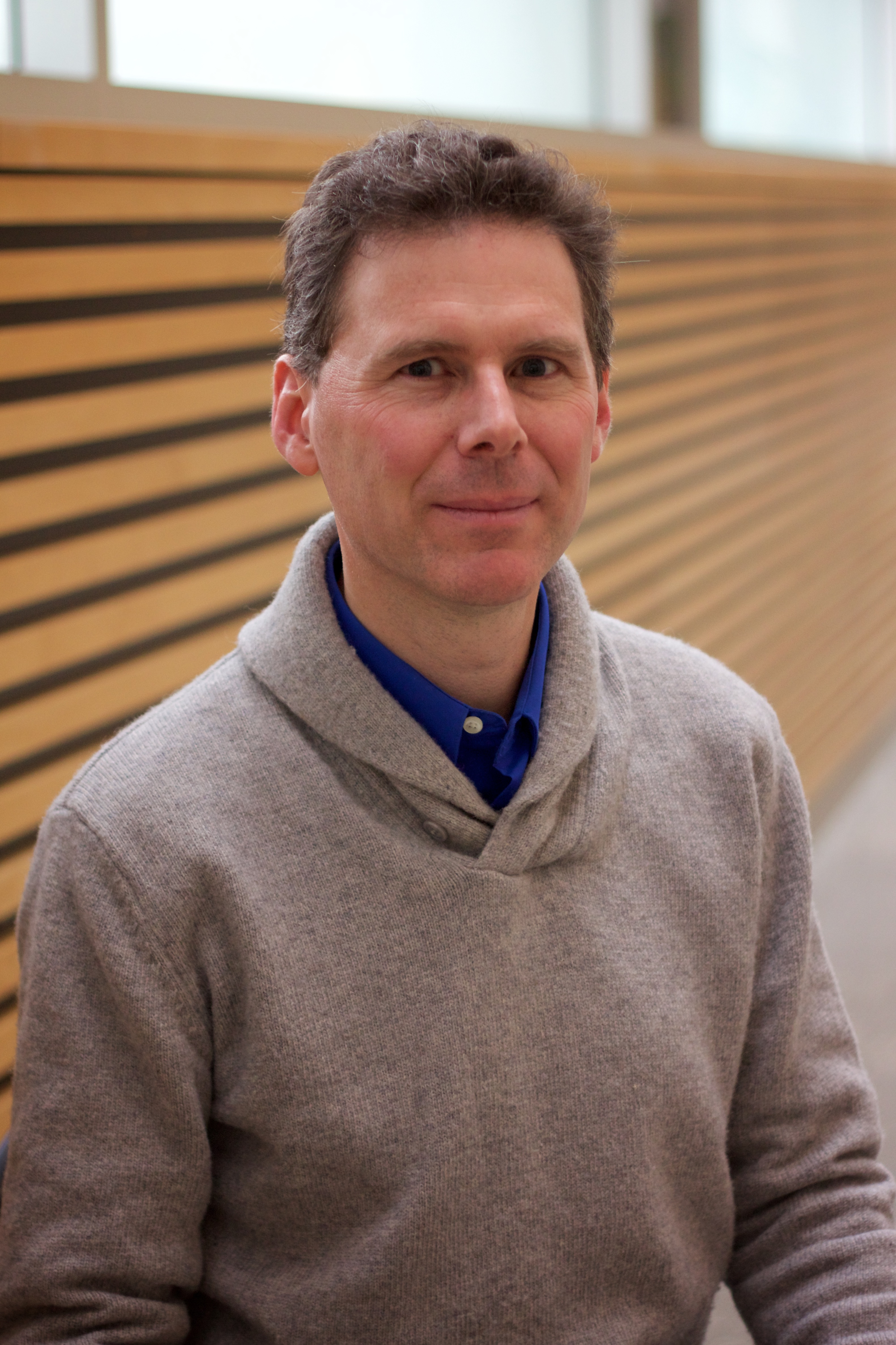
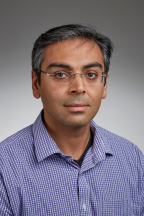
Robert Rohling is a Professor at the University of British Columbia's Faculty of Applied Science, affiliated with the Department of Mechanical Engineering and holding a joint appointment with the Department of Electrical and Computer Engineering. As Director of the Institute of Computing, Information and Cognitive Systems (ICICS), his research focuses on biomedical engineering, medical imaging, robotics, and computational methods. B.A.Sc. (UBC) M.Eng. (McGill) Ph.D. (Cambridge) Rohling's work spans three primary research areas: medical imaging (3D ultrasound, spatial compounding, elasticity reconstruction), medical information systems (radiologist navigation tools for large image datasets), and robotic calibration for surgical applications. His multidisciplinary approach integrates mechanical and electrical engineering principles with clinical needs. Rohling's publications (2020-2022) reveal trends in advanced ultrasound techniques (e.g., shear wave vibro-elastography), AI-driven image processing (cycleGAN translation), and computational optimization for diagnostic accuracy. Keywords across his work include Medical Imaging, Biomedical Engineering, Robotics, and Computational Modeling. As director of the Robotics and Control Laboratory , Rohling leads interdisciplinary collaborations with industry and clinical partners to address practical challenges in medical diagnostics and surgical robotics. His research emphasizes translating engineering innovations into clinical practice.
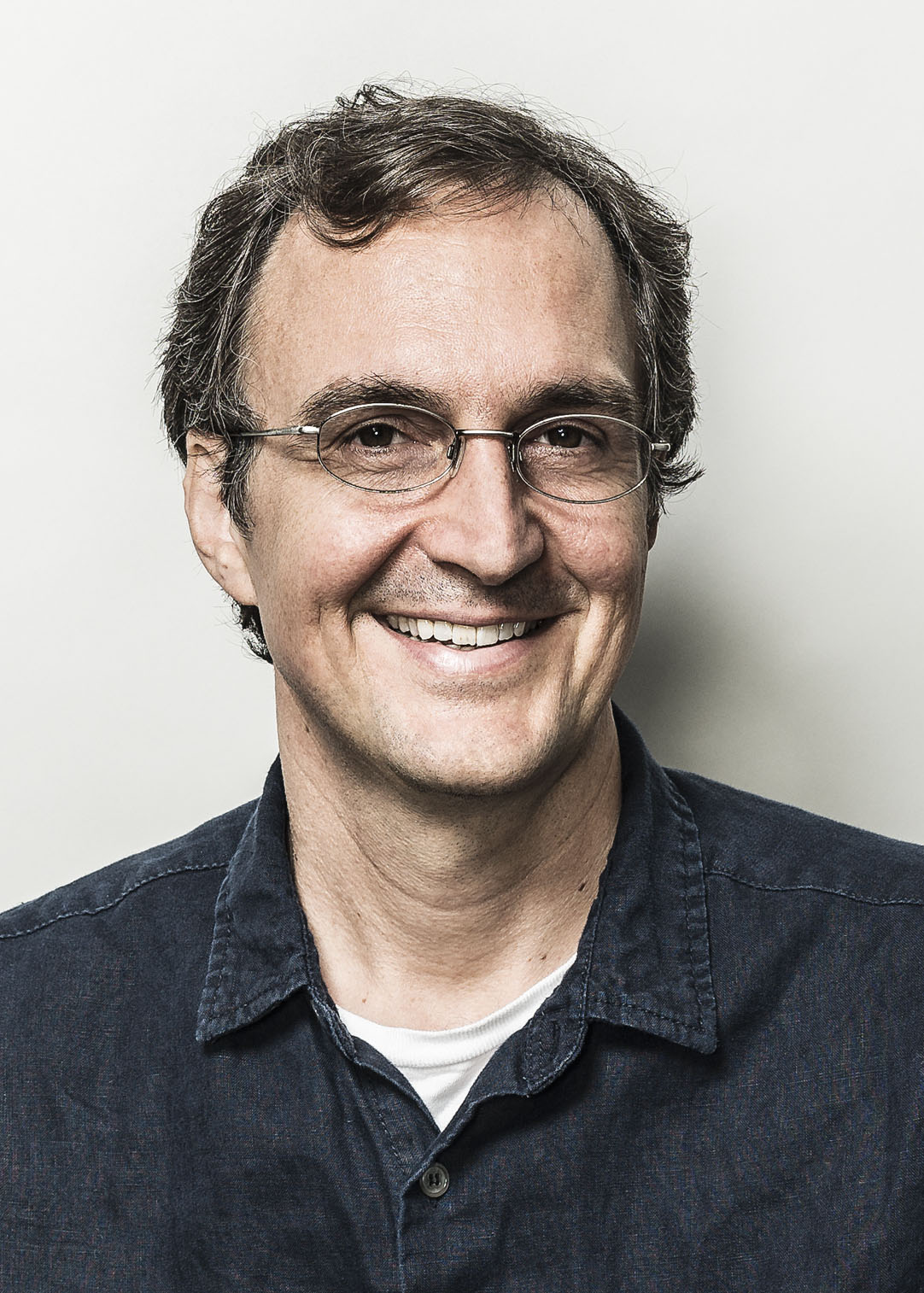
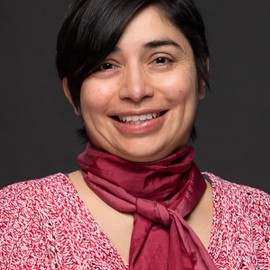
Adrien Desjardins is a Professor at the University of British Columbia, jointly appointed in the Department of Mechanical Engineering and Department of Electrical and Computer Engineering within the Faculty of Applied Science. He joined UBC in 2024 after serving as a Full Professor at University College London from 2019-2024, following 13 years on faculty there. His educational background includes a B.Sc. from UBC (2001) and a Ph.D. from MIT and Harvard University (2007). Dr. Desjardins' research program focuses on interdisciplinary development of imaging and sensing modalities and autonomous robotics with marine and biomedical applications. His work integrates photonics, ultrasound, machine learning, and robotics to create innovative diagnostic tools and sensing systems, particularly in optical coherence tomography, diffuse optical spectroscopy, and photoacoustic imaging. His publication record reveals an evolution from foundational neuroimaging work (2001) toward increasingly sophisticated optical systems culminating in breakthroughs like ultrasensitive optical microresonators for ultrasound sensing (2017), demonstrating consistent innovation in biomedical optics with growing emphasis on machine learning integration and real-world applications. His scientific contributions have been recognized through prestigious awards: Research Chair from the Royal Academy of Engineering Healthcare Technologies Challenge Award from EPSRC Starting grants from ERC, EPSRC, and Royal Society World Economic Forum Young Scientist (2015) UCL Provost Teaching Prize (2013) Dr. Desjardins actively mentors graduate students and secures major research funding through competitive grants, with current openings for January/September 2025 intakes. His program involves close industry collaboration indicating strong translational focus, though specific lab names aren't mentioned. The interdisciplinary nature of his work suggests teams spanning engineering, computer science, and medical disciplines working on next-generation imaging systems for healthcare and marine exploration.
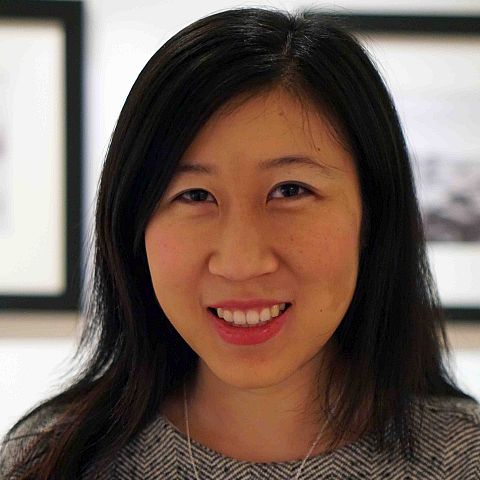
Qianwen Wang is a tenure-track Assistant Professor in the Computer Science department at the University of Minnesota, Twin Cities. Her research combines interactive visualization with interpretable machine learning to foster intuitive, efficient, and reliable Human-AI collaboration. She actively seeks motivated students, research assistants, and interns to join her dynamic research team at UMN CS. Dr. Wang's research focuses on three primary themes: Human-AI Collaboration, where she designs tools to facilitate Human-AI interaction; Automatic & Intelligent Visualization, where she develops techniques to make visualizations accurately interpreted and easily used; and VIS+(X)AI in Biomed/Healthcare, where she studies how visualization and explainable AI can promote scientific discoveries in biomedicine and healthcare. Her work has made significant contributions to visualization, human-computer interaction, and bioinformatics, with particular applications in biomedical knowledge graphs and single-cell omics analysis. Her recent publications demonstrate a strong trend toward integrating visualization with large language models and graph neural networks for biomedical applications. She has published extensively at top venues including IEEE VIS, ACM CHI, and Nature Medicine, with a focus on making AI systems more interpretable and useful for domain experts, particularly in healthcare contexts. Her work often bridges theoretical advances in visualization with practical applications in genomics and healthcare. Two IEEE VIS Honorable Mention Awards (2022, 2024) Best Paper Award from IMLH@ICML 2021 Two Best Abstract Awards from BioVis ISMB (2021, 2022) HDSI Postdoctoral Research Fund Award Research covered by MIT News and Nature Technology Features Dr. Wang actively contributes to the academic community through service roles including General Chair for ISMB BioVis, VisNotes and Poster Chair for IEEE PacificVis, and Program Committee member for IEEE VIS, ACM CHI, and ACM IUI. Her research has been supported by various grants that enable her team to develop innovative visualization techniques and explore their practical applications in biomedical domains. Her research group maintains an active presence in the visualization and HCI communities, with members participating in major conferences and workshops. The lab focuses on creating tools that bridge the gap between complex AI models and human understanding, with particular emphasis on making these technologies accessible and useful for domain experts in biomedical research.
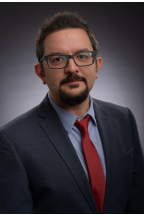
Dr. Shyh-Dar Li is a Professor and Tong Louie Chair in Pharmaceutical Sciences at the University of British Columbia's Faculty of Pharmaceutical Sciences, where he also serves as Chair of Nanomedicine and Chemical Biology. With a BSc in pharmacy from National Taiwan University (1998) and PhD in pharmaceutical sciences from UNC Chapel Hill (2008), followed by postdoctoral training at UC San Diego's Moores Cancer Center (2009), Dr. Li has established himself as a leading researcher in advanced drug delivery systems. His research focuses on developing innovative nanomedicine platforms for targeted delivery of biological therapeutics including peptides, proteins, antibodies, and nucleic acids. Dr. Li's laboratory has pioneered several novel drug delivery approaches, particularly in lipid-based nanoparticles, phospholipid-free vesicles, and polymer systems for cancer immunotherapy, pain management, and protein delivery. His work bridges fundamental nanotechnology with translational applications for difficult-to-treat diseases. Analysis of his recent publications reveals a strong emphasis on tumor microenvironment modulation, endosomal escape mechanisms for nucleic acid delivery, and non-invasive delivery routes for protein therapeutics. His research demonstrates increasing sophistication in nanocarrier engineering, with recent work incorporating machine learning approaches to optimize nanoparticle design and expanding into immunomodulatory therapies that harness the body's immune system to fight cancer. Scientific Recognition: 2014 AFPC New Investigator Award 2013 AAPS New Investigator Award in Pharmaceutics and Pharmaceutical Technologies 2013 CIHR New Investigator Award 2013 CSPS Early Career Award 2012 Prostate Cancer Foundation Young Investigator Award Dr. Li's research program has been consistently supported by major Canadian funding agencies including CIHR, NSERC, and MITACS. He actively collaborates across disciplines and accepts graduate students into his research program, focusing on cutting-edge approaches to overcome biological barriers in drug delivery. His laboratory, the Laboratory of Targeted Drug Delivery and Nanomedicine, serves as a hub for innovation in pharmaceutical nanotechnology.
Mikhail (Misha) Belkin is a Professor at the Halicioglu Data Science Institute (HDSI) at the University of California San Diego , with an affiliated appointment in the Department of Computer Science and Engineering . He is also an Amazon Scholar , reflecting his impactful industry collaboration. Since January 2024, he has served as the Editor-in-Chief of the SIAM Journal on Mathematics of Data Science (SIMODS) . Research Interests: Belkin's research centers on the theoretical foundations of machine learning, particularly the mathematical understanding of modern deep learning. His work investigates interpolation , over-parameterization , and feature learning in neural networks. He is renowned for introducing the double descent risk curve, which reconciles classical bias-variance trade-offs with the success of overfitted models. His recent work identifies the Average Gradient Outer Product (AGOP) as a fundamental mechanism of feature learning, applicable across architectures like CNNs and transformers. Scientific Contributions and Trends: His recent publications, appearing in Science , PNAS , and NeurIPS , demonstrate a strong trend toward unifying theories of generalization and optimization in over-parameterized systems. He explores how interpolating models can be statistically optimal, how gradient descent converges in non-convex landscapes via the PL* condition, and how kernel methods can be enhanced to perform feature learning. ACM Fellow (2023) Editor-in-Chief, SIAM Journal on Mathematics of Data Science (2024–present) Advising and Grants: Belkin actively mentors students and collaborators such as Adityanarayanan Radhakrishnan , Daniel Beaglehole , and Chaoyue Liu , who are frequent co-authors. He is a Principal Investigator (PI) in the Collaboration on the Theoretical Foundations of Deep Learning , funded by the NSF and Simons Foundation. He is also an external collaborator with the Eric and Wendy Schmidt Center at the Broad Institute and part of the NSF-funded TILOS AI Institute . Laboratories and Teams: While not explicitly named, his research group at UCSD is deeply involved in theoretical machine learning, focusing on the intersection of statistics, optimization, and deep learning. His work often involves large-scale collaborations and is closely tied to initiatives like SIMODS and TILOS.
Freda Shi is an Assistant Professor at the David R. Cheriton School of Computer Science at the University of Waterloo and a Faculty Member at the Vector Institute, where she holds a Canada CIFAR AI Chair. She joined the University of Waterloo in July 2024 after completing her Ph.D. at the Toyota Technological Institute at Chicago. Educational Background: Ph.D. in Computer Science, Toyota Technological Institute at Chicago (2024), advised by Professors Karen Livescu and Kevin Gimpel Bachelor's degree in Intelligence Science and Technology (Computer Science Track) with a minor in Sociology, Peking University (2018) Dr. Shi's research focuses on computational linguistics and natural language processing, particularly on deeper understandings of natural language and the human language processing mechanism. She is especially interested in learning language through grounding, computational multilingualism, and related machine learning aspects. Her work aims to inform the design of more efficient, effective, safe, and trustworthy NLP systems. She leads the CompLING Lab at the University of Waterloo, which investigates how language models process spatial relationships and acquire linguistic structures through grounded experiences. Her publication record shows a consistent trajectory of high-impact research, with recent work focusing on spatial reasoning in vision-language models, multilingual chain-of-thought capabilities, and grounded language acquisition. She has published in top-tier conferences including ACL, EMNLP, ICLR, and NAACL, with several papers receiving notable recognition including Best Paper Nominee status at multiple venues. Her research bridges theoretical linguistics with practical NLP applications, demonstrating how linguistic insights can improve AI systems. Scientific Recognition: Canada CIFAR AI Chair (2024) Google Ph.D. Fellowship Thesis of Distinction for her doctoral work Multiple Best Paper Nominee awards at major NLP conferences Dr. Shi teaches CS 784: Computational Linguistics and CS 486/686: Introduction to Artificial Intelligence at the University of Waterloo. She actively contributes to the NLP research community through conference participation, program committee service, and collaborative projects. Her research has significant implications for creating more robust, human-like language understanding systems and advancing the field of grounded language learning in artificial intelligence.
Michael S. Brown is a Professor and Canada Research Chair at York University's Department of Electrical Engineering and Computer Science (EECS). He also serves as Senior Director at the Samsung AI Center in Toronto, Canada. His research focuses on computer vision, image processing, and computer graphics, with a deep specialization in camera imaging pipelines, color theory, and AI-driven ISP optimization. He has organized major conferences like ProCams, eHeritage, WACV, and ICCV, and holds editorial roles in journals like TPAMI and IJCV. He is renowned for his work on computational color constancy, ISP hardware algorithms, and AI-based image enhancement techniques. His recent ICCV 2023 tutorial detailed modern camera pipelines and AI applications in ISP components. His research is supported by grants from NSERC, Samsung, Adobe, Google, and Microsoft. Brown advises numerous graduate students and has mentored over 30 alumni now in academia and industry roles at Meta, Samsung, Microsoft, and startups. His lab focuses on camera systems, noise modeling, and cross-platform color management, with contributions to open-source datasets and software platforms for ISP experimentation.
Dr. Muhammad Abdul-Mageed is an Associate Professor in the School of Information at The University of British Columbia, with joint appointments in Linguistics and an associate membership in Computer Science. He holds the Canada Research Chair in Natural Language Processing and Machine Learning. His research focuses on deep learning, socio-pragmatics, and speech/language technologies, particularly for Arabic and African languages. He leads the UBC Deep Learning & NLP Group and co-directs SSHRC-funded grants like I Trust AI and Ensuring Full Literacy. He is a founding member of the Center for Artificial Intelligence Decision making and Action and a member of the Institute for Computing, Information, and Cognitive Systems. His work spans automatic speech recognition, machine translation, computational socio-pragmatics, and low-resource language technologies. Notable projects include developing Arabic speech recognition systems, multidialectal Arabic benchmarks, and tools for African language processing. He has authored over 100 peer-reviewed papers and leads initiatives like the NADI Arabic Dialect Identification shared task and the NileChat project for culturally-aware LLMs. His research aims to create equitable, socially-aware AI systems for health, social media, and information management.
Dr. Xiaoxiao Li is an Assistant Professor in the Electrical and Computer Engineering Department at the University of British Columbia (UBC), with joint appointments in Computer Science (Associate Member) and the School of Medicine at Yale University (Adjunct Assistant Professor). She is also a Canada CIFAR AI Chair and Canada Research Chair (Tier II) in Responsible AI. Her research focuses on enhancing trustworthiness, fairness, and efficiency in AI algorithms and foundation models, particularly in healthcare applications. Education: B.S. (Honors) in Zhejiang University (2015), Ph.D. in Biomedical Engineering from Yale University (2020), Postdoc at Princeton University (2020-2021). She leads the Trusted and Efficient AI (TEA) Lab at UBC, which develops algorithms for federated learning, medical imaging analysis, and interpretable AI systems. Research interests include federated learning, generative models, medical image analysis, AI fairness, and graph-based methods for neuroimaging. Recent projects include GMValuator (data valuation for generative models), FairMedFM (fairness benchmarking in medical AI), and FedTextGrad (textual gradient-based FL optimization). Grants: Canada Foundation for Innovation Grant (2023), UBC Green Lab Fund (2023), Vector Institute funding Teaching: Courses on machine learning, federated learning, and AI ethics at UBC Awards & Recognition: Best Paper Award at FL@FM WWW 2024, Editorial Board Member of Medical Image Analysis , multiple top-tier conference acceptances (NeurIPS, ICLR, CVPR, MICCAI). Lab & Teams: TEA Lab collaborates with industry and hospitals to translate AI research into clinical tools. Current projects address AI fairness in healthcare, federated learning for medical data, and multimodal medical analytics.
Dr. Hiren Patel is a Professor in the Department of Electrical and Computer Engineering at the University of Waterloo. He holds a Doctorate in Computer Engineering from Virginia Tech and previously worked as a postdoctoral fellow at UC Berkeley under Edward A. Lee. His research focuses on real-time embedded systems, computer architecture, machine learning hardware, and cybersecurity. He teaches courses like ECE 150 (Programming), ECE 320/429 (Computer Architecture), and ECE 327 (Digital Systems). Research Interests: Cyber-physical systems and hybrid architectures Hardware/software co-design methodologies Predictable cache coherence protocols IoT and edge computing systems Security in embedded and real-time systems Recent work emphasizes cache coherence solutions for safety-critical systems and GPU acceleration strategies. His publications address challenges in multicore predictability, FPGA bandwidth optimization, and autonomous robotics orchestration. No specific awards are listed, though his extensive publication record indicates significant contributions to embedded systems research. He currently oversees graduate student applications focusing on his core research areas.
Dr. Lourdes Pena-Castillo is a Professor jointly appointed in the Departments of Computer Science and Biology at Memorial University of Newfoundland's Faculty of Science. Her research focuses on applying machine learning and bioinformatics to study bacterial gene regulation, with emphasis on transcriptomics, gene expression pathways, and microbiology. She leads the Bioinformatics Lab at MUN, developing computational tools like Promotech for promoter prediction and sRNARFTarget for sRNA target identification. Education: BSc in Information Systems Engineering, ITESM-Mexico MSc in Computer Science, University of Alberta PhD in Computer Science (Doktoringenieurin), Otto-von-Guericke Universität Magdeburg Postdoc in Bioinformatics, University of Toronto Research Interests: Bioinformatics, Genomics, Machine Learning, Artificial Intelligence, Transcriptomics, Gene Regulation, Microbiology Her work integrates computational methods with biological data to address challenges in molecular biology, including analyzing bacterial sRNA functions, promoter recognition, and disease diagnostics using machine learning. She has advised numerous graduate students, including PhD candidates Purvikalyan Pallegar and Bonita McCuaig, and MSc students like Ruben Chevez-Guardado and Kratika Naskulwar. Her lab focuses on translational research with applications in both basic science and clinical contexts. Publications span computational methods for bacterial gene regulation, bioinformatics tool development, and interdisciplinary projects in VR and healthcare informatics. Her research has contributed to understanding symbiotic relationships in marine organisms, inflammatory bowel disease diagnostics, and clavulanic acid production in Streptomyces. Grants & Collaborations: Works with interdisciplinary teams across computer science and biology, supported by grants enabling projects in bacterial genomics and computational tool development. Labs & Teams: Leads the Bioinformatics Lab at MUN, fostering collaborations with researchers in microbiology, computer science, and healthcare.
Amy R. Wu serves as Associate Professor in Mechanical and Materials Engineering at Queen's University and holds the Mitchell Professorship in Bio-inspired Robotics. She leads the Biomechanics x Robotics Laboratory (BxRL) and contributes to the Ingenuity Labs Research Institute. Her academic credentials include: Ph.D. in Mechanical Engineering, University of Michigan Postdoctoral Research, Biorobotics Laboratory, EPFL, Switzerland Dr. Wu's research bridges biomechanics and robotics to enhance legged mobility through innovations in human-robot interaction , exoskeleton design , and gait assistance . Her work focuses on developing robotic systems that adapt to human movement patterns, particularly for spinal cord injury rehabilitation and stability augmentation during walking. Analysis of her 2019-2023 publications reveals consistent advancement in exoskeleton control algorithms, gait stability metrics, and human adaptation studies. Key trends include modular exoskeleton systems (Symbitron), neuromuscular controllers for ankle assistance, and haptic feedback integration for motor learning enhancement. No scientific awards are documented in the provided materials. Dr. Wu mentors graduate students through BxRL, where her team conducts human subject testing and robotic development. Research is supported by institutional resources at Ingenuity Labs, though specific grant details remain unspecified. The Biomechanics x Robotics Laboratory operates within Queen's Ingenuity Labs Research Institute, facilitating interdisciplinary collaboration on projects like outdoor stability assessment, winter walking adaptations, and teleoperation interfaces for drone control.
Arash Arami is an Associate Professor in the Department of Mechanical and Mechatronics Engineering at the University of Waterloo, cross-appointed in Systems Design Engineering. He directs the Neuromechanics and Assistive Robotics Laboratory and maintains affiliations with Waterloo Robohub, the Centre for Bioengineering and Biotechnology, Waterloo AI institute, and KITE institute at Toronto Rehab Institute. He earned his Doctorate in Electrical Engineering from EPFL (2014), Master of Science from University of Tehran (2009), and Bachelor of Science from University of Tabriz (2006), all in Control Engineering. His research in Assistive Robotics and Rehabilitation Engineering integrates Machine Learning with Neuromechanics to develop intelligent systems for human movement analysis. Key focus areas include exoskeleton control algorithms, wearable sensor systems, and neural control modeling for rehabilitation applications. Recent publications demonstrate interdisciplinary work spanning robotics, biomedical engineering, and materials science, with emphasis on real-time human locomotion prediction, exoskeleton-human interaction, and data-driven health monitoring solutions. Dr. Arami serves as Chair of the NSERC Scholarship Committee (2021-2023) and mentors graduate students through the Mechatronics Exchange Study program. His teaching includes core courses in control systems, robot manipulators, and biomechanical engineering. The Neuromechanics and Assistive Robotics Laboratory fosters collaborations with clinical partners at Toronto Rehab Institute, focusing on translating robotic innovations into practical rehabilitation tools through interdisciplinary teamwork.
Professor Hassan Rivaz is a Full Professor and Concordia University Research Chair in Medical Imaging with Deep Learning at Concordia University's Gina Cody School of Engineering and Computer Science. He holds appointments in the Department of Electrical and Computer Engineering and is cross-appointed to the Department of Computer Science & Software Engineering. Dr. Rivaz serves as the Founding Director of the IMPACT Lab and actively supervises PhD students in Electrical and Computer Engineering and Computer Science programs. Dr. Rivaz received his PhD from Johns Hopkins University in 2011, Master's degree from the University of British Columbia, and Bachelor's degree from Sharif University, followed by postdoctoral training at McGill University. His academic journey includes prestigious awards such as the NSERC Post-Doctoral Fellowship and Jeanne Timmins Costello Post-Doctoral Award. His research focuses on advancing medical image analysis through deep learning techniques, particularly in ultrasound imaging applications. Dr. Rivaz has made significant contributions to quantitative ultrasound, cancer detection, lymphedema assessment, and ultrasound elastography. His work bridges theoretical algorithm development with practical clinical applications, addressing challenges in medical image denoising, segmentation, registration, and tissue characterization. The IMPACT Lab under his direction develops innovative solutions for medical imaging problems with direct clinical relevance. Analysis of his recent publications reveals a strong emphasis on deep learning applications for ultrasound image processing, with particular focus on denoising techniques, elastography improvements, and segmentation algorithms. His work consistently addresses the challenge of working with real clinical data rather than simulated environments, contributing to more practical medical imaging solutions. Dr. Rivaz has received numerous prestigious awards including: Concordia University Research Chair in Medical Imaging with Deep Learning (2023–2028) QBIN/RBIQ Rising Star in Bio-Imaging in Quebec (2022) Concordia University Research Chair in Medical Image Analysis (2018-2023) Petro-Canada Young Innovator Award (2016–2018) He actively mentors graduate students, with many recipients of competitive scholarships including NSERC CGS, FRQNT, and FRQS awards. Dr. Rivaz serves on editorial boards for top journals including IEEE Transactions on Medical Imaging (since 2017), Medical Image Analysis (since 2025), and IEEE Transactions on Ultrasonics, Ferroelectrics and Frequency Control (since 2018). He has organized major conferences including IEEE EMBC 2020, ISBI 2021, and IEEE IUS 2023, and served as Area Chair for MICCAI from 2017 to 2024. As Founding Director of the IMPACT Lab, Dr. Rivaz leads a multidisciplinary research team focused on innovative medical imaging solutions. The lab maintains strong collaborations with hospitals and research institutions to translate imaging technologies into clinical practice. Current projects include developing AI-powered ultrasound analysis tools, quantitative imaging biomarkers for cancer diagnosis, and advanced techniques for ultrasound elastography with applications in tissue characterization and disease detection.
Alex Mariakakis is an Assistant Professor in the Department of Computer Science at the University of Toronto, leading the Computational Health and Interaction (CHAI) lab. His research focuses on leveraging ubiquitous and wearable technologies for healthcare applications, including smartphone-based health sensing for conditions like traumatic brain injury, jaundice, and inebriation. He holds affiliations with KITE@UHN and AXL venture studio, emphasizing translational research. Education: PhD in Computer Science (University of Washington, advised by Shwetak Patel and Jacob O. Wobbrock), B.S. in Electrical and Computer Engineering and Computer Science (Duke University). Prior roles include postdoctoral work at Sage Bionetworks and academic advising roles at UW. Key research interests include mobile health (mHealth), human-computer interaction, and machine learning applied to sensor data. His work has received Best Paper Awards at ACM CHI and COMPASS, and media attention from BBC and National Geographic. Recent activities include talks on embracing ubiquitous tech for healthcare (KITE Research Rounds, June 2025) and contributions to courses like 'Advanced Topics in Mobile Health.'