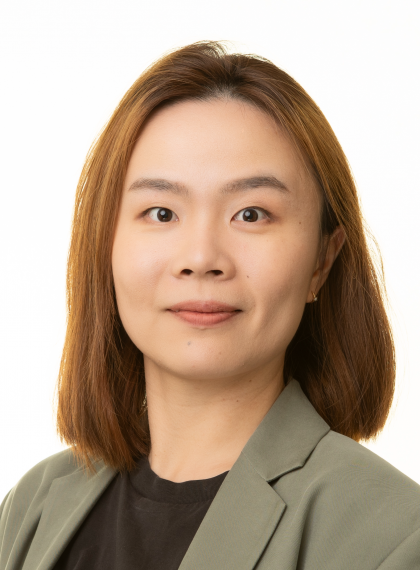
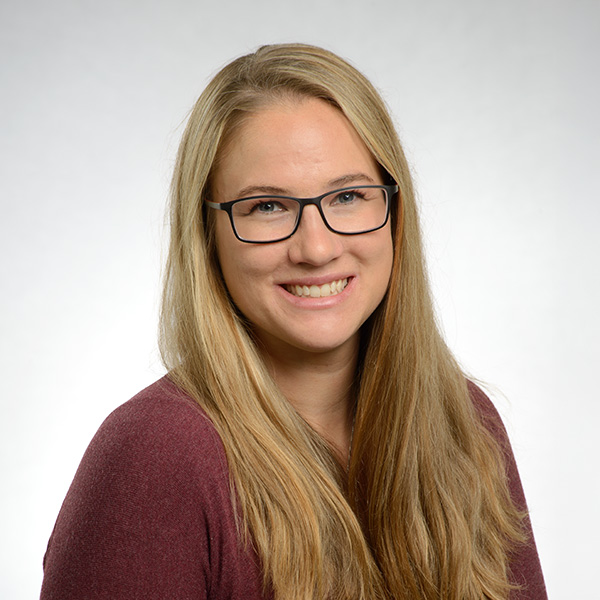
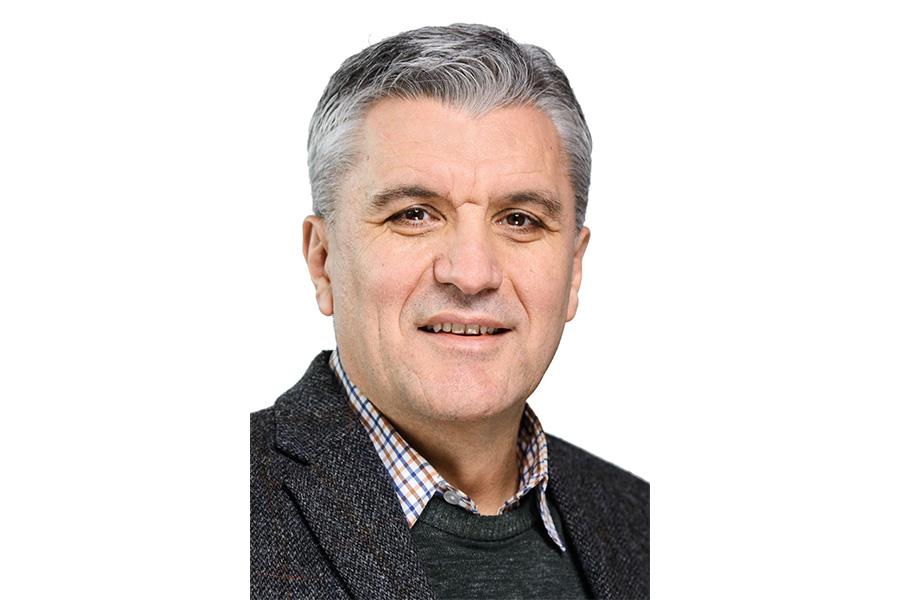
Zhao Zhao is an Assistant Professor at the School of Computer Science, University of Guelph. Her work focuses on wearable systems, human-robot interaction, and gamification for health and education. She holds a PhD from Carleton University (2019) and completed a postdoctoral fellowship at the University of Toronto (2019–2023) before roles at McMaster University and her current position. Education includes a BSc in Computer Science from University of Electronic Science and Technology of China (2011), MSc from Carleton University (2014), and PhD in Electrical and Computer Engineering (2019). Research interests span physiological computing, AI-assisted creativity tools, and adaptive systems leveraging wearable sensors. Key research areas include: 1) Wearable-based gamification for health and education, 2) Emotion sensing via physiological signals, and 3) Human-robot interaction enhanced by wearable data. Her lab uses Empatica EmbracePlus wristbands and Emotiv EEG headsets to analyze real-time physiological responses in diverse interaction scenarios. Recent publications (2020–2025) emphasize personalized exergame systems, child-robot interaction studies, and AI linguistic competency analysis. She actively seeks graduate students and industry partnerships in wearable technology, education tech, and HRI.
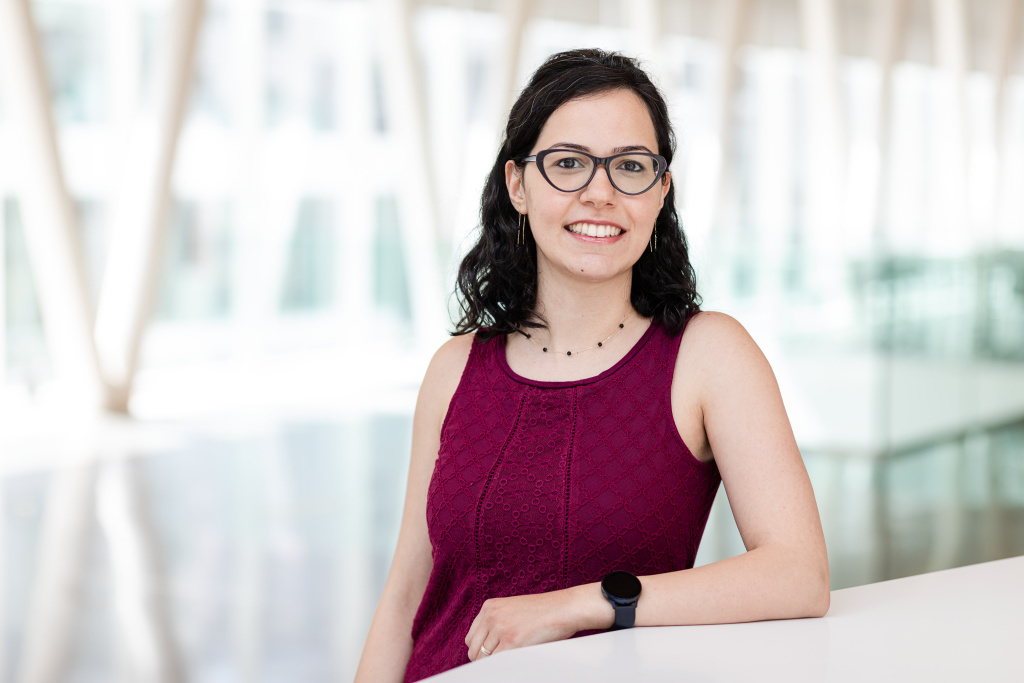
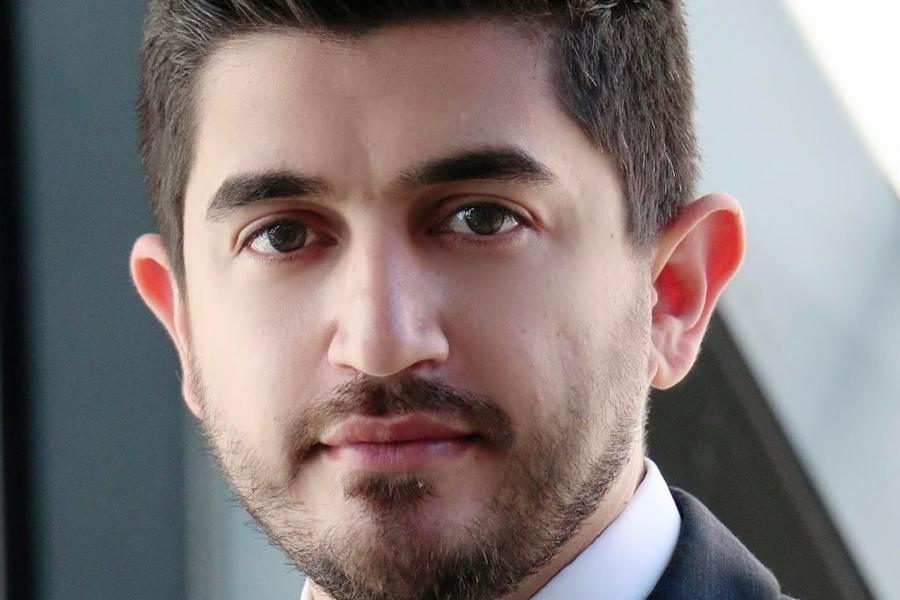
Mads Kaern is an Associate Professor in the Department of Cellular and Molecular Medicine, specializing in synthetic biology, gene regulation, and systems biology. His research integrates computational modeling with experimental approaches to understand cellular processes and design genetic circuits for biomedical applications. Key areas of focus include epistasis analysis, gene expression variability, and the development of educational programs in BIOSTEM. Research interests span molecular mechanisms of gene regulation, synthetic biology applications, and quantitative analysis of genetic interactions. His work emphasizes interdisciplinary methods combining genomics, bioinformatics, and engineering principles to address complex biological questions. Publications highlight contributions to understanding cellular heterogeneity, improving DNA assembly techniques, and advancing therapeutic strategies through synthetic biology. Educational efforts include initiatives like iGEM-inspired programs to enhance undergraduate research and skill development in biotechnology.
Diala Naboulsi is a Professor at the École de technologie supérieure (ÉTS) in the Department of Software Engineering and IT. Her research focuses on mobile networks, wireless systems, and cybersecurity, with a strong emphasis on machine learning applications in network optimization. She holds an M.Eng. from the Lebanese University and M.Sc. and Ph.D. degrees from INSA Lyon. Research Units: Summit Tech Research Chair, LASI Lab, Imagin Lab Expertise: Network virtualization, resource allocation, mobility management, UAV-based computing Her work spans resilience in wireless backhaul networks, energy-efficient frameworks in RAN slicing, and federated learning for privacy-aware traffic forecasting. She has advised numerous doctoral students, including Ahmed Abdelmoaty, Hnin Pann Phyu, and Philippe Lavoie. Key contributions include deep reinforcement learning approaches for network topology optimization and UAV-assisted MEC systems for Industry 5.0. Recent publications highlight advancements in 6G networks, network slicing, and edge computing. Her research aligns with strategic initiatives in sustainable and secure communication systems.
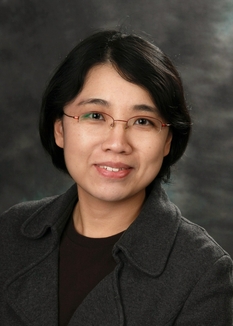
Telex M. N. Ngatched is an Associate Professor in the Department of Electrical & Computer Engineering at McMaster University, where he has been since January 2023. Previously, he held positions as a Postdoctoral Fellow at the University of KwaZulu-Natal (2006-2007), Research Associate at the University of Manitoba (2008-2012), and faculty at Memorial University (2012-2022). He is currently accepting graduate students. Education: BSc in Electronics, University of Yaoundé, Cameroon MSc in Electronics, University of Yaoundé, Cameroon MScEng (Cum Laude) in Electronic Engineering, University of Natal, South Africa PhD in Electronic Engineering, University of KwaZulu-Natal, South Africa Research Interests: Dr. Ngatched's work spans next-generation wireless systems, including optical/RF hybrid communications, underwater networks, and AI/ML applications for 5G/6G infrastructure. His research addresses signal processing challenges and optimization methods for reconfigurable intelligent surfaces in smart environments. Awards & Honors: Grenfell Campus Research Award (2020) IEEE WCNC Best Paper Award (2019) Carnegie African Diaspora Fellowship (2016) South African Sugar Miller’s Teaching Award (2007) Professional Engineering licensure (P. Eng.) Professional Activities: He serves as Area Editor for IEEE Open Journal of the Communications Society, Associate Technical Editor for IEEE Communications Magazine, and organizes major IEEE conferences (e.g., VTC, GLOBECOM). Teaches courses on optical wireless communications, signals, and communication systems.
Sivan Sabato is an Associate Professor at McMaster University's Department of Computing and Software , a Canada CIFAR AI Chair, and faculty member at the Vector Institute of Artificial Intelligence . She holds a joint appointment at Ben-Gurion University's Department of Computer Science while on leave. Her research focuses on machine learning theory, active learning algorithms , and fairness in machine learning . Education: PhD in Computer Science, Hebrew University of Jerusalem Postdoctoral Fellowship, Microsoft Research New England Her theoretical work develops interactive learning frameworks that optimize information costs through algorithmic interaction patterns. Recent publications emphasize differential privacy and discriminative feature analysis with applications to healthcare and social data. She serves as Action Editor for Journal of Machine Learning Research and organizes conference tracks including ICML 2022-2023 and ALT 2021 . Awards include the Alon Scholarship and Google Anita Borg Memorial Scholarship . Advising: Actively supervises Computer Science PhD and MSc students through McMaster's Faculty of Engineering. Research interns can apply via the Vector Institute program with Summer 2026 opportunities.
Dr. Kaila Bruer is an Assistant Professor at the University of Regina , affiliated with Luther College . Her work focuses on children's roles in legal contexts, particularly examining eyewitness memory , honesty , and testimony reliability . She leads the Child Evidence Lab and collaborates with institutions worldwide, including the University of Toronto, USC Gould School of Law, and National University of Singapore. Research Themes : Developmental differences in eyewitness recall and recognition Child witness reliability in legal proceedings Application of machine learning to facial expression analysis for deception detection Improving lineup procedures for juvenile eyewitnesses Impact of memory errors on juror decision-making Recent Trends : Her publications from 2012–2020 demonstrate consistent focus on child forensic psychology , with increasing integration of computational methods (e.g., automatic decoding of facial expressions) in later work. Studies frequently use experimental designs comparing children and adults. Collaborators : Dr. Heather L. Price (Thomson Rivers University) Dr. Kang Lee (University of Toronto) Dr. Thomas D. Lyon (University of Southern California) Dr. Xiaopan Ding (National University of Singapore) Dr. Emily Pica (Austin Peay State University)
Dr. Ahmed Al-Jaishi is an Adjunct Professor in the Department of Epidemiology and Biostatistics and a Research Scientist at the Schulich School of Medicine & Dentistry at Western University. He also holds positions as an Adjunct Scientist with ICES and Senior Epidemiologist at the Public Health Agency of Canada. Education: Ph.D. in Health Research Methodology, McMaster University (2021) M.Sc. in Epidemiology and Biostatistics, Western University (2013) B.Sc. in Biological Sciences, University of Guelph (2010) His research focuses on methodologies for pragmatic randomized controlled trials, with specialization in cluster-randomized designs. Primary research domains include: Clinical trial design and registry-based methodologies Health services research in nephrology (particularly hemodialysis) Population-based epidemiological studies Statistical methods for cluster trials Recent publications demonstrate strong thematic focus on hemodialysis care innovations, COVID-19 impacts on vulnerable populations, autism spectrum disorder epidemiology, and advanced statistical methodologies. Articles frequently utilize registry data, cluster-randomized designs, and health administrative databases across Canadian and international contexts. Dr. Al-Jaishi is actively engaged in training future epidemiologists and biostatisticians through hands-on mentorship in advanced research methodologies.
Vahab Khoshdel is an Assistant Professor in the Department of Electrical and Computer Engineering at the Price Faculty of Engineering, University of Manitoba. His research bridges machine learning, deep learning, computer vision, robotics, and medical imaging, with applications in rehabilitation robotics, microwave/ultrasound imaging, stored grain monitoring, and precision agriculture. Education: 2021, Ph.D. Biomedical Engineering, University of Manitoba 2017, Ph.D. Mechanical Engineering, Ferdowsi University of Mashhad 2013, M.Sc. Mechatronic Engineering, University of Shahrood 2011, B.Sc. Robotics Engineering, University of Shahrood Research Interests: Khoshdel specializes in applying generative AI, neural networks, and optimization techniques to medical imaging and robotics. His work includes microwave/ultrasound breast imaging, impedance control for rehabilitation robots, and AI-driven agricultural monitoring systems. Publication Trends: His recent articles emphasize machine learning workflows for medical diagnostics, deep learning in multimodal imaging, and neural networks in rehabilitation robotics. Key subfields include 3D imaging, inverse scattering, tissue classification, and sEMG signal analysis. Contact: Vahab.Khoshdel@umanitoba.ca
Ningyuan Chen is a faculty member at the University of Toronto with affiliations at the Rotman School of Management and University of Toronto at Mississauga's Department of Management. His research spans operations management with a focus on algorithmic decision-making, revenue management, and data analytics. Chen's research interests center on the intersection of algorithms and human decision-making processes, with particular emphasis on how human knowledge can safeguard and improve algorithmic recommendations. His work addresses critical challenges in commercial AI solutions where human analysts have domain-specific insights that may conflict with algorithmic outputs. He investigates conditions under which human knowledge augmentation benefits algorithmic decision-making, particularly when facing algorithmic pitfalls like lack of domain knowledge, model misspecification, and data contamination. Chen's publication trends reveal a strong focus on practical business applications of operations research, with recent work examining assortment pricing with transaction data, vaccine allocation under limited supply, and simultaneous versus sequential product release strategies. His research combines theoretical modeling with practical business implications, often collaborating with Ming Hu and other researchers at the Rotman School. His work demonstrates how data-driven approaches can be enhanced through human expertise, particularly in contexts where pure algorithmic recommendations might fail due to real-world complexities that data alone cannot capture. This research has important implications for business intelligence systems across various industries where human judgment remains critical alongside algorithmic recommendations.
Dr. Oliver T. Iorhemen is an Assistant Professor in the Department of Environmental Engineering at the University of Northern British Columbia (UNBC), where he has been contributing since August 1, 2021. He is actively engaged in research, teaching, and graduate supervision in the field of environmental and wastewater engineering. His educational background includes a PhD in Civil Engineering (Environmental Engineering specialization) from the University of Calgary, an MSc in Environmental Engineering and Project Management from the University of Leeds, UK, and a B.Eng in Water Resources and Environmental Engineering from Ahmadu Bello University, Nigeria. Dr. Iorhemen's research focuses on biological wastewater treatment , resource recovery from wastewater and biosolids , nutrient removal , removal of emerging contaminants , and rural water supply and sanitation . His work emphasizes sustainable technologies such as aerobic granular sludge (AGS), biofiltration, and constructed wetlands, especially in cold climates. He leads a dynamic research team involving multiple MASc students and interns. The trends in his recent publications reflect a strong emphasis on AGS technology , resource recovery (e.g., xanthan, curdlan, amino acids), hybrid treatment systems , and data-driven modeling of bioreactors. His work bridges fundamental microbiology with practical engineering applications, aiming at scalable and resilient water treatment solutions. Dr. Iorhemen teaches courses including ENGR 210 (Material and Energy Balances), ENGR 358 (Water and Wastewater Systems), ENVE 310 (Environmental Engineering Processes), and ENGR 498/798 (Advanced Treatment Processes). He has also taught graduate-level biological processes at the University of Calgary. He actively supervises graduate students and has led collaborative projects with municipalities and industry. His research team includes current MASc students working on oily wastewater, resource recovery from AGS, biofilters for rural water, and constructed wetlands in cold climates. Past undergraduate and intern researchers have contributed to AGS bioreactor development and nutrient removal studies.
Olya Mandelshtam is an Assistant Professor in the Department of Combinatorics and Optimization at the University of Waterloo . Her research focuses on algebraic combinatorics, particularly symmetric and quasisymmetric functions, with connections to probability and interacting particle systems. Education: Ph.D. in Mathematics, University of California, Berkeley (2016), advised by Lauren Williams Presidential Postdoctoral Scholar at UCLA (2016–2017) Tamarkin Assistant Professor and NSF Postdoctoral Fellow, Brown University (2017–2021) Research Interests: Her work bridges algebraic structures (e.g., Macdonald polynomials, Koornwinder polynomials) and probabilistic models like the asymmetric simple exclusion process (ASEP) and zero-range processes (TAZRP). She explores combinatorial bijections, multiline queues, and integrable systems to study these connections. Recent Activities: She organizes the Combinatorics Seminar at Waterloo and participates in conferences such as ICERM workshops on Category Theory and Machine Learning, ICECA, and events on integrable systems in algebraic combinatorics. Advising: Current graduate students include Kartik Singh, Jerónimo Valencia Porras, Guilherme Zeus Dantas e Moura, and Harper Niergarth, with past advisee William Chan. Research collaborations include work on multiline queues, non-attacking fillings, and particle system dynamics.
Dr. Wei Song is a Professor and the Coordinator of Software Engineering at the Faculty of Computer Science, University of New Brunswick (UNB) in Fredericton, New Brunswick, Canada. She has been with UNB since 2009, after completing her postdoctoral studies at UC Berkeley, and has established herself as a leading researcher in mobile networking and wireless communications. Her office is located in room ID419 and she can be reached at wsong@unb.ca. Education Ph.D. in Electrical and Computer Engineering, University of Waterloo (2003-2007) Postdoctoral Fellow, Department of Electrical Engineering and Computer Sciences, University of California, Berkeley (2008-2009) Research Focus Dr. Song's research spans multiple cutting-edge areas in mobile and wireless networking, with a strong emphasis on integrating artificial intelligence and machine learning techniques. Her work addresses fundamental problems in mobile social networks, Internet of Things, vehicular networks, and mobile cloud computing. She explores how cooperative intelligence and distributed AI can enhance network performance while addressing practical constraints such as energy efficiency and user incentives. Her recent work particularly focuses on intelligent edge computing, mobile crowdsensing with deep reinforcement learning, and social-aware data dissemination through device-to-device communications. She investigates how to turn decentralized mobile "crowds" into coherent working groups and how social connections can be leveraged to improve data dissemination efficiency. Publication Trends Dr. Song's recent publications (2016-2023) demonstrate a clear evolution from traditional wireless networking to AI-driven approaches. While her earlier work focused on fundamental problems in device-to-device communications and resource allocation, her recent publications increasingly incorporate deep reinforcement learning, graph neural networks, and other AI techniques to solve complex optimization problems in mobile crowdsensing and edge computing. This shift reflects broader trends in the field toward intelligent, adaptive networking solutions. Scientific Recognition Best Paper Award from IEEE ICC (2018) UNB Merit Award (2014) Best Student Paper Award from IEEE CCNC (2013) Top 10% Award from IEEE MMSP (2009) NSERC postdoctoral fellowship (2008) Best Paper Award from IEEE WCNC (2007) Professional Service and Mentoring Dr. Song serves as Senior Member of IEEE and has held significant leadership roles, including Chair of the Joint Computer and Communications Chapter of IEEE New Brunswick Section (2014-2020). She has chaired symposia at major conferences including IEEE VTC Fall 2023, 2017, and 2016. As a supervisor, she mentors graduate students in areas including intelligent edge computing and deep learning for networking, and is currently recruiting students for Winter 2024 and Fall 2025.
Kaylena Ehgoetz Martens serves as an Associate Professor in the Department of Kinesiology and Health Sciences at the University of Waterloo, where she directs the Neurocognition and Mobility Lab. Her research program integrates movement kinematics, functional neuroimaging, psychophysiology, and cognitive neuroscience to investigate the neural basis of gait control and its disruption in neurodegenerative conditions, with particular emphasis on Parkinson's disease, dementia with Lewy bodies, and isolated REM sleep behavior disorder. She focuses on the complex interplay between cognition, emotion, and motor function to develop translational approaches for early diagnosis and intervention in mobility disorders. Dr. Martens' academic training includes a BSc in Kinesiology & Physical Education from Wilfrid Laurier University, an MA in Psychology from the University of Waterloo, a PhD in Cognitive Neuroscience from the University of Waterloo, and postdoctoral training at the Medicine, Brain and Mind Centre, University of Sydney, Australia. Her educational background established the foundation for her multidisciplinary approach to movement neuroscience. Her research program centers on three interconnected aims: (1) investigating cognitive-emotional interactions in gait and balance control; (2) leveraging gait complexity to identify subclinical predictors of neurodegeneration; and (3) developing technology-enhanced diagnostic and intervention tools using virtual reality and mobile recording devices. This work addresses critical gaps in understanding how anxiety, threat processing, and autonomic dysfunction contribute to movement impairments in aging and neurodegenerative diseases. Analysis of her recent publications (2023-2025) reveals a strong trajectory in subtype-specific characterization of freezing of gait, identification of sex-specific neurodegeneration patterns, and development of AI-driven detection methods. Her work increasingly incorporates machine learning for gait analysis while maintaining clinical relevance through biomarker discovery and therapeutic innovation, particularly in the prodromal phases of synucleinopathies. Scientific Awards: No specific awards were documented in the provided source material. Dr. Martens actively supervises graduate students across all levels including undergraduate theses, MSc, PhD, and postdoctoral fellows within her Neurocognition and Mobility Lab. She provides research opportunities for volunteers, coursework interns, and research coordinators, with a focus on translating laboratory findings to clinical applications. While specific grant details weren't provided, her extensive use of advanced neuroimaging, wearable sensors, and virtual reality technologies indicates substantial research funding supporting her program. The Neurocognition and Mobility Lab operates as a collaborative hub bridging basic neuroscience with clinical practice, working closely with healthcare providers to develop practical tools for early mobility impairment detection. Current projects emphasize translating gait complexity metrics into clinical biomarkers and developing anxiety-targeted interventions to prevent falls in neurodegenerative populations, with particular attention to preserving functional independence throughout the lifespan.
Nediljko Budisa is a Professor and Tier 1 Canada Research Chair in Chemical Synthetic Biology and Xenobiology at the University of Manitoba's Faculty of Science, Department of Chemistry. His research program focuses on expanding the fundamental biochemical capabilities of living systems through genetic code engineering and synthetic biology approaches. Dr. Budisa's research spans multiple cutting-edge areas in synthetic biology, with particular emphasis on genetic code expansion , non-canonical amino acid incorporation , and protein engineering . His laboratory employs both classical biochemical techniques and advanced computational methods to develop orthogonal translation systems, engineer novel enzymes, and create synthetic cells with expanded biochemical repertoires. His work bridges chemistry, biology, and engineering to address fundamental questions about life processes while developing practical applications in biotechnology and medicine. Analysis of Dr. Budisa's publication record reveals a consistent trajectory of innovation in genetic code engineering, with recent work increasingly integrating machine learning approaches for protein design. His research spans from fundamental studies of protein structure-function relationships to applied research in metabolic engineering and antiviral strategies, demonstrating the versatility of synthetic biology approaches. Tier 1 Canada Research Chair in Chemical Synthetic Biology and Xenobiology Dr. Budisa leads an active research program supported by his Canada Research Chair position, with extensive collaborations across Canada and internationally. His work has resulted in numerous patents and commercial applications in biotechnology. He actively participates in the synthetic biology community through initiatives like Prairie iGEM BioExM and has delivered public lectures on methodological challenges in expanded genetic code research. His research is conducted through the Chemical Synthetic Biology and Xenobiology laboratory at the University of Manitoba, where his team explores the social, cultural, educational, ethical and philosophical aspects of synthetic biology alongside technical innovations, reflecting a comprehensive approach to advancing this transformative field.
Pierre-Yves Lajoie is an Assistant Professor in the Department of Computer Engineering and Software Engineering at Polytechnique Montréal, a leading engineering school affiliated with Université de Montréal. His research focuses on robotics and artificial intelligence, with specialization in robotic perception for single and multi-agent systems. He has held research positions at prestigious institutions including the Massachusetts Institute of Technology (2019), Samsung AI Center (2023), and University of Oxford (2024). Education: Ph.D. in Computer Engineering, Polytechnique Montréal Dr. Lajoie's research interests span across robotics, computer vision, and distributed systems. He specializes in developing algorithms for robotic perception in challenging environments, with applications in aerial, underground, indoor, and space robotics. His work focuses on enabling robots to understand their surroundings through visual and sensor data, particularly in collaborative multi-robot scenarios where communication may be limited or unreliable. His primary research center of excellence is the Industry of the Future and Digital Society, with secondary centers in Modeling and Artificial Intelligence and New Frontiers in Information and Communication Technologies. His publication record demonstrates a strong focus on collaborative SLAM (Simultaneous Localization and Mapping) systems, with recent work addressing challenges in planetary exploration, swarm robotics, and pedestrian positioning. His research combines computer vision, machine learning, and distributed systems to create robust solutions for real-world robotic applications, particularly in environments with communication constraints. Scientific Awards: Vanier Canada Scholarship Best Paper Award at IEEE ICC 2024 Dr. Lajoie is actively recruiting graduate students for PhD and Master's programs, with openings for Fall 2025 and Spring 2026. He encourages students to apply for various scholarship opportunities including NSERC, FRQ, and IVADO scholarships at multiple academic levels. His research is supported by collaborations with academic and industrial partners, focusing on applications in space robotics, automated manufacturing, and service robotics. He has supervised research projects in areas such as search and rescue with sparsely connected swarms and distributed risk-aware exploration systems.