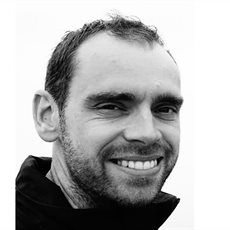
Erich Fischer is a Professor at ETH Zürich's Department of Environmental Systems Science, where he leads research on climate and weather extremes. Affiliated with the Institute for Atmospheric and Climate Science, he maintains an active research program focusing on extreme weather events under climate change. His work bridges fundamental climate science with practical applications for risk assessment and policy development. Research Focus: Fischer's work centers on climate extremes, particularly heatwaves and heavy precipitation events. His research spans multiple dimensions including mechanisms of extreme events, detection and attribution of climate change signals, climate projections, and quantification of uncertainties. He investigates both global patterns and regional manifestations of climate change, with special attention to human health impacts from heat stress and the climate response to volcanic eruptions. His methodology combines observational analysis, climate model evaluation, and advanced statistical techniques for extreme event attribution. Publication Trends: Fischer's recent work shows increasing focus on compound extremes, attribution of specific events to climate change, and practical applications of climate science for risk management. His research demonstrates how climate change is altering the probability and intensity of extreme weather, with particular attention to heatwaves. The publications reveal strong collaboration across international climate research institutions and consistent publication in high-impact journals including Nature, Science, and their affiliated publications. Clarivate Highly Cited Researcher (2019-2023) Lead Author for IPCC AR6 Co-lead of WCRP Grand Challenges on Weather and Climate Extremes Professional Activities: Fischer serves as associate editor for Science Advances and co-editor for Weather and Climate Dynamics. His research informs climate policy through participation in major international assessments and development of climate scenarios for Switzerland. He maintains active collaborations with leading climate research institutions worldwide including NCAR and the University of Reading.