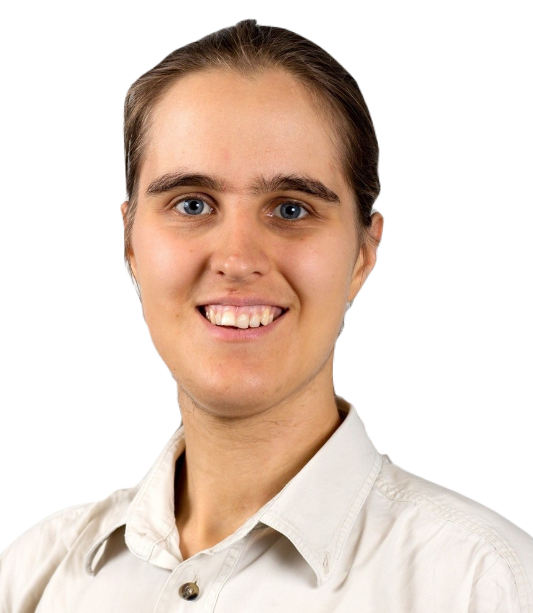
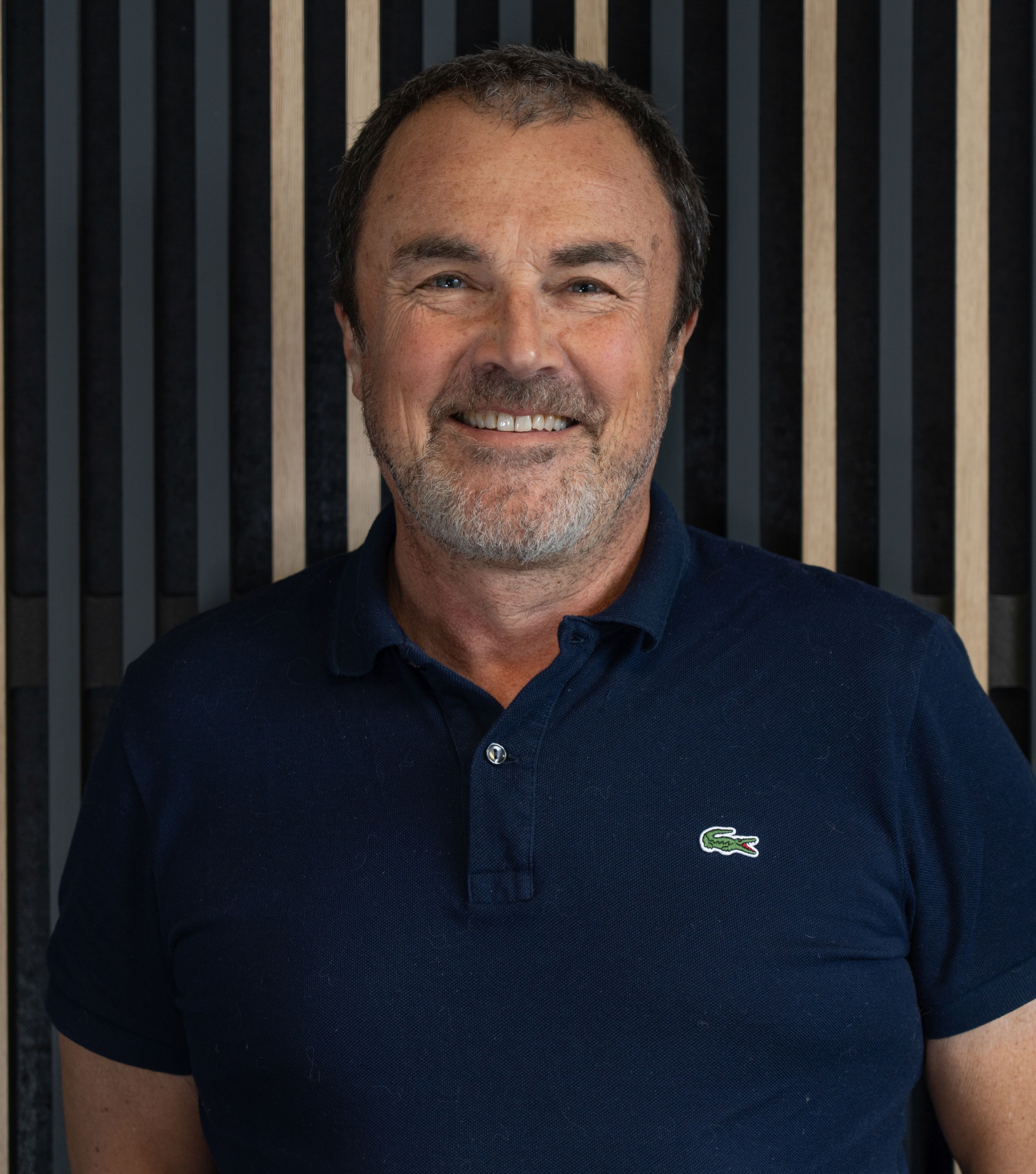
Dr. Xiaojun Chen serves as a Researcher at the University of New South Wales within the School of Civil and Environmental Engineering. Holding a PhD from UNSW (2015), Master of Information Technology (UNSW, 2016), and Bachelor of Engineering from Tongji University (2008), his academic foundation spans computational engineering and applied mathematics. Education: PhD, University of New South Wales, 2015 Master of Information Technology, University of New South Wales, 2016 Bachelor of Engineering, Tongji University, 2008 His research focuses on computational mechanics with emphasis on structural safety, fracture analysis, and uncertainty quantification. Key areas include virtual modeling techniques for dynamic structural response, machine learning applications in material behavior prediction, and sparse optimization methods. His work bridges civil engineering with advanced computational mathematics, particularly addressing nonlinear dynamics in composite materials and infrastructure systems. Analysis of his recent publications reveals strong trends in virtual modeling integration with phase-field methods for fracture mechanics and machine learning-aided uncertainty quantification. His work increasingly combines stochastic analysis with material-geometric randomness, demonstrating interdisciplinary innovation at the intersection of civil engineering and computational science. While no scientific awards are publicly documented in the provided materials, his extensive publication record in high-impact journals like Computer Methods in Applied Mechanics and Engineering and Mathematical Programming reflects significant scholarly contributions. Dr. Chen maintains active research collaborations within UNSW's Civil Engineering Building (H20, Level 6, Room CE616), focusing on computational frameworks for structural safety assessment under extreme loading conditions including fire, impact, and fatigue scenarios.
Dr. Francesco Ungolo is a Senior Lecturer in the School of Risk and Actuarial Studies at the UNSW Business School, with concurrent roles as an Associate Investigator at the ARC Centre of Excellence in Population Ageing Research (CEPAR) and a qualifying actuary for the Institute and Faculty of Actuaries UK. His academic journey includes a 2019 PhD in Actuarial Mathematics from Heriot-Watt University (Edinburgh), postdoctoral work at Technische Universiteit Eindhoven (2019-2021), and research appointments at Technische Universität München's Mathematical Finance Chair (2021-2022). Research activities focus on: Statistical models for actuarial datasets with corrupted data (missing observations, censoring, truncation, protected features) Stochastic mortality modeling for single/multiple populations, emphasizing continuous-time affine models Application of actuarial methods to retirement decision-making and innovative insurance product design (LTC, health insurance, annuities) Bayesian techniques for large-dimensioned datasets (including telematics data) Article trends reveal expertise in: Dirichlet process mixtures for dependent lifetimes and competing risks Affine mortality models with jump components for improved forecasting Latent class modeling for heterogeneous variance structures Computational methods for asset-liability management in insurance Missing data imputation techniques for pension schemes Machine learning applications in multi-population mortality analysis
Dr. Svetlana Tkachenko is a Post-Doctoral Research Fellow at the University of New South Wales (UNSW) Faculty of Engineering, Department of Mechanical Engineering. She specializes in computational fluid dynamics and heat transfer modeling with applications in renewable energy systems, building ventilation, and automotive aerodynamics. Her work bridges theoretical modeling with practical industrial applications through collaborations with various industry partners. Education: PhD in Mechanical Engineering, UNSW, Australia (2018) Dr. Tkachenko's research focuses on numerical modeling of fluid flow and heat transfer in renewable energy systems, particularly photovoltaic technologies and building-integrated applications. Her work spans passive cooling techniques for solar panels, building ventilation systems, and thermal management in automotive applications. She employs computational fluid dynamics (CFD), multi-phase modeling, and machine learning techniques to optimize system performance and energy efficiency. Her research has significant implications for improving the efficiency of solar energy systems and building thermal performance. An analysis of her recent publications reveals a consistent focus on heat transfer enhancement in photovoltaic systems, particularly through passive cooling techniques. Her work demonstrates increasing sophistication in modeling approaches, incorporating machine learning for weather data analysis and spectral modeling of PV surfaces. The research trajectory shows progression from fundamental fluid dynamics studies toward practical applications with industry partners. Scientific Recognition: Finalist, 2022 GUD Excellence Awards at the Royal Automobile Club of Victoria in Melbourne for collaboration with Disc Brakes Australia on thermodynamic simulations in brake rotor development Dr. Tkachenko actively supervises research students, currently mentoring two thesis students in renewable energy topics and one in disk brake modeling. She has contributed technical advice to numerous undergraduate and postgraduate theses on topics including photovoltaic cooling, building ventilation, and automotive aerodynamics. She serves as a Chief Investigator on an Australian Renewable Energy Agency (ARENA) grant titled 'Research boost for solar panel efficiency and cost reduction' (2020-2023). Her industry collaborations include partnerships with Disc Brakes Australia, 5B, and international collaborators in France and the UK. Dr. Tkachenko's research group utilizes advanced computational resources including ANSYS, OpenFOAM, and high-performance computing facilities at UNSW's Katana and NCI's Gadi. Her work on smart coatings for PV systems involves collaboration with A&B Smart Materials, an Oxford University-based venture developing novel materials for the photovoltaic industry.
Christopher P Marquis is an Associate Professor in the School of BABS (Biosciences and Bioengineering) at UNSW Sydney. He holds a PhD in Bioprocess Engineering from the University of Sydney and leads the Recombinant Products Facility (RPF), a core facility specializing in protein production and bioprocess development. His research focuses on protein biotechnology, bioremediation, and bio-nanotechnology interfaces, including projects on organohalide bioremediation, therapeutic bacteriophage production, and recombinant spider silk engineering. Academic Roles: Director of RPF, Convenor of the Biotechnology Program, and course coordinator for BABS3031 Biotechnology and Bioengineering. Research Strengths: Bioprocess optimization, recombinant protein systems, and nanoscale biotechnology applications. Marquis has supervised 3 current PhD and 2 Honours students, contributing to over 89 journal articles and 89+ publications since 1992. His work bridges biochemical engineering with applied biotechnology, emphasizing translational research and industry partnerships through contract services via the RPF.
Dr. Yi Cui is a Senior Lecturer in the School of Electrical Engineering and Computer Science at the University of Queensland (UQ), Australia. He holds a Ph.D. in Electrical Engineering from UQ (2016) and previously served as a Research Associate at the University of Tennessee, Knoxville, USA. His expertise spans wide-area monitoring and control, smart grid cybersecurity, data analytics, and condition assessment of power transformers. Education: - B.Eng. and M.Eng. from Southwest Jiaotong University, China (2009, 2012) - Ph.D. in Electrical Engineering, University of Queensland (2016) Research Interests: Dr. Cui focuses on cybersecurity strategies for smart grids, data-driven approaches to power system stability, and condition monitoring of power equipment. His work integrates advanced analytics, machine learning, and sensor technologies to enhance grid resilience and transformer reliability. Grants & Projects: - Cybersecurity Defence Strategies of Distribution Synchrophasor in Smart Grids (UQ Cyber Seed Funding, 2021–2022) - Collaborations with industry partners like Northern Territory Power and Water Corporation on network analytics. Teaching & Supervision: Available for supervision in electrical engineering and computer science, focusing on renewable energy integration, smart grid technologies, and power system cybersecurity. Labs/Teams: Contributes to UQ's Cyber Security Research Group and collaborates with international institutions on cybersecurity and smart grid initiatives.
Winthrop Professor Jie Pan is affiliated with the School of Engineering and the Department of Mechanical Engineering at The University of Western Australia, and is a member of the UWA Defence and Security Institute. His research focuses on acoustics, active noise and vibration control, architectural acoustics, control engineering, industrial noise reduction, and structural dynamics. His work contributes to UN Sustainable Development Goals related to sustainable cities and communities, and responsible consumption and production. Research Interests: Acoustics and vibration control in mechanical systems Active and passive noise mitigation strategies Structural dynamics and finite element analysis Applications in industrial engineering and transformer systems Remote sensing for environmental monitoring Recent Articles Trends: Prof. Pan's recent publications emphasize advanced analytical techniques, experimental validation, and numerical modeling in vibration and acoustics. Key themes include the effects of hydrostatic loading on clamped plates, piezoelectric actuator performance, and the use of UAV-based hyperspectral imaging for disease detection. His work bridges mechanical engineering with environmental and biomedical applications. Grants and Supervision: He has led 30 research projects, including major grants from ARC Australian Research Council and Woodside R2D3. Examples include the Integrated Passive and Active Control of Humming Noise from Haul Trucks and Smart Acoustical Surfaces collaborations. He has supervised 9 doctoral/master's students, though specific advisee names are not listed here.
Megan Outram is a Researcher in the Division of Biomedical Science & Biochemistry at Australian National University. Her research focuses on structural and molecular aspects of plant-pathogen interactions, particularly fungal effectors and their roles in infection mechanisms. She holds a PhD in Structural Biology from the University of Queensland (2019) and prior degrees from Lincoln University (BSc Honours in Molecular Plant Pathology and BSc in Biochemistry/Biotechnology). Key research areas include: Effector protein structural analysis in Fusarium and rust fungi Mechanisms of effector-mediated plant immunity evasion Zinc-binding proteins in pathogen virulence Chytrid fungus virulence factors impacting amphibians Her work combines X-ray crystallography, bioinformatics, and experimental biology to study protein function in pathogenic systems. Current projects include AI-driven discovery of virulence factors and structural studies of cyanobacterial carbonic anhydrase regulation.
Fedor Iskhakov is a Professor of Economics at the Australian National University (ANU), holding an ARC Future Fellowship since 2018. He is affiliated with the Research School of Economics, focusing on applied econometrics, microeconomic theory, and computational methods. His research emphasizes structural estimation of dynamic models for individual and strategic decisions, including labor economics, household finance, and industrial organization applications. Education: PhD in Economics (specific institution not stated in text). Research interests include dynamic models of strategic interaction, equilibrium analysis, tax policy impacts, and computational economics. His work bridges traditional econometric methods with machine learning innovations, as highlighted in his 2020 paper on their synergies. Key projects include a 2025-2027 study on electric car adoption in Australia and a long-term project on dynamic models of strategic interaction. Recent publications explore taxation effects on labor supply (Australia case), automobile market equilibria, and mortgage decision framing. His work appears in top journals like Journal of Econometrics , Review of Economic Studies , and Management Science . Scientific recognition includes ARC grants and fellowships. Advising contributions are not explicitly listed, but his research involves complex model development (e.g., endogenous grid methods). Collaborations with global scholars like Keane, Rust, and Gillingham underscore his network in computational economics and dynamic modeling.
Professor Gianluca Demartini is a Professor in Data Science and an ARC Future Fellow at the School of Electrical Engineering and Computer Science, Faculty of Engineering, Architecture and Information Technology at the University of Queensland, Australia. He also serves as an affiliate of the Centre for Enterprise AI. His research focuses on human-in-the-loop artificial intelligence systems with applications for public good, bridging structured knowledge graphs and unstructured text analytics to address societal challenges. Dr. Demartini earned his Ph.D. in Computer Science from Leibniz University of Hannover in Germany in 2011, with a focus on Semantic Search. His academic journey includes positions as a Lecturer at the University of Sheffield (UK), post-doctoral researcher at the eXascale Infolab at the University of Fribourg (Switzerland), visiting researcher at UC Berkeley, junior researcher at the L3S Research Center (Germany), and intern at Yahoo! Research (Spain). His research interests span four major interconnected domains: Misinformation (studying human interaction with misinformation and AI-based mitigation strategies), Crowdsourcing and Human Computation (improving efficiency of human-in-the-loop systems), Big Data Analytics (designing scalable algorithms for large datasets), and AI for Public Good (applying AI for societal and environmental benefits). His work consistently addresses real-world challenges in information quality, human-AI collaboration, and ethical technology deployment. Analysis of Professor Demartini's recent publications reveals a clear trajectory toward addressing misinformation through sophisticated human-AI collaboration frameworks, with increasing emphasis on cognitive aspects of fact-checking, data bias management, and strategic application of large language models. His research bridges theoretical advances in information retrieval with practical applications for societal challenges, particularly in media literacy, online safety, democratic discourse, and environmental conservation. Professor Demartini has received numerous prestigious awards recognizing the quality and impact of his work: Best Paper Award at ACM SIGIR International Conference on the Theory of Information Retrieval (ICTIR) in 2023 Best Paper Award at AAAI Conference on Human Computation and Crowdsourcing (HCOMP) in 2018 Best Paper Awards at European Conference on Information Retrieval (ECIR) in 2016 and 2020 Best Demo award at International Semantic Web Conference (ISWC) in 2011 Honorable Mention Award at CSCW 2020 (Top 2% of submissions) As an active supervisor, Professor Demartini currently guides PhD students working on cutting-edge topics including Retrieval Augmented Generation, Human-in-the-Loop Decision Systems for Online Safety, Human-Centred Artificial Intelligence for Democracy, and Bias in Data Pipelines. His research program is generously funded through multiple major grants: ARC Future Fellowships (2025-2028): PBIAS - A Principled Approach to Data Bias Management Swiss National Science Foundation (2022-2025): Large-Scale Political Participation: Issue Identification, Deliberation, and Co-creation ARC Training Centre for Information Resilience (2021-2026) Previous funding from Wikimedia Foundation, Meta, Google, and Facebook for projects on misinformation detection and human-AI collaboration Professor Demartini's work sits at the critical intersection of human computation, information retrieval, and AI ethics. Through extensive collaborations with industry partners including Facebook, Google, Microsoft, Yahoo!, IBM, SAP, and The National Archives (UK), he has developed practical systems that address real-world challenges in misinformation detection, data quality, and human-AI collaboration. His research group actively explores how to make AI systems more transparent, accountable, and beneficial for society through principled human-in-the-loop approaches that leverage both machine intelligence and human expertise.
Associate Professor Troy Jensen is affiliated with the School of Agriculture and Environmental Science at the University of Southern Queensland . His work bridges Agricultural Engineering and Precision Agriculture , with a focus on Unmanned Aerial Vehicles (UAVs) , Controlled Traffic Farming , and Soil-Tool Interactions . Education: BEng (1983), MEng (1991), PhD (2009) from the University of Southern Queensland. Research Interests: His work spans Machine Learning in Agriculture , Grain Storage , and Biomass Utilization , addressing efficiency and sustainability in farming systems. Scientific Awards: Recognized as a Fulbright Scholar (2023) , supported by the Kinghorn Foundation. Grants: Key projects include Developing site-specific tools for herbicide reduction (2017), Training in Conservation Agriculture (2017), and Precision Agriculture for Sugar Industry (2015). Supervision: Currently supervises doctoral research on Automated Sugarcane Replanting and Airborne Pest Monitoring , with completed work on Soil Compaction and Mechanical Harvesting . Professional Memberships: Active in Australian Society of Sugarcane Technologists (ASSCT) , American Society of Agricultural and Biological Engineers (ASABE) , and international agronomy societies.
Dr. Mehrisadat Makki Alamdari is a Senior Lecturer in the School of Civil and Environmental Engineering at the University of New South Wales (UNSW). She specializes in Structural Health Monitoring (SHM), structural dynamics, signal processing, and data mining. Her research bridges theoretical innovations with real-world infrastructure applications, including landmark projects on the Sydney Harbour Bridge and Gateway Bridge. Education: Ph.D. in Civil Engineering, University of Technology Sydney (2012–2014) M.Sc. in Mechanical Engineering, University of Manitoba (2011) M.Sc. in Aerospace Engineering, Iran University of Science and Technology (2006–2008) B.Sc. in Aerospace Engineering, Sharif University of Technology (2002–2006) Research Focus: Her work integrates machine learning, sensor technologies, and advanced signal processing for infrastructure resilience. Key areas include bridge health monitoring via drive-by inspections, piezoelectric energy harvesting, and damage detection using ultrasonic and computer vision techniques. Recent publications emphasize data-driven methodologies, unsupervised learning, and multi-sensor fusion for structural diagnostics. Awards & Honors: ARC Discovery Early Career Research Award (DECRA) JSPS Award (Japan Society for Promotion of Science) ITS Australia National Award (2020) Most Practical SHM Solutions Award (Stanford University, 2015) Best Paper Award (SHMII-8, 2017) Leadership & Service: She serves on the executive committee of the Australian Network of Structural Health Monitoring (ANSHM) and is an Associate Editor for Elsevier journals. She has secured over $5.5M in grants, including an ARC DECRA grant and a $5M Industrial Transformation Hub for resilient infrastructure.
Dene Littler is a Research Fellow in the Department of Biochemistry & Molecular Biology at Monash University, where he conducts cutting-edge research at the intersection of structural biology, immunology, and infectious diseases. His work significantly contributes to understanding immune responses in malaria, influenza, and SARS-CoV-2, particularly focusing on antigen presentation and T-cell epitope recognition. His research interests span Structural Biology , Immunology , Malaria , Viral Immunology , Computational Biology , and Antigen Processing . He employs advanced techniques in structural analysis and bioinformatics to investigate molecular mechanisms in pathogen-host interactions. A major focus is on the PTEX-dependent protein export system in Plasmodium falciparum and the immunopeptidome of viral antigens. The recent publications demonstrate a strong trend toward integrating machine learning with immunological data, particularly in predicting CD4+ and CD8+ T cell epitopes using contrastive and transfer learning models. These interdisciplinary studies are published in high-impact journals such as Nature Communications and Nature Machine Intelligence , reflecting the significance and innovation of his research. Dene Littler collaborates extensively with leading immunologists including James Rossjohn, Anthony Purcell, Katherine Kedzierska, and Nicole Mifsud. These collaborations span structural immunology, viral immunity, and systems biology, enhancing the translational potential of his work. Although no formal students or awards are listed, his role as a key contributor in multiple high-impact studies underscores his scientific influence. He is actively involved in research with ongoing outputs through 2025, indicating sustained productivity and engagement in major projects related to global health challenges, including those aligned with UN Sustainable Development Goals on health and well-being.
Dr. Alex Farrar is an Adjunct Researcher at the University of Tasmania's School of Natural Sciences. His research focuses on structural geology, tectonics, and the application of machine learning to mineral exploration. He specializes in the tectonic controls of porphyry copper deposits in the central Andes and has contributed to models explaining lithospheric architecture's role in deposit localization. His work bridges traditional geological field studies with advanced computational methods. Education: PhD in Geology from the University of Tasmania (2024 thesis). Research Interests: Structural analysis of ore deposits, machine learning in geoscience, and the interplay between tectonics and mineralization. His recent studies emphasize AI's potential to revolutionize critical mineral discovery. Key Collaborations: Co-authored papers with experts like R.S. Davies (machine learning) and D.R. Cooke (tectonic modeling). His 2023 model on central Andean lithospheric architecture has been widely cited in economic geology. Advising & Grants: No formal advisees listed, but collaborative grants evident through multi-author publications. Active in conferences like the Australian Earth Sciences Convention (2021). Labs/Teams: Affiliated with the CODES ARC (Centre for Ore Deposit Excellence) and contributes to interdisciplinary teams focused on Andean geology and AI applications.
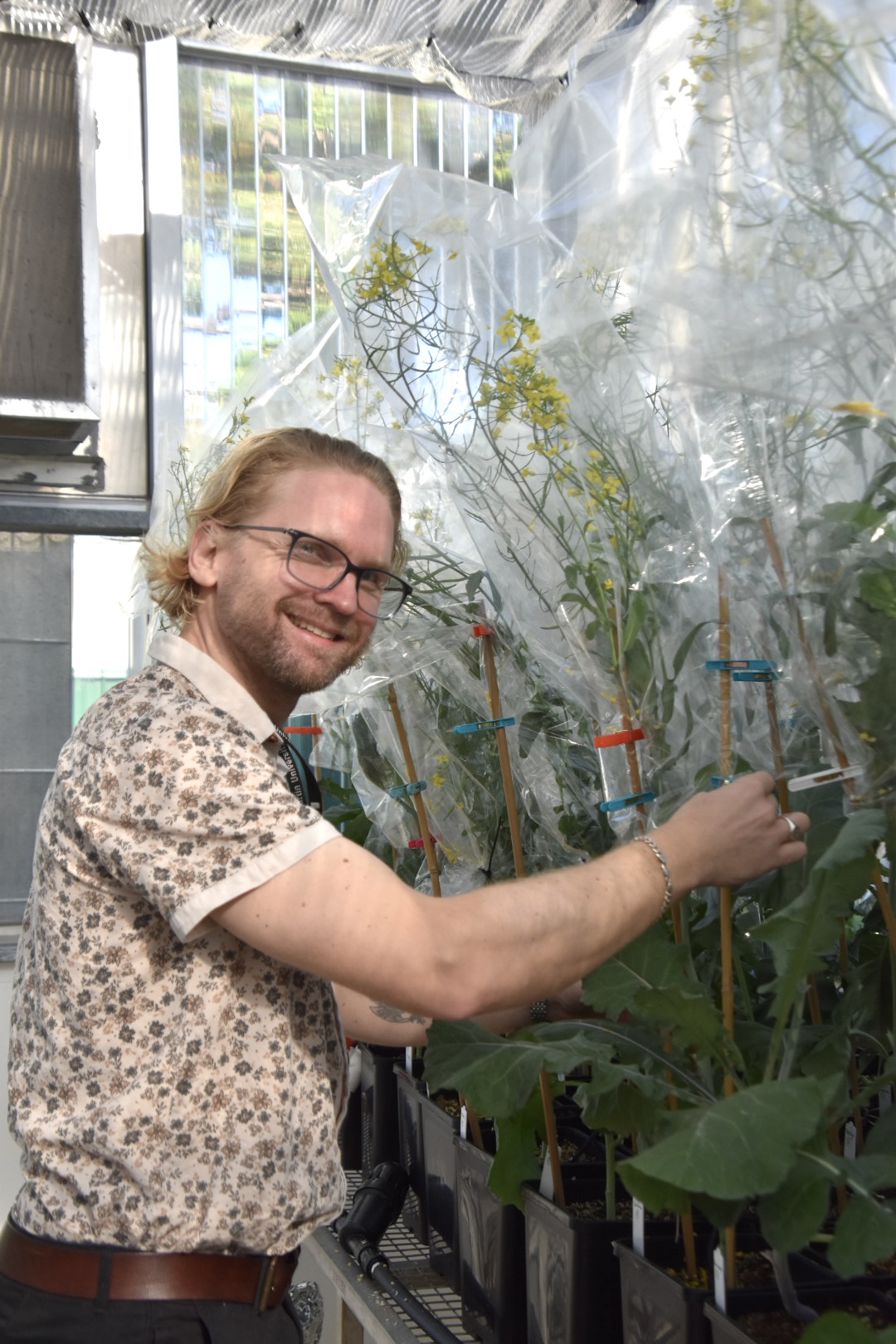
Dr. Mark Derbyshire is a Senior Research Fellow at Curtin University's School of Molecular and Life Sciences, affiliated with the Centre for Crop and Disease Management (CCDM). He holds a BSc and PhD in molecular biology from the University of Bristol. His research focuses on plant-pathogen interactions, particularly the necrotrophic fungus Sclerotinia sclerotiorum and its impact on canola. He leads a multidisciplinary team using genomics, bioinformatics, and molecular ecology to improve crop disease resistance and understand cross-kingdom RNA transfer mechanisms. Teaching roles include coordinating the 'agriculture stream' of the Applied Genetics course, lecturing on plant immunity and molecular biology techniques in Advanced Molecular Biology and Plant Molecular Biology units. His research spans genomic prediction models for disease resistance, fungal effector proteins, and co-evolutionary dynamics between plants and pathogens. Notable achievements include pioneering studies on small RNA-mediated cross-kingdom regulation and advancing genomic selection techniques. His work bridges fundamental biology with applied agricultural solutions, addressing global crop disease challenges through cutting-edge interdisciplinary approaches.
Dr. Hongyu Qin is a Lecturer in Civil Engineering at Flinders University's College of Science and Engineering. He holds a PhD from Griffith University, alongside a Master's from Hohai University and a Bachelor's from Zhengzhou University. As Discipline Lead for Civil Engineering Honours/Masters Thesis and Projects, he focuses on geotechnical engineering research, including geomaterial behavior, renewable energy pile foundations, and Measurement While Drilling (MWD). His work integrates industry collaboration, leading to innovations like an Engineering Calculator APP for foundation design. Notable grants include Flinders/Industry co-funded PhD scholarships and CSE Research Schemes. He has supervised students such as Chris Przibilla (2019 University Medal recipient). Recent research explores MWD and Machine Learning applications in geotechnics. Research Interests: Geotechnical Engineering, pile foundations for renewable energy, MWD technology, soil-structure interactions, and transportation infrastructure geotechnics. His projects address challenges in energy pile groups, dynamic pile responses, and slope stability. Key Awards: Flinders University CSE Workshop Support Scheme 2024 Endeavour International Postgraduate Research Scholarship (2006-2009) Griffith University Postgraduate Research Scholarship (2006-2009) Teaching: Coordinates and lectures courses such as ENGR8932 Engineering Geology, ENGR8931 Geotechnical Engineering, and advanced foundation design modules. His teaching emphasizes practical application through workshops like the Investigative Drilling Workshop (2023), fostering industry-academia collaboration.