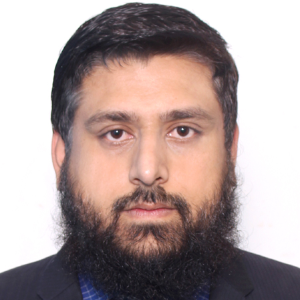
Dr. Jakub Yaghob is a researcher at the Faculty of Mathematics and Physics , Charles University , specializing in computer science and parallel computing. He teaches advanced programming topics including Compiler Principles , Parallel Programming , and Cloud Computing . Research Interests : Parallel data stream processing, virtualization technologies, semantic web infrastructures, and performance optimization Teaching : Advanced C++ programming, virtualization administration, and computer systems architecture Technical Expertise : Design of parallelization frameworks, astrophysical data analysis, and hybrid CPU-GPU systems His publications focus on: Optimizing stream data processing across distributed architectures Developing domain-specific languages like Bobolang Performance evaluation in educational programming contexts Applications of parallel computing in astrophysics
Dan Witzner Hansen is a Professor at the IT University of Copenhagen , leading the Data Science Research Group and managing Machine Learning Education . His work spans Computer Vision , Machine Learning , and Human-Computer Interaction , focusing on extracting eye-related data for biometric identification and accessible gaze-based interfaces. Active in Neuroscience and Psychology research Developed Low-Cost Gaze Trackers for disabled users Research Trends from 62 publications include Eye Tracking (96%), Gaze Estimation (83%), and Head-Mounted Eye Trackers (66%). Recent work explores Neural Networks for sports prediction and Cross-Cultural Gestures . Scientific Awards: Best Poster Extended Abstract Award, 2024 Eye Based Head Gestures Award, 2012 Current Projects include Eyes4ICU (2022-2026) and TeamSPORTek (2020-2025), funded by the European Commission and Team Danmark.
Rainer Lienhart is a tenured Professor at the University of Augsburg, where he holds the Chair for Machine Learning & Computer Vision within the Faculty of Applied Computer Science's Institute of Computer Science. He has served as the executive director of the Institute for Computer Science since April 2010. His research group, the Machine Learning and Computer Vision Lab (MLCV Lab), focuses on large-scale image, video, human pose, sensor and data mining algorithms; object, human pose and action detection/recognition; and image, video, human pose and action retrieval. Dr. Lienhart received his PhD in Computer Science from the University of Mannheim, Germany in 1998. Prior to joining the University of Augsburg, he worked as a Staff Researcher at Intel's Microprocessor Research Lab in Santa Clara, California from August 1998 to July 2004. He has also taken sabbaticals at FXPAL (August 2017 to March 2018) and Willow Garage (2009). His research spans multiple areas of computer vision and machine learning with particular emphasis on object detection/recognition, human pose estimation, image/video captioning, automated visual inspection, medical image analysis, deep learning, statistical computing, and explainable AI. His work on multimedia data mining and signal processing has led to significant contributions in video content analysis, including text detection/recognition, commercial detection, face detection, shot and scene detection, and automatic video abstraction. The publication record shows a consistent research trajectory focusing on human pose estimation, winter sports analysis, scene graph generation, and segmentation techniques, with recent work emphasizing transformer-based architectures, 3D pose estimation, and physics-informed computer vision approaches. His research demonstrates a strong interdisciplinary focus, connecting computer vision with sports science, medical applications, and multimedia content analysis. Prof. Lienhart has served as general co-chair of ACM Multimedia 2017 and 2007, as well as SPIE Storage and Retrieval of Media Databases 2004 and 2005. He has served on editorial boards of three international journals and was vice chair of SIGMM from July 2009 to June 2017. His professional service includes committee membership for major conferences including ACM Multimedia, IEEE ICME, and SPIE Storage and Retrieval of Media Databases. His laboratory, the MLCV Lab, maintains an active research program with numerous collaborators and students working on cutting-edge computer vision problems. Current research directions include human pose estimation in sports contexts, winter sports equipment segmentation, scene graph generation, and medical image analysis applications.
DZOUFRAS IOANNIS is a Professor in the Department of Statistics at the Athens University of Economics and Business (AUEB), affiliated with the School of Information Sciences and Technology. He has held this position since December 2015 and has previously served as Assistant Professor (2004-2011) and Lecturer at multiple institutions. Education: PhD in Statistics (AUEB, 1999) Master's in Statistics (University of Southampton, 1995) BSc in Statistics & Actuarial Science (University of Piraeus, 1994) His research focuses on Bayesian and computational statistics, emphasizing categorical data analysis, model building, variable selection methodology, and applications to medical research, psychometrics, and sports data. His work has appeared in top journals like Bayesian Analysis , Statistics and Computing , and Psychometrika . Scientific Awards & Recognition: Lefkopoulio Prize for Best Doctoral Thesis in Statistics (1999-2000) Honorable Mention at AAP's PROSE Awards (2010) He has contributed to international collaborations through conferences with Italian universities and co-organized academic workshops in Greece.
Dr. Moritz Heiden is a Researcher at the Institute for Statistics and Mathematical Economics within the Faculty of Economics at the University of Augsburg. He is co-founder of Takahē Capital , a quantitative hedge fund, and founder of XLII Capital , a consultancy for systematic trading and blockchain innovation. Education : Mathematical Finance (University of Konstanz), Statistics (University of Augsburg) His research focuses on nonlinear time series models , volatility forecasting , behavioral finance , and portfolio optimization . His work has been published in journals such as the German Economic Review and Finance Research Letters , often connecting investor sentiment to market dynamics. Recent publications analyze sports sentiment effects on equity markets, cryptocurrency impacts on volatility, and regime-switching models for financial markets. He also explores applications of NFT valuation and cross-sectional similarity measures in trading strategies. His career spans academic research and industry, including roles at Munich Re Investment Partners and Scalable Capital . He contributes to teaching and mentoring at the University of Augsburg.
Giuseppe Ciconte is an Associate Professor at Università Vita-Salute San Raffaele , specializing in Cardiovascular Diseases . His research focuses on cardiac electrophysiology, Brugada Syndrome, and arrhythmia management, with significant contributions to imaging diagnostics and molecular cardiology. Academic Role : Associate Professor (MEDS-07/B - Cardiovascular Diseases) Contact : ciconte.giuseppe@unisr.it Research Interests : Giuseppe Ciconte's work spans cardiac electrophysiology, Brugada Syndrome, and arrhythmogenic substrates. He has explored: Autoimmune mechanisms in Brugada Syndrome Deep learning applications for ECG analysis SCN5A mutation localization and clinical phenotypes Arrhythmia elimination in hormonal therapies Advanced imaging techniques for congenital heart defects Post-ablation electrophysiological monitoring Publication Trends : Recent work combines cardiology with cutting-edge technologies like AI in diagnostics, molecular studies of ion channels, and innovative ablation techniques. His research bridges clinical practice with biochemical and genetic investigations.
Omar Boursalie serves as an Assistant Professor in the Department of Biomedical Engineering at the Schulich School of Engineering, University of Calgary, focusing on AI-driven healthcare solutions and digital health innovation. His academic credentials include: BEng in Electrical and Biomedical Engineering from McMaster University MASc in Biomedical Engineering from McMaster University PhD in Biomedical Engineering from McMaster University His research spans Digital Health, Health Informatics, Artificial Intelligence, Lifelong Machine Learning, Remote Health Monitoring, and Human-AI Partnerships, with emphasis on developing practical machine learning systems for clinical applications and mobile health platforms. Current work addresses temporal data modeling, medical imaging analysis, and cardiovascular disease monitoring through deployable AI solutions. Publication analysis reveals strong emphasis on health outcome prediction using deep learning architectures, with recurring themes in temporal data processing, medical imaging dose optimization, and mobile health implementation challenges. His work consistently bridges theoretical AI advances with clinical healthcare requirements. Key scientific recognitions include: NSERC Postgraduate Scholarships – Doctoral (PGS-D) (2018) Vector Institute Postgraduate Affiliate (2018) CIFAR 3-Minute Impact Oral Presentation Award (2021) No current student advising information is provided, though his NSERC PGS-D scholarship reflects prior doctoral research excellence. His Vector Institute affiliation indicates ongoing AI research leadership. He actively participates in university strategic initiatives including Engineering Solutions for Health (2015-2021) and Digital Worlds, driving interdisciplinary collaboration in healthcare technology innovation.
Sridhar Krishnamurti serves as Professor and Audiology Graduate Program Officer in Auburn University's Department of Speech, Language and Hearing Sciences within the College of Liberal Arts. His Haley Center office (1102) supports his dual roles as AuD program coordinator and director of the Auditory and Hearing Science Lab. His educational foundation includes a PhD from Kent State University, Master's and Bachelor's degrees from India's All India Institute of Speech and Hearing, and clinical fellowship training at Harvard Medical School's Massachusetts Eye and Ear Infirmary. Research spans electrophysiology, hearing conservation, and auditory processing disorders with emphasis on aging populations. Current investigations focus on neural network modeling of auditory-cognitive decline, hearing aid efficacy in dementia, and military/musician hearing conservation. His lab employs otoacoustic emissions, VEMP, and pupillometry to assess auditory plasticity and stress. Recent publications reveal increasing integration of computational methods with clinical audiology, particularly neural network applications for diagnosing auditory processing disorders and modeling Alzheimer's-related hearing decline. Military and music-related hearing conservation remains a consistent thread across his work. Scientific recognition includes: 1999 New Investigator Research Award (American Academy of Audiology) 2011 Auburn University Teaching Excellence Award 2012 Auburn University Faculty Research Award Fellowship in the American Academy of Audiology He actively mentors students in research projects while serving on Alzheimer's Association grant panels and journal review boards. Current grant activities focus on warfighter hearing protection and musician hearing conservation. The Auditory and Hearing Science Lab conducts experimental research on auditory localization, situational awareness devices, and noise-induced hearing loss mechanisms through collaborations with military and music programs.
Matthieu Marbac-Lourdelle is an Associate Professor in Statistics at ENSAI/CREST (Bruz, France) since September 2023. Previously, he served as an Assistant Professor at the same institution from September 2017 to September 2023. He is also an external collaborator of the PreMedical team, a joint team between Inria and Inserm, since September 2022. He completed his PhD in October 2014 at the University of Lille 1 under the supervision of Christophe Biernacki and Vincent Vandewalle. In 2022, he defended his habilitation, the French qualification required to supervise PhD students. Dr. Marbac-Lourdelle's research focuses on Biostatistics , Model-based Clustering , Computational Statistics , Empirical Likelihood , and Mixture Models . His work bridges theoretical statistical methods with practical applications in various domains including epidemiology, sports science, and genomics. His recent publications reveal a strong emphasis on developing advanced clustering techniques, particularly for complex data structures including functional data, mixed data types, and data with missing values. His research has significant applications in health monitoring, epidemiological studies, and sports analytics. Dr. Marbac-Lourdelle serves as an Associate Editor for Computational Statistics & Data Analysis (since 2021) and Econometric and Statistics (since 2023). He currently supervises five PhD students working on diverse topics including nonparametric mixture models, soccer game analysis, swimming technique monitoring, arrhythmia detection in racehorses, and probabilistic substitution models. His collaborations span multiple institutions including CREST, Inria, Inserm, and international partners at HEC Montreal and the University of McMaster.
Karl McCreadie serves as a Lecturer in Data Analytics at Ulster University's School of Computing, Engineering and Intelligent Systems, Magee Campus. His research integrates computational methods with neurotechnology to address clinical challenges, particularly in brain-computer interfaces and rehabilitation engineering. His primary research domains include Brain-Computer Interfaces (specializing in motor imagery decoding and auditory feedback systems), Virtual Reality applications for upper-body physiotherapy, and smart materials development for medical devices like stoma management systems. He employs advanced machine learning techniques to enhance classification accuracy in EEG/MEG signal processing and develops embodied VR environments for neurorehabilitation. His work bridges computer science with clinical needs, focusing on user experience optimization and assistive technology for disabilities. Analysis of his 26 publications (2011-2025) reveals a clear evolution from foundational BCI signal processing toward applied clinical solutions. Early work concentrated on motor imagery classification algorithms and auditory feedback mechanisms, while recent publications (2023-2025) emphasize extended reality rehabilitation, biodegradable electrode substrates, and semiconductor production optimization. A strong interdisciplinary thread connects his machine learning expertise with biomedical applications, particularly in stoma care innovation and neurotechnology for tetraplegia. Dr. McCreadie actively contributes to major research initiatives including the Princess Anne-opened Spatial Computing & Neurotechnology Innovation Hub (2023) and three Medical Research Council/Invest NI-funded stoma care projects: Addressing GAPS in Stoma Output Monitoring (2025-2026), STOMACAP: Reimagining Stoma Management (2025-2026), and MICA: Stomasense (2023-2026). These projects address critical healthcare challenges through composite materials and wireless monitoring systems. He has supervised three research students and maintains active collaborations within Ulster's Computer Science and Informatics group. As a core member of the Spatial Computing & Neurotechnology Innovation Hub, he participates in developing next-generation neurotechnology solutions that combine virtual reality, spatial computing, and physiological signal processing. His team's work on the Cybathlon championship training program demonstrates real-world impact in assistive technology for people with severe disabilities.
Richard Davies is a Lecturer in Computing Science at Ulster University's Faculty of Computing, Engineering and the Built Environment. He joined the School of Computing and Mathematics in 2001 as a Research Assistant and was appointed Lecturer in Computer Science in 2013. His work is aligned with the Smart Environment Research Group (SERG) where he focuses on developing technologies to support independent living and assistive technologies. His primary research interests center on assistive technologies for chronic conditions including stroke, chronic pain, congestive heart failure, COPD, and dementia. Dr. Davies specializes in wearable technology applications for stroke rehabilitation and has extensive experience designing systems that support independent living for aging populations. His work bridges computer science, healthcare, and rehabilitation engineering to create practical solutions for real-world challenges. His recent publications demonstrate a strong focus on wearable sensor technology, particularly smart insoles and gait analysis systems for rehabilitation settings. The research consistently addresses home-based rehabilitation, remote monitoring, and technology solutions for healthcare system challenges. His work has significant implications for elderly care, stroke recovery, and chronic disease management. Dr. Davies is an active member of the engineering community, having served on panels including Engineers Ireland Accreditation panel and conferences such as ICOST2012, CinC 2010, and IEEE BIBM. He has co-chaired workshops on Assistive Technology and continues to contribute to the field through collaborative research projects. He is currently pursuing a PhD within the School of Computing and Mathematics focused on improving post-stroke rehabilitation through assistive/wearable technology. His educational background includes a BEng(Hons) in Electronic Systems from Ulster University, providing him with a strong foundation for his interdisciplinary work in health technology.
Dr. Muhammad Sohaib Ayub is a Research Fellow at the University of Galway, Ireland, with a focus on Computer Science. He earned his PhD in Computer Science from Lahore University of Management Sciences (LUMS), where his research addressed context-aware sports performance assessment and web energy optimization. Research interests: data analytics, data spaces, machine learning, natural language processing, sports data analytics, web optimization, wireless sensor networks, Arabic OCR, biological data, and legal case prediction. Teaching experience: Delivered undergraduate courses at LUMS and FAST-NU in data structures, computational problem-solving, operating systems, and advanced programming. Community contributions: Journal paper reviewing, program committee service for international conferences, and workshops in cloud computing/high-performance computing. Awards: Travel grants and research funding to support academic endeavors.
Filomena Maria Rocha Menezes Oliveira Soares is an Associate Professor with Habilitation at the School of Engineering, University of Minho, where she has worked since 1992 in the Industrial Electronics Department. She serves as a Senior Researcher at the Algoritmi R&D Centre, specifically within the IE R&D Group and CAR R&D Lab. Previously, she held the position of Vice-Rector for Education and Academic Mobility at the University of Minho from November 2021 until September 2024. Her educational background includes a degree in Chemical Engineering (1986), an MSc in Electrical and Computer Engineering with an Industrial Automation profile (1991), and a PhD in Chemical Engineering (1997), all from the Faculty of Engineering at the University of Porto. Her research spans several interconnected domains focused on applying engineering principles to solve real-world problems, particularly in biomedical applications and educational technologies. Dr. Soares' research interests center on System Modeling and Control with biomedical applications, automation systems, and rehabilitation technologies. She has pioneered work using robots and serious games to communicate with children with autism spectrum disorders, develop rehabilitation tools for motor-impaired individuals, and monitor physical activities in sports like Taekwondo. Her educational research focuses on innovative teaching methodologies, including blended learning and virtual/remote laboratories. With an h-index of 24 and 311 publications, her work shows consistent output across journals and conferences, demonstrating increasing focus on assistive technologies, rehabilitation engineering, and educational innovations in recent years. She has held significant leadership roles in professional organizations, including co-founding and chairing the IEEE Women in Engineering Affinity Group, serving as President of the Portuguese Association of Automatic Control (2017-2018), and leading the Portuguese Society for Engineering Education (2020-2022). She also participates in IFAC Technical Committees for Control Education and Linear Control Systems. Dr. Soares has supervised multiple Master's and PhD students, with Jorge Manuel Almeida Brandão being one documented advisee. Her laboratory work primarily occurs within the CAR R&D Lab at the Algoritmi Centre, focusing on cyber-physical systems for rehabilitation, assistive technologies, and educational robotics. Current projects include robot-assisted therapy for autism, smart systems for visually impaired individuals, and performance monitoring systems for athletes.
Pål Halvorsen serves as a Research Professor and Head of the Holistic Systems Department at Simula Research Laboratory, a prominent independent research institute in Norway. His work spans multiple interdisciplinary domains with a strong focus on applying artificial intelligence to solve complex problems in healthcare, medical imaging, and multimedia systems. As department head, he leads research initiatives that bridge computer science with practical applications in clinical settings and sports analytics. Halvorsen's research interests are deeply interdisciplinary, focusing on the intersection of artificial intelligence, medical applications, and multimedia systems. His work in medical AI particularly emphasizes gastrointestinal disease detection, polyp segmentation in colonoscopy procedures, and explainable AI systems that provide transparency in medical decision-making. In the sports domain, he develops advanced video analytics for soccer and ice hockey, creating AI-based systems for event detection, player tracking, and content optimization for social media. His research on multimodal data analysis addresses critical challenges in healthcare, including missing data imputation and the integration of diverse data sources for improved clinical outcomes. His recent publications demonstrate a consistent focus on practical AI applications that address real-world challenges, with particular emphasis on validation frameworks that bridge the gap between theoretical AI models and clinical implementation. Halvorsen's work often involves large-scale dataset creation, such as the OBF-Psychiatric dataset for mental health research and various sports analytics datasets, which have become valuable resources for the research community. Halvorsen's publication record shows a clear trend toward developing robust, clinically validated AI systems with strong emphasis on explainability and transparency. His research spans gastrointestinal endoscopy, cardiology (particularly ECG analysis), sports analytics, and psychiatric applications, with a common thread of addressing the practical challenges of implementing AI in real-world settings. The work consistently focuses on validation frameworks, benchmarking studies, and the development of datasets that advance the state of the art while addressing the practical limitations of current AI systems in healthcare and multimedia applications. While specific awards aren't mentioned in the available information, Halvorsen has established himself as a leader in organizing major research challenges including the Medico Multimedia Task at MediaEval, ImageCLEFmedical, and various Grand Challenges focused on detecting cheapfakes and AI-based video production for soccer. His leadership in these community-wide evaluation efforts has significantly contributed to advancing research methodologies in medical AI and multimedia systems. Halvorsen's collaborative approach is evident across his extensive publication record, which shows consistent partnerships with medical professionals, computer scientists, and domain experts across multiple institutions. His work on child interview training systems demonstrates collaboration with psychology and forensic experts, while his medical imaging research involves close partnerships with gastroenterologists and clinicians. This interdisciplinary collaboration model appears to be central to his research philosophy, ensuring that technical solutions address genuine domain challenges. His leadership of the Holistic Systems Department suggests he oversees multiple research teams working on diverse but interconnected projects spanning healthcare AI, sports analytics, and multimedia systems development.
Atsushi OGIHARA is a Professor at Waseda University's School of Human Sciences, specializing in public health, social welfare, and health data analysis. With a Doctor of Medicine from Juntendo University, his research spans multiple domains including traditional Chinese medicine, disaster recovery, vaccination studies, and mental health. His educational background includes: Graduate School of Medicine, Juntendo University - Department of Social Medicine University of Tsukuba Graduate School of Health and Sport Sciences - Master's Program in Health Education Tokyo University of Science School of Science and Engineering - Department of Applied Biological Science Professor OGIHARA's research interests focus on the intersection of public health, social welfare, and data-driven approaches to healthcare. He has made significant contributions to understanding health risk factors through advanced data analysis techniques, particularly in the context of wearable devices and traditional medicine systems. His work on social capital and mental health, especially in post-disaster contexts like the Fukushima nuclear accident, has provided valuable insights for community recovery efforts. He has also conducted extensive research on HPV vaccination communication and cervical cancer education in Japan. His scholarly output shows a clear trajectory toward integrating technology with public health practice, with recent work focusing on AI-driven health analytics, decentralized health data systems, and precision healthcare approaches. This evolution reflects the growing importance of data science in addressing complex public health challenges. Among his notable recognitions is the United Nations University Akino Memorial Research Fellowship awarded in 2004, highlighting early recognition of his research potential. Professor OGIHARA has been actively involved in community service, including serving as: Member of Tokorozawa City Planning Basic Policy Revision Committee (since 2018) Vice Chairman of Tokorozawa City Health, Medical and Welfare Planning Promotion Committee (since 2016) He is affiliated with multiple professional organizations including the Japanese Home Education Society, Japan Society for Community Welfare Studies, Japanese Association of Public Health, Central Eurasia studies society, Japanese Society of Social Medicine, and Japan Society for the Study of Social Welfare.