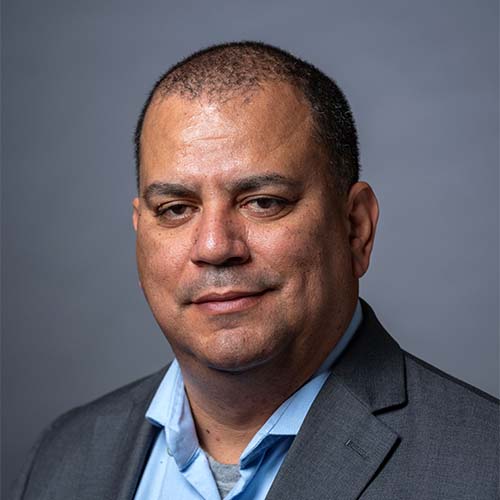
Dr. Erik Linstead is an Associate Professor and Senior Associate Dean at Chapman University, affiliated with the Fowler School of Engineering, School of Pharmacy, and George L. Argyros College of Business and Economics. His expertise spans Machine Learning, GPU Programming, Autism Spectrum Disorder, Assistive Technologies, Predictive Analytics, and Virtual Reality. Education: Bachelor of Science, Chapman University Master of Science, Stanford University Ph.D., University of California, Irvine Dr. Linstead's research integrates machine learning with diverse domains, including autism treatment, environmental monitoring, and software engineering. His recent publications focus on coral reef health, land surface temperature trends, and embedded machine learning systems. His scholarly work includes collaborations in remote sensing, medical informatics, and neurodiversity support. Articles highlight his interdisciplinary approach, applying AI to ecological challenges (e.g., Red Sea coral reefs, Nile Basin droughts) and human-centered technologies (e.g., VR therapy for autism, medication adherence analysis).
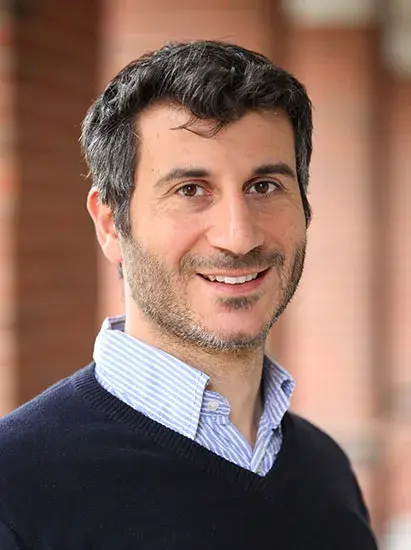
Dr. Stella Pytharouli is a Senior Lecturer in Civil and Environmental Engineering at the University of Strathclyde. With over 20 years of expertise in structural and ground deformation monitoring/analysis, her research focuses on subsurface characterization and slope instability early warning systems through microseismic monitoring, geodetic technologies, and machine learning integration. MEng (2002) - University of Patras MSc (2004) - University of Patras PhD (2007) - University of Patras Her research combines advanced signal processing with geodetic monitoring (terrestrial/aerial) to develop AI-driven solutions for UK landslide sites. Key areas include: Microseismic monitoring of weak seismic events Geometric and kinematic analysis of ground deformations Integration of geotechnical data with machine learning Climate change impact on slope stability Low-cost sensor development for environmental monitoring Recent publications highlight her work on AI-based seismic classification models, tiltmeter applications, and 3D reconstruction techniques. Her group includes 4 PhD students and 1 postdoc. Scientific recognitions include: Geophysical Research Letters front cover selection (2011) EOS Research Spotlight (2019) Lampadarios Prize from Academy of Athens (2009) TOPCON Award for young researchers (2008) As Director of Postgraduate Research (2020-present), she supervises PhD students and teaches land surveying modules. Current projects address slope stability analysis, climate change correlations, and seismic data automation.
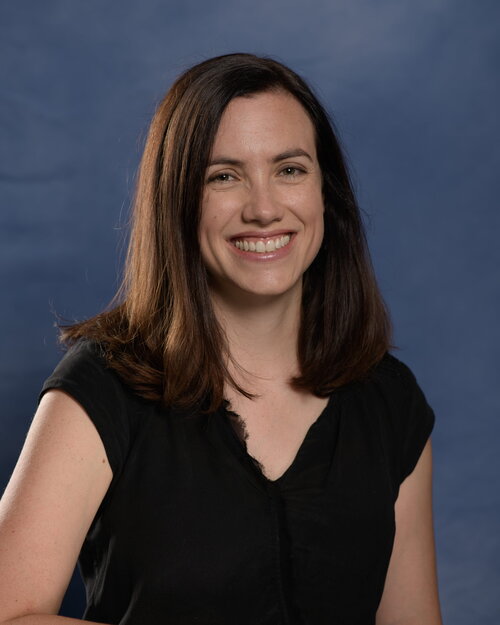
Nicola Ranger is Professor in Practice of Natural Capital, Risk and Finance at the London School of Economics and Political Science (LSE) and holds leadership roles at the Environmental Change Institute (University of Oxford). As Executive Director of Earth Capital Nexus and Director of the Resilient Planet Finance Lab, she specializes in integrating climate and nature risks into financial decision-making, stress testing, and mobilizing sustainable investment for resilience. PhD in Atmospheric Physics, Imperial College London Postdoctoral research in climate economics and policy at LSE Her research spans sustainable finance, systemic resilience, and fiscal policy, with a focus on risk analytics, disaster risk financing, and international financial systems. She has led groundbreaking work including the UK’s first nature-related stress test and co-founded global initiatives like the G20-V20 InsuResilience Global Partnership. Recent publications analyze sustainability-linked finance, climate stress testing frameworks, and adaptation taxonomies. Scientific awards include Senior Research Fellow at INET Oxford, Fellow at CEPR, and advisory roles for the World Bank, Bank of England, and European Commission. She serves on high-level advisory groups such as the UK Climate Financial Risk Forum and the Resilient Planet Data Hub, advancing climate-resilient financial systems and policy frameworks globally.
PASCUAL ALVAREZ GOMEZ is a Professor at the University of Cádiz, affiliated with the Department of Industrial Engineering and Civil Engineering. His research focuses on Ground Engineering and Thermal Engineering, with a particular emphasis on geothermal heat pumps and thermal performance modeling. He is associated with the TEP221 Thermal Engineering research group and contributes to the PAIDI area of Production Technologies. Education: PhD in Industrial Engineering from the University of Cádiz (2014), with a thesis on "Vertical Ground Heat Exchanger Simulation Model for Geothermal Heat Pumps" Research: Specializes in hybrid thermal modeling, CFD analysis for evaporation rates, and machine learning applications in corrosion prediction His publications highlight advancements in geothermal systems, low-concentration photovoltaics, and biogas environment corrosion analysis. He employs both analytical and computational fluid dynamics (CFD) approaches for energy efficiency improvements.
Modhurima Dey Amin is an Assistant Professor at Texas Tech University's Department of Agricultural and Applied Economics within the College of Agricultural Sciences & Natural Resources. Her work bridges econometric methodologies with contemporary issues in food and agricultural markets, emphasizing precision agriculture, energy economics, and industrial organization. PhD in Economics (Econometrics & Quantitative Economics) – Washington State University MSc in Statistics – Washington State University MSc in Applied Financial Economics – Illinois State University BSc in Economics – University of Dhaka, Bangladesh Dr. Amin's research explores: Food safety in retail environments and equitable access to nutritious food Market structures of specialty crops, particularly apple varieties Structural change detection in high-dimensional datasets using statistical methods Machine learning applications in agricultural and environmental economics Key trends in her publications include: Machine learning for causal inference and predictive modeling in agricultural economics Food retail dynamics, including store closures and consumer behavior Environmental economics and sustainable agricultural practices Precision agriculture and technology-driven farm management Her teaching focuses on: Econometrics Agribusiness Finance Corporate Finance Economic theory and policy analysis Contact: modhurima.amin@ttu.edu | Personal Website
Alexandre Barreto serves as an Associate Professor in the Department of Cyber Security Engineering at George Mason University, specializing in cybersecurity applications for transportation systems and critical infrastructure. His work integrates air traffic management expertise with advanced security protocols to address defense and infrastructure vulnerabilities. Education PhD, Instituto Tecnológico de Aeronáutica, Brazil Barreto's research centers on transportation security (particularly aviation), cyber impact assessment, and blockchain applications for critical infrastructure. He develops secure protocols for air traffic systems like ADS-B and creates decision support frameworks for defense scenarios. His methodology combines machine learning, network security, and risk modeling to enhance resilience in smart grids and urban air mobility systems. Analysis of his 15 most recent publications reveals dominant themes in aviation cybersecurity (ADS-Bsec frameworks, Cyber-ARGUS), energy infrastructure protection (SIAD-AERO), and blockchain integration for air traffic management. Over 60% of his work focuses on securing air traffic surveillance systems, while emerging research explores carbon emissions prediction and deep space navigation applications. Advising and Grants No specific student advisement records or grant funding details were documented in the source material, though his classroom activities span graduate and undergraduate cybersecurity education.
Simone Silvestri is a Professor and Director of Graduate Studies in the Department of Computer Science at the University of Kentucky, within the Stanley and Karen Pigman College of Engineering. He has held this position since 2025, having previously served as Associate Professor from 2021-2025 and Assistant Professor from 2017-2021. Prior to his appointment at UK, he was an Assistant Professor at Missouri University of Science and Technology (2014-2017) and held postdoctoral positions at Pennsylvania State University (2012-2014) and Sapienza University of Rome (2010-2012). Dr. Silvestri earned his Ph.D. in Computer Science from Sapienza University of Rome, Italy in 2010, following a Laurea cum Laude in Computer Science from the same institution in 2006. His research focuses on Cyber-Physical-Human Systems, Internet of Things, Smart Grid Security, Terrestrial and Aerial Mobile Networks, and Network Management. His work bridges computer science with practical applications in agriculture, energy management, and disaster response scenarios. His research program has been supported by over $5 million in federal funding, including an NSF CAREER award in 2020. He has published more than 100 papers in top-tier journals and conferences including IEEE Transactions on Mobile Computing, IEEE Transactions on Smart Grids, and ACM Transactions on Sensor Networks. His recent work shows a strong trend toward applying cyber-physical systems to agricultural technology, energy management, and precision livestock farming, with increasing integration of machine learning techniques. NSF CAREER Award (2020) Best Demo Runner-Up Paper - IEEE PerCom (2025) Excellent Editor Award - IEEE Transactions on Network Science and Engineering (2024) Best Editor Award - Elsevier Pervasive and Mobile Computing (2024) Best paper award - IEEE International Conference on Network Protocols (2009) Dr. Silvestri has advised numerous graduate students to completion, including Ph.D. candidates Xu Tao and Ashtuoth Timilsina, and Master's students Josh Guess and Seifalla Moustafa. His research group has secured significant funding from NSF, NIFA, NATO, and other agencies for projects totaling over $6 million. He also created the CSMentor resource, providing guidance for computer science graduate students on academic writing, PhD success, and career development. Dr. Silvestri actively collaborates with researchers across multiple disciplines, particularly in agricultural technology and precision farming applications.
Sabine Roeser is a Full Professor of Ethics at Delft University of Technology, working within the Ethics and Philosophy of Technology Section at the Faculty of Technology, Policy and Management. She has been with TU Delft since 2001 and has held several leadership positions including Head of the Ethics and Philosophy of Technology Section (2015-2020), Head of Department of Values, Technology and Innovation (2021-2024), and Acting Dean of the Faculty of TPM (November 2024-April 2025). As one of six Principal Investigators in the NWO Gravitation project on 'Ethics of Socially Disruptive Technologies' (ESDiT), she co-leads the emotions and art lines of this major research initiative. Her educational background spans multiple disciplines, with degrees in painting (BA, Maastricht Academy of Fine Arts, 1994), philosophy (MA, University of Amsterdam, cum laude 1997), political science (MA, University of Amsterdam 1998), and a PhD in metaethics from Vrije Universiteit Amsterdam (2002). During her PhD studies, she conducted research at the University of Notre Dame and University of Reading. Roeser's research focuses on the intersection of ethics, emotions, and technology, particularly in the context of risk assessment and decision-making. She has developed 'affectual intuitionism,' a metaethical theory combining ethical intuitionism with cognitive theories of emotions. Her work argues that emotions serve as forms of moral cognition that can alert us to ethically relevant aspects of risky technologies. She has published two monographs ( Moral Emotions and Intuitions , 2011; Risk, Technology and Moral Emotions , 2018) and co-edited eight books with major academic publishers. Her research spans multiple technological domains including nuclear energy, climate change, transportation, and public health. Analysis of her recent publications reveals a consistent focus on the role of emotions in ethical decision-making, particularly in technological contexts. Her work increasingly explores how art can scaffold moral-emotional deliberation about risky technologies. She has made significant contributions to engineering ethics education, developing the 'Delft approach' that emphasizes problem-based learning and integration of ethical reflection throughout engineering curricula. More than 200 academic talks, mostly invited Over 100 interviews for popular media Member of various national and international policy advisory committees Former integrity officer of TU Delft (2018-2021) Chair of TU Delft's Human Research Ethics Committee (2014-2019) Roeser has secured competitive funding from organizations including NWO and the EU, leading multiple research projects and supervising numerous PhD candidates and postdoctoral researchers. She has played a key role in developing TU Delft's integrity policy and Code of Conduct. Her leadership has significantly grown both the Ethics and Philosophy of Technology Section and the Department of Values, Technology and Innovation.
Ajay B. Limaye is an Assistant Professor in the Department of Environmental Sciences at the University of Virginia. His research spans terrestrial and planetary landscapes, focusing on fluvial geomorphology, quantitative stratigraphy, and planetary surface processes. He employs remote sensing, geospatial analysis, numerical modeling, and laboratory experiments to study river dynamics, sedimentary deposits, and climate records on Earth, Mars, and Titan. His work integrates NSF and NASA-funded projects, including the development of a Landscape Evolution Laboratory with a 7m×3m experimental basin for controlled landscape modeling. His research explores feedbacks between landslides and ecology in central Virginia, Martian deltaic deposits, and submarine channel systems. He teaches courses in geomorphology, planetary geology, and fundamental geosciences. NSF CAREER Award (2023) : "GLOW: Sequencing rivers with machine learning and bioinformatics" Keck Institute Fellowship (2010) : High-resolution stratigraphy of Mars polar deposits Recent publications analyze braided river dynamics (e.g., Brahmaputra-Jamuna River), meander bend geometry, landslide-vegetation interactions, and planetary hydrology. His experimental work on autogenic fluvial terraces and turbidity maximum zones in estuaries demonstrates interdisciplinary methodological rigor.
Bogdan Iancu is a University Lecturer in the Department of Information Technology at the Faculty of Science and Engineering, Åbo Akademi University. He holds a PhD and Docent qualification in Computer Science, with extensive expertise in artificial intelligence and computer vision applications, particularly in the maritime domain. His academic career spans numerous research projects and publications that bridge theoretical AI concepts with practical industry applications. Dr. Iancu's research focuses on AI applications in maritime technology, with special emphasis on object detection systems, security challenges in AI models, and sustainable technological solutions. He has developed benchmark datasets like ABOships and ABOships-PLUS that have become valuable resources for researchers in maritime computer vision. His work addresses critical challenges including adversarial attacks on object detection systems, as evidenced by his 2025 publication on TOG Adversarial Attacks in YOLO Models. The analysis of his recent publications reveals a clear progression from foundational dataset creation to advanced security analysis and neurosymbolic approaches that combine neural networks with symbolic reasoning. His research shows increasing sophistication in addressing real-world challenges in maritime AI systems, with particular attention to robustness, security, and practical implementation. Dr. Iancu actively participates in numerous research projects including EDISS (Engineering of Data-intensive Intelligent Software Systems), SMARTER (Sea4Value Smart Terminals), and DECATRIP (Decarbonizing Transport Corridors). These projects involve collaboration with industry partners across Finland and Europe, focusing on applying AI to solve real-world challenges in maritime transport, digitalization, and sustainability. He has contributed to the academic community through teaching courses in Artificial Intelligence, Data Science, and Graph Algorithms, and through active participation in the Finnish Artificial Intelligence Society. His work aligns with UN Sustainable Development Goals, particularly those related to industry innovation, infrastructure, and climate action through projects like DECATRIP that focus on decarbonizing transport corridors.
Meghan Balk is a Postdoctoral Fellow with the Evolution and Paleobiology Group at the Natural History Museum, University of Oslo. Her work combines museum collections and trait databases to investigate how inter- and intra-specific traits change across time and space. She is passionate about digitizing museum data and enabling FAIR data principles for continued exploration of data-driven science across evolutionary biology and ecology. Balk received her Ph.D. from the University of New Mexico in 2017 with a concentration in Interdisciplinary Science through the Department of Biology. She earned her B.S. from the University of California, Davis in 2010 in the Department of Evolution, Ecology, & Biodiversity, with a minor in Paleobiology through the Department of Geology. Her academic journey reflects a strong foundation in both biological sciences and geological perspectives on evolutionary processes. Her research employs both micro- and macroscopic approaches to understand abiotic and biotic drivers of phenotypic evolution. She investigates within and among lineage phenotypic evolution using fossil and modern records of organisms like bryozoans. Her work on abiotic drivers examines body size changes in species like the bushy-tailed woodrat across geological time, while her research on biotic drivers explores predator-prey relationships in the fossil record, particularly focusing on species like Otodus megalodon. She utilizes machine learning and computational approaches to extract morphological trait data from specimen images. Balk's publication record demonstrates expertise across evolutionary biology, paleontology, ecology, and computational approaches. Her recent work focuses on developing FAIR and modular workflows for image-based knowledge discovery in the emerging field of imageomics. She has made significant contributions to understanding body size evolution across geological time, predator-prey relationships in the fossil record, and promoting open science principles for trait-based research. Her work bridges traditional paleontological methods with cutting-edge computational techniques. Balk is actively involved in several research projects including ROCKS PARADOX (Dissecting the paradox of stasis in evolutionary biology) and Machine-readable Nature (MaNa). She collaborates with researchers across institutions to create ontologies and workflows for trait data, such as the Functional Trait Resource for Environmental Studies (FuTRES) project and the Biology-Guided Neural Networks project. She teaches courses including Foundational Open Science Skills workshop, Git for Mere Mortals webinar, and R Basics Crash course, emphasizing the importance of reproducible research practices.
Summer Rupper is a Professor at the School of Environment, Society & Sustainability at the University of Utah, where she has held her position since July 2019. Her research focuses on understanding the interactions between climate, glaciers, and water resources, with particular emphasis on high mountain regions including High Mountain Asia, the Himalayas, and polar regions. She leads multiple research projects examining glacier dynamics, hydrological processes, and climate change impacts on water security for downstream populations. BS in Geology from Brigham Young University (2001) MS in Geology from University of Washington (2004) PhD in Earth and Space Sciences from University of Washington (2007) Professor Rupper's research spans physical geography, environmental geoscience, and climate change science, with specific expertise in glaciology, hydrology, and atmospheric sciences. Her work integrates field measurements, remote sensing, and numerical modeling to understand glacier dynamics, snow processes, and water resource availability in mountainous regions. She has particular expertise in High Mountain Asia, where glaciers provide critical water resources for over a billion people. Her research addresses fundamental questions about glacier response to climate change, hydrological partitioning, and the implications for water security in vulnerable regions. Her recent publications demonstrate a consistent focus on understanding glacier dynamics, hydrological processes, and climate interactions in mountainous regions. The work spans multiple methodologies including remote sensing analysis, numerical modeling, statistical approaches, and field-based measurements. Key themes include glacier melt contributions to river systems, precipitation patterns in complex terrain, snow density modeling, and the impacts of climate change on water resources in High Mountain Asia and polar regions. Her research often integrates multiple data sources and approaches to address complex questions about cryospheric processes and their societal implications. Superior Research Award (2024, CSBS, University of Utah) G.K. Gilbert Award for Excellence in Geomorphic Research (2022) Outstanding Utah Higher Education Science Teacher (2021) Top Researcher Award, Celebrate U showcase (2017) Antarctic Service Medal (2010, USAF) Professor Rupper actively mentors graduate students through thesis research courses at both the PhD and Master's levels, as well as individual projects. She has secured significant research funding from multiple federal agencies including NSF, NASA, and USAID, with current projects examining climatic controls on Antarctic ice sheets, glacier dynamics in High Mountain Asia, and historical glacier changes. Her collaborative work extends across international boundaries, working with scientists in Pakistan, Bhutan, and other regions to address shared water security challenges. She also engages in community outreach through workshops with school districts and science teacher associations to communicate climate science to broader audiences. Professor Rupper participates in multiple collaborative research teams including the NASA High Mountain Asia Team (HiMAT), where she contributes expertise in glacier dynamics and hydrology. She serves on several scientific committees including the NSF Ice Core Facility Sample Allocation Committee and the American Geophysical Union Cryosphere Section Fellows Committee. Her research often involves interdisciplinary teams combining expertise in glaciology, hydrology, remote sensing, and climate modeling to address complex questions about mountain water systems under changing climate conditions.
Nan Chen is an Associate Professor at the Department of Mathematics, University of Wisconsin-Madison, and a faculty affiliate of the Institute for Foundations of Data Science (IFDS), a multi-University TRIPODS Phase II Initiative. His research spans applied mathematics with applications in atmosphere-ocean science, climate dynamics, and data science. Education: PhD from Courant Institute of Mathematical Sciences (CIMS) and Center of Atmosphere and Ocean Science (CAOS), New York University (NYU), May 2016 Postdoc research associate at CIMS, NYU (June 2016-May 2018) Master's degree from School of Mathematical Sciences, Fudan University, Shanghai Undergraduate in Mechanical Engineering, Fudan University, Shanghai Visited Department of Scientific Computing at Florida State University working with Dr. Max Gunzburger and Dr. Xiaoming Wang Nan Chen's research focuses on contemporary applied mathematics, particularly modeling complex systems, stochastic methods, numerical algorithms, and data science. He specializes in uncertainty quantification (UQ), data assimilation, and developing statistically accurate algorithms to address the curse of dimensionality in large-dimensional complex dynamical systems with strong non-Gaussian features. His work has significant applications in atmosphere-ocean science, including predicting phenomena such as the Madden-Julian Oscillation (MJO), monsoons, El Niño Southern Oscillation (ENSO), and sea ice dynamics. He has also extended his research to material science, neuroscience, and other complex systems. His recent publications demonstrate expertise in inverse problems, wave equations, numerical methods, and data compression techniques that blend mathematical theory with practical applications. Dr. Chen has authored a book titled "Stochastic Methods for Modeling and Predicting Complex Dynamical Systems --- Uncertainty Quantification, State Estimation, and Reduced-Order Models" published by Springer, and a tutorial paper "Taming Uncertainty in a Complex World: The Rise of Uncertainty Quantification — A Tutorial for Beginners" in the Notices of the AMS. Professional Activities: Organizing "Data Meets Dynamics: Workshop on Data Assimilation for Complex Systems and Applications" (August 21-22, 2025) Author of two articles in Elsevier's Reference Module in Earth Systems and Environmental Sciences Participant in Wisconsin Science and Computing Emerging Research Stars (WISCERS) program Judge for Outstanding Student Paper Award (OSPA) program at American Geophysical Union (AGU) fall meetings Involved in Madison Experimental Mathematics Lab (MXM Lab) Dr. Chen actively mentors undergraduate students for research during semesters and summers, encouraging them to present at the UW undergraduate symposium. He also offers reading and independent study courses for interested undergraduates. He is currently seeking highly motivated PhD students to join his research group with possible Research Assistantship support.
Jessica Conroy is a Professor in the School of Integrative Biology at the University of Illinois at Urbana-Champaign, with additional appointments in Earth Science and Environmental Change and Plant Biology. Her research program investigates climate variability across timescales using stable isotope geochemistry, paleolimnology, and climate modeling approaches. Education: Ph.D. (2011) and M.S. (2006) from the University of Arizona, B.A. (2003) from the College of Wooster. Research Focus: Conroy's lab specializes in reconstructing past climate dynamics through stable isotope analysis of geological archives. Key interests include: paleoclimate variability (interannual to millennial scales), isotope hydrology, atmospheric circulation patterns, ocean-atmosphere interactions in the tropical Pacific, loess-paleosol records, and climate responses to external forcings. Current projects examine isotopic signatures in precipitation, seawater, and vapor; paleowind reconstructions; and modern wind trend analysis. Publication Trends: Her recent articles (2022-2025) demonstrate a strong focus on isotopic proxies for climate reconstruction, with emphasis on tropical Pacific dynamics, Laurentide Ice Sheet influences, loess chronology, and methodological innovations including machine learning applications. Studies frequently utilize multi-proxy approaches across diverse archives like lacustrine sediments, marine carbonates, and aeolian deposits. Awards and Honors: NSF CAREER Award (2019) Kavli Frontiers of Science Fellow, National Academy of Sciences (2017) List of Teachers Ranked as Excellent (2015, 2017, 2018) Arnold O. Beckman Award, UIUC Campus Research Board (2013) DISCCRS VIII Participant (2013) Lab Leadership: Conroy directs an active research group (Conroy Lab) investigating past, present, and future climate variability using proxy records, observational data, and model simulations. The lab maintains field programs in the Galápagos, Palau, and midcontinental North America.
Bernard A. Engel serves as the Glenn W. Sample Dean of Purdue University's College of Agriculture and holds the rank of Professor in the Department of Agricultural & Biological Engineering. He earned his B.S. and M.S. from the University of Illinois and his Ph.D. from Purdue. His research focuses on soil and water engineering, hydrologic modeling, environmental decision support systems, and the integration of GIS and artificial intelligence. He leads initiatives in sustainable watershed management, precision agriculture, and digital tools for environmental stewardship. Dr. Engel's academic contributions include advancing the USDA Water Erosion Prediction Project (WEPP) model and developing web-based tools like GeoAPEX-P for nonpoint source pollution assessment. He is a Fellow of the American Society of Agricultural and Biological Engineers (ASABE) and recipient of the Gilley Academic Leadership Award. His research spans climate change impacts on water resources, flood risk prediction, and invasive species management in China's coastal wetlands. As Dean of the College of Agriculture, he oversees strategic initiatives in food systems, agricultural technology, and interdisciplinary research. His work bridges engineering and agriculture to address global challenges in sustainability, water quality, and environmental resilience. Key collaborations include modeling urban stormwater control, optimizing nutrient management practices, and advancing the water-energy-food nexus framework.