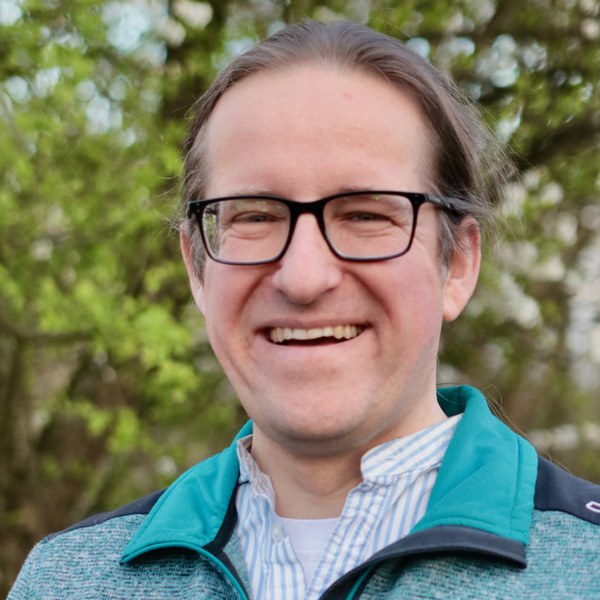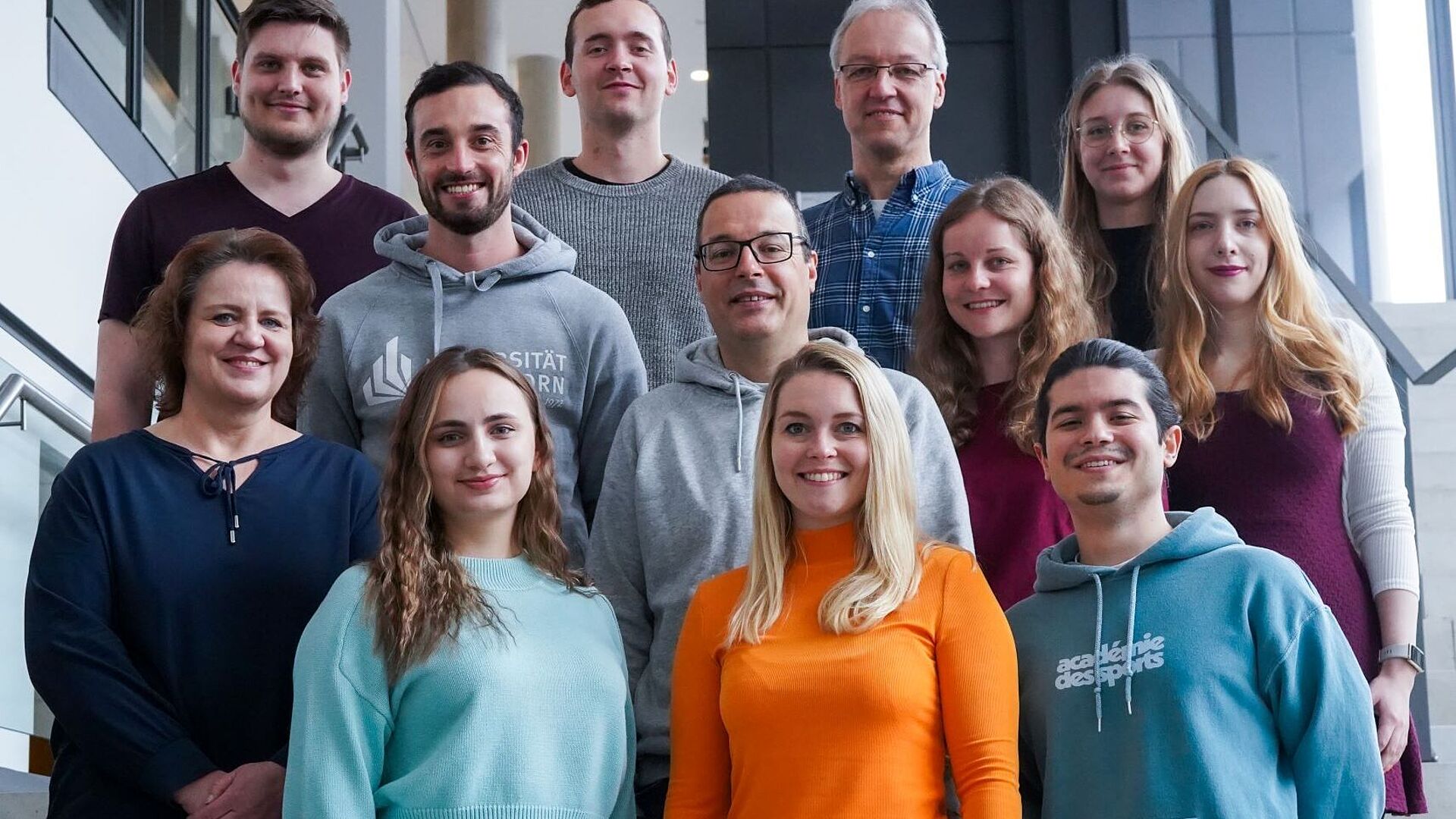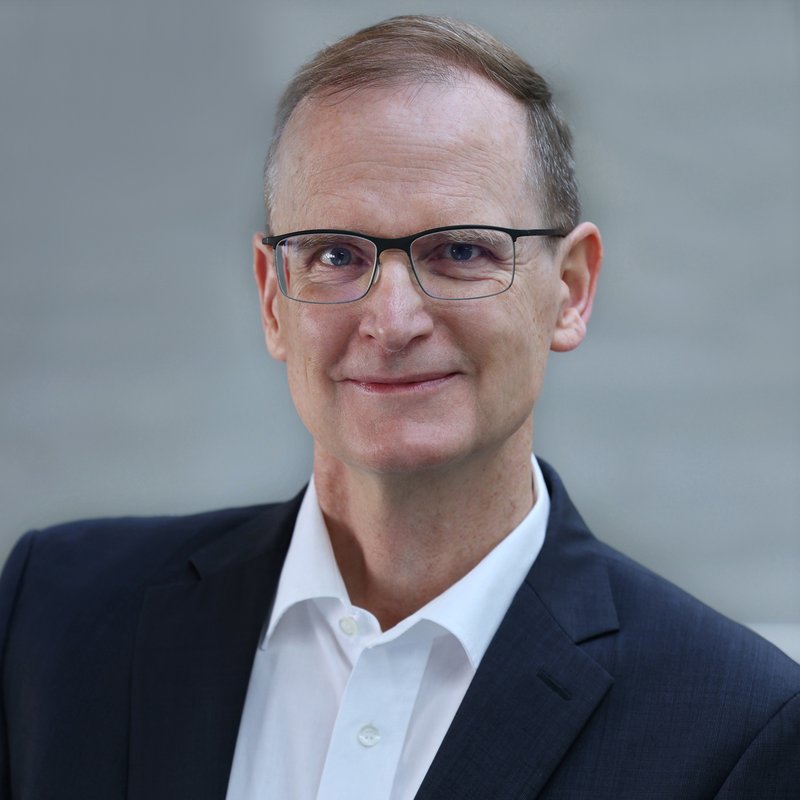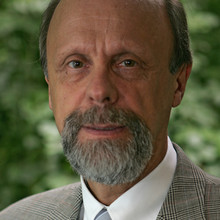
Joachim Mester is a full Professor at the German Sport University Cologne, affiliated with the German Research Center for Competitive Sports and the Department of Performance Physiology. His research is centered on athletic training, exercise physiology, and biomechanics, with a strong focus on elite athlete performance, metabolic profiling, and training load monitoring. Institution: German Sport University Cologne School: The German Research Center for Competitive Sports Department: Department of Performance Physiology Academic Rank: Professor Email: master@dshs-koeln.de His research interests include exercise physiology, strength and conditioning, youth athlete development, and the application of machine learning in sports science. He has led numerous research projects on elite athletes across various sports, including soccer, gymnastics, triathlon, and hockey, as well as occupational fitness studies for police personnel. The recent publications highlight a strong trend in integrating conventional physiological assessments with advanced data analytics and machine learning to profile elite youth athletes, particularly in soccer. Other key research areas include hypoxia-induced physiological responses, angiogenic biomarker regulation, and physical fitness differences related to body height in occupational settings like police service. While no specific scientific awards are listed in the provided text, his extensive publication record and leadership in funded research projects underscore significant scholarly contributions. Professor Mester supervises and collaborates with a wide network of researchers, including Patrick Wahl, Michael Behringer, and Markus de Marées. He has been involved in both self-funded and externally funded research initiatives, such as studies on training intensity in triathletes and recovery management in elite hockey players using cold water immersion. He is actively involved in research labs and teams focused on performance physiology and sports informatics, contributing to both fundamental and applied research in competitive sports. His work bridges laboratory findings with real-world athletic and occupational performance enhancement.