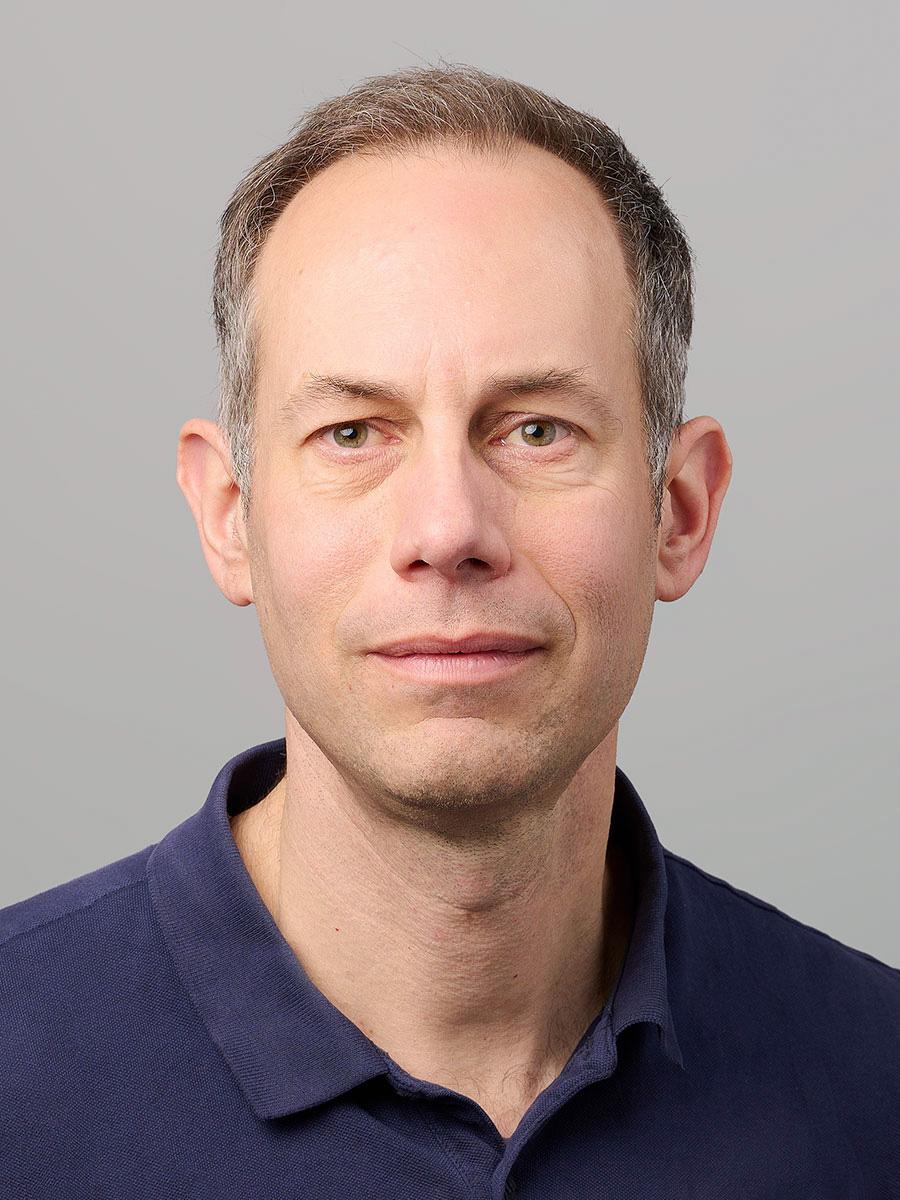
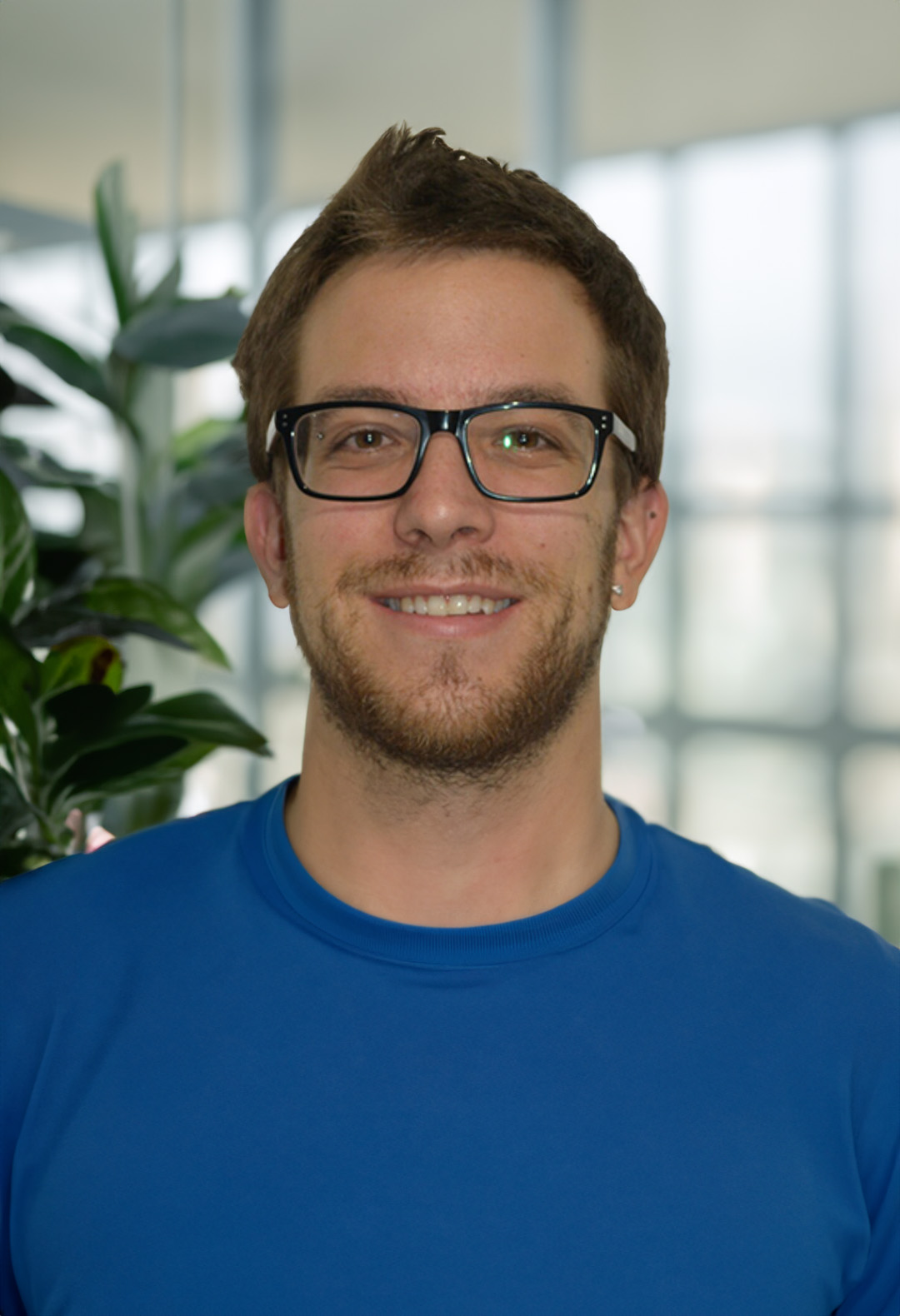
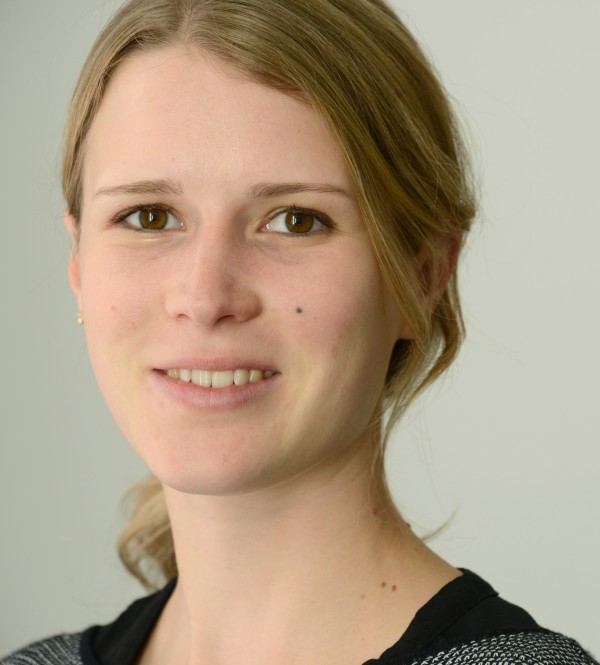
Peter Schwendner is a Professor at the School of Management and Law , Zurich University of Applied Sciences . His work bridges finance, machine learning, and sustainable investing, with a focus on robust portfolio construction and risk management. Role: Head, Institute of Wealth & Asset Management Location: Winterthur, Switzerland Research Interests include: Explainable Machine Learning Portfolio Optimization Correlation Regimes Quantitative Finance Digital Assets Sustainable Finance Recent Article Trends highlight synthetic correlation matrix generation, biodiversity risk assessment, and blockchain applications. His work frequently integrates GPU computing, Monte Carlo simulation, and network analysis to enhance financial modeling. Labs & Teams : He leads the Institute of Wealth & Asset Management and collaborates with institutions like Munich Reinsurance Company and European Stability Mechanism on financial risk frameworks.
Renato Renner is a Full Professor of Theoretical Physics and Head of the Institute for Theoretical Physics at ETH Zürich. He specializes in Quantum Information Science, Quantum Thermodynamics, and the Foundations of Quantum Physics. Born in Lucerne, he earned his physics degrees from EPF Lausanne and ETH Zurich, with a PhD focused on quantum cryptography. After postdoctoral work at the University of Cambridge, he joined ETH Zurich in 2007, progressing through academic ranks to Full Professor by 2015. His research group, the Research Group for Quantum Information Theory, explores cutting-edge topics like quantum key distribution, device-independent protocols, and the thermodynamic limits of quantum processes. His work bridges theoretical physics and applied cryptography, with contributions to quantum security, entropy accumulation, and foundational questions in quantum mechanics. Notable projects include the Space QUEST mission proposal to test quantum decoherence due to gravity and the development of rigorous security frameworks for quantum communication. Renner’s publications span foundational quantum theory, cryptographic protocols, and interdisciplinary applications of quantum information principles.
Dr. Yanwen Li is a Researcher affiliated with the Professorship for Food and Soft Materials Science at ETH Zürich's Institute of Food, Nutrition and Health. Her work focuses on advanced materials science, particularly magnetic fluids and their applications in damping, sealing, and energy harvesting systems. She explores bioinspired designs, smart materials, and multiphase fluid dynamics, with notable contributions to magnetic fluid shock absorbers and triboelectric nanogenerators. Her research bridges mechanical engineering, computational modeling, and industrial applications. Key research areas include magnetic fluid behavior under varying conditions, optimization of sealing systems, and development of adaptive damping technologies. She has pioneered lattice Boltzmann models for high-viscosity fluid flows and investigated bioinspired hexagonal structures for enhanced damping efficiency. Her work frequently integrates machine learning approaches, such as physics-informed neural networks for hydrodynamic lubrication analysis. Publications span 2018–2024, emphasizing energy conversion, vibration control, and material characterization. Notable trends include exploration of biomimetic principles, improvement of sealing technologies, and application of magnetic fluids in automotive and industrial systems. No scientific awards or student advisement records are explicitly mentioned in the provided data. Her contributions highlight interdisciplinary innovation in soft materials science and mechanical systems.
Amirreza Razmjoo Fard is a PhD student and Researcher at École Polytechnique Fédérale de Lausanne (EPFL), affiliated with the School of Engineering (STI) and the Robot Learning and Interaction (RLI) Group at the Idiap Research Institute. Supervised by Dr. Sylvain Calinon, he focuses on developing adaptive, efficient, and intelligent robotic control methods for contact-rich environments and constrained scenarios. Research Areas: Generative AI (diffusion models, flow matching), Model composition (product of experts), System dynamics, Control theory, Physics-based simulation (Isaac Sim) Key Goals: Bridging theory and real-world applications, enhancing robot autonomy, interaction, and physical intelligence His work spans publications at top robotics conferences like IROS, CoRL, RSS, and ICRA, with a Best Paper Finalist recognition at RSS 2024. Notable methods include CCDP for diffusion policy composition, CDF for differentiable robot geometry, and D-LGP for hybrid planning. He has also collaborated with Honda Research Institute Europe during a six-month internship.
Philipp Schütz is a Professor at the Lucerne School of Engineering and Architecture (HSLU), part of the Lucerne University of Applied Sciences and Arts. He holds dual appointments in the Institute of Mechanical Engineering and Energy Technology (IME) where he leads the CC Thermal Energy Storage research group, and the Institute of Natural and Social Sciences (ING). His office is located in Room E300/E311 at Technikumstrasse 21, 6048 Horw, Switzerland. Dr. Schütz earned his Physics degree from ETH Zürich with specialization in theoretical physics and optics. He completed his PhD in 2009 at the University of Zürich's Biochemical Institute, focusing on computer-aided modeling of spectroscopy experiments and pattern recognition in biochemical networks. From 2010-2014, he worked as a researcher at Empa in Dübendorf developing non-destructive testing methods before joining HSLU in September 2014 as a Physics lecturer. He completed a Certificate of Advanced Studies in Higher Education Didactics in 2015 and the 'Exzellenz in der Lehre' program in 2019. Professor Schütz's research spans Non-destructive Testing with emphasis on X-ray computed tomography , Energy System Modeling , and Computational Physics . His work on phase change materials and thermal energy storage has led to significant advancements in understanding calcium chloride hexahydrate solidification and salt hydrate behavior. He combines experimental work with sophisticated computational modeling, including Monte Carlo simulations and high-performance computing approaches. His expertise in algorithm development for large image datasets has applications across energy systems, materials science, and archaeological conservation. His publication record shows a clear evolution from fundamental physics toward applied engineering solutions, with recent work (2023-2025) increasingly focused on practical thermal energy storage applications for residential and district heating systems. The integration of X-ray computed tomography with energy system modeling represents his unique interdisciplinary approach. Professor Schütz actively leads numerous research initiatives including SWEET PATHFNDR, SWEET DeCarbCH TES, WindCoEconomy, and INTERSTORES. He teaches Mathematics & Physics for Engineering students and Time Series Analysis in the Master of Science in Applied Information and Data Science program. His research group operates advanced X-ray computed tomography facilities for studying material properties, energy storage systems, and conservation methods for archaeological materials, bridging theoretical physics with practical engineering applications in the energy sector.
Moreno Colombo is a postdoctoral researcher and doctoral assistant at the Department of Computer Science, University of Fribourg, affiliated with the Human-IST Institute. He holds a PhD in Phenotropic Interaction and is actively engaged in research and teaching within the Faculty of Mathematics, Natural Sciences and Medicine. His work bridges human-centered computing, smart cities, and sustainable technology design. His research interests focus on making human-technology interaction more natural and personalized. Key areas include Human-Computer Interaction (HCI), Human-Building Interaction, Smart Cities, Sustainability, Green Mobility, and the application of machine learning and fuzzy logic in perceptual computing. He specializes in Computing with Words and Phenotropic Interaction, aiming to reduce protocol dependency in interfaces. His recent publications (2020–2024) demonstrate a consistent focus on human-centered smart environments, including lighting systems, urban perception mapping, citizen engagement in smart cities, and semantic modeling for natural language understanding. These works reflect interdisciplinary collaboration and a strong commitment to user experience and environmental sustainability. PhD in Phenotropic Interaction, University of Fribourg He has supervised numerous Bachelor’s and Master’s theses on topics such as mobility visualization, smart city applications, and human-building interfaces. While no scientific awards are listed, his active publication record and involvement in international conferences indicate strong recognition in the research community. Moreno Colombo leads and contributes to projects involving crowdsourcing, machine learning, and fuzzy systems, often in collaboration with researchers across disciplines. His labs and research teams include the Human-IST Institute and collaborations within the Energy Informatics and Engineering departments.
Marcel Sébastien is a current researcher at the LIDIAP laboratory within the School of Engineering (STI) at EPFL. His work focuses on biometric systems, information forensics, and security applications. With over 200 scholarly works since 2000, he has contributed to journals like IEEE Transactions on Information Forensics and Security and conferences such as the International Conference on Biometrics. His research emphasizes secure biometric authentication, signal processing for fraud detection, and privacy-preserving technologies. Key areas of expertise include multi-modal biometric fusion, deep learning for template protection, and forensic analysis of biometric data. He has collaborated extensively with institutions like IEL, LTS5, and EDEE at EPFL. Despite no explicit mention of awards, his prolific publication record indicates significant contributions to the field. No formal student advisees or grants are listed in the provided text, though his involvement with LIDIAP suggests leadership in research teams focused on applied computer science and security.
Andreas Kunz is a Lecturer at the Department of Mechanical and Process Engineering, ETH Zurich, where he leads the Innovation Center for Virtual Reality (ICVR). His research focuses on developing user-oriented virtual and mixed reality systems tailored for industrial applications across product development processes and digital factories. Current Affiliation: ETH Zurich, Institute for Machine Tools Research Themes: Virtual Reality, Mixed Reality, Human-Computer Interaction, Digital Twin Systems Since joining ETH Zurich in 1994 and completing his habilitation in 2004 on "Interaction with the digital product model in virtual space," Kunz has pioneered VR systems for visualization, collaboration, and haptic interfaces in industrial contexts. His work combines academic research with practical implementation through industry collaborations. Recent research trends show increasing focus on real-world VR applications including: Multiuser redirected walking algorithms Attention guidance systems Industrial MTM motion transcription Smartphone-MR device integration Eye tracking for cognitive analysis Haptic interfaces for control panels The ICVR group under Kunz's leadership maintains strong industry partnerships while producing significant publications in IEEE VR, ISMAR, and ACM VRST conferences. Their work bridges theoretical VR research with practical implementations in manufacturing, assembly, and safety-critical environments.
Volker Roth is a Professor at the Department of Mathematics and Computer Science, University of Basel, Switzerland. He earned his PhD in Computer Science from the University of Bonn in 2001 and held a postdoctoral position at ETH Zurich before joining the University of Basel in 2007. His research focuses on the intersection of machine learning, statistical modeling, and biomedical applications, bridging theoretical and applied domains in data analysis. PhD in Computer Science, University of Bonn, 2001 Postdoctoral studies at ETH Zurich His work emphasizes the application of advanced statistical techniques to solve complex problems in biomedical data analysis, leveraging machine learning frameworks to extract meaningful insights from high-dimensional datasets.
David Richard Harvey is a Lecturer and Scientist at École Polytechnique Fédérale de Lausanne (EPFL), affiliated with the School of Basic Sciences and the Institute of Physics (IPHYS) Laboratory of Astrophysics (LASTRO). He works on observational and theoretical astrophysics, focusing on dark matter properties and gravitational lensing. PhD in Astrophysics from University of Edinburgh (2014) BSc in Physics and Astrophysics from University of Sheffield Harvey's research spans dark matter dynamics, galaxy clusters, and gravitational lensing. He has pioneered weak lensing pipelines and explored non-gravitational dark matter interactions. His work bridges theoretical frameworks with observational data from colliding galaxy clusters. His publications from 2013-2016 reveal expertise in dark matter self-interaction cross-sections, citizen science applications, and systematic error analysis in lensing studies. These articles intersect astrophysics, cosmology, and computational methodology. Scientific Recognition: Runner-up, Best UK Astronomy/Astrophysics Thesis Award (2014) First-author Science publication (2015) on non-gravitational dark matter interactions Harvey has supervised three student projects, including two Masters and a PhD, and developed a successful scientific presentation course for EPFL students. He collaborates with EPFL professors like Dr. Frederic Courbin and Dr. Jean-Paul Kneib.
Öykü Işık is a Professor at IMD Business School, where she leads research at the intersection of technology, business, and societal impact. Her work addresses critical challenges in digital transformation with direct implications for industrial sectors and human well-being. Her research spans three core domains: Digital Health and Mental Health, focusing on eliminating bias through improved healthcare data representation Circular Economy systems, particularly security vulnerabilities in second-hand electronic device ecosystems Ethical AI governance, advocating for technical experts' inclusion in ethics policymaking Publication trends reveal a strategic progression from foundational AI ethics (2023) to circular economy applications (2024) and digital health innovation (2025). Cross-cutting themes include data sovereignty, algorithmic accountability, and human-centered technology design, demonstrating her commitment to responsible innovation that prioritizes equity and sustainability.
Melissa Leonie Newham is a postdoctoral researcher and lecturer at the Department of Management, Technology, and Economics at ETH Zurich. She holds a PhD in Economics from KU Leuven and DIW Berlin (2021) and has held academic roles at institutions including Yale University, University of Virginia, and University of Johannesburg. PhD Economics, KU Leuven University and DIW Berlin (2021) MSc Economics, University of Amsterdam (2014) Her research spans applied microeconomics, industrial organization, antitrust, and innovation, with a focus on pharmaceutical market dynamics and health policy. She also explores environmental economics, machine learning applications, and corporate strategies affecting competition. Recent publications analyze physician payment effects on drug costs (2024), pharmaceutical common ownership networks (2021–2024), and antitrust implications of tech monopolies. Awards include the 2023 NOeG Young Economists' Award for her work on healthcare economics. NOeG Young Economists' Award (2023) Her work bridges empirical analysis with policy evaluation, supported by collaborations across institutions like DIW Berlin, Yale University, and the Swiss Federal Office for the Environment.
Jason Armitage is a Researcher in the Department of Computational Linguistics at the University of Zurich, specializing in multimodal machine learning and embodied AI within the Language, Technology, and Accessibility team. His work bridges virtual environments, accessibility technologies, and cross-modal reasoning. His academic background includes: Cognition and Computation from University of London, Birkbeck Data Science from University of Stirling Machine Learning studies at UC San Diego Armitage's research centers on aligning visual and linguistic inputs for embodied AI systems, with current projects enhancing scientific data accessibility through cross-modal formats and applying nonlinear time series modeling to 3D scene editing. His methodology integrates multimodal fusion techniques with embodied cognition principles to develop more intuitive human-AI interactions. Publications from 2020-2025 reveal consistent advancement in multimodal learning frameworks, particularly in vision-language navigation systems and multilingual multimodal benchmarks. Key innovations include trajectory planning algorithms using feature-location cues and novel architectures for multitask learning across diverse language-modalities. Professional experience spans research at the University of Bonn and industry roles at BBC and Disney, where he developed digital video services, games, and mobile applications. He actively contributes to the Language, Technology, and Accessibility team's mission of creating inclusive technological solutions through computational linguistics.
Reto Gubelmann is a postdoctoral researcher at the Text Technologies department within the University of Zurich's Digital Society Initiative (DSI). His work bridges computational linguistics , legal informatics , and philosophical analysis , focusing on large language models (LLMs) in normative contexts. His research explores pragmatic reasoning , argumentation theory , and the philosophical limitations of LLMs , particularly in understanding legal and ethical frameworks. Recent publications analyze LLMs' handling of negation , speech acts , and natural language inference through empirical and theoretical lenses. Key trends in his work include the dialectical shift in computational argumentation , symbol grounding in AI, and the epistemological foundations of neural language models . His interdisciplinary approach connects machine learning with philosophy of language and legal reasoning .
Prof. Dr. Alex Hajnal is a Full Professor at the Department of Molecular Life Sciences, University of Zurich. His research focuses on intercellular signaling mechanisms in Caenorhabditis elegans , particularly the roles of EGFR/RAS/MAPK, Notch, and Wnt pathways in cell fate determination, proliferation, and invasion. He also investigates applications in mammalian cell models and microfluidics-based screening strategies. Education: Ph.D. (1993) and M.Sc. (1989) from University of Zurich Postdoctoral work: Stanford University (1993-1997) His research spans developmental biology, cancer biology, and systems biology, with a strong emphasis on conserved molecular mechanisms relevant to human disease. Recent work highlights nutritional regulation via vitamin B12 and one-carbon metabolism in cell fate decisions. Scientific awards include the EMBO Young Investigator Award (2001) and Sassella Foundation Young Investigator Award (1998). He has secured grants like the Innosuisse Innovation Project (2024) for high-resolution C. elegans screening. PhD students: Ana Laranjeira, Svenia Heinze, Tea Kohlbrenner, Silvan Spiri, Evelyn Lattmann, Ting Deng Master’s projects: Apoptosis in germ cell development, machine learning for image analysis Labs and teams at University of Zurich employ advanced techniques such as microfluidics and in vivo imaging. Collaborations extend to human cell signaling studies and computational modeling of developmental processes.