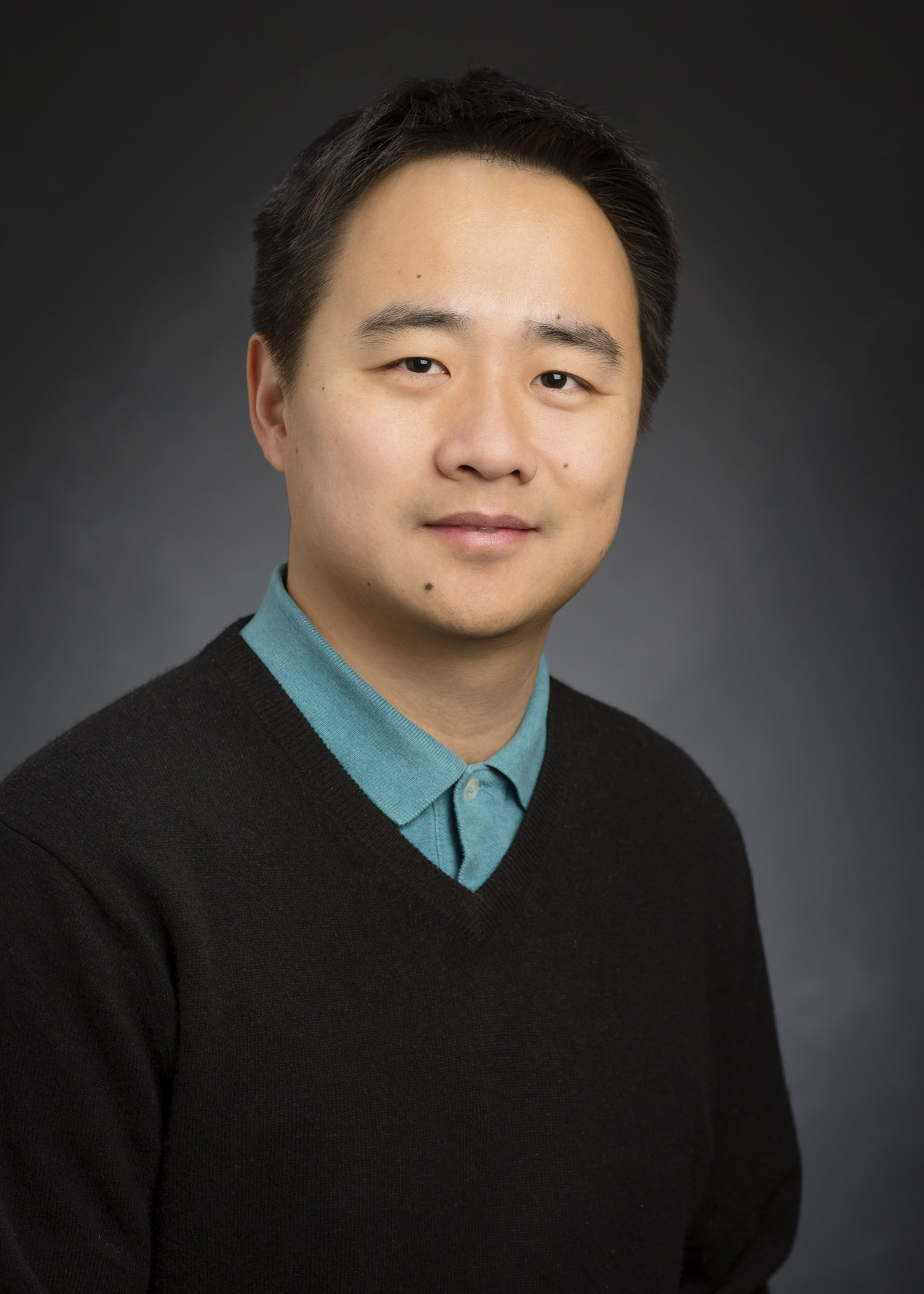
Lenwood S. Heath is a Professor in the Department of Computer Science at Virginia Tech's College of Engineering. He holds a Ph.D. in Computer Science from the University of North Carolina at Chapel Hill (1985), an M.S. in Mathematics from the University of Chicago (1976), and a B.S. in Mathematics from the University of North Carolina at Chapel Hill (1975). Before joining Virginia Tech in 1987, he was an Instructor of Applied Mathematics and member of the Laboratory of Computer Science at MIT. His research focuses on algorithms, theoretical computer science, computational biology, bioinformatics, computational genomics, complex networks, and computational epidemiology. He is a lifetime member of SIAM and a senior member of the IEEE. Heath is retiring in 2025 and currently does not accept new graduate students. His work spans computational methods for analyzing genomic data, including taxonomic classification, pathogen detection, and evolutionary genomics. Notable contributions include frameworks for genome-based taxonomy (e.g., LINgroups), metagenomic pipelines for antibiotic resistance genes (ARGem), and epidemic modeling using social contact networks. His publications address challenges in plant pathology, viral evolution (e.g., SARS-CoV-2 variants), and computational tools for microbial identification. Key research areas include alignment-free sequence analysis, genomic island detection, and phylogenetic reconstruction. He has developed tools like genomeRxiv for microbial genome databases and PEAK for gene regulatory network inference. His work emphasizes interdisciplinary applications of computational methods to biological and epidemiological problems.
Professor Alexander Breeze is a Chair in the School of Medicine at the University of Leeds, affiliated with the Multidisciplinary Cardiovascular Research Centre. His research focuses on structural biology, drug design, and molecular mechanisms of disease, particularly involving protein-protein interactions and NMR spectroscopy. Key areas include RAS oncogene inhibition, fibroblast growth factor receptors (FGFRs), and amyloid aggregation modulation. Education Background: Details of formal education not explicitly provided in the text, but extensive career history in structural biology and medicinal chemistry suggests advanced degrees in relevant fields. Research Interests: Professor Breeze’s work spans cardiovascular research, cancer biology, and infectious diseases. He develops novel therapeutics targeting oncogenic signaling pathways (e.g., RAS, FGFR) and investigates mechanisms of protein misfolding in amyloid diseases. His lab employs fragment-based drug design, NMR spectroscopy, and computational methods to study protein dynamics and drug interactions. Publications Overview: His recent work highlights advancements in small-molecule inhibitors for RAS proteins, CRACR2A genetic associations with COVID-19 severity, and modulation of amyloid aggregation pathways. Research trends emphasize translational applications, bridging basic science and clinical targets like cancer and neurodegenerative diseases. Awards & Recognition: No specific awards mentioned in the provided text, though his sustained high-impact publications suggest recognition in the field. Grants & Advising: Leadership in multidisciplinary cardiovascular research and training of early-career researchers through collaborative projects. No explicit grant details provided in this dataset. Labs & Teams: Active in the Multidisciplinary Cardiovascular Research Centre, fostering cross-departmental collaborations in cardiovascular and structural biology research.
Dr. Ram Bajpai is a Lecturer in Epidemiology/Applied Statistics at Keele University's School of Medicine. He joined in 2019 as part of the Research Institute for Primary Care and Health Sciences, combining active research and teaching roles. Previously, he worked at the Lee Kong Chian School of Medicine (Nanyang Technological University, Singapore) and the Army College of Medical Sciences (India). Education: BSc in Statistics/Mathematics (University of Lucknow), MSc Health Statistics (Banaras Hindu University), PhD in Medical Statistics (Guru Gobind Singh Indraprastha University). Research focuses on cross-domain applications of statistical/epidemiological methods, including survival analysis, Bayesian methods, risk prediction modelling, and evidence synthesis. Teaching experience includes biostatistics modules for medical students at multiple institutions. Current research interests span prognostic studies, meta-analysis, complex data analysis, and design of epidemiological studies. Key contributions include systematic reviews on gout prophylaxis safety, dementia prognostic factors, and long-term outcomes of pediatric COVID-19. Active in collaborative projects on aging populations, musculoskeletal health, and public health interventions.
Paul Tupper is a Professor in the Department of Mathematics at Simon Fraser University (SFU), part of the Faculty of Science. He holds a Ph.D. in Scientific Computing from Stanford University (2002). His research focuses on applied mathematics with emphasis on mathematical modeling in epidemiology, speech perception, neural networks, and computational linguistics. He teaches advanced courses in probability, numerical linear algebra, and calculus for social sciences. His work bridges theoretical mathematics and real-world applications, particularly in understanding complex systems like disease transmission dynamics and cognitive processes. Recent studies include modeling the transition of pandemics to endemic states, genomic analysis of viral spread, and audio-visual perception mechanisms in speech. He actively contributes to public health policy discussions through epidemic modeling research. Professor Tupper's research has been published in high-impact journals and conferences, with notable contributions to diversity metrics in biology and geometry, stochastic differential equations, and connectionist models of linguistic phenomena. His courses reflect interdisciplinary interests, integrating mathematical rigor with practical computational methods.
Assistant Professor Low Jun Siong is affiliated with the Department of Microbiology and Immunology at the National University of Singapore (NUS), under the Yong Loo Lin School of Medicine. His research focuses on understanding T and B cell biology in the context of infection, cancer, and autoimmunity. He collaborates with clinical partners to characterize immune cell responses in patient cohorts and explores strategies to manipulate these cells for therapeutic purposes. Key areas of interest include antigen specificity, immune cell dysfunction, and immune-based disease interventions. Education: Holds a BSc and PhD (specific disciplines unspecified). Affiliated with the Cancer Science Institute (CSI) and A*STAR Infectious Diseases Labs. His work spans translational immunology, virology, and cancer immunotherapy. Recent projects include studies on SARS-CoV-2 immune responses, tumor microenvironment interactions, and tropical sponge microbiome evolution. He employs high-throughput approaches and machine learning for immune profiling. Research highlights include: Characterizing T/B cell responses against pathogens and cancers Engineering immune cells for enhanced functionality Investigating antibody mechanisms against coronaviruses Dissecting metabolic influences on T cell efficacy in tumors Exploring symbiotic microbiome evolution in marine environments No specific grants or advising roles are detailed in the provided text. He contributes to collaborative initiatives like the Department Safety and Health Programme (DSHP) and the Department Microbial Culture Collection (DMCC).
Daniela Calvetti is the James Wood Williamson Professor in the Department of Mathematics, Applied Mathematics, and Statistics at Case Western Reserve University. Her research focuses on large-scale scientific computing, computational inverse problems, uncertainty quantification, and predictive modeling in neuroscience, metabolism, and cellular physiology. She holds a PhD from the University of North Carolina-Chapel Hill. Her work integrates advanced mathematical techniques with biomedical applications, including brain energy metabolism modeling, MEG/EEG source reconstruction, and computational methods for medical imaging. Notable contributions include Bayesian hierarchical algorithms for inverse problems and interdisciplinary collaborations bridging mathematics with neuroscience and physiology. Recent research highlights include developing sparsity-promoting Bayesian models for tomography, computational frameworks for neuromuscular control variability, and predictive models of disease dynamics like post-pandemic COVID-19 recurrence. Her methodologies emphasize statistically inspired preconditioning and adaptive meshing techniques to enhance computational efficiency in solving complex inverse problems. Dr. Calvetti has published extensively across computational science, inverse problems, and biomedical applications. She leads a research group advancing interdisciplinary computational methods with applications in neuroscience, virology, and metabolic systems.
Surl-Hee Ahn is an Assistant Professor in the Department of Chemical Engineering at the University of California, Davis. Her research focuses on using molecular dynamics (MD) simulations and enhanced sampling methods like the weighted ensemble (WE) to study biological systems, including proteins, nanocrystals, and drug discovery for tuberculosis and other diseases. She leads the Ahn Lab, which develops cutting-edge computational tools, such as ParGaMD and DeepWEST, to advance kinetic and thermodynamic sampling in simulations. Education: Ph.D. in Chemistry (Chemical Physics), Stanford University M.S. in Chemistry, University of Pennsylvania M.A. in Mathematics, University of Pennsylvania B.A. in Biochemistry and Mathematics, University of Pennsylvania (Magna Cum Laude, Vagelos Scholar) Research Interests: Molecular dynamics simulations, enhanced sampling methods, computational drug discovery, vaccine design, protein interactions, and nanomaterial dynamics. Her work bridges computational biology, materials science, and pharmacology, with applications to infectious diseases and neurodegenerative disorders. Awards and Recognition: 2020 ACM Gordon Bell Prize Winner (SC20) for SARS-CoV-2 spike dynamics simulations 2021 Chancellor’s Outstanding Postdoctoral Scholar Award Finalist MIT Rising Stars in Mechanical Engineering (2018) ACS PHYS Division Young Investigator Award (2021) Grants & Collaborations: Her research is supported by grants from SC20/SC21 and leverages high-performance computing for multiscale modeling. She collaborates on projects like #COVIDisAirborne, combining AI with computational microscopy. Labs & Teams: The Ahn Lab at UC Davis emphasizes interdisciplinary training in computational methods and their application to real-world biomedical challenges.
Michael Daniele is an Associate Professor at North Carolina State University, jointly appointed in the Department of Electrical & Computer Engineering and the Joint Department of Biomedical Engineering . His research focuses on bioelectronics engineering, particularly in developing microsystems for monitoring, mimicking, and augmenting biological functions. He leads the @BiointerfaceLab , exploring wearable/implantable biosensors, microphysiological systems, and process analytical technologies for biomanufacturing. Education : Ph.D. in Materials Science & Engineering (Clemson University, 2012) Bachelor's in Materials Science & Engineering (Rutgers University, 2009) Research Highlights : Developing "injury-on-a-chip" models for coagulation studies Pioneering hydrogel microneedles for diagnostic devices Advancing light-controlled peptide ligands for protein purification Collaborating with Novartis on viral vector manufacturing Award Recognition : 2024 William F. Lane Outstanding Teaching Award 2019 NSF CAREER Award 2022 University Faculty Scholar Grants & Initiatives : Co-leader of the NC-Viral Vector Initiative (2023–present) NSF-funded projects in biosensor integration and biomanufacturing His work bridges engineering and medicine, with applications in gene therapy, wearable diagnostics, and precision agriculture.
John T. McDevitt is a Professor and Chair of the Department of Biomaterials and Biomimetics at the New York University College of Dentistry , with affiliations in the Department of Chemistry. His research spans bioengineering, materials science, and diagnostics, focusing on microfluidics and AI-driven clinical tools. Education: B.S. in Chemistry and Sensors & Devices, California Polytechnic State University Ph.D. in Physical and Materials Chemistry, Stanford University Postdoctoral Research in Analytical Materials, University of North Carolina at Chapel Hill Research interests include biomaterials, diagnostics, and AI applications in clinical settings. His recent work involves point-of-care testing for SARS-CoV-2, oral disease risk stratification, and smart diagnostic systems. Scientific awards include the Brown-Weiss Professor of Bioengineering and Chemistry title during his tenure at Rice University. External roles : Director, Cardiac Sense Initiative (since 2016) Chief Scientific Officer and Founder, SendoDx, LLC (since 2014) Former Chief Technology Consultant, LabNow Inc. (2004–2008) Former Consultant, Labnetics (1999–2002)
Tom Wenseleers is a Professor at KU Leuven's Department of Biology within the Faculty of Science, where he leads the Laboratory of Socioecology and Social Evolution. His research spans theoretical and experimental approaches to evolutionary biology, with particular focus on social insect systems. Research spans social insects (ants, bees, wasps), microbes, viruses, and human systems Primary model organisms: social insects studying major evolutionary transitions Current projects examine caste determination, chemical communication, and evolutionary conflicts His research integrates theoretical modeling with experimental, behavioral, and comparative studies. Recent work combines genomic techniques and high-throughput GC/MS analysis to decipher chemical communication systems. Current trends show increasing interdisciplinary work spanning virology (SARS-CoV-2 variants), microbial ecology (antibiotic resistance), and robotics (pollinator behavior monitoring). The research demonstrates consistent application of evolutionary theory to diverse biological systems while maintaining social insects as the core model. Wenseleers actively mentors PhD students and postdocs, with recent graduates including Kamiel Debeuckelaere and Viviana Di Pietro. His lab receives substantial funding through multiple concurrent research projects, including Promotor roles on grants examining caste development in bee societies and microbial metabolite screening. The laboratory maintains strong international collaborations across Europe and South America. The lab operates within the Ecology, Evolution and Biodiversity Conservation unit at KU Leuven, with physical location at Naamsestraat 59, box 2466, 3000 Leuven. The research group maintains active outreach programs including science workshops for schools and public engagement events focused on insect conservation.
Jens Carlsson is a Professor at Uppsala University, affiliated with the Department of Cell and Molecular Biology and the Science for Life Laboratory (SciLifeLab) . His research focuses on computational biochemistry , particularly G protein-coupled receptors (GPCRs) , using physics-based modeling to advance structure-based drug design . Academic rank: Full Professor (since 2022) Key methodologies: Molecular dynamics simulations, docking, free energy calculations Research themes: GPCR ligand interactions, virtual chemical space screening, allosteric modulators Recent work (2025) highlights AI-driven discovery of brain disease therapeutics and DNA repair inhibitors , while 2024 projects explore AlphaFold applications in TAAR1 agonist design . His group has received Swedish Research Council grants (3.6M SEK, 6M SEK) and industry collaborations . Scientific awards include the Göran Gustafsson Prize (2016), Excellence Prize in Molecular Design (2022), and Ingvar Carlsson Award (2012). Key students include PhD candidates Mariama Jaiteh and Pierre Matricon , with postdocs like Nicolas Panel and Duy Duc Vo .
Young-Hee Lee is a Ph.D. candidate and Lecturer at the Technical University of Munich (TUM), affiliated with the TUM School of Engineering and Design and the Institute for Communications and Navigation. Her research focuses on proteomics, with emphasis on protein citrullination dynamics, phosphoproteomics in cancer diagnostics, and advanced mass spectrometry techniques. Her recent work includes the development of high-throughput proteomic workflows for ischemic stroke biomarker discovery and the application of deep learning to enhance citrullination identification. She contributes to methodological innovations in peptide extraction and single-cell proteomics sensitivity. Lee is part of the Chair of Communication and Navigation led by Prof. Christoph Günther, located at Theresienstraße 90, Munich. Her research bridges computational biology and biochemical analysis, with applications in cancer, neuroscience, and viral proteomics.
Attila Gursoy is a Professor at the Department of Computer Engineering, College of Engineering, Koç University. He serves as the Dean of the College of Engineering and leads research in computational biology, bioinformatics, and high-performance computing. Education : PhD in Computer Science from University of Illinois (1994), MSc from Bilkent University (1988), BSc from Middle East Technical University (1986) His research focuses on protein-protein interactions , computational structural biology , and systems pharmacology , with applications in drug repurposing and inflammatory disease mechanisms . He has pioneered structural analysis of Ras signaling and developed tools like COSBI for computational systems biology. Recent publications highlight his work on viral protein mimicry , neurodegenerative pathways , and microbiome dynamics . His team maintains datasets like PPInterface and DiPPI for structural drug discovery. 2005 : Werner-von-Siemens Excellence Award
George M. Church is a Professor of Genetics at Harvard Medical School and affiliated with MIT, where he directs PersonalGenomes.org, providing open-access genomic, environmental and trait data. His laboratory focuses on transformative technologies for reading and writing 3D/4D biological structures with attention to ethics, safety, and equitable access. Church has co-initiated major scientific initiatives including the BRAIN Initiative (2011) and multiple Genome Projects (GP-Read-1984, GP-Write-2016, PGP-2005). Church's research spans multiple cutting-edge domains including genome engineering, synthetic biology, aging reversal, and space genetics. His lab pioneered foundational methods for direct genome sequencing, molecular multiplexing and barcoding in 1984, leading to the first genome sequence in 1994. His innovations contributed to nearly all next-generation DNA sequencing methods and companies. Current research directions include machine learning for protein engineering, tissue reprogramming, organoids, gene therapy, and in situ 3D DNA/RNA/protein imaging. His work bridges fundamental biology with therapeutic applications across diverse fields from Alzheimer's disease to de-extinction biology. Church's recent publications reveal a remarkable breadth of scientific inquiry, spanning from fundamental genome editing techniques to applications in aging research, neuroscience, and space biology. His work increasingly integrates artificial intelligence with biological systems, as seen in papers on machine-guided cell-fate engineering and automation of systematic reviews with large language models. His research maintains a strong translational focus, with numerous papers addressing therapeutic applications in cancer immunotherapy, gene therapy, and diagnostics. The consistent theme across his diverse publications is the development and application of transformative technologies to address fundamental biological questions and medical challenges. National Academy of Sciences (NAS) membership National Academy of Engineering (NAE) membership Franklin Bower Laureate for Achievement in Science Co-initiator of the BRAIN Initiative (2011) Director of multiple NIH Centers for Excellence in Genomic Science (2004-2020) Church directs numerous research centers including the NIH-CEGS, Personal Genome Project (PGP), Lipper Center for Computational Genetics, and Wyss Institute Synthetic Biology center. His laboratory has trained PhD students across multiple Harvard and MIT programs including Biophysics, BBS, Biomedical Informatics, ChemBio, Chemistry, SSQB, MCO, Virology, HST, EE/CS, Physics and Applied Math. His commercial impact is extensive through companies spanning medical diagnostics (Knome/PierianDx, Alacris, Nebula, Veritas) and synthetic biology/therapeutics (AbVitro/Juno, Gen9/enEvolv/Zymergen/Warpdrive/Gingko, Editas, Egenesis). Church also pioneered new privacy, biosafety, ELSI, environmental and biosecurity policies. The Church Lab operates across multiple research domains including molecular multiplexing, next-generation sequencing, nanopore technology, and genome engineering. The lab maintains strong connections with the Personal Genome Project, Wyss Institute, and multiple commercial ventures. Current research directions include the Spatial Atlas of Human Anatomy (SAHA), human skin rejuvenation via mRNA, and space genetics research through the Consortium for Space Genetics and BioAstra. The lab's mission focuses on transformative technologies for reading and writing 3D/4D structures at any scale, inspired by but not limited by biology.
Jian Peng is an Associate Professor and Willett Faculty Fellow at the University of Illinois at Urbana-Champaign with primary appointment in the Department of Computer Science and courtesy appointments in the College of Medicine. He holds affiliate positions at the Institute of Genomic Biology, Cancer Center at Illinois, and National Center for Supercomputing Applications. His research integrates computational biology and machine learning, focusing on functional genomics, cancer genomics, neurodegenerative diseases, deep learning architectures, and reinforcement learning applications in biological domains. His work bridges algorithmic development with real-world biomedical challenges. Analysis of recent publications (2020-2021) reveals strong emphasis on machine learning applications in drug design, protein engineering, and computational biology. Key technical themes include generative modeling for molecular structures, reinforcement learning advancements, causal inference frameworks, and novel computer vision approaches. The work demonstrates consistent interdisciplinary innovation across computational and biological domains. Major Scientific Awards: Donald Biggar Willett Faculty Fellow (2020) Overton Prize - ISCB (2020) Dean's Award for Excellence in Research (2020) C.W. Gear Junior Faculty Award (2019) NSF CAREER Award (2017-2022) Sloan Research Fellowship (2016) He leads significant research initiatives including co-directing the NSF AI Institute's Molecular Maker Lab and an ASAP collaborative grant for Parkinson's disease research. His students have secured faculty positions at leading institutions including Georgia Tech and University of Washington.