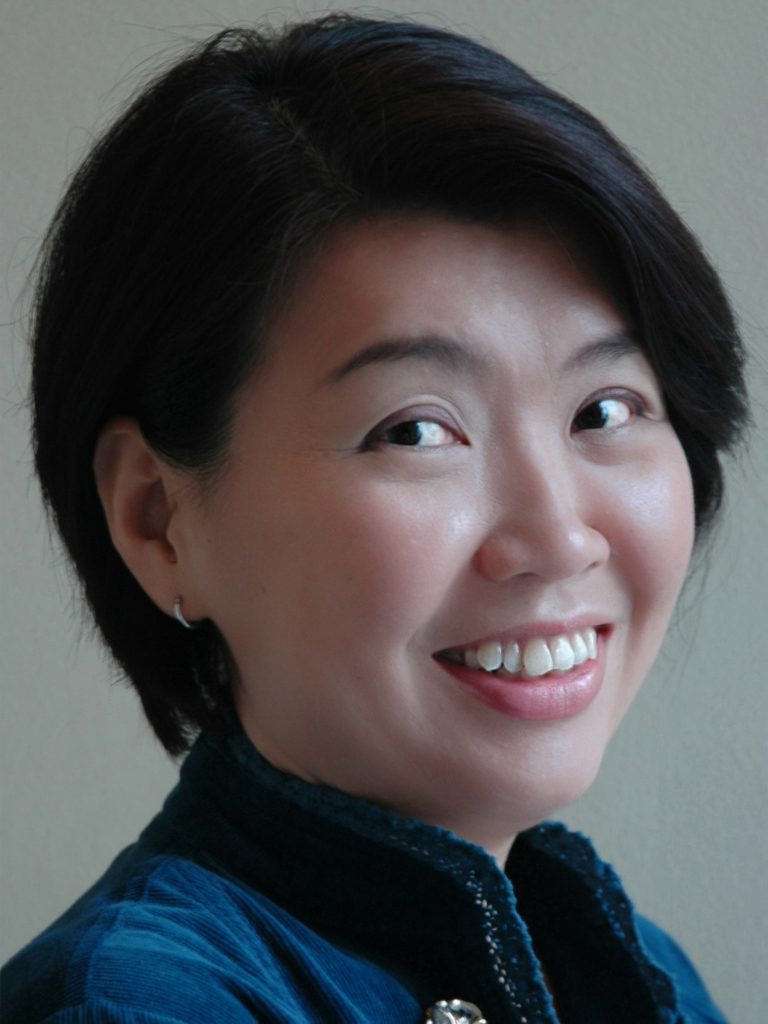
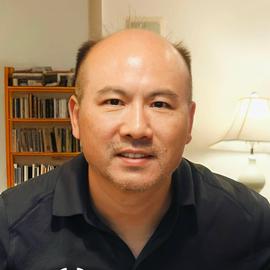
ONG Soh Khim is a Professor in the Department of Mechanical Engineering at the National University of Singapore (NUS) and a member of the NUS Graduate School. She is a Fellow of CIRP (International Academy for Production Engineering), the first Asian and fourth female Fellow globally. Her research focuses on augmented reality (AR) and digital twins in manufacturing, with applications in assistive technology and sustainable design. She has authored/co-edited 6 books, over 300 journal/conference papers, and holds an H-index of 66 (Google Scholar) and 52 (Scopus). She has held leadership roles, including serving as a Nominated Member of the Singapore Parliament (2005–2006) and on multiple NUS governance boards. Her honors include the Singapore Youth Award (2004), M. Eugene Merchant Award (2004), and the 2021 Long Service Medal. She advocates for gender diversity in STEM, leading initiatives like the Girls2Pioneers program. Her current roles include Senior Principal Investigator at NUS Research Institutes in Suzhou and Guangzhou, and Visiting Professorships at Chinese universities.
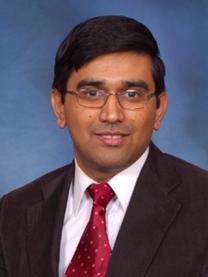
Dr. Manish Kumar is a Professor in the Department of Mechanical Engineering at the University of Cincinnati, leading the Cooperative Distributed Systems (CDS) Laboratory and the UAV MASTER Lab. He specializes in robotics, unmanned aerial systems (UAVs), and swarm systems, with a focus on decision-making, control in complex systems, and multi-sensor data fusion. His research has been supported by grants from the National Science Foundation, Department of Defense, and industry partners. Education: Ph.D. in Mechanical Engineering, Duke University (2004) M.S. in Mechanical Engineering, Duke University (2002) Research Interests: Dr. Kumar's work addresses challenges in autonomous systems, including UAV coordination, swarm robotics, and emergency response technologies. He integrates machine learning, control theory, and optimization to develop robust systems for applications such as wildfire management, telehealth, and industrial automation. Grants & Labs: Directed projects funded by federal agencies (NSF, DoD) and industry, totaling over $5M. Co-directs the Collaboratory for Medical Innovation and Implementation and the UAV MASTER Lab. Key Contributions: Pioneered algorithms for UAV path planning and swarm coordination. Developed PDE-based models for epidemic spread prediction and control.
Roles and Affiliations: Tien Foo Sing is the Provost's Chair Professor in the Department of Real Estate at the NUS Business School, National University of Singapore. He serves on the Management Board of the Institute of Real Estate and Urban Studies (IREUS) and was its former Director (2017–2022). He has held leadership roles including Head of the Department of Real Estate (2020–2022) and past President of the Asian Real Estate Society (AsRES). He is a CLC Fellow (2024–2026), Fellow of AsRES, and a Fellow of the Weimer School of Advanced Studies. He edits the International Real Estate Review and serves on editorial boards of journals like Real Estate Economics and Journal of Real Estate Finance and Economics. Education: PhD (Land Economy) and MPhil (Land Economy) from the University of Cambridge, UK; BSc (Estate Management) from NUS. Research Interests: Focuses on urban planning, real estate economics, housing markets, climate finance, transport economics, and environmental policy. His work bridges theory and policy, addressing issues like urban resilience, intergenerational mobility, and environmental externalities. Recent studies include impacts of sea level rise on housing prices, ESG-REIT linkages, and PropTech adoption. Awards: Recognized with the Outstanding Referee Award (2017) for Real Estate Economics, Fellowships from AsRES and the Weimer School, and book awards for his 'Kiasunomics' series. Professional Activities: Serves on government boards (e.g., Valuation Review Board, Singapore Chapter of APREA) and advises organizations like the PropTech Association of Singapore. His work influences policy on housing, transportation, and sustainable development. Labs/Teams: Leads research initiatives through IREUS and collaborates with institutions like the Sustainable & Green Finance Institute (SGFIN). His projects often involve large-scale data analysis (e.g., smart card transit data, housing transactions).
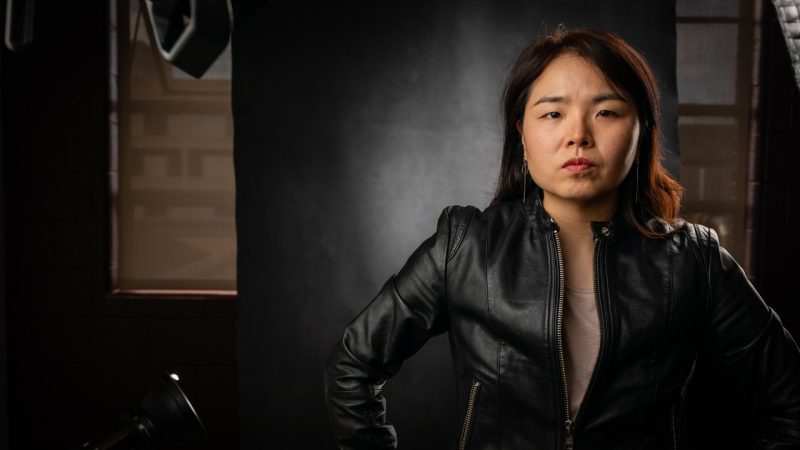
Eugenia Rho is an Assistant Professor in the Department of Computer Science at Virginia Polytechnic Institute and State University (Virginia Tech), part of the College of Engineering. Her research focuses on data analytics, machine learning, natural language processing, and human-computer interaction, with particular emphasis on social media discourse, online identity dynamics, and ethical AI applications. Education includes a Ph.D. in Information and Computer Sciences from the University of California, Irvine (2020), and a B.A. in Political Science from Columbia University (2011). Her interdisciplinary background bridges computer science and social sciences. Research interests span AI-assisted communication tools, counterspeech strategies for online hate mitigation, and neurodivergent perspectives in technology design. Her work often integrates computational methods with social science theories to address real-world challenges such as bias detection, mental health support, and ethical AI deployment. Recent publications highlight themes like AI collaboration in writing, identity-driven online interactions, and the efficacy of counterspeech. Her projects frequently involve designing human-centered technologies that prioritize accessibility and ethical considerations. No scientific awards are explicitly mentioned in the provided text. She maintains an active Google Scholar profile and a personal homepage (URLs not provided in the text).
Stelios Timotheou is an Associate Professor at the Department of Electrical and Computer Engineering and faculty member at the KIOS Research and Innovation Center of Excellence, University of Cyprus. He holds a Dipl-Ing from National Technical University of Athens, and MSc/PhD from Imperial College London. His research focuses on developing real-time distributed methodologies using mathematical optimization, machine learning, and computational intelligence to enhance efficiency in critical infrastructure systems. Research interests center on data-driven decision making for urban mobility management, traffic control systems, and energy optimization. Key areas include: Intelligent UAV-based sensing for traffic monitoring Cooperative control algorithms for multi-agent systems Optimization of renewable energy integration Robust infrastructure protection strategies Recent publications demonstrate strong focus on traffic state estimation (76%), energy system optimization (16%), and UAV applications (8%). Awarded the Cyprus Research Award (2017) and ERC Consolidator Grant for URANUS project. Secured multiple research grants focusing on real-time control systems.
Prof. Dr. Andrea Stocco is a Professor at the Technische Universität München (TUM), affiliated with the TUM School of Computation, Information and Technology. His research focuses on the intersection of software engineering and deep learning, particularly addressing the robustness and reliability of data-intensive systems. Key areas include autonomous vehicles, web application testing, and automated functional oracles for deep learning systems. He leads initiatives such as the Lehrstuhl für Software und Systems Engineering , collaborating on projects like CrESt and SUPPRA – Algorand Center of Excellence . Research interests encompass monitoring techniques for AI-driven systems, test suite maintainability, and scenario-based testing of cyber-physical systems (CPS). His work emphasizes practical applications, such as improving testing frameworks for evolving web applications and enhancing interoperability in autonomous driving systems (ADS). Recent efforts include leveraging large language models (LLMs) for secure code assessment and benchmarking generative AI for test input generation. No scientific awards are explicitly mentioned in the provided texts. His publications reflect a strong focus on testing methodologies, with over 40 articles since 2013, covering domains like web test automation, dependency-aware testing, and safety-critical failure prediction in autonomous systems. Advising and grants details are not detailed in the current data, but his lab contributes to TUM's broader efforts in software engineering and systems reliability.
Daniel Varro is a Professor affiliated with McGill University (Faculty of Engineering, School of Computer Science), with strong ties to Budapest University of Technology and Economics and Linköping University. He is a leading researcher in model-driven engineering, cyber-physical systems, and software engineering, actively contributing to top-tier conferences such as MODELS, ICSE, and ASE. His research focuses on model-based systems engineering (MBSE) , automated model generation , model transformations , and constraint-based consistency checking . Recently, his work has expanded into integrating large language models (LLMs) and machine learning into modeling workflows, including model querying, domain modeling, and bug detection. The recent publications reveal a strong trend toward AI-augmented modeling, logic-based solvers (e.g., Refinery), and safety assurance of autonomous systems (e.g., COLREGs compliance). His work bridges formal methods with practical software engineering challenges in industrial and safety-critical domains. Scientific Awards: No specific awards mentioned in the text. Advising and Grants: While no explicit list of students or grants is provided, his mentorship in the Doctoral Symposium and repeated leadership roles suggest active supervision and likely grant funding. He has led projects on automated model generation, model quality, and AI integration in modeling. Labs and Teams: Daniel Varro is associated with research groups focused on model-driven engineering and software evolution, likely leading or co-leading teams working on the VIATRA and Refinery frameworks for model transformation and solving.
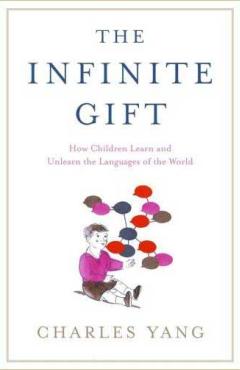
Charles Yang is a Professor of Linguistics and Computer Science at the University of Pennsylvania , where he also directs the Cognitive Science Program. His research integrates computational models with studies of language acquisition, processing, and evolution. Education: Ph.D. in Computer Science, MIT, 2000 Yang's work spans language acquisition , computational linguistics, and the evolution of cognition. He has authored The Price of Linguistic Productivity (2016), which received the Leonard Bloomfield Award from the LSA. Recent publications focus on large language models as cognitive models, the Chinese aspectual system , and statistical approaches to linguistic patterns. His 15 most recent articles (2025-2021) demonstrate a trajectory from computational models of language change to machine translation and multiword expression analysis . Yang has received significant funding from the National Science Foundation and the Guggenheim Foundation . He co-directs the Integrated Language Science and Technology group with John Trueswell and mentors students in linguistics, computer science, and psychology.
Benyuan Liu is a Professor at the Miner School of Computer and Information Sciences within the Kennedy College of Sciences at the University of Massachusetts Lowell . He serves as Director and Graduate Coordinator for Ph.D. programs, with expertise in Data and Computer Communication Networks, Mobile and Wireless Networks, and Internet Technologies & Applications. Education: B.S., University of Science and Technology of China M.S., Yale University Ph.D., University of Massachusetts Amherst His research focuses on Artificial Intelligence in Medical Imaging , Deep Learning for Endoscopy , and Edge Computing Systems . Recent work includes automated lesion detection, 3D reconstruction from sensor data, and predictive models for financial and reproductive health domains. The 15 most recent publications highlight applications of deep learning in medical diagnostics (thyroid nodules, gastric lesions, dental caries), computer vision (attention mechanisms, transformers), and financial technology (market psychology analysis). Technical themes include mmwave radar processing, diffusion models for synthetic data, and multi-scale feature extraction. Benyuan Liu leads the Computer Networking Lab and CHORDS initiative at UMass Center for Digital Health. His work bridges network optimization with healthcare AI , emphasizing real-time systems and portable diagnostics.
Pengtao Xie is an Associate Professor (with tenure as of June 2025) in the Department of Electrical and Computer Engineering at the University of California San Diego. He also serves as Associate Adjunct Professor in the Division of Biomedical Informatics, Department of Medicine, and holds affiliate appointments with the Halıcıoğlu Data Science Institute, School of Biological Sciences, Shu Chien-Gene Lay Department of Bioengineering, Skaggs School of Pharmacy and Pharmaceutical Sciences, and multiple research institutes including the AI Group, Center for Machine-Intelligence, Computing and Security, Institute of Engineering in Medicine, and Institute for Genomic Medicine. Education: PhD in Machine Learning, School of Computer Science, Carnegie Mellon University Research Interests: His research focuses on machine learning inspired by human learning skills, such as self-explanation, small-group learning, and learning by teaching. He applies these techniques to large language models, foundation models, healthcare, and biomedicine. His work spans generative AI, medical imaging, protein modeling, and drug discovery. Recent Research Trends: His 2024–2025 publications emphasize generative AI for ultra-low-data medical image segmentation, multimodal large language models for biomedical applications, protein function prediction, and novel training strategies like task-adaptive pretraining and bi-level optimization for model adaptation. Scientific Awards: NIH MIRA Award (2025) NSF CAREER Award (2024) Best Graduate Teacher Award – UCSD ECE (2023) ICLR Notable-Top-5% Paper (2023) Global Top-100 Chinese Young Scholars in AI (2022) UCSD Faculty Career Development Award (2022) Tencent Faculty Award (2021) Outstanding Reviewer – ICLR (2021) AMIA Doctoral Dissertation Award Finalist (2020) Amazon AWS Research Award (2020) Tencent AI-Lab Faculty Award (2020) Innovator Award – Pittsburgh Business Times (2018) Siebel Scholarship (2014) Advising and Grants: He currently advises PhD students, postdocs, and master’s students. He has received major grants including the NIH MIRA and NSF CAREER awards, and actively mentors Schmidt AI in Science postdocs and graduate students. Teaching and Labs: He teaches ECE285 Deep Generative Models and ECE175B Probabilistic Reasoning and Graphical Models . His lab focuses on foundational and translational AI research with applications in biomedicine and healthcare.
Virginia Smith is the Leonardo Associate Professor of Machine Learning at Carnegie Mellon University's School of Computer Science, with a courtesy appointment in the Electrical and Computer Engineering Department. She leads research addressing critical challenges in machine learning systems, particularly focusing on safety and efficiency. Her research interests span federated and collaborative learning, efficient training methods, data privacy, and AI safety. Recent work has explored topics such as model unlearning, LLM security, and resource-efficient distributed learning systems. She has made significant contributions to understanding how to make machine learning systems more robust, private, and efficient while maintaining performance. Professor Smith's publication record demonstrates a clear progression toward addressing practical challenges in deploying machine learning systems at scale. Her recent work shows strong emphasis on large language model safety, privacy-preserving techniques, and efficient distributed learning approaches. The research spans theoretical foundations to practical implementations, with numerous papers appearing in top-tier venues including NeurIPS, ICML, ICLR, and MLSys. AFOSR Young Investigator Award Sloan Research Fellowship 2023 Samsung AI Researcher of the Year Best Paper Award at ICML 2025 Exploration in AI Workshop Outstanding Paper Award at MLSys 2023 As an educator, Professor Smith mentors numerous PhD students and postdocs while teaching advanced machine learning courses at CMU. She serves as Program Chair for ICML 2025 and co-organizes a semester program on Federated and Collaborative Learning at the Simons Institute. Her research group maintains strong collaborations with industry partners including Amazon, where she has received research awards.
Tamara Munzner is a Professor of Computer Science at the University of British Columbia, with a confirmed email at tamara@cs.ubc.ca . Her research focuses on information visualization , visual analytics , and graph drawing , emphasizing practical design frameworks and theoretical foundations. Recent work explores visitor engagement with science museum exhibits large-scale data visualization challenges health informatics applications for chronic pain management advanced graph neural network visualization His publications in IEEE Transactions on Visualization and Computer Graphics and Eurographics conferences demonstrate her expertise in visual analytics. Scientific awards include the Best Panel Award at Euro Vis 2009 for her work on visualization education. Her research spans visualization design principles, dimensionality reduction techniques, and applications in genomic epidemiology and environmental sustainability.
Horacio Rostro González is an Associate Professor in the Department of Industrial Engineering at IQS School of Engineering, Universitat Ramon Llull (URL), Barcelona, Spain. He is an active researcher with a strong international academic background and current affiliations in both research and teaching. Education: PhD in Control and Signal and Image Processing (2011, INRIA & University of Nice – Sophia Antipolis, France) Master’s in Electrical Engineering (2007, University of Guanajuato, Mexico) Electronic Engineer (2003, National Technological Institute of Mexico) His research interests lie at the intersection of Artificial Intelligence, Computational Neuroscience, Neuromorphic Computing, Embedded Systems, and Robotics. He applies advanced techniques in neural networks, machine learning, and control systems to solve complex engineering problems in robotics, biomedicine, and industrial design. His work emphasizes biomimetic approaches, such as spiking neural networks for robot locomotion and AI-driven analysis of physiological signals like ECG and facial expressions. The recent publications highlight a strong trend in interdisciplinary research, combining AI with photonics, robotics, cardiovascular diagnostics, and emotional recognition in children. His work spans from theoretical algorithm development to practical industrial applications, particularly in additive manufacturing and smart systems. Scientific Projects: Offshore Wind Farms: Data analysis using machine learning and power generation prediction (2023–2024) GEPI: Grup Enginyeria de Productes Industrials (2022–2025) He is actively involved in research grants and collaborative projects, with no mention of formal student advising in the provided text. He is a member of the GEPI (Industrial Products Engineering Group), which focuses on additive manufacturing, reverse engineering, and material characterization. His scientific output is robust, with consistent publication activity from 2005 to 2025, including numerous articles in indexed journals.
Dane Morgan is a Professor in the Department of Materials Science & Engineering at the University of Wisconsin-Madison, College of Engineering. His research focuses on computational materials science for materials design, including ab initio electronic structure modeling, multiscale methods, and machine learning applications in materials discovery. His work spans nuclear materials, battery and fuel cell electrodes, and electronic materials. Education : PhD, 1998, University of California, Berkeley MS, 1994, University of California, Berkeley BA, 1992, Swarthmore College Research Interests : Computational materials science, ab initio methods for electronic structure and thermokinetics, machine learning for materials discovery, electrochemical systems modeling, and applications in nuclear materials, batteries, and electronic materials. His work integrates advanced computational techniques with experimental validation. Scientific Awards : 2024 APL Materials, Editors Pick 2023 Microscopy and Microanalysis Best Paper Award (Instrumentation and Software category) 2023 IEEE Transactions on Plasma Science Best Paper Award 2023 Kellet Mid-Career Award 2015 TMS Materials Genome Initiative Ambassador 2006 3M Technical Nontenured Faculty Grant
Dr. Baijian "Justin" Yang serves as the Associate Dean for Research at Purdue Polytechnic Institute and is a Professor in the Department of Computer and Information Technology at Purdue University. He earned his Ph.D. in Computer Science from Michigan State University, with Master's and Bachelor's degrees in Automation (EECS) from Tsinghua University. Dr. Yang has established himself as a leader in multiple interdisciplinary research domains. Dr. Yang's educational background includes: PhD in Computer Science, Michigan State University (2002) MS in Automation (EECS), Tsinghua University (1998) BS in Automation (EECS), Tsinghua University (1995) His research interests span multiple cutting-edge domains with practical applications: Cybersecurity : Developing novel approaches for threat intelligence, security education, and network defense Big Data : Creating innovative algorithms for dimension reduction, regression with categorical variables, and tensor decomposition Applied Machine Learning : Implementing AI solutions in healthcare, manufacturing, and forestry applications Digital Forestry : Using UAV imagery and remote sensing for forest management and tree species classification Dr. Yang's publication record demonstrates significant impact across multiple disciplines, with recent work focusing on spatial transcriptomics analysis (SiGra), delirium detection using limited-lead EEG, and visual localization technologies. His research bridges theoretical advances with practical applications in healthcare, manufacturing quality control, and environmental monitoring. The interdisciplinary nature of his work is evident in collaborations spanning computer science, healthcare, forestry, and manufacturing domains. His scientific achievements have been recognized with numerous awards: 2023 HRSA Building Bridges to Better Health Competition Winner (Phase 1) and 2nd place ($100,000 prize) in Phase 3 2023 Outstanding Faculty Award in Engagement, Department of Computer and Information Technology, Purdue University 2021 Leadership in Manufacturing Award, Manufacturing Times Digital (MxD) 2021 Good to Great Award, Purdue Polytechnic 2020 Outstanding Faculty Award in Discovery, Department of Computer and Information Technology 2019 University Faculty Scholars, Purdue University As an educator and mentor, Dr. Yang has advised numerous graduate students through their PhD and Master's research. His leadership extends to significant service roles including serving as Faculty Champion for the Holistic Safety and Security research impact area at Purdue Polytechnic from 2018 to 2021, board membership with ATMAE (2014-2016), and participation in the IEEE Cybersecurity Initiative Steering Committee (2015-2017). He holds valuable industry certifications including CISSP, MCSE, and Six Sigma Black Belt, demonstrating his commitment to bridging academic research with industry practice. Dr. Yang leads multiple research projects including "Digital Forestry" for developing tools to quantify forest function, "CHEESE" (Cyber Human Ecosystem of Engaged Security Education), and "CICI" (Supporting Controlled Unclassified Information with a Campus Awareness and Risk Management Framework). His work on "Applied Machine Learning" focuses on solving real-world problems, while his "Dimension Reduction and Memory Amnestic Big Data Regression" project innovates computational algorithms for large-scale data analysis.