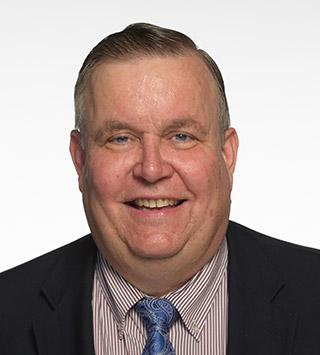
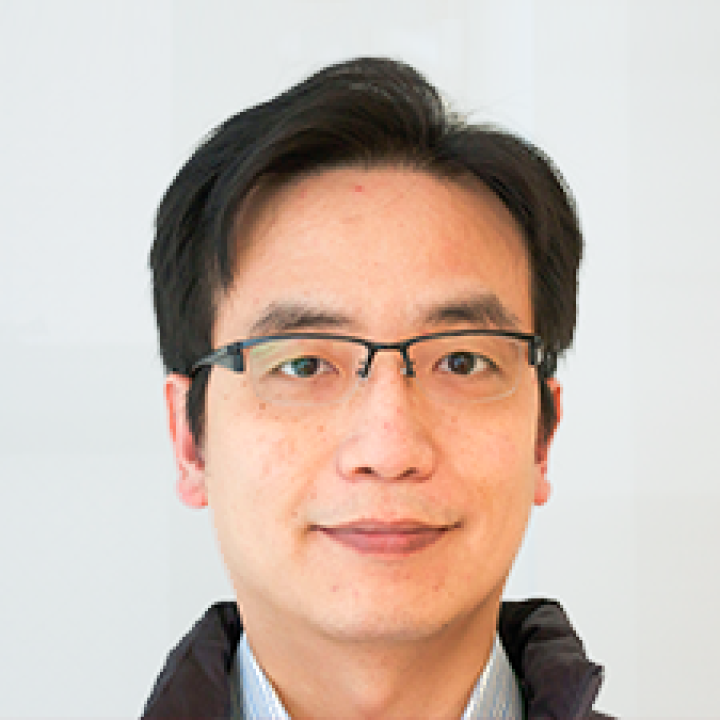
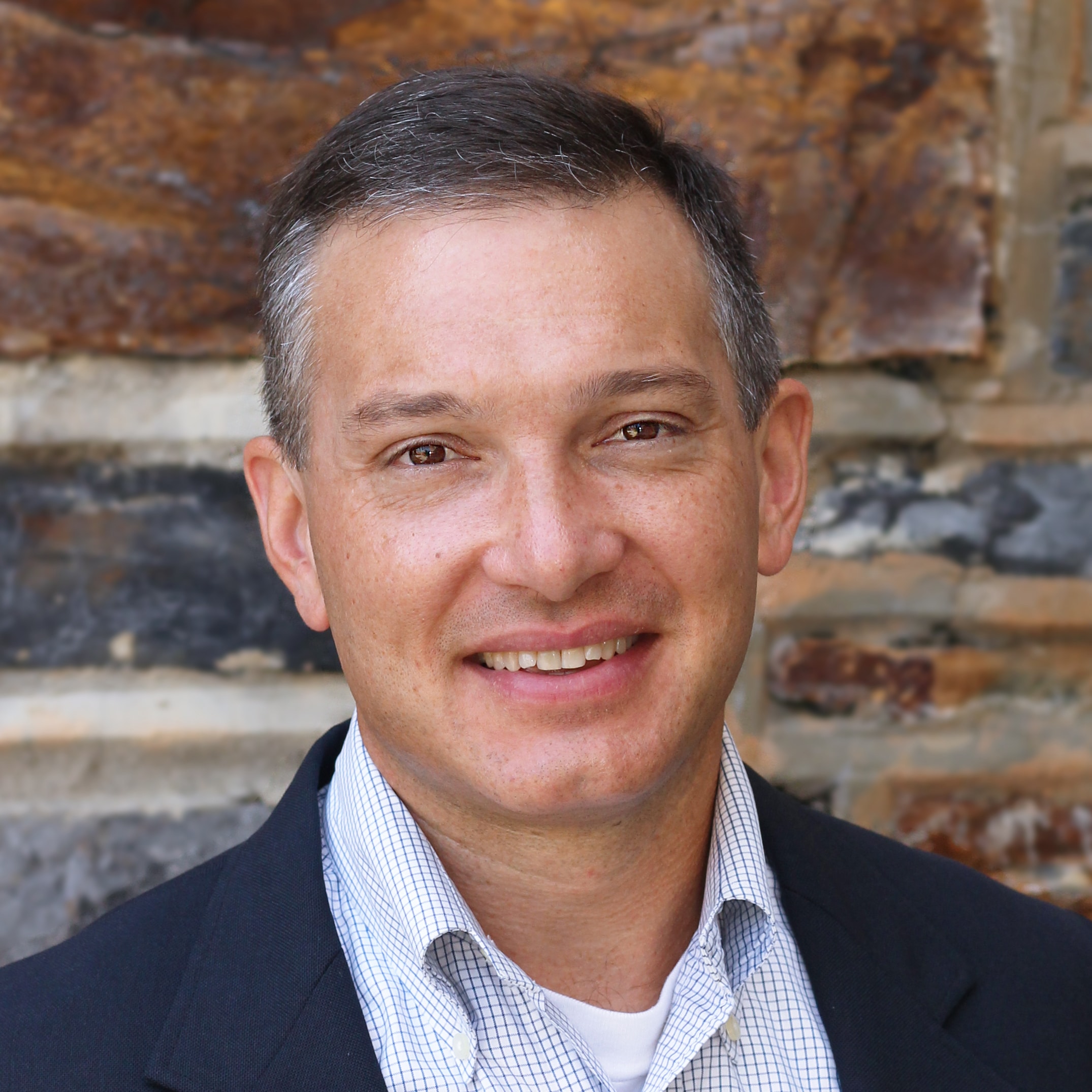
Fred J. Hickernell is Professor of Applied Mathematics at Illinois Institute of Technology's College of Computing. His research develops novel methods in numerical analysis, including measures of uniformity for experimental designs, error bounds for Monte Carlo integration, and algorithms for high-dimensional approximation problems. Dr. Hickernell leads the Guaranteed Automatic Integration Library (GAIL) project and QMCPy framework for quasi-Monte Carlo methods. He holds affiliations with multiple professional societies including the American Mathematical Society and Society for Industrial and Applied Mathematics. Fellow of the American Scientific Affiliation Fellow of the Institute of Mathematical Statistics Elected Member of International Statistical Institute
Dr. Okan Caglayan is an Associate Professor in the Department of Engineering, Computing, and Cybersecurity (ECCS) at the University of the Incarnate Word (UIW) . He holds a Ph.D. in Electrical Engineering from the University of Texas at San Antonio (UTSA), with prior experience as an engineering consultant at Southwest Research Institute (SwRI) and a lecturer at UTSA's Department of Physics and Astronomy. Education: Ph.D. in Electrical Engineering, UTSA, 2008 M.S. in Electrical Engineering, UTSA, 2005 B.S. in Electrical Engineering, UTSA, 2002 Research Interests: Dr. Caglayan focuses on digital signal processing (DSP) , IoT networks , embedded systems , and machine learning applications . His work includes developing smart sensor systems, biomedical sensors, and sustainable power management techniques. Key areas include TinyML, sensor fusion, wireless sensor networks, and energy-efficient designs. Advising & Grants: He has secured funding from CPS Energy, SwRI, and Mission Solar Energy. Notable projects include the "Project Volta" senior capstone for LiPo battery management and "Project Asclepius" integrating SEM and MATLAB for medical device analysis. He also leads educational initiatives like the Summer Engineering Academy and Girls in Engineering (GEMS) Camp . Labs/Teams: His research involves collaborations with industry partners and interdisciplinary teams, focusing on real-time implementations of DSP algorithms and IoT-enabled systems.
Professor Sung-Hyuk Cha is affiliated with Pace University 's Seidenberg School of CSIS , where he has been a faculty member since 2001. His academic career includes promotions to Associate Professor (2007-2013) and Professor (2013-present). Education : PhD in Computer Science (SUNY Buffalo, 2001), MS (Rutgers, 1996), BS (Rutgers, 1994) Professional Memberships : AAAI, IEEE, IEEE Computer Society, IS&T, Korean-American S&E Association (Council Member) His research focuses on Document Analysis, Pattern Recognition, Data Mining, and Distance Measures with applications in biometric authentication, computer vision, and algorithm design . He developed the dichotomy model for handwriting individuality and contributed to pattern recognition in MATLAB . His publications include work on phylogenetic tree optimization and graph theory problems , reflecting his interest in computational methods. Recent presentations at IEEE conferences and the Machine Intelligence Day (2019) highlight his engagement with the academic community. Scientific Awards : Faculty Leadership Award (2019) Faculty Leadership Award (2004) He has served on multiple research committees and outreach programs , including as Committee Chair for Machine Intelligence Day 2019.
Kip Coonley, Ph.D., is an Assistant Professor of the Practice at Duke University, holding joint appointments in the Thomas Lord Department of Mechanical Engineering and Materials Science and the Department of Electrical and Computer Engineering. He has been at Duke since completing his Ph.D. there in 2023, following earlier degrees from Bates College (B.S., 1997) and Dartmouth College (M.S., 1999). His work focuses on interdisciplinary engineering education, with emphases on microelectronics, energy harvesting systems, and innovative laboratory curriculum design. He has pioneered hands-on learning initiatives like the BYOE (Build Your Own Electronics) program and contributed to Duke’s ECE curriculum redesign, emphasizing integrated sensing and information processing themes. His research also explores electrostatic oscillators, thermoelectric materials, and RF data link systems. Over 25 years, Dr. Coonley has taught 10+ courses, including foundational labs in electrical fundamentals, signals and systems, and microelectronic devices. His 40+ publications span educational pedagogy, device physics, and engineering systems, with notable contributions to ASEE conferences and IEEE Transactions on Education . He collaborates extensively on NSF-funded curriculum projects and maintains active partnerships with industry for applied research.
Enrique (Kiko) Galvez is the Charles A. Dana Professor in the Department of Physics and Astronomy at Colgate University . Since 1999, he has led a National Science Foundation (NSF)-funded project to develop undergraduate laboratory experiments that demonstrate fundamental aspects of quantum mechanics through single-photon experiments. Current implementation of quantum mechanics labs since 2005 Hosts Alpha Immersions faculty workshops on quantum experiments since 2011 Develops open-access teaching materials and data acquisition programs The project focuses on quantum superposition , entanglement , and nonlocality , using spontaneous parametric down-conversion photon sources. Experiments are designed for advanced undergraduate students to engage with counter-intuitive quantum phenomena through hands-on work. Recent updates include GitHub repository with Matlab programs for photon experiments (last updated September 2024) and bug-fixed software for data acquisition boards.
Selim Romero is a Post-Doctoral Research Associate at Texas A&M University's Single Cell Data Science Core, specializing in computational science and quantum computing. His work bridges physics, chemistry, and biology through high-performance computing (HPC) and algorithm development in C, C++, Python, Fortran, and MATLAB. Education: Ph.D. and M.S. in Computational Science, M.S. in Physics, and B.S. in Engineering Physics Technical Expertise: Parallel computing (MPI/OpenMP), GPU programming (CUDA/OpenMP), Fortran90, and density functional theory His research focuses on quantum materials, self-interaction-corrected density functional theory, and quantum computing applications. Recent publications emphasize self-interaction correction methods, quantum algorithms, and single-cell RNA sequencing data analysis using quantum annealing. He actively participates in workshops like Qiskit Global Summer School and NERSC GPU programming bootcamps. The trend in his publications reveals a dual emphasis on quantum computing (e.g., quantum annealing for feature selection) and computational chemistry/physics (e.g., self-interaction correction in density functional theory). His work spans algorithm development, HPC optimization, and interdisciplinary applications in gene expression analysis and quantum materials. As part of Texas A&M AgriLife and the College of Agriculture & Life Sciences, Selim contributes to cutting-edge computational research while engaging with institutions like NERSC and Intel Developer Tools Optimization programs.
Demetrios Lambropoulos is a Teaching Professor and Ph.D. candidate in Computer Engineering at Rutgers University’s School of Engineering. He joined the Electrical and Computer Engineering department as a Non-Tenure Track (NTT) Instructor and has been actively involved in teaching and leadership roles, including organizing the Capstone Senior Design program since 2018. His research focuses on Resource Allocation, Machine Learning, Software Engineering, and Human-Computer Interaction. Education: B.S. (2016) and M.S. (2021) in Electrical and Computer Engineering/Software Engineering from Rutgers University; Ph.D. in Computer Engineering (in progress). Affiliations: Electrical and Computer Engineering Department, School of Engineering, Rutgers University. His research explores machine learning applications in wireless networks, mobile security in BYOD scenarios, and disaster response systems. He has also presented at conferences such as the American Sociological Association and served as a reviewer for venues like CSCW and ICMI. Awards: Narindra Puri Memorial Scholarship, Graduate Leadership Awards (2021-2022), TA/GA Development Fund, Galileo Scholarship, and Philips Van Heussen Scholarship. Courses Taught: ECE Capstone, Principles of Electrical Engineering, Digital Signal Analysis, and MATLAB workshops. Demetrios holds an Extra Class Amateur Radio Operator license (KC2WGR) and has contributed to developing lab curricula in programming and digital logic design.
Qidi Peng is a Research Associate Professor at Claremont Graduate University (CGU) and Academic Director of the Master of Science in Financial Engineering (MSFE) program within the Institute of Mathematical Sciences. His academic career includes roles as Research Assistant Professor (2012–2021) and Senior Technical Expert at AIG (2018–2022). He holds a Ph.D. in Applied Mathematics from Lille 1 University (France), focusing on statistical inference for multifractional processes in stochastic volatility models, under Prof. Antoine Ayache. His research spans stochastic processes, statistical inference, machine learning, and financial modeling. Notable contributions include work on fractional Brownian motion, multifractional processes, and algorithmic regularization techniques. Peng is fluent in multiple programming languages (C++, MATLAB, R, Python) and has contributed to editorial boards, including the Operation Research and Applications: An International Journal since 2014. Prior to his current roles, he served as a teaching fellow in France and a consultant for SOFT SOLUTIONS Company. His work bridges theoretical mathematics with applied domains like finance, insurance, and wireless networks.
Dr. Adam Jiankang Yang is an incoming Assistant Professor in the Department of Civil and Resource Engineering at Dalhousie University, Faculty of Engineering, starting in Fall 2024. His research focuses on environmental fluid dynamics, with applications in oceanography, climate change mitigation, and sustainable water environments. Educational Background: BE in Theoretical and Applied Mechanics, Sun Yat-sen University (2011–2015) Exchange studies at National Tsing Hua University and National Cheng Kung University, Taiwan (2013, 2015) MPhil in Civil and Environmental Engineering, The Hong Kong University of Science and Technology (2015–2017) PhD in Civil Engineering, The University of British Columbia (2017–2022) Postdoctoral Associate, Yale Center for Natural Carbon Capture & Earth and Planetary Sciences, Yale University (2022–2024) His research interests center on environmental fluid mechanics, particularly stratified shear instabilities, turbulence, wave dynamics, and mixing processes in natural waters. He investigates how these phenomena influence tracer transport, particle settling, and dissolution, with a growing emphasis on marine carbon dioxide removal (mCDR) as a climate intervention strategy. His work integrates numerical simulations , laboratory experiments (e.g., PIV, LIF), and field experiments (e.g., CTD, ADCP) to build fundamental understanding. He is also exploring the use of machine learning for turbulence and mixing parametrization. Dr. Yang is actively recruiting motivated undergraduate students, graduate students (Masters and PhD), and postdoctoral researchers to join his research group. He seeks individuals with strong academic records and backgrounds in engineering, physics, mathematics, or earth sciences, preferably with experience in programming (Python, MATLAB), experimental methods, or fieldwork. Scientific Awards: Dr. Yang has not yet advised any named students, as per the available information. He is currently establishing his research program and is seeking external funding to support graduate students and postdocs. His research has potential for collaboration with climate science and ocean engineering initiatives. Labs and Research Teams: Dr. Yang will lead a research group at Dalhousie University focused on environmental fluid mechanics. His lab will employ computational, experimental, and field-based approaches to study fluid dynamics in natural systems, particularly in the context of climate solutions like ocean-based carbon removal.
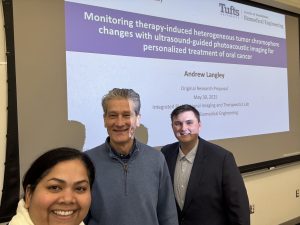
Dr. Srivalleesha (Valli) Mallidi is an Assistant Professor in Biomedical Engineering and Electrical and Computer Engineering at Tufts University's School of Engineering. She holds the endowed Tiampo Family Professorship and is a member of the Graduate Biomedical Sciences Program. Her research focuses on integrating non-invasive acoustic and optical imaging techniques with nanomaterials to study cancer pathologies, particularly tumor heterogeneity and therapeutic response. She directs the integrated Biofunctional and Therapeutics (iBIT) Lab, emphasizing image-guided surgery, therapeutics, and drug delivery systems. Education: PhD and MS in Biomedical Engineering from University of Texas at Austin; BE in Electronics and Communications from Andhra University. Professional Experience: Postdoctoral training at the Wellman Center for Photomedicine (MGH), Harvard Medical School; prior roles include Adjunct Faculty at Wentworth Institute of Technology. Research Interests: Ultrasound and photoacoustic imaging, multi-modality imaging systems, nanomedicine, and translational cancer therapies. Her lab develops tools for real-time monitoring of treatments and improving therapeutic efficacy through targeted approaches. Awards & Recognition: Early Investigator Award (IPA), Rising Star Award (World Molecular Imaging Congress), Exemplary Engineer Award (Tufts), and multiple grants from NIH and industry collaborations. Teaching: Courses include Analytical Tools in Biomedical Engineering, Biomedical Engineering Capstone Projects, and design of medical instrumentation. Grants: Over $3M in NIH funding for projects on photoacoustic-guided therapies, nanocarriers, and PDT dosimetry. Labs & Collaborations: iBIT Lab at Tufts focuses on interdisciplinary approaches with clinicians in the Boston area. Ongoing projects include LED-based imaging systems and biodegradable nanoparticles for cancer treatment.
Linyin Cheng is an Associate Professor in the Department of Geosciences at the University of Arkansas, College of Arts & Sciences. Her research focuses on hydroclimatology and climate extremes, with a career emphasis on mitigating climate hazards through predictive modeling and education. PhD in Civil Engineering (Hydroclimatology), University of California-Irvine (2014) MSc in Civil Engineering (Hydrodynamics), Clarkson University (2011) Dr. Cheng's research explores weather and climate extremes , including their interplay with hydrologic systems, detection and attribution of human-induced climate impacts, and improving early warning systems for high-impact events. She integrates land-atmosphere feedbacks into climate risk communication frameworks for natural hazards like droughts, floods, and heatwaves. Her publications include analyses of extreme rainfall attribution (2017), California drought-climate linkages (2015), and the NEVA Toolbox (2014), which has been adopted in quantitative finance education. Awards span AGU honors, a CIRES postdoctoral fellowship, and NSF/NASA panelist roles. Robert C. and Sandra Connor Endowed Faculty (2021) 2017 IAHS Best Paper Award AGU Natural Hazards Award (2015) Advanced Study Program support at NCAR (2013) Dr. Cheng teaches courses on climatology, Earth science, and graduate climate data analysis. She mentors students across disciplines (Statistics, Civil/Mechanical Engineering) and contributes to journals as an Associate Editor for the Journal of Hydrologic Engineering .
Murat Baday is a Lecturer in the Department of Bioengineering at Santa Clara University's School of Engineering. He holds a Ph.D. in Biophysics and Computational Biology from the University of Illinois at Urbana-Champaign and completed postdoctoral work in Bioengineering and Radiology at Stanford University. Dr. Baday has extensive experience in AI-powered healthcare solutions, co-founding startups like Smartlens and Nanoeye, and has supervised over 30 students in his career. Education: Ph.D. in Biophysics, University of Illinois at Urbana-Champaign; Postdoc in Bioengineering and Radiology, Stanford University Dr. Baday's research bridges bioengineering, artificial intelligence, and healthcare technology. His work focuses on DNA mapping technologies, machine learning in medical imaging, and remote monitoring systems, with applications in glaucoma management and portable diagnostics. He has developed patented medical technologies and taught courses in Python, MATLAB, and machine learning algorithms at institutions including Stanford University School of Medicine and Magnimind Academy. As an educator, Dr. Baday has shaped curricula in bioengineering, emphasizing practical programming skills and AI implementation in healthcare. His career spans roles in radiology and neurology at Stanford University, where he contributed to advanced diagnostic solutions.
Dr. Michael Bruyns-Haylett is a Contracted Professor in the Department of Business Management at IQS School of Management, Universitat Ramon Llull. With a PhD in Neuroscience from the University of Sheffield (2013) and a Master's in Computational and Cognitive Neuroscience (2009), he bridges neuroscience expertise with business management education. His research expertise spans neuroscience , electrophysiology (EEG, LFP, ECOG & spiking), and materials engineering , with particular focus on neural excitation-inhibition balance, neurotrauma, and biomaterials applications. His work integrates advanced data analysis techniques using MATLAB and Python to address complex neuroscience questions. Bruyns-Haylett's recent publications reveal a strong interdisciplinary approach, connecting neuroscience with materials science and business applications. His 2024 work on EEG hyperexcitability following traumatic brain injury demonstrates his neuroscience expertise, while his 2023 machine learning research for cellular uptake prediction highlights his computational skills. The 2022 bioinspired transducer paper exemplifies his ability to bridge engineering and healthcare applications. As a researcher in the GEMAT (Materials Engineering Group), he contributes to three main areas: development of new functional materials, surface engineering, and biomaterials. His current projects include 'Uncovering patterns of unconscious reactions to fake content' (2024) and the ongoing GEMAT research initiative (2022-2025). His teaching focuses on integrating scientific and technical knowledge with business management principles, particularly in the Master in Industrial Business Management program where he helps technical graduates develop management careers. His unique background enables him to connect neuroscience research with practical business applications in healthcare technology and materials science industries.
Joshua Kilborn is a Research Assistant Professor at the University of South Florida's College of Marine Science . His work bridges ecological theory, fisheries management, and computational methods to address complex marine resource challenges. Ph.D., Marine Science (2017), University of South Florida Specializes in ecosystem-scale analyses and statistical methodology development Teaches Biometry and Applied Multivariate Statistics courses annually Kilborn focuses on ecosystem-based fisheries management through the lens of dynamical systems theory , examining spatiotemporal patterns that govern marine resource organization. His research integrates parametric and non-parametric multivariate statistics to create decision-support tools like the Gulf of Mexico fisheries ecosystem model. Recent publications highlight his interdisciplinary approach across marine ecology , computational methods , and resource management . Articles discuss climate-fisheries interactions , statistical clustering techniques , and habitat utilization patterns in tropical reef ecosystems. His technical work includes MATLAB-based software development (Darkside Toolbox) for numerical ecology applications, with emphasis on identifying appropriate spatiotemporal scales for marine monitoring programs.
Andrew Bartolini serves as the Director of the First-Year Engineering Program and Concurrent Associate Teaching Professor in the Department of Civil and Environmental Engineering and Earth Sciences at the University of Notre Dame's College of Engineering. He oversees a two-course sequence for approximately 500 first-year engineering students, coordinates diverse departmental instructors, and leads a team of two dozen undergraduate student assistants. His educational background includes: Ph.D. from the University of Notre Dame (2019) B.S. from the University of Notre Dame (2013) Dr. Bartolini's research centers on engineering education innovation for first-year students, focusing on academic success strategies, major selection guidance, and hands-on learning through makerspace integration. His work addresses critical challenges in student retention, curriculum design, and engagement in foundational engineering education. Analysis of his publication timeline reveals a strategic evolution from structural engineering research (2015-2019) toward dedicated first-year engineering education scholarship (2020-2025). Recent work emphasizes computing trajectory development, early intervention for at-risk students, and educational technology integration, demonstrating consistent focus on scalable solutions for engineering student success. Dr. Bartolini has received significant recognition for his teaching excellence. Thomas P. Madden Award for teaching of first-year students He actively mentors students as faculty advisor for the Notre Dame Chapter of the American Society of Civil Engineers, leading teams to multiple competition championships. Nationally, he serves as Executive Director and Program Chair-Elect for the ASEE First-Year Programs Division and contributes to the First-Year Engineering Experience Conference Steering Committee. His leadership extends to managing the First-Year Engineering Program infrastructure and student assistant teams, while actively shaping national discourse on engineering education through professional society engagement and conference participation.