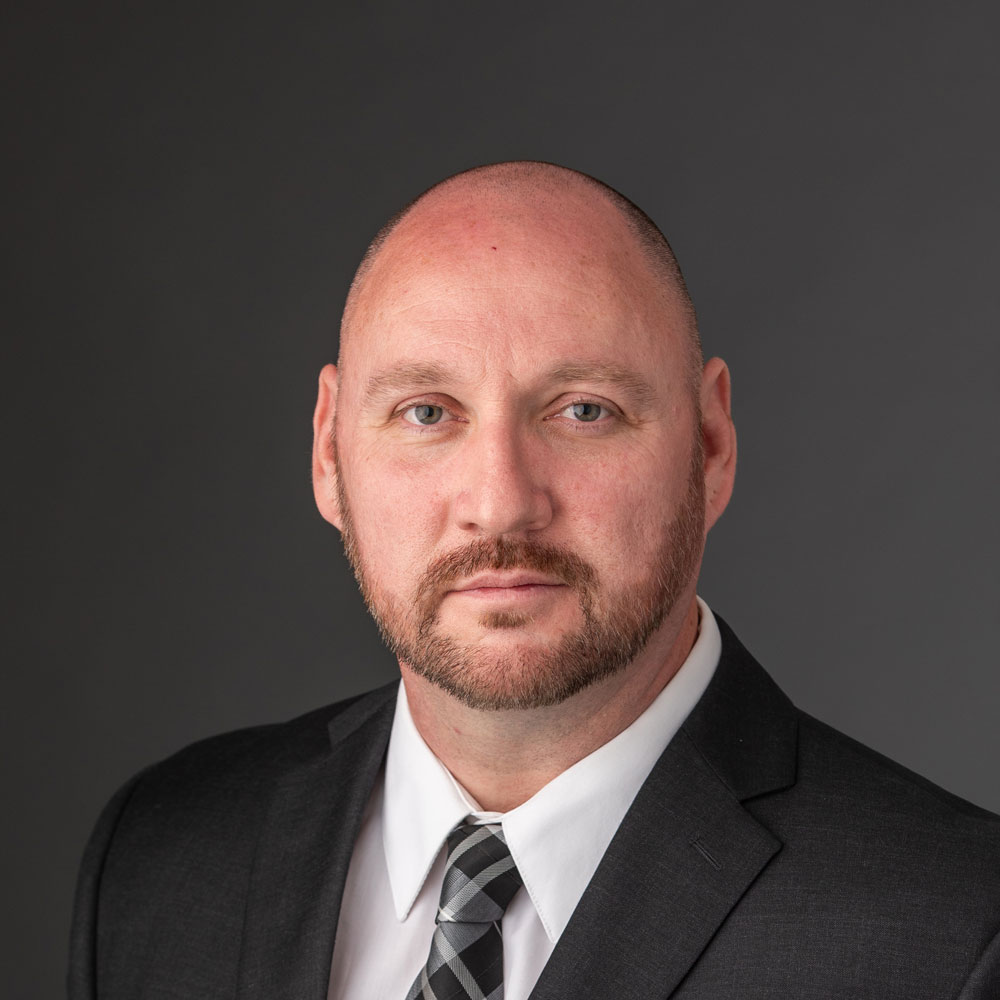
Kyle L. Poulsen is an Assistant Professor in the Department of Pharmacology and Toxicology at Michigan State University . His translational research focuses on chronic liver disease, particularly the role of the MIF-CD74 pathway in epithelial-immune communication during alcohol-related injury. B.S. in Biochemistry & Toxicology from Eastern Michigan University (2008) Ph.D. in Pharmacology & Toxicology from Michigan State University (2013) Research interests center on: Time- and context-dependent MIF-CD74 signaling Immune cell infiltration and activation Mitochondrial dysfunction in liver disease 3D spheroid/organoid modeling Organellar transplantation therapies Recent publications highlight trends in metabolic-liver interactions , pancreatic tumor immunosuppression , and mitochondrial regulation . Notable grants include NIH-funded projects on MIF-CD74 as a therapeutic target in alcohol-associated liver disease (2024-2025) and hepatocyte-derived MIF contributions to alcoholic injury (2020-2023).
Helena Borland Madsen serves as an Assistant Professor in the Department of Biomedical Sciences at the University of Copenhagen's Faculty of Health and Medical Sciences, specializing in Endocrinology and Metabolism. Her research integrates molecular biology, immunology, and aging science to investigate fundamental cellular processes. Dr. Madsen's research interests focus on mitochondrial function and its critical role in aging, neurodegenerative diseases, and immune regulation. Her work examines how metabolic pathways influence cellular senescence, neuroinflammation, and age-related pathologies, with particular emphasis on the cGAS-STING pathway, nucleotide metabolism, and mitochondrial quality control mechanisms. She investigates how compounds like urolithin A can modulate these pathways to potentially mitigate age-related decline. Analysis of her publication record reveals a strong thematic focus on the intersection of metabolism, immunity, and aging. Her recent work demonstrates how mitochondrial dysfunction contributes to post-viral syndromes like long COVID and neurodegenerative conditions including Alzheimer's disease. She has made significant contributions to understanding how metabolic interventions can restore cellular homeostasis in aging and disease contexts. Dr. Madsen actively collaborates with leading researchers in aging and mitochondrial biology, including Claus Desler and Vilhelm Bohr, working within research networks that investigate the fundamental mechanisms of aging and age-related diseases. Her laboratory employs advanced cellular and molecular techniques to investigate the connections between metabolic regulation, immune function, and cellular aging processes.
Elisa Villalobos is a Postdoctoral Research Fellow at the Centre for Cardiovascular Science, University of Edinburgh, with prior research experience at UT Southwestern Medical Center and the University of Chile. Her work bridges cardiovascular biology and metabolic disease research, focusing on molecular mechanisms of cardiac fibrosis and inflammation in obesity. Her research interests center on primary cilia as cardiac mechanosensors and calcium signaling pathways in adipose tissue. Key investigations include polycystin-dependent regulation of fibroblast activity in heart failure, cGAS-mediated inflammatory responses in myocardial injury, and calcium sensing receptor modulation of adipocyte inflammation. This work reveals fundamental connections between cellular structures, signaling pathways, and disease pathogenesis. Analysis of her 14 publications shows consistent progression from metabolic inflammation research (2011-2014) toward cardiovascular mechanisms (2015-2019), with increasing emphasis on translational aspects of heart failure. Her recent work in Nature and Circulation demonstrates significant contributions to understanding nitrosative stress in diastolic dysfunction and primary cilia in cardiac fibrosis. Dr. Villalobos actively contributes to the academic community through editorial roles at Frontiers in Physiology and peer review for major cardiology journals. While not independently supervising students, she mentors junior researchers within collaborative projects funded by British Heart Foundation grants at the Centre for Cardiovascular Science, which provides state-of-the-art facilities for cardiovascular research including advanced imaging and molecular phenotyping platforms.
Dr. Giulia Risca is a researcher in the Department of Medicine and Surgery at the University of Milano-Bicocca, School of Medicine and Surgery. She recently completed her doctoral thesis on Bayesian methods for basket trials in rare diseases under the supervision of Professor Stefania Galimberti. Her research spans multiple domains including clinical trial methodology, hematology/oncology, and proteomics. Dr. Risca's research interests focus on developing innovative clinical trial designs for rare diseases, with particular expertise in Bayesian statistics and basket trial methodology. Her work addresses critical challenges in rare disease research where limited patient populations make traditional trial designs impractical. She has made significant contributions to understanding how information can be borrowed across sub-trials while maintaining appropriate statistical properties. Additionally, she conducts important translational research in CAR-T cell therapy for leukemia and develops diagnostic algorithms for iron metabolism disorders. Analysis of Dr. Risca's publication record reveals a strong focus on methodological innovation in clinical trials combined with impactful clinical applications. Her work demonstrates expertise in bridging statistical theory with practical clinical research needs, particularly in areas with limited patient populations. The publications span multiple disciplines but maintain a cohesive thread of methodological rigor applied to challenging clinical problems. Dr. Risca actively collaborates with clinical researchers across multiple medical specialties, contributing her statistical expertise to studies in hematology, oncology, nephrology, and ophthalmology. Her work on CARCIK-CD19 cell therapy, rare disease trial design, and diagnostic algorithms for iron overload represents significant contributions to their respective fields. She participates in multicenter studies across European institutions, demonstrating her integration into the broader research community. Dr. Risca leads research activities in biostatistics and clinical trial methodology, supervising analytical components of multiple clinical studies. Her work often involves developing and implementing sophisticated statistical approaches to address complex research questions where traditional methods are inadequate, particularly in the context of rare diseases with small sample sizes.
Prof. Dr. Lena Burbulla serves as a Group Leader at the German Center for Neurodegenerative Diseases (DZNE) in Munich, Germany, where she leads research on molecular pathways in neurodegeneration. Her work focuses on Parkinson's disease and rare NBIA disorders like BPAN, utilizing human-specific models to overcome limitations of animal studies. Her research group pioneers induced pluripotent stem cell (iPSC) technology to create patient-derived neuronal models, investigating dopamine metabolism dysregulation, mitochondrial-lysosomal dysfunction, iron dyshomeostasis, and oxidative stress in vulnerable dopaminergic neurons. Key discoveries include identifying oxidized dopamine as a driver of human-specific pathological cascades in Parkinson's disease and uncovering shared mechanisms between Parkinson's and BPAN involving iron accumulation and neuromelanin polymerization. The group emphasizes neuron-glia crosstalk to explore non-cell-autonomous neurodegeneration mechanisms. Analysis of her publication record reveals a strong translational trajectory from basic mechanistic discoveries (2017-2018) to therapeutic development (2019-2021), with consistent focus on dopamine metabolism defects across Parkinson's disease and NBIA disorders. Her work establishes human neuronal models as essential tools for identifying species-specific pathological mechanisms and developing targeted interventions. At DZNE, Dr. Burbulla directs a multidisciplinary team integrating genomic approaches with functional physiological assays in long-term iPSC-derived neuronal cultures. The laboratory actively investigates disease progression mechanisms through combined analysis of dopamine metabolism imbalance, toxic byproduct generation, and iron regulation defects, while exploring therapeutic strategies including small molecule modulation and drug repurposing of FDA-approved compounds.
Dr. Sabina Tahirovic serves as a Group Leader at the German Center for Neurodegenerative Diseases (DZNE) in Munich, where she directs research on microglial dysfunction in Alzheimer's disease (AD), Niemann-Pick type C (NPC), and Frontotemporal lobar degeneration (FTLD). Her research focuses on: Microglial phagocytic capacity and amyloid plaque clearance mechanisms in AD Development of ex vivo co-culture models ('brains in a dish') using aged AD and young wild-type brain slices Shared pathological mechanisms between lysosomal storage disorders and neurodegeneration Cell-specific alterations in neuronal-glial cross-talk during disease progression Therapeutic modulation of microglial immune responses for neuropathology mitigation Her laboratory integrates primary cell isolation (neurons, astrocytes, microglia), organotypic brain slice cultures, transgenic mouse models, and multi-omics analyses to identify novel drug targets. Current work prioritizes enhancing beneficial microglial functions like phagocytosis through immunomodulation, with particular emphasis on NPC as a 'juvenile AD' model affecting pediatric populations.
Claire Allan is a Research Fellow in Microbiology at La Trobe University's School of Microbiology, Anatomy, Physiology & Pharmacology. She is a cell molecular biologist specializing in mitochondrial function, calcium signaling, and cellular stress in neurodegenerative and chronic diseases, with particular focus on Parkinson's Disease, FXTAS, and ME/CFS. Her research interests center on identifying biomarkers and therapeutic targets for these conditions. Dr. Allan's work has contributed to key discoveries including mitochondrial hyperactivity in Parkinson's Disease and metabolic dysfunction in ME/CFS. She has secured major funding from the MJ Fox Foundation and The Mason Foundation for her research on diagnostic blood tests for ME/CFS. Analysis of her recent publications reveals a strong focus on mitochondrial dysfunction across multiple disease models, particularly using lymphoblasts as cellular models for studying ME/CFS, Parkinson's Disease, and FXTAS. Her work consistently explores the intersection of cellular metabolism, signaling pathways (particularly AMPK and TORC1), and disease pathology. Scientific Recognition: Major funding from the MJ Fox Foundation for Parkinson's research The Mason Foundation ME/CFS Research Grant (2023-2027) for developing diagnostic blood tests Dr. Allan is actively involved in developing a potential blood-based biomarker for ME/CFS which could transform diagnosis and treatment for thousands of patients. Her current funded research project 'Diagnostic blood tests for ME/CFS (and Long COVID)' runs from January 2024 to January 2027. She utilizes various model systems including Dictyostelium discoideum to investigate cellular mechanisms underlying neurodegenerative and chronic diseases.
Brian Ratliff, Ph.D., serves as Program Director for the Accelerated Interdisciplinary Biomedical Sciences MS Program and holds dual appointments as Associate Professor of Physiology in the Graduate School of Biomedical Sciences and Associate Professor of Medicine in the School of Medicine at New York Medical College (NYMC). His academic journey includes a Ph.D. from Eastern Virginia Medical School and Old Dominion University, with undergraduate studies at Chowan University. Program Director, Accelerated Interdisciplinary Biomedical Sciences MS Program Associate Professor, Physiology, Graduate School of Biomedical Sciences Associate Professor, Medicine, School of Medicine Dr. Ratliff's research focuses on understanding the mechanisms responsible for acute and chronic kidney failure and associated vascular impairment. His laboratory investigates four primary areas: (1) fetal and developmental programming that leads to susceptibility to kidney disease and hypertension; (2) the role of oxidative stress in kidney disease progression; (3) pro-damage signaling 'alarmins' like HMGB1 that trigger inflammation after cellular stress; and (4) therapeutic efficacy of stem cells and pharmacological agents for kidney and vascular tissue regeneration. His work bridges developmental biology, nephrology, and vascular physiology to understand how early life events impact adult organ function. The most recent publications reveal consistent themes across Dr. Ratliff's research trajectory, demonstrating a sophisticated understanding of how developmental programming influences adult renal and vascular disease. His work increasingly integrates molecular mechanisms of oxidative stress, inflammatory signaling, and cellular damage responses with physiological outcomes. Recent publications show a progression from basic mechanistic studies toward translational applications, particularly in stem cell therapies and potential pharmacological interventions for kidney damage prevention and regeneration. The research demonstrates strong interdisciplinary connections between developmental biology, nephrology, vascular biology, and redox signaling pathways. Dr. Ratliff actively contributes to medical education as Co-Director of the Pulmonary Module and Renal Module in the School of Medicine, as well as Co-Director of the Physiology Course in the Graduate School of Biomedical Sciences. His teaching responsibilities reflect his expertise in both basic physiological mechanisms and their clinical applications in renal and pulmonary medicine. Through these educational roles, he directly impacts the training of future physicians and biomedical scientists. Dr. Ratliff's laboratory maintains a strong focus on the developmental origins of kidney disease, with particular emphasis on how maternal undernourishment impacts fetal development and subsequent adult disease susceptibility. His team utilizes sophisticated murine models to investigate the molecular pathways connecting early life events to later organ dysfunction, with special attention to oxidative stress mechanisms and inflammatory signaling cascades. The laboratory's work on HMGB1 signaling and stem cell therapies represents innovative approaches to understanding and potentially treating kidney damage.
Joakim Bergström serves as an Associate Researcher at Uppsala University's Department of Public Health and Care Sciences within the Faculty of Medicine, specifically at the Molecular Geriatrics/Rudbeck Laboratory. He concurrently holds a Research Advisor position at the University Administration's Office of Medicine and Pharmacy. Faculty of Medicine, Uppsala University Department of Public Health and Care Sciences Molecular Geriatrics/Rudbeck Laboratory Office of Medicine and Pharmacy (Research Support Unit) His primary research focuses on alpha-synuclein pathology mechanisms in Parkinson's disease, with particular emphasis on oligomer formation, propagation pathways, and immunotherapeutic interventions. Bergström investigates how alpha-synuclein aggregates interact with cellular components like SNARE proteins and glial cells, and develops antibody-based strategies to mitigate neurodegeneration in transgenic models. Analysis of his 15 most recent publications reveals consistent investigation of alpha-synuclein oligomerization mechanisms, transgenic mouse modeling of Parkinson's symptoms, and therapeutic antibody development. His work spans molecular neuroscience, neuroimmunology, and translational neuropharmacology, with increasing focus on imaging techniques and cross-amyloid interactions in recent years. Bergström actively collaborates with leading researchers in the field including Martin Ingelsson, Veronica Lindström, and Gunilla Westermark, contributing to studies that bridge basic molecular mechanisms with potential clinical applications for synucleinopathies.