Dijin Xu is an Associate Research Scientist in the Department of Microbial Pathogenesis at Yale School of Medicine, Yale University. His research focuses on lipid metabolism, immunology, and molecular mechanisms underlying metabolic disorders and host-pathogen interactions. He holds a PhD from Tsinghua University (2016). Education: PhD in Microbiology, Tsinghua University, 2016 Research Interests: Dr. Xu’s work spans immunology (e.g., B cell biology and somatic hypermutation), lipid metabolism (lipid droplet dynamics and adipose tissue homeostasis), and virology (antiviral defense mechanisms against SARS-CoV-2). His studies integrate cellular biology, molecular genetics, and biochemical approaches to understand disease processes. Publications Overview: His recent work explores mechanisms of lipid droplet regulation, metabolic disorder prevention, and immune system function. Notable contributions include studies on Rab GTPases in lipid storage and ELOF1’s role in antibody diversification. Labs & Affiliations: He is affiliated with the West Campus Integrative Science & Technology Center at Yale University, focusing on interdisciplinary research in cellular and molecular biology.
Michael Dustin is the Kennedy Trust Professor of Molecular Immunology and Director of Research at the Kennedy Institute of Rheumatology , University of Oxford. His career spans leadership roles at Washington University School of Medicine (1993–2000) and Skirball Institute of Biomolecular Medicine at NYU School of Medicine (2001–2013). Education : B.A. in Biology, Boston University (1984) Ph.D. in Cell and Developmental Biology, Harvard University (1990) Prof. Dustin's research focuses on the immunological synapse , a specialized interface between T cells and antigen-presenting cells. His work has revealed supramolecular attack particles as autonomous killing entities, synaptic ectosomes for TCR cargo transfer, and mechanistic insights into T cell signaling pathways. His recent publications highlight advancements in vaccine adjuvant response , T cell receptor dynamics , and glycosphingolipid synthesis in immune cells. Collaborations span neuroscience, cancer immunology, and rheumatology. Scientific Awards : Wellcome Trust Principal Research Fellowship European Research Council Advanced Grant (SYNECT) As Director of the NIH-funded Nanomedicine Center for Mechanobiology (2009–2014), he pioneered mechanobiology applications in immunology. Current projects integrate intravital microscopy and clinical translation for human diseases. His laboratory at Oxford investigates T cell regulation in autoimmune and inflammatory diseases, supported by an international network of collaborators including Wenbiao Gan, Dan Littman, and Dorian McGavern.
Associate Professor Alex Clarke is a Wellcome Trust-funded researcher and Honorary Consultant Rheumatologist at the Nuffield Orthopaedic Centre, affiliated with the University of Oxford. He leads the Clarke Group at the Kennedy Institute of Rheumatology, focusing on the intersection of metabolism and immunity. PhD in Medicine (2013), King’s College London MBBS in Medicine (2001), University College London (UCL) Dr. Clarke's research explores how metabolic pathways regulate immune cell function and disease progression. His work spans autophagy mechanisms, mitochondrial dynamics in B cells, and metabolic dysregulation in autoimmune disorders like lupus. Recent studies investigate germinal center B cell metabolism and glycogen synthase kinase-3's role in Treg development. His recent publications (2025-2024) highlight trends in immunometabolism, autophagy, and genetic testing applications. Awards include prestigious Wellcome Trust Clinical Research fellowships. Wellcome Trust Clinical Research Training Fellowship (2013) Wellcome Trust Clinical Research Career Development Fellowship (2018) Dr. Clarke's lab investigates metabolic regulation in immune cell differentiation and autoimmune disease pathogenesis.
David J. Brenner serves as Higgins Professor of Radiation Biophysics in Radiation Oncology and Environmental Health Sciences at Columbia University Medical Center. He directs both the century-old Center for Radiological Research and the Radiological Research Accelerator Facility (RARAF), leading interdisciplinary teams focused on radiation applications in medicine and safety. BA in Physics from Oxford University (1974) MSc in Radiation Physics from University of London (1976) MA in Physics Philosophy from Oxford University (1979) PhD in Physics from University of Surrey (1980) His research spans dual aspects of radiation: therapeutic applications in cancer treatment and risk assessment across diverse scenarios. Key initiatives include advancing carbon-ion therapy for pancreatic cancer, developing safe far-UVC light for pathogen elimination, and investigating low-dose radiation risks from medical imaging to nuclear terrorism. His team leverages RARAF's unique capabilities for mechanistic studies of radiation effects. Publications reveal dominant themes in radiation biophysics, with significant contributions to biodosimetry (RABiT platform), UV disinfection technology, and cancer risk modeling. Recent work emphasizes translational applications including medical countermeasures for radiation exposure and precision radiation oncology techniques. National Academy of Sciences Nuclear and Radiation Studies Board member National Council on Radiation Protection and Measurements member Radiation Research Society Failla Gold Medal recipient (2011) Oxford University Weldon Prize for mathematical biology (2015) Robert D. Moseley Award for Radiation Protection in Medicine Brenner leads multiple NIH-funded projects including biodosimetry development and UV disinfection research. His mentorship extends through directing Columbia's Radiological Research Accelerator Facility and training programs in radiological sciences. Current lab efforts focus on carbon-ion therapy mechanisms and 222-nm UV applications against drug-resistant pathogens, with active collaborations across oncology, microbiology, and physics disciplines.
Rustom Antia is the Samuel C. Dobbs Professor in the Department of Biology at Emory University, affiliated with the Emory College of Arts and Sciences. His research focuses on the quantitative analysis of pathogen dynamics, immune responses, and evolutionary biology using mathematical models and experimental collaborations. He leads the Antia Lab (located in Rollins 1164), working closely with experimental immunologists like Dr. Rafi Ahmed at Emory. Education: Ph.D., University of Massachusetts (1990); MSc, Indian Institute of Technology (1983). His research interests include population biology, computational biology, and the evolutionary interactions between pathogens and hosts. He explores how immune memory shapes viral evolution and transmission, with recent emphasis on SARS-CoV-2, influenza, and dengue viruses. Key research themes include modeling immune responses to vaccines, understanding antibody waning and viral escape, and developing transmissible vaccines for disease control. His work integrates experimental data with theoretical frameworks to predict outbreak dynamics and inform public health strategies. Notable collaborations include studies on CD8+ T cell-mediated immunity in respiratory infections, the role of menstrual cycles in immune surveillance, and immune dysfunction in autoimmune diseases like SLE. His lab’s contributions span from basic immunology to translational applications in vaccine design and cancer therapy.
Doron Betel serves as an Assistant Professor at Weill Cornell Medicine's Graduate School of Medical Sciences, with affiliations in both the Physiology, Biophysics & Systems Biology and Computational Biology programs. He directs the Applied Bioinformatics Core (ABC), a central service group providing specialized computational and analytical support for biomedical research across multiple institutions. Dr. Betel's research focuses on developing computational genomic tools for studying human diseases and cellular development, with emphasis on integrative analyses of genomic and epigenomic data from high-throughput assays. His work addresses specific questions related to disease progression, treatment response, stem cell differentiation, and neurological processes through two closely interacting research groups: the Applied Bioinformatics Core and his independent research lab. The analysis of his recent publications reveals a strong emphasis on single-cell and spatial genomics, cross-species data integration, and machine learning applications in cancer immunology and neurodegenerative disease modeling. His research spans multiple high-impact areas including cancer immunotherapy, stem cell biology, diabetes research, and cardiovascular regeneration, with numerous publications in top journals like Nature, Cell, and Nature Immunology. Through the Applied Bioinformatics Core, Dr. Betel provides extensive analytical support across various genomic platforms including single-cell RNA-seq, spatial transcriptomics, ChIP-seq, ATAC-seq, and variant calling. The Core serves as a vital resource for researchers at Weill Cornell Medicine and the broader Tri-Institutional network, offering specialized analysis, computational pipelines, and training services. Dr. Betel maintains extensive collaborations with leading researchers including Lorenz Studer at MSKCC for stem cell and neurodegenerative disease research, Tuomas Tammela for cancer genomics, and multiple immunology researchers studying T cell function in autoimmunity and cancer. His work bridges computational methodology development with direct biomedical applications across multiple disease areas.
Professor Martin Peifer is a computational cancer genomics researcher at the University of Cologne, where he leads the Department of Translational Genomics. He serves as Principal Investigator of the Peifer Lab, which focuses on developing computational methods to analyze cancer genome sequencing data. His work is deeply integrated with the Center for Data and Simulation Science and he is an active member of the International Cancer Genome Consortium and the Pan-Cancer Analysis of Whole Genomes project. Peifer's research interests center on computational approaches to understanding cancer biology, with particular emphasis on tumor evolution and genome instability mechanisms. His lab develops methods to analyze somatic genome alterations including point mutations, copy number changes, and rearrangements. They also create computational tools for integrative genome analyses, tumor evolution reconstruction, and single-cell sequencing data analysis (both RNA and DNA). His interdisciplinary team applies high-performance computing and machine learning to interpret complex cancer sequencing data, aiming to better understand tumorigenesis, clonal evolution, and therapy resistance. Analysis of Peifer's extensive publication record reveals a strong focus on neuroblastoma and lung cancer genomics, with particular attention to tumor evolution patterns and genomic instability mechanisms. His work spans multiple cancer types but maintains consistent themes of computational methodology development and application to understand cancer progression and treatment resistance. The publications demonstrate increasing sophistication in analyzing intra-tumor heterogeneity and clonal dynamics over time. Peifer leads an active research group including postdoctoral fellows (Joel Kaufmann, Dr. Stephanie Pabel, Agnieszka Rumińska) and PhD students (Magdalena Seiffert, Justinas Valiulis). His lab is involved in the Collaborative Research Center 1399 focused on Mechanisms of Drug Sensitivity and Resistance in Small Cell Lung Cancer, indicating significant grant funding and collaborative research efforts. The Peifer Lab operates at the intersection of computational biology and cancer research, maintaining an interdisciplinary approach that combines bioinformatics, machine learning, and high-performance computing to address complex questions in cancer genomics. Their work has significant implications for understanding cancer evolution and developing more effective treatment strategies.
James Turner is an Associate Professor in Exercise Physiology and Immunology at the University of Birmingham's School of Sport, Exercise and Rehabilitation Sciences. Previously, he held roles at the University of Bath as a Lecturer (Assistant Professor) from 2013 to 2018 and promoted to Senior Lecturer (Associate Professor) in 2018 before moving to Birmingham in 2022. His research focuses on lifestyle impacts on ageing and chronic disease, particularly adipose tissue immunology and cancer immunology (e.g., breast cancer). He leads projects examining obesity, immune system ageing, and factors influencing cancer treatment outcomes. His work aligns with UN Sustainable Development Goals related to health and well-being. Education: BSc (Hons) Sport and Exercise Science (University of Bath, 2006); PhD in Exercise Biochemistry and Immunology (University of Birmingham, 2011). Post-doctoral training in cancer immunology followed. He has mentored 9 PhD/MSc students as lead or co-supervisor and contributed to grants from bodies like Cancer Research UK and the Biotechnology and Biological Sciences Research Council. Current research includes projects on adipose tissue inflammation and muscle mass regulation in older adults. Labs/Teams: Active in collaborative projects with institutions globally, focusing on exercise immunology and cancer treatment efficacy. Editor for journals like Frontiers in Physiology and International Journal of Sport Nutrition and Exercise Metabolism .
Dr. Yi David Ju is a Senior Research Fellow at RMIT University's School of Science and an ARC DECRA Fellow at La Trobe University's School of Cancer Medicine. He leads the Nanomedicine and Gene Therapeutics Laboratory at the Olivia Newton-John Cancer Research Institute (ONJCRI) and holds Honorary Fellowships at the University of Melbourne's Department of Microbiology & Immunology and Chemical Engineering. PhD from University of Melbourne (2017, Frank Caruso) 2017–2021 : Research Fellow at University of Melbourne 2021 : Vice-Chancellor’s Postdoctoral Fellow at RMIT 2023 : Visiting Researcher at University of Manchester's Nanomedicine Lab His research focuses on Bio-Nano Interactions , particularly Nanoparticle-Immune System dynamics, Lipid Nanoparticle Engineering for mRNA Delivery , and Poly(ethylene glycol) Alternatives . Key contributions include stealth nanoparticles for prolonged circulation, anti-PEG antibody dynamics in vaccine development, and patient-specific targeting models for chronic lymphocytic leukemia . Recent publications analyze hybrid immuno-PET-MRI probes for inflammation monitoring, zwitterionic PEG nanoparticles for reduced immunogenicity, and RAFT polymer-based LNPs for enhanced gene delivery . His work also explores supramolecular DNA-polyphenol assemblies and metal-phenolic coatings for controlled drug release . Scientific Awards : 2023 ACIS ECR Lectureship Finalist, 2023 ACS Nano Impact Award 2022&2023 RMIT Enabling Capability Platform Funding 2021 CBNS Most Significant Publication Award 2020 CBNS Career Development Award 2019 Outstanding Postdoctoral Researcher Award 2019 Nanoscale Advances Oral Prize 2017 Reviewer Excellence Award for Chemistry of Materials 2014 Best Tutor Award Professional Roles : Associate Editor, Journal of Materials Science Committee Member, Royal Australian Chemical Institute (Victorian Branch) Active Member, Australasian Colloid and Interface Society
Dr. Zhi-Ping Feng is a Bioinformatician at the John Curtin School of Medical Research (JCSMR), Australian National University (ANU). Her research focuses on integrating omics data with protein structure-function relationships to study interactions between macromolecules. She has expertise in analyzing genomic and transcriptomic data (e.g., RNA-Seq, ChIP-Seq) and protein structure determination via nuclear magnetic resonance (NMR) spectroscopy. Previously, she held a Senior Research Fellow position at the Walter and Eliza Hall Institute (WEHI) from 2009, working on quality control in omics research and genomic data analysis. Her postdoctoral work at WEHI (2002–2005) involved structural biology of malaria-related proteins, supported by an Australian Postdoctoral Fellowship. She holds a PhD in protein bioinformatics from China and a physics background from Peking University. Education: PhD in Protein Bioinformatics (China) Bachelor’s in Physics, Peking University Research Interests: Her work bridges computational biology and structural biology, with emphasis on: Intrinsically unstructured proteins (IUPs) and their applications in malaria proteomics Omics data integration for disease modeling (e.g., cancer, diabetes, neurodegeneration) Protein-protein interaction networks and structural bioinformatics Publications: Recent work spans cancer immunotherapy, miRNA regulation in retinal degeneration, and T cell biology, with contributions to understanding Wnt signaling in joint replacement complications and genetic fusions in pediatric brain tumors. Awards: Australian Postdoctoral Fellowship (2005) Grants/Teams: Currently affiliated with ANU Bioinformatics Consultancy, supporting translational medical research in immunology, cancer, and genomics. Labs/Teams: Collaborates with the JCSMR’s multidisciplinary teams focusing on biomedical informatics and translational research.
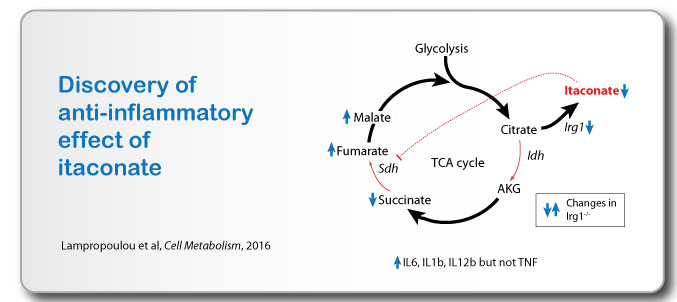
Maxim Artyomov is an Alumni Endowed Professor and Professor of Pathology and Immunology at Washington University School of Medicine , with affiliations to the Institute of Clinical and Translational Sciences (ICTS), Bursky Center for Human Immunology & Immunotherapy Programs (CHiiPs), and Siteman Cancer Center. His research spans Systems Immunology , Immunometabolism , and Cancer Immunology , focusing on integrating epigenetic, transcriptional, and metabolic regulation in immune cells. 2018 promoted to Associate Professor with Tenure 2017 awarded LEAP Inventor Challenge 2018 Unanue Prize for Innovative Research in Immunology Key research contributions include: Discovery of itaconate's anti-inflammatory role (2016) Metabolic reprogramming in macrophage polarization (2015) TREM2's function in microglial metabolic fitness (2017) Development of CORESH gene signature search engine (2025) His high-throughput omics pipelines enable cross-disciplinary analysis of immune responses in tuberculosis, Alzheimer's, and cancer. Notable collaborations include work with Schreiber's lab on immune checkpoint therapy (2018) and ITMO University on systems biology workshops (2017-2018). Awards and grants include the Unanue Prize (2018), LEAP Inventor Challenge (2017), and R01 grant from NIAID (2017). He mentors PhD/MSTP students and co-organizes international systems biology workshops.
Dr. Zakia Djaoud is an Assistant Professor at the Department of Biochemistry, Microbiology and Immunology (University of Ottawa) and a Scientist at the CHEO Research Institute . Her research focuses on human innate lymphocytes, particularly γδ T cells and NK cells, and their roles in viral infections (e.g., herpesviruses), cancer, and transplantation. She employs advanced techniques like functional immunology, T-cell receptor repertoire analysis, immunogenetics, flow cytometry, mass cytometry, and high-throughput gene sequencing. Education : DVM (Higher National Veterinary School of Algiers), MSc (Paris Descartes/Paris-Est Créteil), PhD (University of Nantes, Human Immunology) Postdoctoral Training : Stanford University, laboratory of Dr. Peter Parham Her recent publications explore HLA-KIR-TCR interactions, viral immune evasion, and lymphocyte functional education. She has contributed to understanding Epstein-Barr virus and CMV immunity, with a focus on receptor polymorphisms and immune cell dynamics. Dr. Djaoud's lab investigates how immunogenetics and herpesvirus infections shape innate lymphocyte repertoires and functional responses.
Andrew Godwin is a Professor at the University of Kansas Medical Center , where he serves as the Chancellor’s Distinguished Chair in Biomedical Sciences and Director of Molecular Oncology in the Department of Pathology and Laboratory Medicine. He is also the Deputy Director of the NCI-designated University of Kansas Cancer Center and the Founding Director of the Kansas Institute for Precision Medicine and Biospecimen Shared Resource . Dr. Godwin is a leader in translational research and precision medicine , with a focus on molecular oncology , biomarker discovery , and genomic diagnostics . His work bridges basic and clinical science to improve cancer patient care, particularly in ovarian cancer , Ewing sarcoma , and breast cancer . He has contributed over 230 ovarian cancer-related publications and pioneered studies linking the PI3K/AKT pathway to cancer treatment targets. His research program encompasses liquid biopsies using extracellular vesicles , molecular therapeutics , companion diagnostics , and clinical trial validation . He leads the Biomarker Discovery Laboratory and has secured over $250M in extramural funding , including a $11.4M NIH grant for precision medicine initiatives. His team has developed CELLSEARCH® , the first FDA-cleared test for circulating tumor cells. Notable awards include the Dolph C. Simons, Sr. Higuchi Award (2020), Outstanding Mentorship in Pathology Award (2024), and multiple mentoring accolades from KU. He has mentored over 150 trainees across career stages and leads a multidisciplinary lab with expertise in genomics , proteomics , and bioengineering . Academic Roles: Chancellor’s Distinguished Chair in Biomedical Sciences Director, Molecular Oncology, Pathology and Laboratory Medicine Deputy Director, KU Cancer Center Founding Director, Kansas Institute for Precision Medicine Adjunct Professor, Bioengineering Program, University of Kansas Scientific Awards: KUMC Achievement Award for mentoring postdocs (2014) Chancellor’s Club Award for Research (2018) Dolph C. Simons, Sr. Higuchi Award (2020) KU Excellence in Mentoring Award (2021) Outstanding Mentorship in Pathology (2024) Key Research Themes: Extracellular vesicles as liquid biopsy tools Molecular mechanisms of sarcoma and breast cancer Genomic diagnostics and precision oncology Clinical trial biomarker validation Biospecimen repository leadership
Kari Vaahtomeri is a University Researcher at the University of Helsinki, affiliated with the Molecular and Integrative Biosciences Research Program and the CAN-PRO Translational Cancer Medicine Program. He serves as a Cellular Communication Supervisor in the Doctoral Programme in Integrative Life Science, focusing on lymphatic biology, immune cell migration, and tumor-endothelial interactions. Research Programs: Molecular and Integrative Biosciences, CAN-PRO Translational Cancer Medicine Supervision: Doctoral Programme in Integrative Life Science His research explores the lymphatic system's role in cancer metastasis, immune cell transmigration, and vascular network development. Key areas include chemokine signaling, endothelial cell dynamics, and the molecular mechanisms of antigen presentation in tumors. Recent publications highlight his work on lymphatic endothelial multicellular junctions, melanoma-lymphatic crosstalk, and AMPK signaling in lung cancer immune evasion. His projects span from 2017 to 2027, funded by the Sigrid Jusélius Foundation and the Academy of Finland. Key Collaborations: IST Austria, international lymphatic research networks Activities: Oral presentations at conferences, academic visits to research institutions
Dr. Sheng-Jian Ji is a Tenured Associate Professor at the School of Life Sciences, Department of Neuroscience at Southern University of Science and Technology (SUSTech) in Shenzhen, China. He also serves as the Academic Vice President of Shude Academy and was previously the first Deputy Director of Research and Graduate Affairs in the Department of Biology at SUSTech (2016-2018). As a leading neuroscientist specializing in RNA modification and neural development, Dr. Ji has established an internationally recognized research program. Dr. Ji's educational background includes: 2003-2007: Postdoctoral Fellow, Johns Hopkins University School of Medicine, Neurobiology 1998-2003: PhD in Biochemistry and Molecular Biology, Peking University School of Life Sciences 1994-1998: Bachelor's Degree in Biochemistry, Yantai University Department of Biochemistry Dr. Ji's research primarily focuses on developmental neurobiology, with particular emphasis on post-transcriptional regulation mechanisms including RNA modification and local translation of mRNA in axons. His laboratory is recognized as one of the leading international groups studying how mRNA modification (particularly m6A and m5C) regulates neural development and function. Through innovative approaches combining molecular biology, cell biology, and microfluidic technologies, his team has revealed important insights into axon growth, dendrite maintenance, cortical neurogenesis, and retinal development. His publication record shows a clear trajectory from fundamental mechanisms of RNA modification to applications in understanding neurological disorders and aging. Recent work has expanded into aging-related neural decline, cognitive functions, and potential therapeutic targets for neurological conditions. Dr. Ji has received numerous prestigious awards: 2020, 2016: SUSTech Excellent College Mentor 2020: SUSTech Biology Department Outstanding Service Award 2019: Guangdong Province Talent Youyue Card A 2017: Guangdong Provincial Professor of Neurobiology 2013: Jiangsu Distinguished Professor (Nanjing University) 2011: National Natural Science Award Second Prize (third contributor) As an educator, Dr. Ji teaches undergraduate Neurobiology and graduate Cellular and Molecular Neurobiology courses. He actively mentors students, with recent master's graduates including Yuan Jiaxin and Zhang Pingrui. His laboratory recruits postdoctoral fellows (with salaries of 335,000+ RMB annually), research assistants, and graduate students, providing comprehensive training in molecular techniques, neuronal cell culture, microfluidics, and omics approaches. Dr. Ji leads a vibrant research team that collaborates both within SUSTech and internationally. His work continues to advance understanding of RNA modification in neural development, function, and aging, with recent progress highlighted in June 2025.