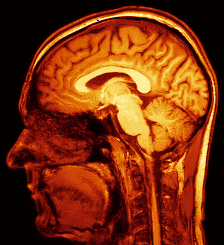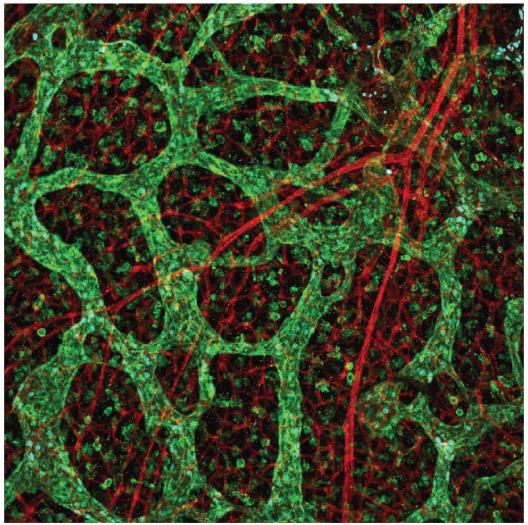
Prof. Dr. Stefan Schulte-Merker is a Professor at the University of Münster, where he leads the Institute for Cardiovascular Organogenesis and Regeneration (ICOR) within the Faculty of Medicine. His research focuses on vascular and lymphatic biology, particularly using zebrafish as a model system to study developmental processes and disease mechanisms. His research interests include: Vascular Biology and Angiogenesis Lymphatic vessel development and function Cardiovascular organogenesis and regeneration Developmental biology using zebrafish models Cell biology of endothelial cells Skeletal mineralization and bone development Prof. Schulte-Merker's laboratory has made significant contributions to understanding lymphatic endothelial cell biology, particularly discovering a unique population of lymphatic endothelial cells in the meningeal layer of the zebrafish brain that function as scavenger cells to remove waste products from the brain parenchyma. His work has implications for understanding neurological injury response and repair mechanisms. His recent publications demonstrate a strong focus on molecular mechanisms of lymphatic development, particularly involving signaling pathways like Angiopoietin-TIE and VEGFC, as well as the role of extracellular matrix proteins in vascular patterning. His research spans from basic developmental mechanisms to potential implications for human diseases including neurodegenerative disorders and vascular malformations. Prof. Schulte-Merker has received recognition through his students' achievements, including Melina Hußmann's paper being selected as "Paper of the Month" by the Faculty of Medicine in May 2023 and Sanjay Sunil Kumar winning the "best Presentation and Poster prize" at the Gordon Research Conference on Lymphatics in 2024. He actively mentors PhD students and postdoctoral researchers, fostering a lively international research environment focused on cardiovascular science and regeneration. His lab participates in major scientific conferences and has organized workshops such as the Zebrafish Genome Engineering workshop that attracted 108 international participants.