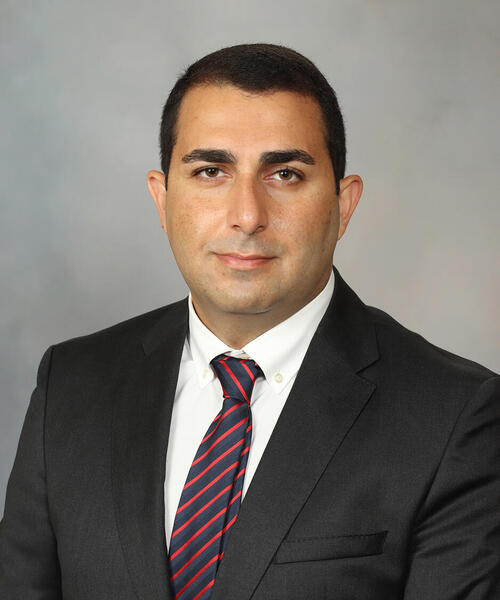
Javed Butler is a Professor of Medicine at the University of Mississippi School of Medicine, with a concurrent appointment as Senior Vice President at Baylor Scott and White Health . Previously, he held leadership roles as Chair of the Department of Medicine and Director of Cardiovascular Research at various institutions. Education: MD (Aga Khan University), MPH (Harvard University), MBA (Emory University) Certifications: Board-certified in Cardiovascular Medicine and Advanced Heart Failure/Transplant Medicine Research Focus: Clinical trials in heart failure, cardiovascular pharmacology, and transplant medicine. His work spans drug development, cardiac imaging, and clinical endpoint adjudication. Scientific Awards: Simon Dack Award (American College of Cardiology) Time, Feeling, and Focus Award (American Heart Association) Recent Publications: 2025 studies on beta-blockers post-myocardial infarction, digitoxin for heart failure, and macrophage regulation in adipocyte biology; 2018 review on gold nanoparticle toxicology.
Kristine Widders, MD serves as an Assistant Professor in the Department of Surgery within the College of Medicine at Pennsylvania State University, specializing in General Surgery and Surgical Oncology at the Penn State Cancer Institute. Her research focuses on critical aspects of breast cancer survivorship and diagnostics, including: Mechanisms of ipsilateral breast tumor recurrence and surgical management Sociodemographic disparities affecting rehabilitation outcomes Advanced imaging techniques for rare breast tumors like granular cell neoplasms Arm function restoration protocols post-mastectomy Analysis of her publications reveals a concentrated trajectory in breast oncology since 2016, with increasing emphasis on multidisciplinary approaches integrating surgical oncology, radiology, and rehabilitation science. Her 2024 work demonstrates innovative cross-application of prostate cancer imaging technology to breast diagnostics. Dr. Widders actively collaborates with national research teams across institutions, with her 2022 review on work reintegration disparities accumulating significant scholarly attention (40 Mendeley readers). Her laboratory and clinical teams focus on: Longitudinal tracking of breast cancer survivorship metrics Optimizing sentinel lymph node biopsy success rates Developing disparity-sensitive rehabilitation frameworks
Alexander Gow is Professor of Molecular Medicine and Genetics, Pediatrics, and Neurology at Wayne State University, focusing on neurodegenerative diseases and white matter disorders. His research spans multiple disciplines including molecular genetics, neuroscience, and computational biology. PhD from University of Queensland (1990) Charles H. Gershenson Distinguished Fellow Associate Director, Center for Molecular Medicine and Genetics His research explores: Protein misfolding in Pelizaeus-Merzbacher disease Unfolded Protein Response (UPR) in neurodegeneration Claudin-11 protein's role in myelin and auditory function Drug development pipelines for neurodegenerative disorders Mouse models for white matter diseases Computational modeling of neural systems Recent publications focus on myelin integrity analysis, neurodegenerative modeling, and AI applications in biomedical research. Notable collaborations include researchers from Biomedical Engineering, Psychiatry, and Otolaryngology departments at Wayne State University. Scientific awards include multiple Research Excellence Awards from Wayne State University (2004, 2009, 2013) and the Charles H. Gershenson Distinguished Fellowship (2010).
Jorge A. Castorena, PhD, is an Assistant Professor in the Department of Pharmacology at Tulane University School of Medicine, where he leads research on lymphatic system function and dysfunction. His academic journey began with Bachelor's and Master's degrees in Physics from Universidad de Guanajuato in México, followed by a PhD in Bioengineering from the University of Missouri. After completing a postdoctoral fellowship under Dr. Michael J. Davis at the University of Missouri School of Medicine, he served as a Research Assistant Professor before joining Tulane University in 2020. Dr. Castorena's research program focuses on understanding the mechanisms through which the lymphatic system becomes dysfunctional and contributes to cardiovascular diseases. His lab investigates the critical relationship between obesity and lymphatic dysfunction, as well as the effects of aging on lymphatic system function. The lymphatic system serves multiple vital roles including returning interstitial fluid to circulation, immune cell trafficking, dietary lipid absorption, and unfortunately, serving as a pathway for cancer metastasis. His laboratory employs a sophisticated array of techniques including simultaneous multi-channel confocal microscopy for intracellular calcium imaging, pressure myography on isolated lymphatic vessels from animal models and humans, lymphatic primary cell cultures, and electron microscopy. The lab also develops innovative computational tools for automated data and image analysis, reflecting Dr. Castorena's strong physics and engineering background. Analysis of Dr. Castorena's publication record (2020-2025) reveals a strong focus on lymphatic physiology, with particular emphasis on calcium signaling mechanisms, lymphatic valve function, and the impact of metabolic stress on lymphatic contractility. His work frequently examines the role of specific ion channels (KATP, TRPV4, T-type calcium channels) and connexin proteins in lymphatic function. Recent publications demonstrate expanding research into connections between lymphatic function and neurological conditions via the glymphatic system. Dr. Castorena serves as a TIPS Mentor in Tulane's Biomedical Sciences Graduate Program, providing research opportunities for students interested in vascular biology, lymphatic physiology, and related interdisciplinary fields. His lab offers comprehensive training in advanced physiological techniques and computational analysis methods, preparing students for careers at the intersection of engineering, physics, and biomedical sciences.
Sirpa Tuulikki Jalkanen is a distinguished Professor of Immunology at the University of Turku, serving as Special Advisor in the Department of Biomedicine and InFLAMES Flagship Professor. Appointed Academician of Science in 2015, she has been a leading figure in immunological research for over four decades. Her research focuses on lymphocyte migration mechanisms within the immune system, with significant contributions to understanding inflammatory diseases and cancer progression. Professor Jalkanen's work spans multiple disciplines including cytokine networks, gut microbiome interactions, and molecular imaging techniques, particularly examining CD206 receptor targeting in inflammatory conditions. Analysis of her recent publications (2024-2025) reveals a strong emphasis on translational immunology, with studies connecting basic immune mechanisms to clinical applications in cardiology, oncology, and respiratory medicine. Her work demonstrates consistent innovation in connecting inflammatory processes to diverse disease states. Professor Jalkanen's scientific achievements have been recognized with numerous prestigious awards: Duodecim Young Scientist Award (1987) Äyräpää Award (2008) Datta Medal (2011) Anders Jahren Award (2005) Academician of Science (2015) Second prize in European Women Inventors Competition (2016) As a successful academic entrepreneur, Professor Jalkanen co-founded Biotie Therapies (acquired by Acorda Therapeutics in 2016) and Faron Pharmaceuticals, translating her immunological research into clinical applications. Her laboratory, The Research Group MediCity, continues to produce high-impact research with numerous publications in top-tier journals through 2025, maintaining her position as one of the world's leading immunologists.
Robert W. Elder is an Associate Professor of Pediatrics and Internal Medicine at Yale School of Medicine, specializing in Congenital Cardiology . He directs the Adult Congenital Heart Program and the Pediatric Cardiology Fellowship Program , with board certifications in Pediatric Cardiology, Internal Medicine, and Adult Congenital Heart Disease. MD: University of Connecticut School of Medicine (2005) Residency: University of Pittsburgh Medical Center Fellowship: Columbia University Medical Center Advanced Fellowship: Emory University Dr. Elder's research focuses on long-term outcomes of Fontan patients , particularly hepatic complications from Fontan circulation. His work bridges pediatric and adult congenital cardiology , emphasizing transition care and medical education . Recent studies analyze QTc prolongation in Williams Syndrome , cardiac immunology , and ethical communication in Fontan care . Scientific contributions include peer-reviewed publications in journals like Pediatric Cardiology and Circulation: Genomic and Precision Medicine . His 2024 Life and Death: A Multicenter Study examines ethical challenges in Fontan patient counseling, while the 2023 JACC Advances paper evaluates predictive accuracy for adverse events. 2017 Mae Gailani Award for Clinical Excellence 2024 Connecticut Magazine 'Top Doctors' List As Program Director for two fellowship tracks, Dr. Elder mentors future cardiologists while maintaining clinical roles in the Adult Congenital Heart Program and Pediatric Echocardiogram Program at Yale Medicine. His clinical expertise spans congenital cardiac imaging and single-ventricle physiology .
Professor Tsutomu Kume holds primary appointments in the Department of Medicine (Cardiology) with secondary appointments in Pharmacology and Ophthalmology at Northwestern University's Feinberg School of Medicine. His research spans cardiovascular development, stem cell biology, and lymphatic/angiogenic processes. Dr. Kume earned his PhD from the University of Tokyo in 1996. His research focuses on Foxc transcription factors in cardiovascular development and disease, with emphasis on (lymph)angiogenesis, retinal vascular disorders, and valvular pathologies. Key interests include molecular mechanisms of blood vessel growth, stem/progenitor cell regulation, and therapeutic targeting of vascular diseases. His recent publications reveal trends in transcription factor signaling (particularly FOXC1/FOXC2), hemodynamic force responses in valve disease, and organ-specific lymphatic functions . Work spans mouse models, molecular genetics, and translational applications for conditions like retinopathy and myxomatous valve degeneration. Scientific recognition includes: Fellow, American Heart Association (2001-Present) Dr. Kume actively mentors through collaborative projects (e.g., with PhD student Erin Lambers on cardiac cell regeneration) and serves on major editorial boards including Frontiers in Cell and Developmental Biology and Developmental Dynamics . He leads significant grant-funded work through Northwestern's Center for Genetic Medicine and Simpson Querrey Institute for Epigenetics. He directs research within the Louis A. Simpson and Kimberly K. Querrey Biomedical Research Center and collaborates extensively with the Robert H. Lurie Comprehensive Cancer Center and NUCATS. Current initiatives include gene therapy approaches for corneal clarity disorders and molecular investigations of venous valve disease.
William A Muller, MD, PhD is the Janardan K. Reddy, MD Professor of Pathology at Northwestern University's Feinberg School of Medicine. He served as Chair of the Department of Pathology from 2007 until stepping down in July 2016, but remains an active faculty member with significant research and clinical contributions. Currently, he serves as President of the American Society for Investigative Pathology (since July 2022) and continues to lead a vibrant research laboratory while maintaining clinical duties on the adult autopsy service with 25% effort. BA: Harvard College (1975) PhD: Rockefeller University (1981) MD: Cornell Weill Medical College (1982) Intern: Massachusetts General Hospital (1983) Resident: Brigham & Women's Hospital (1987) Board Certification: Anatomic Pathology, American Board of Pathology Muller's research focuses on the cellular and molecular mechanisms of inflammation, particularly the process of diapedesis where leukocytes cross endothelial barriers. His laboratory has made seminal contributions including the identification of key molecules (PECAM/CD31, CD99, VE-cadherin) and the discovery of the Lateral Border Recycling Compartment (LBRC), a novel organelle critical for inflammatory cell migration. His work spans multiple disease models including atherosclerosis, stroke, myocardial infarction, multiple sclerosis, and rheumatoid arthritis. Analysis of his recent publications reveals a continued focus on inflammatory mechanisms with expansion into neurovascular inflammation (stroke) and tumor metastasis. His research employs advanced techniques including 4-dimensional intravital microscopy across multiple vascular beds, with recent work exploring molecular targets for anti-inflammatory therapy based on LBRC function. Madri Lectureship, Yale School of Medicine (2025) 15th Annual Marvin Kuschner Memorial Lecture (2024) Ramzi Cotran Memorial Lecture, Harvard Medical School (2021) Elected to Association of American Physicians (2021) Outstanding Investigator Award, NHLBI (2021) Rous-Whipple Award, ASIP (2013) AAAS Fellow (2010) MERIT Award, NIH (2005) Muller has been instrumental in training the next generation of scientists and physicians, serving in numerous leadership roles including President of the North American Vascular Biology Organization and various positions in the American Society for Investigative Pathology. At Feinberg, he expanded the Diagnostic Molecular Pathology Lab, opened a state-of-the-art Cytogenetics Lab, and initiated programs to fund resident and fellow research. His current work focuses on neurovascular inflammation and tumor metastasis while continuing his clinical service on the autopsy rotation.
Faruk Serhatlioglu serves as Assistant Professor and Head of the Department of Cardiovascular Surgery within the Department of Surgical Medical Sciences at Nigde Omer Halisdemir University's Faculty of Medicine. His clinical and academic work focuses on advancing cardiovascular surgical techniques and outcomes. His educational background includes: Medical Specialization in Cardiovascular Surgery, Erciyes University (2001-2007) M.D., Trakya University, Faculty of Medicine (1990-1996) Dr. Serhatlioglu's research centers on biomarker validation in coronary artery disease, vascular thrombosis mechanisms, and surgical complication management. His work bridges laboratory findings with clinical applications, particularly in inflammatory markers for disease severity assessment and innovative solutions for complex vascular cases like carotid body tumors and hemodialysis access complications. He frequently employs case report methodology to document rare presentations. Analysis of his 15 most recent publications reveals evolving expertise from foundational studies on cardiopulmonary bypass (2014-2016) toward contemporary biomarker research (2023-2024). Current work emphasizes immune-inflammation metrics in saphenous vein graft disease and glucose-lymphocyte ratios for coronary severity stratification, demonstrating consistent focus on improving diagnostic precision in vascular pathologies. With over 20 peer-reviewed publications spanning SCI-expanded, Scopus, and national journals, his contributions enhance understanding of cardiovascular surgical outcomes and complications across diverse patient populations.
Prof. Dr. Stefan Schulte-Merker is a Professor at the University of Münster, where he leads the Institute for Cardiovascular Organogenesis and Regeneration (ICOR) within the Faculty of Medicine. His research focuses on vascular and lymphatic biology, particularly using zebrafish as a model system to study developmental processes and disease mechanisms. His research interests include: Vascular Biology and Angiogenesis Lymphatic vessel development and function Cardiovascular organogenesis and regeneration Developmental biology using zebrafish models Cell biology of endothelial cells Skeletal mineralization and bone development Prof. Schulte-Merker's laboratory has made significant contributions to understanding lymphatic endothelial cell biology, particularly discovering a unique population of lymphatic endothelial cells in the meningeal layer of the zebrafish brain that function as scavenger cells to remove waste products from the brain parenchyma. His work has implications for understanding neurological injury response and repair mechanisms. His recent publications demonstrate a strong focus on molecular mechanisms of lymphatic development, particularly involving signaling pathways like Angiopoietin-TIE and VEGFC, as well as the role of extracellular matrix proteins in vascular patterning. His research spans from basic developmental mechanisms to potential implications for human diseases including neurodegenerative disorders and vascular malformations. Prof. Schulte-Merker has received recognition through his students' achievements, including Melina Hußmann's paper being selected as "Paper of the Month" by the Faculty of Medicine in May 2023 and Sanjay Sunil Kumar winning the "best Presentation and Poster prize" at the Gordon Research Conference on Lymphatics in 2024. He actively mentors PhD students and postdoctoral researchers, fostering a lively international research environment focused on cardiovascular science and regeneration. His lab participates in major scientific conferences and has organized workshops such as the Zebrafish Genome Engineering workshop that attracted 108 international participants.
Vibeke Brix Christensen is a Clinical Professor at the Department of Clinical Medicine, University of Copenhagen, specializing in cardiothoracic surgery and congenital heart diseases. She is affiliated with Copenhagen University Hospital, Rigshospitalet. Her research focuses on pathophysiology in congenital heart diseases, with special interests in: The inter-relationship between cardiac and pulmonary function at rest and during exercise Long-term outcomes of congenital heart disease Lymphatic function in univentricular hearts Neurodevelopmental outcomes from fetus to adult Pediatric liver disease and malnutrition Professor Christensen pursues a translational research approach, studying clinically relevant questions through basic science, clinical projects, and epidemiology. Her recent work spans cardiology, lymphology, pulmonology, and pediatric health, with a particular emphasis on understanding the mechanisms behind congenital heart conditions and their long-term effects. Her scientific achievements include: More than 300 peer-reviewed publications Over 10 textbook chapters Invited lecturer more than 50 times Reviewer for many high-impact international journals Member of the Order of the Dannebrog (knighted by the Queen of Denmark) Professor Christensen has been actively involved in teaching and mentoring, supervising numerous DMSc, PhD, and research year students. Since 2009, she has engaged in charitable work with organizations including Chain of Hope (London) and Gift of Life (New York), performing surgeries on children with congenital heart diseases in developing countries worldwide.
Vibeke Elisabeth Hjortdal serves as Clinical Professor at the Department of Cardiothoracic Surgery, Copenhagen University Hospital, Rigshospitalet, under the Faculty of Health and Medical Sciences at the University of Copenhagen. With a distinguished career spanning several decades, she specializes in congenital heart diseases and has established herself as a leading expert in this specialized field of cardiac medicine. Her academic journey includes earning both a PhD and Doctor of Medical Sciences from Aarhus University, forming the foundation for her extensive research contributions. Professor Hjortdal's research focuses on the pathophysiology of congenital heart diseases, with particular emphasis on the inter-relationship between cardiac and pulmonary function at rest and during exercise, long-term outcomes, lymphatic function in univentricular hearts, and neurodevelopmental outcomes from fetus to adult. Her work employs a translational approach, bridging clinically relevant questions with basic science, clinical projects, and epidemiological studies. This comprehensive methodology has resulted in over 300 peer-reviewed publications and more than 10 textbook chapters, establishing her as a renowned authority in pediatric and congenital cardiac care. Analysis of her recent publications (2024-2025) reveals a strong focus on interdisciplinary approaches to congenital heart disease, spanning cardiology, pulmonology, psychology, and lymphology. Her work increasingly addresses the holistic care of patients, examining not only surgical and physiological aspects but also mental health outcomes, developmental considerations, and quality of life issues. The research demonstrates a clear trajectory toward integrated care models that consider the full spectrum of patient needs throughout their lifespan. Knighted by the Queen of Denmark Member of the Order of the Dannebrog Professor Hjortdal has dedicated significant effort to mentoring the next generation of medical researchers, having supervised numerous DMSc, PhD, and research year students throughout her career. Her teaching commitment extends beyond formal supervision to include more than 50 invited lectures worldwide. Additionally, since 2009, she has engaged in humanitarian work with Chain of Hope (London), where she serves on the Strategic Planning Board, and Gift of Life (New York), performing life-saving surgeries for children with congenital heart diseases in developing countries across the globe. Her international collaborations span numerous countries, reflecting the global impact of her work.
Dr. Vahe Fahradyan is an Assistant Professor of Plastic Surgery at the Mayo Clinic College of Medicine and Science and serves as a Consultant in the Division of Plastic Surgery at Mayo Clinic. He specializes in surgical treatment of lymphedema, breast reconstruction, and gender affirmation surgery, with advanced fellowship training from Cleveland Clinic and Mount Sinai Hospital. Dr. Fahradyan's research focuses on early diagnosis of lymphedema and innovative imaging techniques for lymphatic mapping. His clinical expertise includes supermicrosurgical lymphovenous bypass, vascularized lymph node transfer, and vascularized lymph vessel transfer. He has published extensively on lymphedema management, gender affirmation procedures, and reconstructive techniques, with recent publications appearing in high-impact journals. His notable awards include the 2018 Outstanding Paper Presentation Award from the American Society of Plastic Surgeons, 2nd Place Basic Science Paper at the Ohio Valley Society of Plastic Surgeons Annual Meeting, and multiple research awards from Cleveland Clinic. Dr. Fahradyan is actively involved in professional organizations including the Plastic Surgery Research Council, World Professional Association for Transgender Health, and American Society for Reconstructive Microsurgery. Fluent in English, Armenian, and Russian, Dr. Fahradyan is dedicated to advancing patient-centered surgical care and pioneering new frontiers in reconstructive and microsurgery. His comprehensive approach integrates the latest research with clinical expertise to provide personalized treatment plans for patients seeking lymphedema management, breast reconstruction, or gender affirmation procedures.
Nicholas Semenkovich, MD is an Assistant Professor in the Department of Medicine with specialization in the Division of Endocrinology at the Medical College of Wisconsin. He maintains dual affiliations as a Member of both the Cancer Center and the Data Science Institute, reflecting his interdisciplinary research approach that bridges clinical medicine, oncology, and computational methods. Dr. Semenkovich's research spans several interconnected domains: Precision Oncology - Development and application of circulating tumor DNA (ctDNA) and liquid biopsy technologies for cancer detection and monitoring Health Equity - Investigation of disparities in cancer care and development of equitable precision medicine approaches Gut Microbiome - Study of host-microbe interactions and their impact on health and disease Inflammatory Diseases - Exploration of molecular mechanisms underlying inflammatory conditions His recent publications demonstrate strong focus on genomic approaches to cancer detection, with significant work on precision equity in multicancer screening. Dr. Semenkovich has published in high-impact journals including JAMA Oncology, PNAS, and Clinical Cancer Research, with several papers accumulating dozens of citations within a short timeframe. His 2023 paper on ctDNA liquid biopsy for lung cancer risk stratification has received 45 citations, indicating substantial field impact. Dr. Semenkovich actively collaborates across disciplines and institutions, with extensive co-author networks spanning basic science, clinical oncology, and health services research. His faculty profile explicitly notes willingness to collaborate on research projects and serve as a peer mentor, demonstrating commitment to advancing scientific knowledge and supporting fellow researchers.
Mary Sorci Thomas, PhD is a Professor with Tenure in the Department of Medicine, Division of Endocrinology at the Medical College of Wisconsin and in the Department of Pathology Section on Lipid Sciences at Wake Forest University School of Medicine. She serves as Associate Director of the Cardiovascular Center and Associate Program Director of the CVC T32 Training Program at MCW. Dr. Sorci Thomas is an internationally recognized expert in lipoprotein metabolism and HDL research with over 30 years of continuous NIH funding. Dr. Sorci Thomas's research program focuses on the structural and functional properties of apolipoprotein A-I and HDL, with particular emphasis on how these relate to cholesterol transport, inflammation, and atherosclerosis. Her work has provided fundamental insights into the mechanisms of HDL biogenesis, the role of specific apolipoprotein domains in LCAT activation, and the relationship between HDL function and immune regulation. Her laboratory employs a multidisciplinary approach combining protein chemistry, molecular biology, cell culture, and animal models to investigate these processes. Analysis of Dr. Sorci Thomas's recent publications reveals a continued focus on HDL structure-function relationships, with increasing attention to the connections between lipid metabolism, inflammation, and vascular biology. Her work spans basic mechanistic studies of apolipoprotein structure to translational investigations of HDL function in disease processes, demonstrating a consistent trajectory of high-impact research in lipoprotein biology. Established Investigator, American Heart Association (1994-1999) Women's Mentoring Award, American Heart Association (2002) Special Recognition Award, Arteriosclerosis, Thrombosis and Vascular Biology Council (2002) Chair, Gordon Conference on Lipoprotein Metabolism (2006) Chair, Kern Aspen Lipid Meeting (2010-Present) Co-Chair, Atherosclerosis, Thrombosis and Vascular Biology Council of AHA (2016-2022) Dr. Sorci Thomas has mentored numerous students, postdocs, and junior faculty throughout her career. As Associate Program Director of the CVC T32 Training Program at MCW, she continues to play an active role in training the next generation of cardiovascular researchers. Her mentorship extends beyond her own laboratory through her leadership roles in national organizations and scientific review panels.