Sirpa Jalkanen is a Professor of Immunology at the University of Turku and a Research Professor at the National Institute of Health and Welfare. She has held leadership roles including Director of the MediCity Research Laboratory and the Receptor Program at Turku University, and Vice Dean of the Medical Faculty (2010-2013). Degrees: M.D. (1979), Ph.D. (1983), Docent in Immunobiology (1987) Speciality: Clinical Microbiology (1990) Her research focuses on endothelial cell biology , lymphocyte trafficking , and transcellular migration . She has pioneered discovery of adhesion molecules and their roles in inflammation, with significant contributions to understanding leukocyte migration and vascular biology. The provided publications (2005-2013) highlight her work on VAP-1 interactions , Siglec receptors , endothelial markers , and lymphatic trafficking . These studies span immunology, molecular biology, and lymphatic system research, revealing mechanisms in leukocyte adhesion and potential diagnostic applications. Scientific Awards: Datta Medal (2011) Äyräpää Prize (2008) Anders Jahre Prize (2005) Elias Lönnrot Medal (2004) Maud Kuistila Prize (1997) Jalkanen has trained 24 thesis students and 21 postdoctoral fellows, five of whom hold professorships or leadership roles. Her work has led to over 242 publications (H-index 55), 10+ patents, and two biotech companies: BioTie Therapies and Faron Pharmaceuticals.
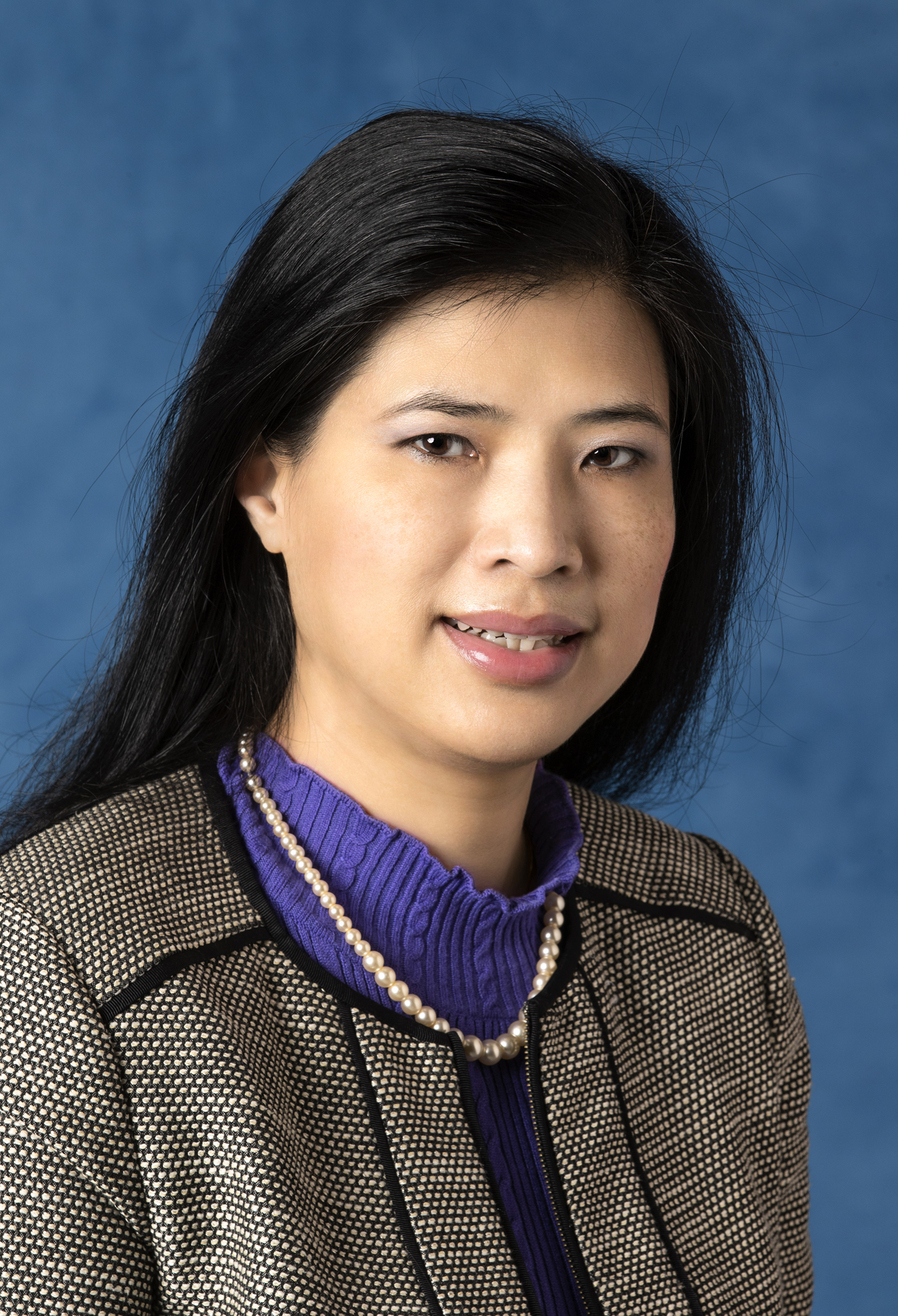
Prof. Nguyen Thanh Thi Kim is a Full Professor in Nanomaterials and Vice Dean for Innovation and Enterprise at UCL's Faculty of Mathematical & Physical Sciences. She leads research on magnetic/plasmonic nanomaterials for biomedical applications such as MRI contrast agents, cancer therapy, and drug delivery systems. Her work emphasizes scalable synthesis and functionalization of nanoparticles, with a focus on clinical translation. Positions: 2021–Present: Vice Dean for Innovation & Enterprise, UCL 2013–Present: Professor in Nanomaterials, UCL Department of Physics & Astronomy Research Focus: Cutting-edge synthesis of nanoparticles (e.g., iron oxides, gold nanorods) for diagnostics (MRI), therapeutics (hyperthermia, drug delivery), and environmental applications. Key areas include: Biomedical nanomaterials functionalization Magnetic nanoparticle heating mechanisms Continuous-flow manufacturing of nanoparticles Awards: 2023 IUPAC Distinguished Women Award 2023 SCI/RSC Graham Prize 2019 Royal Society Rosalind Franklin Medal 2014 Founder of Vietnam Young Academy Editorial Roles: Editor-in-Chief of Royal Society of Chemistry's Nanoscience & Nanotechnology series, and Associate Editor of Nanoscale . She has edited 7 theme issues and authored/co-authored 2 seminal books on magnetic nanoparticles. Impact: Over 168 publications, 19,743 citations, and 100+ patents/patent applications. Her research bridges academia and industry, notably advancing MRI contrast agents and hyperthermia treatments.
Noemi Stefanía Csaba is a Professor at the University of Santiago de Compostela, affiliated with the Department of Pharmacology, Pharmacy and Pharmaceutical Technology within the Faculty of Pharmacy. She is also part of the Center for Research in Molecular Medicine and Chronic Diseases (CIMUS). Her research focuses on nanotechnologies applied to drug delivery systems, particularly in the development of gene therapy carriers, vaccines, and targeted therapies for cancer and infectious diseases. She earned her PhD in 2005 with a thesis on genetic vaccine delivery systems under the supervision of Dr. María José Alonso Fernández and Dr. Alejandro Sánchez Barreiro. Her research interests encompass nanomedicine, biomaterials engineering, and mucosal drug delivery. She has pioneered studies on protamine nanocapsules, chitosan-based systems, and polyphosphazene derivatives for targeted drug delivery. Her work addresses challenges in overcoming biological barriers (e.g., nasal-to-brain, pulmonary, intestinal) and enhancing therapeutic efficacy through nanoparticle design. Notable contributions include the development of semisynthetic pneumococcal nanovaccines, hybrid peptide-polymer platforms for cancer immunotherapy, and lymphatic-targeted anticancer nanocarriers. Her articles highlight advancements in gene delivery for glioblastoma, ocular tumor treatment, and macrophage-targeted pulmonary therapies. While no specific awards are listed, her prolific publication record (spanning 2002–2025) reflects sustained innovation in pharmaceutical nanotechnology. She collaborates widely on projects integrating biomaterials, molecular medicine, and translational drug delivery systems. Her lab (NANOBIOFAR research group) focuses on translational nanomedicine, emphasizing practical applications such as ready-to-use dry powders for pulmonary delivery and plant-derived sporopollenin microcapsules for drug encapsulation. Current work includes optimizing nanoparticle stability, improving vaccine adjuvants, and addressing barriers in intestinal and transmucosal drug absorption.
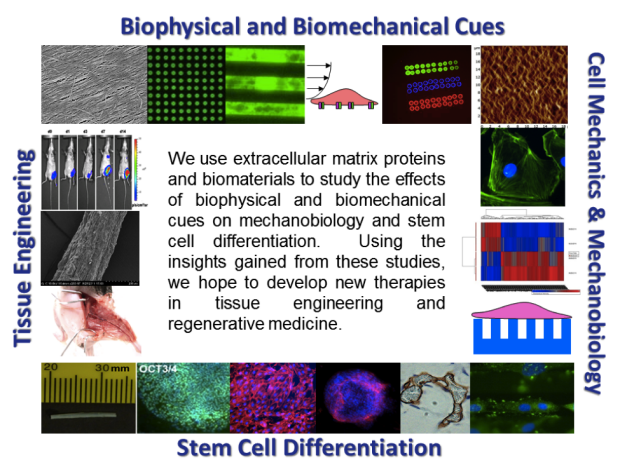
Ngan F. Huang, PhD is an Associate Professor of Cardiothoracic Surgery at Stanford University and a Courtesy Associate Professor of Chemical Engineering . She serves as a Research Career Scientist at the Department of Veterans Affairs and leads the Huang Research Lab at the Center for Tissue Regeneration, Repair and Restoration (VA Palo Alto Health Care System). Key roles: Principal Investigator, Stanford Cardiovascular Institute Research focus: Tissue Engineering , Cardiovascular Regeneration , Stem Cell Therapy , and Biomaterials Her work leverages extracellular matrix (ECM) cues, nanofibrillar scaffolds , and organ-on-a-chip platforms to address conditions like peripheral artery disease , muscle injury , and cardiovascular dysfunction . Recent publications emphasize combinatorial ECM designs , microgravity muscle modeling , and aligned fibrillar structures for cell orientation. Notable awards include the Peripheral Vascular Disease Travel Award (2014) and Robert W Hobson II Early Career Investigator Award (2012). Her lab actively recruits postdoctoral fellows and animal technicians for studies involving vascular disease models and tissue regeneration .
David Long is Professor of Paediatric Nephrology at University College London's Great Ormond Street Institute of Child Health (GOSICH). He serves as Head of the Developmental Biology and Cancer Department, co-leads the UCL Centre of Kidney and Bladder Health, and acts as Deputy Theme Lead of the Gene, Cell and Stem Theme at the Great Ormond Street Biomedical Research Centre. With over 80 publications cited more than 6,000 times and an H-index of 42, his research focuses on understanding kidney disease mechanisms to develop novel therapies for patients. David Long earned his Doctor of Philosophy from University College London in 2003 and his Bachelor of Science (Honours) from the University of Southampton in 1999. His initial research experience was gained in the Nephro-Urology Unit at GOSICH under Professor Adrian Woolf as an MRC-funded PhD student. Professor Long's research mission centers on understanding mechanisms underlying kidney disease in children and adults to translate findings for patient benefit. His laboratory combines experimental models of kidney disease using zebrafish, transgenic mice, and patient samples with innovative technologies including three-dimensional imaging, mathematical modeling, gene editing, stem cell technology, and novel therapeutic approaches. His work is particularly important given the UK has 70,000 patients with end-stage kidney disease requiring dialysis or transplantation, with an annual cost of the UK ESKD programme conservatively estimated at £1 billion. Analysis of Professor Long's recent publications reveals a strong focus on kidney lymphatic vessels, polycystic kidney disease, and glomerular pathology. His work increasingly utilizes advanced technologies like single-cell transcriptomics, three-dimensional imaging, and microfluidic organ-on-chip platforms. A significant theme is the investigation of lymphatic vessel function in kidney health and disease, particularly in polycystic kidney disease and transplant rejection. His research also explores novel therapeutic approaches including vincristine for podocyte damage and cardiotrophin-1 for glomerular disease, demonstrating the interdisciplinary nature of his work bridging basic science with clinical applications. Wellcome Trust Investigator Award (2020-2025) Medical Research Council New Investigator Award (2012) Kidney Research UK Senior Non-Clinical Fellowship (2008-2014) UCL Bogue Research Fellowship MRC-funded PhD Professor Long has supervised seventeen PhD students (ten as primary supervisor) and managed eleven postdoctoral fellows, three research assistants, and a Wellcome Trust MD/PhD clinical fellow. His research group has expanded to over fifteen members, making him one of the few non-clinical scientists leading a renal group in the UK. His funding includes grants from the MRC, Kidney Research UK, Diabetes UK, Kids Kidney Research, and the GOSICH Children's Charity. He has also been a member of the Kidney Research UK Research Grants Committee (2014-22) and currently serves as an academic editor for PLoS One and on the Journal of the American Society of Nephrology editorial board. Professor Long leads the Kidney Development and Disease Group (KDD) at UCL Great Ormond Street Institute of Child Health, a team of clinicians and scientists with the ultimate aim to develop new therapies for patients with kidney disease. He also co-established and co-leads the UCL Centre of Kidney and Bladder Health. His laboratory has grown to over fifteen members, focusing on innovative approaches to understand and treat kidney diseases, with current work supported by a Wellcome Trust Investigator Award examining how lymphatic vessels grow, work, and communicate with other cells in growing or diseased organs.
Dr. Barbara Andersen is a Professor in Clinical Psychology at The Ohio State University (OSU), with a joint appointment in Obstetrics and Gynecology. She is affiliated with the College of Arts and Sciences and the Department of Psychology, where she has held leadership roles such as Director of the Behavioral Measurement Shared Resource. Her research focuses on biobehavioral aspects of cancer, particularly psychological interventions to improve quality of life and survival in patients with breast, lung, and hematologic cancers. Dr. Andersen has pioneered stress-reduction and cognitive-behavioral therapies for cancer patients, with her interventions widely disseminated in oncology settings. Education: PhD in Psychology (1980), MA (1978), and BS (1973) from the University of Illinois. She completed an internship at UCLA and joined OSU in 1989 after early career roles at the University of Iowa. Research interests include stress-immune interactions, depression in oncology patients, and functional resilience in advanced cancers. Key contributions include demonstrating the survival benefits of psychological interventions in breast cancer and identifying biomarkers linking mental health to cancer outcomes. Awards highlight her impact: University Distinguished Professor (2018), American Psychological Association’s Outstanding Contributions in Health Psychology (2003), and the Peter Minton Hero of Hope Medal (2004). She serves as President of the Society for Health Psychology (2021-2022). Teaching and mentorship: Developed OSU’s Health Psychology/Behavioral Medicine track, taught graduate courses, and mentored pre/postdoctoral trainees. Her labs focus on translational research in psycho-oncology and biobehavioral medicine.
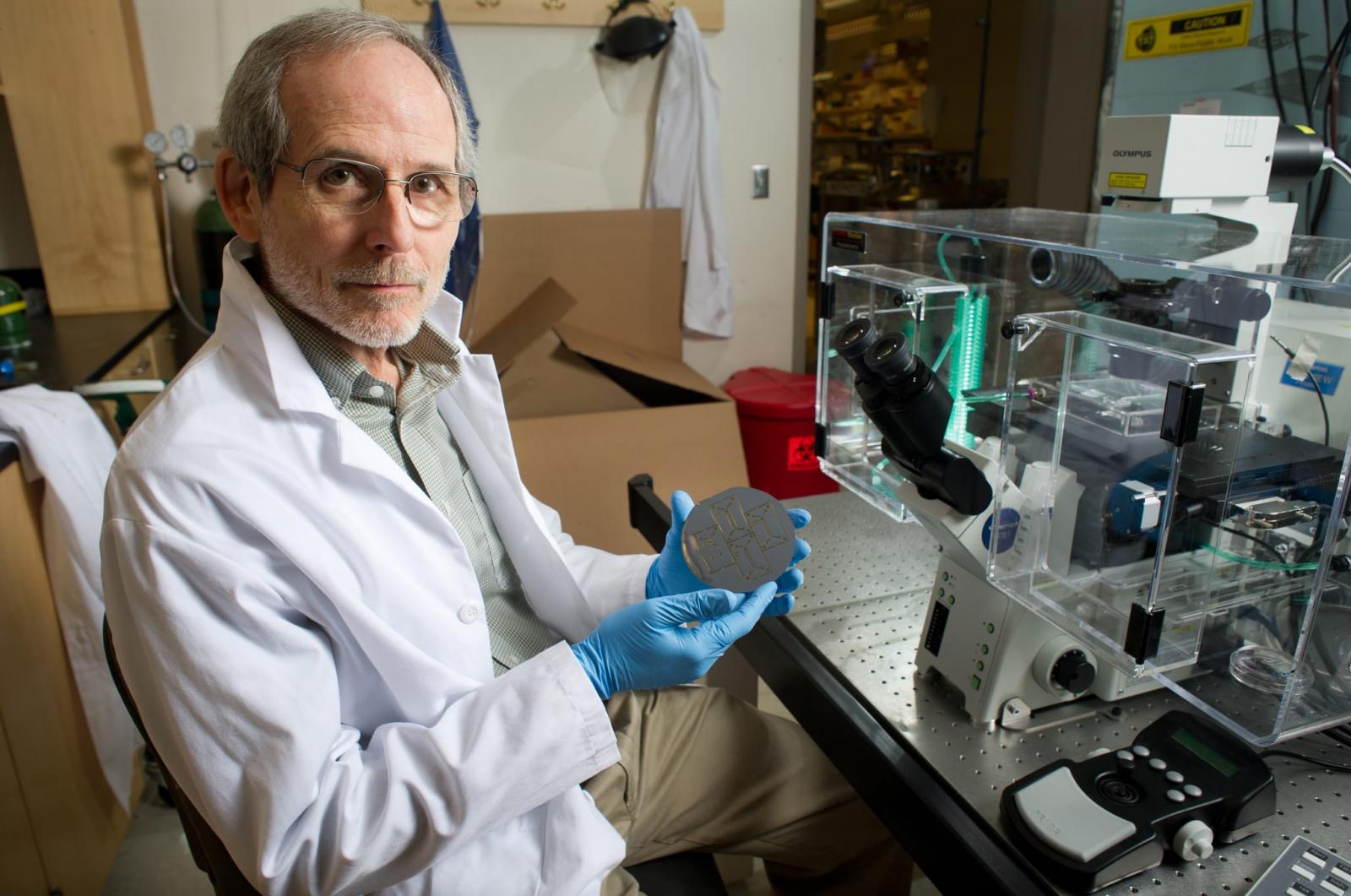
Roger Dale Kamm is the Cecil and Ida Green Distinguished Professor at the Massachusetts Institute of Technology (MIT) in the departments of Mechanical Engineering and Biological Engineering . As a leading figure in mechanobiology, he directs the NSF Center on Emergent Behaviors of Integrated Cellular Systems and co-chairs the MIT faculty. His research focuses on microfluidic models for diseases such as metastatic cancer , Alzheimer’s , and ALS , with an emphasis on integrated cellular systems and living machines . His work bridges cell mechanics , biological systems , and vascular engineering , producing organ-on-a-chip and vascularized organoids for drug screening and disease modeling. Recent publications highlight innovations in neurovascular barriers , mechanical memory in cancer metastasis , and glymphatic system studies for neurodegenerative diseases. His lab develops 3D microfluidic platforms to simulate cardiovascular dynamics , neurological disease , and immune cell trafficking . Scientific Awards : National Academy of Engineering Fellow (2020) Shu Chien Achievement Award (2020) Nerem Medal (2018) Huiskes Medal (2015) Everett Moore Baker Award (2001) He has mentored numerous researchers and graduate students, including Ellen Kan and Marie Floryan . His Mechanobiology Lab at MIT pioneers microphysiological systems for vascular, neurological, and oncological applications, partnering with biotech/pharma for translational research.
Dr. Isaac Lee is an Assistant Professor and Nancy and Peter Meinig Family Investigator in the Life Sciences at Cornell University's Meinig School of Biomedical Engineering. He leads the Lee Lab, focusing on interdisciplinary research at the intersection of engineering, biology, and medicine to advance human health. Education : B.S. (Summa Cum Laude) in Chemical Engineering from Seoul National University (2006), M.S. in Pharmacy (2008), Ph.D. in Bioengineering from Johns Hopkins University (2014), and postdoctoral training at Harvard University's Wyss Institute and Boston University (2019). Research Interests include microfluidics, tissue engineering, lymphatic biology, cancer biology, and regenerative medicine. His lab develops 3D organ-on-chip systems to study lymphatic dysfunction, cancer metastasis, and immune diseases, with a focus on mechanistic insights from biological and mechanical cues. His recent articles highlight advancements in lymphatic valve dysfunction modeling, glymphatic system simulations, and biomaterials for cancer metastasis studies. Dr. Lee has received prestigious awards such as the NSF Career Award (2024) and the Tien Excellence in Teaching Award (2023). He teaches core biomedical engineering courses like Introduction to Biomedical Engineering and Cancer and Immuno-Engineering . His lab collaborates on projects like targeting protein mechanisms in lymphedema and advancing biomaterials for therapeutic applications.
Dr. John Tudor is a Principal Research Fellow in the Department of Electronics and Computer Science at the University of Southampton, affiliated with the Faculty of Engineering and Physical Sciences. His research focuses on smart fabrics/e-textiles, MEMS technology, sensors, and energy harvesting, with a primary emphasis on printed smart fabric innovations since 2008. He has led or co-investigated over 50 major funded projects and holds 12 patents. His work bridges materials science, biomedical engineering, and wearable technology, addressing healthcare applications such as stroke rehabilitation and pain management. Research interests include advanced manufacturing techniques (inkjet, screen printing) for smart fabrics and their integration into medical devices. Collaborations involve interdisciplinary teams in flexible electronics and e-textiles, exemplified by his contributions to the Centre for Flexible Electronics and E-Textiles (C-FLEET). Notable research outputs span 255 publications (13,042 citations, h-index 48) in areas like wearable electrotherapy systems and muscle stimulation for neurological recovery. His work emphasizes translational applications, such as improving lymphatic function and post-stroke rehabilitation through wearable technologies. John has extensive industry partnerships and academic collaborations, leveraging his expertise in sensor systems and microfabrication to advance healthcare technologies. His contributions to smart materials and flexible electronics underscore a commitment to solving real-world challenges through innovative materials and device design.
Greta Guarda is a Full Professor at the Università della Svizzera italiana (USI) and Vice-Dean of Research in the Faculty of Biomedical Sciences. She leads an independent research group at the Institute for Research in Biomedicine (IRB) in Bellinzona, Switzerland. Her work focuses on understanding the interplay between MHC class I molecules, cytotoxic T lymphocytes, and natural killer (NK) cells in immunity against infections and cancer. Key research areas include immunometabolism, inflammasome regulation, and the molecular mechanisms governing lymphocyte function. Education: Molecular Biology studies at the University of Zurich, PhD at the IRB (2007), postdoctoral training at the University of Lausanne (2007–2010) where she became Senior Lecturer. Established her independent research group in 2012 after receiving a Swiss National Science Foundation Professorship and ERC Starting Grant. Research Interests: MHC class I antigen presentation pathways Innate and adaptive cytotoxic immune responses Immunometabolic regulation of lymphocytes NLR family proteins (NLRC5, NLRP3) and inflammasome activation Therapeutic targeting of NK and T cell effector functions Awards: Premio Fondazione Dr. Ettore Balli (2018) Pfizer Research Prize (2019) Friedrich Miescher Award (2020) Advising & Grants: Leads an internationally recognized research group funded by SNSF and ERC grants. Active in training early-career scientists in immunology and molecular biology. Serves on the SNSF Evaluation Panel (Biology/Medicine) and as President-Elect of the Swiss Society for Allergology and Immunology (SSAI). Labs/Teams: Directs the Immune Mechanisms Group at IRB, focusing on translational immunology with a strong emphasis on clinical applications in oncology and infectious diseases.
Andrew N. McDavid, Ph.D., is an Adjunct Assistant Professor in the Department of Biostatistics and Computational Biology at the University of Rochester School of Medicine and Dentistry. He holds a Ph.D. in Statistics from the University of Washington (2016) and previously worked as a systems analyst in genomics at Fred Hutchinson Cancer Research Center. His research focuses on single-cell gene expression assays, particularly their applications in immunology and cancer research. Key interests include developing statistical methods for analyzing zero-inflated data, graphical modeling, and clustering techniques for single-cell datasets. He has contributed R packages like MAST and HurdleNormal for single-cell data analysis. McDavid's work is published in journals such as Science Translational Medicine , Arthritis & Rheumatology , and Frontiers in Endocrinology . His lab website provides further details on collaborations and ongoing projects.
Hans Martin Kjer is an Associate Professor in the Department of Applied Mathematics and Computer Science at the Technical University of Denmark (DTU), where he is affiliated with the UltraSound and Biomechanics group within the Visual Computing Center and the Center for Fast Ultrasound Imaging. His research bridges engineering and medical imaging, with a strong emphasis on developing and validating advanced ultrasound techniques for biomedical applications. Research Interests: His work focuses on super-resolution ultrasound imaging, microvascular analysis, 3D reconstruction of biological structures, and image registration. He applies computational methods to improve the resolution and accuracy of ultrasound, particularly in renal and lymph node vasculature imaging. His research contributes to the UN Sustainable Development Goals in health and well-being through innovative diagnostic tools. Publication Trends: Over the past several years, Kjer has consistently published in high-impact journals and conferences in biomedical engineering and imaging. His recent work emphasizes the validation of super-resolution ultrasound against micro-CT, realistic 3D blood flow simulation, and the application of AI in enhancing imaging resolution. These studies reflect a strong trend toward quantitative, reproducible, and clinically relevant imaging solutions. Scientific Contributions: While no specific awards are listed, his leadership in major research projects and frequent collaborations with leading experts in ultrasound (e.g., Jørgen Arendt Jensen) underscore his significant role in the field. Advising and Funding: Kjer serves as a supervisor and principal investigator in several funded research initiatives, including AI for Extreme Super-Resolution CT , 3DIM: 3D Imaging Center , and QIM: Center for Quantification of Imaging Data from Max IV . He mentors PhD students and collaborates across disciplines, contributing to both biomedical and materials science imaging projects. Laboratories and Teams: He is an integral member of the Center for Fast Ultrasound Imaging and the Visual Computing Center at DTU. These teams focus on cutting-edge ultrasound technologies, image processing algorithms, and multimodal imaging integration, positioning Kjer at the forefront of computational biomedical imaging in Denmark.
Tatjana Haitina is a Researcher at the Department of Organismal Biology; Evolution and Development at Uppsala University. She holds a PhD and Docent title, with an ORCID identifier 0000-0002-8754-5534. Her research focuses on the regulatory mechanisms and 3D organization of skeletal tissues during vertebrate development and evolution, particularly studying skeletal joints, connective tissues, and mineralized structures using zebrafish as a primary model. Her academic background includes a doctoral thesis on 'Function, Pharmacology, Evolution and Anatomical Localization of G Protein-Coupled Receptors and Solute Carriers' (2009). She has contributed chapters to books such as 'Odontodes' (2023) and 'Evolving Neural Crest Cells' (2020). Research interests span molecular evolution of genes and regulatory sequences, CRISPR-Cas9 genome editing, and 3D microstructure analysis of mineralized tissues. Recent work includes studies on craniofacial development, sensory organ evolution in sharks, and cis-regulatory elements in lymphatic vascular beds. Her publications highlight collaboration with institutions globally, with notable contributions to journals like Nature Communications and Molecular Biology and Evolution. No scientific awards are explicitly listed, though her work has been cited widely. Dr. Haitina's lab employs cutting-edge imaging techniques such as synchrotron X-ray microtomography and optical projection tomography (zOPT) to study developmental defects in zebrafish mutants. She investigates ancestral features of skeletal mineralization and the evolutionary origins of enamel.
Ayuko Hoshino is a Professor at the Research Center for Advanced Science and Technology, The University of Tokyo . She has held academic positions including Adjunct Assistant Professor at Weill Cornell Medicine (2019–2023) and Instructor roles at Weill Cornell Medicine (2018–2023). Her research focuses on exosome-mediated cancer metastasis , organotropic mechanisms , and disease biomarker discovery . Education: PhD in Molecular Biology from The University of Tokyo (2011), with postdoctoral training at Weill Cornell Medicine (2011–2015). Research Interests center on exosome biology in cancer progression, including integrin-mediated organ targeting , pre-metastatic niche formation , and inter-organ communication . Her work explores exosomal protein functions in brain metastasis (CEMIP), lung cancer (integrin α6β4), and systemic disease mechanisms. Key Publications reveal exosomes' role in organ-specific metastasis , tumor microenvironment modulation , and biomarker potential . Notable awards include the 2021 Tokyo Tech Challenging Research Award and Suematsu Special Award . Grants include JSPS KAKENHI Project 20H03508 (2020–2023) for single-exosome analysis in metastasis. She actively participates in scientific communication as a member of the Japan Society of Cancer Research , American Association for Cancer Research , and Neuroscience Society of Japan . Social Engagement involves promoting student-researcher collaboration through initiatives like ST-AR and public science outreach at Tokyo Tech and Hiroshima University.
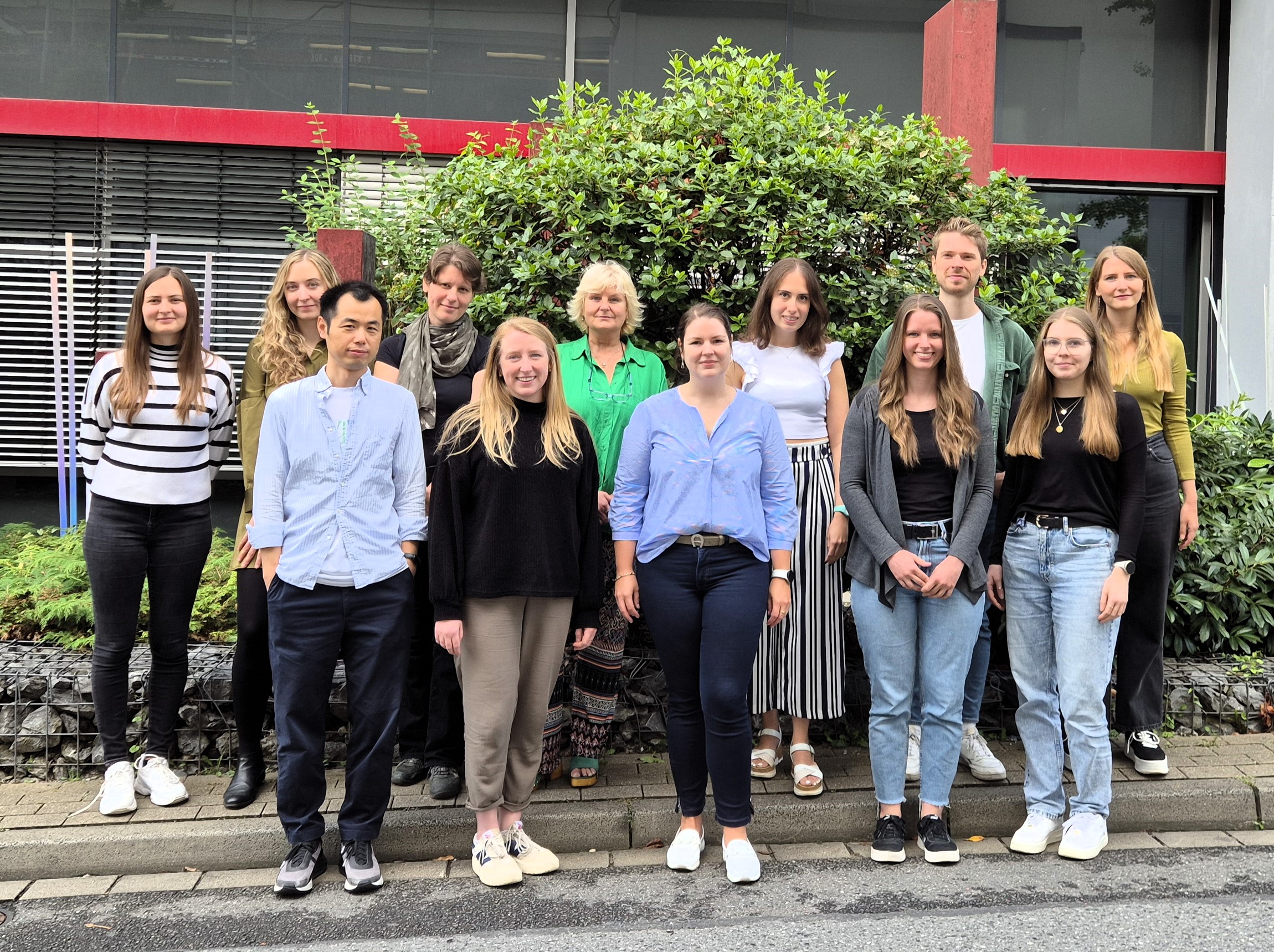
Barbara M. Grüner is a Professor at the West German Cancer Center within University Hospital Essen, leading the Research Group on Cell Plasticity and Metastasis. Her work focuses on uncovering molecular mechanisms of cancer metastasis and therapeutic resistance using advanced in vivo models and DNA-barcoding technology. Institution: University Hospital Essen Lab Location: WTZ-F R1.001, Hufelandstr. 55, 45147 Essen Contact: barbara.gruener@uk-essen.de Research Interests center on: Molecular basis of cancer cell metastasis Therapeutic intervention strategies Cell plasticity during tumor progression Mechanisms of drug resistance Mitochondrial dynamics in metastatic cells Chromatin accessibility in metastatic gene expression Selected Publications highlight work on proteomic drug analysis (2023), statins in cancer plasticity (2021), mitochondrial vulnerabilities (2020), and chromatin regulators of metastasis (2016). Her lab actively recruits PhD, MD, and Postdoc researchers. Team Members include postdoctoral fellows (Dorsch, Urban, Baginska), PhD students (Conroy, Jung, Martinez Cruz, Munteanu), technicians (Hahn, Meyer), and alumni contributors (Biller, Dujardin).