Dr. Nina Porakishvili is a Principal Lecturer in Biomedical Sciences at the University of Westminster's Faculty of Science and Technology, where she leads modules in Molecular Genetics, Molecular Therapeutics, and Immunopathology. She coordinates multiple EU TEMPUS projects, including initiatives for haematology curriculum development and virtual laboratories in biomedicine, recognized with a Times Higher Education award. Her academic journey includes: BSc/MSc in Biology/Genetics from Tbilisi State University (top 5% cohort) PhD in Immunology from Lomonosov Moscow State University Professorship in Immunology at Tbilisi State University at age 32 (youngest woman professor in Georgia) Her research specializes in Chronic Lymphocytic Leukemia (CLL) immunobiology and hCG-based vaccine development . Key discoveries include: CD180/RP105 as a prognostic marker in CLL CD180/BCR signaling crosstalk regulating leukemia cell survival Cytotoxic CD4+ T-cell expansion in CLL patients hCG mutant proteins for tumor vaccine development Recent publications (2021-2024) focus on CD180's role in hematological malignancies and hCG antibody prevalence in ovarian pathologies, demonstrating consistent output in high-impact journals like Leukemia Research and British Journal of Haematology . Awards and recognitions: Order of Honour from President of Georgia (2004) Times Higher Education: International Collaboration of the Year (2012) Best Regional TEMPUS Project (2011) She actively supervises PhD candidates in the Tissue Architecture and Regeneration Research Group , with current projects on CD180 signaling in CLL. Grant leadership includes €3M+ EU funding for biomedical education reform.
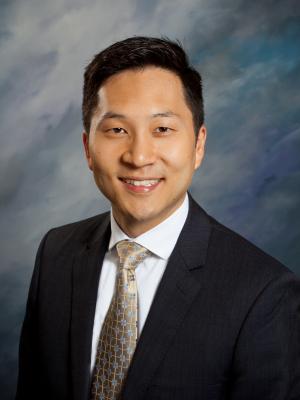
Dr. Jukes P. Namm is an Associate Professor in the Surgical Oncology Division, Department of Surgery, at Loma Linda University School of Medicine. He also serves as Vice Chair of Professional Development, overseeing academic growth initiatives for surgical faculty. His research focuses on prognostic biomarkers and therapeutic optimization in melanoma, breast cancer, sarcomas, and gastrointestinal malignancies. Dr. Namm holds board certifications in Surgery and Complex General Surgical Oncology. Education includes: MD, Loma Linda University (2005) BS, University of Michigan Ann Arbor (2001) His research spans translational oncology and clinical trial design, with emphases on tumor microenvironment analysis, metastatic pathways, and adjuvant therapies. Recent publications highlight melanoma prognosis and rare cancer management. Dr. Namm leads multiple collaborative grants, including: Penn State's peritoneal recurrence database (Investigator, 2024-2025) SWOG breast cancer and malignant obstruction trials (Investigator, 2024-2025) Castle Biosciences DECIDE melanoma study (PI, 2020-present)
Muhammad Idrees is an Academic Clinical Instructor in the Division of Hematology and Oncology at the University of Washington School of Medicine. He serves as a Hospitalist at the University of Washington Medical Center - Montlake, with clinical expertise spanning Hospital Care, General Medical Oncology, and Hospice and Palliative Medicine. M.D. from Dow University of Medical Sciences Completed residency at Columbia University Bassett Medical Center Finished fellowship in Hospice and Palliative Care at New York University Medical Center - Long Island Campus Board certified by the American Board of Internal Medicine Dr. Idrees' research spans multiple disciplines including Hematology, Oncology, Hospital Medicine, Palliative Care, and Infectious Diseases. His work demonstrates significant contributions to understanding germ cell tumors, viral vector systems, biofilm-related infections, and cytokine storm syndromes. His research bridges clinical practice with scientific investigation, particularly in areas relevant to cancer treatment and patient care. Analysis of his publication record reveals a strong focus on translational medicine, with particular emphasis on testicular tumors, molecular pathology, and innovative therapeutic approaches. His work spans both basic science investigations and clinical applications, demonstrating versatility across the research spectrum. Active contributor to medical literature with publications from 2016-2025 Collaborates with researchers across multiple institutions globally Focus on both review articles and original research Dr. Idrees maintains an active clinical practice while contributing significantly to academic medicine through research and teaching. His dual role as clinician and researcher exemplifies the physician-scientist model, bridging patient care with scientific advancement in multiple medical disciplines.
Kristian M. Hargadon serves as the Trinkle Professor of Biology at Hampden-Sydney College, where he has established himself as a leading researcher in cancer immunology with a specific focus on melanoma. His academic journey began with a B.S. from Hampden-Sydney College in 2001 (where he was valedictorian), followed by a Ph.D. from the University of Virginia in 2007, and postdoctoral training at UVA through 2009. At Hampden-Sydney, he teaches a comprehensive range of courses including Principles of Biology, Genetics, Microbiology, Immunology, Virology, and specialized cancer-focused courses for both majors and non-majors. Dr. Hargadon's research program centers on understanding the molecular mechanisms of melanoma progression, with particular emphasis on the FOXC2 transcription factor's role in tumor development, metastasis, and resistance to therapy. His laboratory investigates how genetic factors regulate tumor-promoting signaling pathways and how the tumor microenvironment influences dendritic cell and T cell function. This work bridges basic science with translational applications, exploring how insights into tumor biology can improve cancer immunotherapies. His research has been consistently funded through competitive grants totaling over $334,510, including awards from the Commonwealth Health Research Board and the Jeffress Trust. The trajectory of Dr. Hargadon's publications reveals a clear evolution from fundamental studies of dendritic cell biology and tumor immunology toward increasingly sophisticated molecular analyses of transcription factors like FOXC2 and their impact on cancer progression and treatment resistance. His recent work demonstrates a strong integration of bioinformatics approaches with traditional wet-lab techniques, reflecting the interdisciplinary nature of modern cancer research. Notably, his publications consistently feature undergraduate co-authors, highlighting his commitment to involving students in meaningful research. 2024 Council on Undergraduate Research Biology Division Mentor Award (Mid-Career Category) 2023 University of Virginia School of Medicine Early Achievement Award in Biomedical Sciences Multiple R. Davilene Carter Presidential Prizes from the American Association for Cancer Education 2019 Virginia Academy of Science Mary Louise Andrews Award for Cancer Research 2012 J. Shelton Horsley Research Award (highest honor from Virginia Academy of Science) 2011 Sigma Xi Fresh Faces of the 125th Anniversary Award Dr. Hargadon has mentored an exceptional number of undergraduate researchers, with over 25 students listed in his graduation outcomes, nearly all of whom have pursued advanced degrees in medicine or biomedical sciences. His students have secured prestigious awards including multiple Barry M. Goldwater Scholarships and Virginia Foundation for Independent Colleges fellowships. He has secured over $55,500 in student-mentored grants, demonstrating his ability to cultivate research talent. Beyond research mentorship, he serves as Clinical Coordinator for the H-SC/Centra Pre-Health Rotational Shadowing Program and has chaired numerous college committees including Promotion and Tenure. As founder of the Cancer Immunology Project through the Universal Scientific Education and Research Network, Dr. Hargadon has created opportunities for junior scientists globally. His laboratory functions as a comprehensive training environment where students gain experience in CRISPR-Cas9 gene editing, bioinformatics, molecular biology techniques, and cancer immunology research. The lab's focus on FOXC2 has produced significant insights into melanoma progression mechanisms and potential therapeutic targets, with findings regularly presented at national conferences including the American Association for Cancer Research meetings.
Lise Mette Rahbek Gjerdrum is a Clinical Professor in the Department of Clinical Medicine at the University of Copenhagen, specializing in Pathology with a focus on hematological malignancies. She maintains an active research program with significant contributions to the understanding of lymphoma subtypes and Waldenström macroglobulinemia. Research Focus: Specializes in hematopathology with emphasis on lymphoma classification and molecular characterization Conducts population-based studies on rare hematological malignancies Investigates molecular mechanisms of therapy resistance in B-cell lymphomas Examines proteomic and mutational landscapes in blood cancers Recent Publication Trends: Her research output demonstrates a consistent focus on Waldenström macroglobulinemia, with multiple population-based studies examining central nervous system involvement, extramedullary disease patterns, and mutational landscapes. Recent work also explores NOTCH1 mutations in therapy resistance and proteomic analyses of melanoma subtypes. Affiliations: Department of Clinical Medicine, University of Copenhagen Pathology Department, Region Sjaelland Collaborations: Maintains extensive collaborations with hematologists and pathologists across Denmark, particularly with researchers at Region Sjaelland including Østergaard, Munksgaard, and Hammer. Frequently collaborates on nationwide cohort studies of rare lymphomas.
Fritsch A. is an active researcher publishing across multiple medical disciplines including oncology, pain management, plastic surgery, and AI applications in medicine. The publication record from 2025 indicates ongoing research activity across various clinical domains. Research interests span several key areas: clinical oncology with focus on ovarian cancer detection techniques; pain management research particularly regarding diabetic neuropathy; plastic and reconstructive surgery with emphasis on microsurgical techniques and resident training; and emerging applications of artificial intelligence in patient care after surgical procedures. The work demonstrates a strong clinical research focus with translational applications. The publication portfolio shows a trend toward interdisciplinary research, particularly at the intersection of traditional medical specialties and emerging technologies. Several publications address methodological improvements in clinical practice, including novel imaging techniques, drug monitoring approaches, and evaluation of new therapeutic interventions. The research often involves multi-institutional collaborations as indicated by the author lists. Active participation in clinical trials research, particularly in pain management Contributions to surgical education methodology Exploration of AI applications in postoperative patient care Methodological improvements in drug concentration monitoring