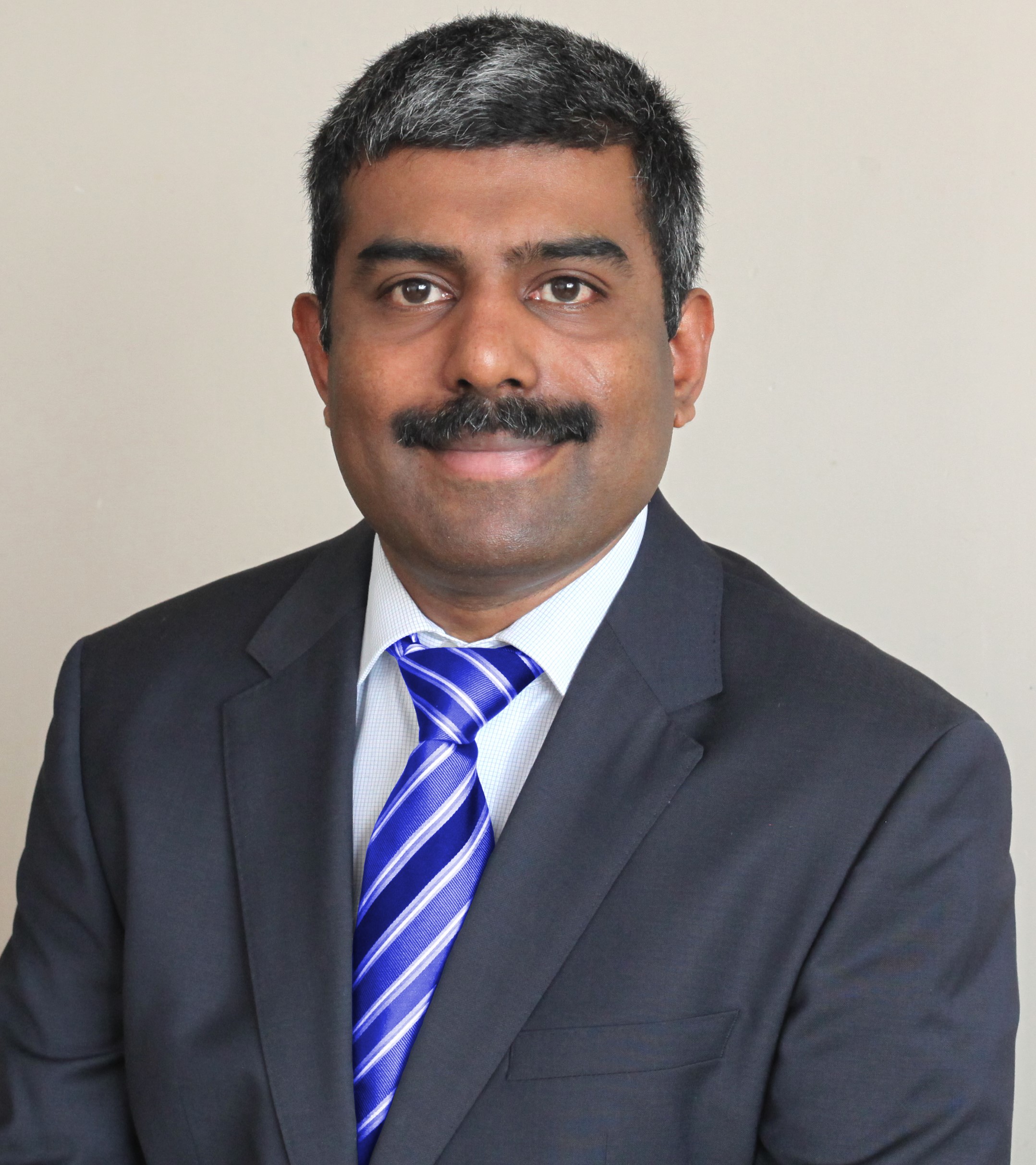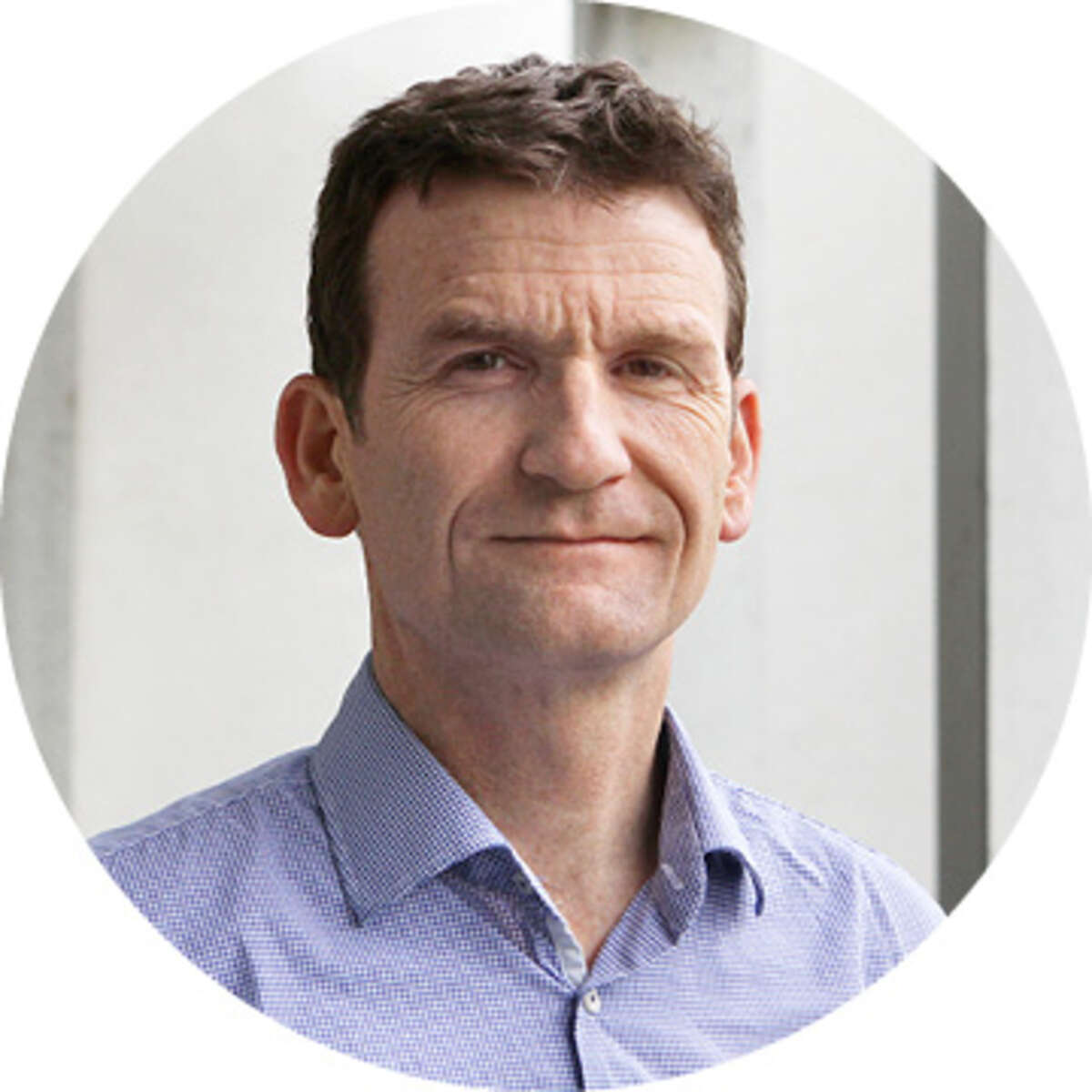
Professor Urs Jenal is a Full Professor at the Biozentrum of the University of Basel, Switzerland, where he has led research on bacterial signal transduction since 2008. His laboratory investigates the molecular mechanisms of bacterial persistence and antibiotic resistance, with particular focus on pathogens causing chronic infections in humans. Previously, he served as Associate Professor (2002-2008) and Assistant Professor (1996-2002) at the same institution, and completed postdoctoral training at Stanford University and ETH Zurich. Education 2000: Habilitation and VENIA DOCENDI in Microbiology, University of Basel 1987-1991: PhD in Molecular Microbiology, ETH Zurich (supervisor: Prof. T. Leisinger) 1982-1986: Studies of Experimental Biology, ETH Zurich 1977-1981: Gymnasium with Matura Type C, Chur Research Focus Prof. Jenal's research centers on understanding how bacterial pathogens persist in the human body despite antibiotic treatments. His laboratory investigates cyclic nucleotides, particularly c-di-GMP, as signaling molecules that control bacterial biofilm formation, virulence, and antibiotic tolerance. His team studies pathogenic Escherichia coli causing recurrent urinary tract infections and Pseudomonas aeruginosa causing long-term lung infections in cystic fibrosis patients. Recent work has revealed how "sleeping" bacteria survive antibiotic treatments and how pathogens breach respiratory epithelia through goblet cell invasion. Scientific Recognition 2014: Elected member of the European Academy of Microbiology (EAM) 2013: ERC Advanced Investigator Award 2012: Elected member of the European Molecular Biology Organization (EMBO) 2011: Elected member of the American Academy of Microbiology (AAM) Mentorship and Collaborations Prof. Jenal has mentored numerous PhD students and postdocs, many receiving awards for their research. His laboratory is part of the NCCR AntiResist initiative focused on developing novel approaches against antibiotic resistance. He collaborates extensively with clinical researchers and has developed innovative models, including human mini-lungs, to investigate pathogen-host interactions. His recent publications demonstrate how understanding bacterial persistence mechanisms can lead to new therapeutic strategies against chronic infections.