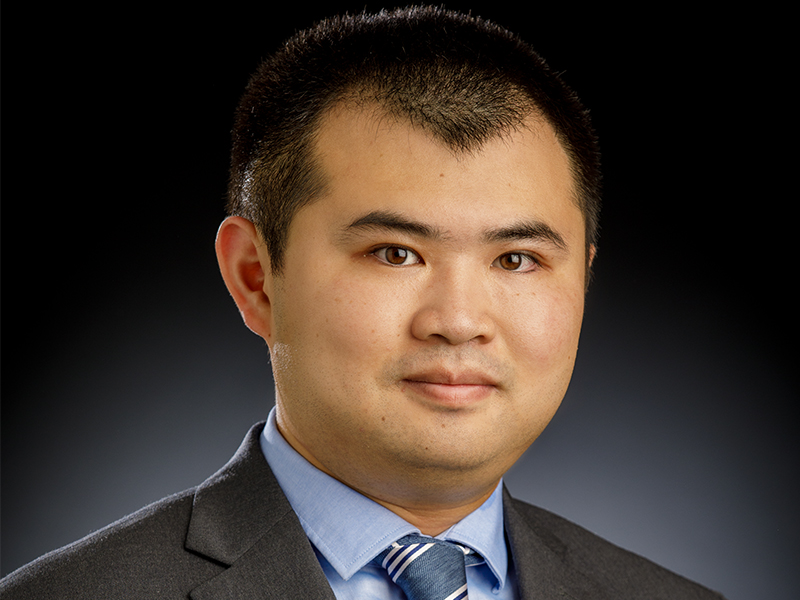
Dr. David Bell is an Associate Professor in the Departments of Kinesiology and Orthopedics and Rehabilitation at the University of Wisconsin – Madison. He serves as Director of the Wisconsin Injury in Sport Laboratory. His research focuses on musculoskeletal injury risk factors, particularly sport specialization’s impact on youth athletes. He holds a PhD from UNC Chapel Hill and a master’s from the University of Virginia. His work has been funded by the National Athletic Trainers’ Association, American Medical Society for Sports Medicine, and American College of Sports Medicine. Key awards include the 2017 New Investigator of the Year and 2017 STOP Sports Injuries Award for best youth injury prevention paper. He authored the NATA’s 2019 official statement on sport specialization and edited a 2019 Journal of Athletic Training special issue on the topic. He currently holds a 2030 Impact Fellowship (2020–2025) from the UW-Madison School of Education. His research spans injury epidemiology, sport participation trends, and clinical practice improvements. Recent studies address opioid use after surgery, psychosocial impacts of sport specialization, and socioeconomic factors in youth sports access. He collaborates with athletic trainers nationwide to improve injury prevention strategies and healthcare equity in sports.
Susana Franco is Research Director at Orkestra Basque Institute of Competitiveness and holds a PhD in Economics from the University of Nottingham. With prior academic experience at British and Latin American universities, she coordinates research on territorial competitiveness and regional development. Her research expertise spans: Quantitative analysis of regional competitiveness indicators Cluster development in evolving economies Employment-wellbeing relationships Policy evaluation methodologies Her publications primarily analyze competitiveness frameworks through longitudinal regional studies, with recent focus on inclusive growth and digital transformation impacts. As research director, she supervises doctoral candidates and manages international projects with UN agencies, facilitating knowledge exchange between academic and policy stakeholders.
Professor Zanna Clay is a leading comparative and developmental psychologist at Durham University, specializing in primate behavior and human evolutionary origins. She holds a joint appointment as an Associate Fellow in the Institute of Advanced Study. Her work bridges primatology, developmental psychology, and conservation, focusing on empathy, communication, and social learning in great apes and humans. Clay completed her doctoral work at the University of St Andrews, followed by postdoctoral research at Emory University and the University of Neuchatel. She has extensive field experience studying bonobos in the wild and captivity, including roles at the Lola ya Bonobo Sanctuary. Her research explores the evolutionary roots of human social cognition through comparative studies of bonobos, chimpanzees, and human infants. Key research interests include empathy development, language evolution, primate vocal communication, and the role of gesture in early human communication. She leads projects on cross-cultural empathy in infants (UK and Uganda) and has pioneered studies on emotion contagion using thermal imaging. Her work also addresses conservation challenges for bonobos through behavioral insights. Clay supervises PhD students investigating primate behavior, socio-emotional development, and conservation. She collaborates globally, including with the MPI-EVA in Congo and Birmingham University. Notable publications include studies on bonobo empathy, primate vocal flexibility, and the evolutionary origins of imitation.
Dr. Chenang Liu is an Associate Professor in the Department of Industrial Engineering & Management at Oklahoma State University's College of Engineering, Architecture and Technology (CEAT). Their research focuses on smart manufacturing systems, real-time quality monitoring, and machine learning applications in manufacturing and healthcare. Ph.D., Industrial and Systems Engineering, Virginia Tech, 2019 M.S., Statistics, Virginia Tech, 2017 B.S., Mathematics (Statistics track), Zhejiang University, China, 2014 B.S., Environmental and Resource Sciences, Zhejiang University, China, 2014 Research Interests: Dr. Liu develops advanced sensing and data analytics methodologies for smart manufacturing, statistical frameworks for real-time quality control, and mathematical models integrating machine learning with healthcare applications. Their work bridges industrial engineering principles with cutting-edge data science techniques. Publication Trends: Recent articles demonstrate expertise in diabetic retinopathy prediction via interpretable AI, supply chain coordination mechanisms, EHR analytics for disease progression modeling, and combinatorial optimization algorithms. Key themes include healthcare data science, resilient manufacturing systems, and stochastic resource allocation. Scientific Recognition: Featured Article in ISE Magazine, IISE, 2019 Gilbreth Memorial Fellowship, IISE, 2018-2019 Best Poster Award, INFORMS Annual Meeting, 2018 Best Student Paper Finalist, IISE Annual Conference, 2018 Best Paper Awards at INFORMS (2017) and IISE (2017)
John Ries is the HSBC Professor in Asian Business and a Professor in the Strategy and Business Economics Division at the University of British Columbia's Sauder School of Business. He also serves as Senior Associate Dean for Special Projects, overseeing strategic initiatives. His educational background includes a B.A. from the University of California, Berkeley, and an M.A. and Ph.D. from the University of Michigan. Research Focus Professor Ries specializes in international trade dynamics, business economics, and industrial organization, with a distinct emphasis on the Japanese economy. His work examines trade policy impacts, innovation financing, and globalization effects, leveraging empirical and theoretical frameworks to analyze market behaviors and policy outcomes. Publications Overview His research portfolio spans international trade, investment, and urban economics, with recurring themes like information asymmetry in innovation, gender biases in project assessment, and historical trade legacies. Recent articles demonstrate a shift toward behavioral and developmental economics, using simulations and granular data analysis. Awards and Advising No awards or student advising details are documented in available sources.
Dr. George Chalhoub is a Lecturer (Assistant Professor) in Human-Computer Interaction at the UCL Interaction Centre (UCLIC), Department of Computer Science, University College London (UCL). He is also an Associate Member at the Department of Computer Science, University of Oxford, and a 2024–2025 Berkman Klein Fellow at the Berkman Klein Center for Internet & Society, Harvard Law School, Harvard University. His multidisciplinary research bridges cybersecurity, privacy, and human-centered computing, focusing on real-world technology use. DPhil in Cyber Security, University of Oxford (supported by Information Commissioner’s Office) MSc in Computer Science, University of Southampton (supported by Lloyd’s Register) BS in Computer Science, Lebanese American University His research centers on the security, privacy, and safety of digital technologies through a user-centered lens. Key areas include AI-powered systems (e.g., LLMs, smart assistants), emerging technologies in the wild (e.g., smart homes, IoT), embedded devices (e.g., routers), marginalized communities, data workers in AI, and online content creators. His work integrates UX principles to improve data protection in healthcare (e.g., NHS records) and children’s apps, with implications for GDPR compliance and responsible AI innovation. The analysis of his recent publications reveals a consistent focus on empirical studies of user experience in security and privacy, particularly in smart homes and data-intensive applications. His work spans design interventions, ethical frameworks, and policy-relevant findings, published in top venues like CHI, CSCW, SOUPS, and IJHCS. Themes include consent design, communal privacy, vulnerability patching, and developer support for privacy. UK Global Talent Visa recipient, UK Research and Innovation 2024–2025 Berkman Klein Fellow, Harvard University Dr. Chalhoub has advised on research projects related to secure networking by design and responsible AI (e.g., EWADA, RoboTIPS). He has received grant support from the Information Commissioner’s Office for his doctoral work. He is available for consultancy, collaborative research, grant assessment, and supervision of research degrees. His professional experience includes internships at Microsoft Research (Calc Intelligence) and Nokia Bell Labs (Social Dynamics), contributing to projects in AI and social computing. He is affiliated with research groups including the Human-Centered Computing group at Oxford, the UCL Interaction Centre (UCLIC), and the Berkman Klein Center at Harvard. His work is supported by tools and frameworks developed in collaboration with interdisciplinary teams focused on cybersecurity ethics, data governance, and platform accountability.
Dr Stuart Cameron is a Senior Research Fellow in the School of Engineering at the University of Aberdeen, where he has been contributing to research since 2007. His work is centered on environmental fluid mechanics, with a focus on open-channel flows, turbulence, sediment transport, and bio-inspired hydrodynamics. He is affiliated with a series of high-impact interdisciplinary research projects involving advanced experimental and theoretical fluid dynamics. His research interests include: Open-channel flow turbulence structure Sediment entrainment and transport mechanisms Flow-biota interactions in aquatic ecosystems Development and error analysis of Particle Image Velocimetry (PIV) techniques Hydrodynamics of bioinspired surfaces and fish-shaped bodies The most recent publications highlight a strong trend in analyzing complex turbulent flows over rough beds, secondary currents, and bio-inspired surface morphologies. His work frequently involves high-resolution experimental techniques and theoretical modeling, often in collaboration with leading researchers such as V. Nikora. Articles span topics from drag forces on sediment particles to hydrokinetic turbine performance and field-based PIV studies in natural water bodies. Notable scientific contributions have been supported by major grants from EPSRC, NERC, and the European Commission. These include projects such as: "Secondary currents in turbulent flows over rough walls" (EPSRC, 2021–2024) "River flow regulation, fish behaviour and status – RIBES" (European Commission, 2020–2023) "Field stereoscopic PIV system for freshwater and marine ecosystems" (NERC, 2019–2020) "Bed friction in rough-bed free-surface flows" (EPSRC, 2014–2017) "HYTECH" (Marie Curie ITN, 2013–2016) "High-resolution numerical and experimental studies of turbulence-induced sediment erosion" (EPSRC & DFG, 2010–2014) Dr Cameron has not advised any named students in the available data, but he collaborates extensively within research teams focused on environmental hydraulics and experimental fluid mechanics. He is involved in the development of advanced measurement systems and theoretical frameworks for understanding complex flows in natural and engineered environments. He is actively engaged in laboratory and field-based research, contributing to both fundamental fluid mechanics and applied environmental engineering challenges. His work bridges engineering, ecology, and physics, particularly in the context of river systems and aquatic habitats.
Sanni Kotimäki is a University Lecturer at the INVEST Research Flagship Centre, University of Turku, where she conducts research on life-course dynamics, socioeconomic health disparities, intergenerational effects, and the role of early-life experiences. Her work integrates quantitative methods and applied statistics to analyze complex social and health outcomes. Research Interests: Her research centers on understanding how parental resources, childhood environments, and socioeconomic conditions shape health and wellbeing across the lifespan. She investigates mechanisms behind health inequalities, including the influence of parental education, mental health, and family structure. A key focus is on intergenerational transmission of disadvantage and resilience, particularly through the lens of family policies such as parental leave. Publication Trends: Her recent publications (2020–2024) reflect a consistent focus on population health, using sibling fixed-effects models, administrative data, and mixed-methods approaches. Themes include fatherhood and workplace peer effects on parental leave, birth outcomes and NEET status, prenatal mental health disparities, and the long-term impacts of parental death. These works demonstrate methodological rigor and policy relevance. Scientific Awards: No awards mentioned in the provided text. Advising and Grants: There is no mention of students or advising roles in the available information. While no specific grants are listed, her affiliation with the INVEST Research Flagship Centre suggests involvement in large-scale, funded research initiatives focused on social and health disparities. Labs and Teams: Sanni is actively involved with the INVEST Research Flagship Centre, a multidisciplinary research environment at the University of Turku dedicated to understanding early-life determinants of health and wellbeing. She collaborates closely with researchers such as Satu Helske, Simon Chapman, and Juho Härkönen, contributing to both academic and public-facing outputs including blogs and policy reports.
Laura Collins is an Associate Professor in the Department of Education at Concordia University, specializing in applied linguistics. Her research focuses on input processing in second language acquisition, pedagogical grammar, and cross-linguistic influence among bilingual speakers. She has extensive international teaching experience across diverse age groups and serves as the 2nd VP of the American Association for Applied Linguistics and Chair of the IRIS digital repository advisory board. PhD in Humanities, Concordia University MEd in Second Language Teaching, University of Ottawa BEd in Second Language Teaching, University of Toronto BA in History, York University Collins' current projects examine the use of speech technologies to extend second language classrooms and document longitudinal grammatical development in school programs. Funded by SSHRC Insight Grants, her work bridges cognitive approaches with practical pedagogical applications. Recent publications highlight trends in classroom input optimization, frequency-based phonological learning, and intensive language program efficacy, with subfields spanning morpheme perception, vocabulary distribution, and task-based interaction dynamics. Her academic leadership includes editorial roles in The Modern Language Journal and contributions to major handbooks. She teaches courses ranging from classroom-based SLA research to pedagogical grammar, emphasizing practical applications of theoretical insights.
James Hardy is a Professor in Sport & Exercise Science at Bangor University's School of Psychology and Sport Science , with a career spanning elite sports psychology research and teaching. He holds a BSc (First Class) from the University of Birmingham, and MA/PhD from the University of Western Ontario under Prof. Craig Hall. Key roles: Senior Lecturer, Deputy Head of School, Associate Editor for Journal of Applied Sport Psychology , and editorial board member for multiple journals. Research focuses on self-talk/imagery and group dynamics (team cohesion, leadership), funded by ECB, UK Sport, and Manchester City FC. Recent publications highlight his interdisciplinary approach, examining leadership effects, pressure training protocols, narcissism in teams, and injury risk factors via pattern recognition. Notable work includes Psychosocial Characteristics of Elite Rugby Players and Individualized Talent Development in beach sprint rowing. Scientific contributions include a Bangor University Teaching Fellowship and 30+ peer-reviewed articles . Grants like £80k from ECB and £56k from City Football Services underscore his applied impact.
Patrick C. Shih is an Associate Professor of Informatics at Indiana University Bloomington's Luddy School of Informatics, Computing, and Engineering, where he directs the Societal Computing Lab (SoCo Lab). He holds leadership roles as Director of Graduate Studies for Data Science and Co-Director of the Animal Informatics MS/PhD track. His affiliations include core faculty positions in Health Informatics and Animal-Computer Interaction programs. Education: Ph.D. in Information and Computer Science (UC Irvine), M.S. in Information Networking (Carnegie Mellon University), B.S. in Computer Science and Engineering (UCLA). Previously held research positions at Microsoft Research and IBM Research. Research Focus: Develops sociotechnical systems to support health/wellbeing in underserved populations, including older adults, autistic individuals, and communities affected by health disparities. Designs technologies for animal-assisted interventions, animal welfare enhancement, and empathy cultivation. Major projects include mobile health interventions for stress management, Alzheimer's disease tools for African American communities, and physical activity promotion for autistic adults. Publication Trends: Recent work (2023-2025) emphasizes AI-driven health tools for vulnerable groups, including generative AI for Alzheimer's education, mobile apps for chronic disease management, and culturally tailored interventions. Research spans HCI, health informatics, and community-based participatory design, with strong focus on real-world applicability and health equity. Awards & Honors: ACM Senior Member (2020) NSF CAREER Award (2022) Multiple Indiana University teaching/mentoring awards (2016-2019) Euroinvent Silver Medal Award Best Paper Awards at ACM CSCW, ISCRAM Grants & Projects: $3.7M NIH grant for studying environmental stressors and cognitive decline in older adults (2024) NSF-funded mobile stress measurement app for midlife adults (2023) Mobile 'just-in-time' stress intervention for breast cancer survivors (2022) Labs & Teams: Leads the Societal Computing Lab (SoCo Lab) focusing on community-centered technology design. Collaborates with healthcare institutions, zoos, and community organizations. Develops interdisciplinary research teams for projects in health informatics, animal-computer interaction, and crisis response technologies.
Stephani L. Wrabel is a Senior Policy Researcher at the RAND Corporation and Professor of Policy Analysis at the RAND School of Public Policy. She conducts influential research on education policy, social and emotional learning, and defense-funded youth programs, with her work shaping both federal and state policies. Institution: RAND Corporation School: RAND School of Public Policy Position: Professor of Policy Analysis Email: Stephani_Wrabel@rand.org Education: Ph.D. in Urban Education Policy, University of Southern California M.Ed., University of Florida B.A., Boston University Her research focuses on improving educational outcomes for students and military-connected populations through rigorous evaluation and policy analysis. She specializes in standards-based accountability, educational equity, program evaluation, and social and emotional learning. Her work often centers on vulnerable youth, including those in the National Guard Youth ChalleNGe and JROTC programs, and she has led major federal evaluations, including for the U.S. Department of Education’s Center to Improve SEL and School Safety. Analysis of her recent publications shows a consistent focus on youth development, military-civilian integration, educational equity, and evidence-based policy. Her research spans program evaluation, technical assistance frameworks, and longitudinal impact studies, with a strong emphasis on practical, policy-relevant findings. She frequently publishes both comprehensive reports and executive summaries to reach diverse stakeholders. Scientific Awards: No awards listed in the provided text. Wrabel leads major research initiatives and serves as principal investigator on defense-funded education studies. Her work involves collaboration with federal agencies, education departments, and military organizations. She has developed practical tools for program evaluation, particularly for Marine and Family Division programs, supporting effective resource use and program improvement. Her leadership in large-scale evaluations demonstrates significant grant and project management experience. She is actively involved in research teams focused on education reform and military youth programs. Her work with the Center to Improve Social and Emotional Learning and School Safety involved a multi-year technical assistance network, indicating leadership in collaborative, interdisciplinary teams.
Ralf Zimmer is a Full Professor for Practical Informatics and Bioinformatics at Ludwig Maximilian University of Munich (LMU) since 2001, affiliated with the Department of Informatics in the Faculty of Mathematica, Informatics and Statistics. He concurrently serves as Head of Section III and Head of the Research Group Network Regulation and Modeling / Machine Learning at the Leibniz Institute for Food Systems Biology at TUM (Leibniz-LSB@TUM) in Freising, Germany. His academic foundation includes a Diploma with distinction in Computer Science, Applied Mathematics and Operations Research from the University of Bonn (1981-1986), followed by a summa cum laude Doctorate in Computer Science and Applied Mathematics from CAU Kiel in 1990, where he received dual honors: the CAU Dissertation Award and Best Dissertation Award. Zimmer's research pioneers the integration of bioinformatics, systems biology, and machine learning to decode molecular food-consumer interactions. His group develops causal system models for biological networks, validated through in silico simulations and multi-omics perturbation experiments (transcriptomics/proteomics). Core methodologies include network regulation modeling, algorithmic bioinformatics, and database construction linking food compounds to biochemical networks and cellular phenotypes, with translational goals for food and biotech innovation. His 14 most recent publications (2012-2024) reveal dominant trends in multi-omics immunology and cardiovascular research, featuring computational innovations for high-throughput data analysis. Key themes include host-pathogen dynamics (viral infections), inflammatory disease mechanisms (atherosclerosis), and methodological advances in proteomics/transcriptomics, consistently bridging fundamental bioinformatics with clinical applications. Major scientific recognitions include: CAU Dissertation Award and Best Dissertation Award (1990) Director of LMU's Informatics Department (2010-2012) DFG Review Board membership for biomedical foundations (2008-2016) Leadership of the DFG Bioinformatics Munich Center (2001-2008) Academic Senate election at LMU München (2011) Zimmer directs LMU/TUM's joint B.Sc./M.Sc. bioinformatics programs since 2001 as founding architect of the DFG-funded Bioinformatics Munich initiative. His educational leadership spans spokesperson roles for international training groups (IRTG RECESS), collaborative research centers (SFB1123 Atherosclerosis), and elite programs (Data Science, Munich Center for Machine Learning). Grant stewardship includes directing the DFG Bioinformatics Munich Center and shaping national funding policy via the DFG review board. At Leibniz-LSB@TUM, his research group pioneers databases connecting food compounds to cellular phenotypes through molecular networks, collaborating with Munich universities, clinics, and biotech partners to develop high-throughput sequencing/proteomics applications for future food and health innovations.
James Abbas serves as Professor of Biomedical Engineering at the University of Arkansas College of Engineering, where he develops neural engineering solutions for medical rehabilitation and exercise. His work integrates neurotechnology design, computational modeling, and human subject experimentation to advance rehabilitation systems. His academic background includes: B.S. in Bioelectrical Engineering from Brown University M.S. and Ph.D. in Biomedical Engineering from Case Western Reserve University Postdoctoral Fellowship at Shriners Hospital in Philadelphia, PA Dr. Abbas' research centers on neural engineering for rehabilitation , with expertise in neurotechnology development , computational modeling of neuromuscular systems , and experimental evaluation of rehabilitation technologies . His work bridges engineering innovation with clinical applications, particularly for Parkinson's disease and spinal cord injury rehabilitation. Key methodologies include intrafascicular electrode design, stimulation waveform optimization, and haptic feedback systems for prosthetic control. Analysis of his 2021-2025 publications reveals dominant trends in selective peripheral nerve stimulation , neural interface engineering , and personalized rehabilitation robotics . His work consistently addresses clinical translation challenges, with increasing focus on wearable military rehabilitation systems and AI-driven personalization of neurorehabilitation protocols. Professional recognition includes: Senior Member of the National Academy of Inventors Senior Member of IEEE Dr. Abbas maintains significant editorial leadership as Associate Editor for IEEE EMBS and Neural Engineering Conferences, while serving on the Editorial Boards of the Journal of Neuroengineering and Rehabilitation and Frontiers in Neuroengineering. He contributes to national initiatives as a Steering Committee member for the NIH SPARC Initiative's Data Resource Center. Though specific grant details aren't provided, his active research program and editorial roles indicate substantial funding and collaborative networks. No student advisees are listed in the source material. His research operates at the intersection of the Biomedical Engineering department and clinical rehabilitation partners, with emphasis on translating neural engineering innovations into practical rehabilitation solutions through interdisciplinary teams.
Prof. Dr. Heiner Rindermann is a Professor of Educational and Developmental Psychology at Chemnitz University of Technology (TUC). Affiliated with TUC's Institute of Psychology under the Behavioural and Social Sciences school, his work bridges educational practices and cognitive development. Academic Timeline: 1988-1993 Heidelberg RA, 1994-1999 LMU Munich RA, 1999-2007 Otto-von-Guericke-University Magdeburg RA, 2001 University of Graz visiting professor, 2003-2004 University of Kassel interim, 2004-2006 Saarland University interim, 2006-2007 Paderborn University interim, 2008-2010 University of Graz Professor, 2010-present TUC Professor. Educational Background: 1972-1985 Baden-Württemberg schools, 1986-1995 University of Heidelberg (PhD 1995), 2005 Landau habilitation. Research Interests focus on cognitive competence development , cross-cultural comparisons , intelligence-societal development links , kindergarten quality assessments , and international comparative studies . His work examines psychometric vs. Piagetian frameworks, emotional competence, and educational program evaluation. Academic Contributions include the William-Stern-Preis (2007) , APS Fellowship (2010) , and Mexican National Award of Giftedness (2016) . He serves on editorial boards for journals like Zeitschrift für Pädagogische Psychologie and Intelligence , and reviews for over 40 journals and institutions. Projects include BMBF-funded SoKonBe (external educational consultation using socio-cognitive conflicts) and international collaborations like the Study of Latin American Intelligence with Earl Hunt and Jelte Wicherts. His publications span books including Cognitive Capitalism (Cambridge University Press, 2018) and chapters in encyclopedias.