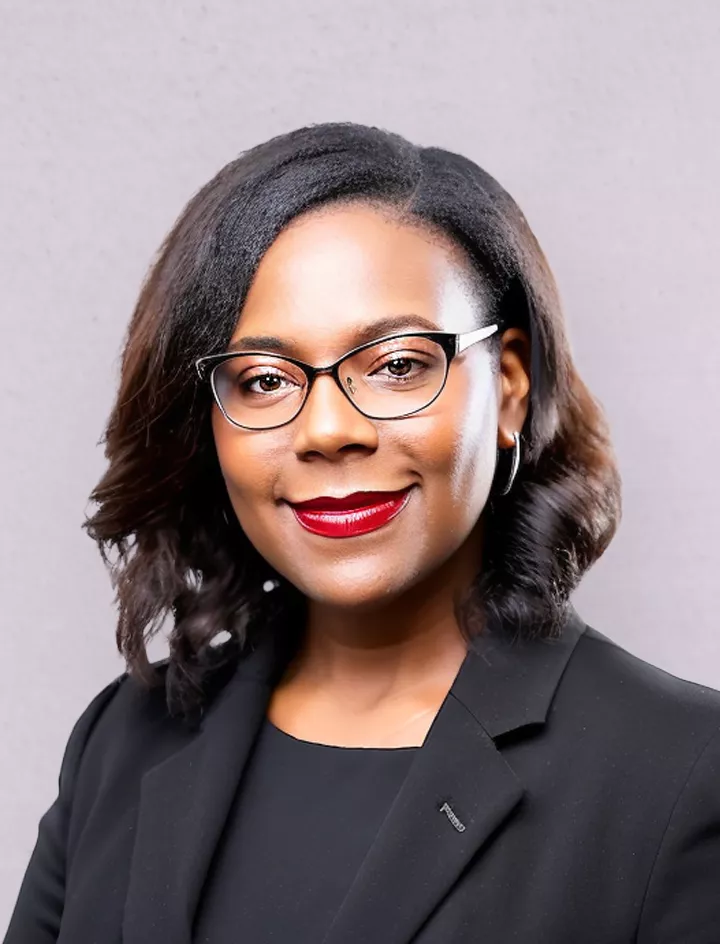
Cydney F. Albert is an Adjunct Professor of Insurance Planning at the American College of Financial Services, where she also serves as discipline lead for the Insurance Management program. She concurrently teaches at a local college and provides corporate training for insurance designations. With 15+ years in personal lines insurance, she specializes in team leadership, performance management, and educational partnerships. Education: BA from Mount Holyoke College; MBA and MS in Accounting (Internal Audit focus) from the University of Texas at Dallas. Professional credentials include CPCU, AIC, AINS, API, AIM, and ACS designations. Research interests emphasize training methodologies, insurance product innovation, and bridging academic theory with industry practice. Her recent contributions address crisis management in caregiving, retirement strategy evolution amid market uncertainty, and insurance sector trends.
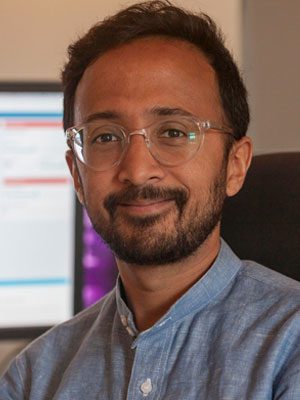
Ajay Pillarisetti is an Assistant Professor at the University of California, Berkeley's School of Public Health, Department of Environmental Health Sciences. His research focuses on the interplay between household energy use, air pollution exposure, health outcomes, and climate change in low- and middle-income countries. A graduate of UC Berkeley (PhD) and Emory University (MPH, BS), he has led global projects in India, Mongolia, Nepal, Guatemala, Peru, and Rwanda. PhD – Environmental Health Sciences, UC Berkeley MPH – Global Environmental Health, Emory University BS – Biology, Emory College His work employs low-cost air quality sensors, longitudinal surveys, and randomized controlled trials like the HAPIN study to assess health impacts of clean fuel interventions. Key subfields include exposure assessment, implementation science, pollution's metabolic effects, and policy-driven energy transitions. He collaborates with teams across four continents and has published extensively on household air pollution's multi-scale health burdens. Recent articles (2023–2025) highlight trends in quantifying PM2.5's health effects, optimizing sensor networks, and evaluating LPG interventions for maternal/child health. His studies span Guatemala's RESPIRE cohort, Rwanda's HAPIN trial, and India's community monitoring systems, addressing gaps in exposure-response modeling, biomarker analysis, and policy advocacy.
Stephen Waterman is a Clinical Professor at the Herbert Wertheim School of Public Health & Human Longevity Science at UC San Diego. His work focuses on vector-borne disease epidemiology, particularly dengue and Zika viruses, with a strong emphasis on public health preparedness and surveillance. He has conducted extensive research in Puerto Rico and other regions, investigating transmission dynamics, risk factors, and control strategies for mosquito-borne illnesses. Key research areas include: 1) Dengue vaccine efficacy and implementation, 2) Zoonotic disease surveillance, 3) Community-based interventions for vector control, and 4) Cross-border health issues. Over 150 peer-reviewed articles document his contributions to understanding disease epidemiology, clinical outcomes, and public health policy. Recent work addresses challenges in diagnosing dengue amidst the COVID-19 pandemic, optimizing Zika surveillance strategies, and evaluating vaccination cost-effectiveness. He collaborates with CDC, NIH, and global health agencies on outbreak investigations and policy development.
Adam Butt is an Associate Professor in the Research School of Finance, Actuarial Studies & Statistics at The Australian National University. His work focuses on actuarial education and retirement income systems, particularly superannuation and financial decision-making. He has held grants from CSIRO Data 61 and the Centre for International Finance and Regulation, examining topics like retirement living standards and superannuation defaults. Education: Bachelor of Commerce (BCom) Master of Health Economics (MHE) Doctor of Philosophy (PhD) Fellow of the Institute of Actuaries of Australia (FIAA) Senior Fellow of the Higher Education Academy (SFHEA) Research Interests: Adam's research explores retirement income design, superannuation systems, investment strategies for retirees, and actuarial education. Recent work includes analyzing age pension means-testing impacts, retirement portfolio optimization, and pandemic-driven investment behavior. Grants & Projects: CSIRO Data 61: Superannuation and retirement living standards analysis CIFR: Default superannuation arrangements study ANU Projects: Includes retirement income strategy design, dynamic programming applications, and actuarial education reviews Advisory Role: Registered to supervise research students in actuarial and financial domains. His work bridges academic research with practical policy implications for retirement systems.
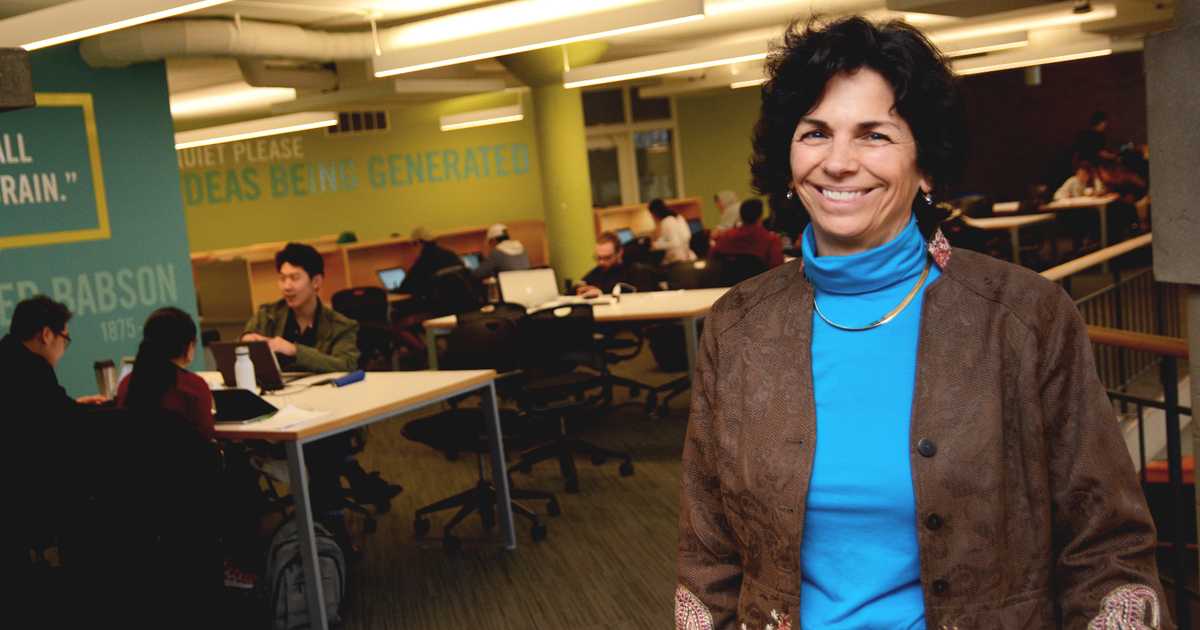
Gina O’Connor is a Professor of Innovation Management at Babson College’s Entrepreneurship division, joined in 2019 after 29 years at Rensselaer Polytechnic Institute’s Lally School of Management. Her research focuses on breakthrough innovation capabilities in large mature companies, with a particular emphasis on organizational design and talent management for innovation functions. Dr. O’Connor holds a PhD in Marketing and Corporate Strategy from NYU, an MBA from Saint Louis University, and a BA in Business from Saint Louis University. She has published extensively in journals like Journal of Product Innovation Management , Organization Science , and Harvard Business Review , where she argues that innovation requires more than R&D spending—it necessitates a distinct organizational function with dedicated people, processes, and metrics. Her work on breakthrough innovation has been recognized through the Crawford Fellow award (2018) and multiple best paper awards. Gina co-authored Grabbing Lightning: Building a Capability for Breakthrough Innovation , named a top business book by Strategy+Business . She speaks frequently at global conferences including ISPIM Berlin, Academy of Management, and Innov8rs events. Scientific awards include: Elsevier BV Top Scholars (2021), MIT Sloan Management Review’s 'Twelve Essential Insights of the Decade' (2017), and multiple teaching awards from Rensselaer Polytechnic Institute. She advocates for professionalizing innovation as a distinct career path and consults for US and European companies on strategic innovation systems.
Kim Ittonen is a Researcher at the Department of Accounting, Hanken School of Economics in Helsinki, Finland. They hold a Doctorate in Business Administration (Econ. dr) from the University of Vaasa (2009). Their research focuses on audit practices, corporate governance, financial reporting quality, and organizational resilience in the auditing sector. Key areas of interest include audit firm adaptation to crises (e.g., COVID-19), remote auditing challenges, auditor skill development, and ethical implications of AI in accounting. Ittonen has authored/co-authored over 35 publications since 2009, with notable work on distracted auditors' impact on earnings quality (2024), audit firms' resilience during pandemics (2024), and the evolving role of accountants as consultants (2022). They actively engage in international academic collaborations, visiting institutions like Università Bocconi in 2025. Their work has been cited 546 times, reflecting significant scholarly impact. Professional activities include serving as a reviewer for journals like Accounting Forum and International Journal of Auditing , supervising doctoral dissertations, and participating in policy discussions on audit regulation and sustainability reporting (CSRD). Recent research highlights the transformative role of technology and remote work in auditing practices while emphasizing the need for auditor skill diversification in a rapidly changing market.
Annamaria Olivieri is a Professor of Actuarial Science at the Department of Economics and Business , School of Business , University of Parma , Italy. Her research focuses on actuarial mathematics for life insurance and pension funds , particularly in longevity risk valuation, solvency requirements, and risk-sharing frameworks. She has held visiting positions at the School of Actuarial Studies and CEPAR , University of New South Wales , and contributed to institutional teaching and PhD programs in Italy. Her work appears in leading journals such as Insurance: Mathematics & Economics and ASTIN Bulletin . Degree in Business Economics, University of Parma Degree in Statistics and Actuarial Science, University of Florence PhD in Mathematics for Financial Markets, University of Brescia Her research spans stochastic mortality modeling , capital allocation for life annuities, and multistate models for insurance valuation. Recent publications explore longevity-linked annuities , time-restricted annuity benefits , and mortality shock risk . As an Associate Editor of the European Actuarial Journal , she contributes to advancing actuarial research. Scientific Awards: Bob Alting von Gesau Prize 2010 (with Ermanno Pitacco) for longevity risk research She has participated in Italian MUR-funded projects and served on PhD scientific committees at the University of Udine , University of Parma , and University of Trieste . Her editorial and refereeing roles include ASTIN Bulletin , Insurance: Mathematics & Economics , and Journal of Risk and Insurance .
Faye Harwell serves as a Visiting Assistant Professor in the Department of Anthropology at Boston University, specializing in biological anthropology and primatology with a focus on orangutan biology and life history evolution. Her research bridges fieldwork in Indonesia with comparative analyses of captive and wild great ape populations. Dr. Harwell's academic background includes: Ph.D. in Biological Anthropology from Boston University (2023) M.A. in Biology from Clark University B.A. in Biology from Clark University Her research program centers on sexual dimorphism in orangutan body composition, life history parameters (including age at first birth and longevity), and evolutionary endocrinology. She employs innovative field methodologies like laser photogrammetry to study wild Bornean orangutans in Gunung Palung National Park, examining morphological development, hormonal cycles, and ecological adaptations. Her work connects primate biology to broader questions in human evolution and fossil hominin analysis. Analysis of her 15 most recent publications (2020-2025) reveals consistent thematic focus on orangutan biology, with dominant threads in sexual dimorphism (particularly male bimaturism and flanging processes), life history theory, and methodological innovation in non-invasive measurement techniques. Her scholarship integrates biological anthropology, conservation science, and evolutionary biology to address questions about great ape evolution and implications for understanding hominin fossil records. No documented scientific awards or fellowships were identified in available sources. Dr. Harwell teaches specialized courses including AN 558: Human Sex Differences and AN 559: Evolutionary Endocrinology. While specific grant details and graduate student mentorship records aren't publicly documented, her active publication record and fieldwork involvement suggest ongoing research collaborations. She participates in professional communities such as the Northeastern Evolutionary Primatologists (NEEP) network. She is actively involved with the Gunung Palung Orangutan Project, a 25-year interdisciplinary initiative combining long-term primate research with community-based conservation efforts in Indonesian Borneo. This project represents a critical nexus of field biology, habitat protection, and sustainable conservation practices focused on endangered Bornean orangutans.
Dr. Michael D. Burton is an **Associate Professor** and **Eugene McDermott Distinguished Professor** in the Department of Neuroscience at the University of Texas at Dallas (UT Dallas), affiliated with the **School of Behavioral and Brain Sciences**. He is a founding member of the **Center for Advanced Pain Studies (CAPS)** and holds roles in the **Center for Vital Longevity (CVL)**. His research focuses on neuroimmunology, pain mechanisms, and metabolic disorders, emphasizing how immune-nervous system interactions influence chronic pain, depression, anxiety, and aging-related conditions. Dr. Burton’s work bridges preclinical and translational research, using rodent models and human clinical samples. Education: PhD in Animal Science (Immunophysiology and Behavior), University of Illinois at Urbana-Champaign (2012) B.S. in Animal Science and Biotechnology, University of Illinois at Urbana-Champaign (2006) Postdoc in Pain Neurobiology, UT Dallas (2017) Postdoc in Diabetes/Metabolism Research, UT Southwestern Medical Center (2015) Research Interests: Dr. Burton investigates how peripheral stimuli (diet, alcohol, immune activation) affect pain and behavior through neuroimmune pathways. Key areas include: Sex differences in pain sensitivity and neuroinflammation Risk factors for chronic pain (e.g., high-fat diets, aging) Neuroimmune biomarkers for pain and delirium Development of non-opioid analgesics (e.g., cannabinoids) Awards: 2024 ROAR Research Award, UT Dallas 2023 Eugene McDermott Distinguished Professorship 2022 SFNova/Rising Star (Society for Neuroscience) 2019 Mitchell Max Award for Pain Research Grants & Leadership:** Co-Director, **Enhancing Neuroscience Undergraduate Research Experiences (ENSURE)** program ($900K grant) NIH R35, R21 grants (pain and metabolism) Editorial roles: *Neurobiology of Pain*, *Journal of Neuroinflammation*, and others Labs & Teams:** Neuroimmunology and Behavior Lab (UT Dallas) Member, NIH Pain Consortium and Endocrine Society’s Basic Science Group
Prof. Dr. rer. pol. Bernd Frick is a full Professor of Economics at the University of Paderborn , Faculty of Business Administration and Economics, where he heads the Department of Economics – Institute Department 1: Management. Active and born in 1959, he is based in Paderborn, Germany, and his research spans Organizational Economics , Corporate Governance , Personnel Economics , Law & Economics , and Sports & Cultural Economics . Education & Academic Focus: Although specific degrees are not listed, his title "Dr. rer. pol." (Doctor of Economics and Social Sciences) indicates advanced training in economics. His work integrates microeconomic theory with empirical analysis, focusing on labor markets, firm governance, and the economics of professional sports. Research Interests: Organizational Economics & Theory of the Firm: Analyzing internal labor markets, co-determination, and governance structures. Personnel Economics & Labor Policy: Examining incentive systems, wage determination, and employment practices. Sports Economics: Extensive studies on player remuneration, coaching careers, doping, and the economic impact of regulations like the Bosman ruling. Law & Economics: Evaluating the economic effects of legal frameworks, including disability employment laws and co-determination statutes. Cultural Economics: Investigating art markets, reputation, and value creation in creative industries. Publication Trends: Over 100 peer-reviewed articles and monographs reveal a consistent focus on empirical sports economics (e.g., Bundesliga performance, marathon incentives), labor market institutions (works councils, co-determination), and governance issues. Recent work explores gender competitiveness in athletics and the longevity of coaching careers under performance pressure. Scientific Awards & Honors: While no major named awards are listed, his extensive publication record, editorship of academic volumes (e.g., Economics of Grassroots Sports ), and frequent policy-oriented commentary establish him as a leading voice in applied economics. Advising & Grants: Details on specific doctoral students or funded projects are not provided, but his role as editor, co-author with international scholars (e.g., Robert Simmons, Joachim Prinz), and policy consultant (e.g., Federal Ministry of Labour) imply active supervision and grant involvement. Labs & Teams: While no dedicated lab is mentioned, his institutional affiliation with the Institute Department 1: Management suggests collaboration within a multidisciplinary team of economists and management scholars at Paderborn.
Kelly Cheever, Ph.D., is an Assistant Professor in the Department of Kinesiology at the University of Texas at San Antonio (UTSA), affiliated with the College for Health, Community and Policy. Her research program investigates sports-related injuries with particular focus on concussion outcomes, cervical spine pathology, and injury prevention strategies. Education Ph.D. in Kinesiology (Neuroscience certificate), Temple University, 2018 M.S. in Athletic Training, Brigham Young University, 2014 B.S. in Athletic Training, Southern Utah University, 2012 Research Focus Dr. Cheever's research examines long-term health outcomes in contact sports, cervical spine injury mechanisms post-concussion, sport-related concussion management, and training load periodization strategies to reduce musculoskeletal injury risk. Her work bridges clinical athletic training with neuroscience and biomechanics. Publication Trends Her recent publications (2018-2024) demonstrate consistent focus on neck pain epidemiology in concussed athletes, injury disclosure behaviors, and workload management. Research methodologies include large consortium studies, longitudinal athlete monitoring, and scoping reviews examining cervical sensorimotor dysfunction in contact sports.
Boya Xiong is an Assistant Professor at the University of Minnesota in the Department of Civil, Environmental, and Geo-Engineering . Her research bridges polymer science , environmental chemistry , and membrane material science to address global environmental challenges. Research Interests: Elucidating polymer degradation mechanisms under environmental stressors Designing nature-inspired antimicrobial membranes Advancing plastic circularity and waste management Mitigating biofouling and pathogenic contamination Assessing environmental fate of industrial polymers Developing sustainable resource recovery systems Recent Publications analyze polymer behavior in hydraulic fracturing, plastic degradation pathways, and biofouling solutions, with keywords spanning polymer chemistry , environmental toxicology , and membrane technology . Scientific Awards: NSF CAREER award (2025) McKnight Land-Grant Professorship (2025) 40 Under 40 (2024) Young Engineer of the Year (2023) NSF ACADEME fellow (2018) Mentorship includes advising current PhD students (Phoebe Keyes, Ehsanur Rahman), alumni (Tariq Bastawisy, Rebeca Loss), and interdisciplinary teams focused on environmental sustainability.
Paul Gerrans is a Professor of Finance at the University of Western Australia (UWA) Business School, specializing in consumer financial decision-making, retirement savings, and financial literacy. He has held roles including Chair of the Business School's Regional Ethics and Research Committee and membership in the OECD/INFE Research Committee and PISA Financial Literacy Expert Group. His research integrates behavioral economics, aging studies, and policy analysis, with a focus on improving retirement outcomes through education and interventions. Education Overview: Previous positions at Edith Cowan University (1990–2010) and visiting roles at Susquehanna University (1995, 2007). Research Interests: Financial literacy acquisition in youth and its decline in older adults. Impact of cognitive function on retirement savings decisions. Cross-cultural retirement savings behaviors (e.g., Thailand, Malaysia). Role of social norms and values in financial choices. Awards: 2013 Outstanding Achievement Award from Financial Literacy Australia. Grants & Projects: Australia Research Council grants on retirement savings education (2009–2012). CSIRO-funded Superannuation Cluster projects (2013–2016). Recent collaborations on pandemic impacts on retirement savings (2023–2025). External Roles: Member of OECD’s INFE Research Committee and PISA Financial Literacy Group. Advisory roles for ASIC, National Seniors Australia, and Thai universities. His work bridges academia and policy, addressing global challenges in financial inclusion and aging populations.
Edward S. Ahn, M.D., is a Professor of Neurosurgery and Pediatrics at Mayo Clinic in Rochester, Minnesota. As a pediatric neurosurgeon, he specializes in minimally invasive techniques for craniosynostosis, fetal surgery for myelomeningocele, and management of pediatric neurovascular disorders like arteriovenous malformations and moyamoya disease. Education: B.A. in Biology and East Asian Studies, Harvard University (1999) M.D., New York University School of Medicine (2000) Internship in General Surgery, University of Maryland Medical Center (2001) Residency in Neurosurgery, University of Maryland Medical Center (2006) Fellowship in Pediatric Neurosurgery, Children’s Hospital (2007) Dr. Ahn’s research focuses on improving surgical outcomes for children with neurosurgical conditions, including craniosynostosis , hydrocephalus , and Chiari malformation . He pioneered image-based craniometric diagnostics for early craniosynostosis detection and explores telehealth applications for neonatal cranial screening. His recent work analyzes machine learning integration in surgical diagnostics. His publications span pediatric neurosurgical outcomes , fetal interventions , and vascular anomaly management . Dr. Ahn serves on editorial boards for Journal of Neurosurgery: Pediatrics and Child's Nervous System , and has received multiple Top Doctor recognitions since 2011. He also contributes to surgical education as Director of Neurosurgical Medical Student Education at Johns Hopkins University (2013–2014).
Donald H. Taylor is a Professor at Duke University with dual appointments in the Sanford School of Public Policy and the Department of Family Medicine and Community Health. He serves as the Director of the Social Science Research Institute and is an Executive Core Faculty Member at the Duke-Margolis Institute for Health Policy. Additionally, he holds affiliations as an Associate of the Duke Initiative for Science & Society and an Affiliate of the Duke Global Health Institute. Dr. Taylor's educational background includes: Ph.D. in Public Health, Health Policy and Management from the University of North Carolina, Chapel Hill (1995) M.P.P. from the University of North Carolina, Chapel Hill (1992) B.S. from the University of North Carolina, Chapel Hill (1990) As a leading health policy scholar, Dr. Taylor's research has evolved through several key phases. Initially focusing on rural health and identification of underserved areas, his work expanded to examine the economics of smoking and cessation. For the past two decades, his primary focus has been on elderly care systems and their impacts on individuals, families, public programs, and inter-generational wealth. More recently, he has delved into archival research methods to illuminate the role of race in American history, and is exploring how visual art and fiction might effectively challenge cultural acceptance of various forms of inequality. His extensive publication record shows consistent focus on Medicare, Medicaid, palliative care, and end-of-life care. A significant portion of his recent work examines racial disparities in healthcare, the economics of nursing and palliative care, and the impact of policy changes on vulnerable populations including the elderly and homeless. His research often employs sophisticated economic analyses to evaluate healthcare interventions and policy changes, with particular attention to how policies affect different demographic groups. Dr. Taylor has held significant leadership roles including serving as Chair of the Academic Council (2017-2019) and Director of the Social Science Research Institute since 2019. His grant portfolio demonstrates sustained funding for projects examining palliative care, Medicare/Medicaid policy, and health disparities, with current projects spanning from 2018 to 2025. His ongoing research initiatives focus on community-based palliative care models, racial inequality in healthcare, and innovative approaches to making health policy more effective and equitable. Through his work with the Duke-Margolis Institute for Health Policy, he continues to influence health policy at both state and national levels, particularly regarding Medicare reform, Medicaid expansion in North Carolina, and addressing systemic racial disparities in healthcare delivery.