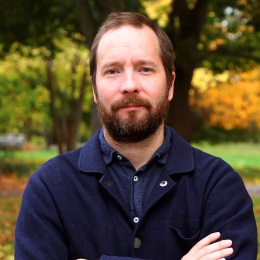
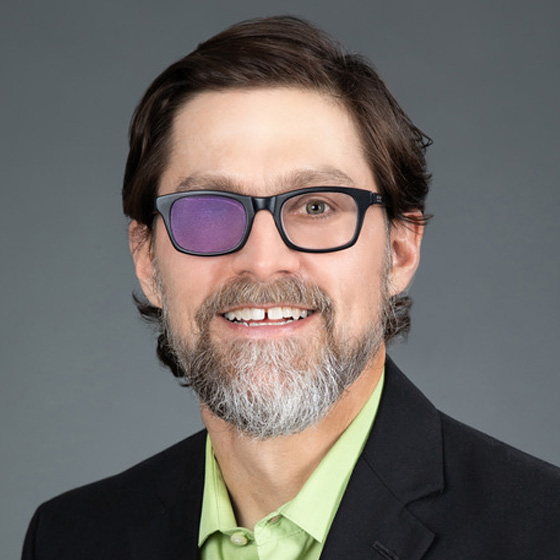
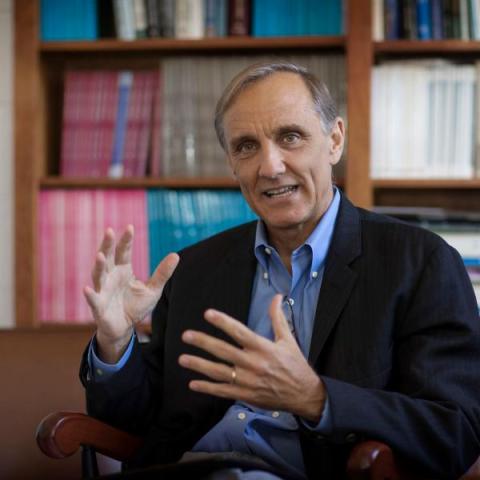
Abigail L. Rosen, Ph.D., is a Senior Lecturer in the Department of Psychiatry and Psychology at the University of Rochester School of Medicine and Dentistry. She is affiliated with UR Medicine Faculty Group and Accountable Health Partners, focusing on clinical research and patient care. Ph.D. in Clinical Psychology, University of Rochester (2019) M.A. in Clinical Psychology, University of Rochester (2016) B.A. in Psychology, Vassar College (2010) Her research centers on trauma exposure and child maltreatment in low-income populations. A 2018 publication explores how trauma patterns affect mental health outcomes in maltreated versus non-maltreated children, highlighting intersections of socioeconomic status and developmental psychology. Her work aligns with clinical psychology and psychiatry, emphasizing early-life adversities and their long-term impacts. No awards, students, or grants are documented in the provided text.
Professor Maria Craig is a distinguished academic and researcher at the University of New South Wales, Faculty of Medicine & Health, specializing in childhood diabetes research. She holds a prominent position as a Professor with extensive contributions to the field of pediatric endocrinology and diabetes, particularly focusing on type 1 diabetes in children. Professor Craig's educational background includes: MB BS from the University of Melbourne MMedSc(ClinEpid) from the University of Newcastle PhD from the University of Sydney FRACP (Fellow of the Royal Australasian College of Physicians) Professor Craig's research primarily focuses on childhood diabetes, with special emphasis on prediction and prevention of type 1 diabetes. She has a significant interest in the association between viruses and type 1 diabetes, collaborating with the Virology Research Group at Prince of Wales Hospital (POWH). Together with Professor Bill Rawlinson, she leads the viral theme for the multicentre ENDIA study (endia.org.au). As principal investigator for the CoRD trial, she is conducting a world-first phase 1 study using autologous cord blood for prevention of type 1 diabetes in children with islet autoimmunity. Additionally, she serves as principal investigator for the Australasian Diabetes Data Network (ADDN). Her research portfolio also encompasses the epidemiology of various forms of childhood diabetes (type 1, type 2, cystic fibrosis related diabetes and monogenic diabetes) and diabetes complications, in collaboration with Professor Kim Donaghue at the Children's Hospital at Westmead. Professor Craig's extensive publication record, including over 361 journal articles, demonstrates her leadership in advancing our understanding of childhood diabetes. Her recent work shows increasing focus on early detection methods, risk prediction models, technological interventions for diabetes management, and the complex interplay between viral infections and autoimmune diabetes development. She has been instrumental in developing clinical practice guidelines through her role as co-editor of the International Society for Pediatric and Adolescent Diabetes (ISPAD) guidelines. Professor Craig has received numerous prestigious awards recognizing her contributions to pediatric endocrinology and diabetes research: Australian Paediatric Endocrine Group Young Investigator's Award (1997) Asia Pacific Paediatric Endocrine Society Clinical Teaching Award (2008) Lifetime Honorary Member, Caring and Living as Neighbours (2013) Australian Diabetes Society Jeff Flack Diabetes Data Award (2019) Australian Paediatric Endocrine Group Norman Wettenhall Award for Research and Innovation (2019) Throughout her career, Professor Craig has demonstrated exceptional leadership in professional societies, having served as former president/treasurer of the Australasian Paediatric Endocrine Group (APEG) and currently as Scientific Convenor of the Asia Pacific Paediatric Endocrine Society Fellows school. Her work with the ENDIA study and Australasian Diabetes Data Network represents significant collaborative research efforts involving multiple institutions across Australia and internationally. Her principal investigator roles for major studies indicate substantial research funding support. Professor Craig leads several important research initiatives including the ENDIA study, the CoRD trial, and the Australasian Diabetes Data Network. These programs involve multidisciplinary teams of researchers, clinicians, and support staff working collaboratively to advance understanding and treatment of childhood diabetes. Her work at the intersection of virology and diabetes represents a unique and innovative approach to understanding the environmental triggers of type 1 diabetes.
Professor Nancy W. Y. Law is a leading scholar in Learning Sciences and Technology at the University of Hong Kong's Faculty of Education . She has served as Founding Director of the Centre for Information Technology in Education (CITE) (1998-2013) and currently holds the Chair of Learning Sciences and Technology . Her career spans over 25 years of international comparative studies, policy analysis, and large-scale educational innovation. Current roles: Associate Dean (Strategic Development), HKU Key affiliations: Sciences of Learning Strategic Research Theme (co-convener) Research Expertise Her work focuses on technology-enhanced learning , digital literacy , knowledge building communities , and multilevel educational change . She pioneered network models of teacher innovation and socio-technical frameworks for sustainable pedagogical transformation, particularly in STEM education and Cyberbullying prevention . Scientific Leadership With over 25 major research grants (2000-2023) exceeding HK$50 million, she leads projects like: Learning and Assessment for Digital Citizenship Jockey Club Self-directed Learning in STEM Design-Aware Learning Analytics A Fellow of the International Society of Learning Sciences and recipient of the HKSAR Humanities and Social Sciences Prestigious Fellowship , she has supervised numerous international comparative studies including SITES 2006, ICILS 2013, and longitudinal digital citizenship research (2019-2021).
Karen Piper Hanley is Professor of Molecular Medicine and Head of Division in the Division of Diabetes, Endocrinology & Gastroenterology at the University of Manchester. She serves as the fibrosis lead in the Wellcome Trust Centre for Cell-Matrix Research and previously served as Director of Core Research Technologies (2019-2022). She is also an editorial board member for Scientific Reports. Her research focuses on fibrosis (scarring) mechanisms across multiple organs, particularly liver, kidney, and lung fibrosis. Her lab investigates the cellular and molecular basis of fibrotic disease, with emphasis on how pathological scar components are produced and how they signal to surrounding cells. Key areas include the role of SOX9 transcription factor, integrin beta-1 signaling, Group 1 PAKs, and YAP1 in fibrosis progression. Her recent publications reveal trends toward increased clinical translation of fibrosis research, with studies on health inequalities in liver cancer care, post-COVID diabetes incidence, and innovative approaches to liver disease detection. Her work increasingly integrates spatial transcriptomics and advanced omics technologies to understand cellular transitions in liver disease. Career-track postdoctoral fellowship from the University of Southampton (2006) As senior postgraduate tutor, she has mentored numerous PhD students who have presented at key conferences and authored high-quality manuscripts. All her PhD students have submitted and been awarded their degrees within 4 years. She has successfully guided previous Academic Clinical Fellows to win MRC clinical training fellowships. Her teaching extends to undergraduate Personal & Professional Development and supervision of MRes and BSc students, many of whom have achieved first-class degrees and prestigious awards. Her lab maintains active collaborations with Professor Neil Hanley's group on human development, stem cells, and regenerative medicine, bridging developmental biology with fibrosis research to understand why regeneration is impaired in chronic diseases.
Peter Nilsson is a Professor of Economics at the Institute for International Economic Studies (IIES) , Stockholm University. He also holds a guest professorship at Linnaeus University and serves as a research fellow at IFAU , Uppsala Center for Labor Studies , CESifo , and CEPR . Previously, he was a postdoctoral fellow at Stanford University and obtained his PhD from Uppsala University (2010). Research Focus: His work bridges Labor Economics , Health Economics , and Environmental Economics , analyzing how early-life exposures (alcohol, lead), workplace dynamics, and policy interventions (unemployment insurance, congestion pricing) shape long-term socioeconomic outcomes. Key themes include Environmental Health Impacts on Cognition and Crime Labor Market Responses to Insurance Policies Peer Effects in Workplace Behavior Policy Design for Social Equity Scientific Awards: Nilsson has been recognized through research fellowships at leading institutions and editorial roles, including Associate Editor at The Economic Journal since 2021. His work has been featured in American Economic Review , Journal of Political Economy , and NBER platforms. Key Contributions: He provided testimony for Connecticut’s HB-5045 to reduce childhood lead exposure and contributed to Sweden’s Corona Commission report on pandemic responses. His empirical methods combine natural experiments with administrative datasets to identify causal relationships in health, labor, and environmental economics.
Bernadka Dubicka is a Clinical Professor and Honorary Clinical Chair in the Division of Neuroscience at the University of Manchester. She holds dual roles as a research lead at Pennine Care NHS Foundation Trust and as the child and adolescent mental health research lead for Health Innovation Manchester. She is the Editor-in-Chief of the Journal of Child and Adolescent Mental Health and previously served as Chair of the Child and Adolescent Faculty at the Royal College of Psychiatrists (2017–2021). Her academic qualifications include a BSc in Psychology and MBBs from University College London, followed by FRCPsych accreditation in child psychiatry. She earned a gold medal for her MD thesis on behavioral disorder implications in depression. Dubicka’s research focuses on adolescent depression, mood disorders, and brief interventions, including the IMPACT and STADIA trials evaluating psychological treatments and standardized diagnostic assessments. Her work also addresses technology’s role in youth mental health and the eco-crisis’s mental health impacts. Education: BSc Psychology, University College London MBBs, University of London MD Thesis (Gold Medal), University College London FRCPsych, Royal College of Psychiatrists Her research spans depression treatment efficacy, behavioral activation, and cross-national studies on pediatric bipolar disorder. She collaborates internationally and has led over 49 publications. Awards include a gold medal for her thesis and recognition as an RCPsych Fellow. Her work also emphasizes policy advocacy, such as addressing digital rights for children and mental health responses to climate change (e.g., COP26 contributions). She trains clinicians in brief psychosocial interventions and behavioral activation through academic programs and national courses. Grants & Funding: Co-investigator on the £1.1M HTA-funded STADIA trial evaluating remote mental health assessments. Principal investigator on the IMPACT trial, one of the largest adolescent depression trials globally. Labs/Teams: Collaborations include the University of Cambridge (IMPACT trial), University of Nottingham (STADIA), and international taskforces on treatment-resistant depression.
Scott D. Landes is a Professor in the Sociology Department at Syracuse University's Maxwell School of Citizenship and Public Affairs. He holds affiliations with the Aging Studies Institute, Lerner Center for Public Health Promotion, and Center for Aging and Policy Studies. Landes earned his Ph.D. in Sociology from the University of Florida in 2014. His research focuses on disability mortality disparities, veteran health outcomes, and the intersection of disability with medical and social theory. Education: Ph.D. in Sociology, University of Florida, 2014 Research Interests: Landes investigates mortality trends for disabled adults and veterans, disability theory integration with life course frameworks, and data equity in disability measurement. His work addresses systemic undercounting of disability in federal surveys and explores racial/ethnic disparities in lifespan outcomes for individuals with intellectual/developmental disabilities (IDD). Recent Research Trends: His publications analyze pandemic impacts on IDD populations, combat veteran longevity, and diagnostic overshadowing in mortality reporting. Recent work critiques Washington Group disability measures' limitations and advocates for improved data collection methods. Awards: 2025 Excellence in Graduate Education Faculty Recognition Award O’Hanley Faculty Scholar (Syracuse University) NIH-funded research projects on aging policy and mortality disparities Advising & Grants: Recipient of multiple National Institutes of Health grants. Advises on disability data equity initiatives and participates in interdisciplinary teams addressing veteran health disparities. Supervises graduate research on IDD lifespan trajectories and pandemic vulnerability. Labs/Teams: Core member of Syracuse’s Aging Studies Institute and Lerner Center for Public Health Promotion. Collaborates with the Center for Aging and Policy Studies on federal health data projects. Engages with national disability advocacy groups through research briefs and policy consultations.
Carina Mallard is Professor of Experimental Perinatal Brain Injury Research and Pro-Vice-Chancellor at the University of Gothenburg since July 2023, where she oversees research infrastructure and chairs the Research Board. She previously served as Deputy Vice-Chancellor (2021–2023) and Head of Core Facilities (2018–2021). Her academic career began with a Physiology degree from Lund University and a PhD in Pediatrics at the University of Auckland (1995), followed by a professorship appointment in 2006. Her research focuses on perinatal brain injury , particularly in premature infants , investigating neuroinflammatory mechanisms maternal dietary interventions neurovascular unit dynamics microglia activation long-term consequences of maternal obesity . Recent publications highlight her work on neonatal rodent models , transcriptomic profiling , and anti-inflammatory therapies . Key themes include RNA degradation , mitochondrial protection , and immune-neurovascular interactions . She has supervised 20 doctoral students since 2004 and collaborates internationally with institutions like King's College London. Contact details include two institutional emails and physical addresses across Gothenburg's biomedical campuses. Her leadership roles span research strategy, doctoral education, and EU-level scientific initiatives.
Professor Cristina Iannelli holds the Personal Chair of Education and Social Stratification at the University of Edinburgh’s Moray House School of Education and Sport, affiliated with the Institute for Education, Community & Society (IECS). She is a Fellow of the British Academy and the Academy of Social Sciences. Her research focuses on social stratification in education and labor markets, social mobility, youth transitions, and quantitative data analysis. She has led major international projects like the ESRC-funded ‘Understanding Inequalities’ (2017-2021) and previously co-directed the ESRC Applied Quantitative Methods Network (AQMeN). Key contributions include analyzing educational policies, intergenerational mobility, and curriculum impacts on inequality. Her educational background includes a PhD from the European University Institute (Florence) and prior roles as a Research Fellow at the University of Edinburgh. She has supervised 14 PhD students across topics like educational inequality, policy analysis, and labor market transitions. Awards include ESRC research fellowships for projects on educational structure and social mobility. Recent work highlights include analyzing sibling data to study intergenerational transmission of advantage, cross-country comparisons of STEM enrollment disparities, and the role of spatial job opportunities in labor market outcomes. She chairs the European Research Network on Transitions in Youth (TIY) and advises ESRC’s Data and Infrastructure Expert Group.
Matthias Parey is a Professor in the Department of Economics at the University of Surrey. He holds additional roles as a Research Fellow at the Institute for Fiscal Studies (IFS) and the Institute for the Study of Labor (IZA), a Researcher at the ESRC Research Centre on Micro-Social Change (MiSoC), and a Research Associate at ZEW. His research spans Labour economics Economics of education Micro-econometrics Inequality Economics of innovation . His recent publications analyze high-skilled migration selection, trade shocks, cannabis market size estimation, and gasoline demand elasticity. He has contributed to journals like Review of Economics and Statistics , Economica , and Journal of the European Economic Association . Scientific awards include fellowships at IFS and IZA. His work on trade shocks examines gender-specific labor supply responses to Chinese import competition, while his cannabis market research introduces a forensic economics approach using legal inputs. Earlier studies focus on maternal education impacts on child development and the long-term labor market effects of Erasmus student exchanges.
Joseph P. Allen is the Hugh Kelly Professor of Psychology at the University of Virginia, affiliated with the Department of Psychology in the College of Arts & Sciences. He is actively engaged in research on adolescent development and maintains the Adolescence Research Lab. His office is located in 226G Gilmer Hall, and he holds office hours on Mondays and Thursdays from 3:30 to 5 PM. His research centers on adolescent social development, with a focus on peer and family relationships, the development of autonomy and relatedness, and the long-term psychological and physical health outcomes of teenage experiences. He investigates how peer influence, attachment organization, and social conflicts during adolescence predict adult well-being, including mental health, romantic satisfaction, and even biological markers like interleukin-6 and epigenetic aging. The recent publications highlight a longitudinal and interdisciplinary approach, bridging developmental psychology with clinical and health psychology. His work increasingly explores how peer environments can be leveraged for positive intervention, particularly for marginalized youth. Themes across articles include social connection, developmental trajectories, and biopsychosocial outcomes. Joseph P. Allen leads the Adolescence Research Lab, which conducts in-depth studies on teen social interactions and their lifelong impacts. While specific advising details are not listed, his role as a professor and lab head suggests active mentorship of graduate students and researchers.
Steve S. Lee is a Professor and Area Chair of Clinical Psychology at the University of California, Los Angeles (UCLA), conducting research on developmental psychopathology with emphasis on ADHD and disruptive behavior disorders through longitudinal methodologies to identify risk factors and causal mechanisms. Education: Ph.D. in Psychology from the University of California, Berkeley His research investigates how trait negative emotionality, family dynamics, peer interactions, and neuropsychological factors contribute to child behavior problems, with specialized focus on sex differences in conduct disorder outcomes and long-term developmental trajectories of psychopathology. Analysis of his 2016-2020 publications reveals consistent exploration of parenting influences (negative parenting, maternal health), environmental factors (childhood maltreatment, digital media exposure), and demographic variables (gender-specific comorbidity patterns) affecting externalizing behaviors, utilizing longitudinal and meta-analytic approaches across diverse developmental stages. Information regarding student advising and research grants was not provided in the source material. Dr. Lee directs the Lee Lab at UCLA, which maintains an active research program in developmental psychopathology as evidenced by ongoing publications in high-impact journals including JAMA and Developmental Psychobiology.
Eyal Aharoni is a Professor in the Department of Philosophy at Georgia State University's College of Arts & Sciences. He holds a Ph.D. in Psychology from the University of California, Santa Barbara (2009) and bachelor's degrees in psychology and religious studies from the same institution. Dr. Aharoni's research program bridges psychology, neuroscience, and legal studies with particular focus on: Risk models for antisocial behavior Application of neuroscience to legal contexts (neurolaw) Impact of emotion and cognitive bias on criminal, moral, legal, and political decision making Psychopathy and criminal justice outcomes His scholarly work demonstrates a consistent interdisciplinary approach to understanding the psychological and neurobiological underpinnings of criminal behavior and legal decision-making. Through experimental, longitudinal, and neuroimaging methodologies, Aharoni investigates how cognitive, behavioral, evolutionary, and neurobiological factors influence criminal justice outcomes and potential reforms. Dr. Aharoni maintains an active research laboratory and welcomes PhD students in psychology, with potential funding opportunities in neuroethics. His current research interests include ethical implications of neuroscience technologies and associated issues in cognitive neuroscience, moral psychology, legal psychology, and forensic psychology. His professional experience includes: Research Associate at the RAND Corporation Postdoctoral fellowship at The MIND Research Network for Neurodiagnostic Discovery and the University of New Mexico Psychology Research positions at the Research Center for Virtual Environments and Behavior Research positions at the Institute for Social, Behavioral, and Economic Research
Christian Lindh is an active Associate Professor and Senior Lecturer at Lund University's Division of Occupational and Environmental Medicine. He serves as Research Team Manager for Applied Mass Spectrometry in Environmental Medicine and is affiliated with EpiHealth: Epidemiology for Health. His research focuses on environmental and occupational exposures and their health impacts, with particular expertise in biomonitoring and analytical chemistry. His research interests span Occupational Health , Environmental Health , Analytical Chemistry , Exposure Assessment , and Epidemiology . Lindh specializes in studying human exposure to environmental pollutants including PFAS, heavy metals, phthalates, and polycyclic aromatic hydrocarbons, with particular focus on vulnerable populations such as pregnant women and children. His work contributes to UN Sustainable Development Goals related to health and environmental protection. Analysis of his recent publications reveals a strong focus on environmental epidemiology, particularly examining PFAS exposure patterns, heavy metal toxicity, and the health impacts of environmental contaminants across different life stages. His research employs advanced analytical techniques, particularly mass spectrometry, to precisely measure exposure levels and investigate dose-response relationships. Lindh has secured significant research funding, currently leading projects including 'Temporal Trends in Lead, Mercury, and Cadmium Levels in Children' (Swedish Environmental Protection Agency, 2025-2026) and 'Trade-offs between food safety and food security' (FORMAS, 2024-2027). He serves as Principal Investigator on multiple active research projects totaling 15, with 7 currently active and 7 completed. As Manager of the 'Targeted Exposomics at Lund University' infrastructure, Lindh leads the Applied Mass Spectrometry in Environmental Medicine research team. His work bridges analytical chemistry with public health research, developing methodologies to assess human exposure to environmental chemicals and evaluating their health consequences through epidemiological studies.
Professor Louis Schmidt is a leading academic in the Department of Psychology, Neuroscience & Behaviour at McMaster University , with a research focus on developmental psychophysiology, temperament, and the long-term effects of early adversity. His work bridges neuroscience, psychology, and behavioral science, emphasizing the interplay between brain function and socio-emotional development across the lifespan. Key research themes: Shyness, social anxiety, autism spectrum disorder, schizophrenia, and outcomes of extremely low birth weight. Recognized for mentoring postdoctoral fellow Kristie Poole, who was celebrated as a role model in the Child Emotion Laboratory. Scientific Awards : Royal Society of Canada recognition for contributions to research and scholarship. Research Trends from 15 recent publications include: Neurophysiological mechanisms of shyness (EEG, ERP, RSA) Impact of antenatal corticosteroids on adult brain function Intergenerational effects of maternal mental health interventions Cross-cultural comparisons of temperamental shyness Developmental consequences of preterm birth Behavioral and neural correlates of social anxiety in diverse populations Grants & Collaborations : Led the SNACS randomized controlled trial on antenatal corticosteroids, with applications in obstetrics and developmental neuroscience. Collaborates extensively on topics like autism spectrum disorder, schizophrenia, and emotion regulation. Labs & Teams : Directs the Child Emotion Laboratory at McMaster University, fostering interdisciplinary research on developmental psychopathology and neural mechanisms of temperament.