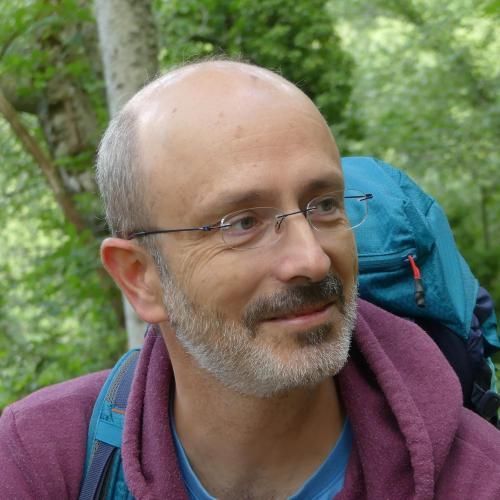
Vincent Kaufmann is an Associate Professor at the Swiss Federal Institute of Technology in Lausanne (EPFL) , leading the Urban Sociology Laboratory (LaSUR) . Since 2010, he serves as Scientific Director of the Mobile Lives Forum in Paris. His career spans teaching at institutions like Lancaster University , Ecole des Ponts ParisTech , and Tongji University , with research focusing on mobility sociology , urban dynamics , and public policy evaluation . Master's in Sociology from University of Geneva PhD at EPFL on transport modal practices His work explores mobility-capital interactions , motility , and rhythmanalysis in contemporary societies. Key themes include urban lifestyle transformations , cross-border regions , and mobility-sustainability nexus , with recent emphasis on new proximities and slow cities . Teaching roles span EPFL departments like Teaching (EDAR) , Architecture and Urban Sciences (SGC) , and Human and Social Sciences (CDH) . He has directed numerous PhD and master's theses on urban mobility topics.
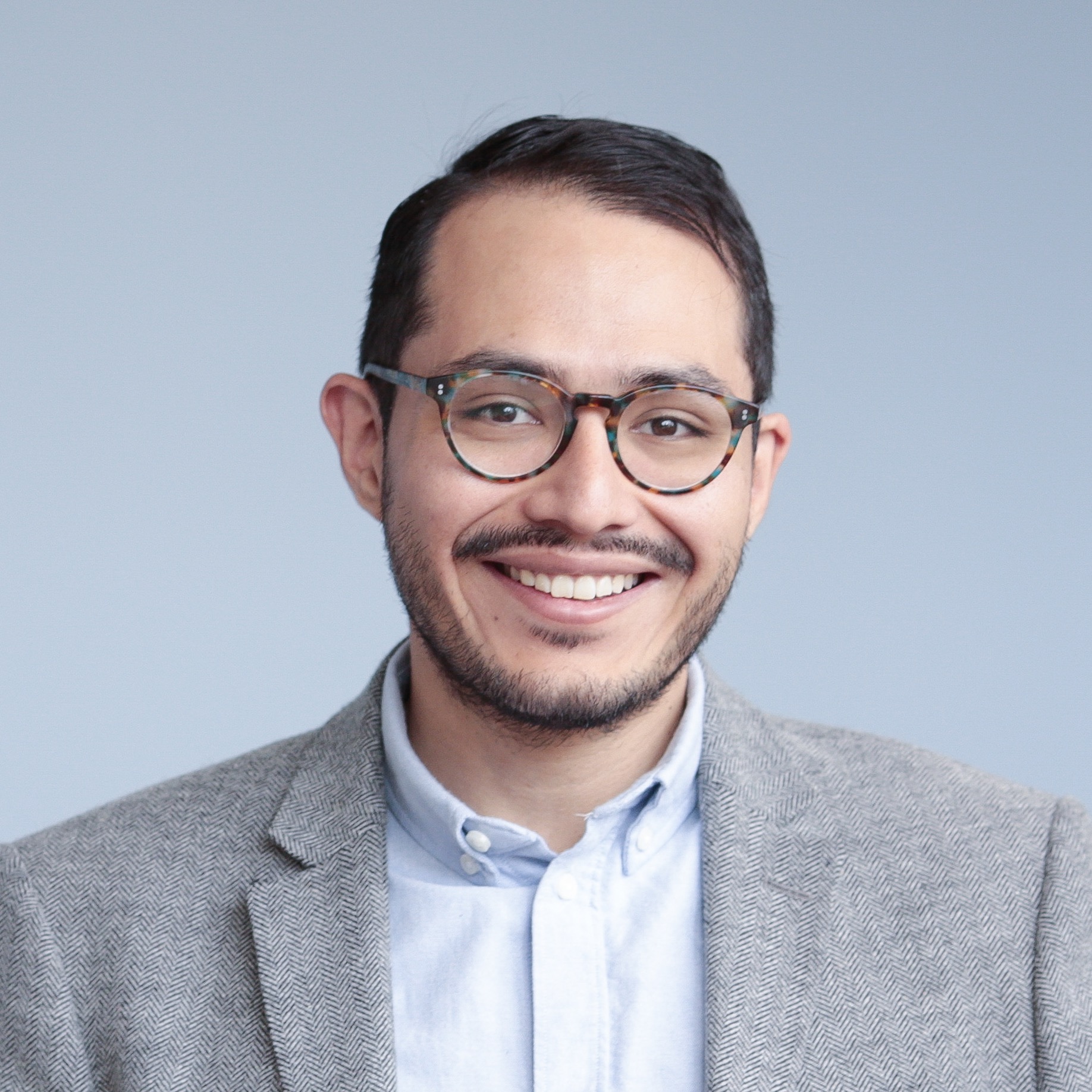
Pengtao Xie is an Associate Professor (tenured) in the Department of Electrical and Computer Engineering at UC San Diego, with cross-appointments in the Division of Biomedical Informatics and affiliations across multiple schools and institutes including the Halıcıoğlu Data Science Institute, School of Biological Sciences, and Skaggs School of Pharmacy. His research bridges human-inspired machine learning and healthcare applications. Education: PhD in Machine Learning, Carnegie Mellon University (2018) MS from Tsinghua University BS from Sichuan University Research Interests: His work focuses on machine learning inspired by human learning strategies , including learning by testing, interleaving, self-explanation, and teaching. These techniques are applied to large language models , foundation models , healthcare , and biomedicine . Recent efforts emphasize generative AI for medical image segmentation and protein function prediction. Scientific Awards: NIH MIRA Award (2025) NSF Career Award (2024) Best Graduate Teacher Award, ECE UCSD (2023) ICLR Notable-Top-5% Paper (2023) Global Top-100 Chinese Young Scholars in AI (2022) Tencent Faculty Award (2021) AMIA Doctoral Dissertation Award Finalist (2020) Siebel Scholarship (2014) Teaching & Mentorship: He has developed and taught courses such as Deep Generative Models , Probabilistic Graphical Models , and Linear Algebra and Applications . He actively mentors PhD, master's, and undergraduate students, with alumni now at CMU, Stanford, Mila, and industry roles. Labs & Teams: He leads a research group within the Center for Machine-Intelligence, Computing and Security and collaborates with the Institute for Genomic Medicine and Institute of Engineering in Medicine at UC San Diego.
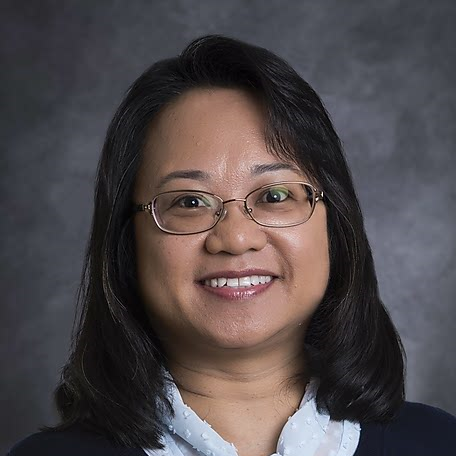
Dr. Samuel Cheng is an Associate Professor at the Gallogly College of Engineering , University of Oklahoma , specializing in Electrical and Computer Engineering . He holds a Ph.D. in Electrical Engineering from Texas A&M University (2004), preceded by M.S. and M.Phil. degrees from the University of Hawaii and Hong Kong University of Science and Technology. Education: B.S. (University of Hong Kong, 1995), M.Phil. (HKUST, 1997), M.S. (University of Hawaii, 2000), Ph.D. (Texas A&M, 2004) Professional Experience: Senior Research Engineer at Advanced Digital Imaging Research (2004-2005), prior internships at Microsoft Asia and Panasonic Technologies His research focuses on Information Theory , Signal and Image Processing , and Pattern Recognition , with applications in remote sensing, urbanization analysis, and disaster monitoring. His publications span topics including urban impervious surface mapping , nighttime light analysis , and machine learning for environmental data . His work often integrates multi-source datasets (e.g., Landsat, LiDAR, social media) for spatiotemporal modeling. Technical Expertise: Spectral unmixing, machine learning, thermal remote sensing, GIS integration Key Applications: Power outage detection, vegetation-crime correlation, PM2.5 estimation, smart meter data fusion Dr. Cheng holds three US patents in digital watermarking and is affiliated with IEEE, Sigma Xi, and AAAS. His recent articles demonstrate a trend toward leveraging AI for remote sensing challenges and analyzing urbanization impacts on ecosystems.
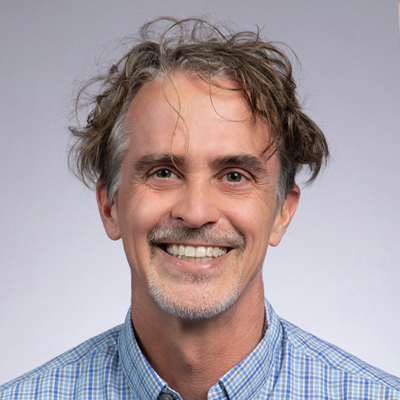
Philip Boone, MD, PhD, is an Attending Physician in the Division of Genetics and Genomics at Boston Children's Hospital and an Instructor of Pediatrics at Harvard Medical School. He specializes in medical genetics with particular expertise in rare disorders, medical mysteries, deletion and duplication syndromes, and Cornelia de Lange syndrome. Dr. Boone sees patients at Boston Children's Brookline location (2 Brookline Place, 7th Floor) and provides comprehensive genetic care including diagnostics, counseling, and individualized management. Stanford University (Undergraduate, 2006) Baylor College of Medicine (Graduate & Medical School, 2013-2014) Boston Combined Residency Program (Internship & Residency, 2016-2020) Harvard Medical School Genetics Training Program (Fellowship, 2020) Dr. Boone's research focuses on neurodevelopmental disorders, chromatin regulation, and genetic diagnostics. His work spans from fundamental genetic mechanisms to clinical applications, with particular emphasis on cohesinopathies including Cornelia de Lange syndrome. He has contributed significantly to understanding genetic variants associated with growth disorders, developmental features, and structural chromosomal abnormalities. His research combines advanced genomic technologies with clinical insights to improve diagnosis and management of rare genetic conditions. Analysis of Dr. Boone's publication record reveals a strong focus on medical genetics with emphasis on neurodevelopmental disorders, chromatin regulation, and genetic diagnostics. His work spans basic research on gene function and regulation to clinical applications in rare disease diagnosis. A notable trend is his investigation of cohesin complex disorders, particularly SMC3 variants and their relationship to Cornelia de Lange syndrome. His publications demonstrate expertise in both traditional genetic analysis and cutting-edge genomic technologies including long-read sequencing and telomere-to-telomere assembly. Dr. Boone actively contributes to medical education through publications on genetic diagnostics and distance learning resources for medical genetics. He has co-authored educational materials that help advance the field's knowledge base and training capabilities. As an attending physician in the Division of Genetics and Genomics at Boston Children's Hospital and a research fellow in the Center for Genomic Medicine at Massachusetts General Hospital, Dr. Boone works within one of the largest pediatric genetics practices in the country. The division includes over 30 board-certified clinical geneticists, genetic counselors, dieticians, and nursing staff who provide comprehensive care for patients with both common and extremely rare genetic conditions.
David Sbarra serves as Professor and EOS Foundation Endowed Chair in Health Psychology at the University of Arizona's Department of Psychology, where he directs the Laboratory for Social Connectedness & Health (LSCH). His research examines the biopsychosocial mechanisms linking social relationships to health outcomes, with particular focus on how divorce, marital separation, and loneliness function as risk pathways for poor health. Dr. Sbarra's academic credentials include: B.S. in Psychology from Cornell University (1996) Clinical Internship at University of Wisconsin Department of Psychiatry Ph.D. in Clinical Psychology from University of Virginia (2004) His research program centers on social relationships and health, stress physiology, and genetically-informed methodologies including twin studies, polygenic risk scores, and Mendelian Randomization. The Laboratory for Social Connectedness & Health investigates how high-quality relationships promote health resilience while relationship disruptions create vulnerability, emphasizing causal inference through advanced quantitative methods and open science practices. Recent publications reveal a pronounced shift toward establishing causal relationships in the social connection-health field, with heavy utilization of genetically-informed designs and multi-method approaches. His 2024-2025 work demonstrates particular innovation in applying Mendelian Randomization to loneliness-depression pathways, examining cardiovascular impacts of marital separation, and developing novel measures for couple therapy processes. Dr. Sbarra holds the prestigious EOS Foundation Endowed Chair in Health Psychology, recognizing his significant contributions to understanding social determinants of health. His co-authored work in the American Psychologist has helped establish social connection as a critical public health priority. While specific advising details aren't documented in available sources, his laboratory direction and course instruction (including PSY 383 Health Psychology and clinical practica) indicate active mentorship of graduate students. His research program likely operates through multiple federally funded grants supporting genetically-informed longitudinal studies. The Laboratory for Social Connectedness & Health employs diverse methodologies including daily diary assessments, physiological monitoring, fMRI, and genetically-informed designs to examine how social connection operates as a fundamental health determinant across the lifespan. Current projects focus on causal mechanisms linking relationship quality to biological aging, intervention development for attachment security, and public health applications of social connection research.
Andrés Baselga Fraga is a Professor at the University of Santiago de Compostela, affiliated with the Department of Zoology, Genetics and Physical Anthropology within the Faculty of Biology. He leads the BiBiCI research group (Biodiversity, Biogeography and Integrative Conservation) and is associated with the Center for Interdisciplinary Research in Environmental Technologies (CRETUS). His doctoral work (2002) focused on Chrysomelidae beetles in Galicia, supervised by Dr. Francisco Novoa Docet. Education: PhD in Biology, University of Santiago de Compostela (2002) Thesis: 'Study of the Chrysomelidae (Coleoptera) of Galicia' Research Interests: His work centers on biodiversity patterns, biogeographical processes, and community ecology, with a focus on spatial scaling of phylogenetic diversity, climate change impacts, and dispersal limitation effects. He explores these through macroecological approaches, integrating genetic, taxonomic, and environmental data. His studies often address beetle communities, particularly Chrysomelidae, and their responses to environmental changes. Article Trends: Recent publications analyze biodiversity value through phylogenetic uniqueness, climate stability's role in species abundance-genetic diversity congruence, and dispersal mechanisms shaping community turnover. He also examines spatial and temporal shifts in montane ecosystems and develops novel statistical methods for assessing distance-decay relationships. Awards: No specific academic awards noted in the provided texts. Grants & Advising: No grant details or student advisees explicitly listed. His research has been supported through institutional affiliations like CRETUS. Labs/Teams: Leads the BiBiCI group and collaborates with CRETUS, focusing on interdisciplinary environmental research.
Dr. Diane E. Chico is an Instructional Professor and Department Head in the Department of Neuroscience & Experimental Therapeutics at Texas A&M University's School of Medicine. She specializes in medical education, focusing on gross anatomy, histology, and neuroscience instruction. Her research evaluates innovative teaching methods to enhance student learning and retention of basic sciences. Education: PhD from the University of Texas Medical Branch Postdoctoral training at Albert Einstein School of Medicine Research Interests: Dr. Chico’s current work centers on instructional design and assessment, including online learning modules and active learning strategies. She investigates how shorter, intensive curricula and interactive feedback improve student outcomes. Her prior research explored peptide delivery systems and protein function mechanisms in cellular contexts. Publications Trends: Her recent articles emphasize medical education innovations, such as pandemic-era online teaching and pre-matriculation strategies. Earlier work delves into histology, biochemistry, and peptide biology, reflecting her multidisciplinary background. Awards: Provost Academic Professional Track Faculty Teaching Excellence Award (Texas A&M University) Association of Former Students Distinguished Achievement Award (Teaching) R. Kelly Hester Outstanding Teaching Award (Texas A&M Health Science Center) Advising & Grants: Though no advisees are listed, Dr. Chico’s grants likely support her educational initiatives. As Department Head, she leads teams advancing neuroscience education and research.
Dr Hector Gutierrez Rufrancos is a Senior Lecturer in Economics at the University of Stirling School of Management , where he serves as the Undergraduate Economics Programme Director, PhD Convenor, and Summer School Director for the Scottish Graduate Programme in Economics (SGPE). He is also a Research Fellow at the Global Labor Organization . Education: PhD in Economics (2017), University of Sussex MSc in Development Economics (2010), University of Sussex BA in Economics with Development Studies (2009), University of Sussex His research focuses on the interplay between policy, institutions, and individual well-being, particularly in the context of living standards, inequality, and informality. Key areas include: Living Standards & Well-being: Historical analysis of nutrition, poverty, and inequality (19th–20th centuries) in Britain, Europe, and the USA. Institutions & Political Economy: Studies on unions in Mexico, geopolitical risk spillovers, and informal economies in Sub-Saharan Africa and Latin America. Methodological Expertise: Applied econometric techniques such as causal inference, instrumental variables (IV), regression discontinuity design (RDD), and differences-in-differences (DiD). His recent publications address topics like pollution’s effect on labor supply, informality’s impact on welfare, and historical inequality patterns. He emphasizes empirical rigor in both research and teaching, offering workshops in Stata programming, LaTeX, and causal inference methods. Academic Service: Organized SGPE Summer Schools (2022–present), co-directed SGPE PhD programs (2022–2023), and coordinates MSc dissertations. He actively presents at conferences including the Scottish Economic Society, Royal Economic Association, and UNU-WIDER seminars.
Dinah Hannaford is an Associate Professor in the Comparative Cultural Studies Department at the University of Houston, College of Liberal Arts and Social Sciences. She also serves as the Anthropology Undergraduate Program Director. She holds a Ph.D. from Emory University. Her research focuses on the political economy of intimate life, using ethnographic methods to explore themes like transnational marriage dynamics, global aid work, and gender roles in Senegal. Her work bridges cultural anthropology with critical analyses of globalization and neoliberalism. Key publications include Aid and the Help: International Development and the Transnational Extraction of Care (2023) and Marriage Without Borders: Transnational Spouses in Neoliberal Senegal (2017). She co-edited Opting Out: Women Messing with Marriage Around the World (2022), exploring global feminist critiques of marital norms. Her linguistic expertise in French, Italian, and Wolof supports her ethnographic research. Research themes include international development's impact on domestic labor, digital surveillance in transnational relationships, and the sociopolitical dimensions of migration.
Dr Bernd Ploderer is an Associate Professor in the School of Computer Science at Queensland University of Technology (QUT), where he conducts research in Human-Computer Interaction (HCI), focusing on health, wellbeing, and human-centred computing. He leads the Digital Wellbeing Lab and is actively involved in multiple Australian Competitive Grant-funded projects, including those on generative AI for self-care, tangible intergenerational interaction, and children's active play. Education: PhD in Human-Computer Interaction (University of Melbourne, 2011), MA in Communications (University of Salzburg, 2007), BSc (Hons) in Information Systems (FH Joanneum Graz, 2003) Previous Positions: Research Fellow and Lecturer at the University of Melbourne (2011–2015) Professional Recognition: Fellow of the Higher Education Academy, Graduate Certificate in Academic Practice (QUT, 2017) Dr Ploderer’s research centers on designing interactive technologies that support personal and social wellbeing, with a strong emphasis on user-centered and co-design methods. His work spans domains such as digital self-care , mobile health , generative AI , tangible and embodied interaction , and intergenerational and child play . He has developed innovative educational methods in HCI, notably the ‘working field theories for design’ approach, which received an Honorable Mention at CHI 2021. His recent publications (2023–2025) reflect a growing interest in AI-mediated self-care, nature-connected technologies, and inclusive design for diverse populations including teens, older adults, and individuals with disabilities. These works appear in top-tier venues such as CHI , DIS , and Personal and Ubiquitous Computing . Dr Ploderer has received several awards, including: QUT Vice Chancellor's Performance Award (2016) PCHF Innovation Grant (2018) Metro North Hospital and Health Service Link Grant (2017) Honorable Mention at CHI 2021 Associate Chair for Health Subcommittee at CHI 2022 He is actively involved in research supervision, currently mentoring PhD and Honours students on topics such as conversational agents for music education, mental wellbeing for international students, and relational technologies for dementia care. He has supervised numerous completed PhD and Masters theses, often in collaboration with Professor Margot Brereton and other QUT researchers. Dr Ploderer also contributes to research ethics and integrity within his school and serves on committees for CHI and CHISIG. His lab, the Digital Wellbeing Lab, fosters interdisciplinary collaboration focused on creating technology that enhances social, mental, and physical wellbeing.
Keith Herman is a Curators’ Distinguished Professor in the Department of Educational, School & Counseling Psychology at the University of Missouri’s College of Education & Human Development. His work focuses on developmental psychopathology, school mental health, and interventions targeting child depression. He leads initiatives in the Missouri Prevention Science Institute and collaborates with the Boone County Schools Mental Health Coalition and FACE of Boone County. Dr. Herman’s research emphasizes teacher well-being, school climate, and culturally responsive practices, with recent studies addressing pandemic impacts on educators and systemic disparities in student outcomes. His educational background and training are not explicitly detailed in the text. Research interests include prevention science, intervention efficacy evaluation, and policy development for equitable educational systems. Recent work highlights innovative approaches like virtual classroom management training and stress intervention programs for rural teachers. Key awards include the Curators’ Distinguished Professor title. His articles consistently explore teacher stress, principal leadership, and student mental health through mixed-methods frameworks. Collaborations with institutions like the Network for Educator Effectiveness and the Hook Center for Educational Leadership reflect his emphasis on scalable solutions for educational challenges. Grants and advising activities are integral to his work, though specific projects are not listed. He co-leads the Missouri Prevention Science Institute, advancing evidence-based practices in schools. Current initiatives include scaling screening tools for student behavioral needs and promoting trauma-informed educational policies.
Dr. Kamil Michalik serves as a Lecturer at Wroclaw University of Health and Sport Sciences within the Faculty of Physical Education and Sports, Department of Sports Didactics. He holds the important roles of Supervisor for the Student Scientific Club Sport Performance and Rector's Representative for the Student Scientific Society. With expertise spanning Exercise Physiology, Sports Science, and Exercise Testing, Dr. Michalik has published 74 scientific papers that have garnered 248 citations. His research focuses on physiological responses to training protocols, performance assessment methodologies, and sport-specific adaptations across various athletic disciplines. Analysis of his recent publications reveals a strong emphasis on performance metrics in cycling, speedway riding, ice hockey, and swimming. His work frequently investigates how respiratory physiology, muscle function, and training protocols influence athletic outcomes. He has developed significant expertise in exercise testing reliability, verification protocols for maximal oxygen uptake, and the application of novel training methods like hypercapnic warm-up techniques. Through the Student Scientific Club Sport Performance, Dr. Michalik mentors students on research topics including interval training effects, physical performance assessment, motor skills development, and respiratory adaptations. His consultation hours for the winter semester 2025/2026 are available both in person (room 241) and via Zoom by appointment. Dr. Michalik maintains an active research presence through his ResearchGate profile (https://www.researchgate.net/profile/Kamil-Michalik) and ORCID identifier (0000-0002-1296-0434), facilitating international collaboration and research dissemination within the sports science community.
Eva Hammar Chiriac is a Professor in the Department of Behavioural Sciences and Learning at Linköping University, specializing in the Division of Psychology. Her research focuses on group processes within educational systems, emphasizing cooperative learning, problem-based learning (PBL), and interprofessional problem-based learning (iPBL). She explores how group dynamics influence learning outcomes, particularly in contexts like classrooms and higher education settings. Her work also addresses challenges in assessing knowledge and abilities developed through group collaboration, as well as fostering positive school climates. Her academic journey includes a PhD in Psychology (2003) and becoming a full Professor at Linköping University in 2020. She leads research projects on group work assessment, classroom management, and school climate improvement, often employing qualitative methods like group observations and focus groups. Collaborations include national and international researchers in social psychology, pedagogy, and medical fields. Key research areas include: Assessment strategies in cooperative learning Interprofessional education dynamics Student and teacher perspectives on group work fairness School climate and teacher-student relationships Her teaching includes courses on group psychology, social psychology, and group observation techniques. She actively supervises PhD students, including Johan Forsell, and contributes to academic networks like the International Association for the Study of Cooperation in Education (IASCE).
Raymond H. Cuijpers is an Associate Professor at Eindhoven University of Technology in the Human Technology Interaction group. His research focuses on Cognitive Robotics , Human-Robot Interaction , and Artificial Intelligence for cognitive agents, with applications in healthcare robotics and aging population support. PhD in Physics of Man from Utrecht University (2000) Postdoctoral research at Erasmus MC Rotterdam and Radboud University Nijmegen Key research areas include: Developing socially intelligent robots with proper social cue interpretation Hybrid AI approaches for real-world complexity handling Visual-haptic perception integration in human motor control Service robots for COPD patient assistance (KSERA project) Rescue robotics and tele-operation applications Recent research output (2025) includes studies on: Personalization in human-robot communication Optimal lighting for elderly visual perception Human-robot bonding mechanisms Interactive sensorized platforms for homecare (GUARDIAN) Audiovisual temporal integration in virtual environments He coordinates large-scale European projects like GUARDIAN and previously KSERA, contributes to sustainable development goals through healthcare robotics, and serves on editorial boards of leading journals including International Journal of Social Robotics . His work spans both technical robotics development and human-centric interaction studies.
Danielle Sulikowski is a Senior Lecturer and Associate Head of School in the School of Psychology at Charles Sturt University (Bathurst Campus). She holds a PhD from Macquarie University (2010), a BSc(Hons) from Macquarie University (2005), and a BSc from the University of New England (2003). Her research focuses on comparative cognition, integrating psychology, behavioral ecology, and evolutionary principles to study spatial cognition, attractiveness, visual attention, and lateralization in humans and animals like noisy miners. Her teaching responsibilities include PSY201 (Research Methods and Statistics in Psychology) and PSY307 (Cognition), delivered both internally and via distance learning. Key research interests span cognition, learning, perception, biopsychology, and evolutionary psychology, with projects involving human subjects and avian species. She maintains a research laboratory website for her comparative cognition work. Recent publications explore topics ranging from dark personalities in online behavior to facial symmetry studies and evolutionary mate strategies. Her work frequently bridges traditional psychology with ecological and evolutionary frameworks, emphasizing adaptive cognitive mechanisms in foraging and social behavior. No scientific awards are explicitly mentioned, though her extensive publication record reflects significant academic contribution. Teaching and advisory roles include no listed students, but her research engages with broader societal issues like domestic violence policy implications and digital media effects.