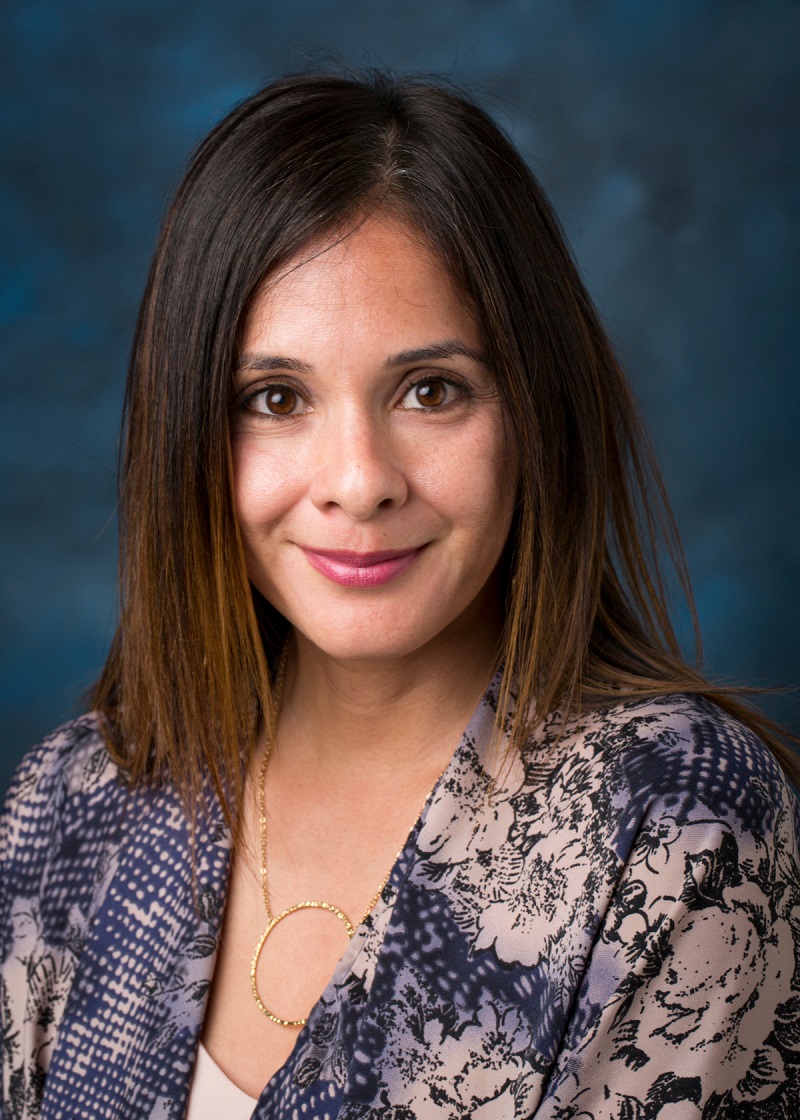
Dunja Šešelja is a Professor for Social Epistemology and Reasoning in Science at the Institute for Philosophy II, Ruhr University Bochum. She serves as an Editor-in-Chief of the European Journal for Philosophy of Science and co-coordinates the Research Group on Reasoning, Rationality and Science with Christian Straßer. She is also an Associate Editor of the European Journal for Philosophy of Science and a member of the Steering Committee of the European Philosophy of Science Association (EPSA). Šešelja's research focuses on integrating historically informed philosophy of science with formal models of scientific inquiry. Her work spans agent-based modeling (ABM), social epistemology, epistemic norms, and the interplay between zetetic and epistemic considerations in scientific disagreement. She examines topics like transient diversity, myside bias, evidence diagnosticity, and collective epistemic responsibility, often using computational simulations to explore socio-epistemic dynamics in scientific communities. Her publications analyze how ABMs can provide insights into theoretical aspects of scientific rationality, while highlighting the limitations of highly idealized models. She has contributed to debates on the role of conciliation versus steadfastness in peer disagreement, the impact of information flow on scientific efficiency, and the normative implications of zetetic reasoning. Her recent work includes modeling the effects of argumentative dynamics and higher-order evidence in fast-science contexts like pandemic policy-making. The articles Šešelja has authored or co-authored span 2025 to 2019, with themes centered on formal epistemology, network science, and the methodological foundations of agent-based modeling. A recurring focus is the epistemic function of models that simulate scientific interaction, bias, and consensus formation. She has also explored the relevance of historical cases (e.g., peptic ulcer disease) to contemporary philosophical discussions. Šešelja's educational background includes a PhD from Ghent University, where she studied epistemic evaluation in the context of scientific pursuit and argumentative methodology. Her professional journey includes visiting professorships at the University of Vienna, Ghent University, and postdoctoral positions at Ruhr-University Bochum and LMU Munich. She is actively engaged in editorial and organizational roles, advocating for inclusive academic knowledge-making practices.