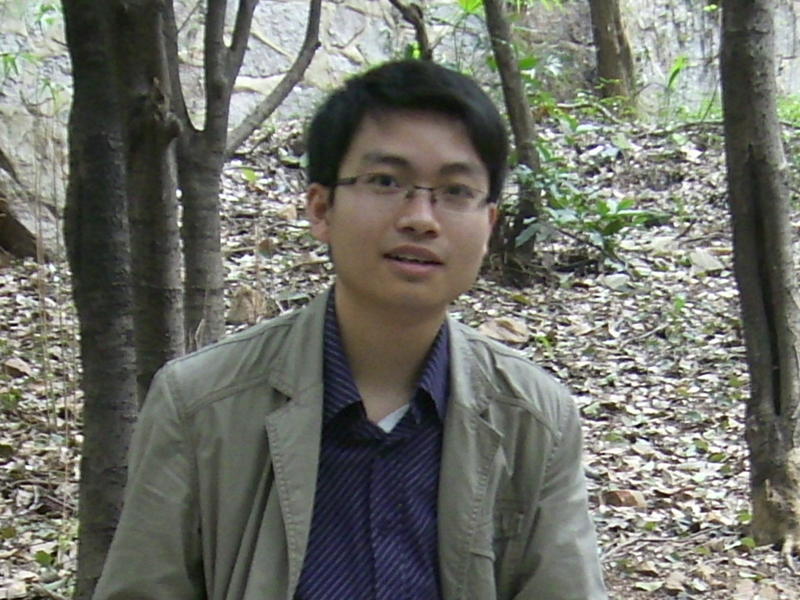
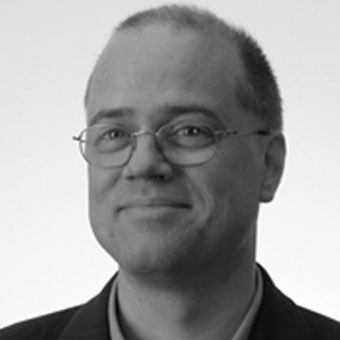
Daniel M. Dankovic is a Full Professor at the Faculty of Electronics, University of Niš, Serbia, where he also obtained his B.Sc., M.Sc., and Ph.D. degrees. He is affiliated with the Department of Microelectronics and heads both the department and the Laboratory for Practical Teaching in Electronic Components and Microsystems. He is actively involved in national and international research projects and contributes to academic publishing as an assistant editor of Microelectronics Reliability and editor of Facta Universitatis, Series: Electronics and Energetics . Ph.D. in Nanotechnology and Microsystems, Faculty of Electronics, University of Niš (2009) M.Sc. in Microelectronics, Faculty of Electronics, University of Niš (2006) B.Sc. in Electronics and Telecommunications, Faculty of Electronics, University of Niš (2001) His research focuses on the reliability of semiconductor devices, particularly Negative Bias Temperature Instability (NBTI) in p-channel power VDMOSFETs, radiation effects, degradation mechanisms, and microsystem design. He also contributes to engineering education, especially in PCB design and hands-on training. His work bridges theoretical modeling, experimental validation, and practical teaching methodologies. The recent publications (2012–2020) reflect a strong thematic consistency in semiconductor device reliability, with emphasis on NBTI, radiation interactions, and measurement techniques. Additionally, he explores IoT-based smart monitoring systems and innovative approaches in engineering education, demonstrating interdisciplinary engagement across microelectronics, applied physics, and pedagogy. Daniel M. Dankovic holds no explicitly listed scientific awards in the provided text. He advises students through research collaboration, particularly evident in co-authored publications with junior researchers, though no formal list of advisees is provided. He is currently involved in 4 national and 1 international research project, indicating active grant funding and collaborative research. His leadership roles include heading key academic units and organizing major IEEE conferences in the region. He leads the Laboratory for the implementation of practical teaching in the module Electronic Components and Microsystems and the Master's program in Electronics and Microsystems, ensuring integration of research and education in advanced electronics.