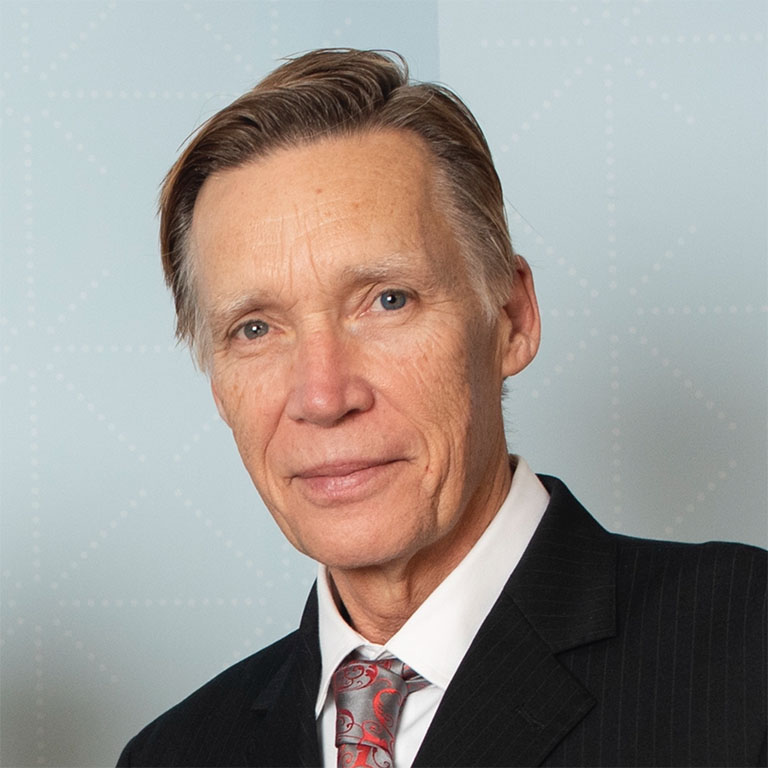
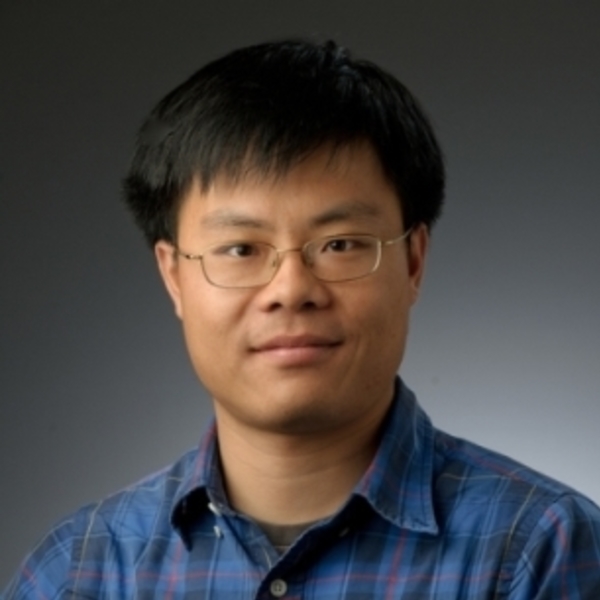
David Lindlbauer is an Assistant Professor at Carnegie Mellon University's Human-Computer Interaction Institute (HCII), where he leads the Augmented Perception Lab and co-directs the CMU Extended Reality Technology Center. His research focuses on advancing Mixed Reality (MR) and Extended Reality (XR) interfaces through computational interaction methods that optimize spatial, temporal, and multimodal feedback.
Marcelo Mattar is an Assistant Professor of Psychology and Neural Science at New York University, leading the Mattar Lab. His research focuses on the neural computations underlying memory, decision-making, and reinforcement learning. He holds a Ph.D. in Psychology from the University of Pennsylvania and has held academic positions at NYU, UC San Diego, and postdoctoral roles at Princeton University and the University of Cambridge. His work bridges computational neuroscience and artificial intelligence, aiming to model how the brain uses internal models for planning and decision-making. Education: Ph.D. in Psychology (Computational and Cognitive Neuroscience), University of Pennsylvania, 2016 M.A. in Statistics, University of Pennsylvania, 2016 B.A. in Electronics Engineering, Instituto Tecnologico de Aeronautica, Brazil, 2010 Research Interests: The lab develops mathematical models of learning and decision-making, leveraging reinforcement learning, Bayesian statistics, and neural networks. Experiments involve human behavioral studies and neuroimaging, with collaborations in animal electrophysiology and computational psychiatry. Key Contributions: His work explores how episodic memory and hippocampal replay support flexible decision-making. Recent studies highlight parallels between human cognition and AI systems, such as language models' metacognitive abilities and brain-inspired algorithms. Awards: Newton International Fellowship, Royal Society (2018–2019) Lab Team: The lab includes postdocs, PhD students, and undergraduates from diverse fields like cognitive science, neuroscience, and computer science. Current members are listed on the lab's website. Lab Location: Meyer Hall, 6 Washington Place, New York, NY 10003.
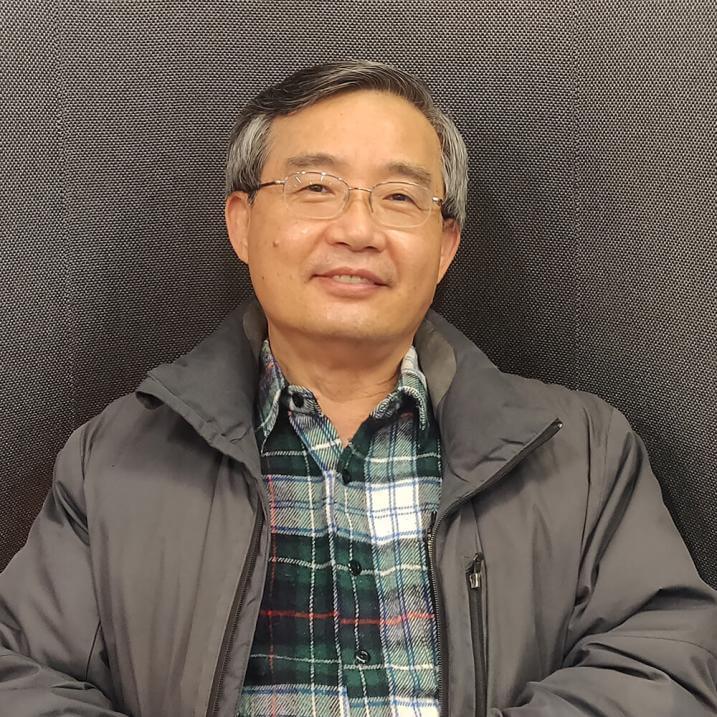
Professor Byung S. Lee is a distinguished faculty member in the Department of Computer Science at the University of Vermont's College of Engineering and Mathematical Sciences. He joined UVM in 1999 and continues to be actively engaged in teaching, research, and service. His office is located in Innovation Hall at the Burlington campus, where he maintains regular office hours and oversees his research lab. Professor Lee holds a Ph.D. from Stanford University, an MS from Korea Advanced Institute of Science and Technology, and a BS from Seoul National University. His educational background provided the foundation for his extensive career in computer science research and education. Professor Lee's research spans multiple domains within computer science, with a particular focus on database systems, data mining, and data science. His work increasingly integrates machine learning techniques with traditional database approaches, especially in the analysis of time series data. He has made significant contributions to graph theory applications, anomaly detection methods, and environmental data analysis. His research often bridges computer science with practical applications in healthcare, environmental science, transportation, and astrophysics through interdisciplinary collaborations. An analysis of his recent publications reveals a strong trend toward time series analysis and anomaly detection, particularly applied to environmental monitoring and healthcare data. His work demonstrates a consistent evolution from foundational database research to more applied machine learning approaches, with increasing emphasis on real-world problem solving across multiple scientific domains. Professor Lee has served as primary advisor for numerous graduate students across multiple cohorts, including PhD candidates, Master's students, and postdoctoral researchers. His advising portfolio reflects the breadth of his research interests, with students working on topics ranging from graph neural networks to medical informatics applications. He has also been actively involved in professional service, serving on program committees for major conferences including SAC, PAKDD, DASFAA, and CIKM. Professor Lee leads a vibrant research laboratory that focuses on cutting-edge data science methodologies and their applications. His team collaborates extensively with researchers in environmental science, hydrology, and healthcare, demonstrating the interdisciplinary nature of modern data science research. The lab maintains active projects in time series analysis, graph analytics, and environmental monitoring systems, often working with large-scale datasets from real-world applications.
Karl Ulrich Schreiber is an Adjunct Professor at the Department of Physics and Astronomy, University of Canterbury, New Zealand, and an apl. Professor at the Institute for Astronomical and Physical Geodesy at the Technical University of Munich (TUM). He is a scientist at the Geodetic Observatory Wettzell, jointly operated by TUM and the Bundesamt für Kartographie und Geodäsie (BKG). His work bridges fundamental physics and geodetic applications, with leadership roles in major international projects including ESA’s MAGIC/Science, QSG4EMT, and Baltic+ Theme 5, as well as DFG Research Units NEROGRAV and UPLIFT. His research focuses on Space Geodesy , Satellite and Lunar Laser Ranging , and Ring Laser Technology . He has pioneered the use of large ring laser gyroscopes for measuring Earth's rotation, polar motion, and seismic rotations. His work enables high-precision monitoring of geophysical phenomena such as Earth tides, Chandler wobble, and rotational ground motions from earthquakes. He is a key contributor to multi-technique co-location studies (VLBI, SLR, GNSS) and time transfer experiments, advancing the Global Geodetic Observing System (GGOS). His recent publications show a strong trend in developing and applying large-scale ring laser arrays (e.g., ROMY) for geophysical sensing, photon-counting laser ranging for space debris and satellite tracking, and optical timing systems for synchronization across geodetic networks. These efforts span disciplines including geodesy, seismology, quantum optics, and fundamental physics. Scientific contributions include: Development of the Wettzell Large Ring Laser (G-ring) for continuous Earth rotation monitoring. First direct measurements of Earth's diurnal polar motion and Chandler wobble using ring lasers. Pioneering work in rotational seismology, validating ring laser data against seismic arrays. Contributions to lunar laser ranging and its role in reference frame realization. Leadership in ESA and DFG projects advancing space geodesy and inertial sensing. He advises doctoral and master’s students within the DFG Research Training Group UPLIFT and collaborates with international institutions on instrumentation and data analysis. His lab at Wettzell hosts advanced laser ranging and ring laser systems, serving as a fundamental geodetic observatory. Future work includes enhancing clock ties for global geodesy, expanding multi-component rotation sensing, and advancing space-based geodetic technologies.
Sanjeev Dewan is a Professor of Information Systems and Associate Dean of Masters Programs at the Paul Merage School of Business, University of California, Irvine. He also serves as Faculty Director of the Master of Science in Business Analytics program. Prior to joining UCI in 2001, he held faculty positions at the University of Washington and George Mason University. PhD, University of Rochester MS, University of Rochester Bachelor of Technology, Indian Institute of Technology, Delhi His research focuses on the economics of digital platforms , social and mobile analytics , and the valuation of technology investments . He investigates how information technology creates business value, impacts consumer behavior, and influences firm performance. His work spans electronic markets, Web 2.0 technologies, IT productivity, and the digital divide. The most recent publications reveal a strong emphasis on empirical analysis of digital platforms , including studies on gender bias in open source communities, quality certification in the sharing economy (e.g., Airbnb), personalized ranking in app stores, and mobile health applications. His research frequently uses large-scale datasets to examine behavioral patterns, market dynamics, and the economic implications of IT innovations. Faculty Service Award for 2023-24, UCI Paul Merage School of Business Best Paper Award, INFORMS 2019 e-Business Cluster Faculty Service Award for 2016-17, UCI Paul Merage School of Business Best Paper Award, INFORMS Conference on Information Systems and Technology (2009) INFORMS Service Award (2009) INFORMS Certificate of Appreciation (2008) Beta Gamma Sigma Honor Society (1991) University of Rochester Fellowship (1985–1990) Sanjeev Dewan has advised numerous PhD students who have secured faculty positions at leading institutions such as the University of Wisconsin-Madison, HKUST, Penn State, and the University of Hong Kong. His editorial service includes senior editor roles at Information Systems Research and associate editor at Management Science . He has also chaired tracks at ICIS and served as program co-chair for PACIS. There is no indication of external grant funding in the provided text, but his sustained publication record and leadership roles suggest significant research activity and institutional support. He is actively involved in academic leadership and research dissemination, contributing to major conferences and editorial boards. His work bridges theory and practice, particularly in digital platform ecosystems and analytics-driven decision-making.
Duncan Wilson is a Professor of Connected Environments at the Bartlett Centre for Advanced Spatial Analysis (CASA) at University College London. His work bridges academia and industry, focusing on IoT, AI, and spatial analysis to enhance understanding of built and natural environments. Current role: Professor of Connected Environments at UCL Education: PhD in Artificial Intelligence and Machine Vision (UCL, 1997), BEng (Hons) in Electrical Engineering (Loughborough University, 1993) Research interests include: Cognitive computing at the network edge Extraordinary sensory systems for data capture Spatial reasoning and digital twins IoT for healthcare and biodiversity Edge AI and TinyML Recent articles span digital twin development , IoT for biodiversity monitoring , and smart healthcare infrastructure . He has received recognition for collaborative R&D approaches during his directorship at Intel's Sustainable Connected Cities institute. Teaching: Leads MSc Connected Environments and modules on IoT ethics, AI on microcontrollers, and sensor network deployment Projects: IoT Living Lab at UCL, Project Hercules for eye clinic analytics, and Shazam for Bats environmental monitoring Professional activities: Former Director of Intel Collaborative Research Institute (2012-2018), ex-member of Smart London Board (2017-2022)
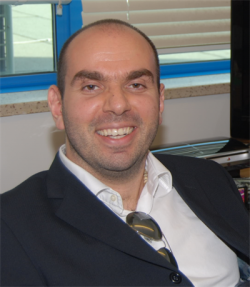
Christos Gatzidis serves as Executive Dean of Bournemouth University's Faculty of Science and Technology since October 2023, overseeing six departments including Computing and Informatics, Creative Technology, and Psychology. Previously Deputy Dean (2021-2023) and Head of Creative Technology Department (2016-2021), he was appointed Professor in Creative Technology in November 2019. The Faculty leads five REF Units of Assessment and secures funding from AHRC, NIHR, and Innovate UK for research spanning digital healthcare, gaming technologies, and cultural heritage applications. His educational qualifications include: PhD in Information Science, City University London (2010) PG Cert in Research Degree Supervision, Bournemouth University (2010) MA in Computer Animation, Teesside University (2003) BSc (Hons) in Computer Studies (Visualisation), University of Derby (2002) Professor Gatzidis specializes in computer graphics with research spanning virtual reality, serious games, and digital healthcare applications. His work bridges technical innovation and practical implementation, particularly in mindfulness prototypes for healthcare and stroke rehabilitation systems. Current projects focus on the multidisciplinary application of gaming technologies in medical contexts, emphasizing user experience and therapeutic outcomes through collaborations with industry partners. His publication record (2014-2025) demonstrates evolving expertise from foundational computer graphics research in terrain generation and deformation to applied work in healthcare, cultural heritage, and music education. Key trends include virtual reality for therapeutic mindfulness, usability studies in mobile gaming, and digital cultural presentation techniques, reflecting a trajectory toward socially impactful technological solutions with strong industry translation. No scientific awards are documented in the provided information. He has supervised PhD students and secured competitive research funding, including two Innovate UK Knowledge Transfer Partnerships. His principal investigator role in a virtual reality mindfulness prototype project exemplifies his approach to translating academic research into practical industry solutions, with current focus on expanding knowledge exchange activities to support the University's civic engagement mission. As Executive Dean, he leads faculty-wide research strategy across six departments, fostering interdisciplinary collaborations particularly in digital healthcare and cultural heritage. His personal research integrates computer graphics expertise with clinical applications through partnerships with healthcare providers and technology companies, driving innovation in therapeutic VR systems and educational gaming platforms.
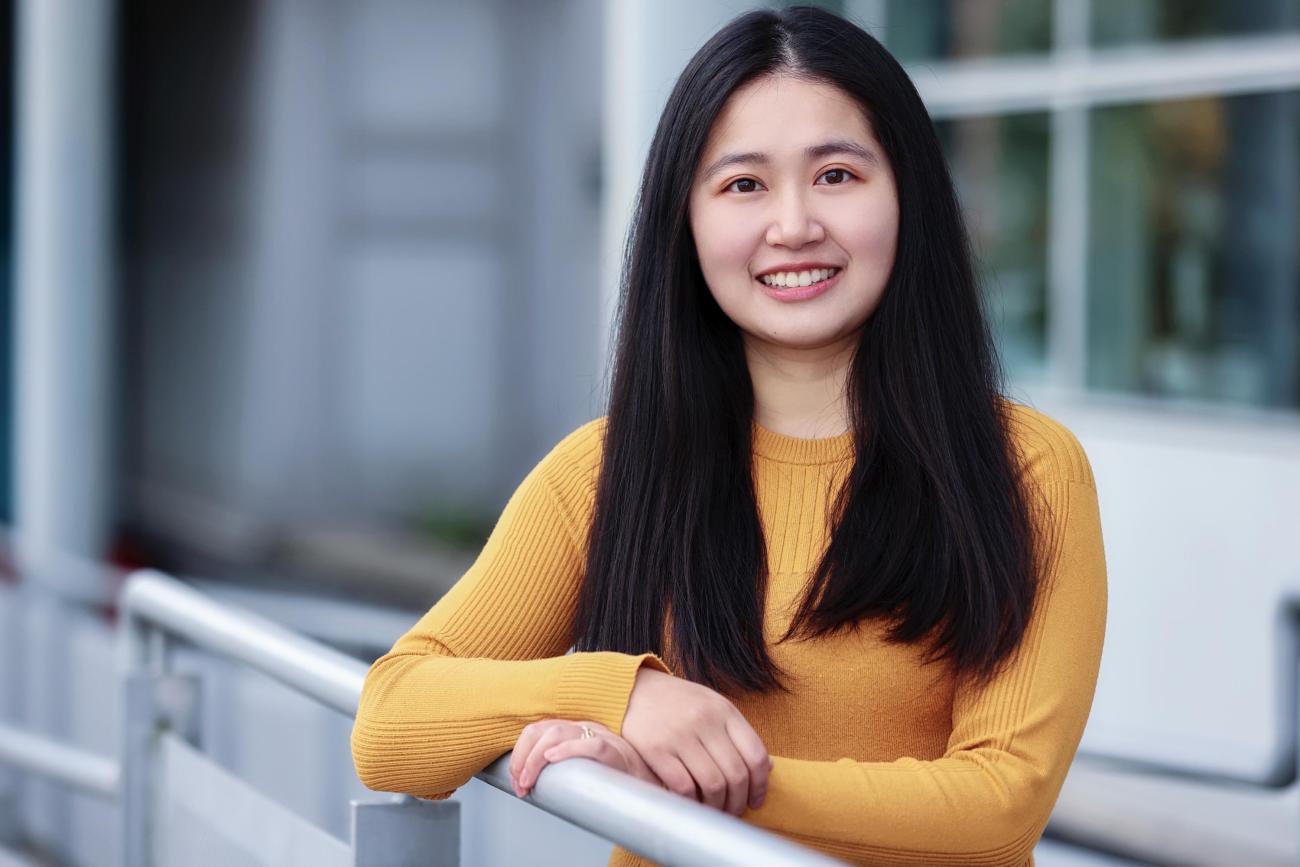
Dr. Dongyun Nie is an Assistant Professor at Dublin City University's School of Computing. She holds a PhD in Computer Science with a specialization in Customer Relationship Management. Her core research explores customer lifetime value, forecasting, data mining, and record linkage. Her recent publications demonstrate interdisciplinary work spanning health informatics, sports analytics, and environmental data engineering. Research predominantly focuses on machine learning applications for real-world data challenges including eye-tracking systems, lifelog analytics, and public health data infrastructure. Teaching responsibilities include modules on Machine Learning (CA4109), Enterprise Systems Configuration (CA2049), and Web Design (CA106), integrating research expertise into computing education.
Jerome Busemeyer is a Distinguished Professor and Provost Professor in the Department of Psychological and Brain Sciences at Indiana University Bloomington, with a joint affiliation in the Cognitive Science Program. He is a Fellow of the American Academy of Arts and Sciences, reflecting his significant contributions to the science of decision-making and cognitive modeling. His educational background includes a Ph.D. in Psychology from the University of South Carolina (1979), an M.A. from the same institution (1976), and a B.A. cum laude from the University of Cincinnati (1973). He completed postdoctoral training in Quantitative Methods at the University of Illinois in 1980. Busemeyer's research focuses on mathematical and computational models of human judgment and decision-making , with pioneering work in quantum cognition , dynamic models , and neural network modeling . He developed Decision Field Theory , a dynamic cognitive model of decision processes, and has led the application of quantum probability to explain cognitive 'errors' such as order effects and violations of rational decision rules. His recent publications reveal a consistent trend toward integrating quantum-theoretic frameworks with empirical decision research, exploring topics such as pricing behavior, confidence judgments, multi-attribute decisions, and medical decision-making. These works appear in top journals including Psychological Review , Trends in Cognitive Sciences , and Proceedings of the National Academy of Sciences , indicating sustained high-impact contributions. Fellow, American Academy of Arts and Sciences Distinguished Professor, Indiana University Provost Professor, Indiana University Busemeyer has advised numerous graduate students and postdoctoral researchers, many of whom have become active collaborators and co-authors. His lab, the Judgment and Decision-Making Laboratory (Decision Research Laboratory), supports interdisciplinary research in cognitive science and receives ongoing funding for theoretical and experimental work. He has authored influential books, including Quantum Models of Cognition and Decision and Cognitive Modeling . The lab, located in Room A300G of the Psychology Building, fosters collaborative research on decision-making, quantum cognition, and computational modeling, with active projects involving fMRI, behavioral experiments, and theoretical development.
Rajesh Krishna BALAN is a Full-Time Professor at the School of Computing and Information Systems (SCIS) at Singapore Management University (SMU) . His research focuses on Human-Machine Collaborative Systems , Pervasive Sensing , and Health & Wellbeing technologies. Based in Singapore, he leverages mobile computing to address urban sustainability and quality-of-life challenges. PhD from Carnegie Mellon University (2006) Specializes in WiFi sensing , VR/AR , and health monitoring Advises PhD students in areas like urban mobility , empathetic design , and cyber-physical systems Beyond academia, BALAN's work bridges ubiquitous computing and public health , with applications in ageing populations , mental health analytics , and smart city optimization . His recent publications highlight cross-disciplinary approaches to sleep analysis , group behavior modeling , and contactless physiological sensing . BALAN actively contributes to educational technology through projects like Technology-Enhanced Learning frameworks. He is also a mentor in collaborative research areas including biomedical informatics and lifestyle monitoring , with a focus on mobile GPU optimization and low-power systems .
Jun Li is a Full Professor in the Department of Applied and Computational Mathematics and Statistics at the University of Notre Dame's College of Science. He specializes in developing statistical and computational methods for big data, with a focus on interdisciplinary applications in bioinformatics, machine learning, and data mining. His career includes tenure as an Assistant Professor (2012–2017) and promotion to Associate Professor (2017) before becoming Full Professor (2020). Dr. Li holds a Ph.D. in Statistics from Stanford University (2012), supervised by Robert Tibshirani, and earlier degrees from Tsinghua University: a B.E. in Automation (2004) and an M.S. in Pattern Recognition and Intelligent Systems (2007). Research Interests : Dr. Li’s work centers on advancing computational frameworks for handling large-scale datasets, integrating statistical rigor with algorithmic innovation. Recent themes include AI-driven code improvement, ethical LLM applications in HCI, and GUI automation. His methodologies emphasize human-AI collaboration and transparency in algorithmic systems. Publications : His 2025 work explores LLM vulnerabilities in GUI agents, AI-assisted education tools like GLITTER, and ethical challenges in HCI research. Earlier studies (2024–2023) address topics such as natural language database queries, privacy-preserving app promotion analysis, and multimodal task learning. Lab/Teams : Affiliated with Notre Dame’s computational statistics research groups, focusing on interdisciplinary projects bridging statistics, computer science, and applied mathematics. His work often involves collaborations with industry and academic partners to translate theoretical advancements into practical applications.
Thomas E. Bittner serves as an Associate Professor in the Department of Philosophy at the University at Buffalo, specializing in formal and applied ontology with particular focus on spatial and temporal reasoning. His academic work bridges philosophy, computer science, and geographic information systems. His research interests encompass Formal and Applied Ontology , Ontology of Space, Time and Spatial Entities , Spatio-Temporal Reasoning , and Bio-Medical Ontology . He investigates fundamental questions about spatial relations, vagueness in geographic boundaries, and quantum-inspired models for geographic information systems, developing rigorous formal frameworks applicable to both philosophical and computational domains. His publication record demonstrates consistent engagement with cutting-edge topics in ontology, particularly exploring quantum geography concepts and computational implementations of formal ontologies. Key themes across his work include the representation of spatial vagueness, quantum-inspired geographic modeling, and verifiable computational ontology systems. Bittner holds a PhD from the Technical University of Vienna and teaches courses including Logic and Spatial Ontology. His contact information lists office location at 109 Park Hall on UB's North Campus with phone (716) 645-5149.
Itsuro Morita is Professor in the School of Fundamental Science and Engineering, Faculty of Science and Engineering, Waseda University, Tokyo. Before joining Waseda in 2022 he spent 23 years at KDDI R&D Laboratories, advancing from researcher to executive research fellow, and has been a visiting researcher at Stanford University. He is an IEEE Fellow and IEICE Fellow recognized for pioneering large-capacity, long-haul optical transmission systems. Education: 2004 – 2005 Tokyo Institute of Technology, Graduate School of Science & Engineering, Department of Electrical and Electronic Engineering (Doctoral coursework) 1990 – 1992 Tokyo Institute of Technology, Graduate School of Science & Engineering, Department of Physical Electronics (M.E.) 1986 – 1990 Tokyo Institute of Technology, School of Engineering (B.E.) Research Interests: Morita’s work sits at the intersection of optical fiber communication and software-defined networking. He explores ultra-high-capacity transmission via space-division multiplexing (multi-core/few-mode fibers), real-time MIMO digital signal processing for modal crosstalk mitigation, and SDN/NFV orchestration of disaggregated optical networks. Additional interests include quality-of-transmission estimation using machine learning, telemetry-enabled control planes (gRPC/gNMI), and metro-embedded edge/cloud architectures for IoT services. Publication Trends: Recent articles emphasize two converging themes: (i) petabit-per-second SDM/WDM experiments using novel fiber geometries and real-time DSP, and (ii) cloud-native SDN control frameworks that integrate machine-learning-based QoT prediction, YANG/NETCONF modeling, and open APIs (TAPI/OpenConfig) for multi-domain, partially disaggregated networks. These works collectively push both the physical capacity frontier and the agility of next-generation optical infrastructure. Scientific Awards: C&C Prize 2024 (NEC C&C Foundation) – contributions to WDM optical submarine cable systems IEICE Achievement Award 2021 – pioneering research on 10-Pbit/s ultra-large-capacity SDM transmission Telecom System Technology Award 2021 – 10.16-Pbit/s dense SDM/WDM transmission record IEEE Fellow (2021) – contributions to large-capacity high-speed transmission systems IEICE Fellow (2020) – research on trans-oceanic high-speed optical signal transmission Ichimura Industrial Award – Contribution Prize 2018 – development of terabit-class submarine cable systems Maejima Hisoka Award 2012 – proposal and demonstration of distributed-control soliton communication Minister of Economy, Trade and Industry Award for Advanced Technology 2006 – 160 Gbit/s ultra-high-speed optical transmission technology Advising & Grants: At Waseda University Morita advises graduate students on experimental photonic networking and leads externally funded projects on petabit SDM transmission and SDN orchestration. While specific grant numbers are not disclosed, his continuous industry-university collaborative testbeds (with KDDI, CTTC, and others) indicate substantial competitive funding. Labs & Teams: He heads the Optical Space-Division-Multiplexing Laboratory at Waseda, maintaining joint experimental facilities with KDDI Research and international partners (e.g., CTTC, Spain). The group operates real-time coherent MIMO testbeds, multi-domain SDN controllers, and fiber-level SDM prototypes capable of petabit-per-second demonstrations.
Dr. Jeffrey Morgan is a Researcher at Cardiff University's School of Social Sciences, specializing in multidisciplinary research at the intersection of computer science, social science, and geography. His work emphasizes human-computer interaction, visualization, and big data analytics. He holds a Research Software Engineer role, combining technical expertise with academic inquiry. Key research interests include AI-driven patent analysis, IoT applications in rural citizen science, and geospatial Twitter demographics. He has contributed to studies on Hadoop infrastructure optimization and social media conflict detection, often collaborating with institutions like Xiamen University and the University of Bremen. His publications span topics like energy-efficient big data processing, digital geography of Welsh identity, and scalable social media analysis frameworks. Notable projects include COSMOS (a cloud-based social media analysis platform) and studies on post-devolution cultural narratives in Wales. Award-winning work includes computational Twitter analysis for detecting online community tensions and geotagging behavior patterns. His research often bridges technical innovation with societal impact, addressing challenges in rural technology deployment and digital sociology.
Güneş Acar is a tenured Assistant Professor in the Digital Security group at Radboud University's Faculty of Science. He is also affiliated with iHub, Radboud's interdisciplinary research hub on digitalization and society. His research focuses on security and privacy threats from websites, mobile apps, and IoT devices, with special emphasis on online tracking mechanisms, anonymous communication networks like Tor, and deceptive design patterns. Dr. Acar completed his PhD at KU Leuven under the supervision of Claudia Diaz and Bart Preneel. Prior to joining Radboud University, he was a Postdoctoral Research Fellow at KU Leuven's COSIC group and a Postdoctoral Research Associate at Princeton University's Center for Information Technology Policy. His research spans web security, privacy, online tracking, IoT security, Tor network analysis, and dark patterns. He investigates how websites, mobile apps, and IoT devices compromise user privacy through various tracking mechanisms and deceptive interface designs. His work combines large-scale measurements with user studies to understand both technical vulnerabilities and their real-world impact on users. Dr. Acar's publications reveal an evolving research trajectory from foundational web tracking mechanisms to increasingly sophisticated privacy threats. His work has expanded from browser fingerprinting to IoT privacy, children's online safety, and manipulative design patterns in subscription interfaces. A consistent theme across his research is the examination of how third-party trackers operate and circumvent privacy protections. 2022 CNIL-Inria Award for Privacy Protection (for Leaky Forms paper) Top Reviewer Award, Privacy Enhancing Technologies Symposium (2022) Future of Privacy Forum's Annual Privacy Papers for Policymakers Award (2020) Runner-up for multiple Caspar Bowden Awards for Outstanding Research in Privacy Enhancing Technologies Dutch Research Council (NWO) Vidi Grant (2025-2030) for "A Web Security and Privacy Observatory" Dr. Acar actively supervises PhD students including Zahra Moti, Tim Vlummens, and Luqman Zagi, with Asuman Senol recently completing her PhD in 2024. He has secured significant research funding including the NWO Vidi Grant and a project grant from armasuisse for the Mobile Web Inspector project. His research has influenced policy discussions with organizations including the OECD, US Federal Trade Commission, and European consumer protection authorities. As part of the Digital Security group at Radboud University, Dr. Acar contributes to a vibrant research ecosystem focused on practical security and privacy solutions. His work bridges technical security research with human-centered perspectives, often collaborating across disciplines to address complex privacy challenges in real-world contexts.