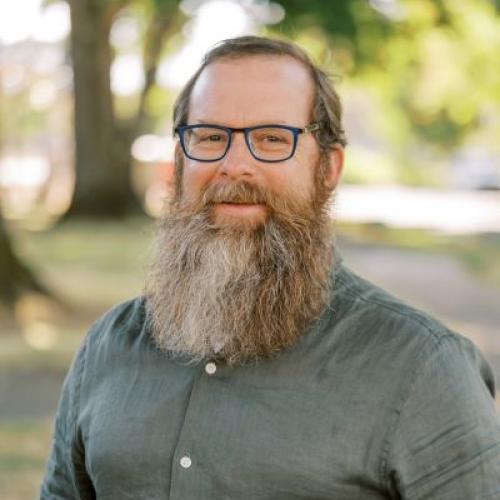
Hyun-Soo Woo is a School of Business Fellow and Associate Professor of Management at the University of Mississippi's School of Business Administration. His research focuses on strategic management, corporate social responsibility (CSR), agglomeration strategies, and research methodologies. He holds a Ph.D. in Strategic Management from Arizona State University's W. P. Carey School of Business (2016). Education: Ph.D. Business Administration, Arizona State University (2016) Woo explores firm strategies such as agglomeration patterns, competitive dynamics, and CSR responses to foreign competition. His methodological expertise includes Cox proportional hazard models, meta-analyses, and Heckman models. He has published in top journals like the Strategic Management Journal and Organizational Research Methods , focusing on topics like cross-country context effects in green product strategies and rare event analysis in binary data. He serves on editorial boards for Organizational Research Methods and The Leadership Quarterly , emphasizing methodological rigor. Teaching spans strategic management and research methods at both undergraduate and doctoral levels, prioritizing active learning environments. His work bridges strategic theory and empirical practice, addressing global competition, sustainability, and spatial firm decisions. Current research trends include examining CSR as a competitive response to foreign entry and analyzing how agglomeration impacts multi-unit firm expansion.
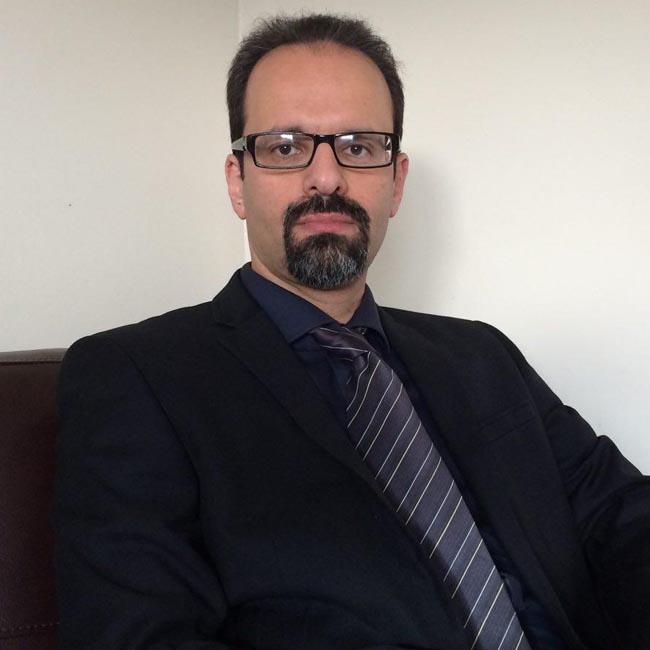
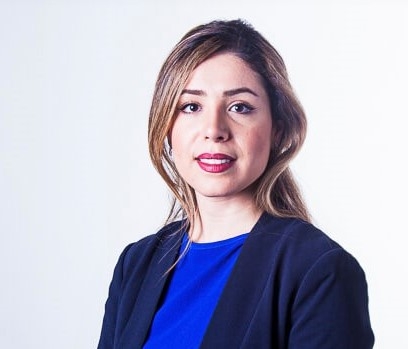
Dr. Alireza Pakgohar is a Senior Lecturer in Business Operations and Systems at Sheffield Business School, Sheffield Hallam University, affiliated with the Department of Finance, Accounting and Business Systems. He has been a faculty member since 1996 with over 22 years of teaching experience in Industrial Engineering and Management. His industry background includes roles as Logistics Manager at Legrond and Azin Khodro Co., and Project Control Manager at Roshd Sanat Company. Education: PhD in Project Management & Supply Chain Management (University of Exeter, 2014) Advanced Certificate in Higher Education (University of Exeter, 2013) Industrial Engineering degrees from Azad University (1995, 1992) Research Focus: Dr. Pakgohar specializes in Supply Chain Management, Project Management, and Business Operations, with emphasis on quantitative modeling, optimization techniques, and real-world applications in manufacturing and service sectors. His work integrates industrial experience with academic research in operations optimization. Publication Trends: His scholarly output focuses on supply chain optimization, project portfolio management, and operational decision-making, employing methods like game theory, agent-based modeling, and stochastic optimization. Recent works explore applications in Islamic finance, healthcare systems, and lean service operations. Professional Affiliations: Chartered Institute of Logistics and Transport (CILT) Higher Education Academy (HEA) Postgraduate Supervision: Currently supervises PhD students including K. Alnuaimi (Digital Health Adoption) and D. Hawcroft (Big Data Marketing Strategies).
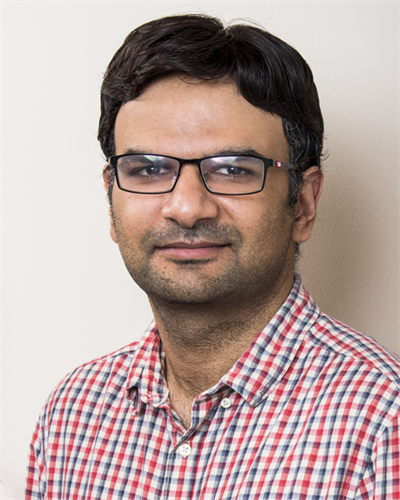
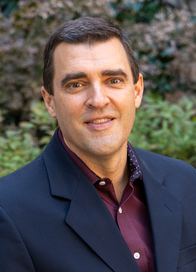
Fahad Dogar is an Associate Professor in the Department of Computer Science at Tufts University's School of Engineering, with a secondary appointment at the Jonathan Tisch College of Civic Life. He leads the NAT (Networking At Tufts) research group and serves as Director of the Master Software Systems Program since 2022. His academic journey includes a Ph.D. from Carnegie Mellon University (2012), undergraduate studies at Lahore University of Management Sciences (LUMS) in Pakistan (2005), and postdoctoral research at Microsoft Research UK. Dogar's research focuses on designing technologies for social impact across multiple computer science domains. His primary interests include networking and distributed systems, with recent emphasis on data center networking, future Internet architectures, and the application of large language models for accessibility. Notably, his work spans cloud-based systems, mobile and wireless technologies, and developing practical solutions for resource-constrained environments in developing regions. Networking and distributed systems architecture Cloud computing infrastructure and optimization Human-Computer Interaction for accessibility Generative AI applications for social impact Technologies for developing regions Augmented reality networking requirements His publication record shows consistent output with 36 publications including two significant papers in 2024 focusing on LLM-powered applications for autistic users and machine learning job scheduling. His research has appeared in top-tier venues including ACM SIGCOMM, Usenix NSDI, and ACM MobiCom. Gold medal from the president of Pakistan for top computer science student LUMS Vice Chancellor Alumni Achievement Award (2021) VMWare Early Career Faculty Fellowship (2019) Facebook/Oculus Faculty Fellowship (2017) Tisch Faculty Fellowship (2017-2018) Dogar has secured substantial research funding including an NSF Core Medium award ($850K) as sole PI for 'Slack-Aware Networking' (2021-2025), Meta/Facebook funding ($150K) for networking support for telepresence applications (2020-2022), and multiple NSF awards totaling over $1 million. His teaching portfolio includes courses on Networks, Computing for Developing Regions, and special topics in Generative AI for Social Impact. During his 2023 sabbatical, he served as Senior Fellow with the Burnes Center for Social Change at Northeastern University, demonstrating his commitment to civic technology applications.
Diana Ramirez-Rios is an Assistant Professor in the Department of Industrial and Systems Engineering at the School of Engineering and Applied Sciences, University at Buffalo . She is affiliated with the Stephen Still Institute for Sustainable Transportation and Logistics, focusing on disaster response logistics, freight logistics, and supply chain optimization. Education: PhD in Transportation Engineering, Rensselaer Polytechnic Institute (2020) MS in Industrial Engineering, Universidad del Norte (2009) BS in Industrial Engineering, Universidad del Norte (2007) Research Interests: Disaster Response Logistics: Optimizing food distribution and emergency resource allocation in post-disaster environments. Freight Logistics: Analyzing urban goods transport, last-mile delivery strategies, and sustainable transportation. Supply Chain Optimization: Developing decision support systems and heuristic models for efficient freight routing and facility location. Publications: Her recent work explores post-disaster transportation barriers, urban freight efficiency, and autonomous delivery systems. Key themes include sustainability, resilience, and innovative logistics solutions for cities and disaster-affected regions. Awards: No awards explicitly mentioned in the provided texts. Advising & Grants: Information on student advising and active grants was not explicitly detailed in the text. Her research often involves collaboration with industry and governmental entities. Labs & Teams: Active member of the Stephen Still Institute for Sustainable Transportation and Logistics, contributing to interdisciplinary research on urban freight systems and disaster response strategies.
Shaoming Cheng is an Associate Professor and MPA Program Director in the Department of Public Policy and Administration at Florida International University's Steven J. Green School of International and Public Affairs. He holds a PhD in Public Policy from George Mason University and researches entrepreneurship policy, spatial econometrics, regional economic development, and disaster recovery. Funded projects include NSF, USDA, and Lincoln Institute grants. Cheng's work analyzes firm location decisions, small business finance, local fiscal policies, and post-disaster resilience (e.g., Hurricane Katrina). Recent articles (2008–2018) employ spatial modeling to examine inter-city competition, government debts, and regional innovation systems. Awards include the APPAM Best Dissertation Award (2006) and Tiebout Prize (2005). He directs the MPA program and serves on academic committees.
Professor Maria Paola Scaparra is a Professor of Management Science and Associate Dean for Research and Innovation at the University of Kent's Kent Business School. She holds a PhD in Mathematics Applied to Economic Decisions from the University of Pisa and an MSc in Engineering-Economic Systems from Stanford University. Her research focuses on operational research (OR) applications in disaster management, healthcare, transportation, and sustainable development, particularly in developing countries. She leads projects funded by the Global Challenges Research Fund (GCRF) addressing challenges in Southeast Asia. She has held leadership roles including Head of the Management Science Group and Programme Director for the MSc Business Analytics. Her work spans consultancy for organizations like the NHS, Eurostar, and the Vietnam Ministry of Transport. She is a member of the UK Operational Research Society’s Education Committee and the editorial boards of IISE Transactions and International Regional Science Review . Research interests include disaster resilience, infrastructure protection, and OR contributions to UN Sustainable Development Goals. Notable grants include CREST-OR (GCRF-EPSRC, 2020–2022) and OSIRIS (GCRF-British Academy, 2018–2019). Her advisory work involves optimizing healthcare systems, transportation networks, and emergency response strategies. She has supervised over 10 PhD students focusing on disaster mitigation, healthcare logistics, and infrastructure resilience. Key achievements include developing optimization models for flood mitigation in Hanoi, railway network protection, and telehealth integration in Brazilian primary care. She actively contributes to international conferences and editorial boards, emphasizing interdisciplinary solutions for complex societal challenges.
Ioannis Eleftherianos is a Professor of Biology at George Washington University's Columbian College of Arts & Sciences, Department of Biological Sciences. His research focuses on understanding innate immunity mechanisms in insects, particularly using Drosophila melanogaster as a model. Key areas include infection biology, host-pathogen interactions, and the role of entomopathogenic nematodes and their symbiotic bacteria in immune responses. His work explores how Drosophila combats parasitic nematodes and bacterial pathogens, investigating molecular pathways like Toll and Imd signaling. Research also addresses aging-immunity interactions, antiviral defense, and microbiome contributions to health. Eleftherianos' lab studies the metabolic and immune trade-offs during infections, with implications for understanding host-pathogen dynamics across species. Recent publications highlight advancements in nematode-bacterial symbiosis, immune signaling crosstalk, and viral pathogenesis. His contributions include developing protocols for nematode culturing and Drosophila infection assays, advancing experimental methodologies in the field. The lab is located in Science and Engineering Hall (SEH 5675/5490C).
David Hannaway is a Professor in the Department of Crop and Soil Science at Oregon State University's College of Agricultural Sciences. He serves as the Forage Program Director with comprehensive responsibilities spanning research, teaching, extension, and international activities focused on forage-livestock systems. His work emphasizes matching forage species to locations based on climate, soils, intended use, and management practices, with particular expertise in alfalfa crop simulation modeling. Dr. Hannaway earned his educational degrees from the University of Delaware (B.S., Plant Science), University of Tennessee (M.S., Plant and Soil Sciences), and University of Kentucky (Ph.D., Plant Physiology). His research has evolved from initial work on biological nitrogen fixation of forage legumes to contemporary physiological ecology studies focused on matching forage species with climate and soil conditions using crop simulation modeling and GIS-based mapping. Hannaway's research interests center on forage production systems, with particular expertise in alfalfa crop simulation modeling, physiological ecology of forages, and GIS-based mapping applications for agricultural decision-making. His work integrates climate data, soil information, and crop modeling to develop tools that help farmers select appropriate forage species for specific locations. He has developed innovative internet mapserver applications that visualize forage species suitability based on climate and soil information, with significant applications in both the United States and China. His publication record demonstrates consistent productivity with recent focus on land suitability mapping, forage preservation techniques, pasture production systems, and international agricultural development. The research spans diverse geographical contexts from New Zealand to Vietnam, reflecting his global approach to forage-livestock systems. Fulbright Distinguished Chair China Award (2012) Fulbright Senior Scholar Program Award - Indonesia (2008) Open Educational Resources, Open Oregon State (2016) Invited Lucerne Modeling Workshop, Lincoln University, New Zealand (2019) Multiple international speaking engagements across Asia, Australia, and Europe As an advisor, Dr. Hannaway has mentored graduate students including Elif Sahin and Muhammet Sahin, though he is currently not accepting new graduate students. His extension work has been extensive, developing practical computer applications including the Forage Information System and the National Forage and Grasslands Curriculum. He has secured significant funding from USDA FAS MAP and EMP, the Oregon Seed Council, and USTDA to support his international work, particularly in China. Dr. Hannaway leads the Forage Information System team, which has developed numerous educational resources including the Match Clover tool, extension publications on pasture management, and online curriculum materials. His international collaborations, particularly with Chinese institutions and the PRISM climate mapping system, represent a significant component of his research infrastructure.
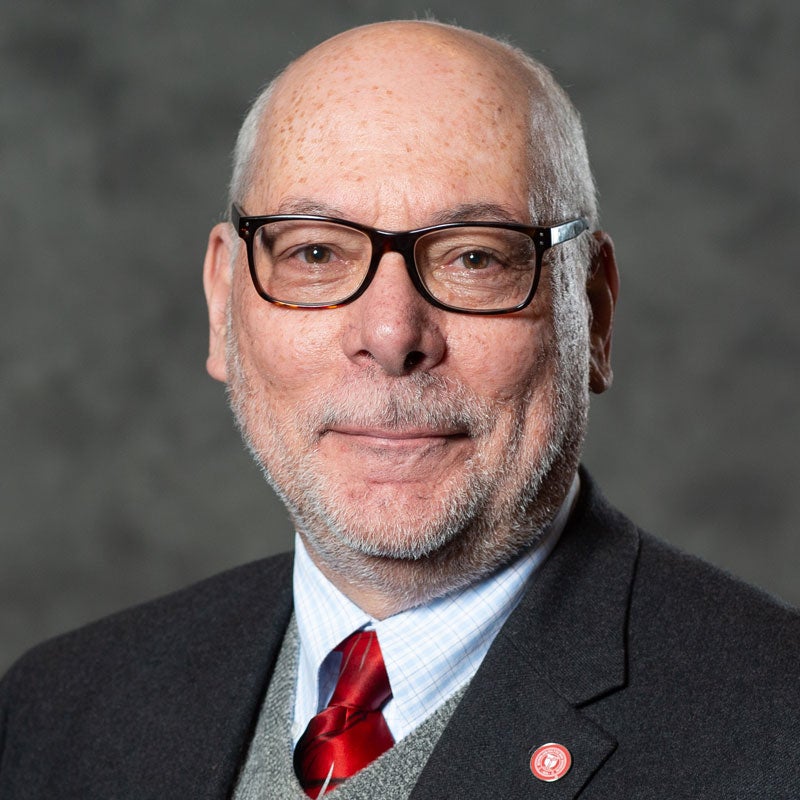
Dr. José Holguín-Veras is the William H. Hart Chair Professor and Director of the Center for Infrastructure, Transportation, and the Environment (CITE) and the Volvo Research and Educational Foundations (VREF) Center of Excellence on Sustainable Urban Freight Systems at Rensselaer Polytechnic Institute. He holds a B.Sc. in Civil Engineering from Universidad Autónoma de Santo Domingo (1981), an M.Sc. from Universidad Central de Venezuela (1984), and a Ph.D. from The University of Texas at Austin (1996). His research integrates multidisciplinary approaches to solve complex challenges in freight transportation and disaster response. Key focus areas include: freight demand modeling (e.g., spatial price equilibrium, freight tour models), sustainable freight policy (e.g., NYC off-hour delivery project reducing emissions by 200+ metric tons/year), and humanitarian logistics (e.g., disaster response frameworks for events like Hurricane Katrina and the Tohoku disasters). His work emphasizes field research, economic principles, and actionable policy outcomes. Recent publications (2024–2025) predominantly explore urban freight optimization, climate-responsible logistics, and behavioral economics in supply chains. Trends include machine learning applications, decarbonization strategies, and consumer-centric delivery solutions. Awards & Honors: 2013 White House Champion of Change Award NSF CAREER Award (2001–2006) Milton Pikarsky Memorial Award (1996) Robert E. Kerker Research Award (2006) Fellowships: State Academy of Public Administration, International Road Federation, JICA, OAS Leadership & Grants: He has secured $13.4M as Principal Investigator (USDOT, NSF, state DOTs) and $10M as Co-PI. Leadership roles include the NY Thruway Authority Board (overseeing the $4B Tappan Zee Bridge project) and the National Academy of Sciences’ Disaster Research Roundtable. Labs & Teams: Directs CITE and VREF’s Center of Excellence, pioneering research in sustainable freight systems and disaster logistics with global implementation (e.g., NYC’s off-hour delivery adopted by FHWA).
Christopher Dunn is an Assistant Professor (Senior Research) in the Department of Forest Engineering, Resources & Management at Oregon State University. His office is located in 343 Peavy Forest Science Center. He holds a Ph.D. in Forest Resources from Oregon State University (2015), complemented by M.S. (2010) and B.S. (1999) degrees in Forest Management from OSU and Colorado State University respectively. Research focuses on wildfire ecology and management, with emphasis on: (1) Post-fire ecosystem recovery processes; (2) Wildfire risk assessment frameworks; (3) Fire responder safety protocols; and (4) Integration of traditional fire knowledge. His work bridges theoretical ecology and applied forest management, examining how fire regimes interact with landscape heterogeneity and management interventions. Current graduate advisees include Rachel Fields, Glenn Jones, and Amy Metz. Publication trends demonstrate consistent focus on operational aspects of fire management, including fuel treatment effectiveness, responder safety protocols, and containment strategy optimization. Recent work increasingly incorporates Indigenous knowledge systems into fire management frameworks.
Dr. Negar Akbari is a Senior Lecturer in the School of Organisations, Systems and People at the University of Portsmouth's Faculty of Business and Law. She leads the Blue Energy, Technologies, and Transport Solutions theme at the Centre for Blue Governance, focusing on marine resource utilization and sustainable energy. Holding a PhD in Management Science from the University of Portsmouth (2019), her work emphasizes quantitative models for renewable energy portfolios and supply chain management. She has collaborated with academic and industry stakeholders, contributing to high-impact journals in operations research and renewable energy. Education: BSc in Industrial Management, Shahid Beheshti University (2012) MSc in Supply Chain Management, University of Maryland (2013) PhD in Management Science, University of Portsmouth (2019) Research Interests: Sustainable management of marine renewable energy and fisheries Multi-criteria decision analysis and optimization Offshore wind energy logistics and port infrastructure Policy frameworks for renewable energy transitions Her work bridges operational research with environmental sustainability, addressing challenges in energy systems and fisheries through interdisciplinary models. Publications reflect a focus on offshore wind logistics, fisheries management, and AI-driven decision tools. Her recent work explores sustainable port location strategies for emerging markets and participatory methods in fisheries governance. She advises PhD students and collaborates with industry partners in renewable energy and transportation. Leadership roles include the Centre for Blue Governance and Centre for Operational Research & Logistics.
Michele Ciavotta is an Associate Professor at the University of Milano-Bicocca's Department of Computer Science, Systems, and Communication, specializing in AI-driven optimization for complex systems. His research integrates reinforcement learning, graph neural networks, and metaheuristics applied to distributed computing and physical systems like smart mobility and production lines. Research spans cloud/edge computing optimization, industrial production systems, smart city applications, and graph-based learning methods. Recent publications demonstrate focus on decentralized AI systems, geospatial data processing, and hypergraph neural networks for chemical and urban applications. Extensive involvement in European R&D projects addresses challenges in cloud computing infrastructure, Industry 4.0 implementations, and distributed AI solutions.
Steven Weber is Professor of Electrical and Computer Engineering at Drexel University's College of Engineering and Vice Provost for Undergraduate Curriculum and Education. His research develops mathematical models for computer and communication networks, specializing in wireless ad hoc networks, multimedia streaming, and network performance optimization. Research Focus: Transmission capacity modeling in wireless networks Random access channel optimization Cybersecurity for IoT and autonomous systems Location data privacy under GDPR Weber's theoretical work on transmission capacity and channel assignment has produced fundamental performance bounds for ad hoc networks. Recent applied research addresses security challenges in IoT malware detection and GDPR-compliant location anonymization.
Mohammad Ghavami is Professor of Telecommunications Engineering at London South Bank University (LSBU), where he joined in 2010. He serves as the founding head of the University's Centre for Bioengineering Research within the School of Engineering. Prior to LSBU, he held positions at King's College London (2002-2010), Sony Computer Science Laboratories (2000-2002), and Yokohama National University (1998-2000). His educational background includes a PhD in Electrical Engineering completed between 1988 and 1993. Ghavami has established himself as a leading researcher in the field of ultra-wideband technologies with applications in medical imaging and telecommunications. Professor Ghavami's research primarily focuses on developing ultra-wideband (UWB) tools for cancer detection, with particular emphasis on breast cancer screening. His work has led to the creation of innovative UWB platforms such as the microwave chamber and MammoWave apparatus, which are used for testing and monitoring in various medical applications. His research spans multiple disciplines including biomedical engineering, electrical engineering, and artificial intelligence, with a strong emphasis on translating theoretical concepts into practical medical devices. The trajectory of his recent publications demonstrates a clear evolution from fundamental UWB technology development toward sophisticated medical applications. His work increasingly integrates advanced machine learning techniques with microwave imaging to improve diagnostic accuracy for conditions including breast cancer and stroke. The research shows a progression from phantom-based validation studies to clinical trials, indicating maturation of the technology toward real-world medical implementation. Recent publications highlight the integration of deep learning with microwave imaging principles, particularly Huygens' Principle, to enhance diagnostic capabilities. Two invention awards from Sony Principal Investigator for multiple significant grants including: Marie Curie EU grant H2020-MSCA-IF 793449 (£180k, "WEBOING", 2018-2020) Marie Curie EU grant H2020-MSCA-RISE 872752 (£150k, "ROVER", 2020-2024) EPSRC grant EP/K002473/1 (£911k, "DANCER", 2012-2017) EPSRC grant GR/T21771/01 (£300k) at King's College London NHS grant MHF9401 (£114k) at King's College London Professor Ghavami has supervised multiple PhD students through industry collaborations, including match-funded projects with Reward Technology and UBT Tech. His Centre for Bioengineering Research maintains active collaborations with industrial partners focused on developing smart card antennas and microwave cancer detection technologies. The center has secured funding for post-doctoral researchers and multiple PhD scholarships through these partnerships. The Centre for Bioengineering Research, which Ghavami directs, serves as the primary hub for his team's work on medical imaging technologies. The center has developed the MammoWave device for breast cancer detection and is actively working on expanding these technologies to other medical applications including bone fracture imaging and stroke detection. The research team comprises engineers, computer scientists, and medical professionals working collaboratively to advance microwave imaging technologies.
Nicholas Corsaro is an Associate Professor at the School of Criminal Justice, University of Cincinnati. His research focuses on police strategies for crime prevention, emphasizing evidence-based practices in policing, organizational policies, and tactical effectiveness. He has led and collaborated on numerous federally funded grants, including those addressing de-escalation training, gang violence reduction, and constitutional carry legislation impacts. Education: Doctorate in Criminal Justice from Michigan State University. Research Interests: Police training and use of force Hotspots policing and crime reduction strategies Policy evaluation and implementation Gang and gun violence interventions Grants & Collaborations: Lead investigator on projects like the Louisville Metro Police De-escalation Training Evaluation (NIJ, $599,255) Collaborator on the IACP/BJA VALOR Project ($293,758) Over 20 federal grants spanning 2010–2025, totaling millions in funding. Labs & Teams: Works with interdisciplinary teams in law enforcement agencies, focusing on applied research to bridge academic findings with practical policing solutions.