Mahmoud Alfadel is an Assistant Professor at the University of Calgary, Canada, actively contributing to software engineering research through program committee roles at ASE, ICSE, and ESEC/FSE conferences from 2021-2025. His research centers on Software Ecosystems, Release Engineering, and Empirical Software Engineering, with specific focus on build systems, continuous integration pipelines, dependency management, and software quality metrics in open-source environments. Methodologically, he employs large-scale empirical studies of real-world development practices. Analysis of his 2021-2025 publications reveals consistent investigation into build technology evolution (particularly Bazel), dependency-induced waste in NPM, and testing practices like fuzzing adoption. His work bridges theoretical software engineering concepts with practical industry challenges, often through case studies of major open-source projects like Kubernetes.
Brittany Johnson-Matthews is an Assistant Professor in the Department of Computer Science at George Mason University, where she directs the INSPIRED Lab (INterdisciplinary Software Practice Improvement REsearch and Development). Her work bridges software engineering, human-computer interaction, and machine learning to address sociotechnical challenges in software development. Her educational background includes: Ph.D. in Computer Science from North Carolina State University (2017) B.A. in Computer Science from the College of Charleston (2011) Dr. Johnson-Matthews' research centers on sociotechnical problems in software development, with emphasis on developer productivity, tool support, work environments, ethics, and software for social good. She employs interdisciplinary approaches to study how developers interact with tools and environments, particularly in the context of emerging technologies like AI. Her work often involves empirical studies and tool development to promote fairness, inclusivity, and well-being in software engineering. Analysis of her recent publications (2023-2026) reveals a consistent focus on the human aspects of software engineering. Key themes include the impact of AI-assisted tools on developer well-being, fairness in machine learning toolkits, and ethical considerations in software development. Her research frequently involves building and evaluating tools (e.g., for detecting harmful terminology or causal testing) and conducting empirical studies across open source and industrial settings. She leads the INSPIRED Lab, which fosters interdisciplinary collaboration to improve software practices through research in human-centered computing, empirical software engineering, and ethical AI.
Martha Overton Burford Reiskind serves as Associate Professor in the Department of Biological Sciences within North Carolina State University's College of Sciences. She concurrently directs the Genetics & Genomic Scholars program and participates in the Genetics & Genomics Academy. Her professional memberships include the American Genetic Association, American Society of Naturalists, Entomological Society of America, Genetics Society of America, and Society for the Study of Evolution. Her educational background includes a PhD in Ecology and Evolutionary Biology from University of California Santa Cruz (2001-2007), MA in Biology from San Francisco State University (1999-2001), and BA in Integrative Biology from University of California Berkeley (1993-1995). Dr. Burford Reiskind's research spans population genetics, conservation genomics, and urban ecology with emphasis on vector-borne disease systems and marine species. Her work integrates genomic approaches to study adaptive responses in Aedes mosquitoes across urban landscapes, sea turtle migration patterns, and evolutionary dynamics in marine fishes. Current projects investigate socioeconomic predictors of insecticide resistance in tiger mosquitoes and climate change impacts on coastal ecosystems. Analysis of her 15 most recent publications reveals dominant themes in vector ecology (60% of works), marine conservation (25%), and evolutionary genomics (15%). Her research employs landscape genetics, RAD sequencing, and field-based demographic studies, frequently examining anthropogenic impacts on genetic diversity and adaptive capacity. Her grant portfolio includes National Park Service funding for Everglades butterfly conservation and NSF support for studying disturbance effects on population demography. She leads the Burford Reiskind Lab which focuses on evolutionary responses to environmental change, with particular attention to urban-rural gradients and climate stressors.
Jane E. Parker is a Professor and Research Group Leader at the Max Planck Institute for Plant Breeding Research in Cologne, Germany, where she leads the "Resistance pathway dynamics in plant immunity" research group within the Department of Plant-Microbe Interactions. She has been a Principal Investigator in the Cluster of Excellence on Plant Sciences (CEPLAS) since 2012 and maintains extensive national and international collaborations in plant immunity research. Professor Parker's research focuses on plant immunity mechanisms, particularly how plants detect invading pathogens and activate defense pathways. Her laboratory investigates TIR-domain enzymatic activities, NLR immunity, and plant-microbe interactions using approaches ranging from genetics, CRISPR-Cas9 technology, RNA-seq, ChIP-seq, to protein biochemistry and structure-function analyses. Current projects include NLR immunity decision-making, biotic stress network architectures across plant lineages, tracking immune-stimulating nucleotides, and defense metabolites impacting plant interactions with beneficial and pathogenic fungi. Her recent publications demonstrate a strong focus on the biochemical mechanisms of plant immune receptors, particularly TIR-domain proteins and NLR receptors, with applications across plant species from Arabidopsis to crops like rice and barley. This work has revealed conserved working principles while also identifying clade-specific variations in defense signaling modules. Elected as International Member of The US Academy of Sciences (NAS), 2023 Elected as Fellow of The Royal Society (FRS), 2023 Elected to Academy of Europe, 2017 Elected to EMBO, 2016 Elected to Leopoldina German National Academy of Sciences, 2013 Max-Planck Society 'C3' Independent Research Fellowship, 2004-2009 Alexander von Humboldt 'Sofja Kovaleskaja' award, 2001 Professor Parker leads an active research group with multiple postdocs, students, and technicians. She has served on numerous editorial boards including Science, Trends in Plant Science, and Current Opinion in Plant Biology. As a Principal Investigator in CEPLAS, she has coordinated plant-microbe sections and served on various grant review panels for organizations including DFG, ERC, and NSF. The Parker lab maintains state-of-the-art facilities for plant molecular genetics, biochemistry, and imaging. They collaborate extensively with structural biologists, organic chemists, and computational biologists to advance understanding of plant immune mechanisms. The lab is part of the CEPLAS research infrastructure, which includes specialized platforms for plant microbiota studies, synthetic biology, and data science.
Prof. Dr. Rüdiger Simon serves as Research Professor at the Institute of Developmental Genetics, Heinrich Heine University Düsseldorf, where he leads investigations into intercellular signaling pathways governing plant shoot and root meristem development. His work centers on how meristems—harboring stem cells that determine growth capacity, organ generation, and root architecture—utilize regulatory networks for plant architecture control and plasmodesmata-mediated cytoplasmic communication. Simon's research spans four integrated scientific concepts: RA1 optimizing plant performance through development-metabolism interfaces; RA2 plant-microbiota metabolic networks in soil adaptation; RA3 synthetic and reconstruction biology approaches; and RA4 theoretical plant biology with data science integration. His group employs specialized facilities including the Plant Metabolism and Metabolomics Facility and Imaging Platform, contributing to CEPLAS Data resources and public toolsets for the plant science community. Analysis of his 30-year publication record reveals persistent focus on Arabidopsis thaliana stem cell regulation, with recent expansion into proteomics (2023 plasmodesmata proteome study) and data science. Key recurring themes include CLE peptide signaling pathways, receptor kinase complexes, and calcium-mediated cell fate determination—demonstrating evolution from foundational work on CLV3 feedback loops (Science 2000) to current systems-level investigations of meristem communication networks. As part of CEPLAS (Cluster of Excellence on Plant Sciences), Simon maintains active research programs supported by ongoing funding cycles beyond the archived 2013-2018 period, evidenced by 2023 publications and operational facilities. His work bridges molecular genetics, cell biology, and computational approaches to address fundamental questions in plant development.
Michael Philippsen is a Professor at the Department of Computer Science at Friedrich-Alexander-Universität Erlangen-Nürnberg (FAU), where he leads the Chair of Programming Systems (Lehrstuhl für Informatik 2). His research spans software engineering, programming languages, high-performance computing, and machine learning applications. He has directed multiple significant research projects including Holoware (software visualization in VR/AR), ORKA (OpenMP for FPGAs), and CS4MINTS (computer science education initiatives). Prof. Philippsen's research focuses on improving software quality and developer productivity through innovative approaches. His work in software testing includes novel methods for detecting flaky tests using version history and test execution data. In compiler research, he has pioneered automated testing techniques and optimization methods, particularly for FPGA acceleration using OpenMP extensions. His Holoware project revolutionized software visualization by applying city metaphors in virtual reality to enhance program comprehension. Additionally, he has made significant contributions to machine learning applications in software engineering, including few-shot out-of-domain detection in natural language processing systems. His publication record demonstrates a strong trend toward interdisciplinary research bridging traditional software engineering with emerging technologies. A significant portion of his recent work focuses on optimizing compiler techniques for heterogeneous architectures, particularly FPGA acceleration through OpenMP extensions. His research in software visualization has produced award-winning work on layered software city metaphors that significantly improve program comprehension compared to traditional visualization techniques. The consistent theme across his work is applying practical, measurable solutions to real-world software engineering challenges. Best Paper Award for 'Multipurpose Cacheing to Accelerate OpenMP Target Regions on FPGAs' (2023) Best Paper Award for 'A Layered Software City for Dependency Visualization' (2020) Prof. Philippsen has secured substantial research funding from the German Federal Ministry for Economic Affairs and Energy (BMWE), the Bavarian State Ministry of Science and the Arts (StMWK), and the Fraunhofer Society. His projects often involve industry collaboration to ensure practical applicability. He has supervised numerous student theses contributing to his research in compiler testing and software visualization. His research group maintains specialized laboratories for VR/AR software visualization, FPGA acceleration, and educational tool development as part of the CS4MINTS project.
Leon Freudenthaler is affiliated with University of Applied Sciences Campus Vienna where he conducts research in collaborative software development systems. His work bridges theoretical distributed systems concepts with practical applications for software developers. His research interests include: Real-time collaborative programming Distributed systems for code collaboration Conflict resolution in near-synchronous environments Semantic-aware programming tools Local-first programming models Freudenthaler's recent publications focus on rethinking traditional character-based collaborative editing approaches by incorporating structural and semantic understanding of code. His work addresses fundamental challenges in how developers collaborate on code across distributed environments, particularly how to maintain consistency and resolve conflicts intelligently. As an active contributor to the software engineering community, he has presented research at major conferences including ASE, ICSE, and ECOOP/ISSTA, demonstrating his engagement with both academic and industry practitioners in the field.
Diana Hummel is an Associate Professor in the Department of Social Sciences at Goethe University Frankfurt's Faculty of Social Sciences, Institute of Political Science. She has been a research associate at the Institute for Social-Ecological Research (ISOE) since 2002 and served as a member of the institute's management from April 2014 to March 2023. At ISOE, she coordinates teaching and junior researchers as well as the institute's research program, and previously headed the research focus on population development and healthcare. Hummel received her education in education, psychology, and social sciences at the University of Frankfurt am Main. She earned her doctorate in 1999 with a dissertation on "Population Discourse: Demographic Knowledge and Political Power" and completed her habilitation in 2009 on "Providing Care to the Population – Studies on Population Dynamics and the Transformation of Care Systems." Diana Hummel's research spans several interconnected fields of social-ecological inquiry. Her work centers on the complex relationships between demographic processes and environmental systems, with particular attention to supply systems, biodiversity, and climate change. She has developed significant expertise in social ecology, examining how societal relations to nature shape and are shaped by environmental transformations. Her research integrates gender perspectives, exploring how demographic changes intersect with environmental challenges and sustainability transitions. Hummel's approach is inherently transdisciplinary, bridging social sciences with ecological research to address pressing sustainability issues in the Anthropocene. She has made substantial contributions to understanding population dynamics, migration-environment linkages, and the governance of natural resources. Hummel's scholarly output reveals a consistent focus on social-ecological transformations, with increasing attention to biodiversity conservation, climate adaptation, and the governance challenges of the Anthropocene. Her recent work demonstrates a sophisticated integration of theoretical frameworks with practical policy implications, particularly regarding normative dimensions of environmental conflicts and the role of gender in sustainability transitions. She has developed expertise in analyzing how demographic changes interact with environmental systems, particularly in contexts of resource scarcity and climate vulnerability. Diana Hummel actively contributes to several professional networks including the Cornelia Goethe Center for Women's Studies and Gender Relations (CGC), the International Union for the Scientific Study of Population (IUSSP), the Population-Environment Research Network (PERN), and was an associate member of the German Committee for Sustainability Research in Future Earth (2015-2017). As coordinator for teaching and junior researchers at ISOE, Hummel plays a significant role in mentoring the next generation of social-ecological scholars. She has been involved in numerous research projects addressing critical sustainability challenges, including biodiversity conservation, climate adaptation, gender-responsive climate policy, and the social dimensions of environmental change. Her leadership extends to initiatives like the "Brilliant Minds for Social-Ecological Transformations" Summer School, which focuses on applied training for young researchers in transdisciplinary project design and implementation. At ISOE, Hummel contributes to various research teams focused on pressing environmental challenges. She has been instrumental in projects examining biodiversity dynamics (SoCoDES, NormA, SoCuLa), climate adaptation (FlutNetz), sustainable infrastructure (IMAGINE), and the social dimensions of environmental change (micle, demons). Her work consistently emphasizes the importance of integrating social and ecological perspectives to develop robust solutions for sustainability challenges.
Raymond Burston is a Researcher at the Department of Solar and Stellar Interiors within the Max Planck Institute for Solar System Research, part of the prestigious Max Planck Society. His work focuses on understanding the complex dynamics of our Sun through advanced helioseismic techniques and analysis of solar observational data from missions like SDO/HMI. Burston has established himself as a significant contributor to solar physics research through numerous publications and collaborations with leading scientists in the field. Dr. Burston's research primarily centers on helioseismology, solar dynamics, and the study of solar active regions. His work investigates solar surface flows, supergranulation patterns, and the interpretation of helioseismic travel times to understand the Sun's interior structure and dynamics. He has made notable contributions to understanding the emergence of solar active regions, the structure and evolution of solar supergranulation, and the development of methodologies for analyzing solar observational data. His research often involves sophisticated mathematical modeling of solar phenomena and requires expertise in both theoretical physics and data analysis. Analysis of Burston's publication record reveals a consistent focus on solar physics with particular emphasis on helioseismic techniques. His work demonstrates a progression from theoretical aspects of helioseismology to practical applications using data from major space-based solar observatories. A significant portion of his research involves collaborations with the team led by Laurent Gizon at the Max Planck Institute, indicating his integration into a leading solar physics research group. His contributions span both observational analysis and methodological development in the field. Burston has been actively involved in major space missions including PLATO (PLAnetary Transits and Oscillations of stars) and the Solar Dynamics Observatory. His work on data center development and analysis systems for these missions highlights his role in bridging theoretical research with practical data processing infrastructure. While his primary focus remains solar physics, some of his earlier publications also touch on gravitational perturbations, demonstrating a broader physics background.
Xavier Devroey is an Assistant Professor of Software Engineering at the University of Namur in Belgium. He co-leads the SNAIL Team with Benoît Vanderose, focusing on innovative approaches to software testing and automation. His work bridges academic research with practical applications in the software engineering community. His educational background includes a Ph.D. and Master's in Computer Science from the University of Namur, plus a Bachelor's in Analyst Programming from Haute Ecole de Bruxelles, Belgium. This comprehensive academic training informs his research and teaching approach. Devroey's research interests center on Software Testing , with particular emphasis on Search-Based Software Engineering and Software Variability . His specific focus areas include: Search-Based Testing and Fuzzing Model-Based Testing Mutation Testing Variability Modeling Software Product Line Testing Test suite augmentation DevOps integration These interests reflect his commitment to advancing automated approaches for test case design, generation, selection, and prioritization. His recent publication portfolio (2019-2025) demonstrates consistent contributions to software testing research, with particular focus on crash reproduction, API testing, and innovative approaches to test automation. The articles reveal a strong emphasis on practical applications of search-based techniques across various testing domains. Devroey maintains active engagement with the academic community through conference participation, having served on program committees for major software engineering conferences including ASE, ICSE, ISSTA, and ICST across multiple years (2019-2025). He also contributes to educational aspects of software engineering, with publications examining testing education approaches and tools for programming exercise assessment. His personal website (xdevroey.be) and GitHub profile demonstrate his commitment to open academic practices and community engagement.
Shin Hong is an Associate Professor at the School of Computer Science, Chungbuk National University (CBNU) in South Korea. He leads the SDEV lab (소프트웨어 개발검증 연구실) and maintains active roles in major software engineering conferences including ASE 2025 (Local Arrangement Co-Chair), ICST 2026 (General Co-Chair), and SSBSE 2025 (General Chair). His research focuses on Software Testing, Automated Debugging, and Program Analyses , with specific expertise in test case generation, debugging automation, and static/dynamic/neural program analysis techniques. Dr. Hong's work bridges theoretical advances with practical applications, as evidenced by his industrial case study with SAP HANA. Analysis of his recent publications reveals strong trends in fuzzing techniques (ZigZagFuzz, BUGOSS), regression bug benchmarking, mutation analysis, and GUI test case repair. His research demonstrates increasing sophistication in combining traditional software engineering approaches with machine learning methods for test optimization and fault diagnosis. Research Focus Areas: Advanced test generation techniques Automated debugging and fault localization Machine learning applications in software testing Empirical evaluation of testing techniques Dr. Hong actively contributes to the academic community through program committee service at top conferences and mentorship of graduate students at CBNU. His leadership roles in major conferences reflect his standing in the software engineering research community.
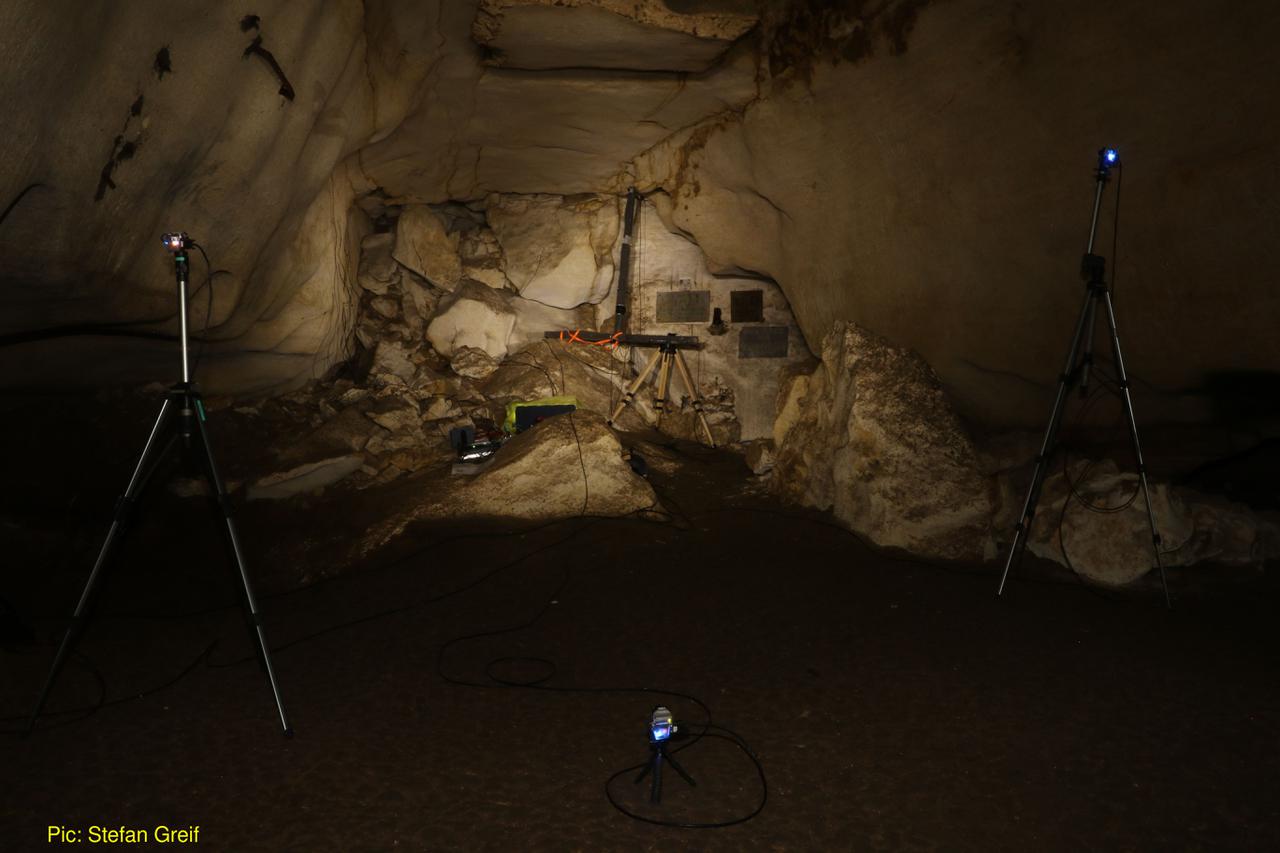
Dr. Thejasvi Beleyur is a Group Leader of the Active Sensing Collectives Lab at the Centre for the Advanced Study of Collective Behaviour, University of Konstanz, and holds an affiliated position at the Max Planck Institute of Animal Behavior. She also serves as IMPRS Faculty, contributing to interdisciplinary research at the intersection of animal behavior, sensory biology, and collective systems. Current: Group Leader, Active Sensing Collectives Lab (2025-present) Previous: Postdoc at Centre for the Advanced Study of Collective Behaviour (2021-2025) PhD: Max Planck Institute for Ornithology (2015-2021) Education: BS-MS in Biological Sciences, IISER-TVM (2008-2013) Dr. Beleyur's research program investigates how active-sensing agents like echolocating bats navigate complex sensory environments when operating in groups. Her work combines field observations, computational modeling, and swarm robotics to understand the sensorimotor strategies animals employ in information-limited settings. She has pioneered the development of the Ushichka dataset—a multichannel audio-video system for recording echolocating bats in natural habitats—which provides unprecedented insights into how bats modify flight and echolocation behaviors as group sizes change. Her publication record reveals a consistent trajectory examining sensory challenges in collective animal systems, with emphasis on echolocating bats. The research spans experimental field work, computational modeling, and methodological innovations in acoustic and video tracking. Recent work has expanded into developing computational tools like the beamshapes Python package for sound source modeling and exploring robot platforms to simulate bat collective behavior. Carl-Zeiss Nexus grant for inter-disciplinary research (2025) DFG Walter Benjamin postdoc grant (2021-2023) Early Career Researcher Award at International Bioacoustics Congress Google Cloud Platform Research Credits award ($1000) DAAD-GSSP Stipend for doctoral studies (2015-2020) Dr. Beleyur actively mentors students in her lab, currently supervising PhD student Frithjof and Master's student Aditya, following the completion of Gabriele's Master's thesis on the active-sensing Ro-BAT platform. Her research program is supported by competitive grants including the Carl-Zeiss Nexus grant and previously the DFG Walter Benjamin fellowship, which funded her work on 'The How and What of Active Sensing Collectives.' The Active Sensing Collectives Lab brings together an interdisciplinary team working at the interface of sensory biology, robotics, and collective behavior. The lab develops novel computational methods for analyzing complex datasets from multi-sensor field recordings, with emphasis on creating tools for long-term community use. Current projects include characterizing echolocating groups in the field and studying sensorimotor strategies using computational modeling.
Prof. Dr. Tobias Heer serves as Professor and Dean of Computer Science and Engineering at Esslingen University of Applied Sciences, where he also holds Senate and Building Committee roles. Based in Room F 01.312 at Campus Esslingen (Flandernstraße 101, 73732 Esslingen), he leads the IT Security Lab while teaching Network Security, IT Security, Offensive Security, and Security of Industrial Networks courses. His research spans industrial network security with emphasis on time-sensitive networking (TSN), deterministic networking (DetNet), and offensive security methodologies. Key focus areas include spoofed traffic detection, secure resource allocation protocols, internet-wide scanner analysis, and global software patching practices. His work bridges theoretical protocol design with industrial implementation challenges in critical infrastructure systems. Recent publications (2022-2024) reveal strong trends in industrial network security, particularly TSN/DetNet integration and real-time traffic protection. His team develops evaluation frameworks like GeNESIS for industrial scenarios while analyzing global patching discipline across sectors. Earlier foundational work includes Host Identity Protocol standards (RFC 7401, 8002) and distributed hash table applications for mesh networks. No scientific awards are documented in the provided materials. While advising activities aren't specified, his patent portfolio indicates active industry collaboration. He heads the IT Security Lab which focuses on industrial network security testing and protocol development, with recent projects examining PRP-based transmission systems and time-deterministic firewall mechanisms.
Steffen Wirth is a Professor and Group Leader in the Physics of Correlated Matter department at the Max Planck Institute for Chemical Physics of Solids in Dresden, Germany. He has held a W2 position at the institute since 2010 and has been conducting research there since May 2000. His work spans multiple institutions across Germany, Ireland, France, and the United States, reflecting his international scientific collaborations. Wirth's research focuses on the investigation of electronic correlations using Scanning Tunneling Microscopy/Spectroscopy, electronic transport, and magnetic measurements of bulk and thin film samples. His primary areas of interest include 4f heavy fermion systems, superconductivity, electronic inhomogeneity, two-dimensional transport, and non-trivial topological surface states. His group specializes in cryogenic scanning tunneling microscopy and spectroscopy, with particular emphasis on topological materials. He has made significant contributions to understanding quantum criticality, Kondo physics, and the interplay between structure and electronic properties in strongly correlated electron systems. Analysis of Wirth's recent publications (2023-2025) reveals a strong focus on topological materials, heavy fermion systems, and quantum critical phenomena. His work spans experimental techniques including scanning tunneling microscopy, thermal transport measurements, and X-ray spectroscopy, often applied to rare earth compounds, hexaborides, and novel quantum materials. A recurring theme is the investigation of electronic and magnetic properties at the intersection of topology, strong correlations, and quantum criticality. Fellow of the American Physical Society (2017) Outstanding Referee of the American Physical Society (2015) Feodor Lynen Fellowship by the Alexander von Humboldt-Foundation (1997-1999) Wirth has supervised numerous PhD students and postdoctoral researchers throughout his career, though currently no PhD projects are available in his group. His research has been supported by various grants enabling advanced experimental capabilities in cryogenic STM, thin film preparation, and low-temperature measurements. His work often involves international collaborations with institutions across Europe and the United States. Wirth leads a research group with laboratory facilities including cryogenic STM (B3.3.11), thin film preparation (B3.3.15), and additional STM capabilities (A1). His team combines local probe techniques with bulk measurements to obtain complementary information across different length scales, providing comprehensive insights into correlated electron systems.
Professor Sybille Münch serves as an adjunct professor in the Department of Political Science at the University of Hildesheim's Faculty of Educational & Social Sciences. Starting in October 2024, she will assume the interim directorship of the university's Center for Educational Integration. Previously, she held a junior professorship for 'Theory of Public Policy' at Leuphana University Lüneburg from 2015 to 2021 and worked as a postdoctoral researcher at TU Darmstadt before that. Her research focuses on policy-making within the European multi-level governance system, with particular emphasis on migration policy, refugee reception, and the relationship between democratic participation and public policy. She employs comparative approaches to analyze how municipalities implement integration policies and how uncertainty is created and managed in local refugee reception systems. Professor Münch's recent publications demonstrate a strong focus on migration governance, with particular attention to municipal integration policies, refugee security perceptions, trust-building in educational settings, and the political dynamics of EU budget negotiations related to migration. Her work frequently examines how policy concepts are constructed and implemented at local levels, with significant contributions to understanding the everyday governance of migration. She actively collaborates with researchers across Germany and internationally, contributing to edited volumes and special journal issues on migration policy and governance. Her leadership role with the Center for Educational Integration beginning in October 2024 reflects her growing influence in the field of educational integration policy.