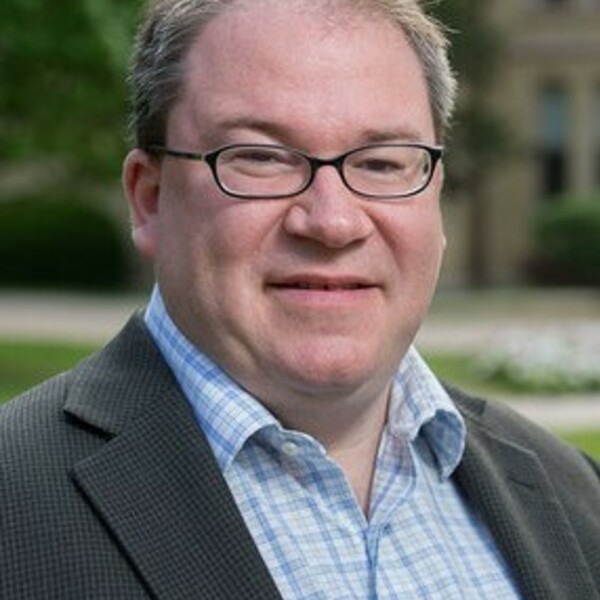
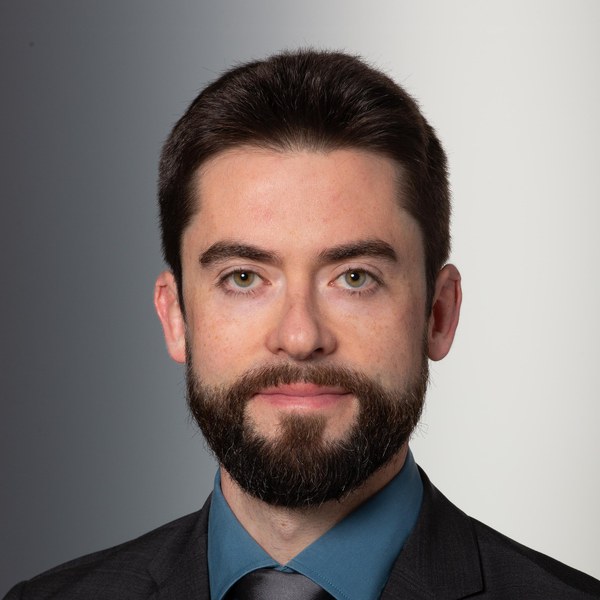
Steven A. Corcelli is a Professor and Interim Dean of the College of Science at the University of Notre Dame, with a research focus on Theoretical Chemistry and Molecular Dynamics Simulations . His work bridges Physical Chemistry and Biochemistry , targeting Energy Applications and Biomolecular Binding Mechanisms . He leads the Computational Molecular Science & Engineering Laboratory (CoMSEL). Ph.D., Chemistry, Yale University (2001) Sc.B., Chemistry, Brown University (1997) Research interests span ionic liquids for Carbon Capture , aqueous electrolytes in battery technologies , and molecular binding processes in immunology and DNA interactions . His group employs GPU-accelerated simulations and weighted ensemble methods to uncover structural and dynamic motifs. Recent publications highlight trends in vibrational spectroscopy , TCR-MHC binding , and CO2 solvation mechanisms . Awards include the Thomas P. Madden Award (2020) , ACS Fellowship (2016) , and NSF CAREER Award (2009) . Staff: Erin Brossard (Ph.D.), Nell Karpinski, Shuang Wu, Noah Vasconez, Kaitlyn Handy, Isabel Thompson
Lenya Ryzhik is a Professor in the Department of Mathematics at Stanford University, specializing in analysis and partial differential equations with applications in various physical contexts. His research spans stochastic processes, wave propagation, and front dynamics in random media, with significant contributions to understanding reaction-diffusion systems and their applications in mathematical biology and physics. Professor Ryzhik's research interests focus on the mathematical analysis of partial differential equations arising in physical systems. His work particularly emphasizes stochastic PDEs, wave propagation in random media, front propagation in reaction-diffusion systems, and homogenization theory. He investigates how randomness and complex structures affect wave propagation, front speeds, and transport phenomena, with applications ranging from combustion theory to population dynamics and quantum mechanics. The publication record demonstrates a consistent focus on understanding propagation phenomena in complex environments. Ryzhik's research shows a progression from classical PDE analysis toward increasingly sophisticated stochastic frameworks, particularly examining high-dimensional systems and random media. His recent work has focused on KPZ fluctuations, random heat equations, and non-local reaction-diffusion models, revealing deep connections between probability theory and partial differential equations. Alfred P. Sloan Research Fellowship (2002-2004) AFOSR NSSEFF Fellowship (2010-2015) Ryzhik has advised graduate students including Alexandra Stavrianidi, and has secured substantial research funding throughout his career. His grant history includes multiple NSF awards (DMS-9971742, DMS-0203537, DMS-0604687, DMS-0908507, DMS-1311903), ONR funding (N00014-02-1-0089, N00014-04-1-0224), and FRG support for collaborative research on nonlinear evolution problems. He co-organized a Summer School and Workshop on 'Recent Advances in PDEs and Fluids' at Stanford in 2013. Ryzhik maintains an active research group collaborating with leading mathematicians worldwide, particularly with researchers at institutions like NYU, Chicago, and various European universities. His work frequently involves interdisciplinary collaborations bridging mathematics with physics and biology.
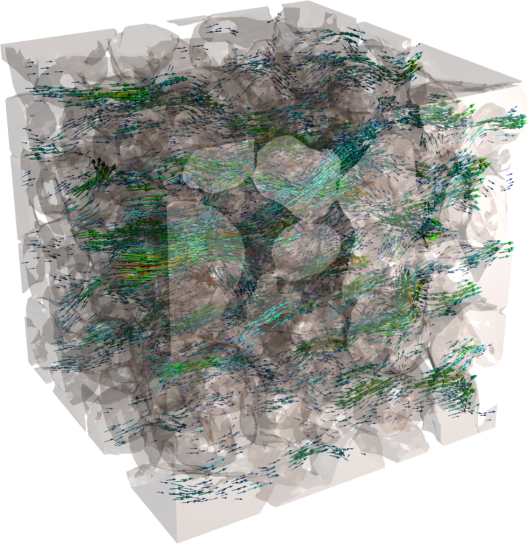
Dr. Joshua Brinkerhoff is an Associate Professor in Mechanical Engineering at the University of British Columbia Okanagan Campus. He serves as the Associate Director for Research & Industrial Partnerships in the School of Engineering and leads the UBC-Okanagan Computational Fluid Dynamics Laboratory. His research spans computational fluid dynamics, turbomachinery, multiphase flows, hydrogen safety, wind energy, and biofluid mechanics. He teaches courses in mechanics of materials, alternative energy systems, turbulence, computational fluid dynamics, and aircraft design. PhD, Aerospace Engineering (Carleton University, Ottawa, ON) BEng, Aerospace Engineering (Carleton University) Dr. Brinkerhoff’s research interests include: Computational Fluid Dynamics (CFD) for laminar-to-turbulent transition and instability analysis Wind energy systems and turbine aerodynamics Hydrogen storage and safety protocols for transportation Biofluid mechanics for respiratory diseases and aneurysm modeling Multiphase flows in industrial and environmental contexts His publications focus on CFD simulations for: Aerosol dispersion and mitigation in indoor environments Wind farm interactions and atmospheric gravity waves Cavitation and phase transitions in cryogenic and LNG systems Heat transfer optimization in industrial and thermal systems Instability dynamics in buoyancy-driven and swept flows Turbulent structures in fluidized beds and reactors Dr. Brinkerhoff has no listed scientific awards in the provided data but has extensive contributions to renewable energy, hydrogen safety, and medical fluid dynamics. His laboratory develops open-source tools like TOSCA for large-eddy simulations and investigates practical applications in urban air quality, dental aerosol control, and turbine wake modeling.
Kunihiko Kaneko is a Professor at the Niels Bohr Institute, University of Copenhagen, with a distinguished career in theoretical biophysics and complex systems. He received his PhD and MSc in Physics from the University of Tokyo, and has held leadership roles at the Universal Biology Institute and Center for Complex Systems Biology. PhD Physics, 1984 - University of Tokyo MSc Physics, 1981 - University of Tokyo His research spans five primary areas: Universal Biology, Evolutionary Constraints, Ecosystem Dynamics, Neural Cognition, and Universal Anthropology. He has published extensively on multi-level consistency principles, dimensional reduction in biological systems, and reciprocity between robustness and plasticity across scales. Recent publications show strong focus on microbial ecosystems (2025), evolutionary game theory (2025), neural modular architectures (2024), and dimensional reduction in cellular systems (2024). His work bridges physics and biology through dynamical systems theory applied to diverse phenomena from protocells to human societies.
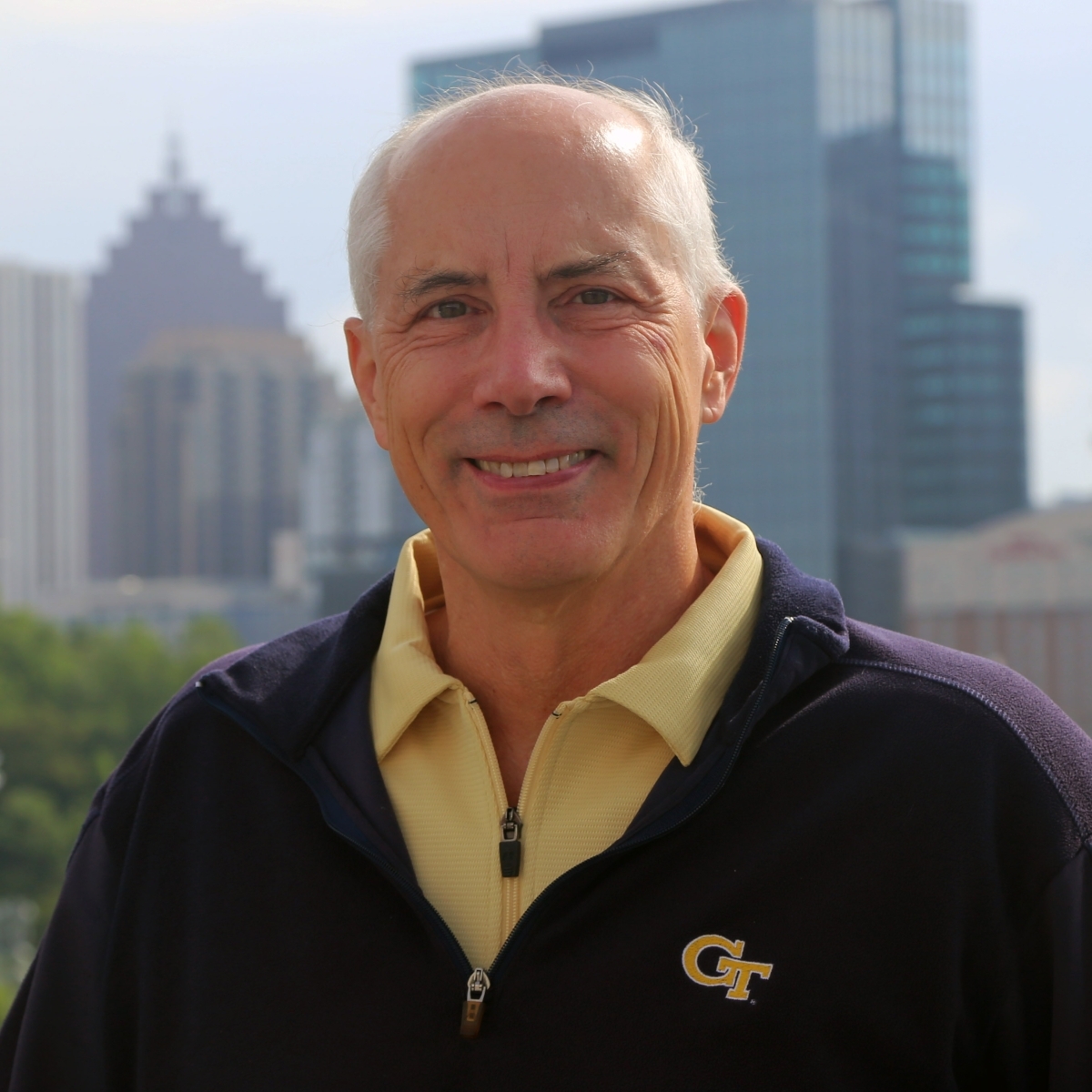
Carsten Sievers serves as Adjunct Professor in the Department of Chemical and Biomolecular Engineering at Georgia Institute of Technology, where he leads research in sustainable catalytic processes for fuel and chemical production from alternative resources. His work bridges fundamental spectroscopy with industrial reactor design to address petroleum dependence. Education: Diploma, Technical University of Munich, Germany (2003) D.Sc., Technical University of Munich, Germany (2006) Research Focus: Sievers' program integrates fundamental studies using IR, NMR, XAS, and Raman spectroscopy to probe catalyst structure-reactivity relationships with applied research on flow reactor systems for biomass conversion (hydrodeoxygenation, sugar upgrading) and mechanocatalytic polymer depolymerization. Key initiatives target CO 2 -neutral chemical production from biomass and waste plastics, emphasizing catalyst stability and regeneration. Publication Trends: Recent work (2023-2025) reveals a strategic pivot toward mechanocatalysis for plastic recycling (polyethylene, polystyrene) and ammonia synthesis, while maintaining expertise in hydrocarbon catalysis. Dominant themes include reaction environment engineering in ball mills, metastable surface characterization, and process intensification for CO 2 electrolysis. Scientific Recognition: 2012 Young Scientist Award, International Congress on Catalysis 2023 ACS Fellow designation Academic Leadership: As Director and Past President of the Southeastern Catalysis Society, former ACS Division Director, and Editor of Applied Catalysis A: General , Sievers shapes catalysis research direction. His Sievers Group has secured competitive fellowships for students like Yuchen George Change (Eastman Chemical Fellowship) and Victor Brandão (Ziegler Award), reflecting strong mentorship in sustainable reaction engineering. Research Infrastructure: The group operates advanced flow reactors, spectroscopic characterization suites, and mechanochemical systems for in-situ catalyst analysis, supporting collaborations with industry partners on technology translation.
Professor Kristian Franze serves as Principal Investigator and Head of the Department of Neural Mechanics at the Max Planck Center for Physics and Medicine in Erlangen, Germany. He concurrently holds the position of Director of the Institute of Medical Physics and Microtissue Engineering at the Faculty of Medicine of Friedrich-Alexander University Erlangen-Nuremberg (FAU). His groundbreaking research explores how neurons integrate mechanical and chemical signals during development and regeneration processes of the central nervous system. The Franze laboratory employs an interdisciplinary approach combining physics and life sciences, utilizing advanced techniques including: Atomic force microscopy Traction force microscopy Custom-built compliant cell culture substrates Optical and confocal laser scanning microscopy Cell and molecular biology approaches Key discoveries from his lab include demonstrating that neural tissue is mechanically highly heterogeneous, that neurons constantly exert forces on their environment, and that both neurons and glial cells actively respond to mechanical stimuli. His work has revealed that local tissue mechanics directly guides growing neuronal axons and contributes to establishing the chemical landscape encountered by developing neurons. Professor Franze leads an international research team comprising doctoral students, postdoctoral fellows, and technical staff. His laboratory investigates how cellular forces, tissue compliance, and cellular mechanosensitivity contribute to CNS development and disease, with potential applications for treating neurological disorders where mechanical factors play crucial roles, such as foreign body reactions to implants and failed nerve regeneration after spinal cord injuries.
Armistead (Ted) Russell is the Howard T. Tellepsen Chair and Regents' Professor in the Department of Civil and Environmental Engineering at the Georgia Institute of Technology's College of Engineering. He co-directs the Southeastern Center for Air Pollution and Epidemiology and the NSF Sustainability Research Network 'Environmentally Sustainable, Healthy and Livable Cities' project. Dr. Russell earned his B.S. from Washington State University and his M.S. and Ph.D. in Mechanical Engineering from the California Institute of Technology, where he conducted research at Caltech's Environmental Quality Laboratory. Russell's research focuses on air pollution modeling, health effects of air pollutants, aerosol dynamics, environmental economics, atmospheric chemistry, and CO2 capture technologies. His group works to understand air pollutant dynamics at urban and regional scales and assess their impacts on health and the environment to develop effective air quality improvement strategies. His work integrates satellite and ground-based observations with air quality models and assesses climate-air quality strategy interactions. His recent publications reveal a strong focus on urban air quality issues, health impacts of pollution, sustainable city development, and pollution control technologies. His work spans from local Atlanta air quality improvements to global issues like pollution in India and China, demonstrating a comprehensive approach to environmental challenges across different scales and contexts. Howard T. Tellepsen Chair Regents' Professor Russell has advised numerous students who have gone on to prominent positions at institutions worldwide, including UC-Berkeley, Rice University, and Peking University. His research has been funded by major organizations including the National Science Foundation, NASA, EPA, CDC, NIH, and industry partners like Phillips 66 and Southern Company. His work is used in policy and regulatory decision-making at local-to-international levels and is highly cited in scientific literature. Russell's research group (Lambda) operates from the Ford Environmental Science and Technology building at Georgia Tech, which houses extensive air quality research facilities including a state-of-the-art smog chamber and numerous laboratories. The group collaborates extensively with researchers from Earth and Atmospheric Sciences, Chemical and Biomolecular Engineering, City & Regional Planning, and Emory University's Rollins School of Public Health.
J. Tyler Mefford is an Assistant Professor in the Department of Chemical Engineering at the University of California, Santa Barbara , where he leads the Mefford Group. His research focuses on electrochemical engineering, materials science, and renewable energy technologies. Education : BS in Chemistry from Stanford University (2012), PhD in Chemistry from the University of Texas at Austin (2016). The Mefford Group develops redox-active polymers and inorganic electrode materials for applications in electrochemical energy conversion , storage , and chemical separations . Their work integrates material design , operando spectroscopy , microscopy , and computational modeling to study charge transfer at electrified interfaces. Recent publications highlight advancements in aqueous battery technology , bifunctional electrocatalysis , and mixed-conducting polymer electrodes . The group emphasizes interdisciplinary approaches and diversity in research environments. Scientific Awards : 2020 Best In-situ and Operando Characterization Presentation Award, MRS 2016 Excellence in Renewable & Clean Energy Research Award, UT Energy Institute 2016 Nano Portfolio Presentation Award, University of Texas at Austin
Dr. Tobias Binninger is a researcher at the Institute of Energy Technologies (IET) within Forschungszentrum Jülich GmbH, Germany. His work focuses on theoretical and computational modeling of materials for electrochemical energy systems , particularly in the context of catalysts and solid-state electrolytes. His research spans topics such as electrochemical interfaces , redox reactions , quantum capacitance , and nanoparticle stability , as reflected in his publications in high-impact journals. He has contributed significantly to understanding the Oxygen Evolution Reaction (OER) mechanisms and solid-state electrolyte materials through advanced computational methods like quantum annealing and density functional theory. Recent studies highlight his focus on electrolyte correlation effects , metal-support interactions , and co-electrolysis cell design for CO 2 reduction. Despite lacking explicit details on awards or mentoring, his work addresses critical challenges in energy storage , catalyst degradation , and quantum modeling of electrochemical systems .
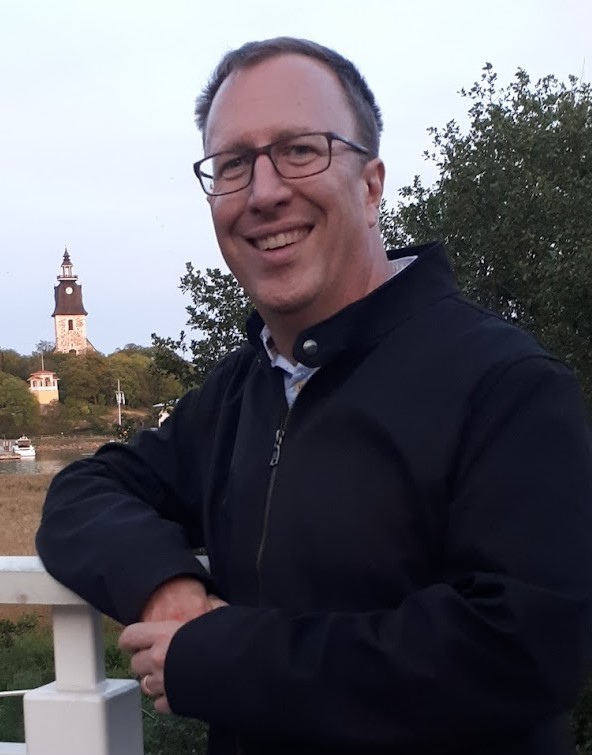
Christian Engwer is a full Professor at the University of Muenster in the Institute for Applied Mathematics, specializing in Analysis and Numerics. He leads the Engwer Group focused on Applications of Partial Differential Equations and is actively involved in the Cells in Motion initiative as a supervisor in the CiM-IMPRS Graduate Programme. His research centers on developing numerical methods for partial differential equations, particularly addressing challenges in complex geometries and multi-physics applications. He specializes in Unfitted Discontinuous Galerkin methods, which allow simulations on complex geometries without requiring domain-fitted meshes. His work spans porous media modeling, biological systems, and bioelectromagnetism applications, with significant contributions to EEG/MEG forward modeling in neuroscience. Analysis of his recent publications reveals a strong focus on model order reduction techniques, stabilized numerical schemes for cut-cell meshes, and applications in bioelectromagnetism. His work demonstrates a consistent trajectory toward developing robust, efficient numerical methods applicable to real-world problems in medical imaging and biological modeling, with increasing emphasis on high-performance computing implementations. Professor Engwer actively supervises doctoral students, with recent completions including Lukas Renelt (2025), Michael Wenske (2021), and Maria Carla Piastra (2019), among others working on topics related to numerical methods and biomedical applications. He leads several major research projects including BrainStorm: Highly Extensible Software for Advanced Electrophysiology and MEG/EEG Imaging (NIH-funded since 2019), multiple EXC 2044 Cluster of Excellence projects through 2025, and the InterKI interdisciplinary teaching program on machine learning and artificial intelligence. His group develops several important software packages including DUNE (Distributed and Unified Numerics Environment), duneuro (for bioelectromagnetism applications), and TPMC (Topology Preserving Marching Cubes). These tools support research in numerical methods and their applications to complex scientific problems.
Marianne Nyman is an Associate Professor in the Department of Civil and Environmental Engineering at Rensselaer Polytechnic Institute (RPI), affiliated with the School of Engineering and the Center for Biotechnology and Interdisciplinary Studies (CBIS). Her research focuses on environmental engineering, water quality, biochemical processes, and biomaterials, with a strong emphasis on remediation technologies for organic pollutants, including polycyclic aromatic hydrocarbons (PAHs), endocrine disruptors, and aromatic amines. She has pioneered studies on peroxy-acid treatment for contaminant degradation and explores applications in bioremediation and energy production. Her work spans laboratory-scale innovations to field-scale environmental solutions, addressing challenges in water treatment, sediment remediation, and agricultural systems. Notable contributions include optimizing LED wavelengths for plant growth optimization and investigating CO 2 enrichment effects on leafy greens. Nyman’s research integrates chemical engineering principles with ecological and agricultural systems, reflecting her interdisciplinary approach to solving complex environmental problems. Her publications highlight advancements in advanced oxidation processes, sorption dynamics, and predictive modeling of contaminant behavior. While no specific awards are listed, her sustained contributions to environmental engineering are evident through her prolific and impactful research output. Her lab collaborates with CBIS to bridge biotechnology and environmental science, addressing emerging contaminants and sustainable remediation strategies.
Karin Wendin is a Professor in Food and Meal Science at the Department of Food and Meal Science, Faculty of Natural Science, Kristianstad University. She also maintains an Associate Professor position at the University of Copenhagen since 2012. Her research is centered within the Food and Meals in Everyday Life (MEAL) research group and she plays a key role in the Centre for Food, Health and Retail at Kristianstad University (FOHRK). Dr. Wendin earned her PhD in 'Sensory Dynamics in Emulsion Products Differing in Fat Content' from Chalmers University of Technology in 2001. Her academic career spans over two decades with significant contributions to sensory science and food research. She has collaborated extensively with research institutes including RISE and has held visiting researcher positions at the University of Copenhagen. Wendin's primary research focus is sensory science, defined as 'the discipline that evoke, measure, analyze and interpret reactions to characteristics of food and other materials perceived by the human senses.' Her work investigates how chemical and physical food properties influence human sensory perception through sight, smell, taste, touch and hearing. A substantial portion of her research addresses health, wellbeing, and sustainability challenges, particularly in developing food products with reduced fat, salt, and sugar while maintaining sensory appeal, and exploring alternative protein sources including insect-based foods. She has specialized in adapting food products for specific demographic groups including the elderly, children, teenagers, and individuals with weight concerns. Her research methodology incorporates both objective and subjective sensory assessments using various statistical approaches from classic to multivariate methodologies. Analysis of her recent publications reveals a strong emphasis on sustainable food systems, novel food sources, historical grains in modern contexts, and sensory evaluation methods for high-value products. Her work consistently bridges scientific analysis with practical food industry applications, with many projects involving direct collaboration between academia and industry partners. The research demonstrates increasing focus on UN Sustainable Development Goals related to sustainable consumption, health, and responsible production. Professor Wendin has extensive supervisory experience across multiple institutions including University of Copenhagen, University of Borås, Linköping University, Chalmers University of Technology, Örebro University, and Lund University of Technology. She has served on examination committees for PhD defenses at institutions across Scandinavia and internationally. Her research has been funded by major organizations including Formas, Vinnova, and the Family Kamprad Foundation, as well as through contract research with industry partners where results often remain confidential. She currently leads multiple significant projects including 'Food and Drinks for Seniors' (2024-2026), 'Ending food waste from plant to plate' (2023-2026), 'Nutritious, tasty and health-promoting novel wheat products' (2022-2025), and research on prediction methods for sensory properties of high-value sustainable products. These projects reflect her commitment to addressing contemporary food challenges through interdisciplinary research that combines sensory science with sustainability and health considerations.
Howard Rundle is a Full Professor in the Department of Biology within the Faculty of Science at the University of Ottawa. His research laboratory focuses on empirical studies in evolutionary ecology and evolutionary genetics, utilizing both laboratory and field approaches with model systems including various Drosophila species and the antler fly ( Protopiophila litigata ). His work is conducted both in controlled laboratory settings and in natural environments, particularly in Algonquin Park's Wildlife Research Station. Dr. Rundle's primary research interests span evolutionary ecology and evolutionary genetics, with particular emphasis on: The role of sexual selection in adaptation and purging of deleterious mutations Sexual conflict and its ecological context The evolutionary divergence of mate preferences and its contribution to speciation Quantitative genetics of sexual displays, particularly cuticular hydrocarbons in insects The impact of ecological complexity on evolutionary processes His recent publications reveal a consistent focus on how mating environments influence the dynamics of sexual conflict, adaptation, and speciation. Much of his work examines whether sexual selection helps or hinders adaptation, with growing emphasis on genomic approaches to understand the genetic basis of evolutionary responses. His research program demonstrates how ecological context fundamentally shapes evolutionary outcomes, particularly in the interface between natural and sexual selection. Dr. Rundle collaborates extensively with researchers at other institutions including Aneil Agrawal (University of Toronto), Russell Bonduriansky (University of New South Wales), Vincent Careau (University of Ottawa), Kelly Dyer (University of Georgia), Amanda Moehring (Western University), and Locke Rowe (University of Toronto). These collaborations enhance the scope of his research across multiple dimensions of evolutionary biology. The Rundle Lab maintains a strong commitment to equity, diversity, and inclusion, explicitly welcoming and supporting members from all racial, religious, and cultural backgrounds, as well as those from the LGBTQ+ community, operating under the University of Ottawa's principles in these areas.
Dr Moe Mojtahedi is a Senior Lecturer at the School of Built Environment, University of New South Wales (UNSW). He earned his PhD in 2014 from the School of Civil Engineering at the University of Sydney. As a certified Project Management Professional (PMP) and Professional Engineer (PEng) accredited by Engineers Australia, Dr Mojtahedi bridges academic research with practical application in construction management and disaster risk reduction. PhD (University of Sydney, 2014) MEngSc (University of New South Wales) B.E. (Industrial), Professional Engineer (Australia) His research focuses on the intersection of construction management , urban resilience , and disaster risk reduction , particularly examining: Climate change adaptation in infrastructure Post-disaster recovery frameworks Lean construction methodologies Decision support systems for risk management Evacuation planning optimization Resilient hospital infrastructure Recent publications analyze trends in disaster science using computational modeling, prefabricated construction for industrial buildings, and AI/ML applications in aged care facility evacuation. His 2025 ChemistryOpen article explores sustainable reaction media for chemoselective processes, demonstrating interdisciplinary reach. Scientific recognition includes: Research Excellence Awards (Engineers Australia, 2012 & 2013) Best Conference Paper (ICES, Salford, 2017) Elsevier Outstanding Contribution Award (International Journal of Project Management, 2017) Learning and Teaching Excellence (UNSW, 2017) As a supervisor, he guides 7 PhD candidates and has mentored 4 graduates, including Mahmoud Ershadi (project management office effectiveness) and Kamyar Kabirifar (construction waste management). He contributes to policy discussions on aligning National Construction Code with UN Sendai Framework and advocates for disaster science integration in built environment practices. His media contributions examine hospital flood risks and climate change adaptation in Australia.
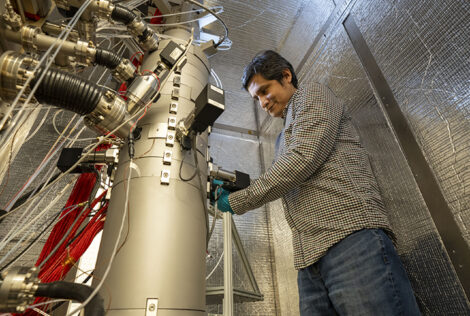
Dr. Maureen Joel Lagos is an Associate Professor in the Department of Materials Science and Engineering at McMaster University. He holds the Canada Research Chair (Tier 2) in Imaging and Spectroscopy of Advanced Nanomaterials using Electron Microscopy and serves as Associate Scientific Director of the Canadian Centre for Electron Microscopy (CCEM). His research focuses on advanced material characterization using electron microscopy techniques, particularly electron energy-loss spectroscopy (EELS) and in-situ transmission electron microscopy (TEM), to study phonons, plasmons, and excitons in nanomaterials for applications in infrared photonics, quantum materials, and energy systems. Dr. Lagos' academic background includes a Ph.D. from The State University of Campinas, followed by postdoctoral research at the University of Antwerp and Rutgers University. He has received notable awards such as the Microscopy Society of Canada Early Career Investigator Award (2022) and NSERC Early Career Research Award (2019). His work emphasizes interdisciplinary approaches, combining nanotechnology with photonics engineering, smart materials, and micro-nano systems. His research group develops novel methodologies for nanoscale material characterization, including nanothermal analysis and real-time TEM studies. Key projects involve designing ultra-quiet environments for advanced electron microscopes and investigating nanoscale heat transfer mechanisms. Dr. Lagos teaches graduate courses MATLS 4G03 (Characterization of Nanomaterials) and MATLS 6FF3 (Synthesis and Applications of Nanomaterials), emphasizing practical applications in energy storage, environmental impact, and biomedical engineering. Recent publications highlight breakthroughs in coupled plasmon-phonon modes, nanoscale temperature measurements, and vibrational spectroscopy techniques. His lab (ABB 429) collaborates widely, contributing to national initiatives like the Canada Foundation for Innovation-funded projects. Dr. Lagos is actively recruiting undergraduate and graduate students for research in nanomaterials and microscopy-driven material science.