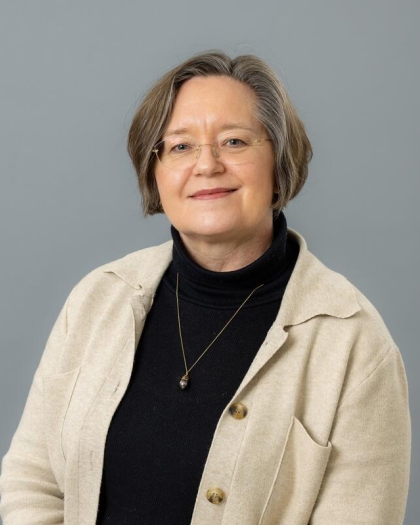
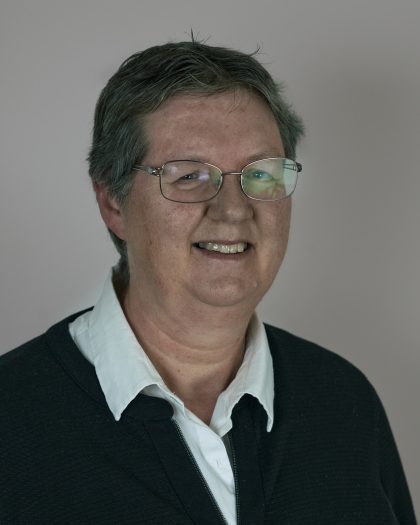
Massimo Crotti is an Associate Professor at the College of Architecture and Design , Department of Architecture and Design (DAD) , Polytechnic University of Turin. His expertise spans Alpine architecture , public spaces , and landscape integration , with a focus on sustainable development aligned to SDGs like Climate Action and Sustainable Cities . Research Interests : Alpine Space Regeneration Public Space Design Rural Community Infrastructure Disaster Recovery Architecture Cultural Heritage Integration Research Trends : His recent work analyzes ordinary public spaces, rural regeneration, and climate-resilient architecture, with case studies in Turin, Ischia, and Alpine villages. Publications emphasize infrastructure networks for Southern European communities and pedestrian urbanism . Scientific Awards : Menzione d'Onore al Premio Gubbio 2021 for Lou Pourtoun Cultural Center Teaching & Collaborations : He leads courses on Adaptive Public Spaces and Architecture for Sustainability . Collaborates with PROARCH (since 2018) and contributes to ARCHALP (since 2019). Supervises PhD student Ilaria Tonti (thesis: Post-Earthquake Temporality).
Kristin Braa is a Professor at the Department of Informatics, University of Oslo, and serves as Director of the HISP Center. Her career includes an 8-year tenure as Research Director at Telenor, where she established a Research and Innovation Center in Malaysia. Academic Roles: Vice Head of Department of Informatics, head of Information Systems (IS) research group Research Focus: Mobile extensions of open-source DHIS2 software for low-resource settings, action research methods, sustainable health information systems Research Themes: She investigates innovative approaches to support rural healthcare workers and underserved populations, emphasizing long-term engagement in national health systems. Her projects include MobiHealth (2010–2014) and NORAD-funded initiatives (2010–2014) for health information systems in developing countries. Scientific Awards: 2023 AIS Impact Award (with Jørn Braa) 2020 Roux Prize (with Jørn Braa) 2013 University of Oslo Innovation Prize 2013 Researcher of the Year (Faculty of Mathematics and Natural Sciences, UiO) 2011 ICT and Energy Researcher of the Year 2011 Rosing Prize Finalist for rural Bangladesh health initiative Collaborations: Active in the IS research group and Climate Health Network. She advocates for sustainable, community-empowering information systems through participatory design and sociotechnical approaches.
Ove Daniel Jakobsen is a distinguished academic at Nord University's School of Business specializing in ecological economics and sustainability. He serves as a board member at the Center for Sami and Indigenous Studies and holds leadership positions including Deputy Chairman of NaKUHel Academy. His scholarly work bridges economics, environmental science, and social philosophy, challenging conventional growth paradigms with transformative frameworks for sustainable development. Dr. Jakobsen's educational background includes: Dr. Economics from the Norwegian School of Economics (NHH) in 1989 Cand. Philol. from the University of Bergen (UiB) with a philosophy major in 1991 Master of Science in Economics and Administration from the Norwegian School of Economics in 1987 His research focuses on ecological economics as a paradigm shift from traditional economic thinking. He explores circular economy models, ecopreneurship, and dialogue-based approaches to social change, emphasizing the interconnectedness of nature, culture, and health. His scholarship challenges the growth imperative of mainstream economics, advocating for systems that prioritize ecological integrity and social wellbeing. Dr. Jakobsen's recent work examines utopian thinking as a practical methodology for community development and investigates the spiritual dimensions of sustainable business practices. His publications reveal a consistent focus on transforming economic systems through ecological principles, with growing emphasis on community-based solutions and the integration of indigenous knowledge systems. His research demonstrates a progression from theoretical foundations toward practical implementation, with increasing attention to participatory methods and alternative economic indicators that measure wellbeing rather than mere output. The nature-culture-health interplay represents a central theme in his scholarship, recognizing these as interconnected systems rather than separate domains. Dr. Jakobsen actively contributes to public discourse through his board memberships with organizations including Cultura Bank, Public Health Alliance Nordland, and the Norwegian Non-Fiction Writers and Translators Association. His work with the Utopia Workshop methodology provides communities with practical tools for envisioning sustainable futures through collaborative processes. His educational initiatives include developing ecological economics curriculum for Bodø Upper Secondary School and leading the ERASMUS+ 'Applied Ecopreneurship Methodologies' project (2017-2019), demonstrating his commitment to translating academic research into practical applications that benefit communities and students.
Rune Andersen is a Senior Lecturer at the University of Agder , affiliated with the Department of Information and Communication Technology . He has pioneered Europe's first holistic Bachelor's program in Academic Esports and serves as its Program Head, while also leading external communication and innovation initiatives within the department. Education: General Teacher (1999) Master's in Educational Use of ICT (2008) Guidance Pedagogy (2012) Welfare Technology (2018) His research interests focus on ICT integration in education , gamification , and leveraging transferable skills from esports for workforce development. He emphasizes interdisciplinary collaboration and industry partnerships to bridge academic and professional transitions. Recent publications highlight esports as a pedagogical tool, gamification in higher education, and skill transfer from digital environments to real-world applications. His work spans game-based learning, universal design, and curriculum innovation.
Karen V. Lykke is a Professor at the Centre for Development and the Environment (SUM) at the University of Oslo. She has established herself as a leading scholar in the interdisciplinary field of food studies, environmental humanities, and cultural history, with a particular focus on the cultural and historical dimensions of food systems and human-animal relationships. Her academic background includes a PhD in Cultural History from the University of Oslo (2009), postgraduate studies in Environmental History at St. Andrews University as a Chevening scholar (2001-2002), an M.Phil. in Ethnology from the University of Oslo (2000), and a degree as an Agronomist from the Oslo Agricultural Academy (1992). Professor Lykke's research spans several interconnected areas: food and sustainability, regenerative agriculture and soil health, the historical and cultural dimensions of food, meat consumption across historical periods, landscape studies as arenas for nature use and recreation, and the social and cultural aspects of hunting and fishing. Her work frequently examines how cultural narratives shape our interactions with nature and food systems, with particular attention to the politics of meat production and consumption. Analysis of her recent publications reveals a strong thematic focus on meat cultures, examining historical changes in meat production, the politics of meat promotion, and the cultural dimensions of slaughter practices. She also explores broader environmental themes including landscape heritage, the relationship between nature and culture, and ideas about the 'good life' in relation to environmental sustainability. Her interdisciplinary approach bridges humanities perspectives with environmental concerns, making significant contributions to understanding sustainable food systems. Norwegian Chevening scholar 2001/2002 at University of St. Andrews Professor Lykke has held various leadership positions including board member of the Norwegian Trekking Association (DNT-Oslo) and board member for academically employed staff at the Centre for Development and the Environment. She is actively involved in several research projects including RegenRegion (focused on soil health and regenerative agriculture), 'Making Meat a Mystery' (examining historical changes in our relationship with food animals), and research on sustainability and the concept of the 'good life.' She teaches multiple courses at the University of Oslo including SUM4035 - Past, present and future meat cultures in a local and global context, SUM4027 - Food, health and sustainability, SUM4024 - Humanist Perspectives on the Environment, SUM4100 - Research Methods and Project Design, and SUM4200 - Key Issues in Development and Environment.
Andres Soler is a Lecturer at NTNU's Department of Engineering Cybernetics within the Faculty of Information Technology and Electrical Engineering. His research focuses on EEG signal processing for applications in brain-computer interfaces (BCI), stress/health monitoring, and low-density electrode systems. He has published extensively on topics including EEG source imaging, artifact removal, and optimized channel selection techniques. His work bridges biomedical engineering and machine learning, with notable contributions to driver alcohol detection systems and motor imagery classification for neurorehabilitation. Teaching roles include serving as Guest Lecturer for Biomedical Instrumentation and Control (TTK4270) and Adaptive Data Analysis (TTK7), while acting as main lecturer for Industrial Electrotechnics (TTK4240). His research group collaborates internationally on projects like FlexEEG and has presented at conferences such as IEEE EMBC and Brain Informatics. Key research directions include advancing EEG-based systems for clinical and automotive applications, developing algorithms for real-time brain activity decoding, and optimizing EEG hardware configurations for cost-effective implementations. Current trends show focus on enhancing signal quality through artifact mitigation strategies and improving BCI communication systems for locked-in patients.
Eivind Heldaas Seland is a Professor in Ancient History and Premodern Global History at the University of Bergen's Department of Archaeology, History, Cultural Studies and Religion. His research focuses on the interplay between economy, political power, and ideology in ancient societies, particularly in the Indian Ocean/Red Sea region, Near East, and Mediterranean. He has conducted extensive studies on Palmyra, examining its role as a trade hub and its environmental resilience in the Syrian Desert. Key research interests include Palmyrene caravan trade networks, climate history, and the socio-environmental dynamics of ancient urban centers. His work employs interdisciplinary approaches, combining archaeology, network analysis, and environmental science to explore topics like ancient trade routes, diaspora communities, and the impact of climate change on urban development. Recent publications (2023–2025) emphasize Palmyra’s global connections, its diaspora communities in Babylonia, and the climatic conditions shaping its rise as an anomalopolis. He has also contributed to understanding Roman Near Eastern geography and the role of trade in fostering cultural and religious cohesion across the ancient world.
Knut Bjørn Stokke is an Associate Professor in the Department of Urban and Regional Planning at the Norwegian University of Life Sciences (NMBU). His work bridges research, teaching, and supervision with a focus on landscape, environmental, and regional planning. His research interests include municipal and regional landscape planning, coastal and waterway planning, climate adaptation, protected areas, and local community development. He emphasizes the integration of environmental considerations, cultural heritage, and outdoor life into planning processes, particularly in peripheral and coastal regions. The recent publications highlight a consistent focus on climate change adaptation, European environmental policy implementation, landscape resource management, and the socio-political dimensions of planning. His work often involves multi-institutional collaboration and addresses real-world governance challenges in Norway. He is actively involved in several major research projects funded by the Research Council of Norway, including RUVIVAL (cultural heritage in urban development), WINDGOV (wind power and cabin planning), MAREA (nature accounting in the Oslofjord), and LANDTIME (time perspectives in planning and visitor management). Stokke teaches courses such as LAA360/361 Regional Landscape Planning and Local Community Development and APL240/241 Environment and Planning. He supervises multiple master's students and is committed to fostering synergies between research and education. No scientific awards or email addresses were mentioned in the provided text.
Lisa Hansson is a Professor of Community Planning at Molde University College, specializing in urban governance and transport policy. She is affiliated with the Logistics Department and actively contributes to sustainable mobility, socio-technical change, and multi-level governance research. PhD in Science and Technology Studies (2011), Linköping University MSc in Political Science/Public Administration (2005), Gothenburg University BA in Human Geography/Urban Planning (2003), Karlstad and Gothenburg Universities Her research focuses on sustainable transport systems, visual representation in planning, and policy adaptation. She leads externally funded projects like LEAD (Digital Twins for logistics) and SNAPSHOT (e-commerce transport), with partners including SINTEF and K2 Sweden. Her work bridges political science and transport governance, challenging economic-technical discourses. Recent articles analyze equity in 15-minute city planning, social justice in transport protests, and regulatory governance for autonomous vehicles. She chairs the WCTRS SIG G1 Transport Governance group and serves on the Thredbo Conference Committee. 2023: Co-authored Public Participation in Transport in Times of Change (Emerald) 2021: Chapter on Transport Policy and Governance (Elsevier) 2020: Editorial in Transportation Research Part A Lisa teaches MA/BA courses like Smart Mobility, European Transport Policy, and Future Cities. She supports Master’s and PhD research in sustainable urban development and transport policy.
Ragnhild Overå is a Professor in the Department of Geography at the University of Bergen, specializing in human geography with a focus on African countries, particularly Ghana. Her research combines fieldwork examining socio-economic processes in local communities with analysis of national and global scale dynamics. Her educational background includes a Dr.polit. degree with a dissertation titled 'Partners and competitors: Gendered entrepreneurship in Ghanaian canoe fisheries' (1998). Research Interests Professor Overå's research spans multiple interconnected areas including gender studies, small-scale fisheries, food systems, food and nutrition security, territorial markets, informal economies, entrepreneurship, urban development, globalization, and political ecology. She has developed particular expertise in studying how local communities navigate global economic processes, with a consistent focus on gender dynamics. Her current research projects include: SAMAKI (2021-2026): Examining the overlooked role of small fish in fighting malnutrition Small Fish and Food security (SmallFishFood) (2018-2022): Investigating how small fish species contribute to food security in Ghana, Kenya, and Uganda Enclaving: Patterns of global futures in three African cities (2018-2023): Studying urbanization and inequalities in Johannesburg, Maputo, and Accra MARICA: Mapping marine resource conflicts across sub-Saharan Africa (2019-2022): Analyzing conflicts in coastal communities Her publications reveal a consistent focus on the intersection of gender, economic development, and resource management in African contexts, with particular attention to fisheries, urban development, and food systems. Over her career, she has demonstrated how local actors, especially women, navigate and shape global economic processes. Scientific Recognition While specific awards aren't listed in the provided materials, Professor Overå's extensive publication record in high-impact journals and her leadership of multiple research projects funded by the Research Council of Norway demonstrate significant recognition in her field. Mentorship and Collaboration Professor Overå has supervised numerous master's and doctoral students, particularly focusing on Ghanaian contexts. Her collaborative work spans disciplines including biology, nutrition science, anthropology, and geography, reflecting her commitment to interdisciplinary approaches to complex development challenges. Laboratory and Research Groups She is affiliated with research groups including Environment and Landscape Geography and Human Geography at the University of Bergen. Her work often involves field research teams in Ghana and other African countries, collaborating with local researchers and institutions.
Raghavendra Ramachandra is a Professor at the Department of Information Security and Communication Technology (IIK) , within the Faculty of Information Technology and Electrical Engineering at the Norwegian University of Science and Technology (NTNU) in Gjøvik. His research focuses on biometric systems, particularly in face, fingerprint, and finger vein recognition, with emphasis on presentation attack detection, morphing attack detection, and deep learning applications. Current research projects include: SALT (2022-2026) : Developing privacy-preserving facial biometric authentication systems. OffPAD (2022-2025) : Creating cryptographic tools and presentation attack detection for fingerprint biometrics. SWAN (2015-2020) : Developing biometric countermeasures against presentation attacks. His recent publications demonstrate technical expertise in: Face morphing attack detection using vision transformers and point cloud networks Image fusion techniques for multispectral biometrics GAN-based synthetic data generation for security evaluation Explainable AI approaches for biometric verification Professor Ramachandra also supervises PhD and Master’s students, and has extensive experience in leading national and EU research initiatives.
Kåre Moen is an Associate Professor at the Department of Community Medicine and Global Health, University of Oslo. His primary research interests include qualitative research methods, medical anthropology, global health, and HIV with a focus on issues of gender, sexuality, and homosexuality. He holds a PhD in Community Medicine from the University of Oslo, a Master of Public Health from UCLA, and a Doctor of Medicine from the University of Bergen. His work emphasizes vulnerable populations such as female sex workers, men who have sex with men (MSM), and people who inject drugs, particularly in East African contexts like Tanzania and Zimbabwe. Recent studies include the efficacy of mHealth interventions for HIV prevention, socio-structural barriers to healthcare access, and the sociocultural dimensions of HIV/AIDS. Key collaborations: Muhimbili University of Health and Allied Sciences (Tanzania), Addis Ababa University (Ethiopia), and the Center for Social Research in Health (Australia). Grants/Projects: BIO (Biomedicalization from the Inside Out), TRUST (Transdisciplinary Research for Sustainable Health), and DOCEHTA (Strengthened Doctoral Education for Health in Tanzania). Research highlights include conceptual frameworks for biomedical HIV prevention and participatory design of digital health tools targeting at-risk groups. His work frequently employs qualitative methodologies to explore structural inequalities and healthcare system challenges in low-resource settings.
Rune Dahl Fitjar is a Professor of Innovation Studies at the University of Stavanger, affiliated with the UiS School of Business and the Department of Innovation, Management and Marketing. He is also the Head of the Centre for Innovation Research and served as Pro-Rector for Innovation and Society from 2019 to 2023. PhD in Political Science, London School of Economics (2007) Professor at UiS since 2013 His research centers on innovation and regional development, with a strong focus on university-industry collaboration, knowledge exchange, smart specialisation, and the role of place in innovation. He investigates how firms innovate through networks, the impact of relatedness on regional diversification, and the influence of political trust and social capital on economic growth. Fitjar’s recent publications span leading journals including Research Policy , Regional Studies , and Economic Geography . His work demonstrates a consistent thematic focus on the interplay between innovation systems, regional context, and institutional frameworks. He frequently collaborates with prominent scholars such as Andrés Rodríguez-Pose and Markus Grillitsch. He has received several accolades, including: Stavanger Forum Communication Prize (2011) Lyse Research Prize (2013) Fitjar has supervised and co-authored with numerous researchers and PhD candidates, though specific advisees are not listed. His work is supported by robust research grants and institutional affiliations. He is actively involved in shaping regional innovation policy and has contributed to major policy reports and academic volumes on innovation strategies. He leads and participates in research teams focused on regional innovation systems, economic transformation, and responsible research and innovation. His ongoing projects explore mission-oriented innovation and the evolution of regional economies in the context of global challenges.
Grete Rusten is a Professor of Economic Geography at the University of Bergen's Department of Geography, specializing in industrial and regional development, circular economy, and sustainable development. Her research focuses on corporate geography, location strategies, and green economic transitions, with emphasis on Norway and Western economies. She supervises master’s theses on topics like industrial symbiosis, coworking spaces, and plastics in the circular economy. Her work integrates interdisciplinary approaches, addressing challenges such as industrial symbiosis in Årdal, greenwashing strategies, and the role of municipalities in eco-innovation. She collaborates with organizations like Årdal Utvikling and the Plastics Network at UiB. Her teaching includes supervision of over 30 master’s theses, emphasizing practical industry partnerships and policy analysis. She has published extensively on green taxation, regional development, and service economies, with contributions to books like *Design Economies and the Changing World Economy* (2011) and *Services and the Green Economy* (2016). Rusten’s research bridges theory and practice, addressing contemporary issues such as energy policy dissonance at Mongstad and the socio-economic impacts of green transitions. Her projects often involve cross-sector collaboration and regional innovation strategies, reflecting her commitment to applied sustainability research.
John Kwadwo Osei-Tutu is a Professor at the Department of Historical and Classical Studies, Faculty of Humanities, NTNU. His research focuses on African history, particularly colonialism, fortifications, and Ghanaian socio-political dynamics. He has supervised numerous Master’s theses and authored/co-authored books like Forts, Castles and Society in West Africa (2018) and Shadows of Empire (2017). His work bridges historical analysis with contemporary issues like Ghana’s oil policies and African-Chinese relations. Osei-Tutu collaborates internationally, notably through the Norpart project on Ghanaian forts, and actively engages in public lectures on topics ranging from Nelson Mandela to postcolonial governance. Education & Research: Holds a PhD in History (2013, NTNU) and advanced degrees from Ghana and Norway. Research areas include pre-colonial African states, colonial fortifications’ socio-cultural impacts, and postcolonial development. His recent work examines oil industry policies in West Africa and transnational historical networks. Key Projects: Led excavations at Ghana’s historical forts (OSUpro project) and co-edited volumes on European fortifications’ legacies. Serves as discussant for films and conferences addressing African socio-political issues.


.jpg)