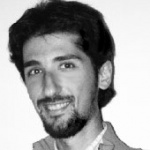
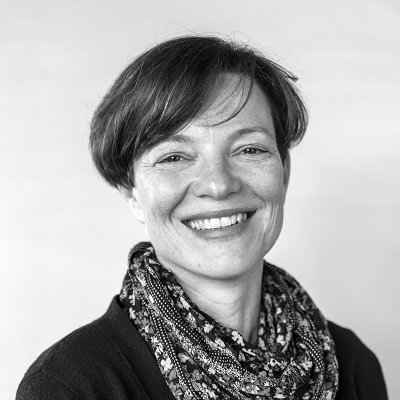
Matteo Bolner is a Post-Doctoral Research Fellow at the University of Bologna's Department of Agricultural and Food Sciences, specializing in livestock genomics and metabolomics. He holds a PhD in Agricultural and Food Sciences (defended March 2025) and an International Master in Bioinformatics from the University of Bologna. His research integrates genomic and metabolomic data to improve livestock sustainability, particularly in pig production systems. Key focuses include identifying metabolic pathways influencing production traits, analyzing pig viromes for disease outbreaks, and leveraging big data for One Health applications. His educational background includes a Biological Sciences degree (2018) and a bioinformatics master's (2021). He interned at CINECA's SCAI department, focusing on HPC software containerization. Current affiliations include membership in the Animal and Food Genomics group, where he explores genomic solutions for breed conservation and sustainable production. Research trends in his articles emphasize multi-omics integration to understand pig metabolism, stress responses, and breed-specific adaptations. He also applies genomics to authenticate food products and enhance conservation strategies for endangered livestock breeds like the Mora Romagnola pig. His work bridges animal science, computational biology, and agricultural sustainability. Notable contributions include developing genomic tools for honey bee population analysis and creating a catalog of mitochondrial insertions in pig genomes. Future directions involve advancing metabolomics-based precision livestock farming and applying big data analytics to livestock One Health challenges.
Claudia Palestrini is a Professor at the Department of Life Sciences and Systems Biology , University of Turin. Her work focuses on dung beetles , ground beetles , and Alpine biodiversity conservation , with a strong emphasis on geometric morphometrics , zoogeography , and entomology . Her research integrates ecology , systematics , and phylogeny to study insect communities in Alpine and Mediterranean environments. Key themes include habitat use , species differentiation , and sustainable land management . She has contributed to over 400 publications, with recent work analyzing equine feeding devices and insect acoustic signals . Her teaching includes courses on Entomology for Cultural Heritage , Biological Sciences , and Environmental Education . She serves on academic committees like the Department Council and Interdisciplinary Sport Sciences program. Her work bridges entomology and sustainable sports practices , highlighting the importance of biodiversity in human-impacted ecosystems.
Donato Romano serves as Associate Professor at The BioRobotics Institute of Scuola Superiore Sant'Anna, Italy, where he coordinates the Bio-Robotic Ecosystems Lab and co-founded the spin-off company HUBILIFE srl. His interdisciplinary work bridges robotics, biology, and AI to develop biohybrid systems for biodiversity preservation, sustainable environmental management, and life support in extreme scenarios including space exploration. With over 90 publications and an H-index of 27 (Scopus, March 2025), he has established significant academic leadership through editorial roles across 12+ international journals. Romano's educational foundation includes advanced degrees with honors: an M.Sc. in Agriculture Science and Technologies (2014) and a PhD in BioRobotics (2018), both from Scuola Superiore Sant'Anna. His academic journey includes visiting scholar positions at Khalifa University and substantial industry-academia collaboration through HUBILIFE srl, which commercializes bioinspired devices for human daily life improvement. His research program focuses on bioinspired and biomimetic robotics with particular emphasis on animal-robot interaction, biohybrid systems, and natural intelligence. Key projects address critical global challenges: SENSORBEES develops biohybrid environmental surveillance for ecological monitoring; REGOLIFE investigates lunar soil-terrestrial organism interactions for space agriculture; and OCEAN ROBOCTO explores marine ecosystem solutions. This work demonstrates a strategic progression from fundamental behavioral studies toward applied ecological and extraterrestrial systems. Analysis of his recent publications reveals strong trends in AI-driven behavioral analysis, with deep learning increasingly applied to entomological studies and pest management. The research spans agricultural applications (precision monitoring traps, larval detection systems), ecological conservation (biodiversity surveillance), and extreme-environment adaptation (lunar regolith studies). A distinctive feature is the consistent integration of biohybrid approaches where living organisms and robotic systems create synergistic capabilities exceeding either component alone. Romano's scientific recognition includes election as Junior Fellow of the Italian Academy of Engineering and Technology (2025), the Lucani fuori dal Comune award (2024), and multiple best-thesis prizes. His editorial leadership spans high-impact journals including IEEE Transactions on Medical Robotics and Bionics and Pest Management Science, where he serves as Associate Editor. As principal investigator, Romano coordinates major international projects totaling over €15M in funding: HORIZON-EIC's SENSORBEES (2024-2029), ASI's REGOLIFE (2024-2027), National Geographic's OCEAN ROBOCTO (2024-2026), and PRIN's COSMIC (2023-2025). His teaching portfolio includes PhD courses in Biosystems for Biorobotics and M.Sc. instruction in Bionics Engineering at Scuola Superiore Sant'Anna and University of Pisa. The Bio-Robotic Ecosystems Lab under Romano's direction pioneers biohybrid technologies where living organisms and robotic systems create integrated solutions. Current initiatives include SENSORBEES' environmental monitoring swarms, REGOLIFE's moonworm colonization systems, and HUBILIFE's commercial vector-control devices. The lab maintains active collaborations with space agencies, agricultural institutes, and conservation organizations, positioning biohybrid systems as next-generation tools for planetary-scale challenges.
Andrea Pieroni is a Full Professor of Ethnobotany at the University of Gastronomic Sciences (UNISG) in Italy. He holds a doctorate from the University of Bonn and has held academic positions at the University of London and the University of Bradford. His research focuses on cultural adaptation processes, traditional foraging practices, and biocultural diversity, with particular emphasis on the Mediterranean, Balkans, Eastern Europe, and the Greater Middle East. Professor Pieroni serves as Vice-President and former President of the International Society of Ethnobiology and is founder/Chief Editor of the Journal of Ethnobiology and Ethnomedicine. He has led research projects addressing food security, wild plant usage, and ecological sustainability, such as UNISG’s DiGe and SASS initiatives. His work bridges ethnobotanical field studies with policy advocacy, emphasizing community-centered approaches to ecological transition. Educations: Ph.D., University of Bonn; Medical Botany training, University of Pisa Research Projects: BIOESSaNS, GLN, ETHCSTWIN Grants & Awards: Leadership roles in global ethnobiology organizations, editorial roles in peer-reviewed journals His recent articles (2024-2025) explore topics such as Romani knowledge systems, desert truffle ethnoecology, and the impact of overtourism on foraging traditions. Pieroni advocates integrating traditional ecological knowledge into modern sustainability frameworks, particularly in food systems.
Marco Picone is an Associate Professor at the Department of Sciences and Methods for Engineering (DISMI) of the University of Modena and Reggio Emilia. He leads the Distributed and Pervasive Intelligence (DIPI) Group and holds a PhD in Information Technology from the University of Parma. His postdoctoral research at the University of Parma (2012-2015) and a visiting scholar position at the University of Cambridge (2011) further enriched his expertise. He is nationally qualified as an Associate Professor by MIUR (2020). Education: PhD in Information Technology, University of Parma (Italy) M.Sc. (cum Laude) in Computer Engineering, University of Parma Visiting Researcher, NetOS Group, University of Cambridge (UK) His research focuses on Distributed Systems , IoT , Edge Computing , and Digital Twins , emphasizing their applications in smart industries and cities. He has supervised postdocs (e.g., Matteo Martinelli) and PhD students (e.g., Enrico Rossini) on topics like Digital Twin Continuum and Edge-Cloud Systems. Teaching spans courses on Intelligent IoT , Distributed IoT Software Architectures , and Edge Computing , with a focus on lab-based learning and industry-relevant projects. He actively contributes to open-source frameworks like the White Label Digital Twin (WLDT) and collaborates on initiatives such as the Web of Digital Twins (WoDT). Research collaborations include projects on smart city data fusion, livestock waste management, and Industry 5.0 human-centric systems. His work bridges theoretical advancements with practical implementations in cyber-physical environments.
Provvidenza Rita D'Urso is a Fixed-term Assistant Professor at the University of Catania's Department of Agriculture Food and Environment (Di3A), specializing in Rural Buildings and Agro-forest Land Planning within the School of Agriculture. Her current position runs from March 1, 2023 to February 28, 2026, as part of the SAMOTHRACE project funded by the European Union through NextGenerationUE. She maintains an office in the Engineering Area at Via Santa Sofia, 100, and conducts research focused on environmental monitoring in agricultural settings. Dr. D'Urso earned her PhD in Agricultural, Food and Environmental Science from the University of Catania in 2022 with a thesis on measuring ammonia and GHG concentrations in dairy housing systems. She holds dual qualifications as both a Civil and Environmental Engineer (2017) and an Agronomist and Forestry Doctor (2020), demonstrating her interdisciplinary expertise. Her educational background includes two Master's degrees earned cum laude : one in Agricultural Sciences and Technologies (2018) and another in Building Engineering and Architecture (2016). Her research interests center on environmental monitoring in agricultural contexts, particularly focusing on ammonia and greenhouse gas emissions from livestock housing systems. She investigates innovative measurement techniques using infrared photo-acoustic multi-gas analyzers and low-cost devices, while also exploring mitigation strategies including green wall systems and bio-acidification treatments. Her work bridges agricultural engineering with environmental protection, addressing critical challenges in sustainable farming practices. Analysis of her recent publications reveals a strong focus on precision environmental monitoring in agricultural settings, with particular emphasis on spatial and temporal distribution of gaseous emissions in dairy barns. Her research demonstrates methodological rigor in measurement techniques while maintaining practical applications for emission reduction in livestock farming. She frequently employs geospatial analysis and contributes to systematic literature reviews that advance understanding of environmental impacts across agricultural sectors. National Scientific Qualification as Associate Professor (2023) PhD awarded with honors (unanimous decision by Committee, 2022) Multiple Master's degrees earned 110/110 cum laude Active member of the Italian Society of Agricultural Engineering (AIIA) Dr. D'Urso serves as an academic advisor and collaborator on multiple research projects, frequently working with Professor Claudia Arcidiacono as primary supervisor. Her research group focuses on developing practical solutions for environmental challenges in Mediterranean agricultural systems, with particular attention to measurement methodologies and mitigation strategies that can be implemented in real-world farming operations. She maintains active collaborations with European research institutions through COST Training School programs.
Maurizio Ramanzin is a Full Professor at the University of Padova , affiliated with the School of Animal Science and Department of Agronomy, Animals, Food and Natural Resources (DAFNAE) . His research focuses on Agricultural Sustainability , Environmental Impact Assessment , and Precision Livestock Farming . Academic Field : AGR/19 Email : maurizio.ramanzin@unipd.it Address : Agripolis - Viale dell'università, 16 - Legnaro (Padova) – ITALY His work explores the interactions between livestock systems and ecosystem services in mountainous regions, with emphasis on: Grazing Management and biodiversity conservation Life Cycle Assessment (LCA) of dairy and beef systems Climate Change Adaptation in Alpine ungulates Animal Welfare in small-scale farms Technological Tools (GPS, NIRS) for monitoring grazing behavior Key trends in his recent publications include: Quantifying environmental drivers of wolf predation on livestock Developing low-cost biologging systems for dairy cows Analyzing social-ecological trade-offs in mountain agriculture Assessing microbial dynamics in alpine soils
Renato Ghezzi is an Associate Professor of Economic History at the University of Calabria's Department of Law, Economics and Sociology (DiGES). His research focuses on Mediterranean trade networks, the economic history of Livorno, and the agro-food industry. He has published extensively on topics including early modern maritime commerce, cheese production, and demographic crises. Prof. Ghezzi teaches courses in Economic History for undergraduate programs in Business Administration and Sociology. His work spans both books and articles, analyzing trade between Europe and the Mediterranean, the role of Italian ports, and historical economic systems. Recent research includes studies on post-war agricultural development and the impact of global conflicts on food systems. He is actively engaged in academic conferences, presenting on topics such as maritime networks, cheese manufacturing, and historical food industries. His research combines quantitative analysis with archival studies, often utilizing notarial records to trace trade patterns. Prof. Ghezzi oversees student advising and maintains an active role in departmental activities, including regular office hours and participation in academic initiatives like the StarUPP project. His work contributes to understanding the intersection of economic systems, cultural exchanges, and historical developments in the Mediterranean region.
Roles and Affiliations: Ilenia Rossetti is a Full Professor of Chemical Industrial Plants at the Department of Chemistry, University of Milan. She has held leadership roles, including Director of the Analysis Lab and member of various scientific commissions. She coordinates national research projects funded by MUR, Regione Lombardia, and Fondazione Cariplo. Education: Bachelor's (1998): Industrial Chemistry, University of Milan (summa cum laude) PhD (2001): Industrial Chemistry, University of Milan Master's (2016): Chemical Engineering, Politecnico di Milano (110/110) Research Focus: Her work centers on catalytic processes , process design and optimization , photocatalytic systems , and nanostructured materials . Key areas include CO₂ conversion to fuels, hydrogen production, and sustainable energy solutions. She explores high-pressure CO₂ photoreduction, flame-synthesized catalysts, and reactor engineering for renewable processes. Publications and Impact: Over 70 articles since 2021 highlight her contributions to CO₂ methanation, photocatalytic CO₂ reduction, and bioethanol valorization. Her work bridges lab-scale innovations and industrial-scale processes. Awards: Chiusoli Medal (2016): For multidisciplinary CO₂ utilization research. ENI Award (2008): For innovative photocatalytic methods. Parmaliana Prize (2018): For outstanding PhD supervision in catalysis. Advising and Collaboration: Supervised multiple award-winning PhD theses. Collaborates with industries (ENI, BASF) and institutions (Italian Chemical Society) on sustainable processes. Leads projects on CO₂ capture/utilization and biofuel conversion. Labs and Teams: Oversees the Analysis Lab at the Department of Chemistry. Her interdisciplinary team focuses on photocatalytic reactors, nanomaterial synthesis, and process modeling.
Francesco Finazzi is a full professor of statistics (SECS-S/02) at the Department of Economics of the University of Bergamo and maintains a research affiliation with the School of Mathematics and Statistics at the University of Glasgow. He is internationally recognized as the founder of the Earthquake Network citizen science initiative (www.sismo.app), which pioneered the first globally implemented smartphone-based seismic early warning system. His research expertise spans sensor network data analysis, crowdsourced data from citizen science initiatives, statistical modeling of spatio-temporal data, and parallel scientific software development. He has made significant contributions to developing statistical methodologies for earthquake parameter estimation using smartphone sensor networks and has advanced techniques for analyzing environmental time series data. His recent publications reveal a strong research trajectory focused on earthquake early warning systems, spatio-temporal environmental modeling, and statistical approaches to crowdsourced seismic data. His work uniquely bridges statistics, seismology, and computer science to develop practical, real-world early warning solutions that leverage mobile technology and citizen participation. Finazzi has secured substantial research funding as Principal Investigator for the University of Bergamo in major Horizon 2020 projects, including RISE (Real-time earthquake risk reduction for a ReSilient Europe, 2019-2023, €8,000,000) and TURNkey (Towards more Earthquake-resilient Urban Societies through a Multi-sensor-based Information System, 2019-2022, €7,999,948). He leads the Earthquake Network initiative, a groundbreaking citizen science project that has created the first operational smartphone-based seismic early warning system worldwide. This platform not only provides early warnings but also facilitates rapid impact assessment and supports search and rescue operations following seismic events.
Roberto Mantovani is a Full Professor in the Department of Animal Medicine, Production and Health (DAFNAE) at the University of Padova, Italy. His academic discipline is AGR/17, focusing on Animal Husbandry and Animal Production. He is based at the Agripolis campus in Legnaro, Padova, where he contributes to teaching and research in animal science and livestock systems. His research interests lie in the application of data science to livestock production, animal breeding, and sustainable animal husbandry. The integration of digital tools and precision agriculture methodologies in animal farming is a key focus, aligning with modern advancements in agricultural technology. No recent publications are listed in the provided text, so no trend analysis can be performed. Similarly, no scientific awards have been mentioned in the source material. There is no information available about graduate students advised by Professor Mantovani, nor any details about research grants or funding he may have received. He appears to be actively involved in the academic functions of DAFNAE, contributing to its educational and research missions. While no specific laboratory or research team is mentioned, his work is likely associated with research groups within DAFNAE that focus on animal production, genetics, and data-driven approaches to livestock management.
Serenella Nardi is a Full Professor at the Department of Land, Environment, Agriculture, and Forestry (DAFNAE), University of Padova, Italy. Her academic work falls under the discipline of AGR/13 – Rural Engineering and Agricultural Mechanization. Her research focuses on agricultural and rural engineering, with emphasis on mechanization, sustainable land use, and technological applications in farming systems. Given her affiliation with DAFNAE and the focus on data science in livestock, her work likely intersects with precision agriculture and digital tools in animal production. No recent publications are listed in the provided text, so article trends cannot be analyzed. No scientific awards are mentioned in the available information. There is no information available regarding student supervision, research grants, or advisory roles. Serenella Nardi is affiliated with the DAFNAE department at the University of Padova, which conducts interdisciplinary research in agriculture, environment, and rural development. The department hosts various research groups focused on sustainable farming, agro-ecology, and technological innovation in livestock and crop systems.
Enrico Fabrizio is an Assistant Professor at the Department of Agricultural, Forest, and Food Sciences (University of Turin). His research focuses on building energy performance, indoor environmental quality, and sustainable design. Key areas include PCM-based thermal energy storage, multi-energy system optimization, and low-temperature heating systems. He has contributed to advancing methodologies for nearly Zero Energy Buildings (nZEBs) and energy-efficient livestock housing. Research domains include HVAC systems, energy-efficient building design, and dynamic simulation tools for energy performance assessment. His work integrates renewable energy technologies, such as solar thermal and photovoltaic systems, with district heating networks and smart grid applications. He has developed frameworks for personalized environmental control systems (PECS) and energy certification protocols for agricultural buildings like pig houses. His recent publications emphasize decarbonization strategies for heat pumps, cryocooler prototypes, and zero-power building paradigms. Collaborations span academic and industry partners, addressing challenges in energy poverty, climate control in greenhouses, and retrofitting historic buildings to nZEB standards.
Claudia Arcidiacono is a Full Professor of Rural Construction and Agroforestry (AGRI-04/C) at the Department of Agriculture, Food and Environment (Di3A) of the University of Catania, where she has built a distinguished career since graduating with honors in Civil Engineering in 1993. She currently serves as President of the AIIA Second Technical Section on 'Rural Construction, Plants and Territory' and has held significant leadership roles including Coordinator of the International Doctorate in 'Agricultural Engineering' and President of the Master Degree Course on 'Territory, Environment and Landscape Protection' (2016-2020). Educational Background: Civil Engineering degree with full marks and honors, University of Catania (1993) PhD in 'Agricultural Construction and Land Planning' (1998) Cambridge First Certificate in English with full marks (Grade A) Professor Arcidiacono's research program has evolved from foundational work on greenhouse microclimatic processes to cutting-edge applications of image processing and real-time monitoring systems. Her early research focused on thermal exchanges and ventilation within protected cultivation environments, while her current work centers on automated animal behavior monitoring through video analysis and RFID systems, climate-altering emissions analysis from livestock buildings, and sustainable waste management systems for circular economy models. She has made substantial contributions to agricultural building design optimization and traditional rural architecture conservation. Professional Recognition: Guest Editor for special issues in Resources, Conservation and Recycling (Elsevier) and Resources (MDPI) Editorial Board Member of AGRICULTURE and Discover Agriculture journals Review Editor for Quantitative Sustainability Assessment section in Frontiers in Sustainability Member of Evaluation Expert Groups (GEV) for research quality assessment (VQR 2015-2019) Professor Arcidiacono has coordinated major research initiatives including the European ICT-Agri project 'CowBhave' for automated dairy cow behavior monitoring and has participated in over 30 research projects funded by MURST, CNR, EU programs, Sicilian Region, and private foundations including The Coca Cola Foundation. She has supervised numerous doctoral students as scientific tutor since 2008 and has taught a diverse range of courses including GIS and Remote Sensing, Landscape Planning, and Rural Buildings Design since 2001. Her technical expertise spans advanced software applications including Mathematica, Fluent, SimaPro, ArcGis, QGis, and Erdas Imagine, supporting her interdisciplinary research approach across agricultural engineering and environmental sustainability domains.
Paola Migliorini is a Professor at the University of Gastronomic Sciences (UNISG) in Pollenzo, Italy, teaching "Agroecosystems and Sustainability" and "AgroBiodiversity" in undergraduate programs, and "Agroecology," "Sustainable Agriculture," and "Organic Agriculture" in Master's programs. She serves as Scientific Coordinator of the Orti Educativi project and Convenor of the Master in Agroecology and Food Sovereignty. Her educational background includes: Graduated in Agricultural Sciences and Technologies from the University of Florence (1998, 110 cum laude) ERASMUS studies: MSc in Ecological Agriculture at Wageningen University (1995-96) Master's in Food Security from the Ministry of Foreign Affairs (2000) PhD in agricultural sustainability from the University of Florence (2006) Research period at UC Berkeley's Department of Environmental Science (2004/2005) Her research centers on agroecological transitions and sustainable food systems , with emphasis on soil fertility management, biodiversity conservation, and participatory approaches to organic farming. She investigates evolutionary plant breeding, cover cropping systems, and integrated crop-livestock models while exploring gender dynamics in urban agriculture and innovative pedagogical methods for agroecological education. Publications reveal consistent focus on bridging traditional agricultural knowledge with scientific research, particularly in heirloom cereal conservation and Mediterranean diet sustainability. Her work demonstrates strong alignment between field-based participatory research and food sovereignty frameworks. While no specific scientific awards are documented, her leadership roles include founding membership in Agroecology Europe and presidency of IFOAM Agribiomediterraneo (2018-2023). She directs extensive research portfolios including H2020 projects (HUMUS, RADIANT, AE4EU, SF4C) and national initiatives (PRO.FI.LA., GERMONTE series), focusing on agrobiodiversity conservation, sustainable food chains, and educational innovation in food systems. As founding member of Agroecology Europe, she collaborates with international networks while leading UNISG's interdisciplinary research in Ecology and Sustainability, integrating field research with community engagement through projects like VERNINI and GERMAIS on local germplasm conservation.