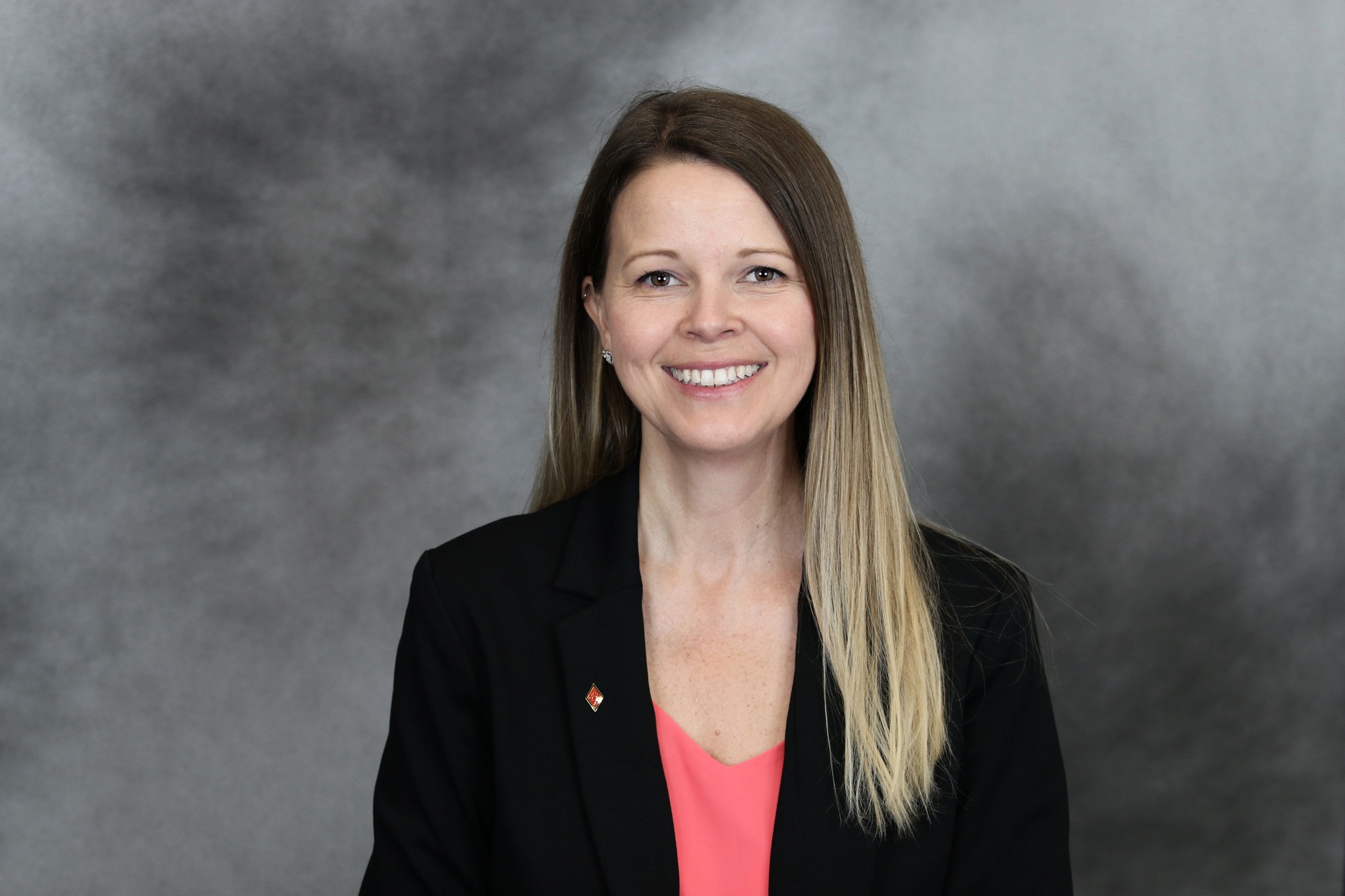
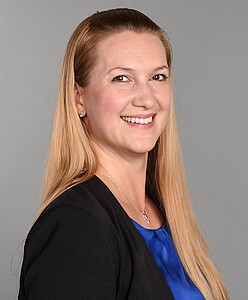
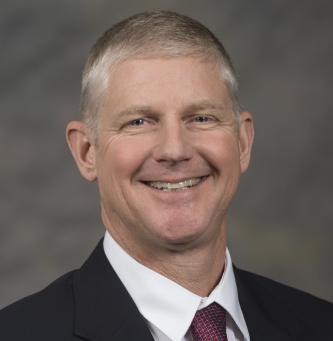
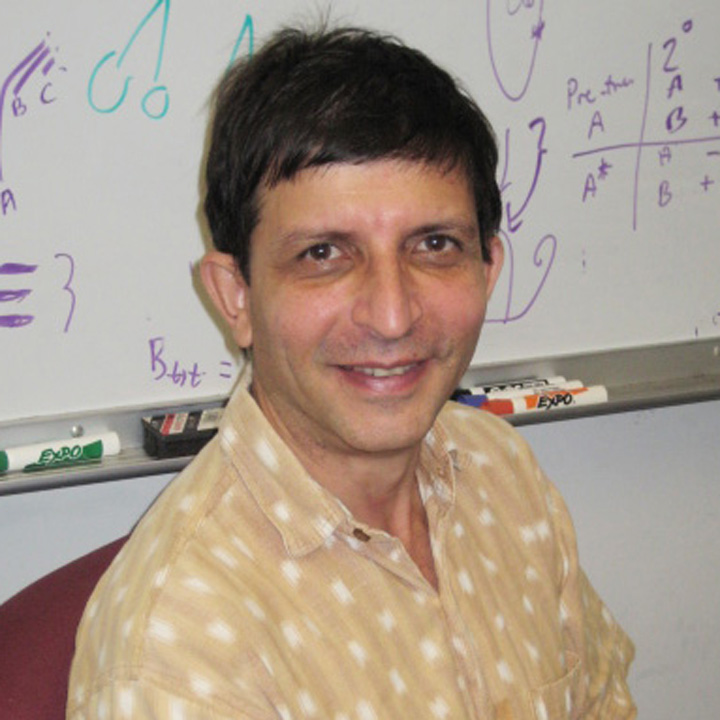
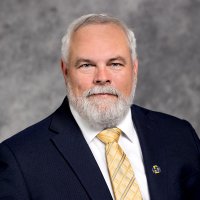
Jillian Bohlen is an Associate Professor at the University of Georgia within the College of Agricultural & Environmental Sciences , specifically the Department of Animal and Dairy Science . Her work focuses on dairy cattle reproduction, teaching, and youth development in agricultural sciences. Education: B.S. in Dairy Science, University of Georgia (2003) M.S. in Dairy Science, University of Georgia (2005) Ph.D. in Animal Sciences, Clemson University (2012) Dr. Bohlen's research emphasizes applied reproduction in cattle , including synchronization techniques, ultrasound applications in reproductive programs, and embryo competency. She integrates students into all research projects despite lacking a formal research appointment. Her teaching interests span dairy cattle production , reproductive management , and contemporary agricultural issues , with courses like ADSC 3620 (Dairy Cattle Production), ADSC 4010 (Issues in Animal Agriculture), and ADSC 4410 (Applied Reproductive Management). Scientific awards include: Student Career Success Influencer Award (2024) Russell Award for Excellence in Undergraduate Teaching (2023) UGA Creative Teaching Award (2022) CAES Early Career Teaching Award (2022) Hoard's Dairyman Youth Development Award (2021) Larry Benyshek Teaching Award (2017) She actively promotes agricultural education through programs like the Commercial Heifer Project , Dairy Cattle Judging , and Dairy Quiz Bowl . Additionally, she participates in funded projects related to methane emissions , heat stress mitigation , and antibiotic alternatives in dairy farming.
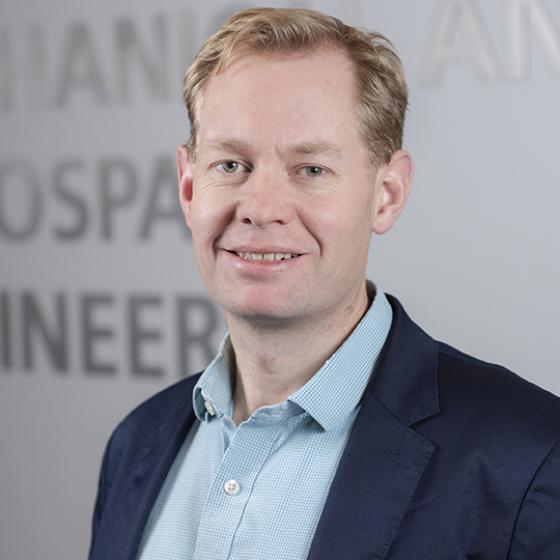
David Erickson is the SC Thomas Sze Director and Sibley College Professor at Cornell University's Sibley School of Mechanical and Aerospace Engineering. He also holds a joint professorship in the Division of Nutritional Sciences. His research focuses on global health technologies, medical diagnostics, microfluidics, photonics, nanotechnology, and energy systems. He previously served as Associate Dean of Engineering for Research and Graduate Programs. Erickson leads the NIH-funded PORTENT Center for Point-of-Care Technologies in Global Health and has co-founded companies like Dimensional Energy and VitaScan to commercialize diagnostic and energy technologies. Education: B.Sc., Mechanical Engineering, University of Alberta (1999) M.A.Sc., Mechanical Engineering, University of Toronto (2001) Ph.D., Mechanical Engineering, University of Toronto (2004) Postdoctoral Scholar, Electrical Engineering, California Institute of Technology (2005) Research Interests: Erickson’s work spans global health diagnostics , nanobio applications , and clean energy innovation . He develops portable medical devices for low-resource settings, including smartphone-integrated diagnostic tools for malaria, iron deficiency, and cancer. His lab also pioneers photothermal reactors for CO2 conversion into sustainable fuels. Key areas include: Point-of-care testing for infectious diseases and nutritional deficiencies Nanofluidic and optofluidic technologies for biomolecular analysis Solar-driven energy systems for carbon-neutral fuels Awards: Presidential Early Career Award for Scientists and Engineers (2011) Fellowships from the Optical Society, ASME, and Canadian Academy of Engineering Carbon X-Prize Finalist (2019) for Dimensional Energy’s CO2-to-fuel technology Grants & Industry Collaboration: Erickson’s research is funded by NIH, NSF, ARPA-E, DOE, and USAID. His lab’s innovations have spun off start-ups addressing global health and energy challenges. Notable projects include: - Portable cancer diagnostics in sub-Saharan Africa using mobile phone-based systems - Solar-powered CO2 conversion reactors tested in Wyoming and Arizona Labs & Teams: The Erickson Lab collaborates with the Cornell Atkinson Center for Sustainability and the McGovern Center for Entrepreneurship. Key initiatives include the PORTENT Center and the Dimensional Energy CO2-to-fuel project.
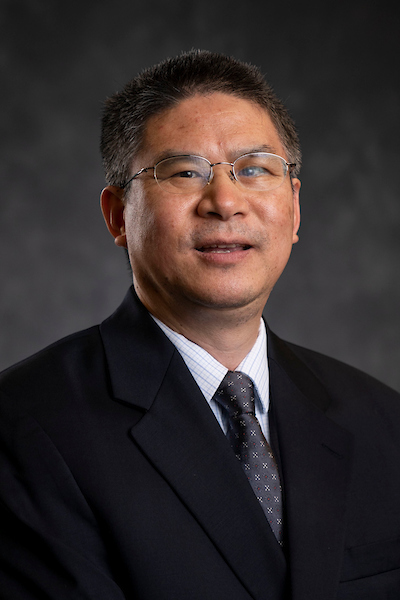
Guoyao Wu is a Distinguished Professor of Animal Nutrition at Texas A&M University's College of Agriculture & Life Sciences, holding dual appointments in the Department of Animal Science and the Graduate Faculty of Nutrition. His expertise spans nutritional biochemistry, protein metabolism, and reproductive physiology. Dr. Wu earned his B.Sc. from South China Agricultural University, M.Sc. degrees from Beijing Agricultural University and the University of Alberta, and a Ph.D. from the University of Alberta, followed by postdoctoral training at McGill University and Memorial University of Newfoundland. His research focuses on amino acid and protein metabolism across molecular, cellular, and whole-animal levels, using models like cattle, pigs, and aquatic species. Key areas include placental nutrient transport, fetal programming, and the role of amino acids in mitigating conditions like sarcopenia and intrauterine growth restriction. He has pioneered studies on glycine, creatine, and citrulline supplementation in livestock and aquaculture. Dr. Wu has received over 15 prestigious awards from China, Canada, and the U.S., including the Thousand-People-Talent Award and Changjiang Scholar Award. He serves on editorial boards of journals like Amino Acids and Frontiers in Bioscience , and teaches graduate courses in protein metabolism. His work bridges basic science and applied nutrition, with implications for improving livestock productivity, human health, and aquaculture sustainability. Current projects address amino acid requirements of companion animals, microgravity effects on metabolism, and placental biology in ruminants.
Nancy E. Levine is a Professor in the Department of Anthropology at the University of California, Los Angeles (UCLA), where she has conducted extensive research on culturally Tibetan societies across Nepal and China. Her work examines how state-sponsored modernization projects impact family structures, community dynamics, and cultural values in highland Asian contexts. Education: Ph.D. in Anthropology, University of Rochester (1978) Research Focus: Professor Levine specializes in socio-cultural anthropology with emphasis on kinship systems, pastoral economies, and gender dynamics. Her fieldwork spans three and a half years in northwestern Nepal studying household economies, followed by investigations into government reform impacts on Western Tibetan agriculturalists and sedentarization effects on nomadic pastoralists in Sichuan and Qinghai Provinces. Current research analyzes resettlement consequences for Tibetan communities adapting to urban life, including shifts in family relationships, cultural values, and health outcomes. Her methodological approach combines demographic analysis with political economy frameworks to document responses to economic scarcity and mortality patterns in pre-modern contexts. Publication Trends: Her 15-year publication trajectory reveals consistent focus on kinship adaptation under political change, with increasing attention to multi-species anthropology and sedentarization impacts. Early work established foundational analyses of polyandry and child care systems, while recent scholarship examines taxation traditions and sibling centrality in pastoralist survival strategies, demonstrating longitudinal engagement with Tibetan societies through periods of dramatic socioeconomic transformation. Advising and Research: Professor Levine mentors graduate students at UCLA with expertise in Himalayan and Central Asian fieldwork. Her research has been supported by grants enabling sustained ethnographic engagement across multiple Tibetan regions, though specific funding sources aren't detailed in available materials. She maintains active scholarly contributions through journal publications and book chapters addressing contemporary challenges in pastoralist communities.
Max Lau is an Assistant Professor in the Department of Biostatistics and Bioinformatics and the Department of Epidemiology at Emory University. His research focuses on integrating machine learning and computational methods with epidemiological and genomic data to study infectious disease dynamics. He teaches courses such as BIOS 790R (Advanced Seminar in Biostatistics) and DATA 534 (Applied Machine Learning). Dr. Lau's work emphasizes scalable Bayesian inference, graph neural networks, and stochastic modeling to address challenges in disease transmission, outbreak control, and pathogen evolution. His recent research includes developing tools like ScITree and Epilearn, and he has contributed to understanding measles dynamics, tuberculosis treatment, and livestock disease management. His academic contributions span over 30 publications since 2010, with a particular focus on phylodynamics, epidemic modeling, and vaccine strategy evaluation. His interdisciplinary approach bridges computational methods with public health applications, aiming to enhance disease prediction and intervention efficacy.
Prof. Dr. habil. Katrin Giller leads the Department of Molecular Nutrition Science (140a) at the University of Hohenheim, Garbenstraße 30, Bio Building I, Room 151, Stuttgart. Her research focuses on livestock nutrition, with specific interests in methane mitigation, antioxidant mechanisms, and metabolic syndrome in agricultural animals. Department: Molecular Nutrition Science (140a) Contact: katrin.giller@uni-hohenheim.de Office Hours: By appointment Her work spans nutritional biochemistry , ruminal fermentation , and sustainable livestock systems , often examining interactions between dietary compounds (e.g., spirulina, polyphenols, n-3 fatty acids) and animal physiology. Recent studies investigate antioxidant gene expression , transgenerational metabolic impacts , and feed efficiency . Current advisees include B.Sc. Viola Gauly, Fernando Giugno, Jana Kornherr, Mira Kühn, Daniel Obermüller, and Helen Pötzsch. The department's website details research projects, teaching events, and publications.
Matteo Bolner is a Post-Doctoral Research Fellow at the University of Bologna's Department of Agricultural and Food Sciences, specializing in livestock genomics and metabolomics. He holds a PhD in Agricultural and Food Sciences (defended March 2025) and an International Master in Bioinformatics from the University of Bologna. His research integrates genomic and metabolomic data to improve livestock sustainability, particularly in pig production systems. Key focuses include identifying metabolic pathways influencing production traits, analyzing pig viromes for disease outbreaks, and leveraging big data for One Health applications. His educational background includes a Biological Sciences degree (2018) and a bioinformatics master's (2021). He interned at CINECA's SCAI department, focusing on HPC software containerization. Current affiliations include membership in the Animal and Food Genomics group, where he explores genomic solutions for breed conservation and sustainable production. Research trends in his articles emphasize multi-omics integration to understand pig metabolism, stress responses, and breed-specific adaptations. He also applies genomics to authenticate food products and enhance conservation strategies for endangered livestock breeds like the Mora Romagnola pig. His work bridges animal science, computational biology, and agricultural sustainability. Notable contributions include developing genomic tools for honey bee population analysis and creating a catalog of mitochondrial insertions in pig genomes. Future directions involve advancing metabolomics-based precision livestock farming and applying big data analytics to livestock One Health challenges.
Dr. Alexandre Marques is an Assistant Professor at the University of Southern Mississippi. His expertise spans Microbiology, Immunology, and Parasitology, with a focus on vaccine development against parasitic infections like Leishmaniasis, Chagas disease, and Malaria. He holds a PhD from the Universidade de São Paulo (2007) and teaches courses such as Gen Microbiology and Microorg Hth Di at the university. His research integrates immunological, clinical, and molecular approaches to understand parasitic disease mechanisms and therapeutic interventions. Notable areas include α-Gal immunization strategies, transcriptomic analysis of breast cancer, and vaccine design against Leishmania. He has also explored applications in aquaculture nutrition and cosmetic safety assessments. Dr. Marques’ work spans interdisciplinary collaborations, including veterinary medicine, nanotechnology-based drug delivery, and antimicrobial stewardship in pediatrics. His contributions to animal models for Chagas disease and canine visceral leishmaniasis highlight translational research impact. Key themes in his publications include immune response modulation, pathogen-host interactions, and biomarker discovery in chronic infections. He has published over 50 articles across microbiology, immunology, and biomedical engineering since 2007.
Mahipal Singh is a Professor of Animal Biotechnology and Coordinator of the Animal Science Undergraduate Program at Fort Valley State University (FVSU), where he is affiliated with the College of Agriculture, Family Sciences and Technology and the Department of Agricultural Sciences. He has been at FVSU since 2000 in various capacities, progressing from Adjunct Biology/MPH Graduate Faculty to his current position as full Professor since 2019. Dr. Singh earned his educational credentials in India: a B.S. (Hons) in Zoology from Meerut College (1978), an M.S. in Zoology from the Institute of Advanced Studies, Meerut University (1983), and a Ph.D. in Zoology-Microbiology from Banaras Hindu University, Varanasi (1989). His academic journey included prestigious appointments such as International Visiting Fellow at the National Institute of Child Health and Human Development, NIH (1991-1993) and Postdoctoral Fellow at the Medical University of South Carolina (1989-1991). His research focuses on cutting-edge areas of animal biotechnology, particularly in postmortem cell recovery, genome editing in livestock, and myostatin gene targeting. Dr. Singh has pioneered work demonstrating that individual cells remain viable in mammalian tissues for much longer periods after death than previously believed, with applications for cellular therapies and germplasm preservation. His work with CRISPR/Cas technology aims to reduce milk allergens and mastitis in goats, while his myostatin research seeks to enhance muscular mass in meat goats for agricultural applications. Analysis of his recent publications reveals a consistent focus on cellular viability after death across multiple livestock species (cattle, goats, sheep), with particular attention to temperature effects and storage conditions. His work bridges basic cellular biology with practical agricultural applications, demonstrating how fundamental discoveries about postmortem cellular life can translate into biotechnological advances for livestock preservation and improvement. USDA-ARS 1890 Faculty Research Fellowship Award (2017) STEM Research Excellence Award, Fort Valley State University (2014-15) Multiple student research presentation awards at FVSU Annual Research Day symposiums Best Poster Award at National Symposium on Biotechnology, CIMAP, Lucknow, India (1999) Fogarty International Visiting Fellowship at NIH (1991-93) Dr. Singh has supervised an impressive 38 students across multiple educational levels, including 4 PhD, 13 MS, 7 BS, 8 HS, and 6 middle school students. His research has been supported by USDA-ARS, USDA-NIFA programs, and various other grants. He serves on multiple editorial boards, grant review panels, and university committees, and is an active member of professional societies including the American Society of Animal Science and Society for In Vitro Biology. Based in the Stallworth Biotechnology Building at FVSU, Dr. Singh leads research projects that bridge molecular biology with practical agricultural applications, working collaboratively with researchers from USDA-ARS, University of Illinois, University of Maryland, and other institutions to advance animal biotechnology and improve livestock production systems.
Maria Camila Ceballos Betancourt is an Assistant Professor (Teaching & Research) in Beef Cattle Welfare at the Faculty of Veterinary Medicine , University of Calgary . She holds a Ph.D. and M.Sc. in Animal Welfare and Behaviour from São Paulo State University (UNESP) , Brazil, and a B.Sc. in Animal Science from National University of Colombia . Her research focuses on animal welfare , human-animal interactions , and cattle temperament , with an emphasis on livestock handling practices and sustainable production systems . Education: B.Sc. in Animal Science, National University of Colombia (2010) M.Sc. in Animal Welfare and Behaviour, UNESP (2014) Ph.D. in Animal Welfare and Behaviour, UNESP (2017) She teaches VETM322: Animal Welfare and Behaviour annually since 2020. Her research integrates animal behavior , physiological and reproductive performance measures , and applied handling interventions . Recent publications address grimace scales for pain assessment , human-animal dynamics in livestock systems , and technological innovations for piglet monitoring , reflecting her interdisciplinary approach between agricultural science , veterinary medicine , and behavioral neuroscience . Her work spans continents, including internships at the Animal Welfare Science Centre (University of Melbourne, Australia) and postdoctoral research at the University of Pennsylvania (USA). While no formal awards are listed, her research has been highlighted in media outlets like Canadian Cattlemen’s The Beef Magazine and CBC Calgary .
Richard Crooijmans is an Associate Professor at Wageningen University & Research in the field of Animal Breeding and Genetics. With over 363 research outputs and 50 datasets, his work spans genomics, genetic divergence, and livestock breeding. Research interests include: Genomics and Whole Genome Sequencing Animal Genetics and Breeding Programs Genetic Variability and Marker-Assisted Selection Recent publications in 2025 focus on probiotic effects on broiler breeders, pig mutation rates, and genomic selection in Holstein cattle. His projects involve advising PhD candidates in areas like ethical egg industry development and milk composition genetics. Current advising : Fotowatikha Someeserai (PhD, ethical egg industry) Zhuang Z. (PhD, epigenomic regulatory elements) Gao J. (PhD, genomic data analysis) Media contributions include genetic research on Dutch chicken breeds and aurochs extinction.
Shannon Neibergs is an academic professional at Washington State University (WSU), serving as Director of the Western Center for Risk Management Education and Extension Specialist in the School of Economic Sciences. She holds a Ph.D. in Agricultural Economics from Texas A&M University (1993), an M.A. in Agricultural Economics from WSU (1987), and a B.S. in Animal Science from WSU (1983). Her research focuses on livestock production economics, auction market dynamics, and agribusiness employment strategies, with significant contributions to risk management education and sustainable agriculture. Notable honors include NACAA National and Regional Finalist awards for team newsletters (2010, 2008), a Faculty Member of the Year Award (University of Louisville, 1997), and multiple annual evaluation awards for service and research excellence. Her work bridges academic research with practical extension programs, addressing challenges in beef production systems, genomic selection tools, and rangeland management. Risk Management Education: Leads initiatives to help farmers navigate market uncertainties and policy changes. Livestock Economics: Specializes in production costs, crossbreeding impacts, and disease management economics. Regional Agriculture: Analyzes economic contributions of Washington's beef and dairy sectors through input-output models. Her advisory and collaborative efforts include managing the Western Center for Risk Management and contributing to the Beef Risk Control (BRD CAP) project. She collaborates with ranchers and policymakers to enhance agricultural resilience. Active in interdisciplinary teams such as the IMPACT Center and Transportation Research Group, her work emphasizes translating research into actionable solutions for agricultural stakeholders.
Rustom Antia is the Samuel C. Dobbs Professor in the Department of Biology at Emory University, affiliated with the Emory College of Arts and Sciences. His research focuses on the quantitative analysis of pathogen dynamics, immune responses, and evolutionary biology using mathematical models and experimental collaborations. He leads the Antia Lab (located in Rollins 1164), working closely with experimental immunologists like Dr. Rafi Ahmed at Emory. Education: Ph.D., University of Massachusetts (1990); MSc, Indian Institute of Technology (1983). His research interests include population biology, computational biology, and the evolutionary interactions between pathogens and hosts. He explores how immune memory shapes viral evolution and transmission, with recent emphasis on SARS-CoV-2, influenza, and dengue viruses. Key research themes include modeling immune responses to vaccines, understanding antibody waning and viral escape, and developing transmissible vaccines for disease control. His work integrates experimental data with theoretical frameworks to predict outbreak dynamics and inform public health strategies. Notable collaborations include studies on CD8+ T cell-mediated immunity in respiratory infections, the role of menstrual cycles in immune surveillance, and immune dysfunction in autoimmune diseases like SLE. His lab’s contributions span from basic immunology to translational applications in vaccine design and cancer therapy.
Lorin D. Warnick is currently serving as the Austin O. Hooey Dean of Veterinary Medicine at Cornell University College of Veterinary Medicine. He is a tenured Professor in the Department of Population Medicine and Diagnostic Sciences, where his research focuses on the epidemiology of Salmonella infections and antimicrobial resistance in enteric bacteria affecting both domestic animals and humans. A key contributor to Cornell's response to the COVID-19 pandemic, he has led research on SARS-CoV-2 diagnostic testing and campus outbreak dynamics. Education : B.S. in Microbiology (1984) from Brigham Young University DVM (1988) from Colorado State University Ph.D. in Veterinary Medicine (Epidemiology) and Statistics from Cornell University (1994) Professional Experience : Assistant Professor (1994-1996) at Virginia-Maryland Regional College of Veterinary Medicine Assistant/Associate Professor (1996-2008) and Professor (2008-present) at Cornell University Section Chief in Ambulatory and Production Medicine (1997-1999) Research Interests span veterinary epidemiology, antimicrobial resistance, foodborne pathogens, and public health. His work connects animal and human health through One Health frameworks, particularly in Salmonella transmission dynamics between dairy cattle and humans. He has pioneered surveillance systems for infectious diseases, including the model used during Cornell's COVID-19 response. Scientific Awards include: Phi Zeta Veterinary Honor Society (1987) Phi Kappa Phi Honor Society (1988) Honorary Diploma from American Veterinary Epidemiology Society (2018) One Cornell Award for Leadership in Pandemic Testing (2021) Advising and Grants highlight his role in mentoring students and leading interdisciplinary research teams. His grants focus on antimicrobial resistance mitigation, dairy calf health, and pandemic response infrastructure. He has collaborated extensively with institutions like USDA and CDC on foodborne disease research. Labs and Collaborations include leadership in Cornell's Veterinary Diagnostic Laboratories and contributions to the American College of Veterinary Preventive Medicine. His work integrates epidemiological modeling, microbiome analysis, and policy development for sustainable agricultural practices.
Dr. Joseph Cassady serves as the South Dakota Corn Endowed Dean of the College of Agriculture, Food and Environmental Sciences at South Dakota State University (SDSU). Previously, he held the rank of Professor and Head of the Department of Animal Science at SDSU (2013–2022) and North Carolina State University (2001–2013). His research focuses on food animal genetics and genomics, particularly improving production efficiency in swine and beef cattle. Education: B.S. in Animal Science (Iowa State University, 1993), M.S. and Ph.D. in Animal Science (University of Nebraska-Lincoln, 1995 and 1999). Professional roles include past-president of the National Swine Improvement Federation and executive director of the Beef Improvement Federation (2009–2015). Research emphasizes genetic and genomic advancements to enhance livestock productivity, with notable work on heat stress mitigation, swine behavior, and genomic selection in cattle. Awards include the 2019 Harold and Barbara Bailey Award for Academic Leadership and recognition for service to the Beef Improvement Federation. Administrative responsibilities include leading the College of Agriculture, Food and Environmental Sciences, overseeing accreditation processes, and participating in industry boards such as the South Dakota Poultry Industries Association and American Angus Foundation. Key research themes span animal genomics, livestock environmental adaptation, and precision agriculture. Over 150 peer-reviewed publications address topics like swine feeding behavior, cattle genetics, and genomic tools for improving meat quality and production efficiency.