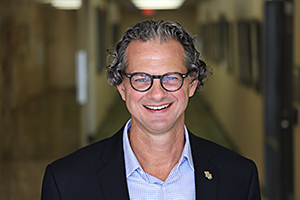
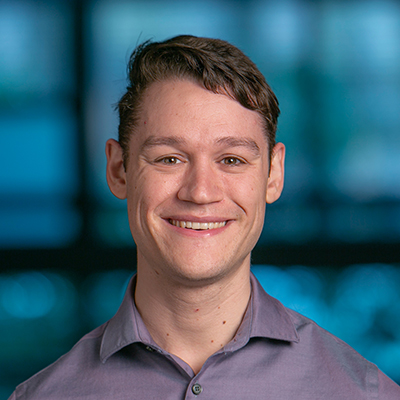
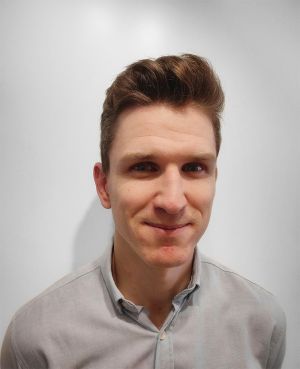
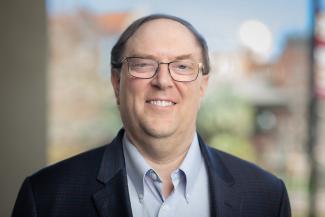
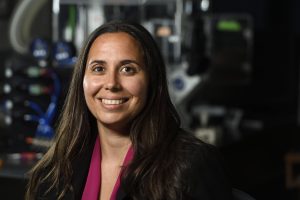
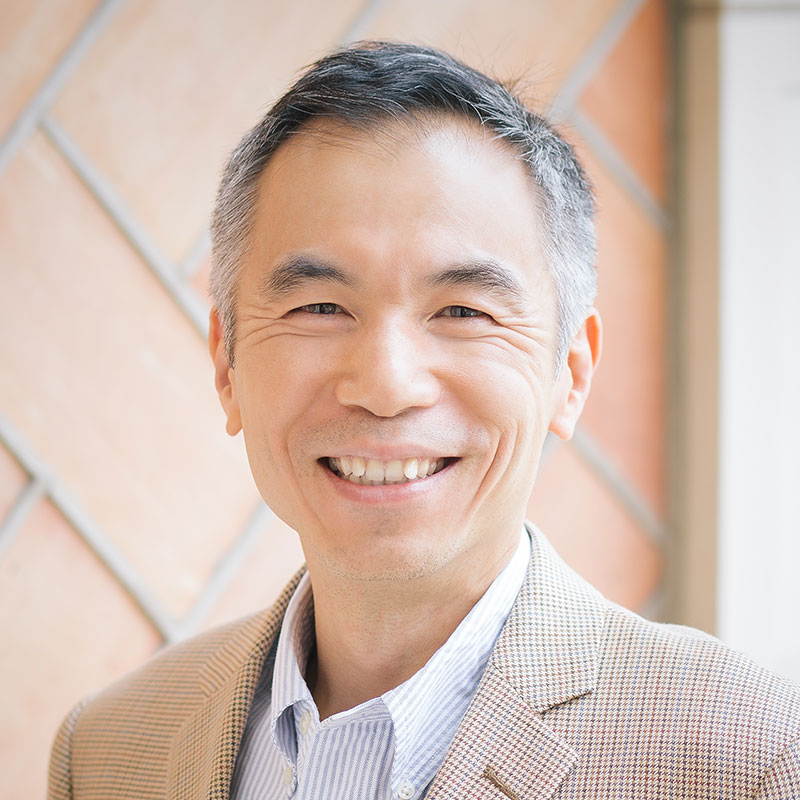
Jon Singletary serves as Dean and holds the Diana R. Garland Endowed Chair of Child and Family Studies at Baylor University's Diana R. Garland School of Social Work. He joined Baylor in 2003 after earning his PhD in Social Work from Virginia Commonwealth University (VCU), alongside an MSW from VCU and MDiv from Baptist Theological Seminary. His career includes prior roles as Associate Dean (2010–2015) before becoming Dean in 2015. Before academia, Singletary worked as a pastor, community organizer, and social service administrator. His research focuses on strengthening congregational ministries, community development, and advocacy for vulnerable populations. Notable projects include launching the Texas Hunger Initiative and directing the Strengthening Congregational Community Ministries Project. He co-founded the Faith and Service Technical Education Network (FASTENnetwork.org) to bridge faith-based organizations and social service sectors. His publications explore spirituality's role in social work, faith-based program development, and community organizing strategies. Recent work examines career resilience among professionals in aging care and leadership development through Enneagram frameworks. Earlier research addressed child food security, orphan care in Kenya, and rural community capacity building. Singletary's leadership emphasizes integrating faith and practice, evidenced by his edited volumes on Christianity and social work, and his advocacy for competency-based education models. He holds leadership roles in national organizations like the North American Association of Christians in Social Work and has advised global initiatives in Africa.
Roger Boltshauser is a Full Professor and Deputy Head at the Department of Architecture, ETH Zurich. His practice and academic work emphasize tectonic building culture, proportion, and material experimentation, diverging from mainstream German-Swiss architectural trends. He combines teaching with active architectural practice, influencing younger generations at ETH and TU Wien. Key themes: Tectonic structures, grid-based order, social responsibility in architecture, critique of modernist canons Notable projects: Hochhaus H1 Zwhatt-Areal (2025), Masterplan Zoo Basel (2025), Centre for Dental Medicine Zurich (2025) His buildings prioritize mass and permanence , evident in projects like the Kopfholz School and Rauch House . Recent works at the EPFL Solar Biennale (2025) and Architecture of Memory exhibition (2025) explore sustainable design and cultural narratives. Boltshauser’s studio on Dubsstrasse exemplifies research into load-bearing structures and urban spatial relationships.
Andrew Head is an Assistant Professor at the University of Pennsylvania in the Computer and Information Science department. His research focuses on human-computer interaction, programming, and reading, particularly in developing technology for interactive reading and reasoning. He advises PhD students Alyssa Hwang, Hita Kambhamettu, Litao Yan, Jeffrey Tao, and Jessica Shi, and co-leads the Penn Human-Computer Interaction (Penn HCI) group with Danaé Metaxa. His work is published in top venues like ACM CHI, UIST, and ICSE. Research Interests: Andrew's work bridges interactive systems with programming environments, aiming to enhance how scientists and programmers interact with their tools. Key areas include AI-assisted code understanding, math notation accessibility, and medical note interpretation through interactivity. He employs user studies to identify needs and builds interactive systems to address them. Recent Article Trends: His publications emphasize systems-centric HCI approaches, integrating AI into code and document interfaces. Topics span code explanation (e.g., Ivie), property-based testing (e.g., Tyche), math notation augmentation (e.g., FreeForm), and medical informatics (e.g., Explainable Notes). Recent work also explores notebook environments (e.g., Bolt-on, Tyche) and literate programming (e.g., Colaroid). Scientific Awards: Distinguished Paper Award, ICSE 2024 Best Paper Awards at CHI (2024, 2023, 2022, 2019), UIST (2023, 2018), and others. Nominated for Best Paper at CHI 2023 and VL/HCC 2015. Advising & Grants: Andrew advises multiple PhD students and has secured significant grants, including a $1M NSF award for 'Property-based Testing for the People' (2024). His group collaborates with Penn’s MindCORE center and teams like PLClub and PennNLP. Labs & Teams: He co-leads the Penn HCI group, which works closely with other Penn research teams and labs. The group focuses on creating interactive tools that enhance scientific and programming workflows, supported by grants and cross-institutional partnerships.
Gerard A. Ateshian is the Andrew Walz Professor of Mechanical Engineering and Professor of Biomedical Engineering at Columbia University, where he has been a faculty member since 1991. He also served as Chair of the Department of Mechanical Engineering from 2011 to 2014 and is the founding director of the Musculoskeletal Biomechanics Laboratory (MBL), established in 1996. Education: BS (1986), MS (1987), MPhil (1990), and PhD (1991) in Mechanical Engineering from Columbia University. Research Interests: Professor Ateshian's research focuses on the mechanics of soft biological tissues , particularly articular cartilage . His work integrates theoretical, experimental, and computational approaches to understand cartilage lubrication, tissue engineering, and growth and remodeling in living tissues. He has extended continuum mechanics frameworks to model complex biological phenomena such as mass transport, osmotic effects, and reactive mechanics in tissue mixtures. His recent efforts include developing open-source computational tools (FEBio) and translating research into clinical treatments for osteoarthritis . Scientific Awards: H.R. Lissner Medal, ASME (2017) OARSI Basic Science Award (2013) Columbia Engineering Alumni Association Distinguished Faculty Teaching Award (2012) Great Teacher Award, Society of Columbia Graduates (2002) YC Fung Young Investigator Award, ASME (1997) Fellow: ASME, BMES, AIMBE Advising and Mentorship: Professor Ateshian has advised numerous PhD students, including recent graduates Vince Sise and Katherine Spack , who completed their dissertations on cartilage fatigue and osteochondral allografts, respectively. His lab actively mentors students from both Mechanical and Biomedical Engineering programs. Laboratory and Collaborations: He directs the Musculoskeletal Biomechanics Laboratory (MBL) , which collaborates closely with the Cellular Engineering Laboratory of Prof. Clark Hung and with Dr. Jeffrey Weiss at the University of Utah on computational modeling (FEBio). He also collaborates with Columbia University Medical Center faculty on clinical translation of cartilage research.
Dr. Yi-Feng Chen is a Research Assistant Professor and Master's Supervisor in the Department of Biomedical Engineering at the Southern University of Science and Technology (SUSTech) in Shenzhen, China. He joined SUSTech as a postdoctoral fellow in November 2020 and was promoted to Research Assistant Professor in February 2023. His academic journey includes interdisciplinary training across engineering, neuroscience, and biomedical applications. Dr. Chen's educational background includes: Ph.D. in Engineering from Wuhan University of Technology (2014-2017), supervised by Professor Quan Liu M.Sc. from Wuhan University of Technology (2011-2014), supervised by Professor Zhou Zude B.Sc. from Wuhan University of Technology (2007-2011) He also participated in exchange programs at Yuan Ze University in Taiwan (2012) and the University of Auckland in New Zealand (2015). Dr. Chen's research spans the intersection of biomedical engineering, neuroscience, and artificial intelligence, with particular focus on brain-computer interfaces and rehabilitation technologies. His work combines advanced signal processing techniques with clinical applications, especially in decoding neural signals for movement intention and monitoring brain states during anesthesia. His research has significant implications for neurorehabilitation, assistive technologies, and intraoperative neurophysiological monitoring. His recent publications demonstrate a clear trajectory toward increasingly sophisticated neural decoding techniques, with a focus on coordinated limb movements and practical rehabilitation applications. The work shows progression from basic EEG signal processing to complex bimanual movement decoding and robot-assisted rehabilitation systems, reflecting a translational research approach from basic science to clinical applications. Dr. Chen has secured significant research funding as principal investigator and core contributor on multiple projects: National Natural Science Foundation of China Youth Science Fund Project (2024-2026) Guangdong Natural Science Foundation General Project (2024-2026) Ministry of Science and Technology National Key R&D Program Project (2023-2026) Shenzhen Science and Technology Innovation Commission Key Project (2022-2025) As a Master's Supervisor, Dr. Chen mentors graduate students in biomedical engineering with focus on neural engineering and rehabilitation robotics. His laboratory collaborates closely with clinical partners to ensure research relevance to real-world medical challenges, particularly in neurorehabilitation and intraoperative monitoring.
Professor Lisa Strohschein holds dual roles as a Professor in the Sociology Department and Director of Undergraduate Programs at the University of Alberta's Faculty of Arts. Her research focuses on family dynamics and health inequalities, employing longitudinal methodologies to analyze large datasets. She teaches courses on health sociology, mental illness, and socialization, emphasizing sociological perspectives on health distribution and care systems. Her research interests include the interplay between socioeconomic factors and mental health, gender disparities in marital outcomes, and generational shifts in parenting practices. She has published extensively on topics like teen pregnancy correlates, poverty dynamics, and the mental health implications of family structures. Strohschein has received the 2019-20 Killam Annual Professorship and serves as Editor-in-Chief of Canadian Studies in Population, a peer-reviewed journal focusing on demographic research. She also contributes to policy through roles like membership in Statistics Canada's Demographic Statistics Advisory Committee and past presidency of the Canadian Population Society. Her scholarly work bridges theoretical frameworks (life course, stress process theory) with methodological rigor, often using growth curve models and competing risks analysis. Current research trends emphasize cross-national comparisons and applied policy relevance, particularly in understanding how family transitions impact health across the life course.
Rafał Jończyk is an Assistant Professor at the Department of Pragmatics, Faculty of English, Adam Mickiewicz University in Poznań, Poland, where he conducts research at the intersection of psycholinguistics, affective neuroscience, and bilingualism. His work primarily investigates how emotional processing differs between native and second languages using neurophysiological methods, particularly EEG. With a Ph.D. in English Linguistics from Poznań (2015) and postdoctoral experience at Pennsylvania State University, he has established himself as a leading researcher in bilingual emotional processing. His research interests span Affective Neuroscience , Experimental Pragmatics , Psycholinguistics , Bilingualism and Emotion , and the Neurophysiology of Creativity . His methodology heavily relies on EEG to examine language processing, with particular focus on emotional language comprehension and production in bilingual contexts. His work has demonstrated how bilinguals process emotional content differently in their native versus second languages, revealing reduced sensitivity to negative content in the second language. Jończyk's research program has evolved from early work on hemispheric specialization for emotional words to sophisticated EEG studies of emotional anticipation and metaphor processing in bilinguals. His most recent work explores hyperscanning methodologies to study real-time bilingual communication and the neural correlates of creative thinking in bilingual contexts. His publications show a clear progression from foundational studies of emotional word processing to increasingly complex investigations of emotional communication in naturalistic contexts. Cognitive Neuroscience Society Post-doctoral Fellows Award (2018) START scholarship for most talented young Polish scientists (2018) Scholarship from the Minister of Science and Higher Education (2020) Travel Grant Award for International Symposium on Bilingualism (2013) As Principal Investigator, Jończyk leads two major National Science Center projects examining psychophysiological correlates of affective language processing in bilinguals (2016-2018) and neurophysiological correlates of emotional speech production in bilingualism (2021-2025). He also participates in multiple international collaborations including NSF-funded research on divergent thinking in engineering education. His editorial roles include Topic Editor for Brain Sciences and Associate Editor for Applied Psycholinguistics, reflecting his standing in the field. He teaches courses in Psycholinguistics, Emotions in Social Communication, and Creativity and Language at the university level.
Laverne Jacobs, PhD, is a Full Professor at the University of Windsor's Faculty of Law where she holds the Research Chair in Disability Equality & Administrative Justice. She serves as the founder and Director of the Law, Disability & Social Change Project, a research and public policy center dedicated to fostering inclusive communities. Notably, Professor Jacobs was elected to the United Nations Committee on the Rights of Persons with Disabilities in 2022, becoming the first Canadian to serve on this UN Human Rights Treaty Body. She also serves as Co-Director of the Disability Rights Working Group at Berkeley Law's Center for Comparative Equality & Anti-Discrimination Law and previously held the position of Associate Dean (Research & Graduate Studies) for the Faculty of Law from 2018-2021. B.A. (Honours), McGill University, 1994 LL.B., McGill University, 1999 B.C.L., McGill University, 1999 Ph.D., Osgoode Hall Law School, York University, 2009 Professor Jacobs' research sits at the intersection of disability equality law and administrative law and justice, characterized by an interest in the everyday work of the administrative justice system and the lived experiences of people who use it, particularly persons with disabilities. Her work spans disability rights, administrative justice, human rights law, socio-legal theory, and empirical research methodologies. She has made significant contributions to understanding accessibility legislation, transportation inequality, post-secondary education access for students with disabilities, and the implementation of disability equality principles in administrative decision-making. Her scholarship bridges theoretical legal frameworks with practical applications, emphasizing citizen participation in policy development and the importance of inclusive design in legal systems. Analysis of Professor Jacobs' recent publications reveals a consistent focus on how administrative law can better serve persons with disabilities through inclusive design and accessible processes. Her work demonstrates growing attention to intersectional issues, particularly how women with disabilities experience administrative systems, and increasingly examines the implementation challenges of accessibility legislation across Canadian jurisdictions. She frequently employs empirical research methods to ground her legal analysis in real-world experiences of marginalized communities. Scientific Awards and Honors: Canadian Bar Association Touchstone Award (2021) Canadian Association of Law Teachers (CALT) Academic Excellence Award (2022) Hummingbird Award from the Disabled Women's Network of Canada (DaWN), 2022 Election to the United Nations Committee on the Rights of Persons with Disabilities (2022) Professor Jacobs has held significant leadership roles including service on the Board of Directors of the Income Security Advocacy Centre and the Canadian Institute for the Administration of Justice. Through her role as Director of the Law, Disability & Social Change Project, she has secured research funding to support policy-relevant scholarship on disability rights and administrative justice. Her work has influenced accessibility legislation development across Canada, particularly through her annotated version of the Accessible Canada Act. She provides expert consultation to government bodies and international organizations on disability rights implementation. The Law, Disability & Social Change Project serves as Professor Jacobs' primary research hub, bringing together interdisciplinary scholars, disability advocates, and policy makers to develop practical solutions for creating more inclusive legal and administrative systems. The project has produced numerous research reports, policy briefs, and public resources that translate academic research into actionable recommendations for improving accessibility and disability equality in Canadian society.
Thomas R Overton serves as Department Chair and Professor of Dairy Nutrition and Management in the Department of Animal Science at Cornell University's College of Agriculture and Life Sciences (CALS). He also directs PRO-DAIRY, an extension program focused on enhancing dairy farm profitability and efficiency in New York through research-based strategies for transition cow management. Education: Doctorate, University of Illinois, 1998 Master of Science, University of Illinois, 1994 Bachelor of Science, Cornell University, 1991 Dr. Overton's research centers on the transition period (late pregnancy to early lactation) in dairy cows—the most critical phase for health and productivity. His work integrates nutritional physiology with practical farm applications, targeting hypocalcemia management, protein supplementation strategies, inflammation control, and biomarker validation for metabolic health. This research directly informs his extension efforts through PRO-DAIRY, which delivers actionable knowledge to dairy producers and industry professionals. Analysis of his 15 most recent publications (2022-2024) reveals consistent emphasis on transition cow nutrition, with growing focus on metabolic analytics, precision feeding, and real-world herd management. His work bridges controlled studies at Cornell's Ruminant Center with observational research on commercial New York dairy farms. Scientific Awards: 2024 Nutrition Professionals Applied Dairy Research Award (American Dairy Science Association) 2010 CALS Extension/Outreach Team Award (PRO-DAIRY) 2007 Foundation Scholar Award (American Dairy Science Association) 2007 CALS Extension/Outreach Team Award Dr. Overton advises undergraduate and graduate students in Animal Science while leading PRO-DAIRY's extension initiatives. His program secures industry partnerships and grants focused on improving dairy farm sustainability through nutritional science. The July 2025 'Farm of the Future' showcase at Cornell's Ruminant Center exemplifies his commitment to translating research into practical innovation. He operates within Cornell's PRO-DAIRY program and the Cornell University Ruminant Center—a living laboratory for dairy technology testing—collaborating closely with industry stakeholders to address emerging challenges in dairy production.
Todd Adams is a Professor in the Department of Physics at Florida State University . He leads research in particle physics (high energy experiment) with the CMS Experiment at CERN and previously the D0 Experiment at Fermilab , focusing on searches for new physics in underexplored datasets through long-lived particles , machine learning techniques , and charged particle detection . Education : PhD in Experimental Particle Physics from University of Notre Dame (1997); Postdoctoral researcher at Kansas State University (1997-2001) His research includes electromagnetic calorimeter studies for CMS, calorimeter upgrade investigations , and Monte Carlo simulation leadership for D0. He pioneered searches for neutral long-lived particles and top quark decay anomalies , co-authored key publications in Physical Review Letters and Journal of High Energy Physics , and served as Faculty Senate President and Board of Trustees member at FSU. Notable affiliations include: Collaborations : CMS, D0, NuTeV, NuSOnG Laboratories : CERN (Geneva), Fermilab (Chicago), Florida State High Energy Physics Group Key contributions: Co-convenor of D0 Monte Carlo Simulations and New Physics Signatures groups Expert in heavy quark production , dimuon analysis , and neutral current studies Publications on Higgs boson discovery implications, supersymmetry , and anomalous gauge couplings Scientific Awards : Fellow, American Association for the Advancement of Science Multiple Fermilab Result of the Week highlights (2006, 2008, 2013) Contributor to CMS Thesis Award Committee He advises graduate students in experimental particle physics and contributes to detector technology development, particularly in timing studies , calibration , and trigger systems . His research program will continue through the LHC's 2035 operations with ongoing CMS data analysis.
Professor Sara Baker is a Professor of Developmental Psychology and Education at the University of Cambridge's Faculty of Education and a Fellow at Darwin College, where she served as Vice Master from 2021-2024. She is also a 2022 Senior Fellow in the Science of Learning with UNESCO-IBE/IBRO. Her work bridges cognitive science and educational practice, focusing on how children develop executive functions and self-regulation skills. Baker leads the Early Years Library project, co-founded the Research Centre for Play in Education, Development and Learning (PEDAL), and is a founding member of the Global Executive Functions Initiative. Sara Baker specializes in the science of learning, with research aimed at improving children's lives by identifying factors at home and school that support their agency over learning. Her work emphasizes developing executive functions and self-regulation through playful learning approaches. She uses lab-based experiments and collaborates with educators to translate cognitive science research into educational contexts. Her research spans multiple countries including the UK, USA, Mexico, Denmark, Slovakia, South Korea, Ghana, Rwanda, Nigeria, Kenya, South Africa, and more, reflecting a strong commitment to culturally relevant and globally applicable educational practices. Analysis of Professor Baker's recent publications reveals a strong focus on executive functions, self-regulation, and playful learning across diverse cultural contexts. Her work increasingly addresses cultural adaptation of assessment tools and educational practices, particularly for Global Majority countries. There's a clear trajectory from basic cognitive research toward practical applications in educational settings, with growing emphasis on teacher training, culturally relevant assessment, and the role of play in early childhood development. Her interdisciplinary approach connects developmental psychology, educational theory, and practical classroom applications. 2022 Senior Fellow in the Science of Learning with UNESCO-IBE/IBRO Professor Baker leads the doctoral program in the Faculty of Education and serves as an Academic Project Director in the School of Humanities and Social Sciences. She is the Cambridge academic lead on the Close the Gap partnership between Cambridge and Oxford, focused on postgraduate widening participation. Her research has been funded by prestigious organizations including the Newton Trust, Cambridge Humanities Research Grant, Economic and Social Research Council, LEGO Foundation, Nuffield Foundation, and Office for Students/Research England. She actively supervises doctoral students and seeks highly motivated candidates for October 2026 entry whose research aligns with her focus areas. Professor Baker co-founded and is actively involved with the Research Centre for Play in Education, Development and Learning (PEDAL), which investigates how children's play affects their development. She leads the Early Years Library project, a curated collection of evidence-based practices for early years educators, and is a founding member of the Global Executive Functions Initiative. Her work with the Connections international professional learning network focuses on self-regulation, while the Close the Gap project addresses widening participation in postgraduate education between Oxford and Cambridge.
Peter A. Flach is Professor of Artificial Intelligence at the Intelligent Systems Laboratory, School of Computer Science, University of Bristol, where he has been faculty since 1997 and was promoted to Professor in 2003. He currently directs the UKRI AI Centre for Doctoral Training in Practice-Oriented Artificial Intelligence and serves as Vice-President of the European Association for Data Science (EuADS), having previously served as its President. His research centers on rigorous evaluation and improvement of machine learning systems, with seminal contributions to classifier calibration (including Beta Calibration and Precision-Recall-Gain curves), explainable AI frameworks, and data science methodology. He pioneered the extension of CRISP-DM to data science trajectories and developed Explainability Fact Sheets for systematic assessment of XAI approaches. His work bridges theoretical foundations with practical deployment in real-world systems. Analysis of his recent publications reveals a dominant focus on interpretable and reliable machine learning, with strong emphasis on performance evaluation metrics, model calibration techniques, and human-centered explainability. His research increasingly addresses healthcare applications through projects like SPHERE and clinical decision support systems, while maintaining core contributions to fundamental ML theory. His scientific recognition includes prestigious fellowships: Fellow of the European Lab for Learning and Intelligent Systems (ELLIS) Fellow of the European Association for Artificial Intelligence (EurAI) Professor Flach has secured major research funding including UKRI Centre for Doctoral Training grants and EU network funding (TAILOR). He leads extensive collaborations across Engineering, Population Health Science, and international institutions (Monash University, Polytechnic University of Valencia), plus over 20 industry partners in the Practice-Oriented AI CDT including LV= and QinetiQ. His work with the SPHERE project demonstrates successful translation of AI research into residential healthcare settings. He leads the Intelligent Systems Laboratory at Bristol, which develops influential open-source tools including the FAT Forensics Python toolbox for algorithmic fairness and the Explainability Fact Sheets framework. His lab maintains strong connections with the European AI community through ELLIS and EurAI, positioning Bristol as a hub for human-centered and methodologically rigorous AI research.
Rebecca Schulman is an Associate Professor in the Department of Chemical and Biomolecular Engineering at the Whiting School of Engineering, Johns Hopkins University. She holds secondary appointments in Chemistry and Computer Science and is affiliated with multiple interdisciplinary institutes, including the Institute for NanoBioTechnology, the Hopkins Extreme Materials Institute, the Chemistry-Biology Interface Program, the Center for Cell Dynamics, and the Laboratory for Computational Sensing and Robotics. She currently co-directs the Passport to Future Technology Leadership program for PhD students. Research Interests: Schulman's research lies at the intersection of DNA nanotechnology, synthetic biology, and smart materials. Her group develops intelligent, adaptive biomolecular materials and nanostructures by integrating concepts from materials science, biochemistry, circuit design, and soft matter physics. The team focuses on engineering dynamic self-assembly processes using DNA to create reconfigurable materials, molecular circuits, and autonomous soft micro-robots. Key themes include self-healing nanostructures, feedback-regulated crystallization, programmable hydrogels, and synthetic genetic networks for materials control. Publication Trends: Her recent publications demonstrate a consistent focus on using DNA-based chemical reaction networks to program spatial and temporal behavior in materials. The work spans from fundamental mechanisms like catalytic polymerization and crystal growth regulation to applications in soft robotics, self-wiring circuits, and synthetic pattern formation. The research is highly interdisciplinary, combining synthetic biology with materials engineering to achieve life-like functionalities in non-living systems. Scientific Awards: AIMBE Fellowship Award Vannevar Bush Faculty Fellowship Award Hartwell Individual Biomolecular Research Award President’s Early Career Award in Science and Engineering (PECASE) DARPA Young Faculty Award DARPA Directors Fellowship NSF CAREER Award Turing Scholar Award DOE Early Career Award Advising and Grants: Schulman mentors graduate students and leads a vibrant research group focused on next-generation biomolecular engineering. Her work is supported by major federal grants, including the NSF CAREER, DOE Early Career, DARPA, and the Vannevar Bush Fellowship—a prestigious Department of Defense award for basic research. She is actively involved in training future leaders through programs like the Passport to Future Technology Leadership. Labs and Teams: The Schulman Lab at Johns Hopkins is a multidisciplinary team working on DNA-powered materials and molecular programming. The lab is embedded within several collaborative centers, enabling strong cross-departmental and cross-institutional research. Their work combines experimental biochemistry with theoretical modeling to design and implement complex molecular systems.
Prof. Eleni Chatzi is a Full Professor and Chair of Structural Mechanics at ETH Zurich's Department of Civil, Environmental and Geomatic Engineering. She holds a PhD from Columbia University (2010) and has held roles from Assistant to Full Professor at ETH since 2010. Her research focuses on intelligent structural monitoring and data-driven asset management, emphasizing nonlinear dynamics and sensor integration. Affiliations : Institute of Structural Engineering, European Academy of Wind Energy (EAWE President), Swiss Community for Computational Methods (SWICCOMAS Chair) Research interests include Structural Health Monitoring (SHM), system identification, and advanced simulation tools. She pioneered work on data-driven diagnostics and self-aware infrastructure, supported by grants like the ERC Starting Grant (2015). Awards include the 2020 Walter L. Huber Prize and 2024 SHM Person of the Year Award. Her work spans wind energy infrastructure, metamaterials for vibration control, and AI-driven structural analytics. Over 600 publications and 200k+ citations highlight her impact. She teaches computational science and structural dynamics in ETH's programs and collaborates globally on sustainable infrastructure projects.
James C. Hoe is Professor of Electrical and Computer Engineering at Carnegie Mellon University (College of Engineering). He is on sabbatical at MangoBoost and directs research in computer architecture, reconfigurable computing, and high-level hardware design. Education Ph.D., Electrical Engineering and Computer Science, MIT (2000) M.S., Electrical Engineering and Computer Science, MIT (1994) B.S., Electrical Engineering and Computer Science, UC Berkeley (1992) Research Interests Professor Hoe’s work spans computer architecture , reconfigurable computing , FPGA architectures , and high-level hardware synthesis . His group created the CoRAM abstraction for virtualized FPGA computing and leads efforts in power-efficient accelerators, in-network computing, and security-oriented FPGA systems. Scientific Awards IEEE Fellow (2013) Intel Outstanding Researcher Award (2021) Research Funding & Projects Intel / VMware Crossroads 3D-FPGA Academic Research Center – co-leading exploration of FPGA roles in future datacenters. DARPA BRASS program ($2.7 M, 4 years) – ensuring long-lived software systems remain robust to resource changes. Pigasus open-source IDS – world’s fastest FPGA-accelerated intrusion-detection system (100 Gb/s on one server). Labs & Teams He heads activities within the Computer Architecture Lab at Carnegie Mellon (CALCM) , supervising graduate researchers on CoRAM++, SPIRAL autotuning, and FPGA overlays for stream processing.