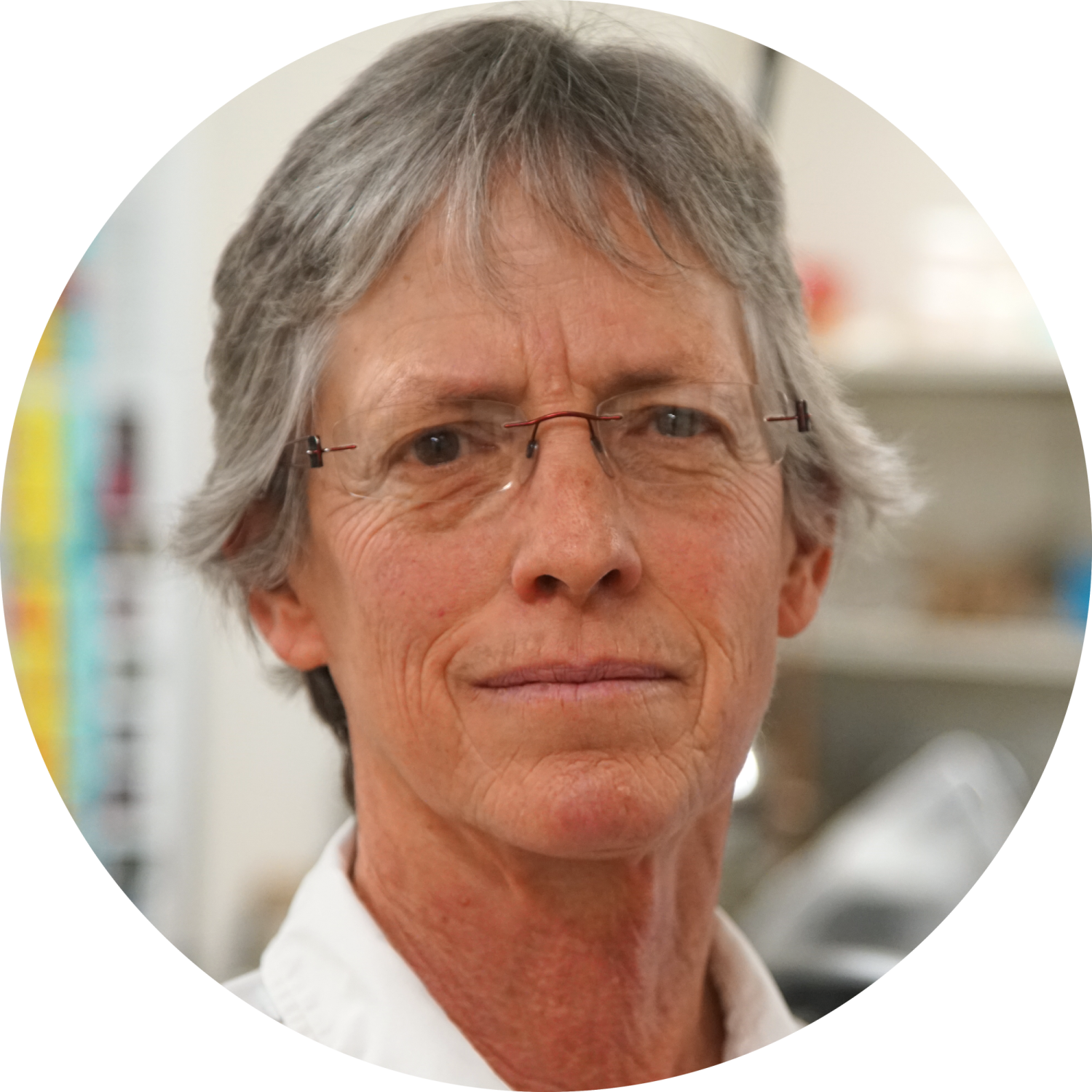
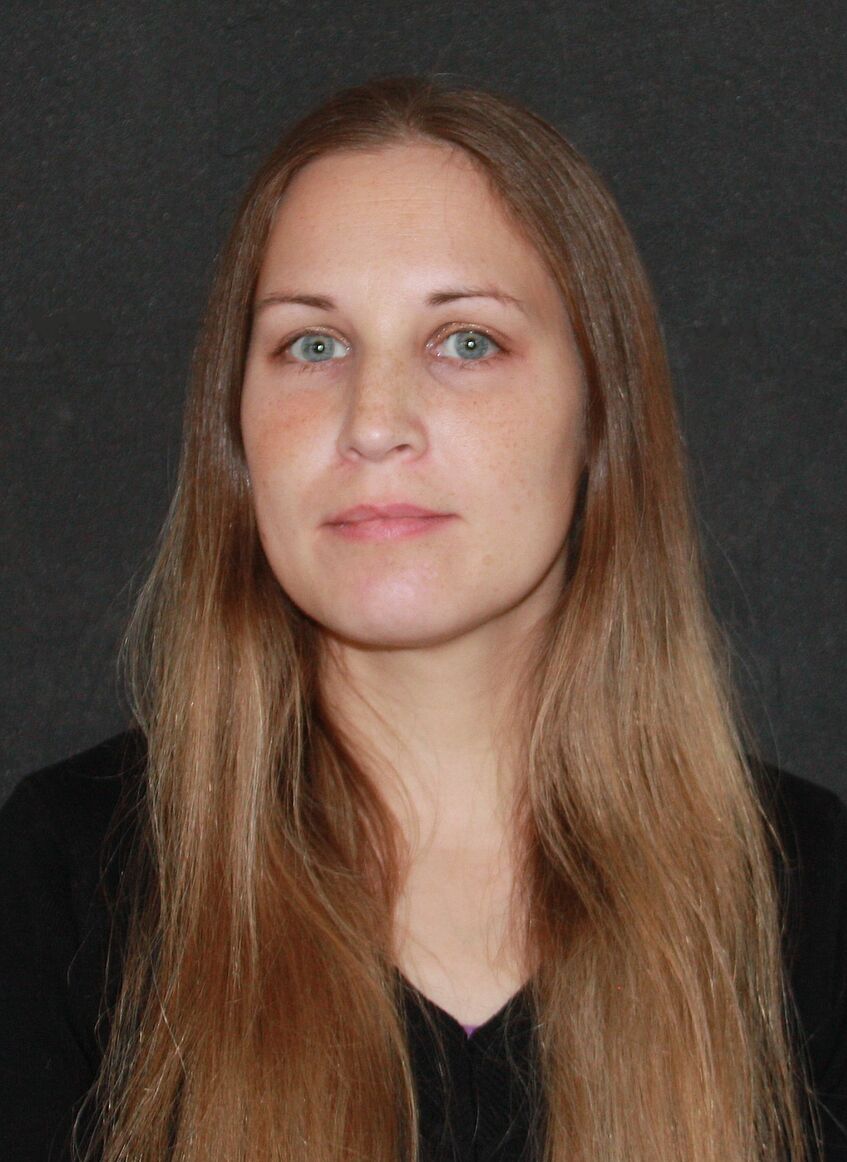
Freya Morris is a Visiting Assistant Professor in the Department of Geosciences at Hamilton College, appointed in 2025. Previously, she served as a Visiting Assistant Professor at Whitman College during the 2023-2024 academic year following her Ph.D. defense in summer 2023, and took a gap year for solo global travel. Her research integrates field-based sedimentology and structural geology to reconstruct paleoenvironments and basin evolution, focusing on climate-tectonics interactions and life's evolution through Earth history. Dr. Morris holds a Ph.D. and M.S. from the California Institute of Technology and a B.S. from Lafayette College. She employs geochemical methods and glacial isostatic adjustment modeling to support lithostratigraphic correlations and sea-level history reconstructions during deglaciation events. Her recent publications examine Ediacaran cap carbonates in Namibia and Marinoan Snowball Earth deglaciation dynamics, advancing understanding of ancient climate systems and extreme climate change records. These works demonstrate interdisciplinary approaches combining field geology with quantitative modeling. Scientific Awards: National Science Foundation Graduate Research Fellowship (2017-2022) Supported by the NSF Graduate Research Fellowship during doctoral studies, Dr. Morris now develops her research program at Hamilton College while mentoring undergraduate students in geoscience through field-based courses like Principles of Geoscience: Our Interconnected Earth.
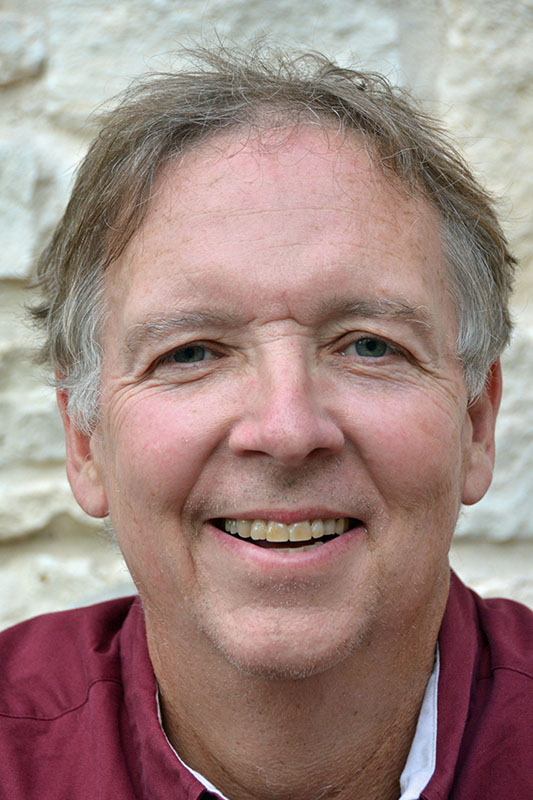
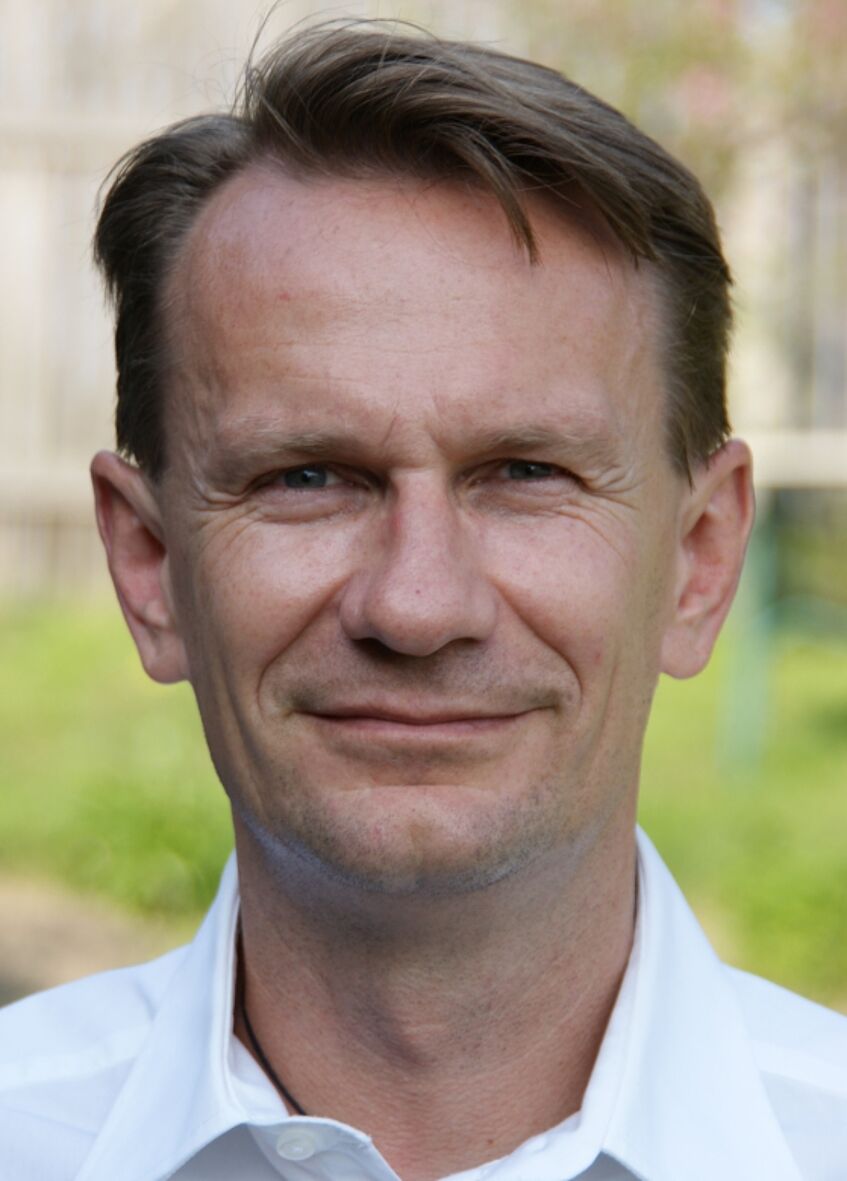
Dr. Diego Fernandez is a Research Professor in the Department of Geology & Geophysics at the University of Utah, specializing in isotope geochemistry, mineral resource characterization, and environmental dust dynamics. His work spans four decades of academic appointments (2006–present) with expertise in strontium isotope applications for migration tracking, critical mineral assessments, and dust pollution health impacts. PhD in Thermodynamics, University of Buenos Aires (1992) Research Professor (2021–present) Research Associate Professor (2014–2021) Research Assistant Professor (2006–2014) Research focuses include: strontium isotope geochemistry for reconstructing animal migration and geological processes; critical mineral characterization of coal-bearing strata for rare earth element extraction; environmental health impacts of dust from the Great Salt Lake playa; dust source apportionment in urban settings; and magmatic system petrochronology of the Alta Stock region. Recent publications (2024–2025) demonstrate methodological innovations in LA-ICP-MS analysis, Bayesian isotope turnover modeling, and dust-metal contamination frameworks. His studies document elevated health risks from thallium, arsenic, and lead in urban dust, while proposing solutions through dust suppression and international emission reductions. 2024 Distinguished Educator Award, University of Utah College of Science Current grants include USGS-funded terminal lake geochemistry, NSF projects on critical zone dust dynamics, and Bering Sea fisheries baseline studies Teaching activities include directing SRI Research courses (2024) and mentoring interdisciplinary projects on environmental isotopes. Collaborators include institutions across North America and Europe, with fieldwork in Utah, Alaska, Wyoming, and Kenya.
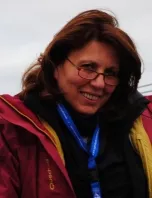
Anne Jennings is a Senior Research Associate at the Institute of Arctic and Alpine Research (INSTAAR) at the University of Colorado Boulder, where she serves as Co-editor of Arctic, Antarctic and Alpine Research . Her research focuses on Arctic paleoclimate reconstruction through marine sediment analysis, with particular expertise in ice-sheet/ocean interactions and foraminiferal micropaleontology. Her academic credentials include: PhD in Geology from the University of Colorado Boulder (1989) BS in Geology from Duke University (1980) Dr. Jennings' work centers on Quaternary paleoenvironmental changes in the Arctic, utilizing sediment cores from Baffin Bay, Lancaster Sound, and Nares Strait to investigate ice stream dynamics, paleomagnetic variations, and biomarker-based climate proxies. Her research connects past glacial-interglacial transitions to contemporary climate change scenarios, emphasizing the role of Arctic systems in global climate regulation. Analysis of her 15 most recent publications (2021-2025) reveals consistent focus on Arctic paleoceanography, with methodological emphasis on IODP expeditions, micropaleontological analysis, and multi-proxy sediment studies. Key research trajectories include ice sheet-ocean coupling during deglaciation, development of novel paleoclimate proxies, and reconstruction of Holocene sea-ice dynamics in critical Arctic gateways. Her scholarly contributions have been recognized through: Fellowship in the Geological Society of America (2015) Creative Research Award from the CU Boulder Graduate School (1986) As leader of the Micropaleontology Lab and contributor to Core Processing & Sedimentology Labs at INSTAAR, Dr. Jennings directs specialized analyses of marine sediments for international research collaborations, including major IODP expeditions targeting Arctic glaciated margins and paleoclimate archives.
Art Donovan is a Professor of the Practice in the Department of Geology and Geophysics at Texas A&M University (TAMU), appointed full-time since 2017. Previously, he served as an adjunct faculty member from 2008. He holds a Ph.D. in Geology from the Colorado School of Mines and a B.S. in Geology and Biology from the University of Rochester. His career spans over 30 years in the oil and gas industry, including roles at ExxonMobil and BP, where he specialized in sequence stratigraphy, sedimentology, and unconventional reservoirs. His research focuses on applying sequence stratigraphic concepts to unconventional reservoirs, particularly the Eagle Ford and Woodbine Groups in Texas. Key interests include outcrop-to-subsurface correlations, climate change during the Cretaceous, and integrating stratigraphic data (biostratigraphy, chemostratigraphy, etc.) to enhance reservoir understanding. He has conducted global studies for ExxonMobil and led BP’s sedimentology/stratigraphy discipline, contributing to training programs and R&D initiatives. Donovan has published extensively on sequence stratigraphy and unconventional reservoirs, with over 50 peer-reviewed articles. His work emphasizes the role of outcrops as analogs for subsurface reservoirs, drone-based outcrop analysis, and the application of sequence stratigraphy to predict reservoir sweet spots. He has taught courses for industry leaders like GSA, AAPG, and SEPM, and his expertise bridges academic research with practical industry challenges.
Dr. Sarah K. Carmichael is a Professor in the Department of Geological and Environmental Sciences at Appalachian State University , where she also serves in the Appalachian Studies Faculty . Her interdisciplinary research focuses on fluid-rock reactions , manganese geomicrobiology , and paleoenvironmental reconstruction of mass extinction events through Devonian period studies . B.A. from Smith College M.A. and Ph.D. from Johns Hopkins University Her research combines geochemistry of mass extinctions , microbe-mineral interactions in caves , and Appalachian manganese ore formation through fieldwork from Mongolian mountains to Vietnamese basins . She leads the DAGGER (Devonian Anoxia, Geochemistry, Geochronology, and Extinction Research) Team and collaborates with Dr. Suzanna Bräuer on cave geomicrobiology projects. Recent publications focus on Devonian-Mississippian stratigraphy in Mongolia , mercury isotope evidence for Late Devonian ocean anoxia , and human impact assessment in Appalachian caves . Her work has been recognized with National Geographic Explorer status, inclusion in the Explorers Club 50 , and the UNC Board of Governors Teaching Award . Scientific awards include National Geographic Explorer (2018, 2022) Explorers Club 50 (2022) Board of Governors Teaching Award (2020) Academy of Outstanding Teachers induction (2022) KWI Distinguished Service Award (2020) William C. Strickland Outstanding Junior Faculty Award (2014) She mentors numerous student researchers and has secured over $1.2 million in external funding from organizations like the National Science Foundation and National Geographic Society . Her laboratory work utilizes advanced techniques such as electron microscopy and isotope analysis to decode micron-scale mineral textures that reveal Earth's ancient environmental changes.
Dr. Marcia Schulmeister serves as Director and Teaching Professor in the Environmental Geology Programs at the University of Kansas Edwards Campus, with a dual appointment in the Department of Geology. With over 30 years of experience, she specializes in applied hydrogeology and geochemistry, focusing on contaminated site remediation and groundwater management. Her professional work spans government agencies in the U.S., China, Thailand, and Germany, addressing soil and groundwater contamination challenges. Dr. Schulmeister holds prestigious titles including Fellow of the Geological Society of America and Fulbright Scholar. She contributes to academic leadership as associate editor for professional journals and serves on multiple boards. Her research explores innovative methods like electrical resistivity tomography and direct-push geochemical profiling, with recent emphasis on virtual geology education and international environmental projects in Thailand and Vietnam. Key Expertise: Hydrogeology field methods, contaminant transport modeling, karst terrain studies International Experience: Collaborations in China, Thailand, Germany, and Vietnam Teaching Innovation: Pioneering online geoscience education for non-traditional students Her work integrates field-based learning through the Robert P. Harrison Field Station and virtual museum tours. Current research trends emphasize climate change impacts on groundwater systems and geohazard mitigation for infrastructure protection.
Obradors Latre, Arnau is a Researcher at the UCD School of Earth Sciences , focusing on sedimentology and stratigraphy of the Ross Formation deep-water sandstones in western Ireland. His work is funded by a Four-year Griffith Geoscience PhD Studentship and involves collaboration with Statoil ASA and the Geological Survey of Ireland. University: University College Dublin School: School of Earth Sciences Academic Rank: Researcher Research Focus: Lateral facies transitions, basin-floor sandstones, and high-frequency cycles in ice-house fan systems His research spans 2013-2016, with publications on facies analysis, architecture of turbidite systems, and subsurface reservoir analogues. Scientific recognition includes the Griffith Geoscience funded PhD Studentship.
Jay Zambito is an Associate Professor of Geology and Department Chair at Beloit College, where he also serves as Director of the School of Environment & Sustainability. He holds a BS from SUNY College at Brockport, an MS from SUNY University at Buffalo, and a PhD from the University of Cincinnati. His teaching focuses on geology courses such as Earth’s Climate: Past and Future, Paleontology, and Field Methods, emphasizing hands-on learning through multi-week projects and field trips. Zambito’s research explores paleoclimatology, taphonomy, and environmental science, with a focus on Paleozoic climate dynamics, fossil preservation, and industrial sand mining impacts. His work integrates field studies and geochemical analysis, as seen in his research on Devonian carbon isotope patterns and groundwater contamination in sandstone aquifers. He leads the Beloit Paleo Lab, fostering student involvement in collaborative projects. His recent publications address topics like Devonian stratigraphy, microbial geochemistry, and Permian sedimentology. Zambito prioritizes an inclusive classroom environment, valuing diverse perspectives. Outside academia, he enjoys gardening, cooking, and experimenting with homemade hot sauce using peppers grown in his garden.
PD Dr. Markus Reuter is a Researcher at the Department of Paleontology, University of Greifswald, Faculty of Mathematics and Natural Sciences. His work focuses on paleoclimatology, marine biodiversity, and sedimentology, with a particular emphasis on coral reefs and their response to environmental changes. Studied coral growth patterns as climate archives (Middle Eocene Climatic Optimum) Analyzed giant clam distributions in the Gulf of Oman Investigated Miocene biodiversity assembly in Sri Lanka and Iran His research spans topics including tectonic influences on coastal landscapes, stable isotope analysis in reef corals, and biogeographic shifts in marine fauna. He collaborates across disciplines to reconstruct past climates and understand modern ecological trends. Selected scientific contributions include: Co-author on high-impact studies in Science Advances and Biogeosciences Key work on Cenozoic coral calcification and Tethyan Seaway closure Paleoenvironmental reconstructions in the Mediterranean, Oman, and India
Dr. George Dix is a Professor in the Department of Earth Sciences at Carleton University, affiliated with the Ottawa-Carleton Geoscience Centre. His research focuses on carbonate sedimentology, stratigraphy, and tectonics, with a particular emphasis on understanding depositional processes, diagenetic histories, and tectonic influences on sedimentary systems. His work spans Ordovician to Neoproterozoic intervals, often integrating field observations, geochemical analyses, and geochronological data. Key research themes include the evolution of carbonate platforms and foreland basins, particularly in the Ottawa Embayment and Arctic Canada. He has contributed significantly to studies of carbonate facies analysis, sequence stratigraphy, and the role of hydrothermal fluid flow in diagenetic processes. His publications frequently address the interplay between tectonic activity and sedimentation, such as the impact of the Taconic orogeny on Ordovician successions. Dr. Dix’s recent work highlights innovative applications of isotopic stratigraphy (e.g., δ13C) and U-Pb geochronology to refine chronostratigraphic frameworks. His research also explores the hydrochemical signatures of mantle plumes and their influence on bedrock structures in the Ottawa-Bonnechere Graben. Publications since 2018 reveal a continued focus on Late Ordovician platform dynamics, mixed-sediment systems, and the integration of lithostratigraphy with tectonic interpretations. Earlier work (e.g., 2014) extends to Neoproterozoic carbonate ramps and Patagonian Oligocene-Miocene platforms, underscoring his expertise in diverse temporal and geographical contexts. Despite the breadth of his research, Dr. Dix’s work consistently emphasizes the application of detailed field data to solve large-scale geological questions, bridging sedimentology, stratigraphy, and tectonics.
Filomena Ornella Amore is an Associate Professor at the Department of Science and Technology, University of Sannio. Her research focuses on micropaleontology , paleoceanography , and biostratigraphy , with particular emphasis on calcareous nannofossils and planktonic foraminifera as proxies for reconstructing Quaternary climate changes. Her work spans multiple regions, including the Tyrrhenian Sea , Iberian Margin , and Magellan Strait . Key methodologies involve multi-proxy sediment core analysis high-resolution biostratigraphic dating geochemical-nutrient availability studies to decode paleoclimatic signals. Notable trends in her 15 most recent publications include investigations of glacial-Holocene transitions Iron limitation effects on coccolithophore distributions augmented reality applications for cultural heritage geological mapping of Southern Italy chronostratigraphic challenges in Mediterranean stratotypes Collaborations with international researchers (Flores, Voelker, Russo Ermolli) and institutions like INGV and IGP highlight her interdisciplinary impact.
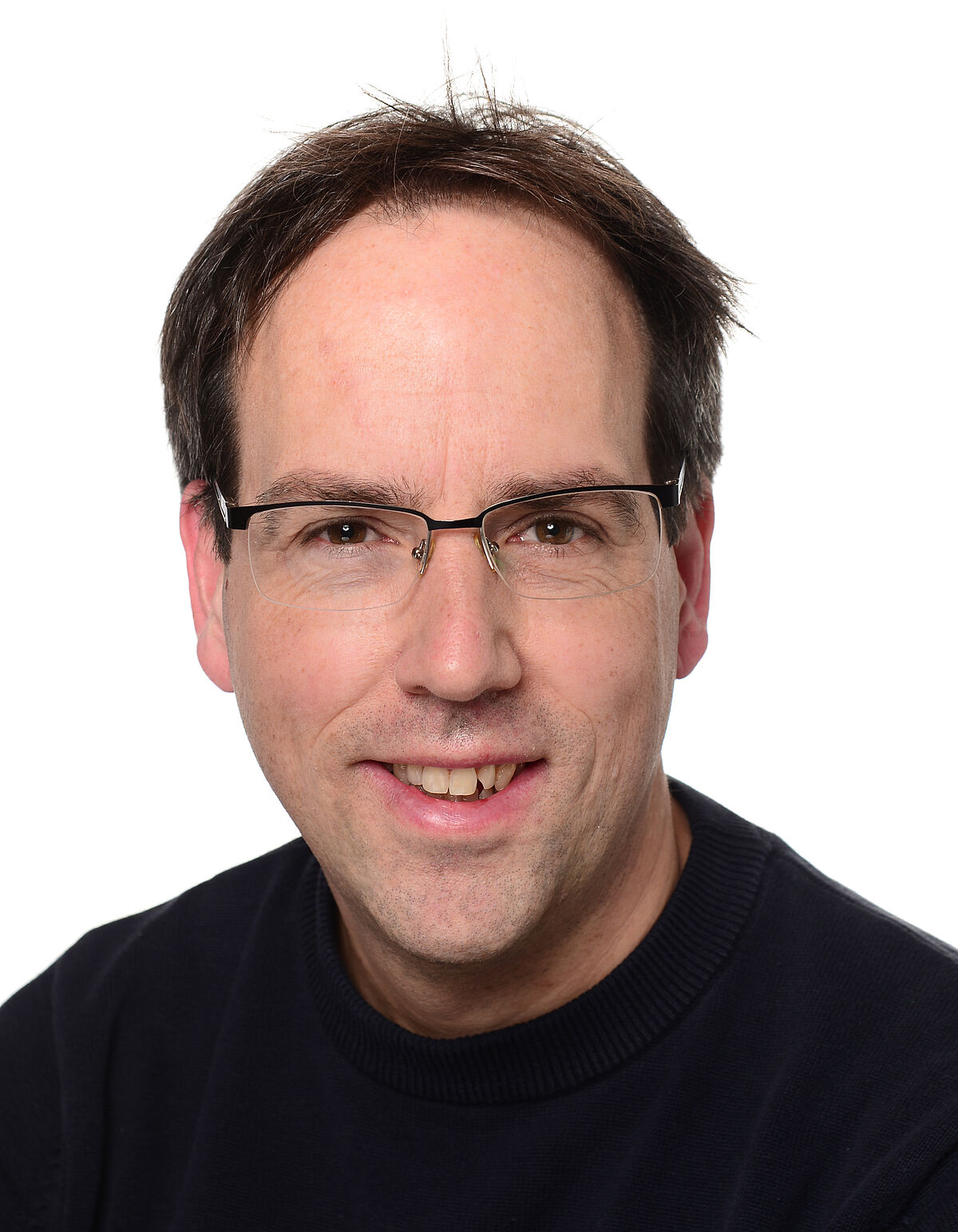
Dr. João P. Trabucho Alexandre is a tenured Assistant Professor in Sedimentology at Utrecht University's Department of Earth Sciences, Faculty of Geosciences. A Dutch-Portuguese sedimentary geologist, he has been with the university since 2014. He serves as Treasurer and Council Member of the International Association of Sedimentologists, Associate Editor of the Journal of Sedimentary Research, and Netherlands Ambassador for SEPM Society for Sedimentary Geology. His work focuses on understanding mudstone formation processes throughout Earth's history. His educational background includes: PhD (cum laude, 2011) - Utrecht University: "Mesozoic sedimentation in the North Atlantic and Western Tethys; global forcing mechanisms and local sedimentary processes" MS with distinction (2007) - Utrecht University: "Climatic origin of sedimentary color cycles in the Ain el Beida section (Atlantic Morocco)" BS/Licenciatura in Geology (2003) - Universidade de Lisboa, Portugal Erasmus Programme (2002) - University of Birmingham, UK Dr. Trabucho Alexandre specializes in sedimentology with research interests spanning black shales, mudstone deposition processes, marine geology, and paleoceanography . His work investigates how mudstones form throughout Earth's history, with particular focus on oceanic anoxic events, Mesozoic epeiric environments, and the geological record of the Pacific (Panthalassa). His recent projects examine Triassic-Jurassic boundary conditions in Western North America, Lower Jurassic sequences in Yorkshire, and uppermost Cretaceous formations in the Netherlands and Belgium. His interdisciplinary approach combines fieldwork, petrography, and geochemical analysis to unravel sedimentary processes from deep time. His publication record shows consistent growth in high-impact journals with increasing international collaborations. The research demonstrates expertise in Mesozoic sedimentary systems, particularly Jurassic oceanic anoxic events and black shale formations. Recent work shows expansion into applied sedimentology with connections to environmental science and resource exploration. His scientific recognition includes: Doctorate awarded cum laude at Utrecht University (2011) Durham University Learning and Teaching Award (2013) Advance HE Associate Fellow (formerly Higher Education Academy) As an educator, Dr. Trabucho Alexandre has over 10 years of teaching experience at undergraduate and graduate levels. He has successfully completed Utrecht University's Educational Leadership and Honors Teaching programs. His innovative teaching methods include field-based learning approaches, with documented fieldwork in Alaska, Nevada, and the Netherlands. He actively mentors students, as evidenced by multiple field expeditions with master's and PhD students. His ancillary activities include service as Treasurer of the International Association of Sedimentologists and Ambassador for SEPM in the Netherlands. His research is conducted through the Comparative Sedimentology Group at Utrecht University, where he collaborates with international teams on projects spanning multiple continents. Recent fieldwork has taken him to Alaska, Nevada, Yorkshire, and South Limburg, often with students. His work bridges traditional field geology with modern analytical techniques, contributing to both fundamental understanding of Earth's history and applied aspects of sedimentology.
Erich Draganits is a Researcher at the Institute of Geology , University of Vienna, and part of the Faculty of Geosciences, Geography and Astronomy . His work bridges earth sciences and archaeology, focusing on interdisciplinary research. Expertise in geoarchaeology, sedimentary processes, and climate change impacts Active in Eastern Alps and Pannonian Basin regions Key collaborations with archaeological institutes in Austria and abroad Research Interests: Draganits specializes in active tectonics , geoarchaeology , sedimentary geology , and climate change effects. His work integrates airborne laser scanning , geological mapping , and provenance analysis to study human-environment interactions in prehistoric and historic contexts. Publication Trends: Recent articles focus on the Badenian Salinity Crisis , Iron Age cattle trade , and LiDAR-based terrain analysis . Themes include millennial-scale geological processes , Roman quarrying , and medieval hydrology . Methodologies combine geochemical analysis , remote sensing , and archaeological prospection . Contact: Email erich.draganits@univie.ac.at for collaboration or inquiries.
Veronika Koukal is a researcher at the Institute of Geology , University of Vienna, specializing in sedimentology, stratigraphy, and Anthropocene studies. Her work focuses on deep-water facies, microplastics analysis, and paleoclimatology, particularly through Cretaceous and Paleogene research. Current projects include UNESCO IGCP 732 'LANGUAGE of the Anthropocene' Organizational roles: Secretary for UNESCO IGCP 732, organizer of Pangeo Austria 2018 Her research spans sedimentology, stratigraphy, and paleoclimatology, with fieldwork in Austria, Bulgaria, and international collaborations. Key methodologies include FTIR spectroscopy and biostratigraphy. Recent publications highlight Anthropocene reference sections, Upper Cretaceous paleoenvironments, and Paleogene deep-water systems. She contributes to understanding climate change markers across geological periods.
Emmanuelle Arnaud is an Associate Professor and Assistant Dean (Graduate Programs) in the School of Environmental Sciences at the University of Guelph. She holds a PhD in Geology from McMaster University and has expertise in glacial geology, hydrogeology, and environmental geology. Her research focuses on glacial deposits' influence on groundwater systems and paleoclimatic reconstructions of ancient glaciations. Education : PhD in Geology, McMaster University (2002) MSc in Geography, University of British Columbia (1995) B.A. in Physical Geography and History, McMaster University (1991) Research Interests : Dr. Arnaud's work integrates field-based studies of glacial sediments with hydrogeological applications, including groundwater vulnerability assessments, buried bedrock valley dynamics, and Quaternary environmental change. She also explores the impact of glaciation on modern groundwater management and contamination risks. Key Projects : NSERC-funded research on groundwater vulnerability in glaciated regions Advancement of multi-level groundwater monitoring technologies Land conversion impacts on soil and water dynamics in Ontario's Clay Belt Awards : G. P. McRostie Faculty Award (2010) for student mentorship NSERC Discovery Grants and Alliance Grants Teaching & Mentorship : Dr. Arnaud teaches courses in glacial environments, sedimentary geology, and groundwater systems. She emphasizes hands-on fieldwork and professional development, guiding over 30 graduate students. Her mentorship approach prioritizes one-on-one training, career planning via Individual Development Plans (IDPs), and interdisciplinary collaboration through the Morwick G360 Groundwater Research Institute. Labs & Collaborations : Active member of the Morwick G360 Institute, leading projects on groundwater hydrology and glacial geology. Collaborates with municipalities, NGOs, and international agencies like the Geological Survey of Canada.