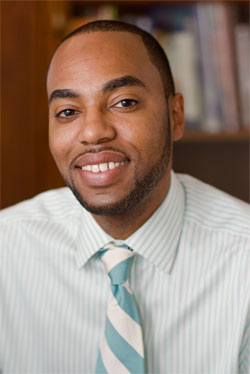
Christopher Emdin is a Professor of Science Education and Maxine Greene Chair for Distinguished Contributions to Education at Teachers College, Columbia University. He directs the STEAM, DREAM & IdeaLab initiatives. Emdin holds a B.S. in Physical Anthropology/Biology/Chemistry from Lehman College (2000), an M.S. in Natural Sciences from Rensselaer Polytechnic Institute (2003), and a Ph.D. in Urban Education from the CUNY Graduate Center (2007). His research focuses on urban STEM education , culturally responsive pedagogy , and Hip-Hop Education (HipHopEd) . Emdin has received prestigious awards including the Strage Prize (2011) and PDK International Outstanding Dissertation Award (2008) . He pioneered projects like the Science Genius B.A.T.T.L.E.S. , using rap battles to engage urban students in science. His work bridges theory and practice, emphasizing reality pedagogy and cosmopolitan ethics . Key contributions include over 50 publications on urban science education, equity, and hip-hop pedagogy. He is a leader in professional organizations such as NARST and AERA. Emdin’s grants include collaborations with NSF and Fund for Teachers, focusing on science agency and leadership in urban schools. His lab, IdeaLab , advances innovative teaching strategies rooted in youth culture.
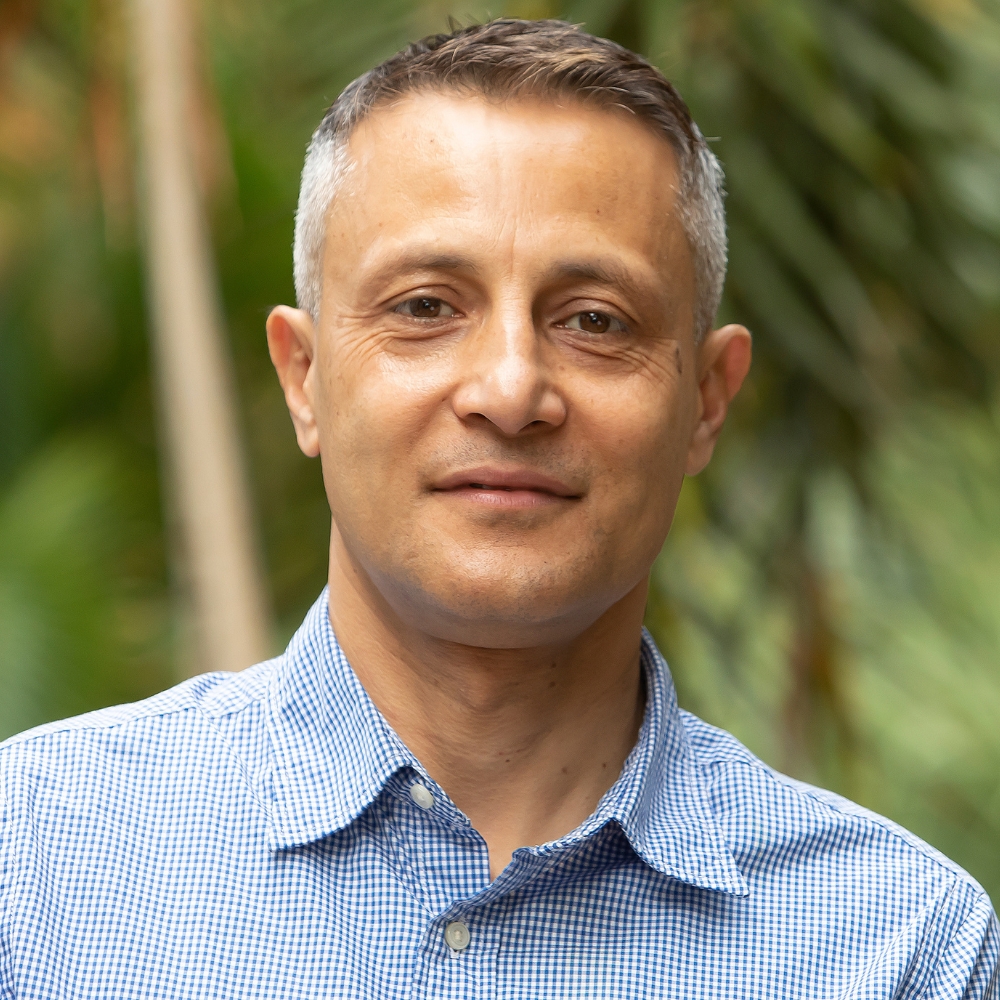
Vicente Talanquer is a University Distinguished Professor in the Department of Chemistry and Biochemistry at the University of Arizona, College of Science. His academic journey includes a B.S., M.A., and Ph.D. in Chemistry from the Universidad Nacional Autónoma de México (UNAM), followed by postdoctoral research at the University of Chicago's James Frank Institute. He has held various academic roles, including Professor and Associate Professor at UNAM before joining the University of Arizona in 2000. His research focuses on chemistry education, particularly student reasoning, assessment, and the development of chemical thinking. Key areas include understanding how students conceptualize chemical reactions, design learning progressions, and improve formative assessment strategies. He has led initiatives such as the Instructional-Teams Model to enhance teaching practices in STEM courses. Dr. Talanquer has received numerous awards, including the ACS Award for Achievement in Research (2021) and Arizona Professor of the Year (2015). He actively contributes to national and international educational committees, editorial boards, and professional societies such as the American Chemical Society and NARST. His work emphasizes curriculum innovation, teacher preparation, and fostering equity in science education. His research is supported by grants from the National Science Foundation and the UA Provost Investment Fund, focusing on active learning, large-enrollment course redesign, and systems thinking approaches. Talanquer's publications span over 200 peer-reviewed articles, textbooks, and educational resources in chemistry education, reflecting his commitment to advancing both research and practice in the field.
Marcus Smith is an Associate Professor in Law at the Charles Sturt University , where he teaches LAW222 Technology Law and directs the Bachelor of Laws program. He holds advanced degrees from the Australian National University (PhD, LLM) and the University of Cambridge (MPhil). His research spans technology law and regulation , focusing on genomic data governance biometric identification AI ethics blockchain policy cybersecurity surveillance law He leads the Contemporary Threats to Australian Security research group and serves as Chief Investigator on an NHMRC-funded project (MRF2015531) addressing genomic dataset governance. His recent work analyzes algorithmic bias in facial recognition AI in healthcare blockchain's regulatory challenges post-pandemic cybercrime surveillance ethics data security frameworks He actively supervises PhD and honours students in technology law and contributes to law reform through submissions to international bodies like the UN Human Rights Council .
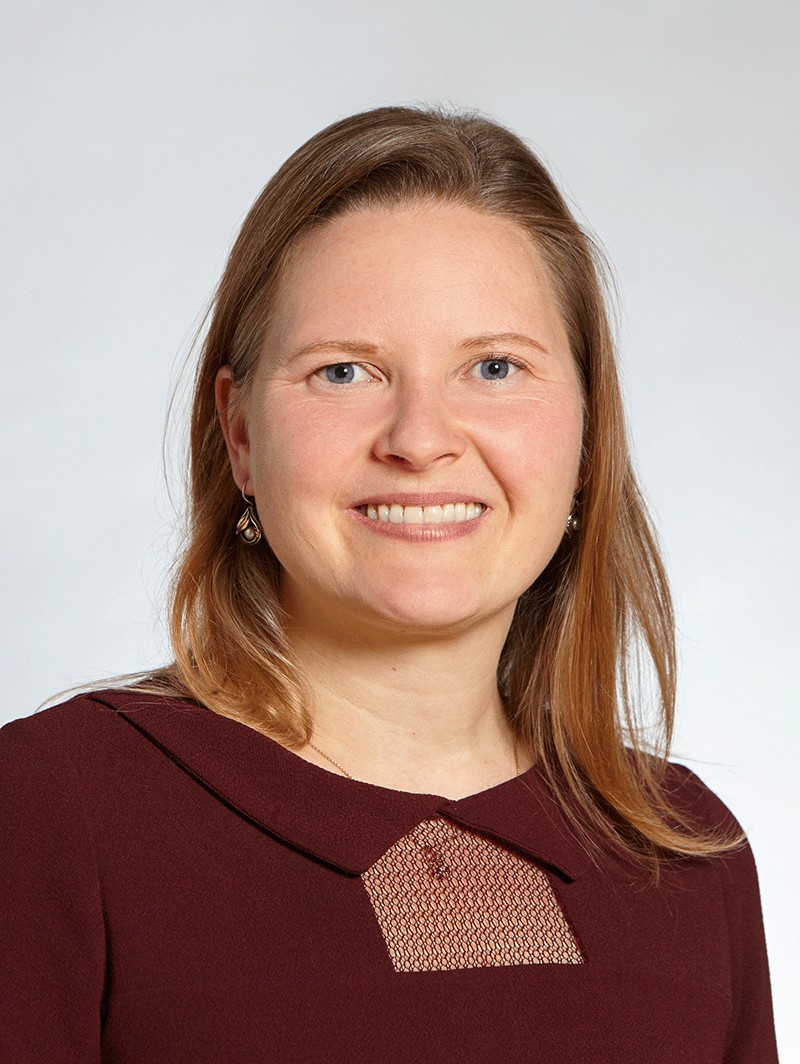
Professor Arlene Holmes-Henderson is a Professor of Classics Education and Public Policy at Durham University, holding a British Academy Innovation Fellowship (2022-2024). She teaches on the Latin with Classics PGCE course in the School of Education and leads interdisciplinary research projects on oracy, Classics education, and policy engagement. Education: Studied Classics at Oxford, Harvard, and Cambridge. Qualified as a schoolteacher and taught for over a decade before returning to academia. Affiliations: Visiting Research Fellow at the Institute of Classical Studies (School of Advanced Study) and Affiliated Researcher at the Bennett Institute for Public Policy, University of Cambridge. Research Interests: Focuses on Classics education, oracy development, and the intersection of policy and the humanities. Key projects include Shy Bairns Get Nowt (oracy and employability) and Aristotle Beyond the Academy (reception of rhetoric in non-academic contexts). Co-directs the Advocating Classics Education project and chairs the Classics Development Group. Publications: Over 80 articles and books, including Expanding Classics (Routledge, 2023) and Forward with Classics (Bloomsbury, 2018). Recent work emphasizes policy engagement and levelling-up through oracy education. Awards: MBE (2023) for services to education Elected Member of Academia Europaea (2024) Grants and Roles: Chair of the Latin Expert Panel at the UK Department for Education Advisor to All-Party Parliamentary Groups on Classics, Oracy, and Political Literacy Member of the Universities Policy Engagement Network (Vice Chair) Labs and Collaborations: Directs Durham’s Centre for Classics Education Research and EngagementS (CERES). Collaborates with institutions like the AHRC, Leverhulme Trust, and Novus Education to bridge academia and policy.
Pawan Adhikari is a Professor of Accounting at Essex Business School, University of Essex , where he serves as Director of Impact and Enterprise and Director of Essex Accounting Centre . He is an Associate Editor of the Journal of Public Budgeting, Accounting and Financial Management and a Executive Board Member of the Comparative International Governmental Accounting Research Network (CIGAR) . Previously, he led accounting reforms at Nepal’s Accounting and Auditing Standards Board and lectured at Nord University, Norway. PhD, Nord University Business School Fellow of the Higher Education Academy His research focuses on public sector accounting in developing countries, particularly accounting reforms , public value creation , and climate accountability . He explores how accrual accounting and participatory budgeting can enhance transparency in South Asian and African contexts. His work has influenced policy-making in Nepal and is recognized with the 2023 Best International Research Impact award by the University of Essex. Recent publications analyze wellbeing economies (2025), NGO accountability in disasters (2024), and climate budgeting (2023). He collaborates with institutions like the World Bank , European Commission , and British Academy , focusing on projects related to financial resilience , circular economy , and health sector accountability . Supervising 8 current PhD students, his advisees have produced work on topics like accrual accounting in Bangladesh and NGO accountability in Palestine . World Bank/PEFA Research Award African Accounting and Financial Association (AAFA) Award ESRC IIA Impact Fund GCRF and SeNSS Grants 2019 Best Postgraduate Supervisor (Essex)
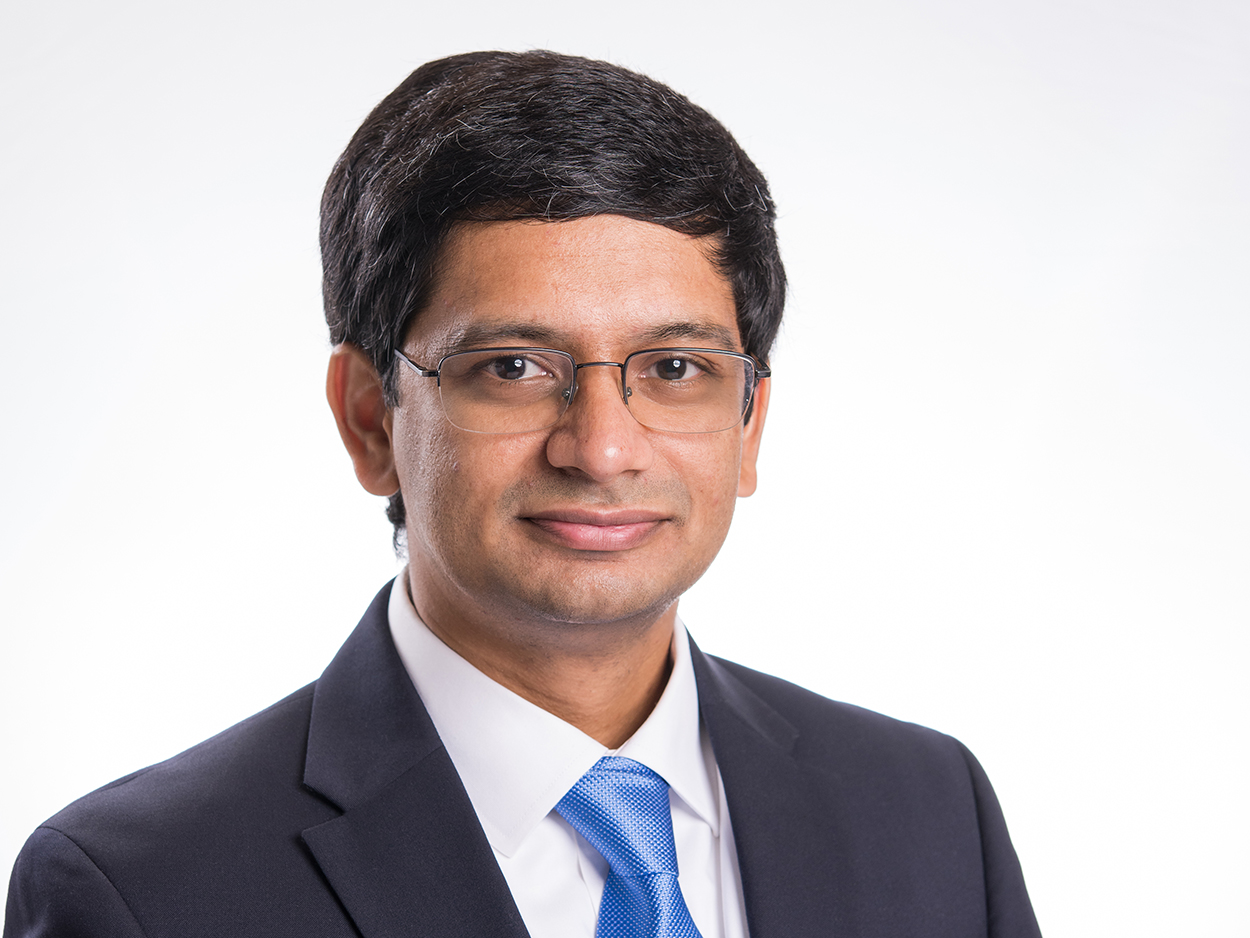
Joydeep Biswas is an Associate Professor in the Computer Science Department at the University of Texas at Austin, where he serves as the Director of the Autonomous Mobile Robotics Laboratory (AMRL). He is also affiliated with Texas Robotics, the UT Machine Learning Laboratory, and UT Good Systems. Previously, he was an Assistant Professor in the College of Information and Computer Sciences at the University of Massachusetts Amherst. Dr. Biswas earned his PhD in Robotics from Carnegie Mellon University in 2014 and his B.Tech in Engineering Physics from the Indian Institute of Technology Bombay in 2008. His educational background has provided him with a strong foundation in both theoretical and applied aspects of robotics and artificial intelligence. Dr. Biswas's research focuses on enabling long-term autonomy for mobile robots operating in human environments. His work spans robot perception, motion planning, control systems, and AI, with the ultimate goal of creating self-sufficient autonomous mobile robots that can perform tasks accurately and robustly in real-world settings. He is particularly interested in perception, planning, and failure recovery for autonomous mobile robots, which supports his vision of having autonomous service mobile robots deployed at campus-to-city scale, both indoors and outdoors, performing assistive tasks over deployments spanning years. His IJCAI 2019 Early Career Spotlight talk summarizes much of his research to date and ongoing interests. His recent research has shown a strong trend toward social navigation, human-robot interaction, and the application of machine learning techniques to robotics problems. There's a clear progression from fundamental robotics research toward more complex, real-world applications that require robots to understand and navigate human social spaces effectively. His work increasingly integrates large language models and other advanced AI techniques with traditional robotics approaches, as evidenced by his recent publications on topics like preference-conditioned navigation, social navigation benchmarks, and instruction-following navigation systems. Dr. Biswas has received numerous prestigious awards including the NSF CAREER Award (2021), J.P. Morgan Faculty Research Award (2019), Amazon Research Award (2019), and a grant from Northrop Grumman Mission Systems (2018). These awards recognize his innovative contributions to the field of robotics and autonomous systems. As a dedicated educator and mentor, Dr. Biswas actively supervises PhD and master's students, with his PhD student Sadegh Rabiee winning the student poster award at the Northrop Grumman University Symposium 2019. He has secured significant grant funding from the National Science Foundation for projects including 'Introspective Perception and Planning for Long-Term Autonomy' and 'Interactive Synthesis and Repair For Robot Programs,' demonstrating his ability to secure competitive research funding and his commitment to advancing the field. Dr. Biswas leads the Autonomous Mobile Robotics Laboratory (AMRL), which serves as a hub for interdisciplinary research in mobile robotics. The lab has developed notable resources such as the UT Campus Object Dataset (CODA) for 3D perception research and SOCIALGYM, a framework for benchmarking social robot navigation. His team regularly deploys robots on the UT Austin campus and in urban environments to test and refine their approaches in realistic settings, bridging the gap between simulation and real-world application.
John Gallagher is Associate Professor in English and Information Sciences at UIUC. His research examines how writers adapt to participatory audiences in digital environments, including social media interactions and AI writing tools. Using case studies and computational methods, he explores algorithmic audiences, ethical implications of AI, and technical communication in institutional contexts. He teaches courses in professional writing, digital rhetoric, and research methodologies. Recent projects analyze content creators' narratives about platform algorithms, inclusive emoji design, and academic integrity challenges posed by generative AI.
Robyn Fox is an Associate Lecturer in the School of Education and Tertiary Access at the University of the Sunshine Coast (UniSC), Australia, teaching in Bachelor of Education (Secondary)/Bachelor of Recreation and Outdoor Environmental Studies programs with emphasis on foundational outdoor studies and paddling-based engagement methods. Her educational qualifications are: MAIntEd, Endicott College MA, DipEd, LaTrobe University BA, LaTrobe University Her research centers on sustainability integration and ecological literacy in outdoor education, driven by her planned PhD investigating embedded sustainable practices. She champions experiential learning through natural environments to foster environmental consciousness and climate-responsive pedagogy. Analysis of her 2022-2025 publications reveals dominant themes in climate change education within outdoor contexts, featuring innovative approaches like near-peer teaching and nature journaling while addressing eco-anxiety and Indigenous knowledge systems. Her scholarship consistently advocates for curriculum transformation toward ecological stewardship and climate action. Robyn actively involves students in community initiatives: Collaborated with Thai army and Regent’s School students to rebuild tsunami-damaged homes in Thailand (2004) Established sports programs between Khartoum International Community School and local institutions in Sudan Coordinated orphanage library setup with Luanda International School in Angola Current participant in Alexandra Headland Community Association’s foreshore regeneration projects
Matthew Kay is an Associate Professor in the Department of Communication Studies at Northwestern University's School of Communication, with a secondary appointment in Computer Science. He serves as Co-Director of Graduate Studies for the PhD in Technology and Social Behavior program. His research focuses on human-computer interaction and information visualization, specializing in uncertainty communication, usable statistics, and personal informatics. He employs mixed-method approaches including behavioral analysis, interactive system development, and visualization technique evaluation to address real-world data interpretation challenges. Analysis of his recent publications reveals dominant themes in visualization literacy development, uncertainty representation for decision-making, and health informatics applications. His work consistently bridges theoretical frameworks with practical implementations, particularly in educational assessment tools and election forecast visualizations. Professor Kay co-directs the Midwest Uncertainty Collective (MU collective), a research group advancing uncertainty communication methodologies. Previously faculty at the University of Michigan School of Information, he maintains active contributions to visualization tool development including the ggdist R package for uncertainty visualization.
Felicity McArdle is a Professor in the Department of Early Childhood Education within the Faculty of Education at Queensland University of Technology. With a distinguished career spanning over two decades, her work centers on reimagining early childhood pedagogy through critical lenses of social justice, art education, and play-based learning. Her research has significantly influenced Australian early childhood policy and practice. McArdle's research interests demonstrate a consistent commitment to transformative education. She critically examines how art and play function as vehicles for social justice, challenging neoliberal discourses in early childhood education. Her work on refugee children's artistic expression and anti-bias curriculum development reveals her dedication to equity-oriented pedagogy. Through collaborative drawing methodologies and visual research approaches, she has pioneered innovative ways of understanding children's perspectives. Her publication trends reveal a sophisticated evolution from foundational work on visual arts in education (2001-2010) toward increasingly critical examinations of power, policy, and social justice (2011-2021). The consistent citation impact of her work—particularly her 2002 paper 'Early Childhood Art Education: A Palimpsest' with over 13,000 citations—demonstrates her field-defining contributions to reconceptualizing art education as critical praxis. McArdle has held significant editorial roles including co-editing the influential 2013 volume 'Young Children, Pedagogy and the Arts' and serving on the editorial board of Australian Journal of Early Childhood. Her collaborations with leading scholars like Susan Grieshaber, Jennifer Sumsion, and Linda Knight have produced seminal work on intentional teaching and play-based learning. Her research methodology expertise centers on visual and arts-based approaches, particularly collaborative drawing techniques that engage children as active research participants. This methodological innovation reflects her commitment to ethical research practices that honor children's agency while generating meaningful insights about early childhood experiences.
Dr. Jane Gair is a tenured Teaching Professor in the Division of Medical Sciences at the University of Victoria, where she teaches first and second-year medical students in the Island Medical Program (IMP). She serves as IMP Site Lead for Case-Based Learning (CBL) and Director for CBL Faculty Development, leading provincial curriculum implementation and faculty training. Her academic credentials include: BSc from McMaster University BSc from University of British Columbia (UBC) PhD from University of British Columbia (UBC) Her research centers on medical education methodologies including Problem-Based Learning (PBL) and Case-Based Learning (CBL), with emphasis on small-group pedagogy effectiveness. She maintains active scholarship in medical genetics and personalized medicine, as demonstrated through public lectures on epigenetics and genetic testing. International collaborations extend her work to the University of Newcastle (Australia), Patan Academy of Health Sciences (Nepal), and National University of Defense Technology (China). Dr. Gair directs UVic's branch of the national Let's Talk Science Outreach Program, engaging medical students in K-12 STEM education across Vancouver Island. This initiative serves as a core component of the FLEX course curriculum where she mentors students as Advisor, Assessor, and Supervisor. Her provincial faculty development work indicates ongoing grant-supported activities though specific funding sources aren't detailed. She maintains affiliations with the Centre for Biomedical Research (CBR) at UVic and the Centre for Health Education Scholarship (CHES) at UBC. Her leadership in Let's Talk Science coordinates medical student volunteers and community partners in delivering science literacy programs, with recent activities including 2023-2024 Mini Med School sessions on AI in healthcare, diabetes management, and genetic testing.
Lisa M. Jones is a Research Associate Professor of Psychology at the University of New Hampshire , affiliated with the Crimes Against Children Research Center (CCRC) and Family Research Lab . With over 20 years of experience, she specializes in child victimization, abuse, trafficking, and digital safety. Education: Ph.D. in Clinical Psychology – University of Rhode Island (1999) M.A. in Clinical Psychology – University of Rhode Island B.A. in Psychology – University of Virginia Research Focus: Dr. Jones's research spans child abuse and neglect , commercial sexual exploitation of children (CSEC) , human trafficking , youth internet victimization , and digital citizenship education . She leads multiple large-scale studies funded by the CDC, NIJ, WHO, and private foundations, focusing on prevention, intervention, and policy development. Current Projects: She is Principal Investigator on: A 5-year CDC-funded RCT evaluating youth-focused trafficking prevention education in Minnesota. An NIJ-funded quasi-experimental evaluation of Love 146’s services for trafficking victims. An NIJ-funded study on improving national surveillance of child sexual abuse in youth-serving organizations. Private RCTs evaluating digital citizenship programs like Common Sense Education and Google Be Internet Awesome. Publications & Impact: With over 100 publications, her work has shaped national and international discourse on child protection, digital safety, and trauma-informed practices. She regularly presents at national and international conferences. Contact: Email: lisa.jones@unh.edu Address: Crimes Against Children Research Center, 10 West Edge Dr., Suite 106, Durham, NH 03824, USA
Margarita Boenig-Liptsin is a tenure-track Assistant Professor of Ethics, Technology and Society at ETH Zurich's Department of Humanities, Social and Political Sciences, a position she has held since September 2022. Trained in Science, Technology and Society with dual PhDs from Harvard University (History of Science) and Université Paris-Sorbonne (Philosophy), she brings interdisciplinary expertise to examining the relationship between technology, power, democracy, and ethics. Her research spans several interconnected areas focusing on transformations to human identity and citizenship in relation to information technologies across time and cultures. She investigates the social and political aspects of digital technologies, identity and selfhood in technological societies, ethics of technology, and comparative cultures of innovation. Her work uniquely bridges historical analysis with contemporary ethical concerns, examining how concepts like human dignity evolve alongside technological developments from punch cards to AI governance frameworks. Her recent publications (2023-2025) reveal a strong focus on AI ethics, data justice, and the philosophical implications of algorithmic systems. These works demonstrate her consistent interest in how technology shapes democratic processes, citizenship, and ethical frameworks. Her research shows progression from historical studies of computer literacy programs to contemporary analyses of generative AI's impact on knowledge production and everyday ethics. Her scientific recognition includes: NSF funding for her collaborative project on Silicon Valley's innovation imaginary Mozilla Foundation Responsible Computer Science Challenge grant (2018-2021) Academic Data Science Alliance support (2020-2022) Sorbonne Université's Paris IAS Chair on 'Major Changes' (2021-2022) At ETH Zurich, she leads research and teaching initiatives that build connections between engineering and social sciences. Previously at UC Berkeley, she directed the Human Contexts and Ethics Program, developing the Human Contexts and Ethics component for data science education. Her work consistently emphasizes translating social science theory for diverse audiences and connecting scholarly work to community needs in Zurich, Switzerland, and Europe. She teaches courses including 'Artificial Intelligence and Human Values' and 'Research in Ethics, Technology and Society' for the Fall 2025 semester.
María Rivera Maulucci is the Ann Whitney Olin Professor of Education and serves as the Education Program Director/Chair at Barnard College, Columbia University. She is a proud alumna of Barnard (Class of 1988) and has been a faculty member since 2004. Her work centers on urban education, science pedagogy, and teacher development with a strong commitment to equity and social justice. Education: BS, Barnard College, Columbia University MFS, Yale School of Forestry & Environmental Studies M.Phil, Teachers College, Columbia University Ph.D., Teachers College, Columbia University Her research focuses on how teachers learn to teach for social justice, emphasizing the role of language, identity, and emotions in teacher development. She employs qualitative research and evaluation methods to explore transformative pedagogical practices in urban science education. Her scholarship bridges formal and informal learning contexts and investigates the interplay between teacher agency and structural constraints. Her recent publications and presentations highlight a sustained focus on equity, critical science inquiry, teacher identity, and professional development. She has contributed extensively to journals such as Journal of Research in Science Teaching and Cultural Studies of Science Education , and has authored chapters on social justice, identity, and assessment in science education. Scientific Awards: Barnard College Emily Gregory Teaching Award (2018) National Association for Research in Science Teaching Equity and Ethics Scholar (2007) She is the Principal Investigator of the NSF-funded Barnard College Robert Noyce Teacher Education Scholars Program, which supports future science teachers in urban schools. She advises students and collaborates with national organizations, including the National Association for Research in Science Teaching, Association for Science Teacher Education, and American Educational Research Association. Her teaching includes courses such as Science in the City , Urban School Practicum , and Performance Assessment of Teaching . She is actively engaged in professional development initiatives and has led workshops on family engineering nights, multicultural pedagogy, and social justice in science education. Her lab and programmatic work centers on the Noyce Scholars Program, which functions as a living laboratory for preparing socially conscious science educators.
Dr. Jillianne Code is an Associate Professor at the University of British Columbia's Faculty of Education, Department of Curriculum & Pedagogy, directing the ALIVE Research Lab. Her work focuses on learner agency, educational technologies, and social media's impact on student success. Specializes in immersive virtual environments for assessment Researches self-regulated learning and formative feedback Investigates health education through digital interventions Her recent publications examine pandemic-era educational transitions, digital literacy in teacher training, and cognitive tools in virtual reality. She has received Outstanding Paper Awards for her work on immersive assessment. Dr. Code leads research projects on learning analytics, student engagement in digital spaces, and technology education sustainability. Her work bridges educational theory with practical interventions through digital badges, mobile health applications, and 3D learning environments.