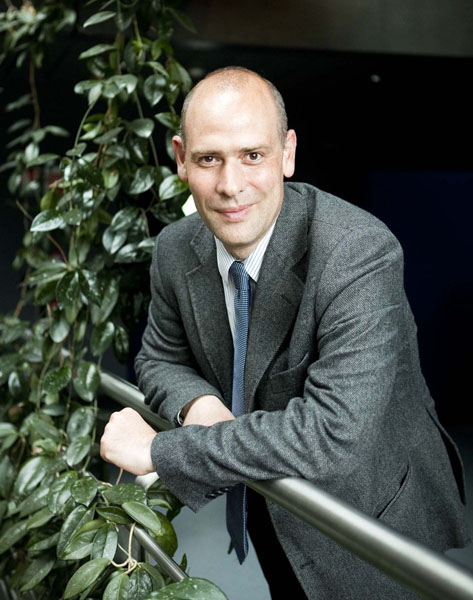
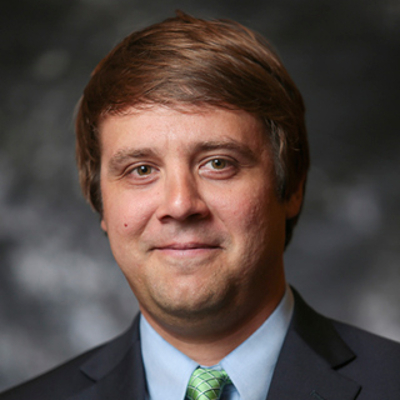
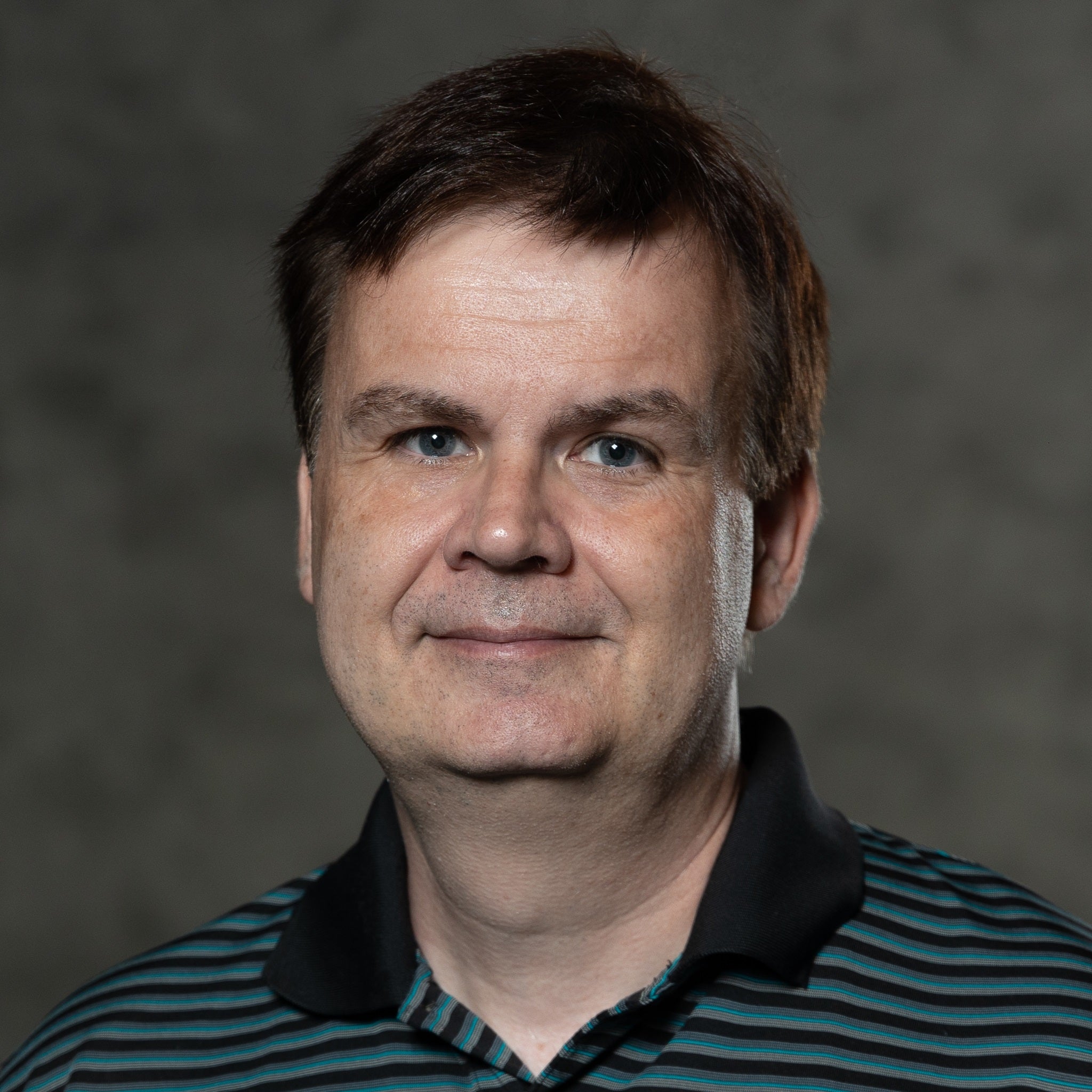
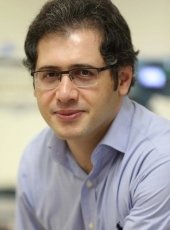
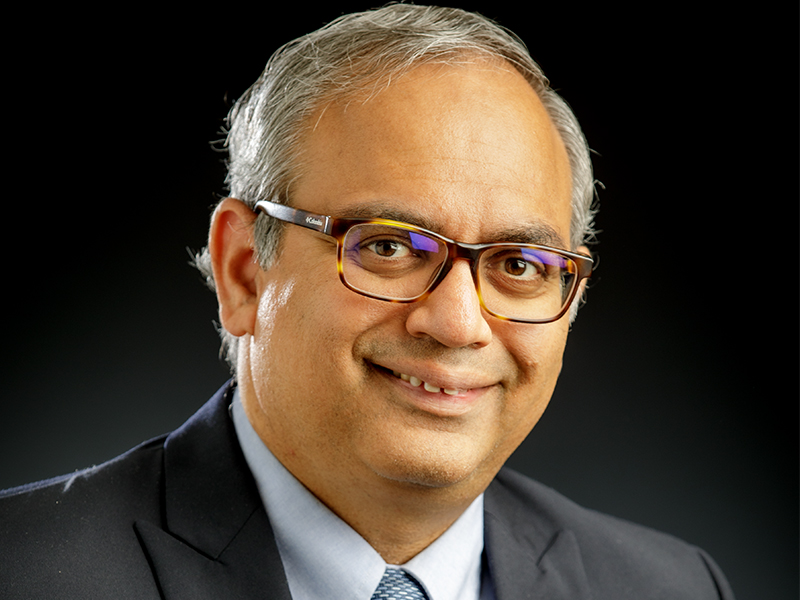
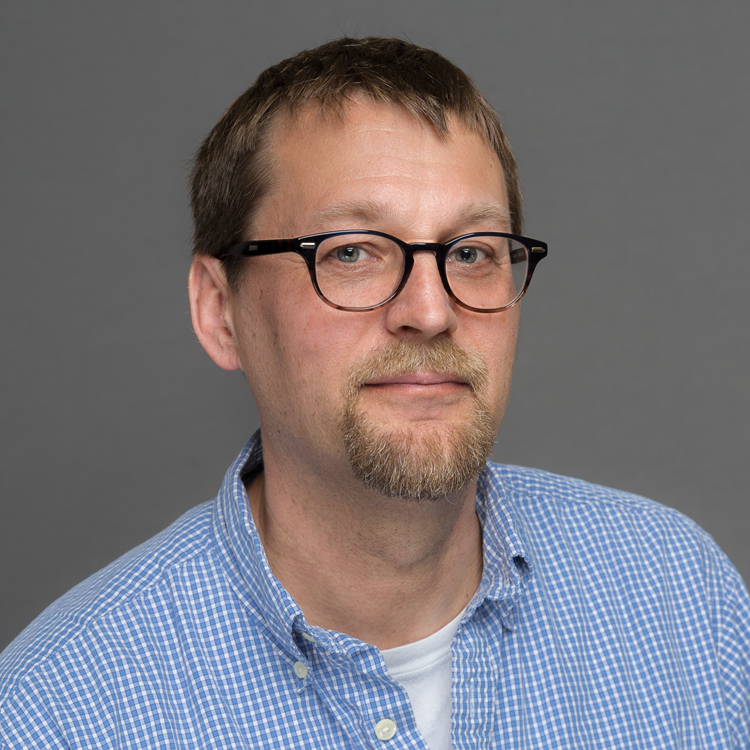
Paolo Samorì is a full-time Professor at the Université de Strasbourg , where he serves as Director of the Nanochemistry Laboratory and Emeritus Director of the Institut de Science et d'Ingénierie Supramoléculaires (ISIS) . He is affiliated with multiple prestigious academies, including the German National Academy of Science and Engineering (ACATECH) , Royal Society of Chemistry (FRSC) , and European Academy of Sciences (EURASC) . Education: Laurea (MSc) in Industrial Chemistry (University of Bologna, 1995), PhD in Chemistry (Humboldt University Berlin, 2000, summa cum laude). His research focuses on Nanochemistry , 2D materials , and supramolecular systems at interfaces , with applications in organic electronics , optoelectronics , and sensing . He pioneered methods for scanning probe microscopies and photoresponsive nanodevices , including graphene-based systems and diarylethene molecular switches. His scientific awards include the ERC Advanced Grant (2019) , Blaise Pascal Medal (2018) , and Catalán-Sabatier Prize (2017) , among 20+ honors. He has trained over 130 students and researchers , including 34 professors now active globally.
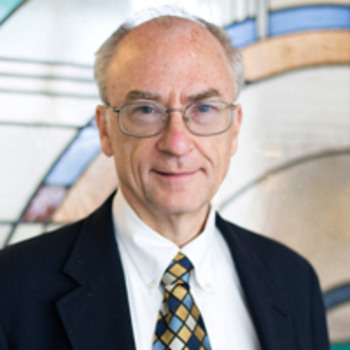
John M. Dallesasse is the Gregory E. Stillman Professor of Electrical and Computer Engineering at the University of Illinois at Urbana-Champaign, where he also serves as Associate Dean for Facilities and Capital Planning. He holds dual roles in academia and industry leadership, with prior experience as CTO, Vice President, and co-founder of Skorpios Technologies. His expertise spans optoelectronics, semiconductor materials, and photonic integration. Dallesasse earned his B.S., M.S., and Ph.D. from UIUC ECE in 1985, 1987, and 1991, respectively. His research focuses on III-V semiconductors, heterogeneous integration, quantum cascade lasers, and silicon photonics. He has pioneered innovations like III-V oxidation and the transistor-injected quantum cascade laser. Education: Ph.D., Electrical and Computer Engineering, UIUC, 1991 M.S., Electrical and Computer Engineering, UIUC, 1987 B.S., Electrical and Computer Engineering, UIUC, 1985 Research Interests: Compound semiconductor materials and devices Heterogeneous integration and wafer bonding Quantum cascade lasers and transistor lasers Photonic integration and silicon photonics III-Nitride devices and optoelectronics Awards: IEEE Fellow (2015) Optica Fellow (2013) Dean’s Award for Excellence in Research (2016) Advising and Labs: Leads the Advanced Semiconductor Device and Integration Laboratory Mentors undergraduate researchers in semiconductor innovation and photonics
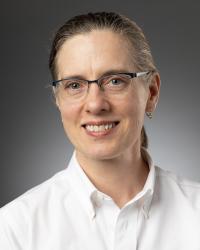
Taylor Ware is an Associate Professor in Biomedical Engineering and Materials Science & Engineering at Texas A&M University's College of Engineering, holding the Cain Faculty Fellowship. Her research focuses on designing structured biomaterials and medical devices using stimuli-responsive polymers for clinical applications. Education: Ph.D. in Materials Science and Engineering, The University of Texas at Dallas, 2013 Research Interests: Dr. Ware pioneers the development of liquid crystal elastomers as artificial muscles and implantable electronics substrates, engineered living materials for infection treatment, and directed self-assembly of hydrogels. Her lab specializes in polymer formulation, thermomechanical testing, and microfabrication. Key research thrusts include: Smart elastomers, hydrogels, and composites for dynamic medical devices Programming liquid crystalline polymers for shape-morphing applications Engineered living materials that respond to biomolecular cues in urinary tract environments Publication Trends: Recent work (2023-2025) demonstrates convergence of materials science, microbiology, and medical device engineering. Her group advances liquid crystal elastomers for soft robotics and implantable electronics, develops engineered living materials for UTI treatment using microbial competition, and creates novel hemostats and urethral support devices. Publications emphasize translational applications in urology, wound healing, and neural interfaces. Scientific Awards: Invited Participant, NAE Japan-USA Frontiers of Engineering Bilateral (2023) Senior Member, National Academy of Inventors (2022) NSF CAREER Award (2018) Air Force Young Investigator Award (2017) NSF Graduate Research Fellowship (2011) Fellow of AIMBE (American Institute for Medical and Biological Engineering) Advising and Grants: Dr. Ware leads the Ware Lab with significant funding including an NIH R01 grant (with UT Dallas and Case Western collaborators) and the NSF CAREER award. Her lab mentors postdoctoral fellows like Mustafa (winner of a prestigious postdoctoral fellowship) and graduate students. Current projects are supported by the NSF Engineering Research Center HAND, focusing on advanced materials for healthcare applications. Laboratory and Teams: The Ware Lab collaborates globally and is featured in Texas Monthly, Houston Chronicle, and National Geographic for breakthroughs in engineered living materials. As part of the NSF HAND ERC, the lab develops dynamic materials for stress urinary incontinence treatment and collaborates with medical institutions on UTI therapies using engineered E. coli strains.
Pierre Baldi is a Distinguished Professor of Computer Science and Director of the Institute for Genomics and Bioinformatics at the University of California, Irvine (UCI). He is affiliated with the Donald Bren School of Information and Computer Sciences. His research spans artificial intelligence, machine learning, bioinformatics, and communication networks, with notable projects in protein structure prediction, gene expression modeling, and neutrino physics collaborations like DUNE. Baldi’s work bridges theoretical foundations (e.g., neural network theory) and applied domains, including medical imaging and fusion technology. Key research interests include AI-driven biomedical applications, neural network theory, and interdisciplinary projects such as the DUNE neutrino experiment. His contributions to neural network engineering were recognized with the 2023 INNS Dennis Gabor Award, highlighting his paradigm-changing impact on computational neuroscience and physics. Baldi’s academic leadership includes directing UCI’s Institute for Genomics and Bioinformatics, fostering collaborations in computational biology and AI. His recent work explores AI’s role in healthcare, climate modeling (e.g., ClimSim-Online), and fundamental physics challenges like neutrino oscillation studies.
Dr. Yuri Rostovtsev is a Professor at the University of North Texas, specializing in quantum optics and atomic physics. He holds a Ph.D. from the Russian Academy of Sciences (1991). His office is located in GAB 525I and he can be contacted at (940) 565-3281. Research Interests: Dr. Rostovtsev's research focuses on quantum coherence phenomena, electromagnetically induced transparency, and matter-field interactions. His work spans theoretical and experimental investigations in quantum optics, including studies of quantum refraction, biophotons, and ultrafast processes in atomic and molecular systems. Recent Publications: His recent articles explore advanced quantum phenomena including single-photon interactions with atoms, quantum state engineering, plasmonic structures, and ultrafast dynamics in molecular systems. These publications demonstrate a consistent focus on quantum coherence effects and light-matter interactions at the quantum level. Scientific Awards: No awards mentioned in the provided text. Advising and Labs: No information available about students or research laboratories.
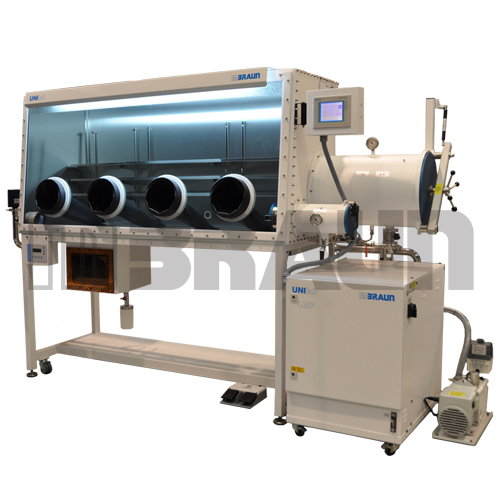
Dr. Likun Zhu is a Professor of Mechanical Engineering at Purdue University's School of Mechanical Engineering in Indianapolis. His research focuses on advanced battery technologies, including lithium-ion and solid-state batteries, with an emphasis on in situ and operando characterization, modeling, and micro/nano fabrication. Dr. Zhu's work addresses critical challenges in battery energy density, safety, and longevity through innovative materials and manufacturing processes. Education: Ph.D. Mechanical Engineering, University of Maryland (2006); M.S./B.S., Tsinghua University (2001/1998). His lab is affiliated with the Birck Nanotechnology Center and equipped with advanced facilities such as gloveboxes, electrochemical analyzers, and microscopy systems. Recent milestones include securing an NSF grant for solid-state battery research (2023) and advising over 30 graduate students. Research Interests: Solid-state batteries, micro/nano fabrication, operando characterization, and sustainable energy materials. His group develops novel electrode materials and designs for high-performance batteries, leveraging cutting-edge in situ techniques to study dynamic processes during cycling. Grants & Awards: NSF grant (2023) for solid-state battery research. Advising: Notable students include Hua Wang (Ph.D. 2024), Xintong Li, and Tianyi Li. Collaborations include work with Professors Hazim El-Mounayri and Andres Tovar on Bayesian optimization of battery materials. Labs & Facilities: The lab, located at ET 118, houses equipment like Arbin battery cyclers, FIB-SEM systems, and Comsol Multiphysics software. Dr. Zhu teaches courses including ME 330 (Dynamic Systems), ME 509 (Fluid Mechanics), and ME 597 (Renewable Energy).
Kristofer Gunnar Paso serves as a Professor in the Department of Chemical Engineering within the Faculty of Natural Sciences at the Norwegian University of Science and Technology (NTNU), where he conducts research at the Ugelstad Laboratory. His work integrates fundamental rheological principles with practical applications in petroleum engineering and sustainable materials development, addressing critical industry challenges through experimental and theoretical approaches. Professor Paso's research spans rheology, polymer technology, enhanced oil recovery, wax deposition mechanics, and nanocellulose applications. His investigations focus on the behavior of complex fluids—including waxy crude oils, biopolymer composites, and nanocellulose suspensions—with emphasis on improving oil transportation efficiency, developing sustainable materials, and understanding interfacial phenomena. Key contributions include modeling wax deposition mechanisms, optimizing pour point depressants, and pioneering nanocellulose applications for enhanced oil recovery under extreme conditions. Analysis of his 2018-2025 publications reveals a strategic evolution from petroleum-focused rheology toward sustainable material solutions. While maintaining strong contributions to flow assurance (40% of recent work), his research increasingly incorporates biocomposites and recycled materials (25% growth since 2020), reflecting industry shifts toward decarbonization. His collaborative approach spans petroleum engineering, food science, and environmental technology, evidenced by publications in Energy & Fuels , Polymers , and Current Opinion in Food Science . No scientific awards were documented in the source material. Professor Paso maintains active collaborations across NTNU and international institutions, though specific advising relationships and grant details remain unreported. His laboratory operations center on the Ugelstad Laboratory's advanced rheological testing facilities, which support investigations into material behavior under reservoir conditions and industrial processing environments.
Sarah L. Keller is a Professor of Chemistry at the University of Washington, holding the Duane and Barbara LaViolette Endowed Chair. She earned her Ph.D. in Physics from Princeton University and completed postdoctoral research at UC Santa Barbara and Stanford University. Her research focuses on self-assembling soft matter systems, particularly lipid membrane biophysics and prebiotic chemistry. She investigates how lipid mixtures form complex phases and their biological implications. Education: Ph.D. in Physics, Princeton University (1995); postdoctoral training at UC Santa Barbara (Presidential Fellow) and Stanford University (NIH NRSA Fellow). Research Interests: Keller's lab explores phase behavior in lipid membranes, prebiotic vesicle formation, and membrane-driven cellular processes. They employ interdisciplinary approaches combining physics, chemistry, and bioengineering to study systems like yeast vacuoles and protocell models. Awards: Biophysical Society Avanti Award, Cottrell Scholar, NSF CAREER Award, Fellow of the American Physical Society, and recognition for mentoring and teaching excellence. Her students frequently win NSF Graduate Fellowships and international awards. Advising & Grants: Keller has mentored over 50 students/postdocs, many of whom hold academic or industry roles. Her lab emphasizes interdisciplinary collaboration, with funding from NSF, NIH, and private foundations. The Keller Lab also supports career development resources for early-career researchers. Labs/Teams: The lab is part of the UW Chemistry Department and collaborates with the UW Biophysics program. Research is conducted in the Bagley Hall laboratory, with access to advanced microscopy and simulation tools.
Ronald G. Larson serves as the George Granger Brown Professor of Chemical Engineering and A. H. White Distinguished University Professor at the University of Michigan's College of Engineering, with additional appointments in Mechanical Engineering and Macromolecular Science & Engineering. His research leadership spans multiple departments within the Chemical Engineering Division, where he directs the Larson Lab focused on fundamental and applied soft matter physics. His research program investigates complex fluids through computational and theoretical frameworks, emphasizing polymer physics, rheology, and molecular simulations. Key thrusts include polymer melt processing, biomembrane dynamics, colloidal systems, and polyelectrolyte coacervation. The group employs advanced techniques like Brownian dynamics, coarse-grained modeling, and multiscale simulation to address challenges ranging from industrial polymer processing to biomedical applications. Recent publications (2023-2025) reveal strong momentum in rheological modeling of complex fluids, with particular emphasis on self-healing materials, wax deposition in pipelines, and crystallization mechanisms. The work bridges fundamental molecular insights with industrial applications, demonstrating consistent high-impact output across polymer science, soft matter physics, and chemical engineering domains. The Larson Lab operates as a collaborative hub within the Chemical Engineering Department, leveraging computational resources to advance understanding of fluid mechanics and material properties. Current projects integrate machine learning with traditional modeling approaches, reflecting the group's commitment to methodological innovation while maintaining strong connections to experimental validation and real-world engineering problems.
Ronald Hedden is a Professor of Practice in the Department of Chemical and Biological Engineering at Rensselaer Polytechnic Institute (RPI), where he focuses on innovations in undergraduate education and polymer science. Previously, he served as an Associate Professor at Texas Tech University (2009–2017). His current research emphasizes Virtual Reality (VR) integration into chemical engineering education, including the development of a Virtual Chemical Plant (VCP) simulation to provide safe, cost-effective access to process equipment. His research interests span chemical engineering, polymer science, soft materials, and nanomaterials. Notable projects include applying VR for teaching process safety and dynamics, as well as exploring nanocomposite materials and membrane technologies. He also investigates polymer rheology and structure-property relationships using advanced characterization techniques like NMR and SANS. Hedden teaches both core chemical engineering courses and interdisciplinary engineering subjects. His work bridges academic research and practical applications, with contributions to biofuel refining, asphalt modification, and nanoparticle incorporation in polymers. While no specific awards are listed, his extensive publication record highlights impactful contributions to materials science and educational technology. His advisory work involves student projects on VR simulations and materials engineering. He collaborates on initiatives like the VCP platform, aimed at advancing safety training and process control education. Hedden’s career reflects a commitment to both cutting-edge research and transformative pedagogy in engineering education.
Sebastian Kube is an Assistant Professor in the Department of Materials Science & Engineering at the University of Wisconsin-Madison's College of Engineering, with additional affiliation in Mechanical Engineering. His research accelerates alloy development through autonomous discovery methods combining robotics, data science, and advanced characterization. Dr. Kube's educational background includes: Postdoctoral Researcher (2023), University of California Santa Barbara (Tresa Pollock Lab) PhD (2021), Yale University (Jan Schroers Lab) BS (2016), Giessen University His work focuses on refractory multi-principal element alloys for extreme environments (>1300°C) and metallic liquid structure-property relationships. He develops autonomous platforms to navigate complex parameter spaces, targeting improved glass forming ability and rapid solidification processing through B2 precipitation strategies and novel characterization techniques. Recent publications emphasize refractory high-entropy alloys, BCC-B2 systems, and metallic glasses, integrating experimental and computational approaches to decode phase stability, deformation mechanisms, and glass formation for accelerated materials design. Major recognitions include: 2025 DARPA Young Faculty Award 2024 ARPA-E IGNIITE Early Career Award RCSA Scialog Fellowship for Automating Chemical Laboratories He mentors graduate students through thesis courses (M S & E 790/890/990) and leads the Autonomous Alloy Discovery Lab, which develops robotic systems for high-throughput experimentation. Current projects target next-generation turbine alloys and environmentally sustainable materials for aerospace, energy, and defense applications.
Dr. Sajjad Bigham is an Associate Professor in the Department of Mechanical and Aerospace Engineering at North Carolina State University and serves as an Adjunct Associate Professor at Michigan Technological University. He holds a PhD in Mechanical Engineering from the University of Florida and directs the Energy-X Lab (Energy eXploration Laboratory), which focuses on high-impact research in energy science and technology. His research interests encompass: Advanced thermal management solutions including microscale heat transfer, boiling/condensation phenomena, and interfacial transport Energy-efficient systems for HVAC&R, desalination, and clean water production Development of micro/nano-engineered materials and devices for energy conversion/storage Sorption-based gas management and multiphase systems under extreme conditions Recent publications demonstrate strong focus on thermal management innovations (45%), sustainable energy systems (30%), and advanced materials applications (25%). Dominant themes include heat transfer enhancement techniques, energy-efficient appliance design, desalination technologies, and microscale phase-change phenomena, with increasing emphasis on additive manufacturing approaches. Dr. Bigham leads the Energy-X Lab research group, which tackles high-risk, high-reward problems across four thrust areas: Terrestrial and space life support systems Advanced thermal management Clean energy production Clean water supply The lab's mission is to improve energy efficiency, reliability, and economy across defense, environmental, and energy sectors.
Jindal Shah is a Professor and holds the Anadarko Petroleum Chair in Chemical Engineering at Oklahoma State University, where he also serves as the Graduate Program Director. He is affiliated with the Department of Chemical Engineering within the College of Engineering at Oklahoma State University. Dr. Shah received his educational training from prestigious institutions worldwide. He earned his Ph.D. in Chemical Engineering from the University of Notre Dame in 2005, followed by an M.S. in Environmental Engineering from the University of Cincinnati in 1999, and completed his undergraduate education with a B.Tech. in Chemical Engineering from the Indian Institute of Technology (IIT) Bombay in 1996. Dr. Shah's research focuses on the application of molecular simulation methodologies to understand molecular-level interactions that give rise to macroscopic phenomena. His primary research interests include Monte Carlo and Molecular Dynamics Simulations, Phase Equilibria, Ionic liquids, and Dye-sensitized solar cells. A significant portion of his work centers on designing novel biodegradable ionic liquids with properties suitable for chemical processes, with applications in next-generation batteries and carbon capture. He also investigates molecular-level interactions responsible for device efficiency in dye-sensitized solar cells to rationally design novel dye molecules. Additionally, Dr. Shah employs data science and machine learning techniques to correlate properties of ionic liquids and generate new molecules with desired properties. An analysis of Dr. Shah's recent publications reveals a strong focus on ionic liquids and their applications in energy storage and carbon capture technologies. His work consistently bridges fundamental molecular-level understanding with practical applications, particularly in developing electrolytes for batteries and CO2 capture systems. A notable trend is the integration of machine learning techniques with traditional molecular simulation methods to accelerate materials discovery and optimization. His research demonstrates a progression from fundamental molecular simulations toward applied technologies with significant environmental impact, particularly in climate action (SDG 13) and affordable clean energy (SDG 7). Dr. Shah has secured substantial research funding from multiple prestigious sources including the National Science Foundation, U.S. Department of Energy, National Aeronautics and Space Administration, and industry partners. His funded projects include 'Collaborative Research: Cyber Training-Implementation, Medium, Establishing Sustainable Ecosystem for Computational Molecular Science Training & Education' (NSF), 'Ionic Liquids for Direct Air Capture of CO2 using Electric-Field-Mediated Moisture Gradient Process' (DOE), and 'CAREER: Computation-Enabled Rational Design of Cytochrome P450 for Ionic Liquid Biodegradation' (NSF). These grants support his research in computational molecular science, CO2 capture technologies, and the development of biodegradable ionic liquids. As an educator, Dr. Shah has been actively involved in teaching graduate courses including Principles of Chemical Engineering Thermodynamics, Doctoral Thesis supervision, and specialized courses such as Machine Learning for Chemical Processes and Introduction to Chemical Process Analytics. His teaching philosophy integrates cutting-edge research with educational practice, preparing students for the computational challenges of modern chemical engineering. He has also mentored numerous doctoral students through their dissertation research, contributing to the development of the next generation of chemical engineers and computational scientists.
João F. Mano is a Full Professor at the Department of Chemistry, University of Aveiro, and Director of the Doctoral Program on Biotechnology. He leads the COMPASS Research Group and serves as Vice-Director at CICECO - Aveiro Institute of Materials. His academic appointments include Invited Professor at University of Lorraine (France), Visiting Professor at KAIST (South Korea), and Adjunct Professor at Ajou University (South Korea). Education: PhD in Chemistry (1996, Technical University of Lisbon); D.Sc. in Tissue Engineering, Regenerative Medicine and Stem Cells (2012, University of Minho) Research Interests focus on Biomaterials for Regenerative Medicine , integrating Nanotechnology , Microtechnology , and Biofabrication . His group develops Bioinspired Materials using polymer chemistry, Decellularized Extracellular Matrix , and 3D Bioprinting to engineer Cell Microenvironments for therapeutic applications. Recent Publications highlight advancements in Human-Derived Hydrogels , Photopolymerizable Scaffolds , Magneto-Responsive Biomaterials , and Programmable Bioinks . Trends show emphasis on Organ-on-a-Chip integration, Smart Living Materials , and Green Bioprinting methodologies. Scientific Awards include: European Research Council Advanced Grants (2015, 2020) Fellow at IUPAC, European Academy of Sciences, and American Institute of Medical and Biological Engineering ERC Proof of Concept Grants Doctor Honoris Causa from University of Lorraine and Utrecht UNESCO Chair on Biomaterials George Winter Award (European Society for Biomaterials) Supervisions & Collaborations encompass 74+ MSc, 26+ PhD students, and 40+ postdocs. He co-founded METATISSUE and CELLULARIS Biomodels , and serves as Editor-in-Chief of Materials Today Bio .
Helmut H. Strey is an Associate Professor in the Department of Biomedical Engineering at Stony Brook University. His research focuses on micro- and nanotechnologies for quantitative biology , including single-cell analysis, cancer metabolism modeling, and functional MRI data analysis. He holds academic appointments since 2008 and has pioneered technologies like tumor-on-a-chip and optical decoders for translation stages. Education: PhD in Biophysics (Technical University München, 1993), postdoctoral training at NIH (1994-1998). Awards include the NSF CAREER Award (2000-2005), Dillon Medal (2003), and Weston Visiting Professorship (2020). Research interests span cell-to-cell variability , Warburg effect in cancer , and Bayesian analysis of time-series data . His lab develops tools for 3D tumor microenvironments, MRI-compatible drug delivery systems, and biomimetic neural circuit models. Teaching includes advanced numerical methods in biomedical engineering, quantitative biology, and biomolecular analysis. Active in open hardware projects, including microfluidics controllers and IoT devices for health monitoring.