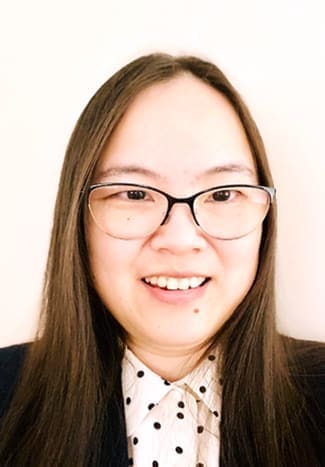
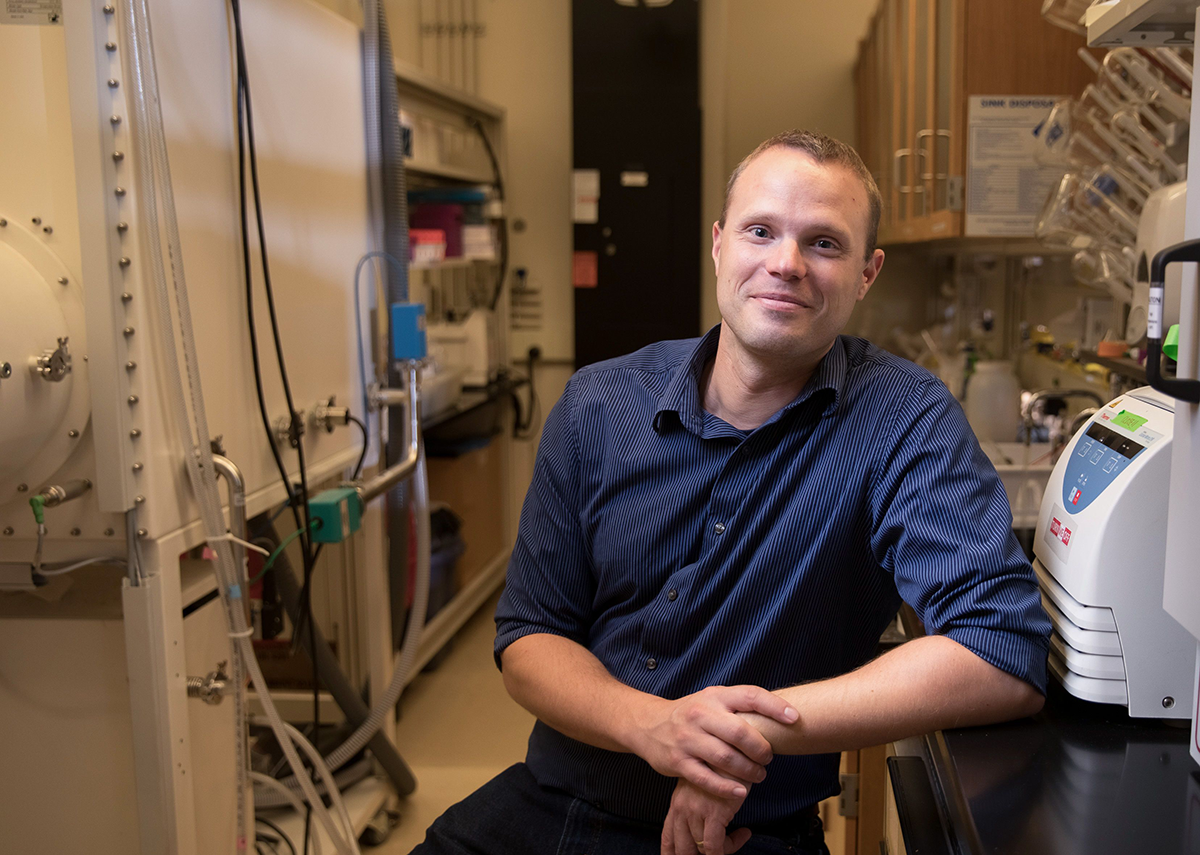
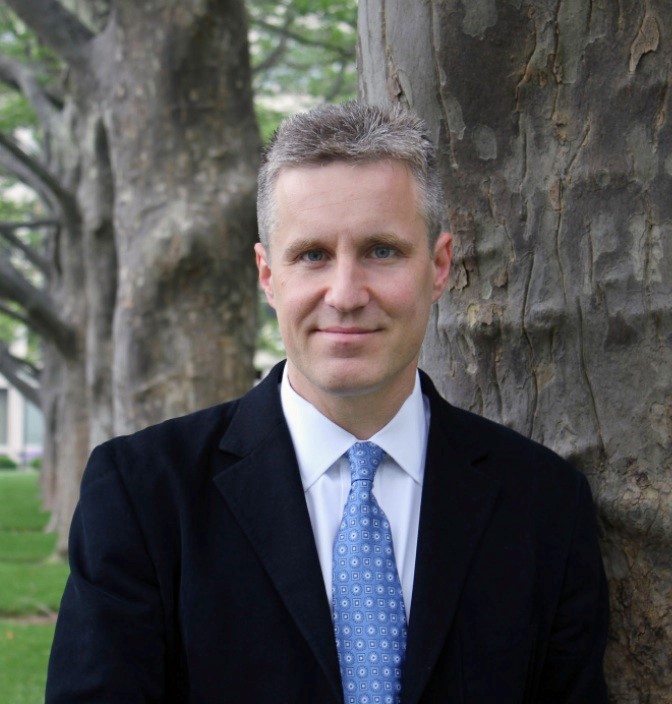
Prof. Hedan Bai is an Assistant Professor at the Department of Materials, ETH Zürich, specializing in robotics materials, bio-inspired systems, and soft robotics. Their research focuses on developing advanced materials for sensing, energy-efficient systems, and biomedical applications. Notable projects include the SmartSuit architecture for space exploration and self-healing optical sensors for soft robots. Research interests span bioelectronics, stretchable sensors, haptic interfaces, and biomimetic materials. Bai's work integrates material science with robotics to create adaptive, sustainable, and intelligent systems. Key areas include wireless implants for neuromodulation, environmental-responsive textiles, and energy-harvesting devices. Publications highlight innovations in optical waveguides, self-healing materials, and wearable technologies. Their interdisciplinary approach bridges robotics, biomedical engineering, and aerospace applications. No formal awards are listed, but contributions to next-gen materials for robotics are prominent. Advising and grants are not detailed in the text, but Bai's lab focuses on projects like SmartSuit for extravehicular activities and synthetic afferent neural networks. Collaborations likely involve aerospace and biomedical sectors.
David Mazières is a Professor at Stanford University , affiliated with the School of Engineering and the Department of Computer Science . He serves as a software engineer at the Stellar Development Foundation . His work bridges academic research and industry applications in distributed systems and security. University: Stanford University Academic Rank: Professor Email: dm@scs.stanford.edu Research Interests: David Mazières' research focuses on distributed systems , cryptocurrencies , and computer security . Key areas include consensus protocols (e.g., Stellar ), low-latency scheduling ( Syrup , Shinjuku ), and cryptographic techniques for privacy and security ( SafetyPin , CCFI ). Key Achievements: His notable works include: TCP-ENO (RFC 8547) for secure transport protocols Stellar Consensus Protocol for decentralized finance SOSP 1999 Best Paper for 'Separating key management from file system security' Teaching Contributions: He has taught core and advanced courses at Stanford since 2005, including CS212 (Operating Systems) , CS240h (Functional Systems in Haskell) , and CS251 (Cryptocurrencies and Blockchain Technologies) . Previously taught courses at NYU (2001-2005).
Dr. Yamin Zhang (张亚敏) holds a Presidential Young Professorship as an Assistant Professor in the Department of Chemical & Biomolecular Engineering at the National University of Singapore (NUS), College of Engineering. She leads the Zhang Group which focuses on interdisciplinary research at the intersection of electrochemistry, materials science, and biomedical engineering. 07/2023 – 01/2024: Research Associate, Northwestern University 02/2021 – 06/2023: Postdoctoral Fellow, Northwestern University 08/2016 – 12/2020: Ph.D., Chemical Engineering, Georgia Institute of Technology 09/2012 – 07/2016: B.S., Chemical Engineering, Tianjin University; B.S., Finance (Double Major), Nankai University Dr. Zhang's research centers on developing advanced electrochemical strategies for next-generation medical devices (implantable, bioresorbable, and wearable) and sustainable energy solutions. Her work bridges bioelectronics , battery technology , and medical therapeutics , with particular emphasis on creating devices that can safely dissolve in the body after serving their purpose. Key areas include bioresorbable optoelectronic systems for electrotherapy, self-powered drug delivery platforms, and eco-safe battery technologies that can harmlessly resorb in biological environments. Analysis of Dr. Zhang's publication record reveals a clear trajectory from fundamental battery chemistry (2021-2022) toward increasingly sophisticated medical applications (2023-2025). Her recent work demonstrates mastery in integrating multiple functionalities into single bioresorbable platforms, as evidenced by her Nature (2025) paper on millimeter-scale optoelectronic systems for electrotherapy and Cell Biomaterials (2025) paper on wireless bioelectronic devices. The research shows strong interdisciplinary collaboration with leading institutions including Northwestern University and Georgia Tech. AHA Early Faculty Independence Award (2023) MIT ChemE Rising Stars (2022) Sigma Xi Best PhD Thesis Award (2021) Chinese Government Award for Outstanding Students Abroad (2021) A*STAR MTC Young Individual Research Grants (YIRG) (2025) Early Career Board Member for ACS Applied Materials & Interfaces (2025) Dr. Zhang has secured significant research funding including the AHA's Second Century Early Faculty Independence Award as Principal Investigator (2023) and the A*STAR MTC Young Individual Research Grant (2025). Her group serves on advisory boards for Cell Biomaterials and ACS Applied Materials & Interfaces. The Zhang Group at NUS maintains active collaborations with Northwestern University researchers including the Rogers group, with whom she has co-authored multiple high-impact publications in Nature, Science, and PNAS. Current research focuses on advancing battery technology and developing sophisticated electrochemical strategies for medical devices with an overarching focus on healthcare innovation and environmental sustainability.
Prof. Li LU is a Professor at the Department of Mechanical Engineering, National University of Singapore (NUS). His research focuses on energy storage materials, ferroelectric systems, and advanced battery technologies. He holds editorial roles at Functional Materials Letters and Materials Technology – Advanced Functional Materials . Education: PhD from KU Leuven (Belgium), M.Eng and B.Eng from Tsinghua University (China). Research interests include thin film deposition, nanostructured materials, and solid-state electrolytes. His work addresses challenges in lithium/ sodium-ion batteries, solid-state interfaces, and high-performance energy storage systems. Recent studies emphasize aerosol deposition techniques, composite electrolytes, and interfacial stability. Publications highlight advancements in battery materials and electrolyte design. Notable contributions include ultra-stable sodium-ion batteries, ferroelectric-engineered electrolytes, and optimizing lithium metal anodes. His research bridges fundamental material science with practical energy solutions.
Dr. Gloria Milena Monsalve Bravo is an Advanced Queensland Industry Research Fellow and lecturer at The University of Queensland's School of Chemical Engineering, where she develops novel multiscale simulation techniques combining molecular simulations with macroscopic physics-based modeling to solve complex energy and environmental problems. Her interdisciplinary work bridges applied mathematics and engineering to improve understanding of phenomena in complex systems across chemical, biomedical, and ecological applications. Her research focuses on: Multiscale simulation techniques for complex systems Molecular simulations coupled with macroscopic modeling Gas permeation and separation in mixed-matrix membranes Uncertainty and sensitivity analysis in mathematical models Applied mathematics for engineering problems Dr. Monsalve Bravo's publication record demonstrates a strong trajectory in membrane technology and computational modeling. Her recent work has advanced understanding of gas transport in novel membrane materials, particularly mixed-matrix membranes, with applications in carbon capture and hydrogen storage. She has made significant contributions to theoretical frameworks for modeling permeation in finite-sized composite systems and developed Bayesian approaches for analyzing parameter uncertainty in sorption predictions. Her research bridges fundamental science with practical applications in energy and environmental engineering. Her scientific contributions have been recognized through research funding including: ARC Research Hub for Value-Added Processing of Underutilised Carbon Wastes (2024-2029) Tailor-made composite membranes for greenhouse gas capture (2023-2026) through Advance Queensland Industry Research Fellowships Dr. Monsalve Bravo actively mentors PhD students on cutting-edge projects related to membrane technology, catalyst development, and waste conversion. She collaborates extensively across disciplines, as evidenced by her diverse publication record spanning chemical engineering, materials science, and environmental applications.
Robert MacCurdy is an Assistant Professor at the Department of Mechanical Engineering, University of Colorado Boulder . He leads the Matter Assembly Computation Lab (MACLab) focused on automating robot design and fabrication. His research bridges computational design and advanced manufacturing to create "robots that walk out of the printer." The lab develops tools like OpenVCAD , an open-source volumetric multi-material geometry compiler.
Yaojun Zhang is an Assistant Professor in the Department of Physics & Astronomy and the Department of Biophysics at Johns Hopkins University. She earned her PhD in Physics from the University of California, San Diego (2015), followed by postdoctoral fellowships at the Princeton Center for Theoretical Science (2015-2018) and the Princeton Center for the Physics of Biological Function (2018-2021). Her research focuses on biological physics, particularly the complex behaviors of biomolecules and their assemblies across scales—from single-molecule folding to intracellular transport and biomolecular phase separation. She employs theoretical, mathematical, and computational tools to bridge biological questions with physical principles. Education PhD in Physics, University of California, San Diego (2015) Postdoctoral Fellowships: Princeton University (2015-2021) Research Interests Her group studies biomolecular condensates and liquid-liquid phase separation, exploring how microscopic interactions determine macroscopic properties of cellular compartments. Key areas include: Biomolecular condensate formation and dynamics Phase separation in cellular environments Interactions between biomolecules and cellular components Biophysics of intracellular transport Collaborations & Tools Zhang collaborates with experimentalists to validate theoretical models and develops frameworks for understanding condensate functions, such as surface tension, stoichiometry, and phase diagrams. Her work addresses challenges like condensate stability, molecular exclusion, and biological function regulation. Labs & Resources She leads the Zhang Lab , which integrates experimental and computational approaches. Her team’s research is supported by resources at the Bloomberg Center for Physics and Astronomy.
Bradley D. Olsen is a full professor in the Department of Chemical Engineering at the Massachusetts Institute of Technology (MIT), where he leads research at the intersection of polymer science, soft matter physics, and bioengineering. His work focuses on designing materials for critical applications in biotechnology, hemostasis, and sustainable polymer development while advancing fundamental understanding of polymer network mechanics and self-assembly. Education: Ph.D. in Chemical Engineering, University of California Berkeley (2007) S.B. in Chemical Engineering, Massachusetts Institute of Technology (2003) Olsen's research spans protein-based materials, block copolymer phase behavior, and mechanochemical hydrogels. He has pioneered methods for quantifying polymer network topology, developing hemostatic nanoparticles, and creating bio-inspired materials for selective biomolecular transport and medical applications. His recent publications emphasize data-driven approaches to polymer characterization and educational outreach in materials science. Scientific Awards: American Physical Society (APS) Fellow (2023) Fulbright Amazonia Scholar (2023) Alexander and I. Michael Kasser Chair in Chemical Engineering (2021) ACS Macro Letters Young Investigator Award (2021) MIT Committed to Caring Honor (2019) AIChE Owens Corning Early Career Award (2019) APS Dillon Medal (2018) Kavli Emerging Leader in Chemistry (2017) ACS Polymer Division Fellow (2016) Camille Dreyfus-Teacher Scholar (2015) Alfred P. Sloan Research Fellow (2014) NSF Career Grant (2013) NIH Postdoctoral Fellowship (2008-2009) Hertz Fellow (2003-2007) Barry M. Goldwater Scholarship (2002) Olsen has received significant grant support including NSF Career (2013) and AFOSR (2012) awards. His teaching activities include innovative international outreach like the 2025 soccer-themed science camp in Brazil. The Olsen Group at MIT explores advanced materials with applications ranging from trauma care to sustainable polymers.
Michael Baldea is an Associate Professor in the Department of Chemical Engineering at the University of Texas at Austin . He holds a Ph.D. in Chemical Engineering from the University of Minnesota (2006), with prior degrees from 'Babeş-Bolyai' University in Romania (M.Sc. 2001, Diploma 2000). His research group develops theoretical and computational methods for Process and Energy Systems Engineering , focusing on integrated decision-making, performance optimization, and process intensification with industrial validation. Education: Ph.D., Chemical Engineering, University of Minnesota (2006) M.Sc., Interface Process Engineering, 'Babeş-Bolyai' University (2001) Diploma, Chemical Engineering, 'Babeş-Bolyai' University (2000) Research Thrusts: Integrated decision-making in chemical/energy supply chains Process performance monitoring and optimization Process integration and intensification Key applications include grid-responsive chemical plants, intensified distillation/column designs, and renewable energy integration for building systems. Scientific Awards: Frank A. Liddell, Jr. Fellowship NSF CAREER Award (2015-2020) Moncrief Grand Challenges Faculty Award (2014) AIChE Outstanding Young Researcher Award (2017) Implementation : His group has translated research into commercial tools through partnerships with industrial test beds and is working to integrate methods into commercial simulators. They explore predictive approaches for building energy management and strategic capital investment analysis in next-generation energy systems.
Professor Mikko Haataja is a distinguished faculty member in the Department of Mechanical and Aerospace Engineering at Princeton University's School of Engineering and Applied Science. Holding a Ph.D. from McGill University (2003), he leads the Haataja Research Group focused on theoretical and computational approaches to materials science and physical biology. His office is located in D404C Engineering Quadrangle, and he serves as an advisor to numerous graduate students working at the intersection of physics, materials science, and biology. Professor Haataja's research spans multiple domains including theoretical and computational materials science, physics of materials, and physical biology. His work examines microstructure formation during solid-solid phase transformations and solidification, growth of electrodeposited thin films and quantum heterostructures, dynamics of driven interfaces with mobile impurities, recrystallization kinetics, cell signaling mechanisms, and the regulation & self-organization of 'lipid rafts' in plasma membranes. His group has pioneered concepts in 'dynamically programmable electromechanical 2D materials' and investigates phase separation phenomena in biological systems. His publication record demonstrates significant contributions across several key areas: intracellular phase transitions and biomolecular condensates, 2D transition metal dichalcogenide materials, lipid bilayer membrane physics, solid oxide fuel cells and batteries, and organic semiconductor thin films. His most recent work focuses on amyloid-like fibril formation, liquid-liquid phase separation in biological contexts, and defect engineering in 2D materials, reflecting his interdisciplinary approach that bridges physics, materials science, and biology. Professor Haataja actively mentors graduate students and postdoctoral researchers, with numerous co-authored publications indicating strong advising relationships. His research program encompasses multiple funded projects investigating materials for energy conversion and storage, intracellular organization mechanisms, and novel 2D material systems. The Haataja Group maintains strong collaborations with other Princeton researchers and external institutions, particularly in the fields of biophysics and advanced materials. The Haataja Group operates as a dynamic research laboratory employing computational modeling and theoretical approaches to address fundamental questions in materials science and biophysics. Their work spans from atomic-scale simulations to continuum modeling, with particular emphasis on phase-field crystal models, membrane biophysics, and 2D material systems. The group maintains specialized computational infrastructure for multiscale modeling and collaborates extensively with experimental groups to validate theoretical predictions.
Hrvoje Jasak is a Professor of Continuum Physics at the Department of Physics (Cavendish Laboratory), University of Cambridge. He holds a fellowship at Christ’s College. His academic journey includes a BSc in Mechanical Engineering from the University of Zagreb (1992) and a PhD in CFD from Imperial College London (1996). Prior to academia, he held engineering roles at CD-adapco (now Siemens PLM), Nabla Ltd, and Ansys-Fluent Inc., contributing to CFD software development. His research focuses on numerical simulation methods, continuum physics, multiphase flows, naval hydrodynamics, and software development. He co-created OpenFOAM, chairs its Numerics Technical Committee, and leads the Computational Continuum Mechanics (CCM) research group within the Laboratory for Scientific Computing. His work integrates advanced numerical techniques like the partially rotating grid method, finite volume algorithms, and multiphysics coupling frameworks. Jasak is a seasoned developer with 25+ years of C++ expertise, having authored ~1 million lines of code. His group’s projects include the Naval Hydro Pack , fluid-structure interaction solvers, and the Eulerian multi-fluid model for dense sprays. He actively collaborates on international initiatives like the NUMAP-FOAM Summer School and the OpenFOAM community. His teaching spans MPhil programs, PhD supervision, and specialized CFD courses. Current research explores wave-ice interaction, lubricated contact modeling, and open-source software innovation. The CCM group’s work bridges academia and industry, addressing challenges in marine engineering, energy systems, and computational mechanics.
Andrew Spakowitz is a Professor of Chemical Engineering, Materials Science and Engineering, and by courtesy, Applied Physics and Chemistry at Stanford University. He currently serves as the Senior Associate Dean for Research and Faculty Affairs and holds the Tang Family Foundation Chair of the Department of Chemical Engineering. His academic career at Stanford spans from Assistant Professor (2006-2014) to Associate Professor (2014-2020) and now Professor since 2020. Dr. Spakowitz earned his PhD in 2004, MS in 2001 from the California Institute of Technology, and his BS in Chemical Engineering from the University of Wisconsin, Madison in 1999. He completed postdoctoral training in Molecular and Cell Biology and Biophysics at UC Berkeley from 2004-2006. His research focuses on theoretical and computational approaches to understanding biological processes and complex materials. The Spakowitz lab addresses fundamental chemical and physical phenomena through four main research themes: chromosomal organization and dynamics, protein self-assembly, polymer membranes, and charge transport in conducting polymers. His group employs diverse theoretical and computational methods including analytical theory of semiflexible polymers, polymer field theory, continuum elastic mechanics, Brownian dynamics simulation, equilibrium and dynamic Monte Carlo simulations, and reaction-diffusion modeling. Analysis of his recent publications reveals a strong emphasis on epigenetics and chromatin dynamics, with significant work on DNA methylation patterns, nucleosome clustering, and chromosome organization. His research also extends to polymer physics applications in biological systems, particularly in respiratory diseases, water purification membranes, and bacterial phage interactions with human mucus. Tang Family Foundation Chair of the Department of Chemical Engineering Professor Spakowitz mentors several graduate students and postdoctoral scholars in the Chemical Engineering and Materials Science departments. His lab members work on diverse projects spanning from chromatin dynamics to polymer membranes for water purification. He teaches multiple courses including CHEMENG 120B (Energy and Mass Transport), CHEMENG 340 (Molecular Thermodynamics), CHEMENG 466 (Polymer Physics), and CHEMENG 467 (Physics of Biomacromolecules). The Spakowitz lab operates from Clark S295 at Stanford University, conducting theoretical and computational research that bridges chemistry, physics, biology, and engineering disciplines to address complex problems across multiple length and time scales.
Dr. Muhammad Gulzari is an Assistant Professor at the School of Civil Engineering, University College Dublin (UCD). Previously, he held positions as Lecturer/Assistant Professor at the University of Galway (2023–2024), Adjunct Assistant Professor at Trinity College Dublin (2022–2023), and a Research Fellow at Trinity College Dublin (2021–2023). He earned his Ph.D. in Civil Structural Engineering from City University of Hong Kong (2021) and a B.Sc. in Civil Engineering from the University of Engineering and Technology Lahore (2017). Education: Bachelor of Engineering, Civil Engineering, University of Engineering and Technology Lahore Ph.D., Civil Structural Engineering, City University of Hong Kong Research Interests: His work focuses on structured materials and dynamics, including finite element modeling, phononic crystals, acoustic and mechanical metamaterials, vibration and noise control, and applications in structural health monitoring. He leads the Structured Materials and Dynamics Lab at UCD, exploring nonlinear and nonreciprocal metamaterials. Teaching and Awards: He has taught courses in Fluid Mechanics, Thermodynamics, and Combustion Engineering. Notable recognitions include the Seal of Excellence Award from the EU-Horizon MSCA Postdoctoral Fellowship (2021) and nominations for teaching excellence awards at Trinity College Dublin and University of Galway. Grants: TimberFlow: Enhancing Efficiency in Mass Timber Construction (Enterprise Ireland, 2025) Indoor Acoustic Quality via Acoustic Metamaterials (Enterprise Ireland, 2025) RUBBERPAVE: ELT Integration in Pavement Construction (Enterprise Ireland, 2024–2026) Deep Learning for Metamaterial Design (Irish Research Council, 2021–2023) Labs and Collaborations: His research group collaborates with industry partners like Amplitude Acoustics and G-frame Structures Ltd. Key projects include developing metamaterials for noise/vibration control and sustainable construction materials.
John M. Woodley is a distinguished Professor in the Department of Chemical and Biochemical Engineering at the Technical University of Denmark (DTU), where he leads research at the PROSYS - Process and Systems Engineering Centre and contributes to the DTU Microbes Initiative. With over 30 years of experience, he has established himself as a leading expert in biocatalysis and bioprocess engineering, with research spanning both theoretical and experimental work across multiple scales. His primary research interests focus on the interface of bioprocess engineering, process chemistry, and reaction engineering. Dr. Woodley's work encompasses multi-step biocatalysis (including systems biocatalysis and flow chemistry), downstream processing from biocatalytic reactors and fermentations (including ISPR), modeling tools for bioprocess assessment (thermodynamics, kinetics, process simulation, economic evaluation), and bio-oxidations (including oxygen supply methods). His enzymatic investigations particularly target alcohol oxidases, carbohydrate oxidases, cytochrome P450s, Baeyer-Villiger monooxygenases, and transaminases. His research portfolio demonstrates consistent innovation in sustainable chemical production, with particular emphasis on enzymatic synthesis of pharmaceuticals and chemicals from renewable resources. Analysis of his recent publications reveals a strong focus on overcoming industrial implementation challenges, particularly regarding enzyme stability in various reactor environments, optimization of multi-enzyme systems, and scale-up methodologies for biocatalytic processes. Dr. Woodley actively supervises multiple PhD students and leads several significant research projects, including 'P450-based biocatalytic processes for the pharmaceutical industry' (2025-2028), 'Integrated model for up- and downstream bioprocess intensification' (2024-2027), and 'ENFACE: A tool for prediction of enzyme stability at gas-liquid interfaces' (2024-2027). His work has resulted in an impressive publication record of 781 research outputs across various formats, including journal articles, book chapters, and conference proceedings. His research group operates within the Department of Chemical and Biochemical Engineering at DTU, utilizing advanced facilities for biocatalysis research, including specialized reactor systems for studying gas-liquid interfaces, computational modeling resources, and laboratories for enzyme characterization and bioprocess development. Through his leadership in the PROSYS center, he contributes to DTU's strategic focus on sustainable process technologies and systems engineering.
Martin Z. Bazant is the E. G. Roos (1944) Professor of Chemical Engineering and Professor of Mathematics at the Massachusetts Institute of Technology (MIT), holding the Digital Learning Officer role in the Department of Chemical Engineering. His research focuses on mathematical modeling of electrochemical systems, transport phenomena, and applied mathematics, with significant contributions to battery technology and electrochemical energy storage. He is affiliated with MIT’s Department of Mathematics and the MIT Energy Initiative (MITEI), leading initiatives like the Center for Battery Sustainability and D3BATT. Education: Ph.D. from Harvard University (1997), M.S. and B.S. from the University of Arizona (1993, 1992). His work bridges theory and application, addressing challenges in lithium-ion batteries, solid-state systems, and electrolyte dynamics. Notable achievements include pioneering studies on coupled ion-electron transfer mechanisms and phase separation in battery materials. He is an elected member of the National Academy of Engineering (2025) and a Fellow of the Electrochemical Society (2023). As an educator, he develops MOOCs on transport phenomena and contributes to digital learning initiatives. His research group explores advanced battery diagnostics, machine learning for materials science, and environmental applications of electrochemical processes. Key collaborations include startups like Lithios, Inc., and leadership roles in professional societies such as the International Electrokinetics Society.