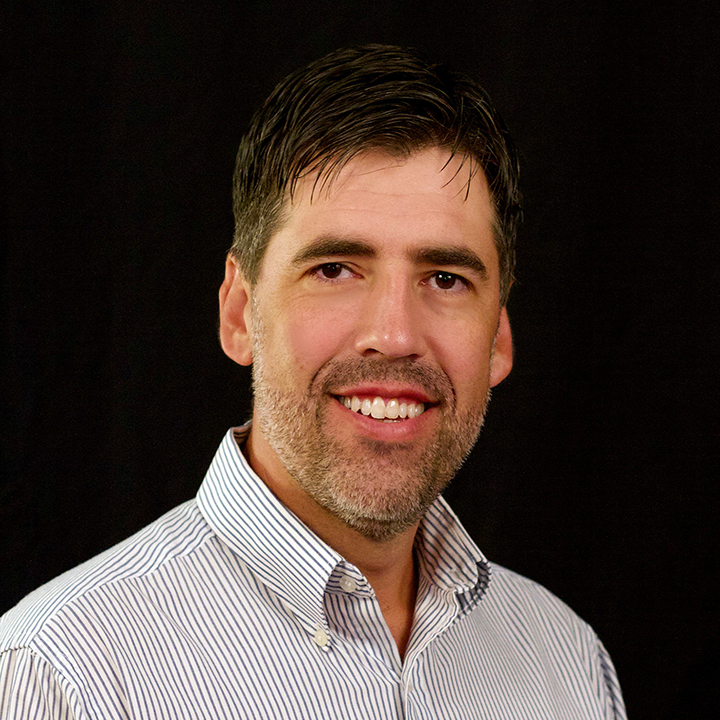
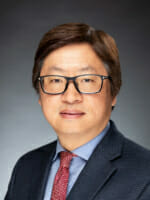
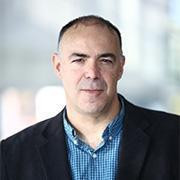
Professor Colin Pouton is Theme Leader for Drug Delivery, Disposition and Dynamics at Monash Institute of Pharmaceutical Sciences. His research spans stem cell applications in drug discovery, mRNA therapeutic delivery systems, and lipid-based formulations. He focuses on differentiating pluripotent stem cells into brain cells for modeling neurodegenerative diseases like Parkinson's and Alzheimer's. His team designs advanced lipid nanoparticle systems for nucleic acid delivery and oral peptide administration. Professor Pouton teaches extensively in Monash's BPharm, MPharm, and BPharm Sci programs, covering virology, biotechnology, and molecular biology. He currently supervises 16 PhD students and contributes to curriculum development. His research has secured multiple grants for mRNA vaccine development, including the Victorian Pre-clinical mRNA Innovation Incubator project. Recent publications explore nanoparticle stabilization strategies and immune response mechanisms in mRNA vaccines.
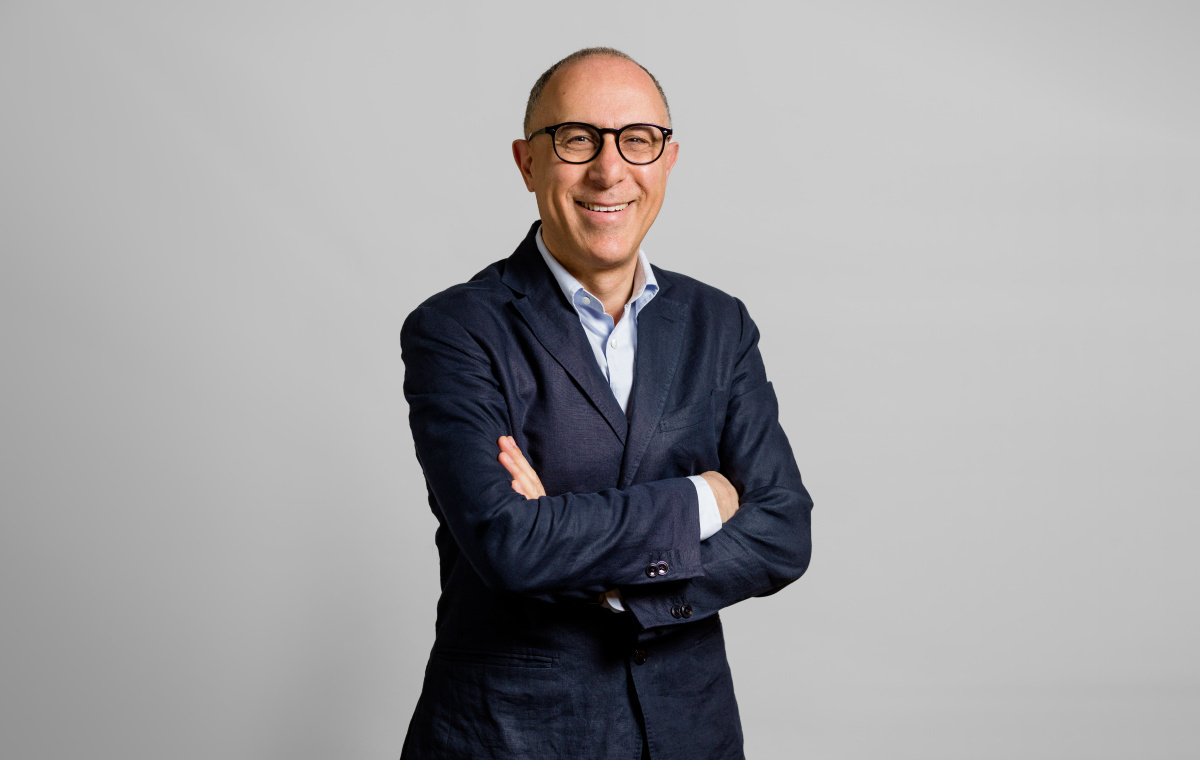
Dr. Jayani Chandrapala is an Associate Professor and Head of Department in Food Technology & Nutrition at RMIT University's School of Science. She holds editorial roles in journals like Food Chemistry Advances and Frontiers in Nutrition , and has led roles such as HDR Manager and Program Coordinator. Her research focuses on physical chemistry of food systems, dairy science, membrane processing, and functional foods. She has supervised over 25 research projects on topics like functional ingredient development, dairy product innovation, and bioactive compounds. Key interests include protein-carbohydrate interactions, non-thermal technologies, and food waste valorization. Education: BSc (Hons) in Chemistry (Sri Lanka), MSc and PhD in Food Chemistry (Monash University). Leadership roles include Assistant Associate Dean (2024) and Program Manager for the Bachelor of Food Technology & Nutrition (2020-2023). Teaches Food Chemistry and Food Manufacturing courses at undergraduate and postgraduate levels. Research outputs include over 135 publications, with recent work on milk-tea blends, buffalo milk processing, and functional food development. Active in industry collaborations and innovation projects, including space food perception studies and plant-based meat analogues.
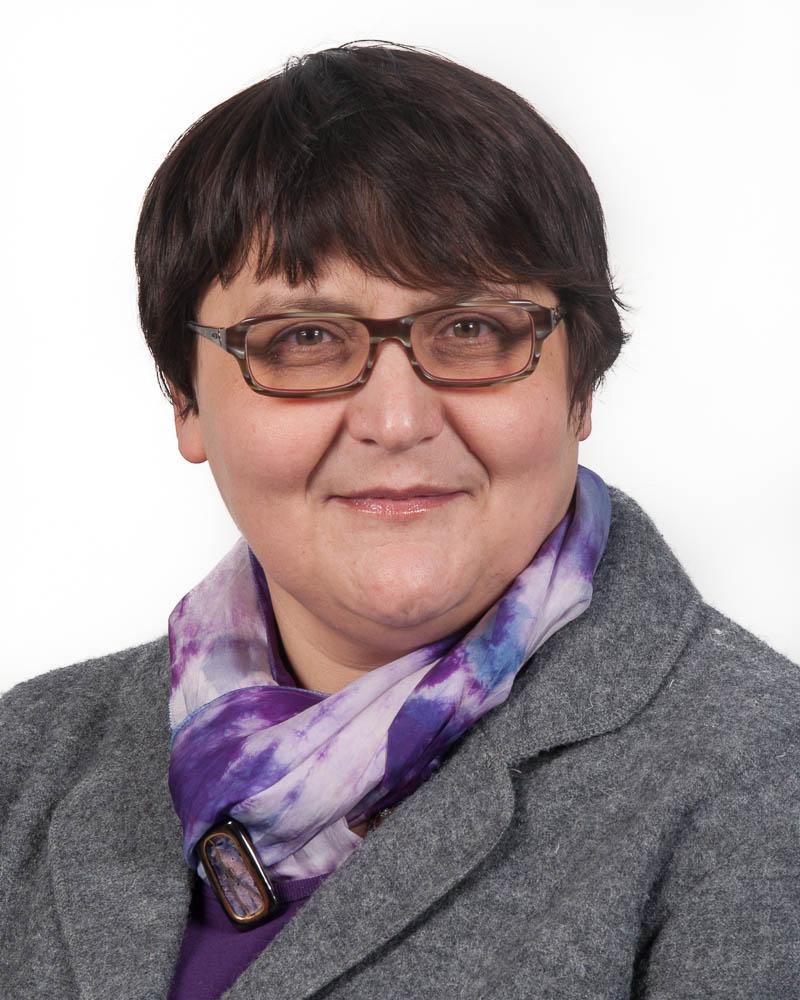
Alexandra Teleki is a Senior Lecturer at the Department of Pharmacy, Uppsala University, specializing in Pharmaceutical Nanotechnology within the Molecular Galenic Pharmacy division. Her research focuses on developing advanced drug delivery systems using nanotechnology approaches, with particular expertise in flame aerosol synthesis of pharmaceutical nanoparticles and magnetic nanoparticle applications. Her research interests span: Pharmaceutical Nanotechnology and Flame Aerosol Synthesis Magnetic Nanoparticles for Theranostic Applications Lipid-based Formulations for Drug and Nutraceutical Delivery Biomimetic Barrier Models for Drug Transport Studies 3D Printing of Advanced Drug Delivery Systems Teleki's work demonstrates a clear trajectory from fundamental nanomaterial synthesis toward clinically relevant applications, with recent publications showing increasing focus on cancer theranostics, antimicrobial treatments, and precision drug delivery systems that respond to specific physiological conditions. Her research bridges materials science, pharmaceutical technology, and clinical medicine to address critical challenges in drug delivery. Notable contributions include: Development of flame-made doped iron oxide nanoparticles for medical imaging Innovative approaches to magnetic hyperthermia for cancer treatment Advanced biomimetic barrier models for drug transport studies Optimized colonic mucus models for drug diffusion studies 3D printing techniques for lipid-rich solid oral dosage forms Teleki actively collaborates through the Nordic POP (Patient-oriented Products) initiative and maintains strong interdisciplinary connections across pharmaceutical sciences, materials engineering, and clinical medicine. Her research group focuses on translating nanomaterial synthesis techniques into practical pharmaceutical applications that address real-world challenges in drug delivery and therapeutic efficacy.
David Lynn is a Professor in the Department of Chemical & Biological Engineering at the University of Wisconsin-Madison's College of Engineering, with a joint affiliation in Materials Science & Engineering. His laboratory focuses on interdisciplinary research involving soft materials, nanostructured interfaces, and biomaterials for biomedical applications. Dr. Lynn holds a PhD from the California Institute of Technology (1999) and a BA from the University of South Carolina (1994). Research Interests: His group designs polymers, liquid crystals, and responsive surfaces for applications in drug/gene delivery, antifouling coatings, biosensing, and antimicrobial systems. Key themes include the development of slippery liquid-infused porous surfaces (SLIPS), peptide-based therapeutics, and machine learning-enhanced diagnostic platforms. Research Trends: Recent publications (2022-2025) demonstrate a strong focus on liquid crystal-based sensors, antimicrobial peptide design, and scalable fabrication of functional coatings. Machine learning integration for material optimization and amphiphile detection represents an emerging theme, alongside innovations in catheter-mediated gene delivery and biomass-derived pharmaceuticals. Awards and Honors: Kellett Mid-Career Award (2020) Bluemke Professorship (2016) Sloan Research Fellow (2007) Beckman Young Investigator (2003) TR100 Top Innovator (2003) Romnes Faculty Fellowship (2014) Teaching and Advising: He teaches graduate/undergraduate courses including Polymer Science, Synthetic Organic Materials, and oversees thesis research. His lab provides interdisciplinary training for students in chemistry, engineering, and pharmaceutical sciences, emphasizing collaborative problem-solving. Laboratory: The Lynn Lab develops advanced materials for biotechnology and medicine, with facilities for polymer synthesis, nanomaterial characterization, and biological testing. Current projects include liquid crystal emulsions for pathogen detection and peptide therapeutics for antifungal applications.
Markus Neureiter is a Senior Scientist at the Institute of Environmental Biotechnology within the Department of Agricultural Sciences at the University of Natural Resources and Life Sciences, Vienna (BOKU). His research focuses on environmental biotechnology applications, particularly in bioprocess engineering, fermentation technologies, and waste valorization for sustainable chemical and biopolymer production. Key Research Areas: Bioprocess engineering, PHA production from agricultural and industrial waste, volatile fatty acid platform development, biorefinery processes, and renewable energy systems. Recent Trends: Publications emphasize pilot-scale biopolymer production, carbon source optimization, and integration of enzymatic pretreatment with microbial fermentation. Academic Awards & Community Services: Markus serves as a reviewer for journals including PLoS One , Metabolic Engineering , and Renewable Energy . He has organized conferences like the European Biotechnology Congress and contributed to EU-funded projects such as CAFIPLA and VOLATILE. Supervised Students: Guided 16 university theses (PhD and Master's) on topics like biopolymer synthesis, yeast cultivation, and waste-to-chemicals strategies.
Luke Roy is an Extension Professor and Assistant School Director of AFFC Operations at Auburn University's School of Fisheries, Aquaculture & Aquatic Sciences. He leads extension programs focused on enhancing biological and economic sustainability in catfish and shrimp farming in Alabama and the U.S., with a particular emphasis on inland low-salinity aquaculture. His role bridges industry needs and academic research, promoting technological adoption and rural development in Latin America. Education: While formal education details are not explicitly stated, his expertise aligns with advanced training in aquatic sciences or related fields given his research and extension roles. Research Interests: His work centers on aquaculture production systems, feed optimization, disease management, and economic analyses. Key areas include genetic improvement in fish, microbiome impacts on fish health, and sustainable practices in shrimp and tilapia farming. He also investigates avian depredation impacts and biosecurity measures in aquaculture. Labs/Teams: Based at the Alabama Fish Farming Center, he collaborates with industry stakeholders and academic teams to develop practical solutions for commercial producers. His extension activities include demonstrations of new technologies like split-pond systems and biofloc tanks. Grants/Advising: While specific grants are not listed, his publications indicate funded research on topics like synbiotic systems for shrimp, dietary enzyme impacts, and thermal tolerance in fish. He advises industry through extension programs without explicitly listed student advisees.
Vahé Nerguizian is a full Professor in the Department of Electrical Engineering at École de technologie supérieure (ÉTS) in Montreal, Canada, where he has established himself as a leading researcher in microelectronics, MEMS, and biomedical applications. Affiliated with the LACIME (Communications and Microelectronic Integration Laboratory), his work bridges engineering disciplines with healthcare innovations, particularly in cancer research and point-of-care diagnostics. His educational background includes a B.Ing. from Polytechnique Montréal, an M.Eng. from McGill University, and a Ph.D. from Concordia University. This strong foundation in electrical engineering has enabled his interdisciplinary research across multiple domains. Nerguizian's research focuses on the intersection of microfluidics, MEMS, and biomedical applications, with particular emphasis on cancer cell detection, liposome production for drug delivery, and microelectronic integration for healthcare solutions. His laboratory develops microfluidic devices for synthesizing nanoparticles and liposomes, with applications in cancer therapeutics and diagnostics. The work combines microwave engineering, bio-MEMS, and microelectronics to create innovative diagnostic tools and therapeutic delivery systems. His recent publications (2021-2025) demonstrate a clear trajectory toward increasingly sophisticated biomedical applications of microfluidic and MEMS technologies, with growing emphasis on cancer research, extracellular vesicle analysis, and therapeutic delivery systems. The research has evolved from fundamental MEMS and microwave engineering toward highly translational biomedical applications. 2015: Excellence in Teaching Award from the Board of Directors Nerguizian has supervised over 25 graduate students across doctoral and master's programs, with current projects focusing on microfluidic systems for nanoparticle synthesis and sensor systems for biomolecule detection. His research has received significant funding through collaborations with medical researchers, particularly with Julia Burnier's team at McGill University. The LACIME laboratory, where he conducts his research, provides state-of-the-art facilities for micro- and nanofabrication, integrated circuit design, and photonic microsystems. As part of the LACIME research group, Nerguizian contributes to a dynamic environment focused on both fundamental and applied research with strong industry connections. The laboratory's work spans from materials science to communication protocols, with particular strength in developing innovative solutions for healthcare applications.
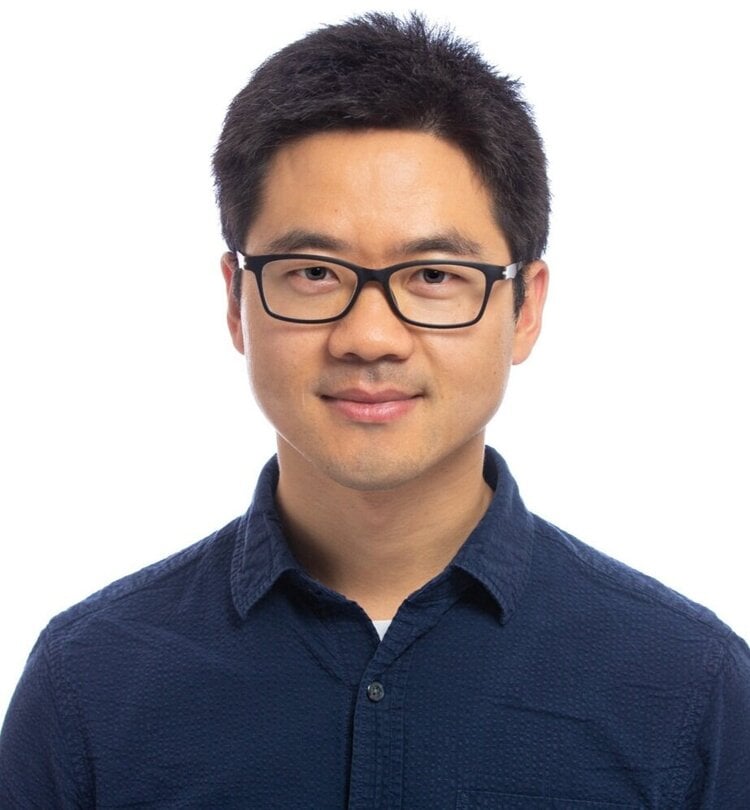
Guizhi Zhu (Julian) is an Associate Professor in the Department of Pharmaceutical Sciences at the University of Michigan — Ann Arbor . He is also a Center Member at the Rogel Cancer Center and Biointerfaces Institute . His research focuses on RNA-based therapeutics and vaccines at the intersection of immunology, nucleic acid engineering, and functional biomaterials. Dr. Zhu earned a B.S. from Nankai University (China), a Ph.D. from the University of Florida (USA), and completed postdoctoral training at the National Institutes of Health . His work has been continuously supported by federal grants from NIH , DoD , and ACS , including a $2.3M NIH/NCI R01 grant (2022-2027) and a DoD Breast Cancer Research Breakthrough Award (2022-2025). Developing circRNA and mRNA vaccines for cancer and infectious diseases Designing nucleic acid immunotherapeutics (circRNA, gene-editing gRNA, siRNA) Engineering cGAS-STING-targeted immunomodulators for cancer and autoimmune diseases Creating biomaterials delivery systems : lipid nanoparticles, polymeric microneedles, hydrogels His 15 most recent publications (2020-2025) demonstrate expertise in circular RNA vaccines , nucleic acid delivery , and combination immunotherapy . His 2022 review in Journal of Controlled Release has been cited 231 times, highlighting his leadership in RNA therapeutics. 2022 : Mary Ann Liebert Young Investigator Award, AAPS Emerging Leader Award 2021 : NIH MIRA R35 grant ($1.9M), METAvivor Early Career Award 2019 : KL2 Scholar (NCATS, NIH) The Zhu Research Group includes 15+ members working on projects like tumor therapeutic mRNA vaccines and RNA editing. They currently accept PhD students, postdocs, and visiting scholars.
Natasa Skalko-Basnet is a Professor and Head of the Drug Transport and Delivery Research Group at the Department of Pharmacy, UiT The Arctic University of Norway. She specializes in advanced drug delivery systems, lipid-based formulations, and nanomedicine for localized therapies targeting infections and biofilms. Her work spans vaginal drug delivery, antimicrobial resistance solutions, and controlled release systems. Education: B. Pharm (1986), Faculty of Pharmacy and Biochemistry, University of Zagreb M.Sc. (1990), University of Zagreb PhD (1995), University of London University Habilitation (1999), University of Zagreb Research Interests: Development of liposomal hydrogels and nanocarriers for targeted antimicrobial therapy Biofilm disruption mechanisms and drug delivery strategies Optimization of vaginal and topical formulations for chronic infections Pharmaceutical characterization of nanomedicines using advanced imaging techniques Teaching: FAR 3041 Advanced Pharmaceutics and Biopharmaceutics FAR 3043 Advanced Drug Delivery Systems in Nanomedicine (Master’s) FAR 8043 Nanotechnology and Nanomedicine (PhD) Labs/Groups: Member of the Drug Transport and Delivery (DTD) Research Group and the Cell-Free In Vitro Permeability Models project.
Lee Hyuk-jin is a Professor at the Department of Biomedical Engineering, College of Engineering, Seoul National University. He holds a Ph.D. in Life Sciences from KAIST (2009) and completed prior degrees at Columbia University (M.S. in BME, 2004) and Johns Hopkins University (B.A. in BME, 2002). Ph.D., Life Sciences, KAIST (2009) M.S., Biomedical Engineering, Columbia University (2004) B.A., Biomedical Engineering, Johns Hopkins University (2002) His research focuses on RNA-based gene/cell therapy and RNA nanotechnology , with a specialization in lipid nanoparticle (LNP) engineering. Recent work includes in vivo RNA delivery systems for hemophilia A, pulmonary fibrosis, and innate immune responses to mRNA vaccines. Notable trends in his publications include: advances in LNP design for targeted RNA delivery, therapeutic applications in liver and lung diseases, and immune modulation mechanisms for vaccines. Awards include the 2023 Science and Technology Medal on Science Day. Recipient of 220 million KRW research grant (5 years) from the Ministry of Science and ICT Led development of innovative biomaterials for gene therapy
Jeffrey Wang is Professor of Biotechnology and Pharmaceutical Sciences and Associate Dean for Research and Global Advancement at Western University of Health Sciences' College of Pharmacy. He holds a PhD in Pharmaceutical Sciences from University of Southern California (1995) and B.S. in Pharmacy from Shanghai Medical University (1986). His research focuses on drug delivery systems, prodrug design, and nanotechnology applications in pharmaceuticals. Key research areas include reversible lipidization of biomolecules, oral peptide delivery, and nanoparticle formulation development. He has led/co-led numerous grants including NIH-funded studies on pancreatic cancer nanotherapy (2014-2017) and chemoresistance mechanisms (2016-2017). Notable achievements include 4 patents related to drug delivery innovations and over 10 peer-reviewed publications in journals like Drug Delivery and Translational Research and Nanoscale . Recent work emphasizes synergistic drug combinations (e.g., loratadine-SMEDDS/sulforaphane for pancreatic cancer) and silk fibroin nanoparticle systems. His educational contributions include curriculum development for pharmacokinetics courses. Current projects involve preclinical development of factor IX-based hemophilia therapies and novel formulations for antibiotics like vancomycin. Key grants: NIH R15 (pancreatic cancer nanotherapy), Strategic Drug Solutions (nasal spray bioavailability study) Labs/Teams: Collaborates with Eureka BioVenture on silkworm drug models and Novo Nordisk on hemophilia B therapies
Jack Yang is an Assistant Professor in the Department of Food Science at Wageningen University & Research, specializing in the Physics and Physical Chemistry of Foods. His research focuses on interfacial phenomena in food systems, particularly plant protein functionalization, oleosome membrane mechanics, and foam/emulsion stabilization. He leads multiple interdisciplinary projects combining physics, data science, and food technology. Key research interests include: Interfacial rheology of plant proteins and phospholipids Stabilization mechanisms in food foams and emulsions Utilization of plant-based ingredients (rapeseed, mung bean, asparagus) Development of sustainable food processing methods Recent work emphasizes protein-phenolic interactions, AI-driven food system modeling, and valorization of agricultural by-products. He collaborates extensively with industry partners on plant protein innovation and has pioneered methods for high-yield oleosin extraction. Current projects include large language model applications in food product development and physics-encoded neural networks for prediction of complex food systems. As a co-promotor for seven PhD candidates, Yang supervises research on topics like functional protein-extract interactions, microstructure imaging of protein interfaces, and combining physics with data science for functionality prediction. His work bridges fundamental colloid science with practical food formulation challenges.
Dr. Julian McClements is a Distinguished Professor in the Department of Food Science at the University of Massachusetts Amherst. He also holds adjunct/visiting roles at Zhejiang Gongshang University (China), Harvard University, and King Abdulaziz University (Saudi Arabia). His research focuses on food biopolymers, colloids, and delivery systems for nutrients/nutraceuticals, with over 1,200 peer-reviewed articles and 12 patents. He has secured $11.5M in grants and authored seminal books like *Future Foods* and *Food Emulsions*. Awards include the Nicolas Appert Award (IFT’s highest honor) and multiple fellowships. Education : Ph.D. in Food Science (1989), University of Leeds, UK. Postdoctoral training at UC Davis, University College Cork, and Leeds. Research Interests : Designing plant-based foods, food nanotechnology, encapsulation systems, and gastrointestinal fate of nutrients. His lab explores emulsion stability, hydrogel matrices, and sustainable food architectures. Achievements : Top-cited author in Agricultural Sciences (ISI) Over 1200 publications (H-index 162) Recipient of 12 patents Editorial roles at *Annual Reviews in Food Science and Technology* and other journals Advising & Grants : Advised numerous students (not listed) and secured grants from USDA, NSF, NASA, and industry partners. Research emphasizes healthful, sustainable food systems. Labs/Teams : Leads the Biopolymer and Colloids Research Group, organizing international conferences on food colloids and delivery systems.
Dr. ir. Dirk T.S. Rijkers is an Associate Professor at Utrecht University in the Department of Chemical Biology & Drug Discovery, Faculty of Science. He has been working at Utrecht University since 1997, progressing from post-doctoral researcher to his current position as Associate Professor since 2022. His educational background includes: 1985–1990: Chemical Engineering at Eindhoven University of Technology, with a major in bioorganic chemistry 1990–1994: PhD in bioorganic chemistry at Catholic University of Nijmegen Rijkers' research focuses on peptide chemistry, with his central theme summarized as 'Peptides: synthetic challenges, tools, materials and therapeutics.' His work is highly synthesis-driven with strong emphasis on biologically relevant applications. He has documented his research in 117 original papers and 118 proceedings/abstracts, with an h-index of 43 and over 6,000 citations. His work has led to 3 patents and he has presented his research in 19 invited lectures. Analysis of his recent publications shows a consistent focus on peptide synthesis methodologies, particularly ring-closing metathesis and click chemistry approaches. His work spans antimicrobial peptides (especially nisin analogs), vancomycin mimetics, amyloid research, and peptide-based materials. The research demonstrates strong interdisciplinary connections between organic chemistry, biochemistry, and pharmaceutical sciences, with applications in antibiotic development and biomaterials. His scientific awards and grants include: NWO-CW TOP Grant 700.51.302 (2002) Netherlands Proteomics Center grant (2004) Journal of Peptide Science Travel Award Gdansk 2006 ETH Research Council scholarship (2008) NWO-CW ECHO Grant 700.57.014 (2008) NWO-CW Investment Grant 700.59.105 (2010) Rijkers has supervised 12 PhD students and 5 post-doctoral researchers throughout his career. He has served on numerous grant review panels including NWO-CW TOP-ECHO committees and STW-VENI committees. His extensive peer review activities include journals such as Advanced Materials, Angewandte Chemie, Bioconjugate Chemistry, and Journal of the American Chemical Society. He maintains strong collaborative networks across Utrecht University departments and with international institutions including ETH Zürich, University of Melbourne, and University of Oxford. His laboratory focuses on developing novel peptide synthesis methodologies and applying them to biologically relevant problems, particularly in antimicrobial development and protein-protein interaction modulation.
Prof. Dan Peer is a full Professor at Tel Aviv University (TAU), serving as Vice President for Research and Development since October 2020. He is the Director of the Laboratory of Precision NanoMedicine and founder of the Center for Translational Medicine and the SPARK TLV program at TAU. His work pioneers systemic, cell-specific delivery of RNA molecules (RNAi, mRNA, circRNA, DNA) and genome editing tools using lipid nanoparticles (LNPs), with transformative applications in cancer (glioblastoma, ovarian cancer, blood cancers) and inflammatory diseases. Research Interests RNA Therapeutics Genome Editing (CRISPR) Cancer Immunotherapy Inflammatory Bowel Diseases Nanoparticle-Based Drug Delivery His lab has produced groundbreaking publications in Nature Nanotechnology , Science , and Nature Biotechnology , and he has authored over 140 patents. Scientific awards include the Kenneth Rainin Foundation Innovator/Breakthrough Awards (2010-2013), AAAS Award, Nanos Award (2017), Litwin IBD Pioneers Award (2020), Roche Distinguished Scientist (2021), and GenScript Distinguished Research Award (2022). He was elected to the US National Academy of Engineering (2023) and the Israel Young Academy (2014). Prof. Peer’s work has led to five spin-off companies and collaborations with BioNTech, Roche, and Merck. His lab combines materials science, molecular biology, and computational drug discovery to translate academic findings into clinical settings.