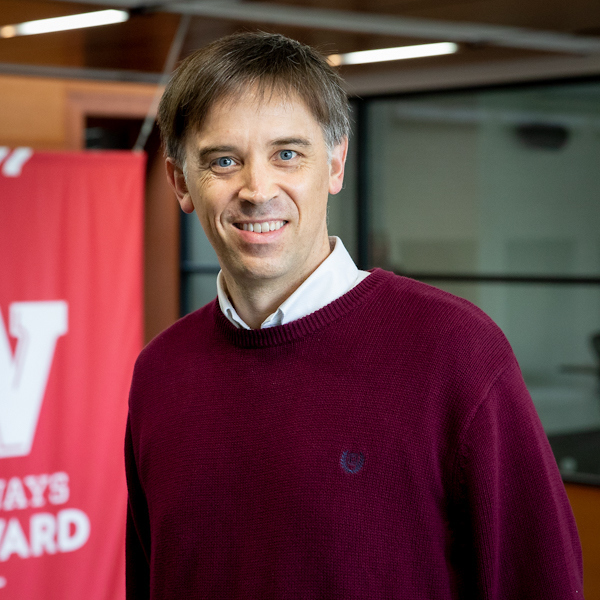
Daniel Bolt is the Nancy C. Hoefs Bascom Professor of Educational Psychology at the University of Wisconsin-Madison’s School of Education. His research focuses on psychometric methodologies in educational, social, and health sciences, including latent variable models, computational methods, and assessment of individual differences. He also collaborates on biostatistics projects at the Waisman Center. Education: PhD in Educational Psychology, University of Illinois at Urbana-Champaign (1999) MS in Statistics, University of Illinois at Urbana-Champaign (1995) BA in Psychology/Mathematics, Calvin College (1992) Research Interests: Bolt’s work bridges psychometrics and educational data science, addressing topics like response style modeling, computer-based testing, and measurement validation. His recent projects explore the intersection of IRT models with modern assessment challenges, including rating scale confusion and item complexity effects. Awards: Kellett Mid-Career Award (2019) Vilas Associates Award (2015, 2017) Chancellor’s Distinguished Teaching Award (2009) Outstanding Reviewer Awards (Journal of Educational and Behavioral Statistics, 2011/2020) Teaching & Leadership: Bolt teaches advanced courses in test theory and hierarchical linear modeling. He served as President of the Psychometric Society (2019–2021) and is a Teaching Academy Fellow at UW-Madison.
Lenya Ryzhik is a Professor in the Department of Mathematics at Stanford University, specializing in analysis and partial differential equations with applications in various physical contexts. His research spans stochastic processes, wave propagation, and front dynamics in random media, with significant contributions to understanding reaction-diffusion systems and their applications in mathematical biology and physics. Professor Ryzhik's research interests focus on the mathematical analysis of partial differential equations arising in physical systems. His work particularly emphasizes stochastic PDEs, wave propagation in random media, front propagation in reaction-diffusion systems, and homogenization theory. He investigates how randomness and complex structures affect wave propagation, front speeds, and transport phenomena, with applications ranging from combustion theory to population dynamics and quantum mechanics. The publication record demonstrates a consistent focus on understanding propagation phenomena in complex environments. Ryzhik's research shows a progression from classical PDE analysis toward increasingly sophisticated stochastic frameworks, particularly examining high-dimensional systems and random media. His recent work has focused on KPZ fluctuations, random heat equations, and non-local reaction-diffusion models, revealing deep connections between probability theory and partial differential equations. Alfred P. Sloan Research Fellowship (2002-2004) AFOSR NSSEFF Fellowship (2010-2015) Ryzhik has advised graduate students including Alexandra Stavrianidi, and has secured substantial research funding throughout his career. His grant history includes multiple NSF awards (DMS-9971742, DMS-0203537, DMS-0604687, DMS-0908507, DMS-1311903), ONR funding (N00014-02-1-0089, N00014-04-1-0224), and FRG support for collaborative research on nonlinear evolution problems. He co-organized a Summer School and Workshop on 'Recent Advances in PDEs and Fluids' at Stanford in 2013. Ryzhik maintains an active research group collaborating with leading mathematicians worldwide, particularly with researchers at institutions like NYU, Chicago, and various European universities. His work frequently involves interdisciplinary collaborations bridging mathematics with physics and biology.
Dr. Edouard Boujo is a Scientist and Lecturer at the Swiss Federal Institute of Technology Lausanne (EPFL) , affiliated with the School of Engineering (STI) and working in the Institute of Mechanical Engineering (IGM) and Laboratory of Fluid Mechanics and Instabilities (LFMI) . He also teaches in the SGM-ENS department of the School of Engineering. Scientist at EPFL STI IGM LFMI Lecturer at EPFL STI-SGM SGM-ENS His research focuses on Fluid Dynamics with expertise in Flow Stability , Flow Control , Aeroacoustics , Thermoacoustics , Fluid-Structure Interaction , and Coating Flow Dynamics . He employs advanced mathematical modeling and computational methods to study complex fluid behaviors. Recent publications highlight his work on stochastic modeling of fluid instabilities, adjoint-based optimization of flow systems, and nonlinear dynamics of coating flows. His 15 most recent papers cover topics ranging from symmetry-breaking bifurcations to spin coating optimization and noise-induced transitions in fluid systems. Dr. Boujo actively collaborates with institutions across Europe and New Zealand, mentoring PhD student Atharva Lagwankar . He has received research funding from the Swiss National Science Foundation for two PhD theses and contributes to major fluid dynamics conferences like the European Fluid Dynamics Conference and APS Division of Fluid Dynamics meetings. His laboratory work at LFMI involves experimental and computational studies of fluid instabilities, with applications in aerospace, mechanical engineering, and industrial coating processes. He develops adjoint-based control methods for optimizing flow systems and reducing drag in various fluid configurations.
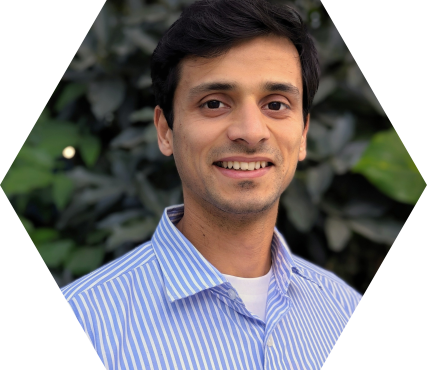
Karthik Menon serves as an Assistant Professor with a joint appointment in the Woodruff School at Georgia Institute of Technology and the Coulter Department of Biomedical Engineering. His research integrates fluid mechanics, computational modeling, and data-driven methodologies to address critical challenges in healthcare, renewable energy, and bio-inspired engineering systems. His academic credentials include: Ph.D. in Mechanical Engineering, Johns Hopkins University (2021) M.S. in Mechanical Engineering, Johns Hopkins University (2019) B.E. in Mechanical Engineering, Birla Institute of Technology and Science, Pilani, India (2015) Menon's research program centers on three interconnected domains: cardiovascular flows for personalized treatment of heart disease, fluid-structure interactions in biological systems like heart valves and bio-mimetic robots, and vortex-dominated flows for renewable energy applications. His approach combines high-fidelity computational modeling with machine learning to uncover fundamental physics and develop clinical solutions, such as cardiovascular digital twins for non-invasive risk assessment. Current projects focus on patient-specific hemodynamics using CT imaging and uncertainty quantification to improve surgical planning. Analysis of his 15 most recent publications (2023-2025) reveals a dominant focus on advancing multi-fidelity computational frameworks for cardiovascular applications. Key trends include Bayesian uncertainty quantification, zero-dimensional solver development, and integration of clinical imaging data to create predictive digital twins. His work bridges fluid dynamics with clinical cardiology, targeting improved outcomes in coronary artery disease and Kawasaki-related complications through physics-informed machine learning. Menon's scholarly contributions have been recognized through competitive awards: WCCM-PANACM 2024 Travel Award, U.S. Association for Computational Mechanics (2024) Future Faculty Symposium Travel Award, Society of Engineering Science Conference (2023) Mark O. Robbins Prize in High-performance Computing, Johns Hopkins University (2021) Corrsin-Kovasznay Outstanding Paper Award, Johns Hopkins University (2020) Prosperetti Travel Award, Johns Hopkins University (2017) Mechanical Engineering Departmental Fellowship, Johns Hopkins University (2016) As principal investigator of the ComBiNE Fluid Dynamics Lab, Menon mentors graduate students in developing computational tools for fluid-structure interaction problems. His collaborative projects with cardiologists at Stanford and Emory hospitals translate engineering principles into clinical applications for cardiovascular disease management. Current grant activities focus on NSF and NIH-funded initiatives for uncertainty-aware cardiovascular modeling and bio-inspired flow energy harvesting. The ComBiNE Fluid Dynamics Lab operates as an interdisciplinary hub where engineers, clinicians, and data scientists collaborate on fluid mechanics challenges. Current lab initiatives include developing real-time hemodynamic simulators for surgical planning, creating reduced-order models for cardiac device optimization, and investigating vortex dynamics in fish schooling for underwater vehicle design. The lab maintains strong partnerships with Children's Healthcare of Atlanta and the Parker H. Petit Institute for Bioengineering and Bioscience.
George T. C. Chiu is a Professor in the School of Mechanical Engineering at Purdue University, with courtesy appointments in Electrical and Computer Engineering and Psychological Sciences. He holds a 50% appointment as Assistant Dean for Global Engineering Programs and Partnerships. His research focuses on mechatronics, dynamic systems and control, functional printing, and human-machine interaction, with applications in biomedical engineering, robotics, and advanced manufacturing. Education: PhD (1994), MS (1990) University of California, Berkeley; BS (1985) National Taiwan University. Research interests emphasize application-driven solutions for printing technologies, motion control, and embedded systems. Notable projects include developing inkjet printing for biomedical materials and sensor systems. Awards include ASME Fellowship (2013) and the 2024 ASME Rabins Leadership Award. Publications span topics like inkjet drop dynamics, control systems, and biofabrication. He has led initiatives such as the Purdue FIRST Programs, fostering K-12 STEM education through robotics mentorship. Editorial roles include Editor-in-Chief of IEEE/ASME Transactions on Mechatronics (2017-2019).
Professor Khac Duc Do is a faculty member at Curtin University, holding a position in the School of Civil and Mechanical Engineering within the Faculty of Science and Engineering. He serves in the Office of the Provost and is based at Curtin Perth campus. His research focuses on advanced control systems, nonlinear dynamics, and robotics applications in marine, aerospace, and mechanical systems. He earned a PhD with distinction in 2003 and has held prestigious fellowships including ARC Postdoctoral Fellow (2004) and ARC Australian Research Fellow (2009). His teaching includes courses like Advanced Control and Mechatronics, Navigation and Marine Control Systems, and Advanced Control Engineering. Key research interests encompass control of nonlinear systems, stochastic systems, formation control of mobile agents, fluid-structure interaction, and boundary control of PDE-governed systems. His funded projects include wave-energy converter development (2023-2026), inerter-based damper research (2019-2021), and ocean vehicle control systems. Scientific awards include ARC grants totaling over AUD 2 million. Current opportunities include scholarships in control systems/fluid-structure interaction and a postdoc position in wave-energy conversion.
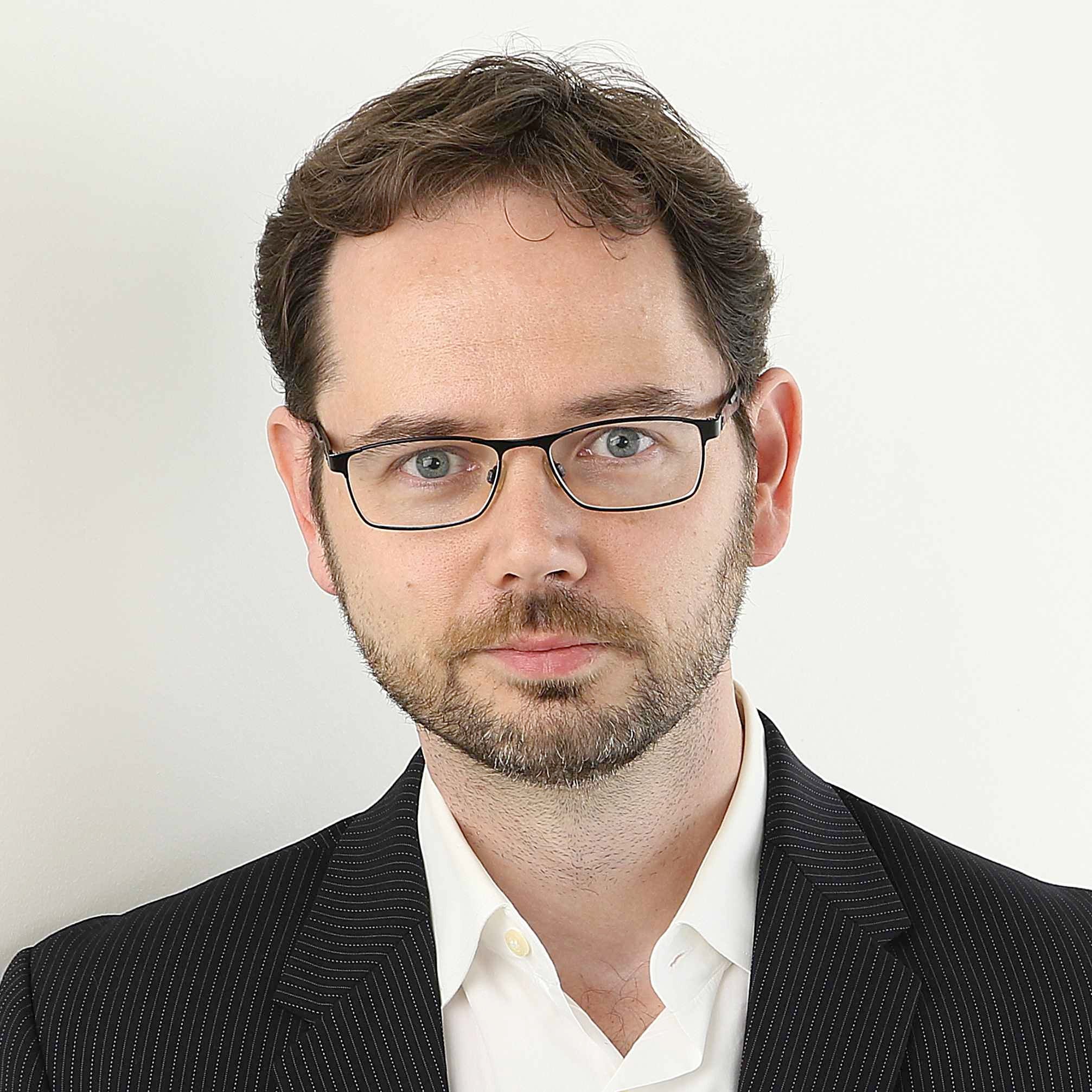
Mark Crowley is an Associate Professor in the Department of Electrical and Computer Engineering at the University of Waterloo , with a cross-appointment in the Cheriton School of Computer Science . He is actively involved in the Waterloo Artificial Intelligence Institute (WAII) , the Waterloo Institute for Complexity and Innovation (WICI) , and serves as National Secretary for the Canadian Artificial Intelligence Association (CAIAC) , coordinating the Canadian Conference on AI . Research interests span the theoretical and applied aspects of Reinforcement Learning , Deep Learning , Manifold Learning , and Ensemble Methods . His work addresses challenges in domains with spatial dynamics, multi-agent systems, and uncertainty, particularly in Computational Sustainability (forest fire management, sustainable forestry), Autonomous Driving , Medical Imaging , and Material Design . Recent research focuses on integrating causal modeling with generative representation learning to improve out-of-distribution robustness in motion forecasting applications. Key publications include foundational work on ChemGymRL environments for safe chemical process reinforcement learning, Generative Causal Representation Learning for robust forecasting, and collaborative work on multi-advisor reinforcement learning in multi-agent settings. He co-authored a textbook Elements of Dimensionality Reduction and Manifold Learning (Springer, 2023) with Prof. Ali Ghodsi and Prof. Fakhri Karray. Teaching includes graduate and undergraduate courses in Algorithm Design , Computational Intelligence , Reinforcement Learning , and Data Modeling at the University of Waterloo since 2018. His research group has produced several notable graduates including Benyamin Ghojogh (2021), who continued as a postdoc until 2022.
Oleg Kozlovski is an Associate Professor at the University of Warwick. His research focuses on dynamical systems, ergodic theory, mathematical physics, and financial mathematics. He has held an EPSRC Advanced Fellowship (2001–2006) for research in Complex Dynamics and Fast Dynamo Theory. His work combines pure mathematical analysis with applications to economics and physics. Teaching responsibilities include MA132 Foundations. His research explores hyperbolicity, rigidity phenomena, and bifurcation theory in dynamical systems. Notable contributions include studies on unimodal maps' density in C^k topologies and rigidity of real polynomials. Grants include £1.9M EPSRC funding for foundational dynamical systems research. His work bridges pure mathematics with applied fields like economic modeling and nonlinear dynamics.
Vladimir Itskov is an Associate Professor in the Department of Mathematics at The Pennsylvania State University, affiliated with the Eberly College of Science. His research focuses on theoretical neuroscience, applied algebraic topology, and neural networks. He holds a Ph.D. in Mathematics from the University of Minnesota (2002) and a B.S. from Moscow Institute of Electronics and Mathematics (1995). His career includes roles at the University of Nebraska-Lincoln (2009–2014), Columbia University’s Center for Theoretical Neuroscience (2006–2009), and Rutgers University (2004–2006). Research interests include understanding neural coding, network dynamics, and topological methods in neuroscience. Notable work involves applying algebraic topology to analyze neural correlations and developing models for neural network behavior. He has received grants from NIH, NSF, and DARPA, focusing on projects like olfactory coding and neural network dynamics. His lab, the Mathematical Neuroscience Laboratory, develops computational tools and collaborates on interdisciplinary projects. Software packages are hosted on GitHub (nebneuron repository). Publications span journals such as PNAS, SIAM, and Neural Computation, addressing topics from clique topology to competitive network dynamics. His theoretical contributions emphasize bridging data-driven neuroscience with mathematical rigor.
Dr. Jean-Christophe Nave is an Associate Professor in the Department of Mathematics and Statistics at McGill University. He holds a PhD from the University of California, Santa Barbara (2004), under advisors Xu-Dong Liu and Sanjoy Banerjee. Prior to McGill, he served as a Lecturer and Instructor at MIT's Mathematics Department (2005-2010). His research focuses on numerical analysis, partial differential equations, fluid mechanics, and computational methods for interface problems. He has led research groups involving postdocs, PhD, and undergraduate students, collaborating on projects like the Correction Function Method for PDEs and the Characteristic Mapping Method for advection problems. Education: Ph.D. in Applied Mathematics from UCSB (2004). Affiliations include the Institut des Sciences Mathematiques Steering Committee, Centre de Recherches Mathematiques Applied Math Lab, and CNRS-UMI. Active in teaching courses like Numerical Analysis I/II and Non-Linear Dynamics at McGill, with sabbatical periods noted in recent years. Research interests span numerical methods for PDEs, fluid-structure interaction, and multi-phase flows. His work integrates computational geometry and invariant numerical techniques, addressing challenges in complex fluid dynamics and interface-driven phenomena. Over 40 peer-reviewed publications and continuous contributions to the field of computational applied mathematics. Scientific advising includes over 20 graduate and undergraduate students, with notable alumni now in academia and industry. Collaborations include projects on volcano dynamics, fiber drawing instabilities, and concentrated solar power systems. His methods have advanced numerical simulations for engineering and physical systems involving discontinuous coefficients and sharp interfaces.
Dr. Arno Berger is a Professor in the Department of Mathematical and Statistical Sciences at the University of Alberta. He holds a Dipl.Ing. (ME) and Dipl.Ing. (MSc) in Mechanical Engineering and Applied Mathematics from TU Wien (Vienna University of Technology), followed by a Dr. techn (PhD) and Habilitation in Applied Mathematics from the same institution. His research focuses on dynamical systems, ergodic theory, Benford's Law, nonautonomous dynamics, bifurcation theory, applied probability, and dimensional analysis. He has held visiting positions at prestigious institutions including Georgia Tech, University of Warwick, Goethe University Frankfurt, and University of Canterbury. His recent work includes studies on Saint-Venant-Polya inequalities, planar curves with position-dependent curvature, and distributions of logarithmic functions. He co-authored the seminal book An Introduction to Benford's Law (2015), and maintains the Benford Online Bibliography. His teaching spans courses like Differential Equations and Real Variables. Dr. Berger’s research has explored Benford’s Law in diverse contexts, from stochastic processes to finite-time dynamics. His articles often bridge theoretical insights with practical applications, emphasizing the ubiquity of Benford’s Law in mathematical systems.
Bernardo Cockburn is a Distinguished McKnight University Professor in the School of Mathematics at the University of Minnesota. He has been a faculty member since 1987, progressing from Assistant Professor to Associate Professor in 1992, and achieving full Professor status in 1997. He also held positions as an Affiliate Professor at the University of Delaware (2019-2020) and Chair Professor of Mathematics at King Fahd University of Petroleum and Minerals in Saudi Arabia (2012-2014). Education: Ph.D. from University of Chicago (1986), Doctorat de 3eme Cycle from University of Paris VI/INRIA (1983), Masters and Licenciatura from Universidad Nacional de Ingenieria in Lima, Peru Research Focus: Numerical methods for partial differential equations, particularly discontinuous Galerkin methods Cockburn's research primarily centers on the devising and analysis of efficient methods for numerically solving linear and nonlinear partial differential equations . His most significant contribution has been in the development and analysis of discontinuous Galerkin methods , particularly the hybridizable discontinuous Galerkin (HDG) methods which he pioneered. His work spans error estimation for hyperbolic problems, continuous dependence for Hamilton-Jacobi equations, and numerous applications across fluid dynamics, structural mechanics, and electromagnetics. He has developed theoretical frameworks for superconvergence properties and created practical algorithms for a wide range of engineering applications. Analysis of his recent publications reveals a strong focus on hybridizable discontinuous Galerkin methods , with significant contributions to superconvergence theory, error estimation, and applications to diverse physical problems including Stokes flow, linear elasticity, Timoshenko beams, and convection-diffusion problems. His work demonstrates a clear trajectory from theoretical foundations to practical implementation, with increasing emphasis on curved domains, adaptive methods, and coupling techniques between different numerical approaches. Doctor Honoris Causa from Universidad Nacional de Ingenieria, Lima, Peru (2013) Invited Speaker at the International Congress of Mathematicians, Numerical Analysis Section (2010) Distinguished McKnight University Professor, University of Minnesota (2007) Cockburn has supervised an impressive 23 PhD students throughout his career, many of whom have gone on to become professors at major universities worldwide including the University of Puerto Rico, Purdue University, and University of Concepcion in Chile. His advisees have produced significant research in discontinuous Galerkin methods, particularly in applications to structural mechanics, fluid dynamics, and Hamilton-Jacobi equations. His research has been supported by numerous grants from the National Science Foundation and other funding agencies, enabling extensive collaboration with researchers across the United States and internationally. Cockburn leads a vibrant research group focused on computational mathematics, with particular emphasis on developing and analyzing discontinuous Galerkin methods. His work has fostered significant collaboration between mathematicians and engineers, with applications spanning aerospace, civil engineering, and materials science. The research group maintains strong connections with institutions worldwide, including regular collaborations with researchers in Peru, Chile, and Europe, reflecting Cockburn's international background and influence.
Stefano Grivet-Talocia is a Full Professor at the Department of Electronics and Telecommunications at the Polytechnic University of Turin, where he also serves as Director of the Doctoral School and President of the Doctoral School Council. He is a member of the Interdepartmental Center SmartData@PoliTO - Big Data and Data Science Laboratory, the University Committee for Research, Technology Transfer and Services to the Territory, and the Commission for the Promotion of Library, Archive and Museum Heritage. His academic career spans over two decades at Politecnico di Torino, where he has established himself as a leading researcher in electromagnetic modeling and signal integrity. Grivet-Talocia earned his Laurea degree (summa cum laude) in Electronic Engineering in 1994 and his Ph.D. in Electronic and Communication Engineering in 1998, both from the Polytechnic University of Turin. Between 1994 and 1996, he conducted research at NASA/Goddard Space Flight Center in Greenbelt, Maryland. His educational background laid the foundation for his expertise in electromagnetic modeling, wavelet analysis, and signal processing. His research focuses on behavioral modeling, electromagnetic compatibility, macromodeling, model order reduction, numerical modeling, passivity, power integrity, signal integrity, transmission lines, and wavelets . Grivet-Talocia is particularly renowned for his work on passive macromodeling of interconnect structures, development of the TOPLine technique for transmission line simulation, and pioneering contributions to passivity enforcement algorithms. He has co-authored the first book entirely dedicated to Macromodeling (2016) and developed innovative approaches to waveform relaxation and wavelet-based signal processing. His recent publications (2024-2025) demonstrate continued leadership in model order reduction, with significant contributions to data-driven modeling of linear and nonlinear systems, power integrity analysis, and electromagnetic compatibility. His work spans both theoretical advances in numerical methods and practical applications in circuit design, with strong industry relevance particularly for semiconductor and electronic design automation companies. IEEE Fellow (2018-present) Three Intel SRS Grants (2022-2024) Three IBM SUR Grant Awards (2007-2009) Best Associate Editor Award - IEEE Transactions on Components, Packaging and Manufacturing Technology (2020) Multiple Best Conference Paper Awards (2006-2020) URSI Young Scientist Awards (1999) Ranked among the "top 2% worldwide researchers" (Stanford) since 2019 Grivet-Talocia actively supervises doctoral students including Michele Cusano, Sara Paknezhad Panahi, Antonio Carlucci, and Kun Zhao. He has secured numerous research grants from competitive national calls (PRIN) and commercial contracts with industry partners including Intel, IBM, Nokia, Hitachi, Infineon, and Cadence. His technology transfer activities include co-founding the spin-off IdemWorks (2007-2016), which was acquired by CST in 2016. He also developed the autoCircuits web service for automated circuit problem generation, widely used in electrical engineering education. He leads the EMC Group (Electromagnetic Compatibility) at DET and has been instrumental in establishing the Compact Dynamical Modeling research area. His work has practical applications in high-speed electronics design, with algorithms embedded in commercial tools like IBM PowerSPICE. Grivet-Talocia maintains strong industry connections through his research projects and serves as Associate Editor for IEEE Transactions on Components, Packaging and Manufacturing Technology.
F. Ömer Ilday is a distinguished physicist and Alexander von Humboldt Professor at Ruhr University Bochum since July 2023, holding a joint appointment in the Faculty of Electrical Engineering and Information Technology and Faculty of Physics and Astronomy. His pioneering work in ultrafast laser technology has transformed non-linear laser-matter interactions, with applications spanning precision manufacturing, medical surgery, and nanofabrication. Education: PhD in Physics, Cornell University (2003) Postdoctoral Research Scientist, Massachusetts Institute of Technology (2003-2005) Ilday's research centers on ultrafast laser development and materials science, focusing on GHz-repetition-rate burst-mode systems, nonlinear laser lithography, and self-organization phenomena. His interdisciplinary approach bridges photonics, plasma physics, and materials engineering to enable breakthroughs in nanostructuring, silicon processing, and laser-based manufacturing. Current work emphasizes developing high-power laser sources and exploring fundamental laser-matter interaction mechanisms for next-generation applications. His recent publications (2023-2025) reveal dominant trends in high-repetition-rate burst-mode lasers (up to 50 GHz), ablation efficiency optimization, and nonlinear laser lithography for 3D silicon structuring. These works demonstrate strong convergence between fundamental physics and industrial applications, particularly in medical surgery, nanofabrication, and materials synthesis, with increasing emphasis on self-organization principles in laser systems. Scientific awards: Turkish Academy of Sciences Outstanding Young Scientist Award (2006) Marie Curie International Reintegration Grant (2006) ERC Consolidator Grant (2014) - Turkey's first ERC Advanced Grant (2022) Election to Academia Europaea Election to Turkish Academy of Sciences Membership in Turkish and American Physical Societies Ilday has secured major competitive grants including two ERC awards and a Marie Curie fellowship, directing research teams at Bilkent University's Ultrafast Optics & Lasers Laboratory (UFOLAB) which developed technologies adopted globally. At RUB, he is establishing the Center for Complex Laser-Matter Interactions as an interdisciplinary hub fostering collaborations between photonics, plasma research, and materials science, with explicit goals for spin-off company formation and transdisciplinary innovation in manufacturing technologies. As founding director of UFOLAB at Bilkent University, Ilday developed laser systems deployed by research institutions worldwide and established Turkey's first laser company. His RUB center integrates electrical engineering and physics expertise to advance complex laser-matter interaction research, focusing on self-organizing laser systems, nanostructuring techniques, and applications in semiconductor manufacturing and medical technology through close industry partnerships.
Shima Nazari is an Assistant Professor in the Department of Mechanical and Aerospace Engineering at the University of California, Davis. Her research focuses on dynamics and control with applications to transportation systems, energy systems, and electrified/automated vehicles. She leads the CORE Lab, exploring advancements in hybrid powertrains, autonomous vehicle control, and energy-efficient systems. Education: Ph.D., Mechanical Engineering, University of Michigan (2019) M.S., Electrical Engineering, University of Michigan (2016) M.S., Mechanical Engineering, Sharif University of Technology, Iran (2012) B.S., Mechanical Engineering, Sharif University of Technology, Iran (2009) Her research interests span dynamics and control theory applied to hybrid electric vehicles, powertrain optimization, and autonomous systems. She has contributed to advancements in energy-efficient vehicle designs, regenerative braking, and control strategies for electrified powertrains. Her work often bridges mechanical and electrical engineering disciplines to address real-world challenges in transportation and energy. Recent research trends in her articles emphasize data-driven control methods, hybridization strategies for autonomous systems, and thermal management of energy storage solutions. These studies reflect her commitment to interdisciplinary innovation. Although no scientific awards are explicitly mentioned, her contributions to the field are evident through her active research and publications. She advises students in her lab and collaborates on grants focused on sustainable mobility solutions. Dr. Nazari is affiliated with the UC Davis College of Engineering and actively contributes to graduate programs in Dynamics, Controls, Vehicles, and Robotics. The CORE Lab serves as a hub for experimental and computational research in her areas of expertise.