- Neuroscience
- Psychiatry
- Behavioral Medicine
- +۵ مورد دیگر
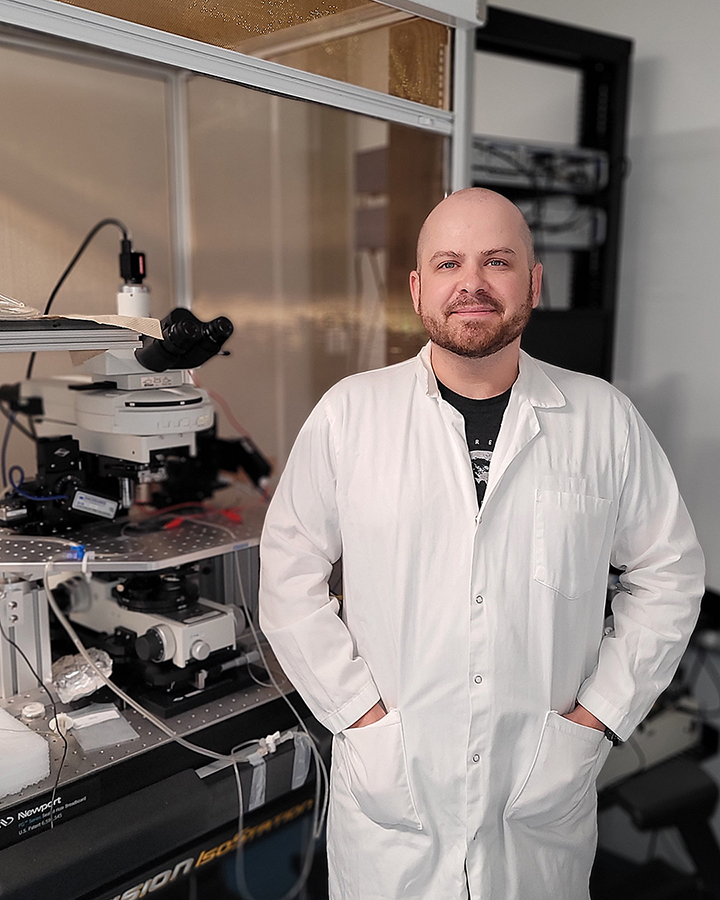
Dr. Harold H. Harsch is a Professor in the Department of Psychiatry and Behavioral Medicine at the Medical College of Wisconsin. He is actively affiliated with the Neuroscience Research Center and the Wisconsin Institute of NeuroScience (WINS), and participates in the Behavioral Health and Sub-Specialty Clinics program. His academic career spans over four decades with publications dating from 1973 to 2013. Dr. Harsch's research interests center on the intersection of neuroscience and psychiatry, with particular focus on depression treatment through cortical stimulation techniques, neuroimaging applications in psychiatric conditions, and the integration of medical and psychiatric care. His work has explored the effects of nicotine on brain activation, treatment approaches for refractory depression, and the relationship between substance use disorders and psychiatric conditions. Analysis of Dr. Harsch's publication record shows a strong emphasis on clinical neuroscience applications, particularly in depression treatment and neurostimulation. His work demonstrates consistent contributions to understanding brain circuitry involved in mood disorders and the development of neuromodulation techniques. The publications span from basic neuroscience to clinical applications, showing an integrated approach to psychiatric research. Dr. Harsch has made significant contributions to the field of integrated medical-psychiatric care, with multiple publications addressing the organization and quality assurance of combined medical and psychiatric units. His work has helped shape understanding of how to effectively treat patients with complex comorbid medical and psychiatric conditions. In terms of academic supervision and funding, Dr. Harsch's extensive publication record suggests experience mentoring students and securing research support, though specific details about current students or active grants are not available in the provided information. His collaborations with researchers across multiple institutions indicate an established network within the neuroscience and psychiatry communities.