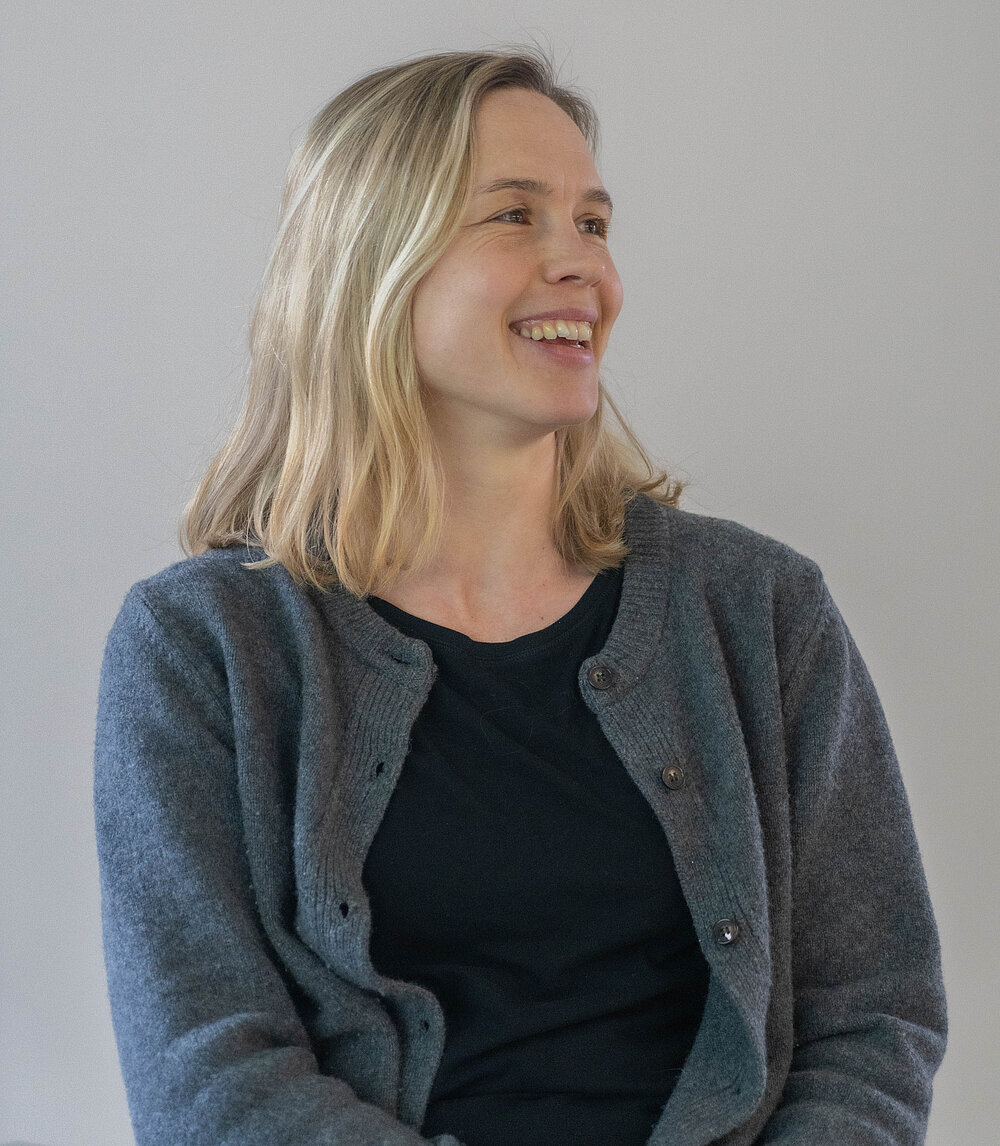
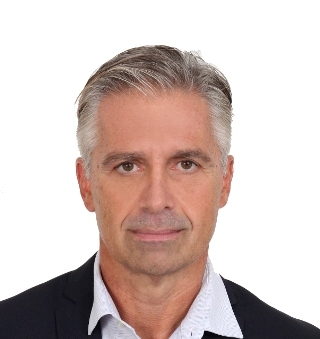
Peter Holliman is a Professor of Steel Bridge Engineering Chemistry at Swansea University , School of Engineering and Applied Sciences, Department of Materials Science and Engineering. He joined in 2017 and focuses on industry-facing advanced materials and manufacturing processes. Research Areas: Renewable Energy (solar cells), Advanced Steel Technology (decarbonization), Water Treatment (contaminants) Teaching: EG-290 (Order & Disorder in Materials), EG-091 (Materials Chemistry Basics) Research Trends: His recent publications highlight innovations in perovskite solar cells , steel industry decarbonization , and biochar-based water remediation . Collaborations span chemistry, engineering, and environmental science. Grants: Key projects include EP/P030068/1 (2017-2021): £1.5M for solid-state solar cell engineering EP/M015254/2 (2015-2020): £2.5M for self-assembled perovskite modules EP/S018107/1 (2019-2026): £12M for SUSTAIN manufacturing hub Public Engagement: Actively promotes STEM through outreach events like chemistry shows and interactive workshops across Wales and Romania.
Dr. rer. nat. Matthias Sühring is a Researcher at the Institute of Meteorology and Climatology , part of the Faculty of Mathematics and Physics at Leibniz University Hannover . His work focuses on atmospheric boundary layer dynamics , particularly through the development and application of the PALM model system (Parallelized Large-Eddy Simulation Model) for urban and regional climate studies. Key research areas include: Numerical methods for atmospheric modeling Large-eddy simulation (LES) of boundary layer processes Surface heterogeneity effects on turbulence and heat exchange Urban climate modeling and microscale meteorology Radiative transfer parameterization in urban environments Land-atmosphere interactions His recent work emphasizes the integration of LES with observational data for urban climate applications, energy balance closure analysis, and pollutant dispersion studies. Collaborations include international teams working on the CHEESEHEAD19 and MOSAIK-2 projects. Current publications highlight advancements in urban canopy models, UV radiation exposure, and deep learning approaches for atmospheric CO 2 transport. Primary affiliations: Institute of Meteorology and Climatology , Leibniz University Hannover Boundary Layer Meteorology Group , Leibniz University Hannover
Dr. J. (Jan) Groenewold is an Assistant Professor at the Physical and Colloid Chemistry sub-department within Utrecht University's Faculty of Science . His research focuses on colloidal self-assembly , non-equilibrium systems , and soft matter physics , with notable contributions to understanding patchy particle interactions and colloidal gelation mechanisms. Research trends in his publications reveal expertise in: Colloidal self-organization through valence-controlled particles (2011) Electrokinetic phenomena in nonpolar solvents (2024-2025) Active droplet systems mimicking predator-prey dynamics (2020) Multi-scale assembly of ordered membranes (2018) Current projects explore interface deformation under electric fields and photoresponsive hydrogel locomotion systems. His work bridges fundamental physics with applied technologies in display systems and microfluidic devices.
Professor İsmail Karakurt is a full-time faculty member in the Physics Department of Işık University's Faculty of Engineering and Natural Sciences, holding the rank of Professor. His academic career spans experimental condensed matter physics with cross-disciplinary applications in quantum information and nanotechnology. Education: PhD in Physics, Case Western Reserve University (1994-2000) BSc in Physics Engineering, Istanbul Technical University (1987-1991) Research Focus: His work centers on quantum phenomena in low-dimensional systems , particularly quantum computing architectures using electrons on liquid helium and electro-optical properties of metal oxide nanostructures . Key investigations include decoherence mechanisms in electron qubits, phase transitions in VO₂ films, and plasmonic effects in core-shell nanoparticles. His laboratory combines cryogenic techniques with advanced thin-film characterization to explore quantum transport and switching dynamics. Publication Trends: Recent articles reveal dual research thrusts: (1) Fundamental quantum studies of electron systems on helium surfaces addressing localization, tunneling, and quasiparticle behavior; (2) Applied materials research on WO₃/VO₂ thin films for electrochromic devices and nonreciprocal optical switching. Both streams emphasize nanoscale phenomena with quantum information and photonics applications. Awards: Alexander von Humboldt Research Fellowship (Germany) Ministry of National Education Foreign Education Scholarship (Turkey) Academic Leadership: Professor Karakurt has supervised master's research including thesis work on tungsten oxide diffusion mechanisms. He leads projects on functional metal oxide nanostructures, tunable plasmonics, and laser-induced phase transitions in vanadium dioxide. His teaching portfolio spans undergraduate quantum mechanics, solid-state physics, and photonics courses delivered in English/Turkish. Research Infrastructure: His experimental program utilizes specialized facilities for thin-film deposition (sputtering, sol-gel), low-temperature measurement systems ( ), and optical characterization setups to investigate quantum materials and nanophotonic devices.
Jan Cappelle is a Senior Lecturer at KU Leuven's Faculty of Industrial Engineering Sciences, affiliated with the Department of Electrical Engineering (ESAT) and leading the EnergyVille ESAT - Cappelle Subdivision. His work bridges sustainable energy applications and electromobility. Senior Lecturer, Faculty of Industrial Engineering Sciences, KU Leuven Head, EnergyVille ESAT - Cappelle Subdivision Member, EnergyVille Division and KIEM – KU Leuven Institute for Energy and Society Research Interests: Sustainable energy systems, agrivoltaics, and electromobility solutions. Projects include wireless power transfer, agrovoltaic solar integration, and end-of-life battery recycling. Publications: Focus on agrivoltaic site suitability, vertical bifacial PV systems, and speed pedelec adoption. Collaborative work spans Belgium and Europe. Labs & Teams: Involved in EnergyVille, KIEM, and LIM - KU Leuven Institute for Mobility. Leadership in multiple energy councils and committees.
Dr. Kurt Pernstich is a Senior Lecturer and Head of the Optoelectronic Materials and Devices Team at the ZHAW School of Engineering. His career spans academic and research roles at institutions including ETH Zurich and NIST Gaithersburg, with a focus on organic electronics, OLEDs, and charge transport in semiconductors. Education: PhD in Physics (ETH Zurich, 2002–2007), MSc in Electrical Engineering (Graz University of Technology, 1995–2002) Previous Experience: PostDoc at NIST (2009–2012), ETH Zurich (2007–2009) His research centers on organic electronics , with a strong emphasis on OLEDs , electrochemical characterization , and device modeling . Key topics include energy levels in semiconductors, trap states, spin transport, and efficiency enhancement strategies for optoelectronic devices. The articles reflect trends in organic semiconductor physics , device simulation , and experimental methods such as cyclic voltammetry and UV/Ozone treatment. Subfields include charge recombination dynamics , quantum dot films , and spin-polarized transport . Dr. Pernstich leads projects on quantum-dot displays and charge transport modeling , with ORCID ID 0000-0003-0408-761X. He contributes to open-source software like Instrument Control (iC) and teaches courses in materials science and electronics.
Dr. Guido Sartoris is a researcher at Zurich University of Applied Sciences (ZHAW) in the School of Engineering, affiliated with the ICP Multiphysics Modeling and Imaging group. Based at Technikumstrasse 71, Winterthur, he maintains active research contact via email guido.sartoris@zhaw.ch and phone +41 (0) 58 934 77 95. His research spans multiphysics computational modeling with distinct focus areas: biomedical engineering (blood flow/pressure diagnostics for INOCA), fuel cell technology (solid oxide and polymer electrolyte systems), and organic electronics (OLED device physics). Current projects include completed work on PhysioCath-microcatheter systems for coronary artery diagnostics, demonstrating interdisciplinary application of engineering principles to medical challenges. Publication trends from 2003-2013 reveal evolving expertise from fundamental nanotechnology and fuel cell modeling toward biomedical applications. His computational work consistently addresses transport phenomena, microstructural effects, and multi-dimensional simulation challenges across energy and medical domains, with recent emphasis on cardiovascular diagnostics. Dr. Sartoris participates in research projects as team member, notably the completed INOCA diagnostic initiative. No student advisement details are provided in available materials. He operates within ZHAW's ICP Multiphysics Modeling and Imaging framework, which integrates advanced computational techniques for complex engineering problems requiring coupled physics simulations.
Prof. Dr. Wolfgang Tress is a faculty member at the ZHAW Zurich University of Applied Sciences , affiliated with the School of Engineering . He leads the Novel Semiconductor Devices Team, focusing on Organic Electronics and Photovoltaics. His research spans perovskite solar cells, device physics, optoelectronic characterization, and mixed ionic-electronic conductors. PhD in Physics from Technical University of Dresden (2012) Master in Electrical Engineering from University of Ulm (2007) His research explores critical aspects of perovskite materials, including device stability, ionic conductivity, and efficiency optimization through advanced modeling and experimental techniques. Key projects involve correlative optoelectronics, interface tailoring, and lead-free perovskite development. Recent publications highlight trends in machine learning applications for perovskite stability analysis, ion migration dynamics, and multifunctional material design. He has authored over 20 peer-reviewed articles in journals like Advanced Energy Materials , Nature Energy , and Science . 2023 : Web of Science Highly Cited Researcher 2019 : ERC Starting Grant 2019 : SPS Award in Applied Physics 2016 : Zeno Karl Schindler Award As project leader, he drives initiatives in perovskite-on-silicon tandem cells, defect engineering, and laboratory digitization. His work combines experimental fabrication with computational modeling to address photovoltaic reliability challenges.
Dr. Merle Röhr leads the Theoretical Supramolecular Chemistry Junior Research Group at the Center for Nanosystems Chemistry within the Faculty of Chemistry and Pharmacy at Julius-Maximilians-Universität Würzburg. Her research focuses on developing and applying theoretical methodologies to investigate aggregation-induced functions in supramolecular structures in both ground and excited states. She specializes in understanding how supramolecular systems facilitate (photo-)catalytic reactions and how structural motifs affect charge and exciton transport through advanced atomistic dynamics simulation techniques. Dr. Röhr's research interests span theoretical supramolecular chemistry, aggregation-induced phenomena, photo-catalysis, charge and exciton transport mechanisms, and molecular dynamics simulation. Her work bridges computational chemistry with experimental validation to understand complex molecular behaviors at the quantum level. She has developed innovative approaches for exploring functional landscapes and screening molecular configurations with specific properties, particularly in the context of singlet fission and excited state processes. Analysis of Dr. Röhr's publication record reveals a strong focus on understanding electronic structure-property relationships in supramolecular systems. Her most recent work demonstrates expertise in singlet fission mechanisms, particularly in perylene-based systems, where she has developed computational methods to identify optimal molecular packing arrangements. Her research spans multiple disciplines including physical chemistry, materials science, and computational chemistry, with applications in photovoltaics, molecular electronics, and catalysis. The consistent theme across her publications is the development of theoretical frameworks to predict and control molecular behavior in complex aggregated systems. As leader of a junior research group, Dr. Röhr directs a team focused on computational investigations of supramolecular structures. Her group develops and applies advanced simulation techniques to study molecular aggregates, particularly examining how structural motifs influence electronic properties and functional behavior. The research environment combines theoretical methodology development with application to specific chemical systems, creating a bridge between fundamental quantum mechanics and practical materials design.
Amr Dodin is an Assistant Professor in the Department of Chemistry at Ohio State University, where he leads research at the intersection of theoretical chemistry, quantum physics, and computational modeling. His work combines statistical mechanics, machine learning, and quantum dynamics to address complex problems in chemical reactivity, biological energy regulation, and quantum device design. He received his BSc and MSc in Chemical Physics and Theoretical Chemistry from the University of Toronto, followed by a PhD in Theoretical Chemistry at MIT under Adam Willard. He later pursued postdoctoral research at UC Berkeley and Lawrence Berkeley National Lab with Phillip Geissler and David Limmer. Research Focus 1: Chemical Reactions at Liquid Interfaces – developing computational tools like neural network potentials to study accelerated reactivity at electrochemical and atmospheric interfaces. Research Focus 2: Biological Control of Photosynthesis – modeling multi-scale dynamics of nonphotochemical quenching and biophysics of homeostasis. Research Focus 3: Noisy Quantum Devices – leveraging noise-induced coherences for robust quantum computing and deriving thermodynamic limits for quantum information systems. The 15 most recent publications highlight his expertise in interfacial chemistry, nonequilibrium quantum dynamics, and machine learning applications in molecular simulations. His work spans diverse areas including atmospheric aerosol reactions, photosynthetic energy regulation, and quantum thermodynamics. The Dodin group actively develops thermodynamically consistent multiscale models and machine learning-powered simulations to tackle challenges in nanoscale energy transport, quantum device stability, and environmental chemistry.
Mavromatis Stergios is an Associate Professor at the National Technical University of Athens (NTUA) , affiliated with the School of Civil Engineering and the Department of Transportation Planning and Engineering . His research focuses on road safety, geometric design, and vehicle dynamics, with a particular emphasis on infrastructure risk assessment and driver behavior. Role: Associate Professor Institution: National Technical University of Athens Department: Transportation Planning and Engineering His work explores critical topics such as passing sight distance , vertical curve safety , interchange ramp design , and hydroplaning thresholds . He has contributed to international projects, including the African Road Safety Observatory . The 15 most recent publications analyze safety parameters in road design, including geometric consistency , driver behavior modeling , and emergency management systems , with keywords spanning Transportation Engineering, Road Safety, and Vehicle Dynamics.
Alexandre J. T. Santos is Associate Professor with Habilitation in Informatics at the Informatics Department, Engineering School, University of Minho. He serves as a Senior Researcher at Centro ALGORITMI and currently leads the CCPM (Computer Communications and Pervasive Media) research line and the Computer Communications and Networks (CCN) Laboratory. Previously, he served as Associate Director of R&D Centro ALGORITMI from 2013-2016. His academic credentials include a PhD in Computer Communications from the University of Minho (1996) and Dr. habil qualification. He is an IEEE Senior Member (SM-10) from the IEEE Computer Society and participates in the IEEE Vehicular Technology Society and IEEE Communications Society. Santos holds significant international roles, including membership on the Academic Committee of the 'Magister en Redes de Datos' at Universidad Nacional de La Plata (UNLP), Argentina, and the Scientific Advisory Board of CIICIPL in Portugal. He also serves on the Scientific Committee of the MAP-Tele joint PhD Program of the Universities of Minho, Aveiro and Porto. His research focuses on computer communications, vehicular networks, and Internet-based services, with particular emphasis on safety applications for Vulnerable Road Users (VRUs). He has participated in numerous international R&D projects and authored/co-authored numerous scientific papers, including several best paper awards. As a recognized expert, Santos has served as a Project Evaluator for International and National R&D funding institutions including FP7, CHIST-ERA, and ANI. He has been a TPC member for several IEEE, ACM, and IFIP sponsored international conferences. Research Interests: Computer Communications, Vehicular Networks (VANETs), Internet of Things (IoT), Machine Learning applications, Network Security, Quality of Service (QoS) in networks, Mobile communications His recent work shows a strong focus on VRU safety through V2X communication technologies, with numerous publications on collision prediction, traffic simulation, and security frameworks for vehicular networks. His research has practical applications in intelligent transportation systems and smart city infrastructure. IEEE Senior Member (SM-10) Multiple best paper awards at international conferences h-index of 11 with 70 publications and 446 citations Santos actively mentors students and researchers, currently supervising several projects related to vehicular communications and network security. His laboratory (CCN) serves as a hub for innovative research in computer communications and networks.
Monica Billger is Professor of Architecture and Visualization at Chalmers University of Technology's Department of Architecture and Civil Engineering, with over 20 years of research experience in visualization of the built environment. She directs InfraVis (Sweden's national visualization infrastructure since 2022) and previously led Visual Arena Research (2012-2022), a joint Chalmers-University of Gothenburg initiative. Her work bridges architectural research, urban planning, and data science through innovative visualization approaches. Billger earned her 1999 PhD from Chalmers focusing on color and light perception in enclosed spaces. Her educational trajectory evolved from physical space studies to digital visualization leadership, establishing her as a pioneer in translating sensory experiences into computational frameworks. Her research centers on visualization as a catalyst for urban transformation, specializing in environmental data representation (air quality, noise pollution), serious gaming for multi-stakeholder planning, and the psychological impacts of light/color in virtual environments. She develops dialogue tools that transform technical data into accessible formats for planners and citizens, particularly in sanitation resource recovery and construction logistics. Analysis of her 50+ publications reveals consistent interdisciplinary integration: urban challenges are addressed through visualization techniques combining architectural insight with environmental science and computer science. Recent work (2020-2025) shows increasing focus on serious games for collaborative planning and national infrastructure development, moving from theoretical perception studies to applied urban solutions. As Director of InfraVis and Visual Arena Research, Billger has secured major national funding for visualization infrastructure. Her projects—including VisLabs at Universeum science center (2020-2021) and the MIMIC construction logistics initiative—emphasize cross-institutional collaboration between academia, government, and industry to solve complex urban problems through visualization. She leads Sweden's national visualization ecosystem through InfraVis while maintaining Visual Arena Research as a hub for Chalmers-University of Gothenburg collaboration. Her teams specialize in creating visualization tools that translate complex urban data into actionable insights for planners, policymakers, and citizens through exhibitions like VisLabs.
Bernardo Spagnolo is a Professor at the Department of Physics and Chemistry , University of Palermo. He specializes in Quantum Metrology , Statistical Physics , and Environmental Physics , with a focus on noise effects in quantum systems, memristors, and ecological modeling. University: University of Palermo Department: Department of Physics and Chemistry Academic Rank: Professor Email: bernardo.spagnolo@unipa.it Office Hours: Fridays (12:00-14:00) and Wednesdays (13:00-15:00) at specified locations Research Interests: Spagnolo's work spans Quantum Mechanics , Condensed Matter Physics , and Complex Systems . His recent publications highlight research on: Quantum critical metrology and entanglement Stochastic modeling of ecological systems Noise-induced phenomena in Josephson junctions Dynamics of memristive devices under noise Environmental physics applications (mercury dynamics, plankton distributions) Publication Trends: Over the past 5 years, Spagnolo has published extensively on Lévy noise , stochastic resonance , Josephson junctions , and memristor physics , combining quantum and classical systems with environmental stochasticity.
Nikolaos Lembesis is a tenured Assistant Professor in the Department of Chemistry at the University of Ioannina, specializing in Theoretical Physical Chemistry and Computational Chemistry. His research develops multi-scale computational simulation methods to understand structure-property relationships of matter for applications in energy, environment, and quality of life improvement. His educational background includes: PhD in Chemical Engineering, National Technical University of Athens (2013) BSc in Chemical Engineering, Technical University of Munich (2007) BSc and MSc in Chemical Engineering, National Technical University of Athens (2007) Dr. Lembesis's research integrates molecular dynamics, ab initio simulations, and stochastic methods to model materials at atomic-to-macroscopic scales. His group investigates perovskite solar cell interfaces, droplet absorption phenomena, and defect engineering using advanced computational techniques including classical/ab initio molecular dynamics and high-performance computing. Analysis of his 15 most recent publications (2023-2025) reveals dominant focus on perovskite photovoltaics, with recurring themes of interface engineering, strain manipulation, and defect passivation to enhance efficiency and stability. Key subfields include crystal orientation control, wide-bandgap perovskite optimization, and novel monolayer interface designs. His group offers undergraduate and master's thesis opportunities in Computational Chemistry, providing training in molecular simulation techniques, Unix/Linux systems, HPC resources, and software development for materials modeling. The research team utilizes multi-scale simulation approaches to study water-perovskite interactions, organic monolayer protection mechanisms, and thermomechanical properties of advanced materials, with strong emphasis on bridging computational predictions with experimental validation.