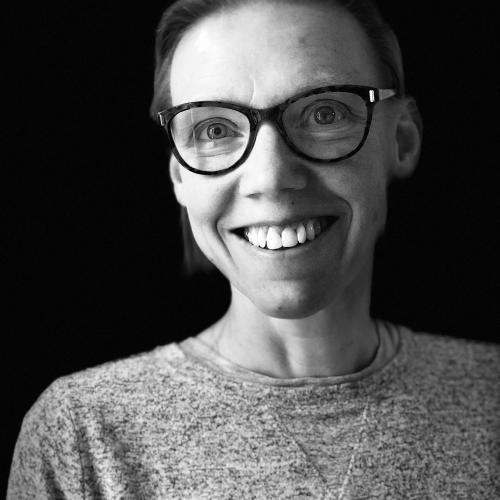
Caroline Bassett is a Professor of Digital Humanities at the University of Cambridge, affiliated with the Faculty of English and serving as Director of Cambridge Digital Humanities (CDH). Her work bridges computational technologies, cultural forms, critical theories of technology, and media arts, with a focus on science fiction, automation anxiety, AI, and feminist digital studies. She has held visiting fellowships at institutions such as the Helsinki Collegium for Advanced Studies and co-founded the Sussex Humanities Lab at the University of Sussex. Education: BA (University of London), MA and PhD (University of Sussex). Her research interests center on the intersection of digital media, critical theory, and epistemic cultures. Key areas include AI’s impact on knowledge production, media archaeology, feminist critiques of technology, and the sociopolitical implications of automation. She explores these themes through theoretical frameworks, science fiction, and historical analyses of digital systems. Caroline’s publications span digital humanities, feminist theory, and media archaeology. Recent works examine computational therapeutics, postdigital aesthetics, and the ethics of everyday digital practices. Her book Anti-Computing (2021) highlights resistance to computerized culture, while Furious (2019) interrogates feminist digital futures. At Cambridge, Bassett leads interdisciplinary research through CDH and serves as a Professorial Fellow. She advises graduate students on topics like algorithmic justice, media archaeology, and digital media arts, and her work engages with technocultural transformation and the politics of AI.
Timo Kaartinen serves as Professor of Social and Cultural Anthropology and Vice Dean for Research and Doctoral Education at the University of Helsinki 's Faculty of Political Science . Since 1992, he has conducted extensive research in Southeast Asia with a focus on Indonesia, exploring communicative practices, narratives, and cultural responses to uncertainty. His teaching spans social change in bachelor's, master's, and doctoral programs, covering environmental anthropology, political anthropology, cosmologies, religions, and linguistic anthropology. PhD in Anthropology, University of Chicago (2001) Docent (Adjunct Professor), University of Helsinki (2011) Research interests center on ethical discourse in Indonesian Islamic universities, resource politics in oil palm estates, and linguistic anthropology with emphasis on storytelling, folk poetry, and minority language revitalization. His work combines ethnographic focus on Southeast Asia with theoretical contributions to frontier studies and postcolonial anthropology. Recent publications examine frontier temporalities (2020-2025), Islamic transformations (2019), and oral narrative structures (2017-2013). Key projects include ARCTIC Research Centre (2025-2029), Diversity in Society and Life (DIVSOL) (2025-2030), and Religious Movements in Ethical Life (2019-2023). Grants from the Academy of Finland and University Profiling Funding support these initiatives. Academic activities include keynote speeches at international conferences (e.g., Empowering Local Wisdom 2014, Labor Migration in Asia-Pacific 2013) and editorial roles. He has conducted fieldwork in Indonesia since 1992, focusing on Bandanese cultural heritage and Maluku religious dynamics . His methodological approach combines ethnographic fieldwork with historical document analysis .
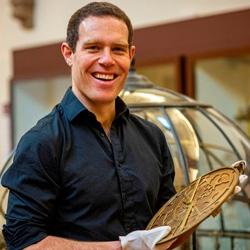
Seb Falk is a College Fellow and Research Fellow at Girton College, University of Cambridge, and a Senior Admissions Tutor. He holds academic roles including Praelector and Director of Studies for the Cambridge Foundation Year. His research focuses on medieval mathematical sciences, particularly astronomy, navigation, and the history of scientific instruments and texts. Falk earned a BA in History and Spanish from Oxford University, followed by an MPhil and PhD in History and Philosophy of Science from Cambridge. His research explores the interplay between religion, literature, and science in the Middle Ages, challenging the 'Dark Ages' narrative. Key projects include studies on late medieval astronomical tables and instruments, and a global comparative analysis of natural sciences around the year 1000. Falk has published widely, including the acclaimed book The Light Ages (2020), which was shortlisted for the Hughes Prize and awarded the Osterbrock Prize in 2025. His articles span topics like medieval astronomical practices, manuscript studies, and the cultural history of science. Falk is also a sought-after media contributor, appearing on BBC programs and podcasts, and has engaged in public outreach through lectures and museum collaborations.
Dinah Ribard is a Director of Studies at the École des Hautes Études en Sciences Sociales (EHESS), working within the Centre de Recherches Historiques (CRH). She serves as Center Director for the GRIHL (Groupe de recherche interdisciplinaire sur l'histoire du libéralisme) research group. Her academic career has been dedicated to the historical study of work, intellectual practices, and cultural production from the early modern period through the 19th century. Ribard completed her thesis in December 2000 at the University of Paris III - Sorbonne Nouvelle under the direction of Alain Viala, entitled "Live Tell Think. Research on the literary status of the philosopher: the Lives of philosophers in France 1650-1766." She was formerly a student at the École Normale Supérieure (Ulm) and holds a degree in Modern Literature. Prior to her position at EHESS, she served as an ATER (Attaché Temporaire d'Enseignement et de Recherche) at Paris III University from 1999 to 2001 and taught at Lycée Jacques-Feyder in Epinay sur Seine from 2001 to 2003. Ribard's research focuses on the history of work from multiple perspectives - examining both intellectual work (1600-1900) and material labor. She investigates how work has been conceptualized, narrated, and institutionalized throughout history. Her work explores the relationship between knowledge production and labor, analyzing how different professions and social statuses have shaped intellectual and cultural practices. She examines the historical construction of disciplines, professions, and social classifications, with particular attention to how writing practices intersect with work identities. Her recent publications reveal a consistent focus on the relationship between writing, work, and social identity across the early modern and modern periods. Ribard's scholarship demonstrates how textual practices were embedded in specific work contexts, from artisanal workshops to academic institutions. Her work shows how literary forms were used to construct professional identities and how writing practices served as forms of political action. She has made significant contributions to understanding the historical relationship between intellectual labor and material production. Ribard has published extensively, including the notable 2023 book "Le Menuisier de Nevers. Poésie ouvrière, fait littéraire et classes sociales (XVIIe-XIXe siècle)" which examines how working-class poetry was historically constructed and marginalized. Her scholarship challenges traditional literary classifications and reveals how social categories have been historically produced through cultural practices. As Director of Studies at EHESS, Ribard supervises doctoral students and contributes to the academic training of historians. She co-responsible for the Grihl seminar and teaches courses at EHESS on topics including "Writings of the Past. Literature and History: Methods, Theories, Fields" and "History and stories of work." Her teaching reflects her research interests in the intersection of literary practices, historical methodology, and social analysis. Within the CRH, Ribard is affiliated with the GRIHL research group, which focuses on the interdisciplinary history of liberalism. Her work bridges historical, literary, and sociological approaches to understanding the development of social and intellectual categories. Through her research, teaching, and institutional leadership, Ribard has made significant contributions to the historical understanding of work, knowledge production, and cultural classification.
Lisa Stevenson is an Associate Professor in the Department of Anthropology at McGill University. She holds a PhD from the University of California, Berkeley (2005). Her research focuses on imagistic forms of thought in contexts of violence, particularly among Inuit communities in the Canadian Arctic and Colombian refugees in Ecuador. She is the author of *Life Beside Itself: Imagining Care in the Canadian Arctic* (2014), which won the 2015 Victor Turner Book Prize and the 2020 Staley Prize. Stevenson’s work integrates experimental ethnographic methods, including filmmaking. Her films, such as *Into Unknown Parts* (2017) and *Era Un Lunes* (2018), explore the human impact of displacement and violence. She collaborates with researchers like Eduardo Kohn, blending anthropology with visual storytelling. Her recent projects include a Mellon New Directions Fellowship to study filmmaking, aiming to deepen her exploration of lived experiences of violence. She has also contributed to peer-reviewed journals and edited volumes on topics ranging from care ethics to the anthropology of sound and imagery. Awards: Victor Turner Book Prize (2015), Staley Prize (2020) Grants: Mellon New Directions Fellowship Collaborations: Eduardo Kohn (film projects), Cristiana Giordano (theatre experiments) Stevenson’s research bridges anthropology, film, and visual arts, emphasizing innovative ways to represent marginalized voices and experiences.
Bart Wallet is Professor of Jewish Studies specializing in Early Modern and Modern Jewish History at the University of Amsterdam's Faculty of Humanities, where he is affiliated with the Department of Semitic Languages and Cultures. His academic work focuses on the intricate relationship between Jewish communities and Dutch society throughout history, with particular emphasis on the connections between the Dutch Royal House and Jewish communities. Wallet's research interests span Dutch Jewish history from the early modern period to the contemporary era, with special attention to Yiddish studies, religious history, cultural integration, and the development of Jewish identity in the Netherlands. His scholarly output reveals a consistent focus on how Jewish communities navigated their position as a religious minority within Dutch society, particularly examining the complex dynamics between Jewish citizens and the Dutch state and monarchy. His work often explores the tension between religious tradition and modernization, and how Jewish communities maintained their identity while integrating into broader Dutch society. Analysis of his recent publications shows a strong thematic concentration on Orange-Jewish relations throughout Dutch history, Jewish military service, religious education, and the material culture of Jewish communities. His scholarship demonstrates a methodological approach that combines cultural history with religious studies, often revealing how seemingly mundane aspects of daily life reflect broader societal patterns of integration and identity formation. The geographic focus remains predominantly on the Netherlands, though with comparative perspectives on Jewish communities in other European contexts. Professor Wallet has been active in public scholarship through media appearances, radio programs, and contributions to encyclopedias. His work has appeared in both academic journals and public-facing media outlets, demonstrating his commitment to making Jewish history accessible to broader audiences. He has contributed to numerous radio programs on Jewish history for Dutch Jewish radio stations and has written for newspapers including the Reformatorisch Dagblad. His academic contributions include extensive work on Dutch-Jewish relations, particularly focusing on the relationship between Jewish communities and the Dutch Royal House throughout history. He has also produced significant scholarship on Jewish integration in Dutch society, religious education, and the development of Jewish identity in the Netherlands from the early modern period to the present day. His work often examines how Jewish communities maintained religious traditions while adapting to changing social and political contexts.
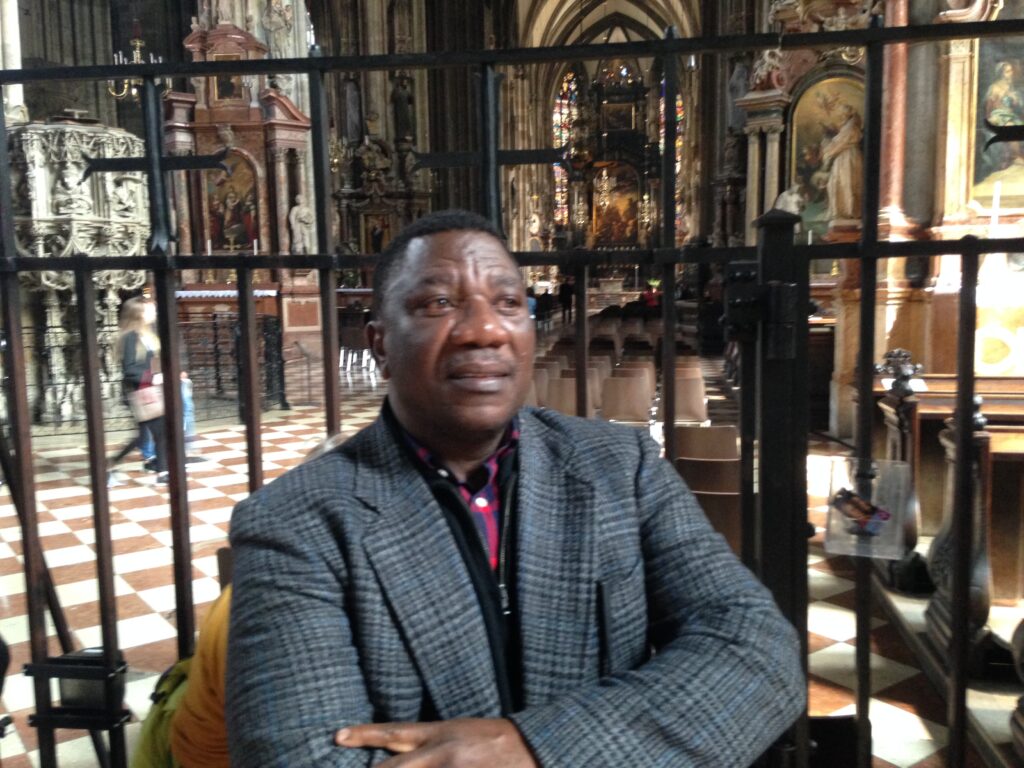
Onookome Okome is a Professor in the Department of English and Film Studies at the University of Alberta. He holds MA and PhD degrees from the University of Ibadan, Nigeria. Previously at the University of Calabar (1989-2002), he became a full professor in 2008. He is an External Fellow (FRESCO Programme, 2021-2025) and recipient of the Alexander Humboldt Research Prize (2010). His research focuses on African literature, cinema (especially Nollywood), postcolonial theory, and critical race studies. Education: MA and PhD from University of Ibadan, Nigeria. Professional affiliations include collaborations with institutions in Germany, the UK, and York University, Canada. He co-edited Popular Culture in Africa: The Episteme of the Everyday (2014) with Stephanie Newell and Global Nollywood (2013) with Matthias Krings. Research emphasizes African popular culture's role in understanding everyday life, with notable work on Karin Barber's legacy and Nollywood's cultural significance. Current projects include a book on Nollywood's textual and contextual dynamics. Teaching spans race and literature, postcolonial theory, and African cinema at graduate/undergraduate levels. Awards: Alexander Humboldt Research Prize (2010), Leverhulme Professorship (unspecified period). Collaborations include the "Expressive Cultures of the African Diaspora" project with York University researchers.
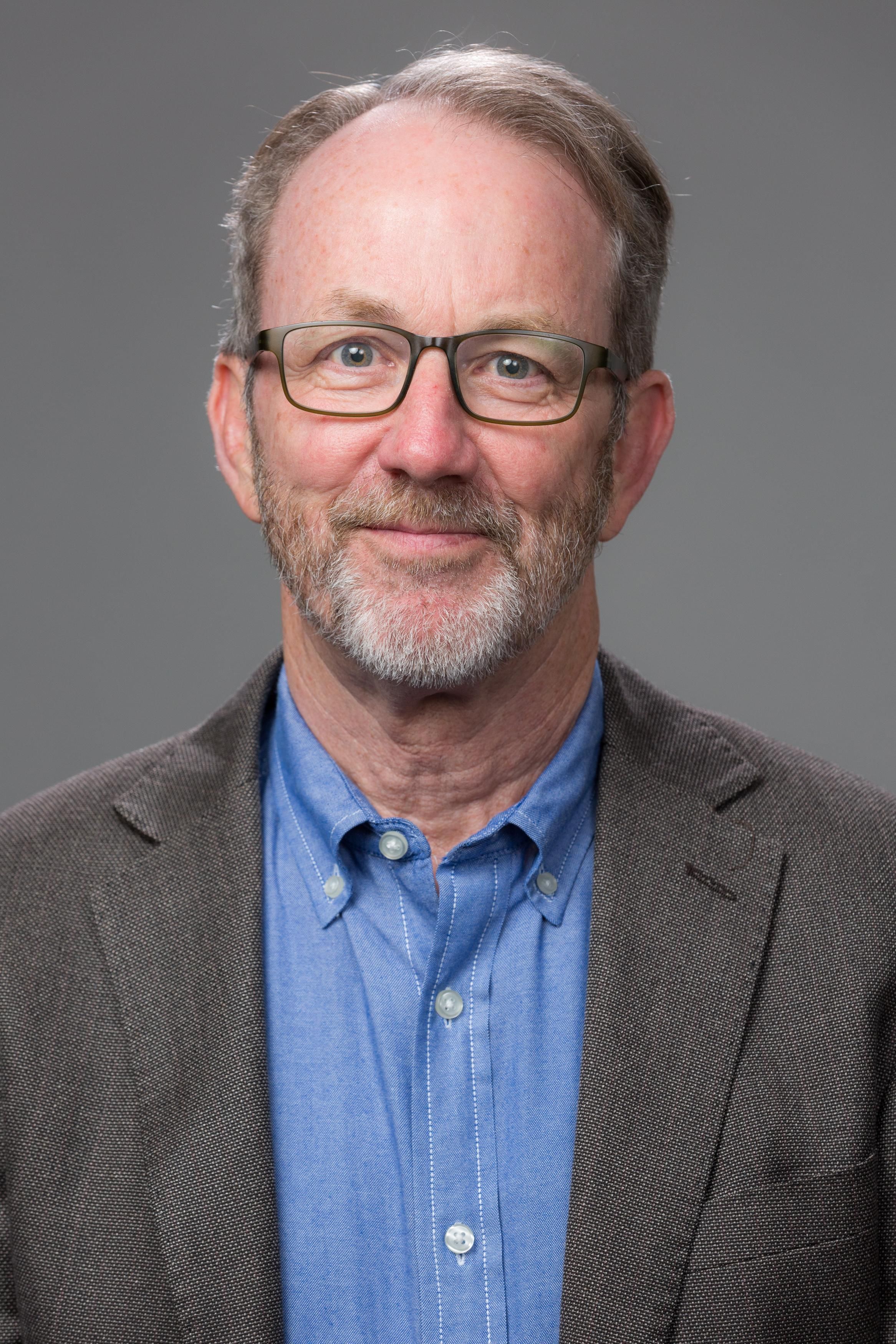
Rick Hoyle is a Professor of Psychology and Neuroscience at Duke University, where he serves as Associate Chair of the Department of Psychology and Neuroscience. He is also a Faculty Network Member of the Duke Institute for Brain Sciences. His academic career spans decades, with significant contributions to understanding self-regulation and adolescent development. Dr. Hoyle earned his B.A. from Appalachian State University (1983), followed by an M.A. (1986) and Ph.D. (1988) from the University of North Carolina, Chapel Hill. He progressed from Assistant to Associate to Full Professor at the University of Kentucky from 1989 to 2003 before joining Duke University. His research focuses on how adolescents and emerging adults manage goal pursuit through self-regulation, taking a broad view that accounts for personality, environment, cognition, emotion, and social influences. He employs longitudinal methods with repeated assessments, sometimes spanning years with data collection multiple times per year, or intensive studies with assessments several times daily. His lab develops innovative measurement tools including self-report measures of self-control and grit, as well as unobtrusive approaches using mobile phones and wearable devices to track goal pursuit in natural settings. His recent publications reveal a strong focus on self-regulation in digital contexts, adolescent substance use, socioeconomic influences on development, and innovative measurement approaches. His work increasingly integrates technology (social media analysis, wearable devices) with traditional psychological research methods to understand real-world behavior. Fellow, Association for Psychological Science (2013) Dr. Hoyle has secured numerous research grants totaling millions of dollars, including the current Real-Time and Randomized Tests of Social Media and Mental Health Links in Early Adolescence (2024-2029), NCCU Duke - Substance Use Research & Education (2024-2029), and Mid-Life Health Inequalities in the Rural South: Risk and Resilience (2023-2028). His grant portfolio demonstrates sustained funding for research on adolescent development, substance use, self-regulation, and health disparities. He teaches advanced courses including Applied Structural Equation Modeling and Psychology and Neuroscience Grant Writing, mentoring the next generation of researchers in quantitative methods and research design. His work through the Center for the Study of Adolescent Risk and Resilience (2008-2025) has established a significant research infrastructure for longitudinal studies of adolescent development. Current projects examine social media effects on mental health, substance use patterns, and the impact of environmental factors on adolescent well-being using innovative digital tracking methods.
Dominique Chen is a Professor at Waseda University's School of Culture, Media and Society since 2022, previously serving as Associate Professor from 2017-2022. A French national born in 1981, he holds a Ph.D. in Interdisciplinary Informatics from the University of Tokyo (2013). His work bridges technology, art, and human experience with a focus on digital well-being and more-than-human relationships. Chen's research interests include human-microbe interaction, neo-cybernetics, and the design of systems that foster mutual care between humans and non-human entities. His work with the Nukabot project exemplifies this interdisciplinary approach, exploring how fermentation processes can serve as metaphors for communication and relationship building. He leads the Ferment Media Research group, investigating how fermentation principles apply to digital cultures and communication systems. His recent publications reveal a consistent focus on designing for well-being in digital societies, with particular attention to translation processes, human-microbe relationships, and the creation of systems that support co-adaptive interaction. The Nukabot research series demonstrates how traditional fermentation practices can inform novel interaction paradigms that acknowledge and incorporate more-than-human perspectives. Best Paper Honorable Mention (2024) - ACM Synlogue with Aizuchi-bot ACM SIGGRAPH Special Prize (2023) - Nukabot Best of AppStore 2015/2016 - Picsee/Syncle applications Good Design Award (2008) - Creative Commons Japan Super Creator certification (2009) - IPA Exploratory IT Program Chen has advised numerous projects through his leadership of Ferment Media Research and has served on various committees including the Good Design Award jury (2016-), Yomiuri Shimbun Reading Committee, and advisory boards for art and design institutions. His work extends beyond academia through his founding of Divideal Inc. (acquired by Smart News in 2018) and Creative Commons Japan (now Commonsphere). His laboratory, Ferment Media Research, explores interdisciplinary connections between fermentation processes, digital systems, and human relationships, creating installations like Nukabot that facilitate human-microbe interaction and Last Words/TypeTrace that examines writing processes and communication.
Anna Grimshaw is a Professor of Visual Anthropology at Emory University's Department of Anthropology. Her career spans academic and public scholarship, including collaborations with C.L.R. James and experimental ethnographic filmmaking. She holds a PhD in Social Anthropology from the University of Cambridge (1984) and trained as a documentary filmmaker at the National Film and Television School (1991-92). Her research focuses on ethnographic cinema, experimental ethnography, and the intersection of art and anthropology. Notable works include films like Mr Coperthwaite (2013) and At Low Tide (2016), exploring themes of handmade life and cultural practices. She co-authored Observational Cinema (2009) and edited volumes on C.L.R. James and visual anthropology. Grimshaw’s teaching includes courses on visual culture, ethnographic filmmaking, and experimental methods. She has held previous positions at the Graduate Institute of the Liberal Arts (Emory) and the University of Manchester. Her work emphasizes critical perspectives on anthropological conventions and innovative visual practices.
Anne-Lise François is an Associate Professor in the Departments of English and Comparative Literature at the University of California, Berkeley. She earned her PhD in Comparative Literature from Princeton University. Her work bridges 18th- and 19th-century British literature with contemporary environmental humanities, focusing on themes of ecological ethics, literary minimalism, and non-productive temporalities. Current research explores pastoral worldliness and commons-based economies in Romantic and modernist texts. Key scholarly contributions include her prize-winning book *Open Secrets: The Literature of Uncounted Experience* (2007), which examines 'affirmative reticence' in works by Jane Austen, Mme de Lafayette, and Emily Dickinson. Her recent projects address climate crisis narratives, food politics, and the intersection of aesthetic theory with ecological urgency. Teaching emphasizes transhistorical literary studies and environmental criticism Active in interdisciplinary collaborations across literature, philosophy, and environmental science Current book project: *Provident Improvisers: Parables of Subsistence from Wordsworth to Benjamin* Her writing synthesizes close textual analysis with broader socio-ecological frameworks, challenging Enlightenment models of productivity and advocating for 'recessive fulfillment' in both art and life.
Courtney Rivard is an Assistant Professor in English & Comparative Literature at the University of North Carolina, Chapel Hill, with a secondary appointment at the School of Data Science & Society. She directs the Digital Literacy and Communications (DLC) Lab, focusing on digital humanities, critical game studies, and archival rhetorics. Her research bridges rhetoric, digital methods, and social justice, examining how archives and digital tools shape narratives around race, gender, and national identity. Dr. Rivard holds a Ph.D. from the University of California, Santa Cruz (2012). Her book Layered Lives (2022) combines archival and computational methods to analyze Depression-era life histories. She has secured grants from NEH, ACLS, and UNC initiatives, supporting projects like the Critical Gaming Initiative and oral history archives on PFAS contamination. Her teaching emphasizes digital literacy and public engagement, including courses on data rhetoric, game studies, and multimodal composition. The DLC Lab hosts the Greenlaw Gameroom, a game-based classroom funded by Lenovo, fostering critical pedagogies through play. Research Labs: Digital Literacy and Communications Lab, Greenlaw Gameroom Grants: NEH, ACLS Digital Extension Grant, UNC Arts & Humanities Fellowships Key Projects: Critical Gaming Initiative, Photogrammar collaboration, “Forever Chemicals” oral history archive
Dr. James Gilmore is an Associate Professor and Graduate Coordinator in the Department of Communication at Clemson University's College of Behavioral, Social and Health Sciences. He joined Clemson in 2018 after earning his Ph.D. in Communication and Culture from Indiana University. His academic foundation includes an M.A. in Film and Television from UCLA and a B.A. in Film and Media Studies from the University of South Carolina. Research Focus Dr. Gilmore's research examines the cultural politics of media and communication technologies, with emphasis on datafication (how human behavior is converted into data), wearable technologies (e.g., smartwatches, fitness trackers), and infrastructural systems . His work critiques surveillance norms, accessibility design, and solutionist approaches in tech. He authored Bringers of Order: Wearable Technologies and the Manufacturing of Everyday Life (UC Press, 2025) and co-edited anthologies on Orson Welles and superhero digital convergence. Publication Trends His recent articles (2020-2025) cluster around three themes: wearable tech ethics (e.g., forensic uses of Fitbit/GoPro data), streaming/platform infrastructures (e.g., Disney’s data reflexivity, Capitol Riot documentation), and surveillance politics (e.g., geofencing, CAD systems). Methodologically, he blends critical-cultural analysis with industry ethnography, often highlighting tensions between technological promise and social consequence. Awards and Honors Top Paper Award, Southern States Communication Association (2024) Outstanding Teaching Award, Clemson University (2022-2023) Outstanding Research Publication, Clemson University (2022) Ray Camp Research Award, Carolinas Communication Association (2018) Graduate Writing Prizes, Indiana University (2016) Advising and Service Dr. Gilmore mentors graduate/undergraduate researchers, co-authoring with 17+ students on topics like VR accessibility, mental health platforms, and AI negotiations. As Graduate Coordinator, he oversees program development and student progression. He serves as an expert source for media outlets (Wired, The Verge) on technology culture and maintains an active public scholarship profile.
Stephen Spector is a Professor of English at Stony Brook University since 1972, with a PhD from Yale University (1973). His work bridges medieval literature, religious studies, and language history. He has held visiting positions at the Hebrew University (Jerusalem, 1996–97) and fellowships at the National Humanities Center and Wesleyan University. His research focuses on medieval English literature, particularly mystery plays and biblical texts, alongside modern topics like Christian Zionism and the Ethiopian Jewish rescue operation (Operation Solomon). He has authored influential books such as Evangelicals and Israel (2009), which won the London Book Festival Prize, and Operation Solomon (2005), honored with the JDC-Herbert Katzki Award. Education: B.A. in English and Psychology from Penn State University (1968), M.Phil. and Ph.D. from Yale University (1973). He has taught courses ranging from the history of the English language to medieval literature and the Bible as literature. Research highlights include pioneering studies on anti-Semitism in medieval mystery plays, textual editing of the N-Town Play, and modern analyses of religious-political intersections. His recent work explores biblical prophecy’s influence on US foreign policy and contemporary grammar usage guides. Awards include the Van Courtlandt Elliott Prize (1980) for medieval scholarship, National Endowment for the Humanities grants, and SUNY Research Foundation fellowships. He has also contributed op-eds on topics like Sarah Palin’s religious influences and Israel-Evangelical relations. Grants and fellowships span decades, including directing NEH summer seminars on Jewish presence in early English literature (1993, 1996). His work often integrates historical methodologies with contemporary cultural analysis. Labs/Teams: Not explicitly listed, but his research collaborations are evident in co-edited volumes like The Olde Daunce (1991) and contributions to interdisciplinary projects like the Early English Text Society.
Professor Helen Finch (University of Leeds) is a leading scholar in German Literature , with a focus on Holocaust Studies , Queer Memory , and German-Jewish Cultural Production . Affiliated with the School of Languages, Cultures and Societies and the Centre for Jewish Studies , she co-leads the LCS Queer Area Studies Network and contributes to equality initiatives through the LGBT+ staff network . Research: Holocaust representation in German works, queer identity in postwar literature, transnational memory studies, curriculum design in German studies Awards: Fellow of the Higher Education Academy (2014) Academic Output : Her 15 most recent publications span Holocaust poetics , queer life writing , translation ethics , and Sebaldian intertextuality , with a particular focus on intersections between trauma , identity , and intergenerational testimony . Supervision : Currently guides PhD research on topics including transnational transphobia , queer art practices , and LGBTQ+ cross-cultural representation . Her students explore areas from German exile photography to postcolonial queer narratives .