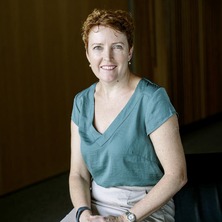
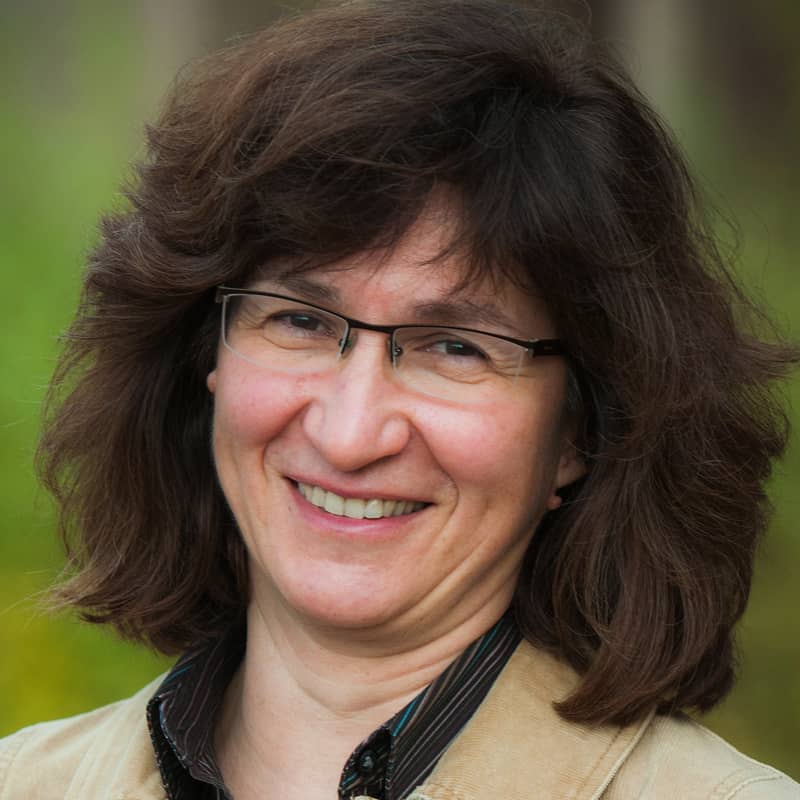
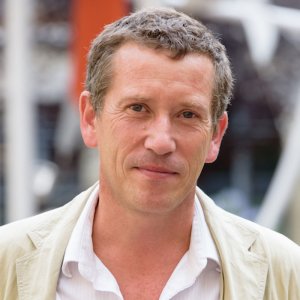
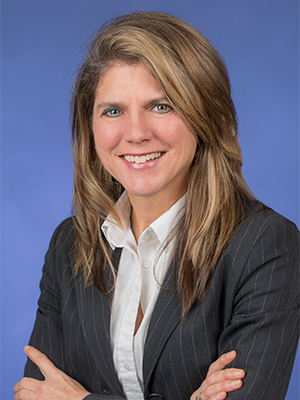
Claus Bossen is a Professor at the Department of Digital Design and Information Studies within Aarhus University's School of Communication and Culture. His research bridges participatory design, healthcare digitization, and data work. Primary Affiliation: School of Communication and Culture, Department of Digital Design and Information Studies Research Focus: Data-driven healthcare, information infrastructures, and participatory design Email: clausbossen@cc.au.dk Research Interests span critical areas in healthcare digitization, including: Emergence of data work professions Human-AI collaboration in clinical documentation Design of healthcare information systems Infrastructure governance and quality improvement Digitization's impact on non-clinical staff Participatory design scaling mechanisms Recent Publications (2024-2025) show a trajectory toward: Global-local data integration challenges Professional adaptation in data-intensive settings Digitization's soco-technical implications Empowerment through data work practices Emergency healthcare system analysis Human-AI collaboration frameworks Current Projects include: LIVSTEGN: Monitoring technologies for safe dementia care Making Data Work Visible: Professional changes in healthcare Acute healthcare treatment pathways
Professor Sandy Brauer, Deputy Executive Dean at The University of Queensland's Faculty of Health, Medicine and Behavioural Sciences, is a leading researcher in neurorehabilitation, aging, and balance disorders. Her work focuses on improving postural control, gait, and physical activity in stroke survivors and individuals with neurological conditions. Executive Leadership: Deputy Executive Dean, Faculty of Health, Medicine and Behavioural Sciences Research Center: Director of Centre for Neurorehabilitation, Ageing and Balance Research Her research addresses impaired postural control's devastating impacts, developing physiotherapy techniques and cost-effectiveness analyses for clinical translation. Current themes include: Post-stroke physical activity recovery Dual-task training for Parkinson's patients Community mobility challenges SMART Arm device for stroke rehabilitation Hospital fall prevention Professor Brauer's recent work explores digital health implementations, machine learning for rehabilitation outcomes, and sensory impairments in neurological populations. She actively supervises PhD candidates in movement science and biomechanics. Key affiliations include: Queensland University Technology collaborations Sonova AG research on hearing-loss balance issues NHMRC and ARC funded projects
Dr. Maja Krzic is a Professor at the Department of Forest and Conservation Sciences within UBC's Faculty of Land and Food Systems. Her research bridges soil science with sustainability education through community engagement and digital innovation, focusing on human impacts on soil properties across agricultural, grassland, and forest ecosystems. She develops cutting-edge teaching tools like the Digging into Canadian Soils open textbook and SOILx interactive platform. PhD (University of British Columbia, 1997) MSc (University of Belgrade, 1990) BSc (University of Belgrade, 1986) Her publications (2010-2025) explore greenhouse gas dynamics in agricultural systems, soil carbon sequestration in elevation gradients, and innovative educational approaches including problem-based learning and augmented reality. Recent work addresses climate-resilient soil management in coastal British Columbia and gender parity in soil science academia. Major awards include: 3M National Teaching Fellow (2016) UBC Killam Teaching Prize (2006) Fellow, Soil Science Society of America (2023) Platinum AVA Digital Award for SOILx (2015) She has mentored 28 graduate students and postdocs, including Amy Wells (2024), Clara Roa-Garcia (PhD, 2018), and Preston Cumming (Postdoc, 2015). Current projects focus on climate change adaptation in Delta farmland and regenerative agricultural practices.
Jean-Philippe Pierron is a University Professor in philosophy of life, medicine and care at Jean Moulin-Lyon 3 University, where he serves in the Faculty of Philosophy. He is the Director of the "Values of Care" Research Chair since 2016 and previously served as Dean of the Faculty of Philosophy. His office is located in room 435 of the Law-Letters building. He is attached to the LIR3S laboratory (UMR CNRS-uB 7366) and holds leadership roles including Head of the philosophy department for the M2 "Imaginary & Rationality" course and co-head of the M2 Medical and Environmental Humanities program. Professor Pierron specializes in Contemporary French philosophy, Moral Philosophy and Applied Ethics, Environmental Philosophy, and Phenomenology and Hermeneutics. His research focuses on the philosophy of care, medical humanities, and environmental ethics, with particular attention to how digital technologies transform healthcare relationships and the ethical implications of contemporary medical practices. He explores the intersections between vulnerability, care ethics, and environmental concerns, developing a comprehensive framework for understanding care as both a philosophical concept and practical reality. His recent publications reveal a consistent focus on the philosophy of care across multiple domains - medical, environmental, and technological. The trend shows increasing attention to digital transformation in healthcare (2023-2024), the relationship between ecological and medical care (2018-2023), and the philosophical foundations of vulnerability and finitude (2016-2024). His work bridges Continental philosophy, particularly through Ricœur's hermeneutics, with practical ethical concerns in contemporary healthcare and environmental contexts. Elected member of the scientific council of the French Society for Palliative Care and Support (SFAP) Elected member of the Steering Committee of the Bourgogne-Franche-Comté Ethical Reflection Space As Director of the "Values of Care" Research Chair since 2016, he leads a significant research initiative examining the ethical, economic, and political dimensions of care practices. His departmental leadership roles in the M2 "Imaginary & Rationality" course and the M2 Medical and Environmental Humanities program indicate his commitment to interdisciplinary education that bridges philosophical theory with practical applications in healthcare and environmental contexts. His work is closely associated with the LIR3S laboratory (UMR CNRS-uB 7366), suggesting active participation in research teams focused on interdisciplinary studies at the intersection of philosophy, ethics, and social sciences. The "Values of Care" Research Chair represents a major institutional commitment to exploring care from multiple disciplinary perspectives.
Prof. Dr. Reinhold Decker is a full professor of business administration with a focus on marketing and market research at Bielefeld University's Faculty of Economics, where he has been affiliated since 1997. He currently serves as the Rector's Representative for Cooperation with Business, BRIC, and Research Transfer (since October 2023), following previous roles as Vice Rector for Information Infrastructure and Business (2019-2023), Vice Rector for Information Management (2015-2019), and Vice Rector for Financial Affairs and Resources (2012-2015). He is also the Scientific Director of BI2000plus - Research Projects on the Region since 2005 and a member of the Bielefeld Graduate School of Economics and Management (BiGSEM). Decker earned his degree in industrial engineering with a focus on OR/Computer Science in 1988, received his doctorate in 1993, and completed his habilitation in 1997, all from the University of Karlsruhe (KIT). His academic career includes visiting professorships at the University of Vienna, Moscow Academy of Economics, University of Veliko Turnovo, Universidade NOVA de Lisboa, Université Paris III – Sorbonne Nouvelle, and the University of Maryland. His research focuses on the development and empirical testing of methods and models for acquiring and analyzing consumer data, particularly from social media, and data-driven, consumer-centric development of intelligent products and services. His work spans social media analysis, buyer behavior modeling, brand image analysis, web mining in marketing, and internet-based preference measurement. Decker's interdisciplinary approach bridges marketing, data science, and consumer behavior, with increasing emphasis on intelligent systems and digital transformation in marketing contexts. Analysis of his 15 most recent publications reveals a strong focus on emerging technologies in marketing, including augmented reality, voice assistants, and social media analytics. His research increasingly examines privacy concerns in the digital age, sustainability communication, and the integration of AI in consumer decision-making processes. The interdisciplinary nature of his work is evident in publications spanning marketing journals, data science publications, and technology-focused outlets. Member of the Scientific Council of the journal Argumenta Oeconomica Cracoviensia (since 2013) Associate Editor of the journal Behaviormetrika (since 2012) Member of the Editorial Board of the Springer series Studies in Classification, Data Analysis, and Knowledge Organization (since 2004) Vice President of the European Association for Data Science – EuADS (2018-2022) Decker has served on numerous editorial boards and scientific program committees, including for the International Federation of Classification Societies. His extensive reviewing work spans prestigious journals such as Journal of Business Research, Journal of Product Innovation Management, and Review of Managerial Science. His leadership extends to project management, including BiLinked (2025), Bielefeld 2000plus (2024), and Bielefelder DatenNarrative (2022). Decker has also edited multiple volumes and special issues on data analysis and marketing, demonstrating his commitment to advancing methodological approaches in business research. As Scientific Director of BI2000plus, Decker leads interdisciplinary research projects focused on regional development. His work bridges academia and industry through initiatives like the Bielefeld Center for Data Science (BiCDaS) and the Bielefeld Graduate School in Theoretical Sciences. His recent projects emphasize data narrative techniques, linking data analysis with effective communication strategies for diverse audiences.
Deborah Gustafson, PhD MS, is a Professor of Neurology at SUNY Downstate Health Sciences University and Guest Professor at the Department of Psychiatry and Clinical Chemistry, University of Gothenburg, Sweden. She serves as Director of the NeuroEpidemiology Program and Principal Investigator for the NIH-funded MACS/WIHS Combined Cohort Study (Brooklyn Clinical Research Site). She co-chairs the Aging Working Group focused on cognition and frailty and chairs The International Society of Vascular Behavioural and Cognitive Disorders. Education: PhD, MS, BA from the University of Minnesota; NIH Postdoctoral Fellowship in Genetic Epidemiology Her research spans 20+ years in Alzheimer’s Disease and Related Dementias (ADRD), emphasizing adiposity, neuroendocrine aspects of brain health, and vascular risk factors. She has over 200 publications and received the 2022 American Academy of Neurology’s Neuroendocrine Research Award, a Swedish Research Council mid-career award, and attained docentur at the University of Gothenburg. Her recent work examines the interplay of metabolic factors (e.g., cholesterol, homocysteine, adiposity), genetic polymorphisms, and mental health (e.g., depression, phobic fears) in aging populations, with longitudinal studies spanning 32+ years. She also explores hormonal impacts on cognition, white matter lesions, and secular trends in dementia predictors. Scientific Awards: 2022 American Academy of Neurology’s Neuroendocrine Research Award Swedish Research Council Mid-Career Research Award NIH Postdoctoral Fellowship She leads multicenter studies on dementia and advises on vascular-behavioral-cognitive disorders. Her affiliations include the MACS/WIHS Combined Cohort Study and collaborations with the University of Gothenburg. Her research integrates epidemiological, genetic, and neuroimaging data to address ADRD risk factors.
Filippo Ubertini is Professor of Civil and Environmental Engineering at the University of Perugia, Italy, where he coordinates the International Doctoral Programme in Civil & Environmental Engineering and represents the University inside the FABRE national bridge-research consortium. He leads the Structural Health Monitoring Laboratory ( SHM-Lab ) and is the primary contact for assignments linked to smart-infrastructure research. Education: While explicit degrees are not listed in the supplied text, his role as programme coordinator and full professor implies completion of a PhD and habilitation in Civil Engineering. Research focus: Ubertini’s work sits at the intersection of smart materials and data-driven infrastructure management . He develops self-sensing cementitious composites doped with carbon micro-fibers or graphene nano-platelets that can measure strain, cracking and moisture in real time, turning whole bridges and buildings into distributed sensors. Complementary research threads include low-cost acquisition electronics, UAV & InSAR remote sensing, Bayesian & adversarial machine-learning algorithms for damage detection, digital twins and life-cycle cost analysis of bridge networks. Publication trends (2024-2025): Roughly 30 peer-reviewed items per year concentrate on (i) AI-enhanced operational modal analysis and transfer-learning damage classification across bridge populations, (ii) experimental characterisation of 3D-printed and cast self-sensing concrete, (iii) full-scale validation on curved box-girder, masonry and railway bridges, and (iv) integration of satellite radar data with numerical collapse simulations to predict residual service life of landslide-affected viaducts. Scientific awards & recognition: No specific prizes or fellowships are mentioned in the provided text. Doctoral supervision & grants: The text does not enumerate individual students or funded projects; however, his coordination of an international PhD programme and numerous experimental campaigns imply sizeable supervisory and funding responsibilities. Laboratory & team: Ubertini heads the SHM-Lab at UniPg, maintaining facilities for material mixing, 3D concrete printing, electrical impedance tomography, UAV photogrammetry, and large-scale structural testing, while collaborating with the European FABRE consortium and multiple EU projects.
Professor Maaike Fobelets is affiliated with the Multidisciplinary Institute for Teacher Training at the Vrije Universiteit Brussel (VUB) , Belgium. Her research spans Midwifery , Professional Autonomy , Health Sciences , and Medical Education . She actively supervises doctoral students and participates in international collaborations . Research Focus: Professional Autonomy (100%), Midwifery (97%), End-of-Life Care (85%), Healthcare Simulation (77%), Chronic Pain Management (63%), Digital Literacy (51%) Recent Projects: EuroMAID (2025-2027): Medical Assistance in Dying across Europe Aha BOOST (2023-2027): Arm-hand therapy for stroke recovery InfoReady (2023-2025): Digital literacy for adults Scientific Awards: Editor's Choice (2023) Grant Collaborations: Funded by Erasmus+, Flemish Government, and Fundamental Brussels mechanisms Advocacy: Promotes interprofessional education and midwifery recognition through peer-reviewed publications and conference presentations Labs: Central contributor to simulation training platforms and data repositories
Provvidenza Rita D'Urso is a Fixed-term Assistant Professor at the University of Catania's Department of Agriculture Food and Environment (Di3A), specializing in Rural Buildings and Agro-forest Land Planning within the School of Agriculture. Her current position runs from March 1, 2023 to February 28, 2026, as part of the SAMOTHRACE project funded by the European Union through NextGenerationUE. She maintains an office in the Engineering Area at Via Santa Sofia, 100, and conducts research focused on environmental monitoring in agricultural settings. Dr. D'Urso earned her PhD in Agricultural, Food and Environmental Science from the University of Catania in 2022 with a thesis on measuring ammonia and GHG concentrations in dairy housing systems. She holds dual qualifications as both a Civil and Environmental Engineer (2017) and an Agronomist and Forestry Doctor (2020), demonstrating her interdisciplinary expertise. Her educational background includes two Master's degrees earned cum laude : one in Agricultural Sciences and Technologies (2018) and another in Building Engineering and Architecture (2016). Her research interests center on environmental monitoring in agricultural contexts, particularly focusing on ammonia and greenhouse gas emissions from livestock housing systems. She investigates innovative measurement techniques using infrared photo-acoustic multi-gas analyzers and low-cost devices, while also exploring mitigation strategies including green wall systems and bio-acidification treatments. Her work bridges agricultural engineering with environmental protection, addressing critical challenges in sustainable farming practices. Analysis of her recent publications reveals a strong focus on precision environmental monitoring in agricultural settings, with particular emphasis on spatial and temporal distribution of gaseous emissions in dairy barns. Her research demonstrates methodological rigor in measurement techniques while maintaining practical applications for emission reduction in livestock farming. She frequently employs geospatial analysis and contributes to systematic literature reviews that advance understanding of environmental impacts across agricultural sectors. National Scientific Qualification as Associate Professor (2023) PhD awarded with honors (unanimous decision by Committee, 2022) Multiple Master's degrees earned 110/110 cum laude Active member of the Italian Society of Agricultural Engineering (AIIA) Dr. D'Urso serves as an academic advisor and collaborator on multiple research projects, frequently working with Professor Claudia Arcidiacono as primary supervisor. Her research group focuses on developing practical solutions for environmental challenges in Mediterranean agricultural systems, with particular attention to measurement methodologies and mitigation strategies that can be implemented in real-world farming operations. She maintains active collaborations with European research institutions through COST Training School programs.
Dr. TÓTH Csaba is an Associate Professor at the Department of Highway and Railway Engineering, Budapest University of Technology and Economics (BME), Faculty of Civil Engineering. He teaches courses such as Highway and Railway Structures (BMEEOUVAI41) and Pavement Structures (BMEEOUVMU63), while previously teaching Pavement Analysis and Design (BMEEOUVDT81) and Project Management in Transportation (BMEEOUVMU-4). His research focuses on asphalt technology, pavement diagnostics, and sustainable road construction. Phone: +36 1 463 1154 Room: ÉL. ép / 206/E Research Interests: His work emphasizes non-destructive evaluation methods (e.g., Ground-Penetrating Radar), rheological modeling of asphalt binders, recycled asphalt pavement applications, and climate-adapted pavement design. Key methodologies include the Ramberg-Osgood model for dynamic modulus prediction and the virtual inertial point method for structural diagnostics. Scientific Contributions: Recent research trends highlight sustainable road rating systems, thermal stress analysis in asphalt pavements, and advanced diagnostic techniques for infrastructure monitoring. Scientific Awards: Magyar Felvételi Scholarship (#építő250)
Jeff Edwards is a Professor in the Department of Crop, Soil, and Environmental Sciences at the University of Arkansas, serving as Department Head since 2022. Previously, he held similar roles at Oklahoma State University from 2004 to 2022, including the Warth Distinguished Professorship and Small Grains Extension Specialist positions. Ph.D. in Crop Physiology (University of Arkansas, 2004) M.S. in Weed Science (University of Arkansas, 2001) B.S. in Agriculture (Western Kentucky University, 1995) His research focuses on agronomic systems for small grains, particularly winter wheat, emphasizing yield optimization, climate adaptation, and precision agriculture. He has pioneered extension tools for disease and nutrient management using remote sensing technologies. Jeff’s publications span wheat breeding, soil-crop interactions, and agricultural economics, with a focus on scalable solutions for the southern Great Plains. His work bridges field experiments with regional policy through climate risk modeling and resource efficiency studies. 2022 Oklahoma Crop Improvement Association Premier Supporter Award 2021 OSU Career Services Career Champion Award 2013 National Excellence in Extension Award ASA-CSSA-SSSA Early Career Professional Award (2007) As a co-inventor of twelve wheat varieties and a leader in agricultural outreach, Jeff has significantly impacted wheat production practices. His career integrates research, extension, and education to enhance agricultural sustainability and productivity.
Alberto Godio is a Full Professor at the Politecnico di Torino, affiliated with the Department of Environmental, Land and Infrastructure Engineering (DIATI). He coordinates Latin America relations under the University Strategic Plan and is a member of the Interdepartmental Center Photonext for Applied Photonics. His research focuses on Applied Geophysics, Geophysical Data Integration, and Glaciology. He graduated in Mining Engineering (1988) and earned a PhD in Underground Resources Engineering (1993). He has been an Associate Professor (2005-2024) and Full Professor (2024-present) at PoliTO, leading projects funded by EU (FP7, LIFE, Horizon), MIUR (PRIN, FIRB), and regional bodies. His recent publications explore geophysical methods for subsurface modeling, glacial systems, and environmental remediation, with keywords spanning Geophysics, Hydrology, and Climate Science. His work emphasizes ground-penetrating radar, seismic noise analysis, and hybrid modeling techniques. Scientific awards include the Best Paper Award at the Near Surface Geoscience Conference (2008). He has supervised PhD students on fiber optic sensors and GPR optimization, advised projects on digital twins, and led EU-funded research on biogas enhancement in landfills.
Dr. Varun Vaidya is a Professor and the Director of B.S.P.S. Pharmacy Administration Program and M.S.P.S. Health Outcomes and Socioeconomic Sciences program in the Department of Pharmacy Practice at the University of Toledo College of Pharmacy and Pharmaceutical Sciences. He serves as the faculty advisor to the UT-ISPOR chapter and holds significant roles in national organizations including the Pharmacy Quality Alliance (PQA) Data & Interoperability Advisory Group (DIAG), ISPOR, APhA, and AACP. Dr. Vaidya's educational background includes: Ph.D. in Pharmacoeconomics from University of Tennessee, Memphis (2009) B.Pharm. from Bharati Vidyapeeth, India (2002) Certification in Measurement, Design and Analysis Methods for Health Outcomes Research from Harvard School of Public Health (2010) His research program centers on quantitative assessment of health outcomes related to medication use, with particular expertise in real-world evidence (RWE) studies that inform value-based decision making and outcomes-driven healthcare delivery. Dr. Vaidya has extensive experience with claims databases including Optum, GE, MarketScan, Truven, and Clinical Practice Research Datalink (CPRD) U.K., as well as U.S. national databases such as Medical Expenditure Panel Survey (MEPS), Behavioral Risk Factor Surveillance Survey (BRFSS), and National Health and Nutrition Examination Survey (NHANES). His publication record demonstrates a strong focus on pharmacoeconomics across multiple therapeutic areas including oncology (particularly lung cancer and myelofibrosis), diabetes management, mental health, opioid use disorder, and medication adherence patterns. His work frequently examines medication utilization patterns, healthcare costs, treatment effectiveness, and the impact of social determinants on health outcomes. Dr. Vaidya actively contributes to the academic and professional community through his role as program director, faculty advisor, and national organization participation. He is frequently invited to speak at national and international venues and provides expertise to media outlets on prescription drug pricing and pharmaceutical policy issues, having featured in news segments and authored Op-Ed articles on these topics.
Jennifer Weidhaas is an Associate Professor in the Department of Civil and Environmental Engineering at the University of Utah since 2016. She holds a PhD and MS in Civil and Environmental Engineering from the University of California-Davis, and a BS in Civil Engineering from Montana State University. A registered Professional Engineer, her research spans environmental microbiology, wastewater epidemiology, and sustainable water treatment technologies. Education: BS, Civil Engineering, Montana State University (1999) MS, Civil and Environmental Engineering, UC Davis (2002) PhD, Civil and Environmental Engineering, UC Davis (2006) Her research focuses on environmental microbiology , quantitative microbial risk assessment , and water treatment innovations , particularly for munition compounds and PFAS. She leads the E-Sure Research Lab, integrating biotechnology with civil engineering to address challenges in wastewater reuse, biosolid application, and contaminant fate. Her work on ion exchange systems and nanofiltration models has advanced sustainable treatment train design. Key findings from her publications include: Optimized ion exchange systems for NTO removal with 99% efficiency NSF CAREER-funded wastewater surveillance models for pathogen tracking Life cycle assessments showing 22% lower environmental impact with IX-AGR-ozone configurations Development of microbial degradation pathways for insensitive munition compounds Scientific recognition includes: Outstanding Mentor (2018, University of Utah) Multiple Teaching Excellence Awards (2015-2017) Best Paper Award (ASEE, 2017) NSF CAREER Award (2016) She actively engages in community outreach, training 80 K-12 teachers in engineering and organizing water quality testing events for Salt Lake City households. Her teaching portfolio includes graduate thesis supervision and undergraduate courses like Life Sciences in Engineering .
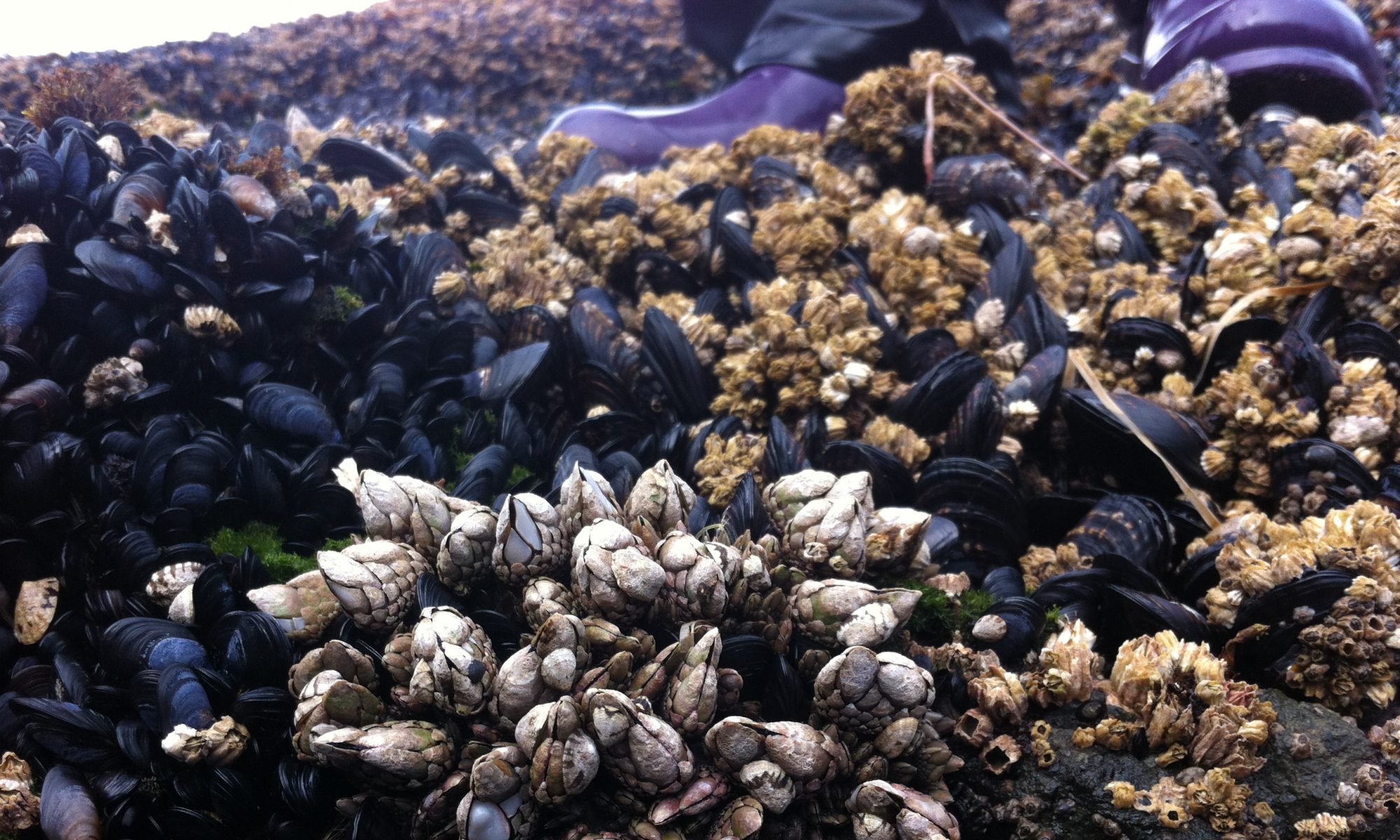
Christopher Harley is a full Professor in the Department of Zoology at the University of British Columbia (UBC) since 2005 and a member of the UBC Institute for the Oceans and Fisheries since 2016. His research focuses on understanding how climatic factors (temperature, ocean acidification, salinity) and biological interactions (predation, competition, facilitation) structure coastal marine communities. Education includes a BSc from Brown University (1994) , a PhD from the University of Washington (2001) , and postdoctoral fellowships at Stanford University (2001-2003) and University of California, Davis (2003-2005) . His lab at UBC investigates five priority areas: changing environmental variability, multiple stressors, life-cycle effects, genetic diversity, and interspecific interactions. Recent publications highlight his work on thermal stress, invasive species, and ocean acidification across marine ecosystems. Over 15 years, his research has spanned topics like Seaweed Responses to Climate Change , Sea Otter Impacts on Mussel Beds , and Ocean Acidification Effects on Calcifiers . Notable awards include the Murray A. Newman Award (2017) , Peter Wall Scholar (2016) , and Killam Faculty Research Fellowship (2011) . Key Research Themes Climate Change Impacts on Rocky Coasts Abiotic-Biotic Interaction Dynamics Intertidal Species Distribution Shifts Marine Biodiversity and Ecosystem Function Scientific Awards Murray A. Newman Award for Excellence in Coastal Ocean Research (2017) Peter Wall Scholar (2016) Killam Faculty Research Fellowship (2011) Distinguished Scholar Award (2012) Current Lab Members Graduate Students: G. Hall, S. Johnston, E. Kabanova, K. Ma, S. Park Collaborative Research on Stressors and Community Resilience