Soumik Purkayastha is an Assistant Professor in the Department of Biostatistics and Health Data Science at the University of Pittsburgh School of Public Health. He also serves as a Research Biostatistician at the Center for Healthcare Evaluation, Research, and Promotion (CHERP) within the Department of Veterans Affairs, focusing on improving healthcare outcomes for veterans. B.Sc. (Hons.), St. Xavier's College, Kolkata, 2014-17 M.Stat. (Biostatistics), Indian Statistical Institute, 2017-19 M.S. in Biostatistics, University of Michigan, 2019-21 Ph.D. in Biostatistics, University of Michigan, 2019-24 His research develops scalable statistical and machine learning methods for biomedical studies, emphasizing information-theoretic frameworks for association and causality without traditional causal inference assumptions. Applications include mediation analysis , instrumental variables , and spatiotemporal forecasting of infectious diseases like SARS-CoV-2. He integrates Bayesian and semi/non-parametric approaches with computational challenges in statistical modeling. His publications focus on asymmetric association methods, infectious disease compartmental models (e.g., SEIR-fansy), and data-driven pandemic resilience strategies. Key themes include causal discovery , collider detection , and patient-reported outcome correlation analysis in clinical studies. Prior to joining Pitt, he worked with the Abecasis Group and Diabetic Foot Consortium at the University of Michigan. He has developed open-source software tools like SEIRfansy , fastMI , and comet , contributing to epidemiological and statistical methodology.
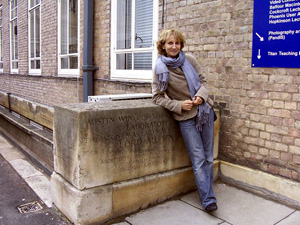
Dr. Carmen Falagan is a Senior Lecturer in Environmental Microbiology at the University of Portsmouth , affiliated with the Faculty of Science and Health and the School of the Environment and Life Sciences . Her work bridges microbial ecology, geomicrobiology, and applied environmental biotechnology. Research Interests: Dr. Falagan investigates how microbial communities thrive in extreme environments such as acidic pit lakes and mine drainage sites. Key areas include: Bioleaching and biomining for metal recovery Bioremediation of mining waste Microbial responses to climate change Discovery of novel acidophilic microorganisms Geochemical impacts of microbial activity Recent Research Trends: Her 2024-2022 publications focus on optimizing bioleaching processes, characterizing microbial roles in lithium extraction, and studying nutrient dynamics in acidic environments. Collaborative projects span interdisciplinary topics like planetary health and sustainable metal recovery. Teaching Roles: She teaches Microbiology, Evolution, Biodiversity, and Environmental Microbiology to undergraduates and MSc students, supervising honors projects on acidophilic microbes and antimicrobial resistance. Labs and Collaborations: Dr. Falagan is part of the Institute of Life Sciences and Healthcare and Institute of the Earth and Environment , collaborating on EU-funded initiatives like H2020-NEMO. Her work integrates field studies, lab experiments, and computational analysis to address mining environmental impacts.
Børge Rokseth is an Associate Professor at the Department of Engineering Cybernetics , Norwegian University of Science and Technology (NTNU). His work focuses on integrating advanced methodologies for safety and risk control in autonomous maritime systems. He has held academic positions since at least 2014, with a consistent record of research collaboration and publication. Research Areas: Maritime risk analysis, autonomous ship systems, safety engineering, dynamic positioning systems, systems-theoretic process analysis (STPA) Key Publications: 15 most recent articles cover topics like trajectory prediction for autonomous vessels, hybrid power systems safety, machine learning in risk assessment, and dynamic positioning system reliability His publications (2014-2025) emphasize safety-critical systems in marine environments. Common themes include: Application of STPA for hazard analysis in autonomous shipping Development of risk-informed control systems Integration of machine learning with engineering risk assessment Comparative studies of different ship autonomy levels As a supervisor, Rokseth has guided master's students including Ane Joramo Stokke and Ludvig Vik Løite. His work has been presented at international conferences such as the European STAMP Workshop, International Conference on Conceptual Modeling, and the International Seminar on Safety and Security of Autonomous Vessels.
Terry A. Wheeler is a Professor at Texas A&M AgriLife Research in the Department of Plant Pathology and Microbiology , based in Lubbock. Her work focuses on managing soilborne pathogens affecting cotton, including nematodes and fungal diseases like Verticillium and Fusarium wilt. Research Interests : Identification and management of cotton plant pathogens Testing chemical/biological seed treatments for nematode control Systems-based projects analyzing tillage, irrigation, and crop rotation effects on pathogens Publication Trends : Recent articles emphasize cotton variety resistance to nematodes/fungal wilts, field trial methodologies, and integrated pest management strategies across Texas High Plains production systems. Scientific Contributions : Conducted multi-year variety screening trials for bacterial blight and wilt resistance Developed nematode management protocols for cotton producers Provided extension resources for regional pest/disease control Education : B.S. in Plant Science, Worcester Polytechnic Institute M.S. in Plant Pathology, Texas A&M University Ph.D. in Plant Pathology, North Carolina State University
Arlie Adkins serves as Associate Professor with dual appointments in the School of Landscape Architecture and Planning at the University of Arizona's College of Architecture, Planning and Landscape Architecture (CAPLA) and the Health Promotion Sciences Department within the Mel and Enid Zuckerman College of Public Health. He holds the position of Program Chair for the Master of Science in Urban Planning program and teaches transportation planning, planning theory, and capstone studios. Dr. Adkins earned his PhD in Urban Planning from Portland State University and Master's in City Planning from UC Berkeley. Prior to academia, he worked as a planner at TriMet (Portland's transit agency) and for carsharing pioneer Flexcar. His research program investigates transportation equity through three interconnected lenses: systemic health and safety disparities in urban transportation, socioeconomic applicability of walkability metrics, and affordable housing's role in enabling access to opportunity-rich neighborhoods. He emphasizes sociocultural contexts in built environment assessments, particularly focusing on Mexican American communities and refugee populations. His work integrates critical race theory to expose racial biases in transportation systems, as demonstrated by his nationally covered research on driver yielding behavior at crosswalks. Recent publications reveal a methodological shift toward qualitative assessment tools like the Qualitative Pedestrian Environments Data (QPED) Toolkit, addressing limitations of quantitative metrics in capturing social dimensions of walkability. His scholarship increasingly centers refugee mobility and Global South urbanism, reflecting expansion into transnational equity frameworks while maintaining core focus on transportation-housing-health intersections. Dr. Adkins has secured major funding from the Federal Highway Administration, National Institute for Transportation and Communities, and Centers for Disease Control and Prevention. He co-led the CDC-funded Physical Activity Policy Research Network (PAPRN+) collaborating center and directs the QPED initiative, which has trained practitioners through workshops including the 2019 Transportation and Communities Summit in Portland. His leadership extends to program development, evidenced by the MS Urban Planning program's #5 national ranking among public programs without PhDs by Planetizen (2023) and the UA Urban Planning Capstone's award for best graduate project from the Arizona APA chapter. He actively mentors students through capstone projects focused on transportation equity and housing justice.
Professor Charlotte Clarke is a faculty member in the Department of Sociology at Durham University and serves as Executive Director of the Wolfson Research Institute for Health and Wellbeing . Her research focuses on dementia care, aging, risk management, and technology-enabled education , with recent work examining cognitive frailty interventions, participatory care models, and cross-cultural caregiving dynamics in China. Key research areas: Dementia care, aging, social engagement, technology-enabled education, risk management Selected recent collaborations: CREST psychosocial intervention feasibility studies, Delphi consensus on cognitive frailty, participatory action research for post-diagnostic support Her publications span high-impact journals like Frontiers in Aging Neuroscience and Dementia . She supervises postgraduate researcher Jiaxi Li and collaborates with multidisciplinary experts globally. Current projects include policy briefs on air pollution’s impact on brain health and aging in the North reports.
Professor Andrew Newsam is a faculty member at Liverpool John Moores University's Astrophysics Research Institute (ARI), where he serves as Professor of Astronomy Education and Engagement since 2012. He has been instrumental in developing the National Schools' Observatory and astronomy distance learning courses, bridging observational astronomy with STEM education initiatives. Education: PhD in Astrophysics from University of Glasgow (1994), BSc in Physics with Computing from University of Warwick (1991) His research spans observational astronomy, high-energy astrophysics, and science education. Recent publications focus on nova remnants (RS Ophiuchi), gamma-ray bright novas (Nova Persei 2018, V392 Persei), microlensing surveys (Angstrom Project), and educational outreach. He has contributed to planetary eclipse studies and interstellar dynamics research. Key trends in his publications include: binary star systems (56% of works), transient phenomena (43%), and educational technology (35%). His citations show strong engagement with nova studies (22% of total citations) and microlensing research (19% of total citations). Scientific Awards: Teaching Fellowship Award for Individual Excellence (2009) Curriculum Innovation Award (2007) Queens Anniversary Prize for Higher and Further Education (2005) As chair of multiple education and outreach panels (2016-2025), he has shaped astronomy policy and public engagement strategies. He received STFC grants for STEM capacity building (2020) and BBSRC funding for citizen science projects (2019).
Zorana Jovanovic Andersen is an Associate Professor at the University of Copenhagen, Department of Public Health, Section of Environmental Health, specializing in Environmental and Occupational Epidemiology. Her research focuses on health impacts of air pollution , noise exposure , and lifestyle factors across large cohorts including the Danish Nurse Cohort and Diet, Health, and Cancer cohort. Primary research areas: Environmental Epidemiology, Breast Cancer Risk, Air Pollution, Noise Studies, Physical Activity Interactions Key projects: Hyperion (road traffic noise), ELAPSE (low-level air pollution), TAPAS (climate-transportation health risks) Research Themes She investigates long-term exposure to air pollution and noise in relation to breast cancer , diabetes , cardiovascular disease , and brain cancer , while exploring how factors like physical activity modify these risks. Recent work includes dementia and COVID-19 mortality analyses. Scientific Contributions Her 15 most recent publications address: 1) Air pollution disparities in Europe 2) Dementia-air pollution links 3) Stroke-noise interactions 4) Airport ultrafine particle exposure 5) Asthma-COPD overlap 6) Breast cancer-mammographic density relationships. Major Grants Danish Working Environment Research Fund (1.79M DKK, 2017) Danish Heart Association (433K DKK, 2016) Danish Council for Independent Research (1.93M DKK, 2015) Teaching & Leadership Course Leader for Data Processing in Health Care and Public Health Informatics at UCPH since 2011. Organized Danish Health Registries seminars and served on scientific committees for environmental conferences.
Ethan Williams is an Assistant Professor at the University of California, Santa Cruz, Department of Earth & Planetary Sciences. His research focuses on distributed acoustic sensing (DAS) applications in seismology, oceanography, and environmental monitoring, particularly studying wave dynamics, subduction geohazards, and ocean-solid Earth interactions. Ph.D. in Geophysics, California Institute of Technology (2023) M.S. in Geophysics, California Institute of Technology (2019) B.S. in Geophysics and B.A. in Music, Stanford University (2017) Research Interests: Williams specializes in DAS technology, subduction zone geohazards, surface wave dynamics, and ocean-solid Earth coupling. His work bridges seismic monitoring, marine geophysics, and environmental sensing. Publication Trends: His recent articles emphasize DAS innovation for offshore seismic monitoring, wave propagation analysis, and integrating fiber-optic data with conventional measurements. Themes include earthquake detection, climate change impacts, and multi-scale ocean dynamics. Scientific Awards: 2022 SSA Student Presentation Award for 'Continuous seismic monitoring of a building over 20 years' Advising & Collaboration: Williams collaborates with institutions like the University of Washington and Caltech, working on NSF-funded projects such as the Ocean Observatories Initiative. He invites prospective students/postdocs to contact him via email.
Jie Chen is an Assistant Professor in the Department of Mechanical Engineering at Virginia Tech's College of Engineering. Their research bridges machine learning with engineering analysis and design under uncertainty, focusing on process-structure-property-performance relationships. PhD, Mechanical Engineering (2022) – Arizona State University MS, Civil Engineering (2018) – Beihang University BS, Civil Engineering (2015) – Beihang University Research interests include: physics-informed machine learning, uncertainty quantification, predictive maintenance, materials design, and advanced manufacturing. The SEAD Lab develops methods to integrate engineering analysis into stochastic machine learning algorithms and uses AI for knowledge discovery in uncertain environments. Recent publications emphasize: Digital twin frameworks combining machine learning and Bayesian optimization Graph neural networks for high-entropy alloy and molecular mixture property prediction Physics-guided neural networks for fatigue life analysis of additively manufactured alloys Uncertainty quantification in imbalanced regression tasks and multi-fidelity data fusion Real-time imaging of polymer deformation mechanisms The lab actively mentors students, including PhD candidate Yisheng Lu, and manages projects in predictive maintenance, fatigue modeling, and materials design.
Soraya de Chadarevian serves as Professor in the Department of History and the Institute for Society and Genetics at the University of California, Los Angeles, where she bridges historical scholarship with contemporary bioscience through rigorous analysis of material practices and cultural contexts in the life sciences. Her academic trajectory spans over three decades with significant contributions to understanding molecular biology's development and human heredity's evolution from the nineteenth century to present. Her educational foundation includes a PhD in Philosophy from the University of Konstanz, Germany, and an Advanced degree (Diplom) in Biology from the University of Freiburg, Germany, providing unique interdisciplinary perspective. These qualifications enabled her dual expertise in scientific practice and philosophical inquiry that defines her scholarly approach. De Chadarevian's research centers on the intricate relationship between scientific practice and cultural context in the life sciences, with particular emphasis on visual and material dimensions of molecular biology and chromosome research. She examines how laboratory techniques, archival practices, and data systems shape biological knowledge, exploring themes like the microscope's role in heredity studies, genetic evidence in historical narratives, and pandemic responses. Her work reveals how scientific concepts like the double helix or human genome emerge through complex negotiations between technical possibilities, institutional frameworks, and societal concerns. Analysis of her recent publications shows a decisive shift toward contemporary scientific challenges including pandemic responses, data-intensive biology, and ethical dimensions of genetic research. While maintaining deep historical perspective, her scholarship increasingly engages with urgent present-day issues such as biobanking, forensic genetics, and the societal implications of genomic databases, demonstrating how historical understanding informs current scientific controversies. Her scientific recognition includes: National Science Foundation Scholar Award (2015-2021) Walther Rathenau Program Fellowship Max Planck Institute for History of Science Fellowship Fellowship at La Villette Fellowship at École des Hautes Études en Sciences Sociales Hamburg Institute for Social Research Fellowship Churchill College Cambridge Fellowship Institute for Advanced Studies in the Humanities Fellowship Research funding has been consistently secured through competitive grants, most notably the six-year NSF award supporting her chromosome history project. She actively mentors students through UCLA's graduate programs in History and the Institute for Society and Genetics, teaching specialized courses on genetics and society while supervising research on science-society intersections. Her collaborative approach extends to co-editing special journal issues and organizing international research networks. Through sustained engagement with institutions like the Max Planck Society and Cambridge University, de Chadarevian maintains active participation in global scholarly communities. Her current work involves interdisciplinary teams examining data practices in contemporary biology and historical dimensions of pandemic responses, positioning her at the forefront of science studies' engagement with pressing societal challenges.
Professor Massimiliano Tani Bertuol is a distinguished academic specializing in economics at UNSW Canberra's School of Business, where he has served as Professor since 2015. His professional affiliations extend beyond UNSW as he is an Associate Investigator/Member at CEPAR; Ageing Futures; uDASH; AI Institute; and Cyber security (IFCYBER). Additionally, he maintains international connections as a Research Fellow at the Institute for the Future of Labor (IZA) in Germany since 2005, an Associate Member at Macquarie University's Centre for Workforce Futures since 2018, and a Research Fellow at the Global Labor Organization (GLO) in Maastricht since 2016. His educational background reflects a strong foundation in economics and business, having earned a PhD in Economics from the Australian National University (2003), a Master of Science in Economics from the London School of Economics (1992), and a Bachelor's degree in Business/Economics from Bocconi University in Milan, Italy (1989). His academic journey has positioned him as a leading researcher in human capital economics with international recognition. Professor Tani Bertuol's research centers on human capital development and its economic implications. His work examines how human capital can be fostered, efficiently transferred internationally through migration, and how it affects productivity, innovation, and economic growth at both firm and national levels. His research spans multiple regions including Australia, Europe, the US, Africa, and China, with particular focus on migration economics, labor market outcomes, and the economic impacts of education and skills. His current research agenda includes non-pecuniary incentives, behavioral/financial decisions in China, occupational licensing, language skills and economic assimilation, AI-human interactions in health contexts, and labor mobility and productivity. Analysis of his recent publications reveals significant interdisciplinary trends bridging economics with public health, environmental science, and technology. His work connects migration dynamics with economic outcomes, examines household financial behaviors through gender lenses, and investigates the complex relationships between environmental factors like air pollution and economic activities including education investment and entrepreneurship. More recent work explores AI applications in health and the economic implications of pandemic responses, demonstrating his ability to address contemporary challenges through rigorous economic analysis. 2023: UNSW ARC Postgraduate Council (Arc PGC) award for excellence in research supervision 2011: Vice-Chancellor Award for Teaching Excellence 2011: Faculty Award for Teaching Excellence for teaching economics Professor Tani Bertuol has successfully supervised 4 PhD students to completion, with 1 submitted dissertation and 5 currently under supervision. His active research program is supported by significant grant funding including an ARC Linkage Project (2023-27) on regional Australia's skills shortages and high-skill refugees' employment ($354,811), an ARC Discovery Project (2019-23) on migrant aging and wellbeing ($478,000), and a NUW Alliance grant (2021-23) on hearing screening and academic outcomes ($73,367). He serves as Associate Editor for Social Indicators Research and Higher Education Research & Development, contributing to scholarly discourse in his fields of expertise. His teaching portfolio includes courses in data analytics, finance, and professional executive education focused on cost-benefit analysis and data communication. He teaches ZBUS2333 Data Analytics and Visualisation, ZBUS8105 Finance and Investment Appraisal, and ZBUS8149 Introduction to Finance, demonstrating his commitment to developing the next generation of economics professionals with both theoretical knowledge and practical skills.
Tom Wenseleers is a Professor at KU Leuven's Department of Biology within the Faculty of Science, where he leads the Laboratory of Socioecology and Social Evolution. His research spans theoretical and experimental approaches to evolutionary biology, with particular focus on social insect systems. Research spans social insects (ants, bees, wasps), microbes, viruses, and human systems Primary model organisms: social insects studying major evolutionary transitions Current projects examine caste determination, chemical communication, and evolutionary conflicts His research integrates theoretical modeling with experimental, behavioral, and comparative studies. Recent work combines genomic techniques and high-throughput GC/MS analysis to decipher chemical communication systems. Current trends show increasing interdisciplinary work spanning virology (SARS-CoV-2 variants), microbial ecology (antibiotic resistance), and robotics (pollinator behavior monitoring). The research demonstrates consistent application of evolutionary theory to diverse biological systems while maintaining social insects as the core model. Wenseleers actively mentors PhD students and postdocs, with recent graduates including Kamiel Debeuckelaere and Viviana Di Pietro. His lab receives substantial funding through multiple concurrent research projects, including Promotor roles on grants examining caste development in bee societies and microbial metabolite screening. The laboratory maintains strong international collaborations across Europe and South America. The lab operates within the Ecology, Evolution and Biodiversity Conservation unit at KU Leuven, with physical location at Naamsestraat 59, box 2466, 3000 Leuven. The research group maintains active outreach programs including science workshops for schools and public engagement events focused on insect conservation.
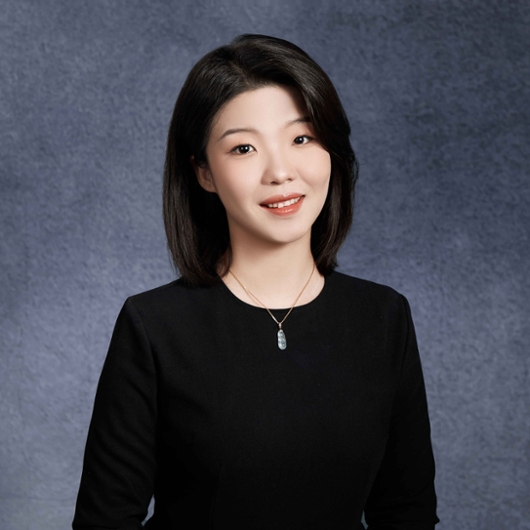
Yingdan Lu is an Assistant Professor in the Department of Communication Studies at Northwestern University's School of Communication. She serves as Director of the Computational Media and Politics Lab, co-director of the Computational Multimodal Communication Lab, and is core faculty in Northwestern's Media, Technology, and Society (MTS) and Technology and Social Behavior (TSB) PhD programs. She is also affiliated with the Center for Communication & Public Policy and the Center for Human-Computer Interaction + Design. Her educational background includes a Ph.D. in Communication from Stanford University (2023), where she also earned a Ph.D. minor in Political Science and an M.A. in East Asian Studies. She received her B.A. in Journalism and Communication from Tsinghua University. Dr. Lu's research centers on digital technology, political communication, and authoritarian politics, with two primary focus areas: the role of digital technologies in authoritarian politics, and multimodal communication across different contexts. Her work employs computational and qualitative methods to examine how authoritarian governments use digital media and AI to maintain rule, and how individuals experience technology in different media environments. As a computational social scientist, she advances methods for analyzing multimodal data (images, videos), cross-lingual digital communication, and mixed-method research. Her publications reveal a consistent focus on digital authoritarianism, particularly Chinese state propaganda on social media platforms, multimodal communication analysis, and information manipulation. Her work spans interdisciplinary outlets including Political Communication, New Media & Society, International Journal of Press/Politics, and Proceedings of the National Academy of Sciences. Dr. Lu's research has received funding from the National Science Foundation, Brown Institute for Media Innovation, and the Stanford Institute for Human-Centered Artificial Intelligence. She is the founder of COMputation Island ("计传岛"), a WeChat-based platform serving over 10,000 Mandarin-speaking scholars in computational communication research. She leads the Computational Media and Politics Lab and co-directs the Computational Multimodal Communication Lab, where she develops innovative frameworks for analyzing multimodal data and promotes mixed-method approaches to computational social science research.
Julien Chanal is a researcher at the Faculty of Psychology and Educational Sciences, University of Geneva, specializing in Methodology and Data Analysis (MAD group). His work bridges educational psychology, motivation theory, and neuropsychology through empirical studies on self-determination, physical activity, and cognitive function. Primary affiliation: University of Geneva Research focus: Motivation and executive function assessment Key areas: Physical education, materialism effects, neuropsychological testing His research spans two decades, producing 38 publications with over 19,000 views. Recent projects examine motivation multidimensionality (2025), aerobic fitness-cognition links (2024), and neural correlates of materialism (2018). Despite extensive publication history, specific student names remain unspecified. Methodological innovations include epoch-length analysis in physical education (2015), self-concept modeling (2009), and neuropsychological norm establishment in Cameroon (2009). His work remains actively cited across disciplines, though no scientific awards are explicitly documented in available sources.