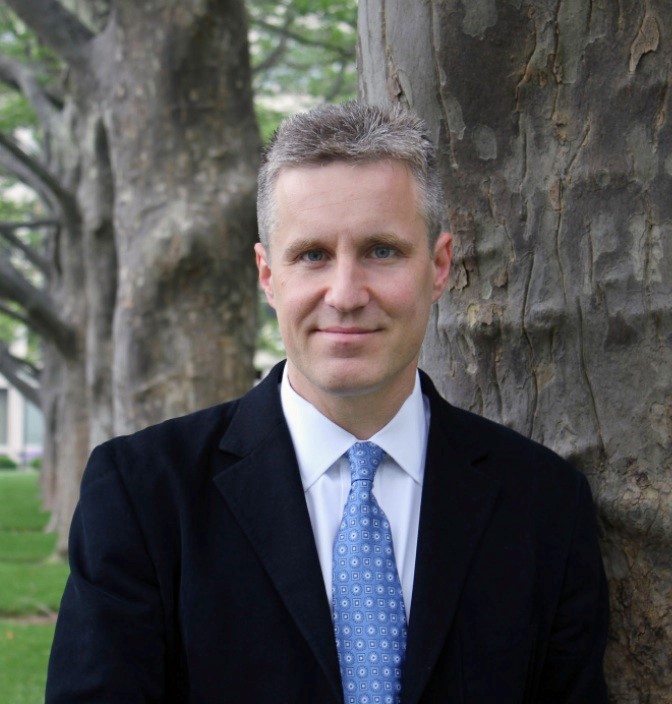
Martin Z. Bazant is the E. G. Roos (1944) Professor of Chemical Engineering and Professor of Mathematics at the Massachusetts Institute of Technology (MIT), holding the Digital Learning Officer role in the Department of Chemical Engineering. His research focuses on mathematical modeling of electrochemical systems, transport phenomena, and applied mathematics, with significant contributions to battery technology and electrochemical energy storage. He is affiliated with MIT’s Department of Mathematics and the MIT Energy Initiative (MITEI), leading initiatives like the Center for Battery Sustainability and D3BATT. Education: Ph.D. from Harvard University (1997), M.S. and B.S. from the University of Arizona (1993, 1992). His work bridges theory and application, addressing challenges in lithium-ion batteries, solid-state systems, and electrolyte dynamics. Notable achievements include pioneering studies on coupled ion-electron transfer mechanisms and phase separation in battery materials. He is an elected member of the National Academy of Engineering (2025) and a Fellow of the Electrochemical Society (2023). As an educator, he develops MOOCs on transport phenomena and contributes to digital learning initiatives. His research group explores advanced battery diagnostics, machine learning for materials science, and environmental applications of electrochemical processes. Key collaborations include startups like Lithios, Inc., and leadership roles in professional societies such as the International Electrokinetics Society.
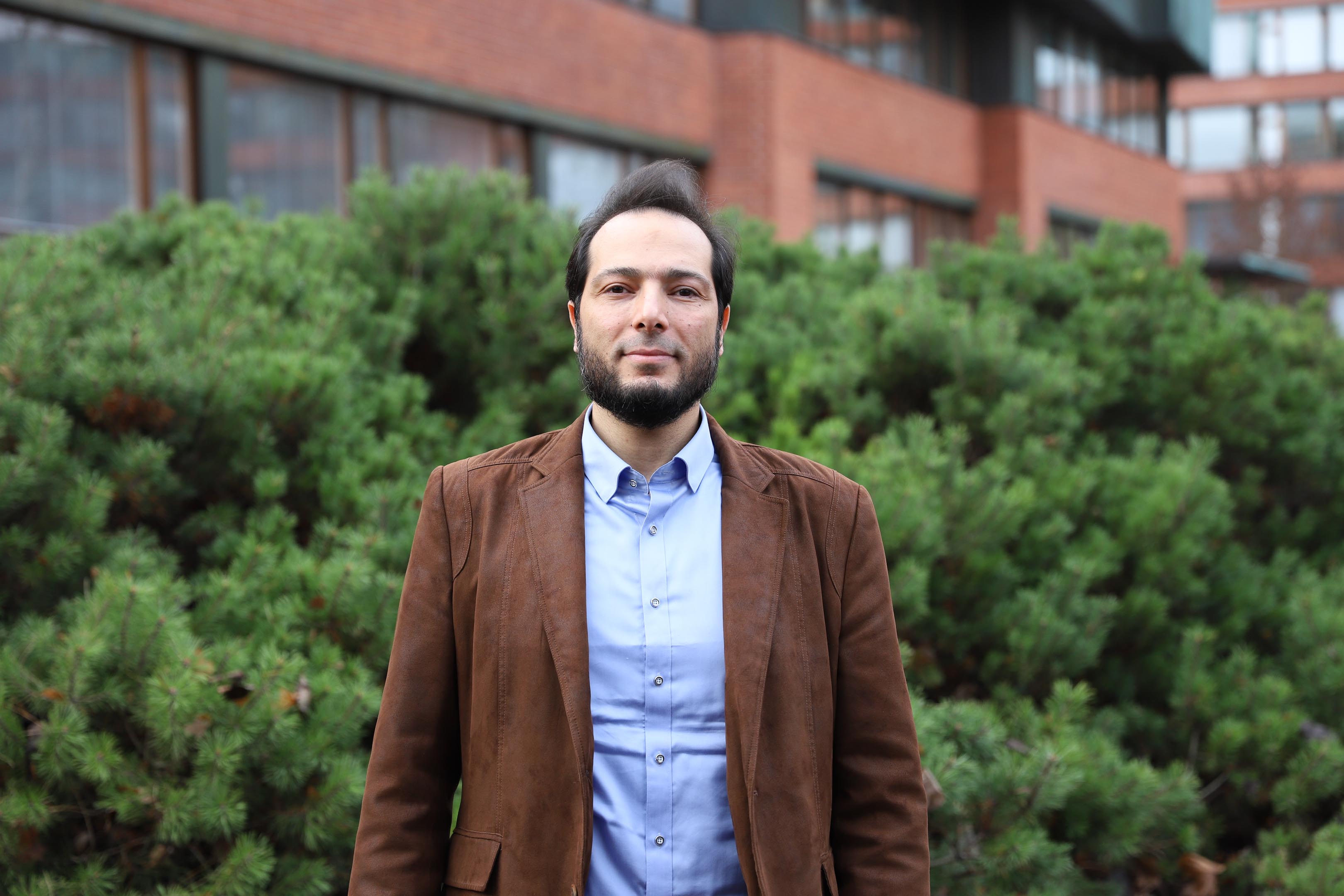
Mohamed Noureldin is an Assistant Professor at the Department of Civil Engineering, Aalto University , Finland, with prior academic roles at Sungkyunkwan University, South Korea (2015–2022). His expertise lies in integrating Artificial Intelligence (AI) with Structural Health Monitoring (SHM) , Structural Digital Twin , Predictive Maintenance , and Seismic Retrofitting . Research Focus : AI-powered sustainable structural design, smart retrofitting, predictive maintenance, structural material innovation, and next-generation performance-based seismic/wind design. Industrial Experience : 20+ years in offshore/onshore structural engineering (Hyundai Heavy Industries, Samsung Engineering, Arab-Swiss Engineering Company, Zuhair Fayez Partnership). Teaching : Courses in structural analysis, seismic design, dynamics, and reinforced concrete at Aalto and Sungkyunkwan Universities. Laboratory : Leads the Structural Design AI Lab (SDAI), focusing on AI-driven resilient infrastructure. Contact : mohamed.noureldin@aalto.fi , +358504544861. His publications explore cutting-edge applications of AI, ML, and DL in seismic retrofitting, structural durability, soil stabilization, and hybrid damping systems. Collaborative work emphasizes life-cycle cost assessment and augmented reality for predictive maintenance.
Carol Smith is an Associate Professor in the Department of Soil & Physical Sciences at Lincoln University, New Zealand, where she serves as Head of Department since 2017. She has been an elected academic staff member of the Lincoln University Council from 2018-2022. Dr. Smith holds a PhD from the University of Aberdeen, an MSc from the University of Reading, and a BSc(Hons) from the University of Portsmouth, forming the foundation of her expertise in soil science and physical geography. Her research spans both fundamental and applied aspects of pedology. On the fundamental side, she investigates Quaternary pedology and paleoenvironmental reconstruction using loess stratigraphy, geomorphology, and micromorphology, which provides critical data for verifying future climate change predictive models. Applied research focuses on sustainable use of recycled organic matter and rehabilitation of degraded soils. She collaborates internationally on multidisciplinary projects involving paleoclimate reconstruction, paleoliquefaction, Antarctic soils, and viticulture. Dr. Smith is passionate about teaching and science communication, employing experiential learning methods to develop practical field skills in soil science through 'soil judging competitions' in New Zealand and Australia. Her research addresses UN Sustainable Development Goals including Life on Land (15), Climate Action (13), and Quality Education (4). Among her notable recognitions are the Norman H Taylor Memorial award 2020 from the New Zealand Society of Soil Science for outstanding contributions to soil science in New Zealand and Fellowship in the Royal Geographical Society, London. She serves as Associate Editor of Natural Sciences Education and was previously editor of Quaternary Australasia. Dr. Smith has supervised numerous graduate students through research-based supervision, with completed projects covering diverse topics from soil patterns in Southland to Antarctic soil ecology. She teaches advanced courses in field research, soil science, and physical landscapes, and has developed innovative approaches to teaching during the pandemic, including virtual field trips.
Paolo Gardoni is the Alfredo H. Ang Family Professor and an Excellence Faculty Scholar in the Department of Civil and Environmental Engineering at the University of Illinois Urbana-Champaign, with additional professorial appointments in Industrial & Enterprise Systems Engineering and Biomedical & Translational Sciences. He also serves as Director of the MAE Center and Editor-in-Chief of Reliability Engineering & System Safety. Education Ph.D. in Civil Engineering, University of California, Berkeley (2002) M.A. in Statistics, University of California, Berkeley (2001) M.Eng. in Structural Engineering, University of Tokyo (1997) Laurea (BS+MS equivalent) in Structural Engineering, Politecnico di Milano (1997) Research Interests Gardoni’s scholarship integrates probabilistic methods with large-scale infrastructure systems to advance reliability, risk, and life-cycle analysis. His work quantifies the performance of deteriorating systems under natural and anthropogenic hazards, models societal impacts of disasters, and develops decision frameworks for sustainable and resilient infrastructure. He also examines ethical, social, and legal dimensions of risk, and investigates optimal strategies for hazard mitigation, disaster recovery, and climate adaptation. Across more than 250 refereed journal papers, he has advanced sub-fields ranging from probabilistic mechanics and earthquake engineering to catastrophe bond pricing and engineering ethics, leveraging tools such as stochastic differential equations, Bayesian networks, and physics-informed machine learning. Awards & Honors Alfredo Ang Award on Risk Analysis and Management of Civil Infrastructure (ASCE, 2021) Best Paper Awards in ASCE Journal of Sustainable Water in the Built Environment (2019) and Geotechnical Research (2018 Telford Premium Prize) Fellowships and named professorships: Alfredo H. Ang Family Professor, Excellence Faculty Scholar, and courtesy or honorary professorships at Tsinghua, IIT Guwahati, Tongji, Jianghan, and Loughborough universities. Research Leadership & Funding Gardoni has secured over $58 million in research funding from NSF, DHS, NIST, USAID, Qatar National Research Fund, and other agencies. He directs the MAE Center—formerly an NSF Engineering Research Center—focused on multi-hazard engineering approaches, and is Editor-in-Chief of Reliability Engineering & System Safety (Elsevier, IF 9.4). He founded and formerly led the journal Sustainable and Resilient Infrastructure (Taylor & Francis) and serves on editorial boards of nine additional journals. Advising & Mentorship He has graduated 27 PhD and 35 Master’s students, many of whom now hold faculty positions worldwide. His group maintains an active pipeline of doctoral and post-doctoral researchers working on resilience analytics, infrastructure monitoring, and risk-informed decision-making. Laboratories & Collaborations He leads the MAE Center and is affiliated with the Critical Infrastructure Resilience Institute (CIRI) and the Biomedical and Translational Sciences group. International collaborations span the UK (Loughborough), India (IIT Guwahati), and China (Tsinghua, Tongji, Jianghan), fostering cross-disciplinary research in reliability and resilience engineering.
Associate Professor Ng Bing Feng leads research in Additive Manufacturing, Aerospace Engineering, and Thermofluids at Nanyang Technological University's School of Mechanical & Aerospace Engineering. As Cluster Director for Smart & Sustainable Building Technologies at NTU's Energy Research Institute, he oversees projects spanning energy-efficient cooling technologies, advanced filtration systems, and bio-inspired materials. His interdisciplinary work integrates advanced manufacturing with environmental engineering, focusing on sustainable solutions for air quality management and thermal regulation. Current research explores radiative cooling technologies, acoustic agglomeration for emissions control, and crashworthy structures via biomimetic design. Professor Ng's publications demonstrate consistent innovation in multi-scale manufacturing and fluid dynamics, with growing emphasis on sustainable urban technologies. Methodologies combine experimental fluid dynamics with computational modeling and AI-driven design. Leadership Roles: Cluster Director, Energy Research Institute @ NTU Principal Investigator for multiple industry collaborations in sustainable materials Research Output: 42+ publications in high-impact journals Multiple patents in filtration technologies and cooling systems
Zhonghai Lu is a Professor of Electronic Systems Design (specializing in Dependable and Autonomous Systems) at KTH Royal Institute of Technology, part of the Department of Electrical Engineering in the School of Electrical Engineering and Computer Science (EECS). He serves as Program Director for KTH's Embedded Systems master's program and Director of Studies at the Division of Electronics and Embedded Systems. His research focuses on Network-on-Chip (NoC), computer architecture, embedded systems, and Prognostics and Health Management (PHM) of power electronics. He leads a research group exploring in-network processing and embedded intelligence, transforming passive networks into active computational frameworks. Lu holds a BSc from Beijing Normal University (1989), MSc and PhD from KTH (2002, 2007), and an MBA in Innovation and Growth from the University of Turku (2012). He has authored over 240 scientific papers, including journal articles and peer-reviewed conferences, with notable recognitions such as Best Paper Awards at NOCS’2015 and EU HiPEAC, and a Featured Paper in IEEE Transactions on Computers (2020). He serves as Associate Editor for ACM Transactions on Architecture and Code Optimization (TACO) and has chaired major conferences like HiPEAC’2017 and NOCS’2018. His research group’s recent work includes integrating AI into hardware acceleration, fault-tolerant neural networks, and RUL estimation for power electronics using recurrent neural networks. Lu has secured grants from the Swedish Research Council and Intel Corporation and developed courses like IL2230 (Hardware Architectures for Deep Learning) and IL2233 (Embedded Intelligence), pioneering embedded AI education at KTH. Education: BSc (Beijing Normal University), MSc/PhD (KTH), MBA (University of Turku) Awards: Best Paper Awards (NOCS, EU HiPEAC), Swedish Research Council Grants, Intel Research Gifts Labs/Teams: Research Group on In-Network Processing and Embedded Intelligence
Dr. Jeremy Guest is the Levenick Professor in Civil and Environmental Engineering (and courtesy appointment in Chemical & Biomolecular Engineering) at the University of Illinois Urbana-Champaign (UIUC). He serves as Associate Director for Research at the Institute for Sustainability, Energy, and Environment (iSEE) and leads the Center for Advanced Bioenergy and Bioproducts Innovation (CABBI). His research focuses on advancing circular bioeconomies through sustainable sanitation systems, resource recovery from wastewater, and biofuel/bioproduct development from lignocellulosic biomass. Guest's work emphasizes Quantitative Sustainable Design (QSD) methodologies to bridge engineering innovation with policy and investment decisions. Education: PhD in Environmental Engineering (University of Michigan, 2012); MS (Virginia Tech, 2007); BS (Bucknell University, 2005). Research interests include wastewater treatment innovation, nutrient recovery, bioenergy systems design, and sustainable agriculture practices. Key contributions include the EcoRecover phosphorus recovery process, the QSDsan modeling platform, and leadership in CABBI's $262.5M DOE-funded initiative. Guest has secured funding from NSF, US EPA, USDA, and the Bill & Melinda Gates Foundation. Recognitions include the NSF CAREER Award, 2021 James J. Morgan Early Career Award, and the Paul L. Busch Award. He advises over 15 graduate students and leads multiple high-impact projects like the NEWgenerator sanitation system and oilcane biorefinery integration. Lab/Group: Guest Research Group focuses on experimental, computational, and policy-oriented research to solve global sustainability challenges. Current projects address algae-based wastewater treatment, fecal sludge management in low-income regions, and precision fermentation systems development.
Prof. Dr. André Bardow is a Full Professor in Energy and Process Systems Engineering at ETH Zurich , leading research at the intersection of thermodynamics, machine learning, and sustainable energy systems. Previously, he held professorships at RWTH Aachen University (2010-2020) and TU Delft (2007-2010). He also served as part-time director at Forschungszentrum Jülich (2017-2022) and visiting professor at UC Santa Barbara (2015/16). His work focuses on energy systems optimization , computer-aided molecular design , and CO2 capture & utilization . PhD from RWTH Aachen University Current ETH Zurich affiliation Former roles at RWTH Aachen, TU Delft, Jülich Research Center His research integrates machine learning with thermodynamic modeling to optimize processes like crystallization and electrochemical cooling . Recent publications demonstrate advancements in solvent design, CO2 transport LCA, and ORC working fluid optimization. He chairs the VDI Technical Committee for Thermodynamics (2016-2024) and has received multiple awards including the Covestro Science Award and Arnold-Eucken-Award . Current projects address carbon circular economies , electrified chemical production , and AI-driven process optimization . His lab at ETH Zurich develops cutting-edge technologies like ML-CAMPD frameworks for sustainable separation processes and photoacid-based CO2 capture systems. Funding from the H2020 Systemic Expansion of Circular Ecosystems (grant 101036854) supports these initiatives. 2024 Clarivate Highly Cited Researcher 2022 Inaugural Lecture: "To sustainability and beyond: A computer-animated story on energy & chemicals" Recipient of multiple teaching and research excellence awards
Prof. Dr.-Ing. Rüdiger Daub serves as Professor and Chair of Production Engineering and Energy Storage Systems at the Technical University of Munich (TUM), operating within the Department of Mechanical Engineering. His leadership encompasses research direction, academic supervision, and strategic development of battery production technologies at TUM's Garching campus (Boltzmannstr. 15), with active industry collaborations driving innovation in sustainable manufacturing. Daub's research program pioneers advanced production methodologies for lithium-ion and solid-state batteries, focusing on electrode manufacturing, electrolyte filling, and cell assembly processes. His work investigates critical parameter interdependencies affecting battery safety and performance, developing inline monitoring systems and digital twin technologies for real-time process optimization. Key contributions include moisture control in electrode production, electrochemo-mechanical characterization of solid-state systems, and robotics solutions for deformable object assembly, all integrated with machine learning for quality assurance in industrial settings. Analysis of his 2023-2025 publications reveals a dominant research trajectory toward solving production bottlenecks in next-generation energy storage. The work demonstrates increasing integration of computational modeling with empirical validation, particularly in solid-state battery manufacturing and high-voltage electrolyte systems. A notable trend is the cross-pollination of robotics, computer vision, and uncertainty quantification techniques to address complex assembly challenges and distribution shifts in quality monitoring, reflecting industry's urgent need for adaptable, data-driven production systems. Leading TUM's specialized laboratories for battery cell production, Daub's team maintains comprehensive facilities for electrode calendering, electrolyte filling, and cell assembly with integrated tracking and tracing capabilities. The research infrastructure supports collaborative projects with automotive OEMs and battery manufacturers to develop scalable production processes, emphasizing environmental sustainability through water-based electrode production and footprint optimization. Current initiatives focus on digital factory modeling and prelithiation technologies for next-generation battery systems.
Giuseppe Carlo Marano is a Full Professor at the Department of Structural, Building and Geotechnical Engineering at Politecnico di Torino. He is also a component of the SISCON Interdepartmental Center for Infrastructure Safety. With expertise in civil and structural engineering, his work focuses on machine learning applications, seismic risk reduction, and sustainable structural optimization. Education Graduated cum laude in Structural Engineering from Polytechnic University of Bari PhD in Structural Engineering from University of Florence (2000) Research Interests Marano's research spans structural optimization, seismic engineering, and machine learning applications in civil infrastructure. He develops advanced computational models for: Seismic retrofitting of existing structures Optimization of steel and masonry structures Recycled materials in concrete production AI-driven structural health monitoring Multiobjective design methodologies Publication Trends His recent work emphasizes: Machine learning for concrete mix design and damage assessment Optimization of gridshells and arch structures Seismic isolation systems and vibration control Sustainable construction practices with recycled materials Multiobjective genetic algorithms for structural design Scientific Recognitions National Scientific Qualification - First Band (2013, MIUR Italy) Certificate of Appreciation for Outstanding Lecture (2012, China) Academic Contributions As an educator, he teaches: Consolidamento Strutturale (Structural Consolidation) Dinamica delle Vibrazioni Random (Random Vibration Dynamics) Progettazione Generativa (Generative Design) He also leads Challenge@PoliTo initiatives and contributes to national infrastructure safety regulations. Research Projects ADAPT4CE - Adaptive Digital Systems for Circular Economy (2025-2028) AI-ENVISERS - AI for Seismic Retrofit Environmental Impact (2023-2025) ADDOPTML - Additive Manufacturing Optimization (2021-2025)
Greg Keoleian is the Peter M. Wege Endowed Professor of Sustainable Systems at the University of Michigan. He co-founded and directs the Center for Sustainable Systems and co-leads the MI Hydrogen initiative. His research focuses on advancing life cycle assessment (LCA) methodologies to evaluate the sustainability of technologies, products, and systems. Key areas include renewable energy systems (e.g., wind, solar, bioenergy), transportation decarbonization, circular economy frameworks, and food/agricultural systems. He teaches interdisciplinary graduate courses on Sustainable Energy Systems and Industrial Ecology, and co-directs the Engineering Sustainable Systems Dual Degree Program and the Rackham Graduate Certificate Program in Industry Ecology. Research interests emphasize integrating environmental, economic, and social metrics into sustainability assessments. Notable contributions include pioneering LCA models for hydrogen energy systems, vehicle lifecycle optimization, and circular economy pathways for automotive materials. His work spans global and regional scales, addressing challenges such as reducing greenhouse gas emissions, optimizing resource efficiency, and promoting sustainable urban infrastructure. Keoleian’s recent work highlights synergies between emerging technologies (e.g., wireless charging, autonomous vehicles) and sustainability goals. He collaborates with policymakers and industry leaders to translate research into actionable strategies for deep decarbonization and circular economy adoption. Initiatives like the State of Michigan Hydrogen Roadmap exemplify his focus on bridging academic research with practical implementation. His interdisciplinary approach ensures comprehensive analysis of energy systems, industrial processes, and consumer behaviors. Keoleian’s teaching and mentorship emphasize systems thinking and cross-sector collaboration. He has shaped curricula that prepare students for leadership roles in sustainable systems design, policy development, and corporate sustainability management. Ongoing projects include optimizing reusable packaging systems, evaluating food waste impacts, and modeling urban energy justice in electric vehicle deployment.
Dr. Majdi Faleh is an Academic Fellow/Lecturer in Cultural Heritage at the School of Architecture Design and Built Environment, Nottingham Trent University. He focuses on architectural globalization, migration and heritage, Islamic architecture ethics, and social justice in cities. Previously, he held roles at the University of Bahrain, MIT’s Aga Khan Programme, and multiple Australian institutions. He coordinates the Tunisia ENGAGE Hub Network for Humanitarian Heritage and leads the ARC-funded 'Australian Mosque Today' project. Education: PhD in Architecture and Humanities (University of Western Australia), Master of Architecture (Ball State University). Affiliations: Registered Architect in Tunisia, member of AIA, ICOM, and multiple architectural networks. His research bridges marginalized communities’ heritage with global architectural trends, emphasizing ethical frameworks in design. Notable projects include studies on Tunisian medinas, Dubai’s urbanization, and Australian mosque architecture. His work has been supported by ARC grants, Fulbright, and other international bodies. He has authored/co-authored over 20 peer-reviewed articles and book chapters on topics like public housing challenges for refugees, Islamic architectural ethics, and cultural preservation. Awards include the MIT Aga Khan Fellowship and Fulbright grants. Grants & Projects: Led £400k ARC-funded mosque project, coordinated Tunisia-UK humanitarian heritage networks, and contributed to Melbourne’s African immigrant housing studies. He has taught at universities in Australia, China, and the Middle East, and his practice spans architecture in the US, Tunisia, and France. Fluent in five languages, he engages in international conferences and editorial roles for journals like Journal of Architecture .
Sara Gallini is an Assistant Professor at EPFL, leading the Gallini Lab within the ISREC Department of the School of Engineering (SV). Her research focuses on understanding how healthy and oncogenic cells compete in skin epithelium, aiming to identify therapeutic targets for skin cancer prevention. She holds a Tenure Track position and teaches in the Life Sciences Engineering program. Her lab employs advanced in vivo imaging and single-cell analysis techniques. Education details are not explicitly provided, but her career includes a postdoctoral fellowship with the HFSP. Her research integrates molecular, cellular, and systems-level approaches to study cancer initiation and tissue homeostasis, particularly in injury-driven dynamics. Lab Members: Includes PhD student Mustafa Öztürk and technical staff Mélanie Sipion. Key Research Themes: Oncogenic cell competition, epidermal regeneration, EGFR/ERK signaling, and therapeutic target discovery. Her lab collaborates with clinical teams and uses models like mouse skin to study tumor suppression mechanisms. Future work aims to leverage healthy cell dynamics for cancer treatment strategies. Contact: SV 2527 office, +41216936764, sara.gallini@epfl.ch .
James Van Etten is the William Allington Distinguished Professor of Plant Pathology at the University of Nebraska-Lincoln, affiliated with the School of Biological Sciences and Nebraska Center for Virology. His research focuses on chloroviruses—large dsDNA viruses infecting Chlorella-like algae—with emphasis on DNA replication, restriction systems, and membrane transport proteins. Key research themes include: Viral DNA modification systems Host-virus interactions Structural virology Evolution of organellar genomes Recent work analyzed: SMRT sequencing of viral methylation patterns Chlorovirus cryopreservation methods Potassium channel biophysics Host chemical signaling mechanisms Lab webpage: vanettenlab.unl.edu
Prof. Dr. Stefanie Hellweg serves as a Full Professor for Ecological Systems Design at the ETH Zürich , Department of Civil, Environmental and Geomatic Engineering. She is Deputy Head of the Institute of Environmental Engineering and leads groundbreaking research at the intersection of industrial ecology, life cycle assessment, and circular economy systems. PhD in Environmental Engineering (ETH Zürich, 2000) Industrial Engineering Degree (Karlsruhe University, 1996) Her research develops advanced methodologies for environmental impact assessment of products and technologies, focusing on: Life Cycle Assessment (LCA) with correlated uncertainty modeling Circular economy implementation in chemical and energy sectors Industrial symbiosis optimization for heat and nutrient flows Urban wastewater systems redesign for resource recovery Chemical pollution analysis in plastic materials Key publication trends reveal expertise in: Hybrid wastewater treatment systems Energy-efficient greenhouse cultivation Exergy analysis for sustainability metrics Machine learning applications in environmental modeling Policy-relevant industrial ecology studies She actively participates in global sustainability initiatives as: President of the International Society of Industrial Ecology (ISIE) Member of UN Environment's International Resource Panel Editorial board member for leading environmental journals