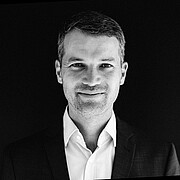
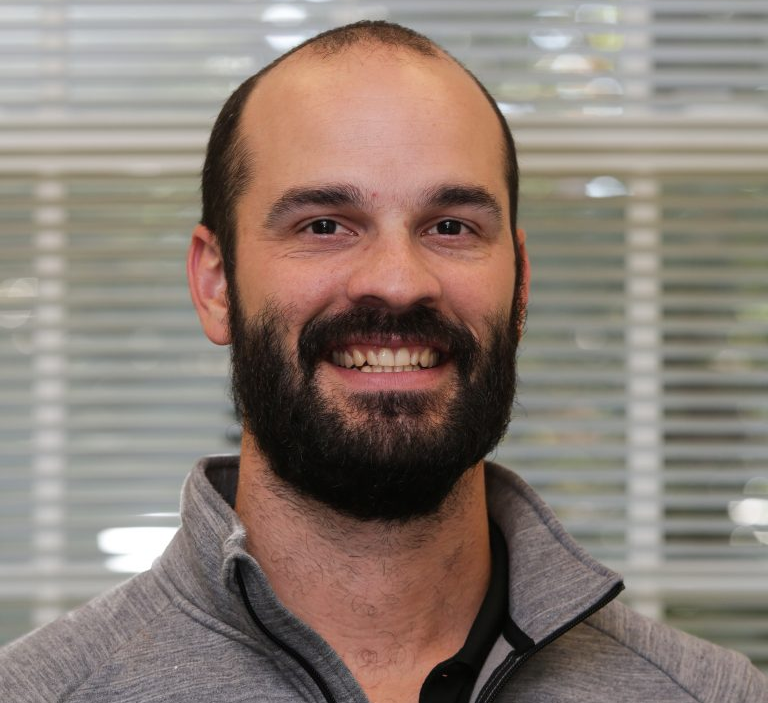
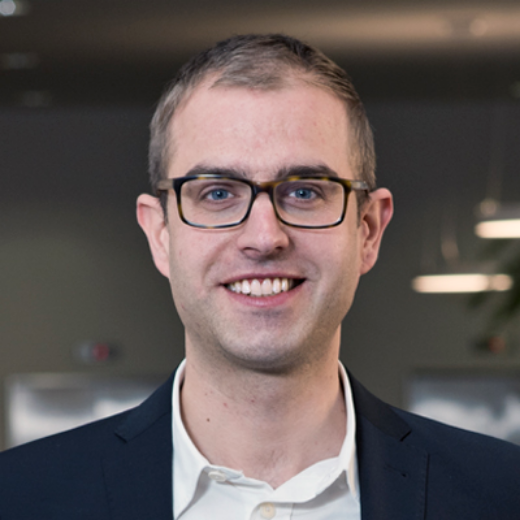
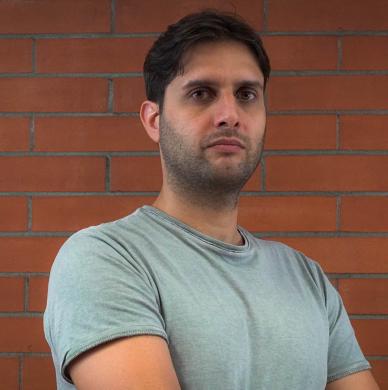
Prof. Arndt Feuerbacher is a Junior-Professor (W1) at the University of Hohenheim, leading the Ecological-Economic Policy Modeling Research Group within the Institute of Agricultural Policy and Markets. He specializes in analyzing agricultural and environmental policies, with a focus on sustainability, biodiversity, and computable general equilibrium (CGE) modeling. His research explores policy impacts on rural livelihoods, land-use transitions, and climate change adaptation. Education: PhD in Agricultural Economics (Humboldt University of Berlin, 2019) MSc in Agricultural Economics (University of Hohenheim, 2014) MBA in Finance (Portland State University, 2010) Research Interests: Policy modeling for biodiversity-friendly agriculture Economic impacts of pollinator declines and climate change Organic farming and agro-ecological transitions Agrivoltaic systems and dual land-use efficiency Awards & Grants: Recipient of the 2022 Best Paper Prize at GEWISOLA Lead investigator for the BMBF-funded BEATLE project (€1.2M) Joachim Herz Foundation Fellowship (2020) Teaching & Service: Developed the top-ranked 'Advanced Policy Analysis Modeling' course Serves on the University of Hohenheim's Senate Research Committee Supervised multiple master's theses and led three PhD candidates Professional Activities: World Bank consultant on green growth and environmental policy Organized international workshops in Bhutan and Germany Referee for journals including Nature Communications and Food Policy
Christian Waugh serves as Professor of Psychology at Wake Forest University, based in Greene Hall 445 with contact email waughce@wfu.edu. He directs the Emotion and Motivation Lab (eMolab), as evidenced by his active research website https://emolab.psych.wfu.edu , and teaches courses within the Department of Psychology. His research centers on emotion regulation mechanisms, particularly cognitive reappraisal strategies, stress reactivity, and resilience across the lifespan. Key investigations examine how individuals maintain emotional states during stressors, the neural underpinnings of positive emotion's buffering effects, and age-related differences in recovery from adversity. His work integrates psychological, biological, and social perspectives to understand affective processing dynamics, with significant focus on temporal aspects of emotional experience and coping. Analysis of his 2023-2025 publications reveals dominant themes in reappraisal implementation phases, affective working memory, and pandemic-related stress adaptation. His methodological approach combines fMRI, physiological monitoring, ecological momentary assessment, and computational modeling to explore how positive emotions facilitate stress resilience. Notable patterns include the temporal anchoring of regulatory strategies and the differential impacts of distraction versus avoidance coping. Scientific awards: No awards were documented in the source material. Regarding academic advising and research funding, the source text provides no specific details about graduate students, grants, or sponsored projects. However, his active laboratory and extensive publication record suggest ongoing mentorship and research support activities typical of senior faculty. Waugh leads the Emotion and Motivation Lab (eMolab), which investigates neural and psychological mechanisms of emotion regulation through multiple experimental paradigms. Current research examines stressor reactivity in aging populations, virtual reality mood induction techniques, and computational models of resilience, with strong emphasis on translating findings to real-world coping applications.
Patrick Dallasega is an Associate Professor in the Department of Industrial Plants at the Faculty of Science and Technology of the Free University of Bolzano (Italy). He holds a PhD from the University of Stuttgart and has been a Visiting Scholar at Chiang Mai University (Thailand) and Worcester Polytechnic Institute (USA). His expertise spans supply chain management, Industry 4.0 integration in SMEs, lean construction methodologies, and sustainable production planning in ETO/MTO environments. He teaches Project Management and Industrial Plants courses in Industrial Mechanical Engineering programs. His research focuses on digital transformation in manufacturing, including smart mobile factories, augmented reality applications for training, and synchronization of production and on-site assembly processes. Collaborative projects like the AR-enhanced industrial training initiative with Memc aim to reduce errors and costs in complex industrial setups. His work emphasizes human-centered technology integration, sustainability, and real-time data utilization for adaptive production strategies. Education Bachelor/Master: Free University of Bolzano (Italy) MSc: Polytechnic University of Turin (Italy) PhD: University of Stuttgart (Germany) Research Interests Professor Dallasega’s research explores the intersection of Industry 4.0 technologies with lean manufacturing principles, particularly in complex Engineer-to-Order (ETO) and Make-to-Order (MTO) sectors. He investigates how digital twin frameworks, augmented reality (AR), and real-time data analytics can enhance supply chain resilience, reduce operational losses, and improve workforce training efficiency. His work also addresses sustainability challenges in mobile and distributed manufacturing systems, emphasizing eco-friendly logistics and smart factory design. Key Projects Recent collaborations include: Development of an AR-based training module to boost procedural knowledge retention in machinery setups Comparative studies on Industry 4.0 adoption in SMEs across Europe and Asia Framework for digital twin-driven quality control in precast manufacturing Grants & Advising No specific grants or student advisees are listed in the provided data. His focus remains on collaborative industry projects and institutional teaching responsibilities. Labs & Teams Involved in cross-disciplinary teams at the Free University of Bolzano, particularly in the NOI Techpark innovation hub. Leads initiatives on smart mobile factories and human-centered robotics applications in manufacturing environments.
Reinhard Pekrun is a leading Professorial Fellow at the Institute for Positive Psychology and Education , Faculty of Education and Arts. His research focuses on academic emotions , control-value theory , and their interplay with motivation , student engagement , and educational achievement . He has pioneered frameworks like the Achievement Emotions Questionnaire (AEQ) and its adaptations for diverse populations. Key Research Areas : Academic emotions, boredom, motivation theory, emotional self-regulation, cross-cultural educational psychology Methodological Expertise : Longitudinal studies, experience-sampling methods, network analysis, cross-national comparisons Recent publications explore test boredom , emotional contagion in classrooms, and control-value theory as a general model for human emotions. Collaborations span institutions across 72 societies, with methodological synergies in self-concept research and emotional measurement . Awards and grants include international trials on mental well-being apps and large-scale studies on peer victimization.
David Brady is a Professor at the Sol Price School of Public Policy, University of Southern California. Previously, he held roles including Professor and Director of the Blum Initiative on Global and Regional Poverty at UC Riverside (2015-2024), Visiting Research Professor at the WZB Berlin Social Science Center (2020-2024), and Adjunct Professor at Indiana University's School of Public and Environmental Affairs since 2013. Education: Ph.D. in Sociology with minor in Public Management, Indiana University (2001) M.A. in Sociology, Indiana University (1997) B.A. in Sociology with minor in Political Science, University of Minnesota (1994) Research focuses on poverty, inequality, social policy, globalization, and labor markets. Key themes include cross-national comparisons of welfare systems, immigration impacts, unionization effects, and racial disparities in economic outcomes. His work bridges sociology, political science, and public policy, emphasizing empirical analysis of structural and institutional drivers of inequality. Major contributions include books like The Oxford Handbook of the Social Science of Poverty (2016) and Rich Democracies, Poor People (2009). His articles analyze topics ranging from refugee integration in Germany to Medicaid's role in reducing racial health gaps. Labs/Teams: Associated with the WZB's Inequality and Social Policy research unit and the Blum Initiative. Active in policy-oriented research collaborations focusing on global poverty trends and social policy frameworks.
Chiara Monfardini is a Full Professor of Econometrics at the Department of Economics of the University of Bologna. Her academic discipline is ECON-05/A Econometrics. She holds a Degree in Statistics and Economics from the University of Padova (1992) and a PhD in Economics from the European University Institute (1997). Her career includes positions as an Assistant Professor (2001), Associate Professor (2005), and Full Professor (2017) at the University of Bologna. She is affiliated with the Institute for the Study of Labor (IZA) and CHILD-Collegio Carlo Alberto. As Co-Editor of the Review of Economics of the Household , she contributes to academic publishing. Her research focuses on microeconometrics, simulation-based inference, and applied studies in labor, household, and health economics. Key themes include parental time investments, gender gaps in time use, and the intergenerational transmission of educational choices. She leads projects like MINUTO (MindUsTogether), funded by PRIN2017, exploring mindful parenting interventions and parental engagement via digital tools. Teaching responsibilities include courses such as Econometrics , Microeconometrics , and Advanced Microeconometrics . Her work integrates quantitative methods with policy analysis, addressing issues like early childhood education impacts and voting behavior. Office hours are held on Mondays at 5 PM by appointment.
Dr. Marco Mensink is an Assistant Professor at Wageningen University’s Division of Human Nutrition and Health. His academic career includes an MSc in Health Sciences (specialization in movement sciences) from Maastricht University (1995), an MD (1998), and a PhD (2003) focused on type 2 diabetes pathogenesis and lifestyle interventions. Since 2008, he has been affiliated with Wageningen University, leading research on nutritional biology’s role in aging, physical performance, and metabolic health. He chairs the research theme ‘Nutrition, Physical Activity and Sports’ and oversees methodologies for body composition and energy metabolism. His research integrates nutrition, exercise, and aging, exploring how protein quality and physical activity optimize health across life stages. Notable projects include studying protein digestion efficiency and its impact on muscle preservation in older adults. He co-directs the ENLP Essentials Seminar since 2012 and teaches courses on nutritional status assessment, research methodologies, and sports nutrition. His expertise spans human nutrition, energy metabolism, diabetes, obesity, and sports nutrition. Current initiatives include quantifying protein bioavailability differences in older adults and investigating nutritional strategies for endurance athletes.
Donato Romano serves as Associate Professor at The BioRobotics Institute of Scuola Superiore Sant'Anna, Italy, where he coordinates the Bio-Robotic Ecosystems Lab and co-founded the spin-off company HUBILIFE srl. His interdisciplinary work bridges robotics, biology, and AI to develop biohybrid systems for biodiversity preservation, sustainable environmental management, and life support in extreme scenarios including space exploration. With over 90 publications and an H-index of 27 (Scopus, March 2025), he has established significant academic leadership through editorial roles across 12+ international journals. Romano's educational foundation includes advanced degrees with honors: an M.Sc. in Agriculture Science and Technologies (2014) and a PhD in BioRobotics (2018), both from Scuola Superiore Sant'Anna. His academic journey includes visiting scholar positions at Khalifa University and substantial industry-academia collaboration through HUBILIFE srl, which commercializes bioinspired devices for human daily life improvement. His research program focuses on bioinspired and biomimetic robotics with particular emphasis on animal-robot interaction, biohybrid systems, and natural intelligence. Key projects address critical global challenges: SENSORBEES develops biohybrid environmental surveillance for ecological monitoring; REGOLIFE investigates lunar soil-terrestrial organism interactions for space agriculture; and OCEAN ROBOCTO explores marine ecosystem solutions. This work demonstrates a strategic progression from fundamental behavioral studies toward applied ecological and extraterrestrial systems. Analysis of his recent publications reveals strong trends in AI-driven behavioral analysis, with deep learning increasingly applied to entomological studies and pest management. The research spans agricultural applications (precision monitoring traps, larval detection systems), ecological conservation (biodiversity surveillance), and extreme-environment adaptation (lunar regolith studies). A distinctive feature is the consistent integration of biohybrid approaches where living organisms and robotic systems create synergistic capabilities exceeding either component alone. Romano's scientific recognition includes election as Junior Fellow of the Italian Academy of Engineering and Technology (2025), the Lucani fuori dal Comune award (2024), and multiple best-thesis prizes. His editorial leadership spans high-impact journals including IEEE Transactions on Medical Robotics and Bionics and Pest Management Science, where he serves as Associate Editor. As principal investigator, Romano coordinates major international projects totaling over €15M in funding: HORIZON-EIC's SENSORBEES (2024-2029), ASI's REGOLIFE (2024-2027), National Geographic's OCEAN ROBOCTO (2024-2026), and PRIN's COSMIC (2023-2025). His teaching portfolio includes PhD courses in Biosystems for Biorobotics and M.Sc. instruction in Bionics Engineering at Scuola Superiore Sant'Anna and University of Pisa. The Bio-Robotic Ecosystems Lab under Romano's direction pioneers biohybrid technologies where living organisms and robotic systems create integrated solutions. Current initiatives include SENSORBEES' environmental monitoring swarms, REGOLIFE's moonworm colonization systems, and HUBILIFE's commercial vector-control devices. The lab maintains active collaborations with space agencies, agricultural institutes, and conservation organizations, positioning biohybrid systems as next-generation tools for planetary-scale challenges.
Shin Arita is Professor at University of Tokyo's Institute of Social Science, specializing in comparative sociology of East Asian societies. Research examines: Social stratification and mobility patterns Education-labor market relationships Cross-national comparisons of inequality His award-winning research analyzes legitimation of income inequality across Japan, Korea and the US. Recent work investigates socioeconomic disparities among elderly populations using life course approaches. Teaches comparative sociology and contributes to panel surveys on Japanese life courses.
Andreas Rauber is an Associate Professor in the Department of Data Science at Technical University of Vienna. He serves as Curriculum Coordinator for Bachelor and Master programs in Business Informatics and Data Science, and chairs the Curriculum Commission for Business Informatics. His research focuses on Information Systems Engineering, Logic and Computation, and Visual Computing, addressing challenges in data management, digital preservation, and reproducibility in e-science. He leads projects like OS Trails and FAIR-AI, emphasizing FAIR principles and trustworthy research infrastructures. Rauber has contributed to over 150 publications, including works on data citation frameworks, adversarial ML defenses, and reproducibility in IR. His work bridges technical innovation with policy, exemplified through roles in the EOSC Support Office Austria and RDA Austria initiatives. Key projects include establishing FAIR data practices across universities and advancing digital preservation through repositories like DBRepo. He coordinates international collaborations, such as the EU-funded EOSC-Life and EGI Advanced Computing projects. His teaching spans courses in machine learning, information retrieval, and research methods, fostering next-generation data scientists.
Kimberly Arkin is an Associate Professor and Director of Graduate Studies at Boston University, affiliated with the Boston University Core Curriculum and the Elie Wiesel Center for Jewish Studies. Her research explores national identity, secularity, and medicine in France, with a focus on cultural anthropology. She holds a PhD and MA from the University of Chicago and a BA from Harvard College. Her current book project examines secular medical morality in French hospitals through ethnographic fieldwork in Mediterranean healthcare settings. Earlier work includes Rhinestones, Religion, and the Republic (2014), analyzing Jewish identity in France. She has published in top journals like the Journal of the Royal Anthropological Institute and Anthropological Quarterly , earning the 2019 Berkshire Conference Article Prize for her 2018 work on Holocaust discourse in France. Teaching courses span ethnicity, biotechnology, anthropological theory, and core curriculum modules on modern world history. Her research bridges cultural studies, medical ethics, and postcolonial dynamics in French society.
Suzie Goodell is a Professor and Director of the Interdepartmental Graduate Program in Nutrition at North Carolina State University (NC State), located in the Schaub Food Science Building. She holds a Ph.D. in Nutritional Sciences from the University of Connecticut (2007), an M.S. in Food and Nutrition from Texas Tech University (2002), and a B.S. in Biology from Hardin-Simmons University (1999). Her research focuses on childhood obesity prevention, qualitative methodologies, and community/public health nutrition, particularly in low-income and minority populations. She is a leader in developing evidence-based interventions targeting preschool-aged children and their caregivers. Dr. Goodell has received numerous accolades including the Gertrude Cox Award for Teaching Innovation (2020-21), Alumni Distinguished Undergraduate Professor recognition (2017-18), and the USDA Southern Region Excellence in Teaching Award (2017). She actively contributes to professional organizations like the Academy of Nutrition and Dietetics and the Society for Nutrition Education and Behavior. Her teaching portfolio includes courses such as NTR 490: Senior Capstone in Nutrition and NTR 601/801: Nutrition Seminar, emphasizing experiential learning and technology integration. She has pioneered initiatives like the More PEAS Please! program, combining science education with dietary quality promotion in preschool settings. Her recent work explores food insecurity among college students, teacher training in food-based learning, and childcare garden interventions to improve fruit/vegetable consumption. Dr. Goodell's qualitative research expertise includes in-depth interviews and focus groups, often applied in program evaluations and needs assessments. She collaborates with institutions like the NC State Academy of Outstanding Teachers and the Office of Institutional Equality and Diversity on community-engaged projects.
CHEN Siyuan is a Full-time Faculty Associate Professor of Law at the Yong Pung How School of Law (YPHSOL), Singapore Management University (SMU), serving concurrently as Associate Dean (Student and Alumni Affairs) since July 2022 and Director of Moots since September 2020. He holds additional roles including Chairperson of the SMU Faculty Mooting Committee and membership in the Singapore Academy of Law since 2007. His legal career began as an Assistant Registrar at the Supreme Court of Singapore (2008–2009) and included adjunct faculty roles at NUS (2008–2009) and SMU (2008–2010). Academically, he earned an LL.B. (First Class Honours) from NUS (2007) and an LL.M. from Harvard University (2010). Notable recognitions include the Student Life Award (2018), Lee Kong Chian Fellowship (2015), and Alona E. Evans Award at the Jessup Moot (2007). He has served as a law clerk to Singapore’s Justices (2007–2009) and completed international clerkships at Gray’s Inn and Freshfields Bruckhaus Derringer in London. His research focuses on Evidence Law , Civil & Criminal Procedure , Family Law , Technology Law , and Legal Education . Key publications include The Law of Evidence in Singapore (2025), Halsbury’s Laws of Singapore: Civil Procedure (2024), and Annotated Statutes of Singapore: Evidence Act (2023). Recent work addresses online hate speech regulation, autonomous vehicle liability frameworks, and procedural reforms in family law. CHEN has authored over 50 scholarly articles and reports, with recent themes including judicial discretion in evidence exclusion, tiered standards of proof in international courts, and balancing technological innovation with legal safeguards. His academic contributions span Singapore’s legal reforms, including the 2021 Rules of Court and family justice system modernization. He teaches courses in Evidence & Civil Procedure , International Moots I & II , and Appellate Advocacy Skills . His professional service includes moot coaching, curriculum development, and advising on legal education policy.
Prof. Evgenii Dainov is a Professor of Political Sciences at New Bulgarian University. He holds a First Class B.A. Honours in Modern History and Modern Languages from Oxford University, an M.A. from Oxford, and a Ph.D. in History. His academic career includes roles as Associate Professor (1999) and Professor (2002). He has held visiting fellowships at institutions like Sciences Po Paris, St Antony's College Oxford, and the Institute for Human Sciences in Vienna. His research focuses on political transition in Bulgaria, European integration, and cultural studies. He teaches courses such as Politics: The Fundamental Ideas and Political Ideologies . Prof. Dainov is known for founding the Bulgarian Green Movement and the Bulgarian Music Association. His publications span topics from Russian authoritarianism to Bulgarian post-communist education reform. He actively contributes to academic and cultural life in Bulgaria through initiatives like the NBU-Blues University Programmes. His work bridges political theory, cultural analysis, and historical scholarship, with a focus on Eastern Europe and global cultural dynamics. Recent books include Russia: The Story of a Country Without History (2020) and Spirit of the Age (2020), exploring geopolitical and cultural transformations.
Dr. Rudi Wielers is an Associate Professor of Sociology at the University of Groningen's Faculty of Behavioural and Social Sciences. He holds a PhD from the same institution (1991) and has extensive experience in academic roles, including a prior tenure at the Erasmus University Rotterdam (1997–2003). His research focuses on labour sociology, organizational dynamics, and social inequality, with notable contributions exploring work ethics, job insecurity, and societal narratives around class and employment. Teaching responsibilities include introductory sociology courses for undergraduates and advanced research methodology seminars. He has led educational initiatives as Director of Studies for his department (2003–2010). Key research themes include the evolution of work structures, precarity in employment, and the interplay between social policy and labour market outcomes. His work frequently addresses Dutch labour dynamics with cross-national comparative perspectives. Recent publications (2022–2024) examine topics like vocational education resurgence, burnout in young workers, and shifting narratives around social class. No major scientific awards are explicitly mentioned, though his consistent scholarly output reflects sustained academic engagement. His research often bridges theoretical sociological frameworks with empirical analyses of contemporary workforce challenges.