Mayo Clinic College of Medicine and ScienceUnited States
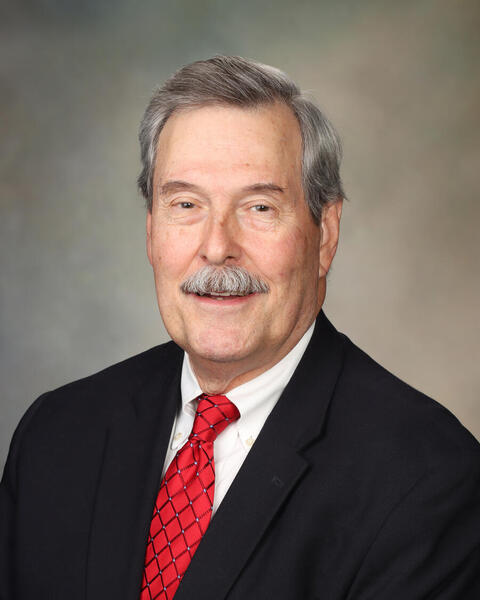
Mark R. Pittelkow is a Professor of Dermatology at the Mayo Clinic, holding a primary appointment as a Consultant in the Department of Dermatology. He completed his MD at Mayo Medical School and advanced training through Mayo Graduate School of Medicine and Northwestern University. His research focuses on cutaneous lymphomas, photoprotection, and skin cancer, with leadership roles in international guidelines (ISCL/EORTC). He contributes to clinical trials, medical education, and interdisciplinary research through affiliations like the Mayo Clinic Comprehensive Cancer Center and Regenerative Biotherapeutics. Education: MD (Mayo Medical School), MS (Biological Sciences, Northwestern), BA (Northwestern University). Research spans cutaneous lymphoma classification, immunology, and translational dermatology. Notable publications address staging systems for mycosis fungoides/Sezary syndrome and photoprotection strategies. His work integrates clinical practice with molecular mechanisms, such as JAK inhibitor responses in lichen planus. Labs/Teams: Collaborates with Mayo Clinic Cancer Center and interdisciplinary groups in immunotherapy and regenerative medicine. Supervises clinical trials and postdoctoral training programs.
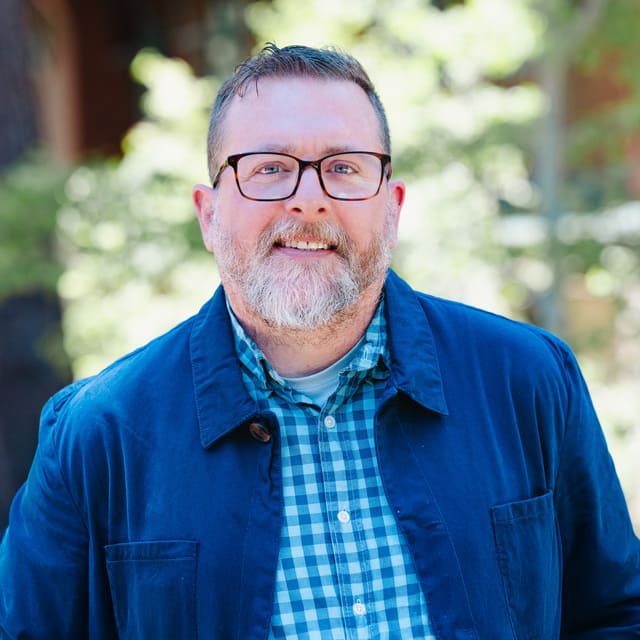
Dr. Casey Philbin is an Assistant Research Professor at the University of Nevada, Reno, affiliated with the Department of Chemistry and the Hitchcock Center for Chemical Ecology. His work focuses on phytochemical ecometabolomics, plant-herbivore interactions, and integrating traditional ecological knowledge with metabolomic data. He uses advanced mass spectrometry tools like the Agilent 6560 IM-QTOF to study natural products and ecological chemistry. Education: Ph.D. in Chemistry (UNR, 2019), M.S. in Food Science and Nutrition (OSU, 2006), B.S. in Chemistry (UC Berkeley, 2000). Research interests include ecometabolomics, pharmacognosy, and the ecological roles of plant secondary metabolites. His work spans from molecular mechanisms in plant defense to community-level ecological impacts. Recent studies explore how phytochemical profiles influence herbivore communities and human-ecological interactions. Publications highlight interdisciplinary approaches in chemical ecology, including studies on cyanobacterial metabolites, plant-insect interactions, and genomic responses to environmental stress. His research bridges ecological, chemical, and anthropological perspectives to address biodiversity and sustainability challenges.
Wolfgang Bilger is a Professor of Plant Ecophysiology at the Christian-Albrechts-University of Kiel, Germany, where he has been a faculty member since 2001. He is affiliated with the Department of Plant Ecophysiology within the Faculty of Mathematics and Natural Sciences. Prior to his current role, he served as Full Professor and Associate Professor at the Norwegian Agricultural University, Ås, Norway. His academic journey includes a postdoctoral fellowship at the Carnegie Institution of Washington and research roles at Julius-Maximilians-University, Würzburg. His educational background includes: Habilitation (Dr. rer. nat. habil.), Julius-von-Sachs-Institute for Biosciences, University of Würzburg (1995) PhD (Dr. rer. nat.), Botanical Institute, University of Würzburg (1987) Master of Biology (Dipl. Biol.), Johann-Wolfgang-Goethe-Universität Frankfurt and University of Würzburg (1976–1982) Wolfgang Bilger's research focuses on plant responses to environmental stress, particularly UV radiation, temperature fluctuations, desiccation, and photoprotection mechanisms. His work investigates chlorophyll fluorescence, screening pigments like anthocyanins and hydroxycinnamic acids, and stress tolerance in plants, algae, and lichens. He has made significant contributions to understanding non-photochemical quenching and photoprotective strategies across diverse photosynthetic organisms. His recent publications (2014–2019) reflect a strong emphasis on plant-environment interactions, especially UV-B and low-temperature effects on photosynthesis and photoprotection. The studies span model plants like Arabidopsis, agricultural species, algae, and lichens, demonstrating a broad ecological and physiological scope. Common themes include pigment-based screening, stress-induced gene regulation, and the interplay between abiotic stressors and photosynthetic efficiency. His scientific awards include: Feodor Lynen Fellowship (Alexander von Humboldt Foundation) Carnegie Institution Fellowship Prize from the Unterfränkische Gedenkjahrsstiftung for his PhD thesis Recognition as an ISI highly cited researcher (h-index 31) Prof. Bilger has supervised several researchers, including M. Sci. Jana Stelzner and M. Sci. Fahimeh Khoramizadeh. He has served in key academic roles such as Managing Director of the Botanical Institute at Kiel and Chair of the Biology Examination Board. He is a Communicating Editor for the journal Trees – Structure and Function and has refereed for numerous high-impact journals and research foundations. His work is supported by active collaborations and service in the scientific community. He leads research in plant ecophysiology with a focus on stress adaptation mechanisms, contributing to both fundamental plant science and potential applications in agriculture and environmental monitoring.
Joël Boustie is a Full Professor of Pharmacognosy and Head of the Pharmacognosy & Mycology Laboratory at the Faculty of Pharmacy, University of Rennes 1. He holds affiliations with the Institute of Chemistry Sciences of Rennes (ISCR, UMR CNRS 6226). Born on 22 October 1963 in Brive, France, he earned a Dr. in Pharmacy (1986) from Paul-Sabatier University (Toulouse) and a PhD (1990) from the National Polytechnic Institute of Toulouse. His career includes roles as Lecturer and Assistant Professor (1992–1999) before becoming Professor in 1999. Teaching focuses on Pharmacognosy, Mycology, Phytotherapy, Biotechnology, Toxic Plants, and Nutraceuticals. He leads Master’s courses in Natural Product Chemistry in Hanoi and Angers, and pioneered the Aromatherapy and Essential Oils diploma (2014). Research spans 34 years in phytochemistry, emphasizing extraction/isolation of secondary metabolites from plants, mushrooms, and lichens, with applications in pharmaceuticals/cosmetics. He has supervised 13 PhD students and mentored multiple postdocs and visiting scholars. Leadership roles include directing the France-India International Associated Lab (Rennes/IICT Hyderabad), co-chairing the World Pharmacognosy Congress (2008), and serving on committees like AERES, CNRS, and HCERES. His awards include the Academic Palms (2016) and French Lichen Society Medal (2019). He actively promotes science through editorial roles (Molecules), organizing conferences, and managing collections like the Des Abbayes herbarium. He is a key member of societies like AFERP (French Pharmacognosy Society) and IAL (International Lichen Society). Scientific production includes 112 international peer-reviewed publications, 2 patents, and an h-index of 22. His work bridges fundamental chemistry and applied research, addressing bioactive compounds from lichens and their potential in health and cosmetics.
Christopher S. Jeffrey is a Professor at the University of Nevada, Reno , serving as Director of the Hitchcock Center for Chemical Ecology. His work bridges organic synthesis and chemical ecology, focusing on developing novel synthetic methodologies and investigating plant-insect-microbe interactions. Education : Ph.D. from University of Minnesota (2007), Postdoctoral Fellow at Princeton University (2007-2010) Research Areas : Electrophilic nitrogen chemistry, C-H bond functionalization, Piper genus phytochemistry, tri-trophic interactions, lichen UV protection Recent Research Trends : Analysis of Piper chemical diversity using NMR networks, microbial degradation pathways in wastewater, photostability of lichen pigments, and synthetic approaches to complex heterocycles. Scientific Awards : Council on Science and Technology Postdoctoral Fellow (Princeton University) Laboratory Focus : Integrates synthetic chemistry and ecological studies to address unmet challenges in natural product chemistry and ecosystem dynamics.
Christopher Jeffrey is a Professor at the University of Nevada, Reno, and Director of the Hitchcock Center for Chemical Ecology. He holds a Ph.D. from the University of Minnesota and completed postdoctoral training at Princeton University. Research Focus: His laboratory pursues two primary areas: (1) Synthetic Chemistry: Developing novel methods for electrophilic nitrogen species generation and applications in alkene/C-H functionalization, heterocycloadditions, alkaloid synthesis, and metal-mediated amination. (2) Chemical Ecology: Investigating secondary metabolism in plant-animal interactions, particularly using the genus Piper to study phytochemical variation, tri-trophic interactions (plant-caterpillar-parasitoid), and co-evolutionary dynamics. Publication Trends: Jeffrey's recent work demonstrates a strong focus on the chemical ecology of tropical systems (especially genus Piper), uncovering phytochemical diversity and its ecological functions. Simultaneously, his group advances synthetic methodologies and explores applications in astrobiology, environmental chemistry, and photoprotection mechanisms in lichens and microbes. Analytical techniques like 1H-NMR metabolomics are frequently employed.
Professor Tim Barraclough is a Professor of Evolutionary Biology at the University of Oxford, affiliated with Magdalen College. His research focuses on understanding the evolutionary mechanisms behind species diversity, including speciation, adaptive divergence, and the role of genetic and environmental factors in shaping biodiversity. He leads the BarraLab, which employs interdisciplinary approaches combining genomics, experimental studies, and fieldwork to investigate topics such as bdelloid rotifers' asexual reproduction strategies, fungal pathogen evolution, and microbial community dynamics. Education details are not explicitly stated here, but his work spans diverse organisms—animals, plants, fungi, and bacteria. Key projects include comparative genomics of bdelloid rotifers, evolutionary time-series analyses of Fusarium fungi causing coffee wilt disease, and studies on microbial community evolution under environmental stressors. Research interests emphasize how species interactions and environmental pressures influence diversification, with a focus on genomic innovations enabling adaptation. For instance, his work on bdelloid rotifers highlights the role of horizontal gene transfer in their survival despite asexual reproduction. In plant pathology, he explores how fungal pathogens evolve through genetic variability and horizontal transfers to cause devastating diseases. Publications since 2020 reflect his exploration of thermal adaptation in proteins, CRISPR dynamics in bacterial-phage interactions, and the ecological consequences of species richness on microbial cooperation. While no specific awards or grants are listed here, his contributions to evolutionary genomics are widely recognized in the field. Advising and mentoring details are not provided, but the BarraLab likely supports graduate students and postdocs in evolutionary biology. His work bridges theoretical models with empirical data, offering insights into the interplay between ecological and evolutionary processes in shaping life's diversity.
Melinda Waterman is a Research Fellow at the University of Wollongong's School of Science, specializing in Antarctic moss biology and climate change impacts. She holds a PhD in Biological Sciences (2016) and has held academic positions since 2013, progressing from Associate Research Fellow to her current role. Her research focuses on mosses' protective mechanisms against environmental stressors like UV radiation and drought, with a goal to use mosses as proxies for past Antarctic climates. She has conducted fieldwork in Antarctica across seven seasons (2015–2025), collaborating with institutions like ANSTO, the Australian Antarctic Division, and international partners. Beyond academia, she actively engages in science communication, winning awards for outreach and organizing events like the 'Antarctic Futures' exhibition. She has authored influential papers on moss physiology, climate proxies, and Antarctic ecosystems. Education: PhD in Biological Sciences, University of Wollongong (2015–2016) Graduate Certificate in Research Commercialisation, University of Wollongong (2011–2012) Bachelor of Biotechnology (Advanced), Honours Class I, University of Wollongong (2005–2008) Research Interests: Antarctic moss ecology, climate change adaptation, UV protection mechanisms, radiocarbon dating, and biodiversity conservation. Her work bridges plant physiology, environmental science, and climate modeling. Grants & Leadership: Leading projects under the ARC Securing Antarctica's Environmental Future program Collaborative grants with ANSTO, Chilean Antarctic Institute, and international universities Awards: UOW Scholar Impact and Engagement Award (2019) Vice-Chancellor's Award for Outstanding Achievement in Research Partnership and Impact (2018) Labs & Teams: Part of the Environmental Futures research group at the University of Wollongong, focusing on Antarctic terrestrial ecosystems and climate change mitigation strategies.
Matthew J. Tucker is a Professor of Chemistry and Graduate Director of Chemistry at the University of Nevada, Reno. He serves as Scientific Co-Director for the Hitchcock Center for Chemical Ecology and leads the Tucker Research Group, focusing on ultrafast laser spectroscopy and biophysical dynamics. His lab develops advanced 2D IR spectroscopic techniques to study structural evolution in biomolecules, with applications in drug discovery, protein folding, and understanding energy dissipation in extreme environments like desert lichens. Employing femtosecond laser pulses to explore IR spectroscopic properties Investigating magnetism and energy dissipation in small molecules Developing infrared markers as spectroscopic rulers for structural analysis His research bridges experimental laser-based methods with theoretical frameworks like molecular dynamics and quantum mechanics. Students in his group engage with modern ultrafast laser techniques and traditional spectroscopies, including circular dichroism, absorption, fluorescence, and vibrational spectroscopy. Recent publications highlight his group's work on hydration shell dynamics, UV protection in lichens, and molecular sensors for viscosity. Research themes span biophysics, environmental science, and quantum chemistry, with a focus on atomic-level insights into disease mechanisms and energy-related materials.
Sergey Varganov is a Professor and Director of the Chemical Physics Program at the University of Nevada, Reno (UNR), where he has been affiliated since 2011. He holds a Ph.D. in Physical Chemistry from Iowa State University (2005), a Candidate of Sciences in Condensed Matter Physics from Kirensky Institute of Physics (2003), and an M.S. in Physics from Siberian State Aerospace University (1999). His research focuses on molecular dynamics, chemical kinetics, molecular magnetism, and spin dynamics, with a particular emphasis on nonadiabatic processes and spin-dependent reactions. His work integrates computational chemistry and quantum mechanics to study systems like fullerenes, lanthanide complexes, and molecular magnets. Professional history includes postdoctoral roles at Stanford University (2009-2011) and the Australian National University (2006-2008), followed by tenure as an Assistant Professor at UNR (2011-2017). He has also served as a Visiting Scholar at Stanford (2018) and the University of Valencia (2019). His publications span topics such as nonadiabatic statistical theory (NAST), spin-crossover dynamics, and interstellar chemistry. Recent articles highlight advancements in predicting magnetic barriers, excited-state dynamics, and UV protection mechanisms in biological systems. His contributions bridge theoretical and computational approaches to address challenges in chemical physics and materials science.
Dr. Megha M. Tollefson is an Associate Professor at Mayo Clinic's Department of Dermatology, specializing in pediatric dermatology. Her clinical expertise includes infantile hemangiomas, vascular anomalies, pediatric psoriasis, and atopic dermatitis. She contributes to national guidelines on acne management and vascular birthmarks. Research focuses on therapeutic outcomes for vascular malformations, inflammatory skin conditions, and sun-protective behaviors. Tollefson leads specialty clinics for Hidradenitis Suppurativa and Vascular Malformations, integrating clinical care with research. Awards include recognition as a Legacy Top Doctor and honors from the American Academy of Dermatology. She serves on FDA advisory committees and contributes to pediatric dermatology education nationally.