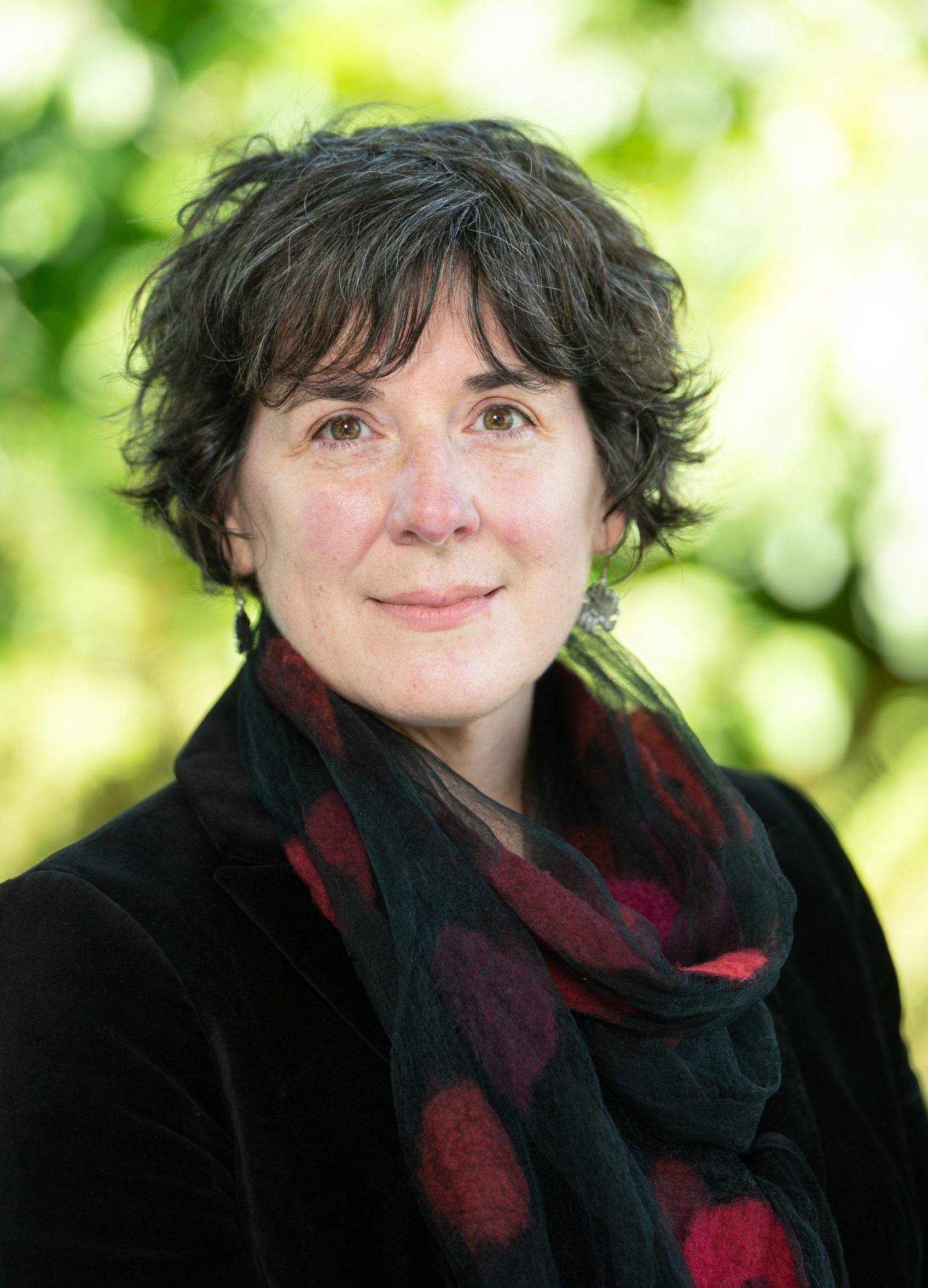
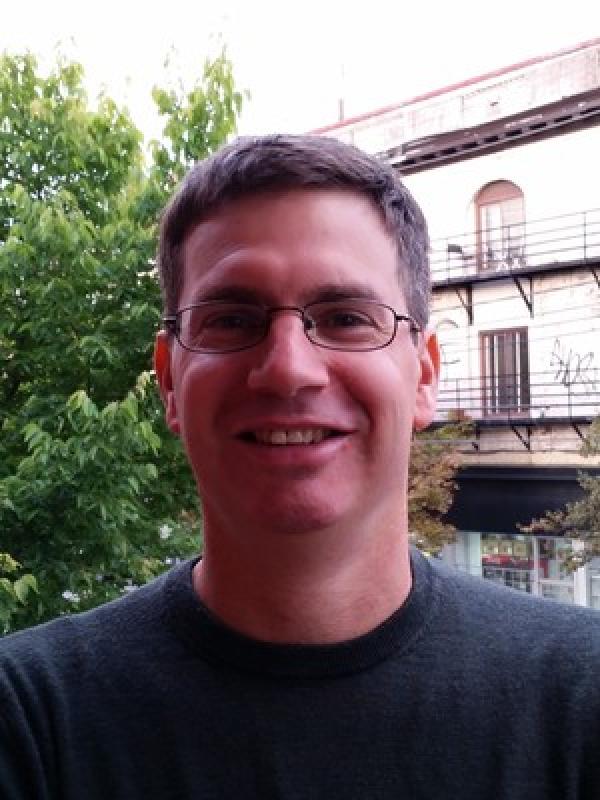
Heather O'Brien is a Professor at the School of Information , University of British Columbia, specializing in user engagement with digital technologies , information retrieval , and knowledge exchange . Her work bridges human-computer interaction and health informatics through projects like the User Engagement Scale (UES) and the PolarUs app for bipolar disorder management. Education: MLIS and PhD from Dalhousie University Research: Focuses on engagement theory, digital health, and university-community knowledge exchange Her STOREE project (SSHRC-funded) develops frameworks for open scholarship and community-centered metadata practices. She co-developed the internationally adopted UES tool for measuring technology engagement, translated into French, German, Italian, and Portuguese . Scientific Awards: 2022 ASIS&T Research in Information Science Award 2018 ASIS&T SIG USE Best Paper Award Professor O'Brien mentors graduate students in information behavior and digital health while leading interdisciplinary collaborations with institutions like CREST.BD and BC Centre on Substance Use .
Ted McCormick is Professor of History at Concordia University's School of Irish Studies, specializing in early modern British/Irish/Atlantic history and the history of science. His award-winning research explores demographic thought, colonial governance, and scientific projects in the 17th-18th century Atlantic world. McCormick holds a PhD from Columbia University and has held fellowships at the Huntington Library, University of Sydney, and Irish research institutions. His research examines how scientific knowledge and economic thought shaped colonial policies, population management, and technological projects. Current work focuses on mechanical inventions in colonial contexts through his SSHRC-funded project 'Engines of Division'. Recent publications analyze food systems, projecting cultures, and knowledge-power relationships in early modernity. McCormick teaches courses on early modern Britain/Ireland, scientific revolution, and Enlightenment thought. He mentors graduate researchers studying colonial knowledge systems, scientific networks, and cross-cultural encounters. Honors include two John Ben Snow Prizes for monographs on political arithmetic and demographic thought.
Cristiano Politowski is an Assistant Professor in the Department of Computer Science at Ontario Tech University’s Faculty of Science. His research focuses on applying software engineering principles to video game development, with particular emphasis on software testing, artificial intelligence for software engineering (AI4SE), deep reinforcement learning, and empirical software engineering. Education includes a PhD in Computer Science and Software Engineering from Concordia University (2022), supervised by Professors Yann-Gaël Guéhéneuc and Fabio Petrillo. Prior to his current role, he held postdoctoral positions at Université de Montréal and École de Technologie Supérieure in Montréal, Canada. Research interests span game engine architecture analysis, automated testing methodologies for games, and bridging gaps between academic theory and industry practices in software engineering. His work often involves empirical studies on software quality, framework impacts, and event-driven systems. Publications reflect a focus on game development challenges, including studies on API compatibility, subsystem coupling visualization, and AI-driven game balance assessment. He actively contributes to the understanding of software processes in the video game industry through surveys and dataset curation initiatives like PlayMyData.
Lucas Klein is an Associate Professor at Arizona State University within the School of International Letters and Cultures . His research focuses on Chinese literature, translation studies, and the intersection of classical and modern poetics. He holds a PhD from Yale University (2010) and a BA from Middlebury College (2000). Research Interests: Modern/prehistorical Chinese literature, poetry translation theory, meta-sinology, labor/environmental writing, and kung-fu cinema. Active in editorial roles for the Hsu-Tang Library of Classical Chinese Literature , Bloomsbury Handbook of Modern Chinese Literature in Translation , and Cha: An Asian Literary Journal . Awards: 2019 PEN/Heim Grant, 2013 Lucien Stryk Prize, and 2013 Best Translated Book Award shortlist. His work emphasizes translational poetics and the global positioning of Chinese literature. Teaching: Offers courses on Chinese literature, translation theory, and cultural studies, including East Asian Humanities and Modern Poetry Translation . Supervises graduate research across disciplines. Publications: Authored The Organization of Distance (2018), co-edited volumes on Chinese poetry translation, and translated works by Mang Ke, Li Shangyin, and Xi Chuan. Maintains active research on transnational literary networks and Sinophone studies.
Dr Michael D. Bennett is a Lecturer in Early Modern British History at the University of Sheffield, affiliated with the School of History, Philosophy and Digital Humanities. His research focuses on the reciprocal relationship between early modern Britain and Caribbean plantation economies, examining the role of slavery and colonialism in shaping London's global commercial dominance. He has also led high-profile public engagement projects, including the Bank of England's Slavery & the Bank exhibition. BA (King’s College London, 2015) MRes (University of Kent, 2016) PhD (University of Sheffield, 2020) His current work centers on the Caribbean sugar boom (1640s–1670s) and its impact on British economic and social development. He is also investigating the Bank of England’s historical links to slavery and the East India Company’s role in forced labor systems across the Indian Ocean. His research bridges social, economic, and colonial history, emphasizing transatlantic and global networks. Recent publications analyze Caribbean plantation models, financial compensation post-abolition, and archival data transcriptions. He is supported by grants from the AHRC, Royal Historical Society, Huntington Library, and Eccles Centre, among others. John Carter Brown Library Short-Term Fellowship (2021) Society for Renaissance Studies Postdoctoral Fellowship (2020) Huntington Library Short-Term Fellowship (2020) AHRC International Placement Scheme Fellowship (2017) AHRC White Rose Competition PhD Scholarship (2016) Dr Bennett collaborates with institutions like the Bank of England, Guy’s and St. Thomas’ Hospital, and Sheffield-based community groups, contributing to public policy and memorialization efforts. He has been featured in major media outlets such as The Guardian and BBC.
Paulo Mendes Pinto is a Researcher at Lusófona University , where he coordinates the Science of Religions area and leads the REC-XXI project on Religions, Education, and Citizenship. He has directed the Master’s and Bachelor’s programs in Religious Studies and serves as a Director of Advanced Islamic Leadership Training and Editorial Director of Lusófona University’s publications. His work bridges interreligious dialogue , state-religion relations , and cultural heritage projects with institutions like the Presidency of the Republic Museum and Calouste Gulbenkian Foundation . Education: PhD in Cultural Studies (University of Aveiro, 2021), Master’s in Pre-Classical History and Culture (University of Lisbon, 2001), Bachelor’s in History (University of Lisbon, 1997). His research focuses on religious freedom in Portugal, Jewish heritage , Islamic patrimony , and education for sustainability in museums and libraries. Through projects like MUBIESUS and Database of Islamic Heritage in Portugal , he explores intersections of critical pedagogy , environmental justice , and cultural diversity . His recent articles analyze symbolism in religious rituals , urban spirituality , and political uses of religious discourse . He is actively involved in public science initiatives, collaborating with the European Academy of Religions (founded in 2017) and the World Parliament of Religions (Ambassador, 2015–2018). No formal awards are listed, but his leadership in projects like the Mapping of the Neves e Sousa Collection and Community Engagement Against Radicalization underscores his institutional impact.
Ayşe Zişan FURAT is a Professor of Eurasian Studies at the Research Institute of Turkology, Istanbul University, a position she has held since February 2022. She is affiliated with the Department of Eurasian Studies and previously served in the Faculty of Theology and the Department of Philosophy and Religious Studies. Her institutional base is the Türkiyat Araştırmaları Enstitüsü, located in Beyazıt, Istanbul. Education: B.A. in History of Science, Istanbul University, 2001 M.A. in Religious Education, Department of Philosophy and Religious Studies, Istanbul University, 2004 Ph.D. in Religious Education, same department, 2009 Her research focuses on religious and cultural transformation across Eurasia, with particular attention to the history of science and education in Islamic and Turkic contexts. She investigates the interplay between religious institutions, educational systems, and cultural evolution in Anatolia, the Balkans, Central Asia, and the Ottoman Empire. Her work bridges humanities, religious studies, and historical sociology, emphasizing cross-cultural exchanges and knowledge transmission. The most recent publications reflect a strong thematic continuity in studying religious education, manuscript cultures, scientific traditions, and interfaith dynamics across Eurasia. Her scholarly output spans from the medieval to modern periods, combining historical analysis with cultural theory. Keywords across her articles include Religious Studies, History of Science, Eurasian Studies, and Cultural History, indicating a multidisciplinary approach grounded in the humanities. Scientific Contributions and Recognition: 115 publications indexed in Web of Science H-index of 12 (WoS), 14 (Google Scholar), 31 (TrDizin) Participation in 48 research projects Supervision of 14 theses Active contributor to UN Sustainable Development Goals through humanities research Ayşe Zişan FURAT has made significant contributions to academic advising and collaborative research. She has supervised numerous graduate theses and participated in extensive research projects, reflecting a strong commitment to academic mentorship and interdisciplinary inquiry. While specific grants are not listed, her high project count suggests active engagement in funded research. She is a key figure in advancing Turkic and Eurasian studies within the Turkish academic landscape. She is affiliated with the Research Institute of Turkology, a leading center for Turkish and Eurasian studies at Istanbul University. The institute supports interdisciplinary research on Turkic peoples, languages, religions, and cultures across Eurasia, and she contributes to its mission through her scholarship and academic leadership.
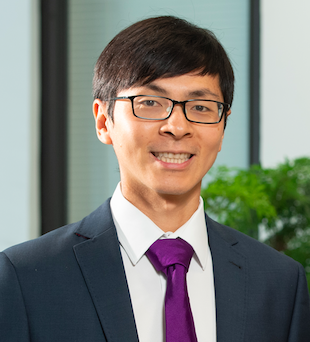
Dr. Yao-Tai Li is a Senior Lecturer in Sociology and Social Policy at UNSW's School of Social Sciences. He holds a PhD from UC San Diego, with prior roles including Assistant Professor at Hong Kong Baptist University (HKBU, 2017–2021). His research focuses on race/ethnicity, migration, contentious politics, and social media analysis, with a particular emphasis on East Asian diasporas and Hong Kong's sociopolitical dynamics. Education: PhD (UC San Diego), MA and BA (National Taiwan University). Awards include the Dean’s Award for Early Career Research (UNSW, 2024) and data journalism accolades for his Hong Kong Lennon Wall documentation. He advises PhD and master’s students on topics ranging from border regimes to queer activism. Key projects include tracking rhetorical shifts in Chinese-Australian community responses to racism since 1973, and analyzing Hong Kong's protest movements through urban sociology and data activism lenses. Active in 45+ journals as a reviewer/editor, and holds leadership roles in migration studies (ISA RC31) and policy initiatives. Grants include UNSW's ADA Seed Funding (2024), National Library of Australia grants (2023), and Hong Kong RGC Early Career support (2020–21). His forthcoming book *Protest Walls* (CUP, 2025) examines physical/digital protest spaces in transnational contexts.
Dr. Michael Bennett is a Lecturer in Early Modern British History at the University of Sheffield's School of History, Philosophy and Digital Humanities. He joined the university in 2022 after working as a Research Associate at The University of Manchester and the Bank of England. His academic work focuses on the social and economic history of the English (later British) empire during the seventeenth and eighteenth centuries, with particular emphasis on the relationship between Britain and Caribbean plantation slavery. His educational background includes: BA (Hons) from King's College London (2015) Masters by Research from the University of Kent (2016) Ph.D. from The University of Sheffield (2020) Dr. Bennett's research centers on the reciprocal relationship between early modern Britain and the Caribbean plantation system. His in-progress book manuscript explores the Caribbean sugar boom beginning in Barbados during the 1640s, analyzing London merchants' role in financing plantation slavery's development. He's particularly interested in how slavery and colonialism shaped London as a global commercial and financial center during the long eighteenth century. Additionally, he maintains a secondary research interest in English trade and colonialism in the Indian Ocean world, with publications examining the East India Company's relationship with slavery and unfree labor. His scholarly output demonstrates a consistent focus on the economic dimensions of empire, particularly the financial mechanisms that supported plantation slavery and colonial expansion. His work bridges economic history with social history, examining how commercial interests drove colonial development and shaped labor systems across multiple imperial contexts, including both the Atlantic and Indian Ocean worlds. Dr. Bennett has received numerous prestigious awards and fellowships for his research: John Carter Brown Library Short-Term Fellowship (2021) Society for Renaissance Studies Postdoctoral Fellowship (2020) Huntington Library Short-Term Fellowship (2020) Eccles Centre for American Studies Visiting Fellowship (2020) AHRC International Placement Scheme Fellowship (2017) AHRC White Rose Competition PhD Scholarship (2016) Roger Scola prize for best MA/MRes thesis (2016) Dr. Bennett is actively engaged in research funding and public projects. His work has been supported by grants from the AHRC, Royal Historical Society, Society for Renaissance Studies, Huntington Library, John Carter Brown Library, and Eccles Centre for American Studies. He recently led the Bank of England's high-profile research project into its historical links to slavery (1694-1888), which resulted in the 'Slavery & the Bank' exhibition. He has also collaborated with Guy's and St. Thomas' Hospital, Somerset House, and community groups on public-facing projects exploring Britain's connections to historical slavery, resulting in research reports that have influenced public memorialization and policy. Dr. Bennett is a core member of Sheffield's Slavery Research Hub, where he collaborates with colleagues across disciplines to investigate the historical and contemporary legacies of slavery. His public engagement work has connected academic research with museum exhibitions, hospital histories, and community initiatives, demonstrating a commitment to making historical scholarship accessible and relevant to diverse audiences.
Erika Lee is the Bae Family Professor of History and Radcliffe Alumnae Professor at Harvard University, serving as Director of the Schlesinger Library on the History of Women in America. A past president of the Organization of American Historians, she is a leading scholar of U.S. immigration, Asian American history, and xenophobia across the 19th-21st centuries. Her research centers on immigration history, Asian American history, and the intersections of race, xenophobia, law, gender, and society. Lee examines how systemic racism and exclusionary policies have shaped American identity, with particular focus on Asian American experiences and the historical roots of contemporary anti-immigrant sentiment. Lee's recent publications (2020-2024) analyze xenophobia during crises like the COVID-19 pandemic, anti-Asian discrimination, and immigration policy weaponization. Her work reveals historical patterns connecting past exclusion laws to modern nativist movements while highlighting immigrant resilience and the power of public history. Lee's honors include: American Book Award Asian/Pacific American Award for Literature Andrew Carnegie Fellowship Election to the American Academy of Arts & Sciences Immigrant Heritage Award Pioneer Award from OCA Champion for Justice Award She received the Andrew Carnegie Fellowship for research funding and testified before Congress on anti-Asian discrimination. As a public intellectual, Lee frequently contributes to media discussions on immigration and race through major outlets including the New York Times and CNN. Lee co-founded three digital humanities initiatives: Immigrant Stories (documenting immigrant experiences through digital storytelling), #ImmigrationSyllabus (educational resource on immigration history), and Immigrants in COVID America (tracking pandemic impacts on immigrant communities).
Ira Robinson is a Professor of Judaic Studies in the Department of Religion at Concordia University, Montreal, Quebec. He has been affiliated with the university since 1979, serving as Chair of the Department of Religion and currently holding dual roles as Chair in Canadian Jewish Studies and Director of the Concordia University Institute for Canadian Jewish Studies. His work bridges academic research and institutional leadership in Jewish Studies. Dr. Robinson specializes in Canadian Jewish communities and Orthodox Judaism in North America. His research explores religious identity, migration patterns, institutional development, and the socio-cultural dynamics of Canadian Jewish life. He has contributed to discussions on communal organizations, religious practices, and historical trajectories of Jewish populations in Canada. Leadership Roles: President of the Canadian Society for Jewish Studies Past President of the Association for Canadian Jewish Studies (formerly Canadian Jewish Historical Society) Past President of the Jewish Public Library of Montreal Awarded the Louis Rosenberg Canadian Jewish Studies Distinguished Service Award for lifelong contributions to Canadian Jewish scholarship, he is also inducted into the Provost's Circle of Distinction, recognizing exceptional academic service. While no specific grants or student advisees are listed, his leadership roles position him as a key advisor in institutional and scholarly endeavors. He oversees the Concordia Institute for Canadian Jewish Studies, a hub for interdisciplinary research and public engagement in Jewish Studies.
Dr. Emma Cheatle is a Senior Lecturer at the School of Architecture and Landscape , University of Sheffield, specializing in interdisciplinary architectural humanities. She serves as the School Director of Research and Innovation and chairs the Architectural Humanities Research Association (AHRA) . Her work bridges architecture, feminism, and decoloniality, focusing on domesticity, health, and urban common land. Research Interests : Feminist theory, autotheory, urban common land, maternity in architecture, decolonial spatial practices Teaching : Coordinates architectural humanities modules, leads critical spatial writing, and supervises PhD students in feminist and decolonial pedagogy Awards : 2014 RIBA President's Award for Outstanding PhD Thesis Projects : AHRC Major Award (2019–2022) on urban common land, editorial leadership in the field: A Free Journal of Architecture Collaborations : Hélène Frichot (University of Melbourne), Victoria Bates (University of Bristol), and the Sheffield School of Architecture Feminist Library steering committee Her recent publications include Lying in the Dark Room: Architectures of British Maternity (2023) and co-authored works on urban common land. She employs creative-critical writing and ethnographic methods to explore embodied spatial histories and contemporary conditions.
Zhenchang Xing is a Research Professor at CSIRO's Data61 and holds a Hans Fischer Senior Fellowship at TUM-IAS. With a Ph.D. in Computer Science from the University of Alberta (2008), he previously served as Associate Professor at Australian National University and Assistant Professor at Nanyang Technological University. His research focuses on software engineering for AI systems and human-centered computing. Current projects include: Automated Software-Hardware Co-Design for AI Systems Software Supply Chain Security frameworks Data Bill of Materials (DataBOM) for verifiable data ecosystems Software Testing Knowledge Graph development Professor Xing has received 10 Distinguished Paper Awards from ACM and IEEE, including the 2005 Most Influential Paper Award for UMLDiff. His work combines software engineering with responsible AI development.
Ori Yehudai is the Saul and Sonia Schottenstein Chair in Israel Studies and Assistant Professor in the Department of History at The Ohio State University. His work bridges modern Jewish history, Zionism, migration, and transnational dynamics, with a focus on post-Holocaust Jewish communities and Israeli-Palestinian relations. He holds a BA from Tel Aviv University and a PhD from the University of Chicago. Education: BA, Tel Aviv University; PhD, University of Chicago Postdoctoral Positions: University of Toronto, NYU, McGill University, Center for Jewish History (New York) His research examines Jewish emigration from Palestine/Israel post-1945, intermarriage dynamics post-Holocaust, and reactions to Palestinian attacks in 1970s Israel. His book Leaving Zion (2020), a National Jewish Book Awards finalist, explores Jewish emigration’s challenges to Zionist narratives. He teaches courses on Zionism, modern Israel, and the Arab-Israeli conflict. Awards: ACLS fellowship, NEH grants, YIVO recognition, Israel Institute support, and Wiener Library acknowledgment. Research Projects: Current work investigates Israeli societal responses to 1970s Palestinian attacks. His interdisciplinary approach integrates archival research and transnational frameworks.
Thomas Degueule is a CNRS researcher in the Software Engineering group at LaBRI (Bordeaux, France). His research focuses on software evolution , modularity , and comprehension , with a particular emphasis on software libraries , APIs , software ecosystems , and domain-specific languages (DSLs) . Prior to his current role, he worked as a postdoctoral researcher at CWI (Amsterdam) and earned his PhD at IRISA (Rennes, France). Research Themes : Software evolution, API analysis, dependency management, empirical software engineering, DSL engineering Projects : ANR JCJC ALIEN (PI), H2020 CROSSMINER (WP leader), ALE (associate member), LEOC Clarity (member), ANR INS GEMOC (member), ITEA2 MERgE (member) Software Tools : Roseau, Maracas, BreakBot, Melange, Eclipse GEMOC Studio, K3, Alex, Scava His recent publications highlight trends in API breaking changes , dependency evolution , DSL interoperability , and automated software analysis (see articles list for details). He also contributes to software education through tools like MOON and Immediate Feedback for Jupyter Notebooks. Thomas has supervised PhD students including Gustave Monce (University of Bordeaux), Lina Ochoa (now assistant professor at Eindhoven University), Corentin Latappy (post-doc at University of Bordeaux), and Christophe Casseau (lecturer at University of Bordeaux). He actively participates in academic service, serving on program committees for conferences such as ICSE , ASE , ICSME , ISSTA , and SLE , and organizing workshops like SLEBoK and MLE 2021 .