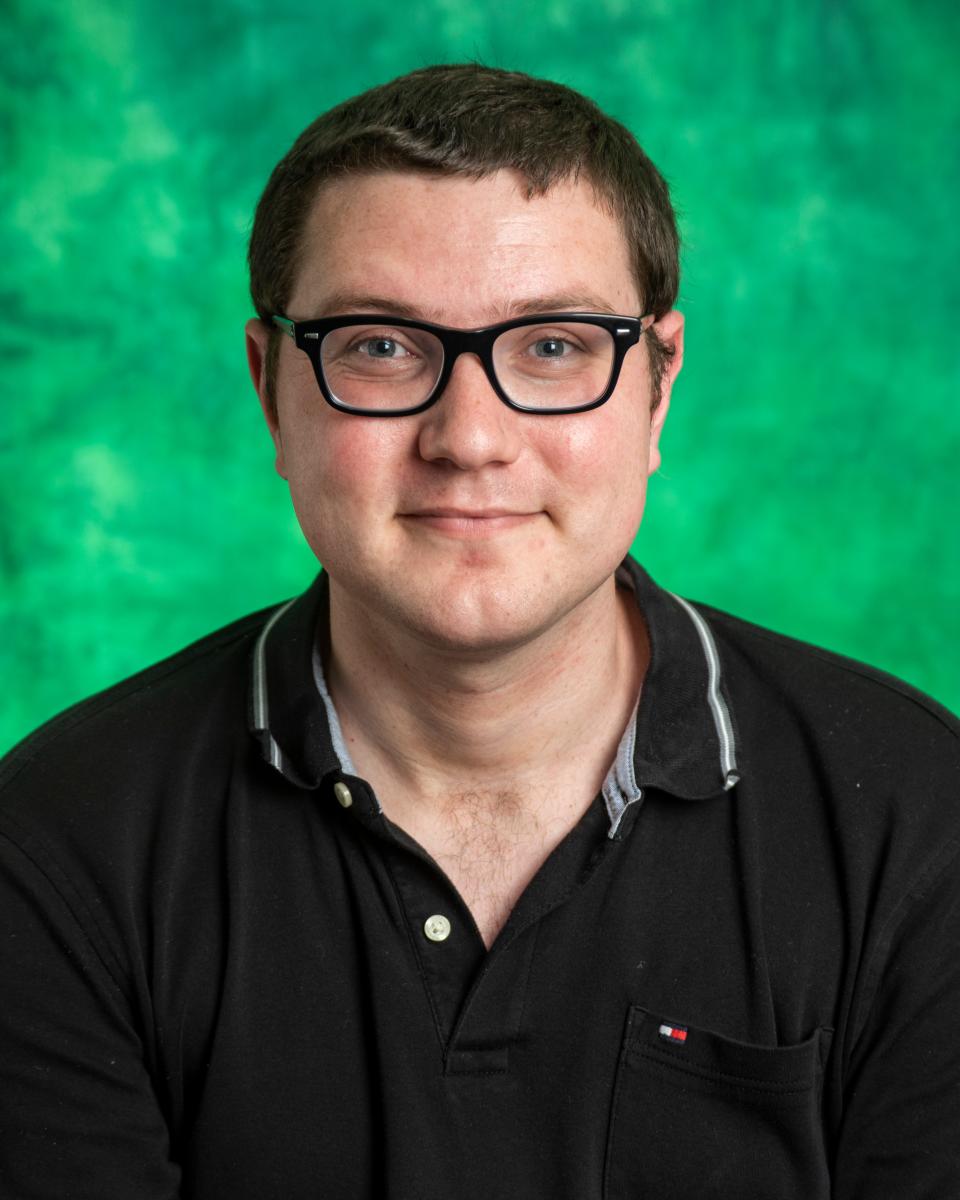
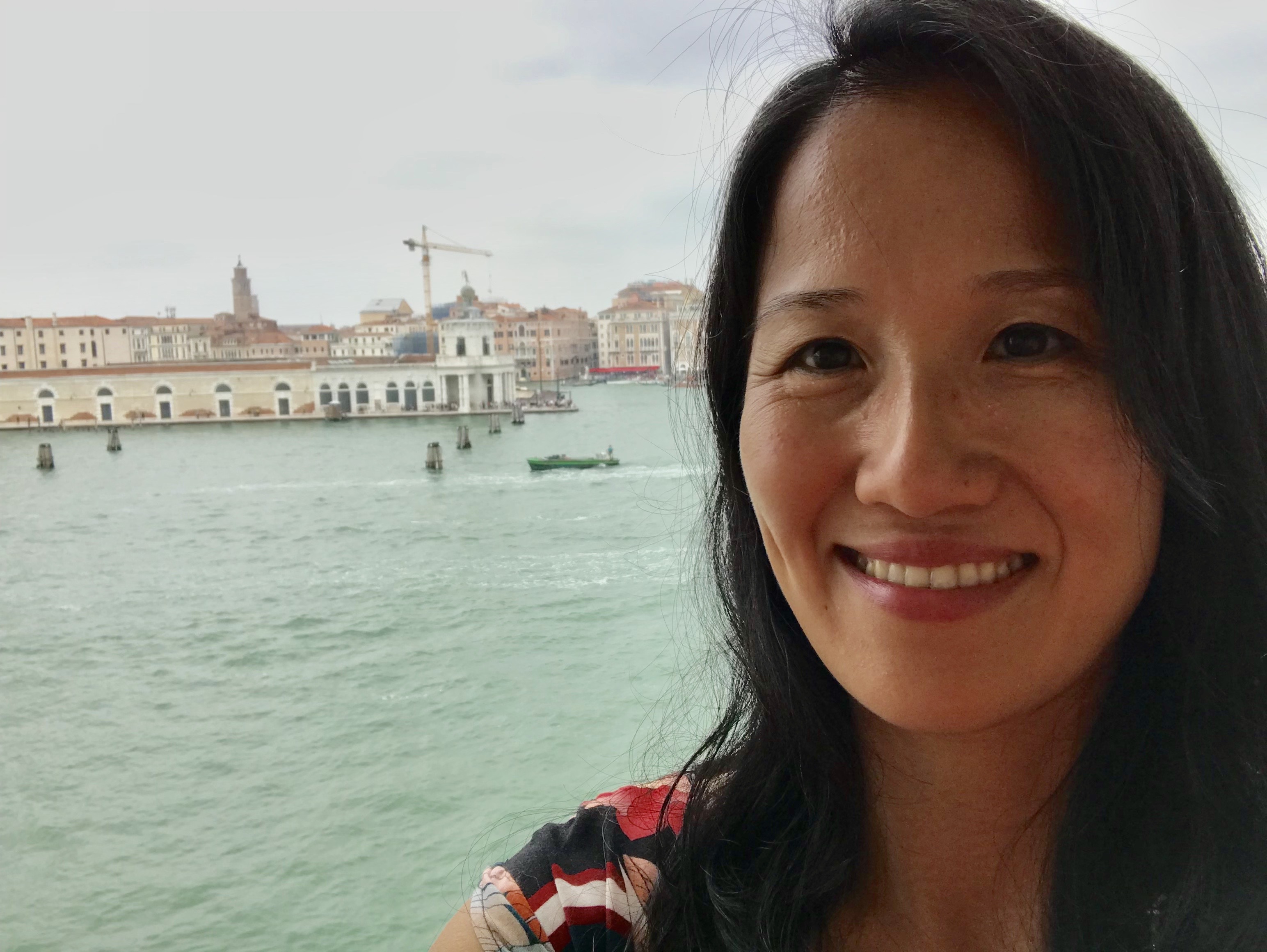
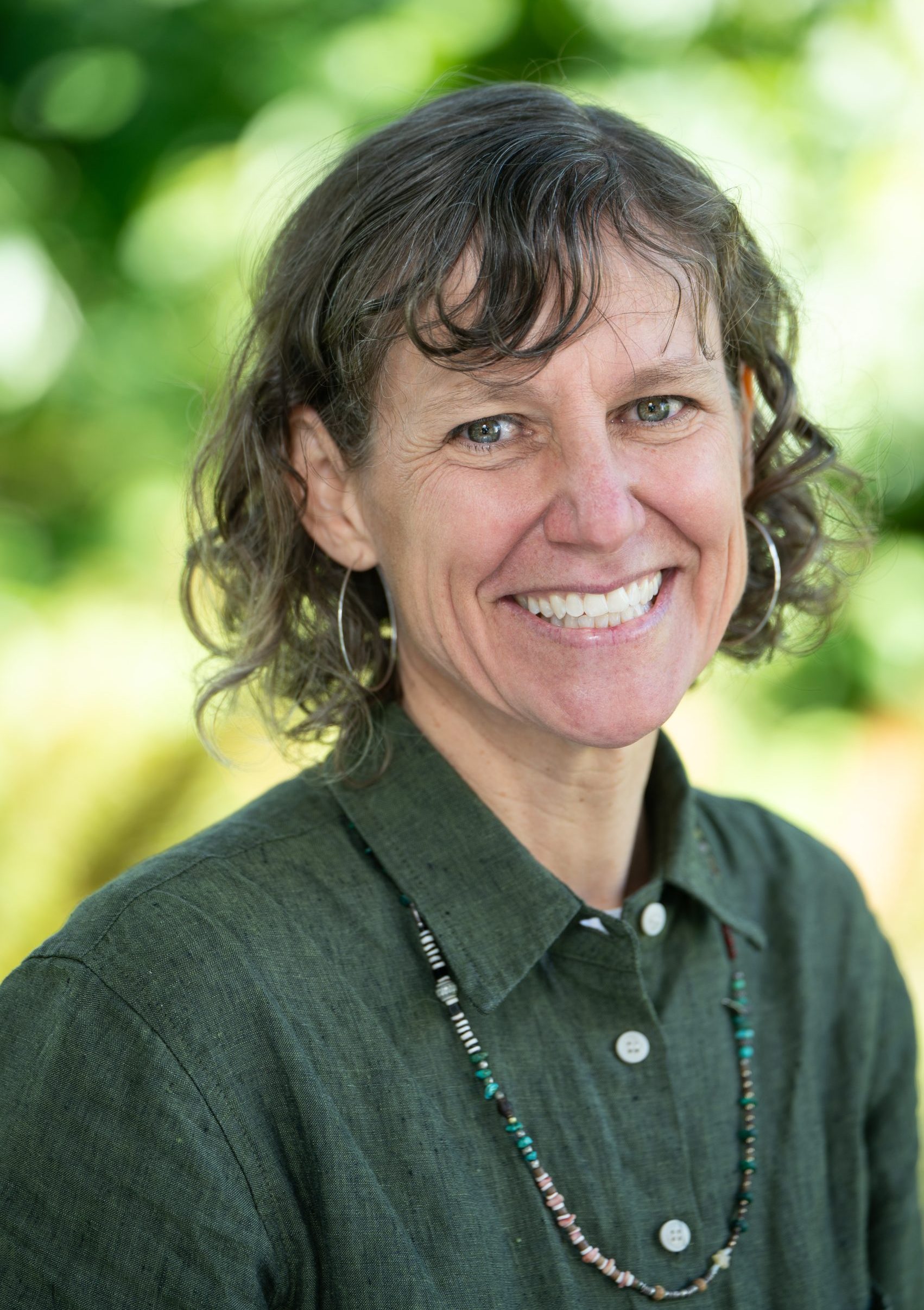
Dr. Brady D. Lund is an Assistant Professor at the University of North Texas, focusing on interdisciplinary research at the intersection of information science, artificial intelligence, and ethics. His work addresses AI adoption in libraries, data privacy, academic integrity, and international development. He holds a Ph.D., M.S., and B.S. from Emporia State University and Wichita State University. Education: Ph.D., Emporia State University M.S., Emporia State University B.S., Wichita State University Research Interests: Dr. Lund explores how AI impacts information seeking behaviors, data privacy literacy, and library services. His work emphasizes ethical AI deployment in academic and clinical settings, with a focus on marginalized communities. Key areas include AI-driven library systems, blockchain applications for academic integrity, and the societal implications of generative AI. Research Trends: Recent publications analyze AI's role in health information, cybersecurity threat intelligence, and library leadership in minority-serving institutions. He critiques AI authorship policies, evaluates large language models, and advocates for equitable AI access in developing countries. Labs & Teams: Leads the Computational Humanities and Information Literacy Lab and the CyberCrews initiative, focusing on AI ethics, digital literacy, and interdisciplinary collaboration.
Professor Ian Ruthven is a Professor of Information Seeking and Retrieval in the Department of Computer and Information Sciences at the University of Strathclyde. He chairs the Scottish Library and Information Council (SLIC) and the Steering Committee of the Information Seeking in Context (ISIC) conference series. His research focuses on human information interaction, including information seeking in health, migration, and cultural heritage contexts. He authored Dealing With Change Through Information Sculpting , proposing a theory explaining how people use information behaviors to adapt during life transitions. Education: PhD in Abduction, Explanation, and Relevance Feedback (University of Glasgow, 2001), MSc (University of Birmingham, 1993), BSc in Computing Science (University of Glasgow, 1992). Research Interests: Information seeking theory, interface design for information access, user studies. His work bridges human-computer interaction with socio-technical systems, emphasizing ethical and inclusive design. Publications: Over 170 peer-reviewed papers, including influential works on information resilience, digital divides, and pandemic impacts on international students. Recent work includes Grey Digital Divide: Factors Associated with Older People’s Use of the Internet for Financial Transactions (2025) and Information Avoidance: A Critical Conceptual Review (2025). Awards: Tony Kent Strix Memorial Award (2020), Fellow of the Royal Society of Arts (2010), and multiple best paper awards. His contributions span academic and policy realms, addressing societal challenges through information science. Projects: Co-investigator in the Participatory Harm Auditing Workbenches and Methodologies (PHAWM) project (2024–2028) and leader of the Scottish Network on Digital Cultural Resources Evaluation (ScotDigiCH) (2015–2016). These projects emphasize participatory design and cultural heritage evaluation. Professional Activities: Editorial roles for major conferences, visiting researcher at the University of Pretoria (2021), and advisory roles in library and information science initiatives. His work fosters collaboration between academia and cultural institutions.
Ana Paulina Lee is an Assistant Professor of Writing and Digital Humanities in the Comparative Literature, English, and Creative Writing Department at the American University of Paris. She joined AUP in 2025 after teaching Latin American literature and culture at Columbia University for eight years and serving as a Mellon Postdoctoral Fellow at Tulane University. Her interdisciplinary scholarship bridges literature, history, law, and urban studies with particular focus on marginalized narratives in the Americas. Ph.D. from University of Southern California M.A. from New York University B.A. from Binghamton University Professor Lee's research examines how stories—archival, fictional, oral—shape legal imagination, social life, and urban experience in the Americas. She specializes in the intersections of magic, law, and literature in Latin America, with particular focus on Asian and African diasporas in Brazil. Her work traces how narrative functions as both historical record and catalyst for social transformation, exploring themes of slavery, emancipation, colonial legacies, and urban memory. She approaches these topics through interdisciplinary lenses combining literary analysis with histories of labor, migration, and performance. Lee's recent publications reveal a consistent focus on marginalized narratives and their impact on social structures. Her scholarship connects legal history with cultural production, showing how magical thinking and narrative practices shape urban spaces and social relations. Works like 'Urban Sorcery, Segregation, and Spectacle in Twentieth-Century Rio de Janeiro' and 'Black Magic City' demonstrate her innovative approach to understanding the relationship between occult logics and legal frameworks in Brazilian contexts. Her research on diasporic communities, particularly Chinese and Japanese experiences in Latin America, contributes significantly to transnational and comparative race studies. David B. Larson Fellowship in Health and Spirituality, Kluge Center, United States Library of Congress (2025-2026) National Endowment for the Humanities Fellowship (2025) Social Sciences Research Council, Inaugural Recipient of Interdisciplinary Projects in the Social Sciences (2020-2023) Institute for Ideas and Imagination Fellowship, Columbia University in Paris, France (2021-2022) Provost's Tsunoda Senior Fellowship, Visiting Scholar, Waseda University, Tokyo, Japan (2019) Heyman Center Fellow, The Heyman Center for the Humanities, Columbia University (2017-2018) Fulbright, Lisbon, Portugal (2013-2014) Professor Lee's scholarly activities have been generously supported by major research grants from the National Endowment for the Humanities, the Social Sciences Research Council, and the Library of Congress. Her work demonstrates a commitment to interdisciplinary approaches that bridge humanities and social sciences, particularly through projects examining intersections of race, migration, and cultural production in the Americas. Her publication 'Socially Engaged Oral History Pedagogy Amid the COVID-19 Pandemic' indicates a strong commitment to innovative teaching methods and community-based research. While specific details about current advisees aren't provided, her research program suggests engagement with graduate students interested in diaspora studies, urban history, and literary-cultural analysis. Though not explicitly mentioned in the available information, Professor Lee's research on urban spaces, magic, and law in Brazil likely involves collaborative work with scholars across disciplines. Her participation in centers like the Institute for Ideas and Imagination at Columbia University suggests engagement with interdisciplinary research communities focused on global cultural production and social transformation. Her work contributes to ongoing conversations about how narrative practices shape legal frameworks and social structures in the Americas, particularly regarding racial formation and diasporic experiences.
Lisa Nathan is an Associate Professor and current PhD Program Chair at the University of British Columbia's School of Information, situated on unceded Musqueam territory. Her academic home resides within the Department of Library, Archival and Information Studies under the Faculty of Arts, where she directs doctoral studies and teaches specialized courses in information ethics and climate justice. Her research examines the critical intersection of information policy, sustainability, and Indigenous knowledge systems, exploring how information ecosystems shape societal values through frameworks like climate justice and multi-lifespan design. Nathan's work consistently centers on disrupting colonial information practices while developing ethical alternatives through community-engaged scholarship, particularly evident in her collaborations with Indigenous communities on language preservation and cultural protocols. Analysis of her recent publications reveals a strong trajectory toward decolonial computing and environmental justice, with increasing emphasis on Indigenous-led information initiatives and the inclusion of 'other-than-human' participants in design processes. Her scholarly output spans high-impact journals including Journal of Documentation and First Monday, alongside influential books like Digital Technology and Sustainability: Engaging the Paradox. Outstanding Information Science Teacher Award (2017) Honorable Mention Paper Award at ACM CSCW (2016) Leadership in ACM SIGCHI Sustainability initiatives British Columbia Library Association Climate Action Committee Nathan actively supervises doctoral research through UBC's Indigenous Information Studies pathway, currently mentoring Rodrigo dos Santos while having guided recent graduates including Shaffer, Shankar, and Kaczmarek to completion. Her service includes chairing the First Nations Curriculum Concentration (2010-2018) and developing innovative courses like LIBR 564: Information Practice and Protocol in Support of Indigenous Initiatives. As Director of the Centre for Climate Justice research cluster, she fosters interdisciplinary collaborations addressing information policy's role in environmental crises.
Amir Aryani is an Associate Professor at the School of Business, Law and Entrepreneurship , Swinburne University of Technology . He leads the Social Data Analytics (SoDA) Lab within the Social Innovation Research Institute , focusing on data-driven solutions for health and social challenges. His work involves large-scale cross-institutional projects with international collaborators including the British Library , ORCID , and NIH . Research Focus: Data modeling, real-time analytics, and information retrieval for social-good initiatives Collaborations: CERN, Data Archiving and Networked Services (DANS), and Global Information Systems (GESIS) His research explores data science applications in mental health, community resilience, and sustainable development. Key trends in his publications include: Mapping research to United Nations Sustainable Development Goals Developing hybrid expert-finding models using NLP and graph algorithms Creating interoperable research graphs for cross-platform discovery Assessing social impact of data projects in non-profit sectors Amir is actively involved in PhD supervision and has secured funding from Australian Research Council , National Health and Medical Research Council , and philanthropic foundations . He also contributes to community data projects through the SoDA Lab , which builds tools for social connection analysis and humanitarian response optimization.
Eva Eriksson is an Associate Professor at Aarhus University, affiliated with the School of Communication and Culture and the Department of Digital Design and Information Studies. Her work bridges design, technology, and social values, focusing on participatory and human-centered approaches. Her research interests center on Human-Computer Interaction (HCI) , Participatory Design , and Design for Sustainability . She explores how co-design methods can empower youth, support children with learning differences like dyscalculia, and integrate more-than-human perspectives—considering non-human actors such as nature and technology—in design processes. Her work emphasizes ethical, inclusive, and reflective design practices. The recent publications highlight a strong trend in co-design with youth , XR and AR for education , sustainable technology , and methodological innovation in design research . These works span case studies, scoping reviews, and conceptual provocations, often published in top-tier venues like CHI and Interacting with Computers . Honourable Mention Award at CHI 2020 Honorable Mention, Design Space, CHI 2021 Most Cited Paper of 2021, International Journal of Child-Computer Interaction Eva Eriksson leads and contributes to externally funded research projects such as COMPILE (focused on dyscalculia and AR) and MOVA (on more-than-human values in design education), supported by the Independent Research Fund Denmark and Erasmus+. She supervises student projects and teaches courses such as Co-design and Bachelor Project . She also serves on international PhD examination and evaluation panels, demonstrating her active role in the global academic community. She is a core member of the Center for Computational Thinking & Design (CCTD) , a multidisciplinary research center at Aarhus University that fosters innovation in design, education, and technology.
Farren Yero is an Assistant Professor in the History Department at Lehigh University's College of Arts and Sciences, where she specializes in the history of health, medicine, and gender with a focus on Latin America and the Caribbean. Her interdisciplinary scholarship bridges medical history, gender studies, and Atlantic world history, examining how race, gender, and power have shaped health experiences and medical practices in the early modern period. Dr. Yero received her Ph.D. in History and Gender, Sexuality and Feminist Studies from Duke University in 2020, an M.A. in History from Duke University in 2016, an M.A. in Latin American Studies from Tulane University in 2013, and a B.A. in Anthropology from the University of Florida in 2010. Her academic journey began with archaeological work at the Kingsley Plantation in Jacksonville, Florida, which shaped her interest in Atlantic history and the transatlantic slave trade. Yero's research focuses on health disparities, care practices, and disease experiences in the early modern Atlantic world, with particular attention to smallpox vaccination history. Her current book project, Atlantic Antidote: Race, Gender, and the Birth of the First Vaccine , explores racial and gendered intersections of labor, childrearing, and disease prevention in the Spanish Americas. She is also developing a history of the Caribbean's earliest smallpox epidemic (1519) through the life of America's first "patient zero." Her work consistently examines how marginalized communities navigated health challenges within colonial contexts. Her publications reveal a strong emphasis on vaccine history, gender and medicalization, Afro-Caribbean religious practices during epidemics, and the intersections of race, citizenship, and public health. Yero's scholarship demonstrates how medical history provides critical insights into broader social structures, particularly regarding race, gender, and power dynamics in colonial societies. Nineteenth Century Studies Dissertation Award from the Latin American Studies Association (LASA) Richmond Brown Dissertation prize, Honorable Mention, from the Latin American and Caribbean Section of the Southern Historical Association Dr. Yero has received significant research support from the National Endowment for the Humanities, American Council of Learned Societies, Fulbright-Hays program, Andrew W. Mellon Foundation, John Carter Brown Library, Newberry Library, Institute of Advanced Studies in the Humanities at the University of Edinburgh, and Omohundro Institute of Early American History and Culture. She previously held postdoctoral positions at Binghamton University, College of William and Mary, University of Edinburgh, and Duke University. At Lehigh, she teaches courses on health and society in Latin America, gender and medicine, pandemics, and digital/public history methods.
Derrick R. Spires serves as Associate Professor of English in the College of Arts & Sciences at the University of Delaware, specializing in early Black print culture, citizenship studies, and African American intellectual history. His scholarly mission centers on recovering the rich imaginative worlds African-descended people generated through print media and how these imaginings facilitated material change, spanning from tragicomic expressions to mundane daily practices. Spires' research interrogates how Black writers articulated expansive, practice-based theories of citizenship through robust print networks including newspapers, the Colored Conventions movement, and ephemeral publications. His work reveals the centrality of seriality, pseudonymity, and collaborative performance in Black political thought, demonstrating how print culture enabled Black communities to navigate and reshape citizenship frameworks despite systemic exclusion. He examines how early African American literature cultivated aesthetic sensibilities that sustained resistance and community building. Analysis of his 2016-2024 publications reveals consistent thematic threads: the material conditions of Black bibliography, gendered dimensions of political expression, and the performance aspects of print culture. His scholarship increasingly engages with digital humanities methodologies while maintaining deep archival rigor, particularly regarding Dorothy Porter's bibliographic mission and liberation bibliography frameworks. Key publications map connections between early Black social media practices and contemporary digital activism. Spires' accolades include: Modern Language Association Prize for First Book (2020) St. Louis Mercantile Library Prize (2020) National Endowment for the Humanities Fellowship Ford Foundation Fellowship Social Science Research Council Fellowship Mellon/Mays Initiatives Fellowship American Antiquarian Society Fellowship His editorial leadership encompasses the Broadview Anthology of American Literature and the University of Pennsylvania Press series 'Black Print and Organizing in the Long Nineteenth Century.' Research has been supported by major fellowships examining Black print networks, though specific grant details beyond institutional fellowships aren't specified. Spires contributes significantly to recovering marginalized intellectual traditions through meticulous bibliographic work and theoretical innovation in citizenship studies.
Christian Ehret is an Associate Professor in the UNC School of Education at the University of North Carolina at Chapel Hill. He holds dual affiliations in the Culture, Curriculum, and Teacher Education (CCTE) and Learning Sciences and Psychological Studies (LSPS) departments. His work focuses on the emotional dimensions of literacy, digital media, and learning in marginalized contexts such as children’s hospital schools and urban communities. Education Background: Ph.D. in Learning, Teaching, and Diversity (Vanderbilt University) M.A. in English Education (University of Georgia) B.A. in English and Comparative Literature (University of Georgia) Research Interests: Ehret investigates how digital technologies shape youth emotional well-being, community-building, and critical literacy practices. Key themes include: Affect theory in literacy education Algorithmic cultures and digital equity Design-based research for inclusive pedagogies Learning in non-traditional spaces like hospitals and youth centers His current projects examine esports communication, algorithmic literacy on social media, and hospital school educational equity. Research Trends: Recent work emphasizes postdigital play, affective geographies, and sociomaterial analyses of gaming environments. Over 12023-2024, studies increasingly focus on algorithmic awareness in TikTok (#BookTok) and narrative videogames’ pedagogical potential. Grants & Collaborations: Supported by the National Council of Teachers of English, Canada’s SSHRC, and the Fonds de Recherche du Québec. Co-editor of Reading Research Quarterly (2023-2026). Active in community partnerships with schools, libraries, and urban youth centers. Labs/Teams: Collaborates with interdisciplinary teams across education, psychology, and digital humanities. Leads research initiatives in hospital school education and post-pandemic youth methodologies.
Honor Sachs is an Associate Professor specializing in Early American History at the University of Colorado. Her research focuses on slavery, gender, law, and family history, with particular attention to the Revolutionary era, race, and Indigenous sovereignty. She teaches courses such as 'American History to 1865' and 'U.S. History and Genealogy.' Education: B.A. from Dartmouth College and Ph.D. from the University of Wisconsin–Madison. Her book Home Rule: Households, Manhood, and National Expansion on the Eighteenth-Century Kentucky Frontier (2015) won the Armitage-Jameson Prize and Kentucky Book Prize. Current projects include studies of an Afro-Indian family's freedom litigation and a convict transported from London to Kentucky. Research support includes grants from the National Endowment for the Humanities, American Philosophical Society, and Huntington Library. She advises M.A. and Ph.D. students in colonial and early American history, particularly those exploring race, gender, law, or public history. Her work bridges legal, social, and cultural histories, emphasizing marginalized voices and archival reconstruction. She explores intersections of family, memory, and national identity formation in early America.
Jen Kennedy is an Assistant Professor in the Department of Art History and Art Conservation at Queen's University, specializing in intersections of art, media, and politics through transnational feminist and queer theoretical frameworks. Her research spans global contemporary art, cyberfeminist movements, digital media preservation, and critical pedagogies. She examines how marginalized communities navigate power structures in art production and interpretation, particularly through postcolonial, feminist, and critical race lenses. Recent publications analyze transnational feminist art histories and digital media conservation, revealing evolving methodologies for documenting cyberfeminist legacies and virtual-material art practices. Professor Kennedy leads three major funded initiatives: SSHRC-supported research on 1980s-2000s transnational cyberfeminist artistic practices Wicked Ideas-funded digital art conservation project (co-led with Susan Lord) SSHRC/eCampus Ontario-backed Open Art Histories collective transforming art history pedagogy She collaborates with artist Liz Linden on participatory projects using libraries, newspapers, and town hall formats to interrogate contemporary feminisms through community engagement.
Colin Rhinesmith is an Associate Professor and Director of the Digital Equity Action Research (DEAR) Lab at the School of Information Sciences , University of Illinois Urbana-Champaign. He holds a PhD in Library and Information Science from the same university and uses he/they pronouns. Research Focus: Community informatics, digital equity, engaged scholarship, information policy, and infrastructure studies Key Themes: Advancing digital equity through community-government-philanthropy collaborations, participatory research, and policy innovation Awards: ASIS&T Outstanding Information Science Teacher Award (2021), Ernest A. Lynton Award Finalist (2019), Mara Dole Innovation Award (2017) Funding: U.S. Institute of Museum and Library Services, Benton Institute, Robert W. Deutsch Foundation, Comcast Corporation Professional Affiliations: Research Fellow, Quello Center (2022-Present) Senior Fellow, Benton Institute (2021-2022) Faculty Associate, Berkman Klein Center (2016-2018) Adjunct Research Fellow, New America's Open Technology Institute
Darlene R. Taylor is a Lecturer in the Department of English at Howard University’s College of Arts & Sciences, where she serves as a Master Instructor and co-faculty advisor to the Sterling A. Brown English Society. Her interdisciplinary work bridges creative writing, visual art, and public history. Education: BA, American University MFA, Stonecoast, University of Southern Maine Her research and creative interests center on reclaiming silenced narratives in Black life through fiction and mixed media collage. She explores historical archives, cultural memory, and social justice, emphasizing literary citizenship and community engagement. Her work is deeply rooted in African American literary traditions and interdisciplinary art practices. The recent publications and creative works reflect a strong thematic focus on Black identity, intergenerational memory, and narrative reclamation. Her contributions span literary journals, anthologies, and visual art exhibitions, demonstrating a consistent engagement with cultural heritage and artistic innovation. Scientific and Creative Awards: Creative Fellowship, American Antiquarian Society Creative Fellowship, D.C. Commission on Arts & Humanities Creative Fellowship, Virginia Center for Creative Arts Creative Fellowship, Community of Writers Creative Fellowship, Kweli Creative Fellowship, Callaloo Creative Fellowship, Kimbilio Aminah Robinson Writer in Residence, Columbus Museum of Art Taylor actively mentors students through the Sterling A. Brown English Society and contributes to writing initiatives such as the Writing for Social Justice Initiative at Stonecoast. She has no formal grants listed, but her fellowships and residencies support her creative and scholarly work. She promotes literary citizenship through community organizations and libraries, extending her impact beyond the university. Her visual and literary works have been featured in solo exhibitions at the Columbus Museum of Art (2022) and Academy Art Museum (2024), establishing her presence in both academic and public arts spaces.
Leah DeVun is a Professor of History in the Department of History at Rutgers University's School of Arts and Sciences, where she has taught since 2011, specializing in medieval European history with interdisciplinary connections to gender, sexuality, and science. Her educational background includes a Ph.D. from Columbia University (2004). Ph.D., Columbia University, 2004 DeVun's research centers on premodern European gender and sexuality, the history of science and medicine, and contemporary queer/trans studies, examining how medieval concepts of nonbinary gender inform modern identity frameworks. Her work bridges historical scholarship with critical theory, focusing on hermaphroditism, bodily boundaries, and religious-scientific intersections in medieval contexts. Analysis of her publications reveals consistent exploration of sexual difference in medieval cosmology, surgery, and alchemy, evolving toward contemporary art and media analysis. Key trends include deconstruction of binary gender systems, examination of religious influences on scientific thought, and documentation of marginalized communities' archival practices across historical and modern contexts. DeVun's scientific awards include: Award for Excellence in Historical Studies from the American Academy of Religion Margaret W. Rossiter Prize from the History of Science Society Haskins Medal from the Medieval Academy of America John Nicholas Brown Prize from the Medieval Academy of America Jerry Stannard International Memorial Award for the Best Article of the Year Faculty Fellowship, Stanford Humanities Center Charles Donald O'Malley Fellowship, UCLA Visiting Scholar Fellowship, University of Texas Medical Branch Franklin Research Grant, American Philosophical Society Solmsen Fellowship, University of Wisconsin-Madison Summer Fellowship, UCLA Center for Medieval and Renaissance Studies Francis Bacon Fellowship, Huntington Library As an advisor, DeVun mentors graduate students in women's/gender history through specialized colloquia on The Body and Queer History. Her research is supported by major grants from the Huntington Library, American Philosophical Society, and Stanford Humanities Center. Concurrently, she operates as a multi-media artist and curator, with international exhibitions and features in Artforum and The New York Times, creating synergies between academic research and artistic practice. DeVun leads the photography project 'Resemblance' (2024 Aperture Portfolio Prize finalist) and curates exhibitions exploring queer/feminist histories, establishing cross-disciplinary teams that integrate historical scholarship with contemporary community engagement and artistic production.
Nicola Wilson is a researcher specializing in library and publishing history, with a focus on understudied topics such as subscription libraries, feminist bibliography, and transatlantic literary networks. She received the 2013 Justin Winsor Essay Award for her groundbreaking work on Boots Book-Lovers' Library, which highlighted intersections between social history, censorship, and readership practices. Her research spans from 19th-century subscription libraries to modernist publishing houses like the Hogarth Press, with notable contributions to understanding women's roles in early 20th-century publishing and the cultural politics of literary societies. Wilson's scholarship bridges library history with broader cultural studies, addressing themes such as LGBT issues in historical contexts, copyright challenges in digital archives, and the economic dimensions of small-press publishing. Her work often emphasizes collaborative networks—between authors, publishers, and readers—while interrogating how publishing practices shape literary canons and access to knowledge. Her most recent publications (2024) explore transatlantic book clubs and modernist authorship, continuing her commitment to uncovering marginalized voices in publishing history. Despite no explicitly stated institutional affiliation in the provided texts, her extensive bibliography reflects sustained academic engagement with archival research and interdisciplinary approaches to cultural history.